Categories
Beyond

UPI MDR bill opens door to charges

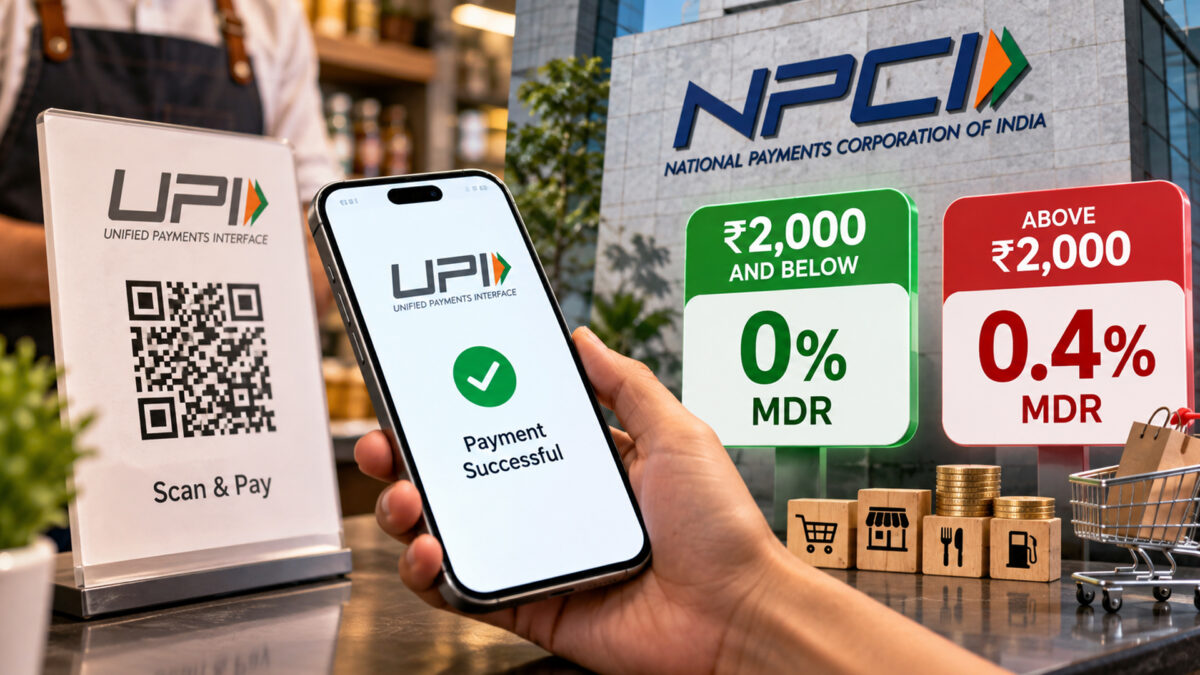
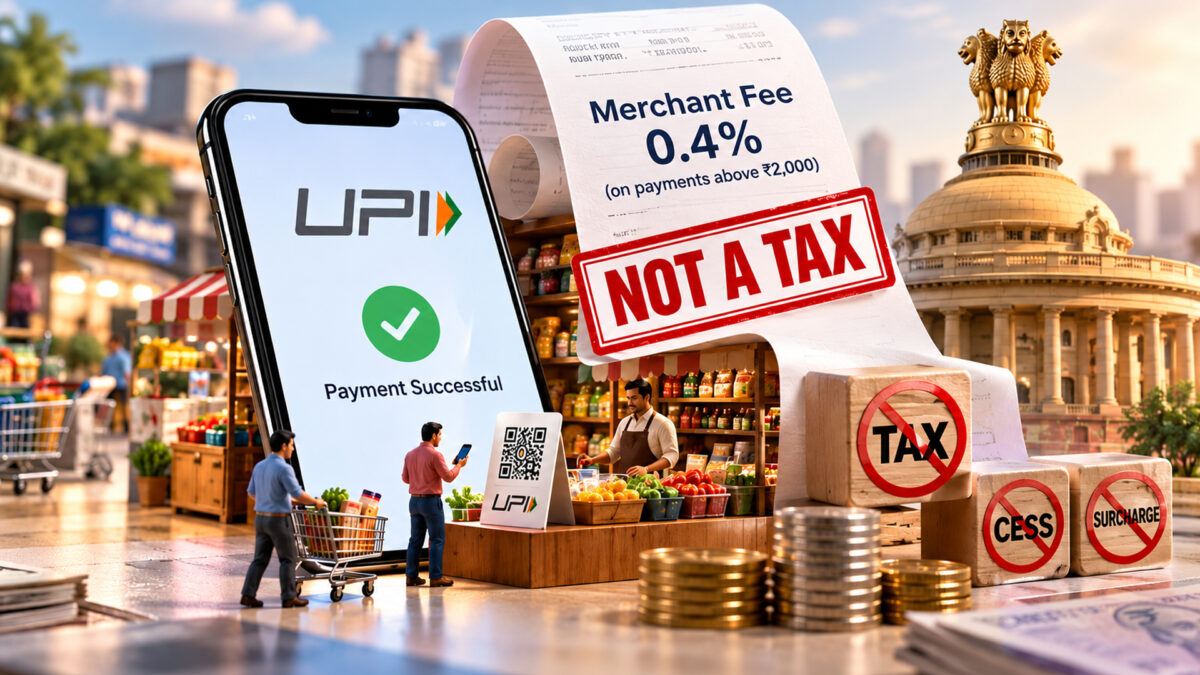
India’s popular Unified Payments Interface (UPI) could eventually have a new revenue model after the Finance Ministry introduced a Bill in Parliament seeking to amend the Payment and Settlement Systems Act, 2007. The proposed changes would give the government the power to decide which electronic payment modes can attract a Merchant Discount Rate (MDR) and which should remain exempt.

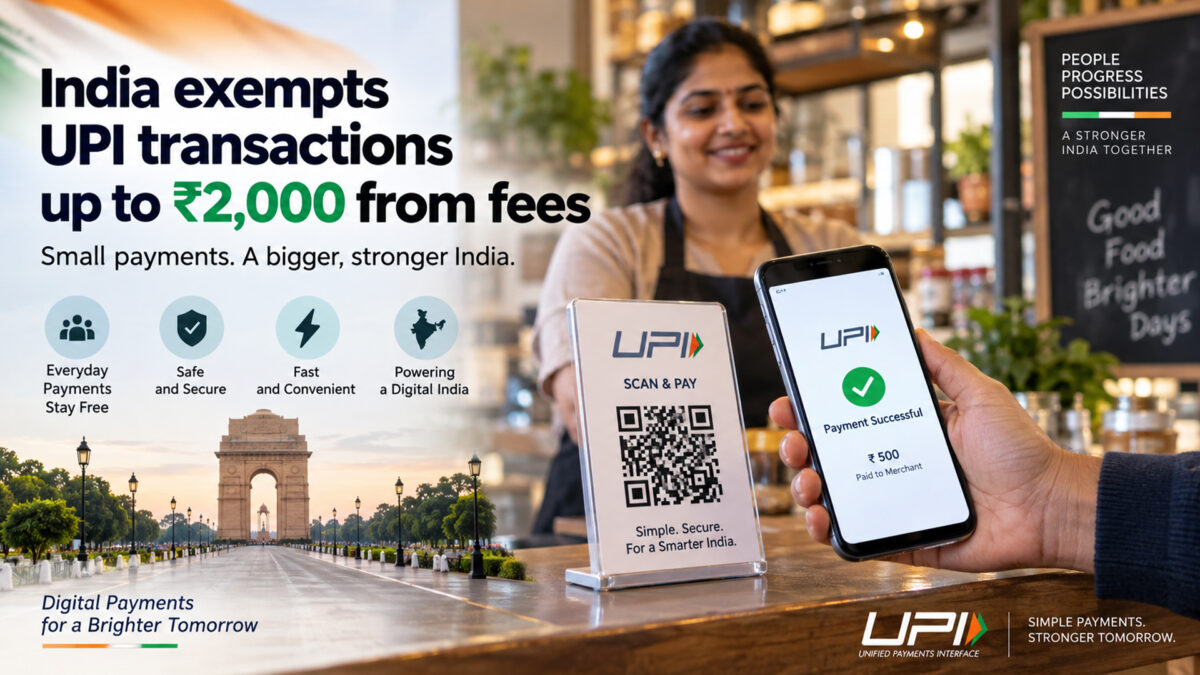
For millions of Indians who use UPI every day, however, there is no immediate reason to worry about an extra charge. The Bill itself does not impose MDR on UPI transactions or introduce a fee for customers. UPI payments will continue to remain free under the existing system until the government issues separate notifications specifying any future charges.

At present, Section 10A of the Payment and Settlement Systems Act provides a statutory exemption from charges for notified payment modes, including UPI and RuPay debit cards. The proposed amendment seeks to remove this blanket exemption.

Instead, the government would be able to notify, from time to time, which digital payment modes should continue with zero MDR and which could attract merchant charges. It would also have the flexibility to determine the applicable rates, transaction categories and entities responsible for paying them.

In simple terms, the government is not charging for UPI today. It is creating the legal framework that could allow such charges in the future.

Merchant Discount Rate is a fee paid by a merchant to banks, payment aggregators or payment service providers for processing a digital transaction. When a customer pays a shopkeeper using a payment method that carries MDR, the merchant does not necessarily receive the entire transaction amount. A small portion can be deducted as the processing fee and shared among participants in the payments ecosystem.

UPI has operated differently. Since January 2020, the government has mandated zero MDR on UPI and RuPay debit card transactions to encourage digital payments. Merchants currently receive the full value of UPI transactions, while banks and payment companies depend partly on government incentives to cover processing costs.

The Finance Ministry’s Bill does not introduce a customer transaction fee. If MDR is introduced later, it would initially be a charge on merchants rather than UPI users.

However, that does not necessarily mean consumers would never feel its impact. Businesses could choose to absorb the additional cost, negotiate lower margins or potentially factor the cost into their pricing. The actual effect would depend on the structure eventually notified by the government.

This is why the current development is better understood as a policy change enabling future MDR, rather than an immediate return of UPI charges.

The scale of India’s digital payments ecosystem has changed dramatically since UPI was launched. According to a Parliamentary Standing Committee on Finance report released in March 2026, around 88% of India’s digital transactions are now conducted through UPI.

Banks and payment service providers process more than 23 billion UPI transactions every month, with the total value approaching ₹30 lakh crore. UPI transactions have continued to set records as more consumers and businesses shift towards digital payments.

The rapid growth has also increased the cost of maintaining the payments infrastructure. The parliamentary panel warned that the zero-MDR model could become financially unsustainable as UPI expands further.

The committee estimated that UPI could add another 600 million users and eventually handle between 100 billion and 150 billion transactions every month. Such growth would require continued investment in technology, infrastructure, cybersecurity and payment processing.

Payment companies have been pushing for a change to the zero-MDR system for some time.

The Payments Council of India had earlier urged the government to reconsider the policy, arguing that incentives provided to the digital payments ecosystem cover only a fraction of the estimated cost of maintaining and expanding UPI services.

The industry body had proposed a limited MDR structure, including a 0.3% charge on UPI transactions involving large merchants. The idea was to create a revenue stream without making everyday low-value digital payments expensive.

The latest Bill gives the government room to consider such a calibrated approach in the future.

NPCI data showed that UPI transactions touched about ₹29.88 lakh crore in July 2026, while transaction volume reached 23.66 billion. The July transaction value was around 19% higher than the same month a year earlier.

That growth explains the government’s focus on building a financially sustainable digital payments ecosystem. UPI has become deeply embedded in everyday life, from buying groceries and paying utility bills to making large purchases and transferring money between bank accounts.

If Parliament approves the amendment, the next step will be government notifications specifying whether MDR will apply, which payment modes or transactions will be covered, what rates will be charged and who will bear the cost.

For now, users can continue making UPI payments without worrying about a new transaction fee. The proposed amendment simply changes who has the power to decide the future of MDR.

Categories
Technology

Jumpp enters UPI arena after NPCI greenlight

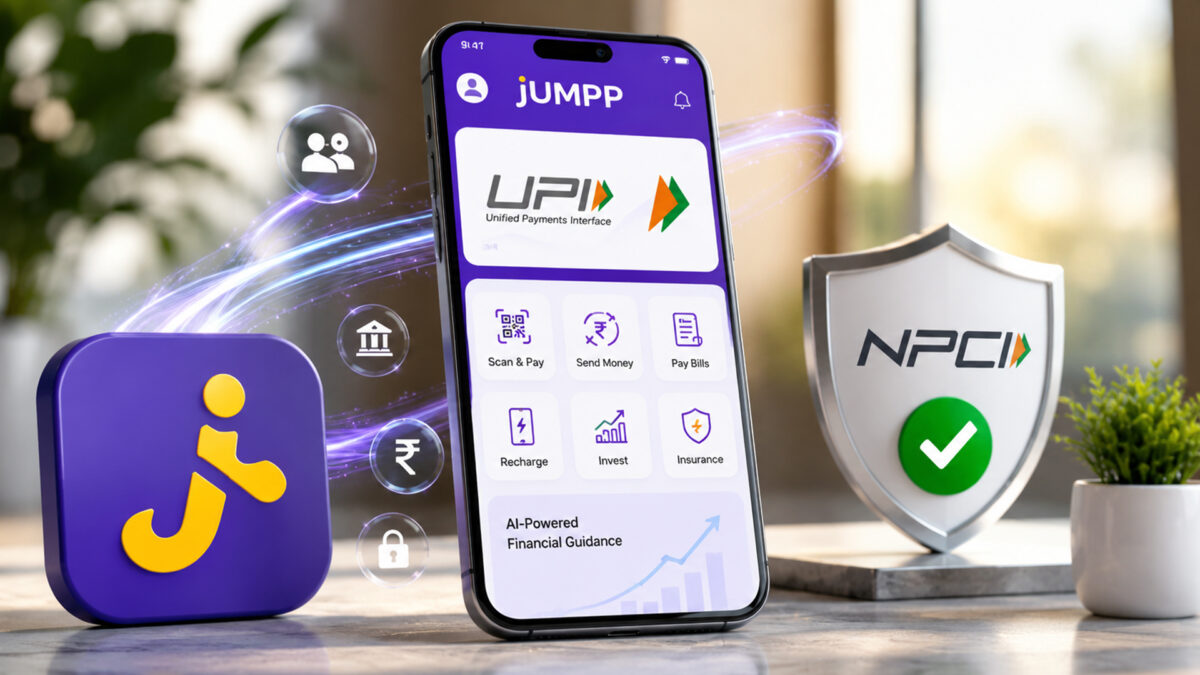
Indian fintech platform Jumpp has taken a major step in its growth journey after receiving approval from the National Payments Corporation of India (NPCI) to offer Unified Payments Interface (UPI) services directly through its app. The move allows users to make everyday digital payments while managing their investments and financial planning from a single platform.

Founded by Sarvjeet Singh Virk, Jumpp started as an AI-driven financial platform focused on helping users access investment products such as digital gold, mutual funds and systematic investment plans (SIPs). With the addition of UPI services, the company is expanding its role from a wealth-management app to a broader financial services platform.

Users will now be able to carry out peer-to-peer transfers, merchant payments, utility bill payments and mobile recharges without leaving the Jumpp app. The company says the integration is aimed at reducing the need to switch between multiple applications for different financial activities.

To support the new payment offering, Jumpp has partnered with YES Bank for banking infrastructure and Bharat Bill Payment System (BBPS) services. The platform also uses the Account Aggregator framework, enabling users to view and manage financial information from different accounts in one place.

The NPCI approval marks an important milestone for the startup as competition intensifies in India’s rapidly growing digital payments market. NPCI, which oversees UPI and other retail payment systems in the country, grants approval to third-party application providers that meet regulatory and operational requirements.

Jumpp believes the combination of AI-powered financial guidance and digital payments can help users make smarter financial decisions while simplifying day-to-day money management. The company is particularly focused on expanding access to digital financial services in Tier II and Tier III cities, where demand for integrated financial solutions continues to grow.

As digital payments become increasingly central to daily life, Jumpp’s entry into the UPI ecosystem signals its ambition to become a one-stop platform for spending, saving, investing and managing money across India.

Also Read: India may stay away from sugar exports

Categories
Beyond

RBI proposes kill switch, delays for UPI payments

The Reserve Bank of India (RBI) has proposed new measures to reduce digital payment fraud, including a “kill switch” and a short delay for higher-value transactions.

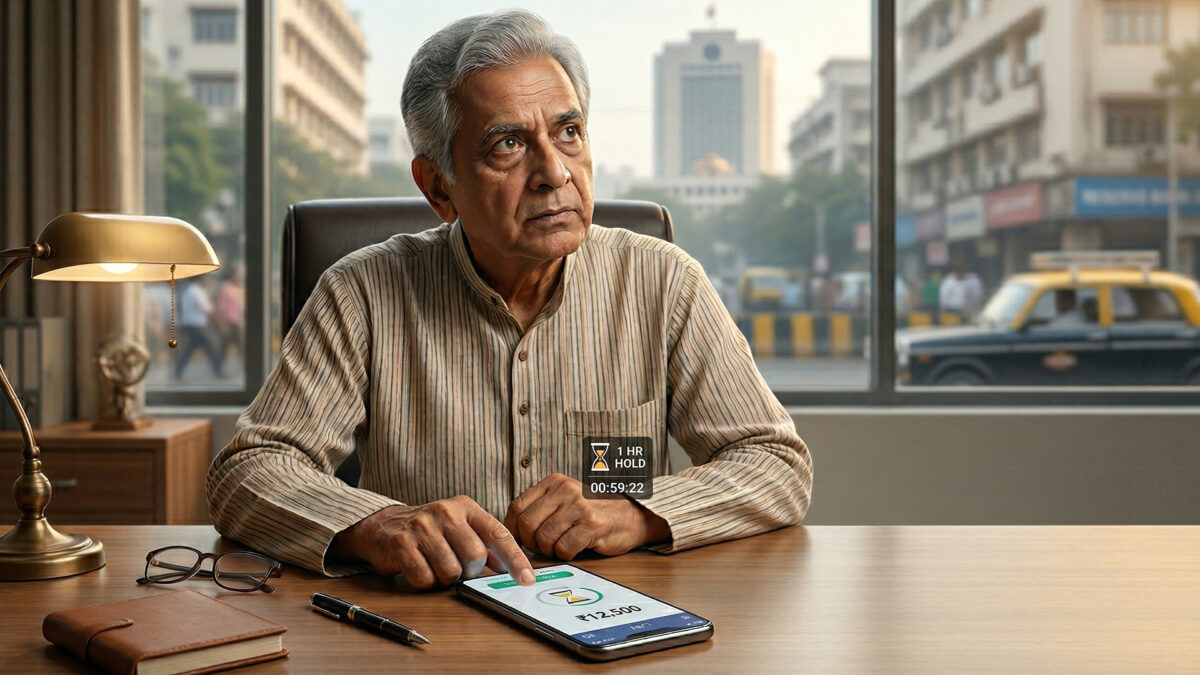
Under the plan, payments above ₹10,000 made via UPI, IMPS, NEFT, RTGS, wallets, and net banking could be delayed by up to one hour. This cooling period would allow banks or users to detect suspicious activity and stop fraudulent transfers before they are completed.

The RBI has also suggested a “kill switch” feature that would let customers instantly disable all digital payment services linked to their bank account. This would block transactions across cards, UPI, and internet banking until reactivated through strict verification.

The measures aim to address rising cases of online fraud, especially scams where users are tricked into authorising payments themselves. The central bank says the speed of digital transactions, while convenient, has made it harder to prevent fraud in real time.

The proposals are part of wider efforts to strengthen safeguards across India’s fast-growing digital payments ecosystem while balancing speed with security.

Also Read: Musk post reignites debate on COVID vaccine safety

Categories
Beyond

RBI makes digital payments safer from April 1

The Reserve Bank of India (RBI) is set to introduce new rules for digital payments from April 1, 2026, making online transactions more secure for users across the country.

Under the updated guidelines, all digital payments, whether through UPI, debit cards, credit cards, or internet banking, will now require two-factor authentication (2FA). Simply entering a one-time password (OTP) will no longer be enough to complete a transaction. Users will need to verify payments using an additional step, such as a PIN, password, or biometric method like a fingerprint or face scan.

The idea behind this change is simple: add an extra layer of protection. With online fraud cases rising alongside the rapid growth of digital payments, the RBI wants to ensure that transactions are safer and harder for fraudsters to misuse.

The new system is designed to be both secure and user-friendly. For smaller or routine payments made from trusted devices, the process may remain quick and smooth. However, for larger or unusual transactions, users might be asked to complete extra verification steps. This risk-based approach aims to balance convenience with safety.

The changes will also affect recurring payments such as subscriptions and automatic bill payments. Users may be required to re-confirm these transactions from time to time to ensure they are still authorised.

Banks and digital payment platforms have already been instructed to upgrade their systems to meet the new requirements. Many are expected to introduce more advanced features like device-based authentication and biometric verification to make the process seamless.

Also Read: Airtel, Tata told to clear AGR dues

Categories
Technology

PhonePe brings ChatGPT into UPI payments

PhonePe has joined hands with OpenAI to bring ChatGPT directly into its app to offer AI-powered assistance into routine digital payments.

Users will be able to get help with tasks like travel planning, product searches, and comparing options without leaving the app. Rather than offering a full ChatGPT interface, PhonePe will weave specific AI tools that guide users during specific actions like for travel planning, shopping and general informative discovery.

With this, PhonePe became one of the first major UPI platforms in India to embed a conversational AI assistant within its consumer-facing services. The company plans to introduce these tools across both its consumer and merchant apps.

According to OpenAI, the collaboration aligns with its broader goal of expanding AI access throughout India. Oliver Jay, OpenAI’s Head of International, has highlighted that India is seeing rapid adoption of AI tools, and PhonePe’s extensive user base makes it a strategic partner for bringing these technologies to the mainstream.

The integration is especially focused on payment-related decisions. OpenAI will be available through the Indus Appstore. Users can ask for budget travel ideas, merchant details, or service comparisons before completing a UPI transaction, and the AI will offer relevant suggestions.

This partnership comes amid a string of OpenAI initiatives in India. The company recently opened its first local office in Mumbai and announced plans for a large-scale, 1GW data centre backed by an investment commitment of around Rs 20,000 crore. It has also worked with Razorpay and the National Payments Corporation of India (NPCI) on pilots that test AI-assisted UPI payments, enabling conversational interactions for completing transactions.

To encourage broader adoption, OpenAI is offering Indian users complimentary access to ChatGPT Go for 12 months. The company expects that early exposure to its AI tools will lead more users to explore advanced features and potentially transition to paid plans.

Also Read: Trump adds 50,000 federal workers