Categories
Technology

PM Modi links digital growth with cybersecurity

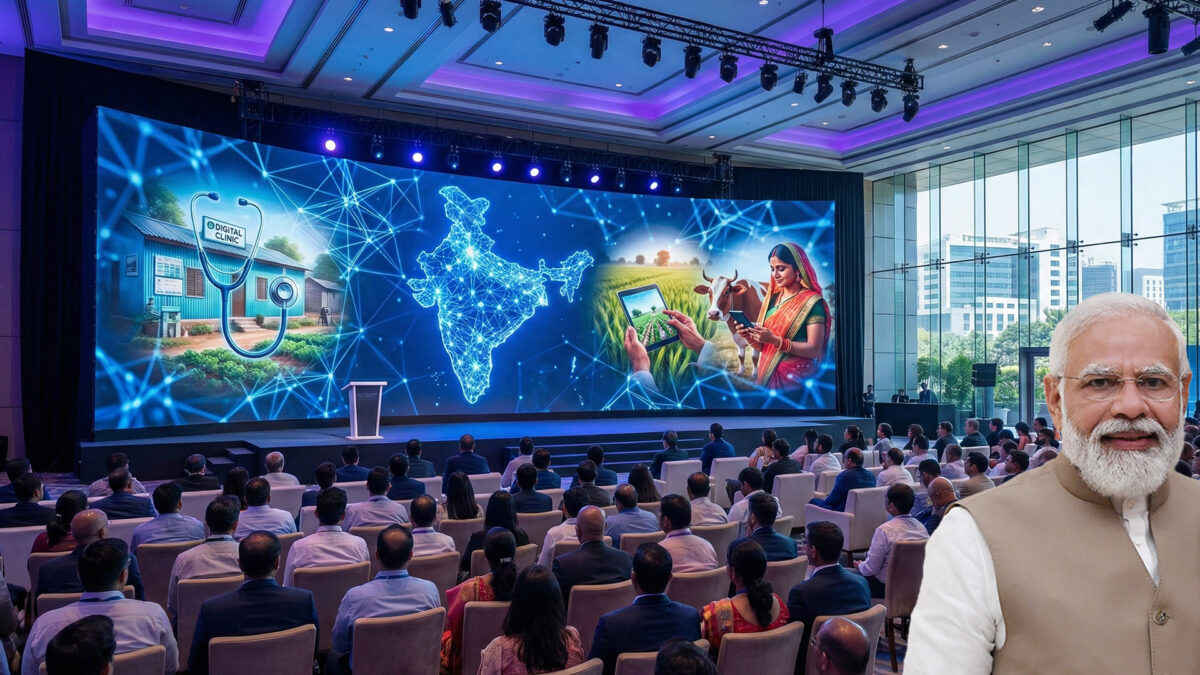
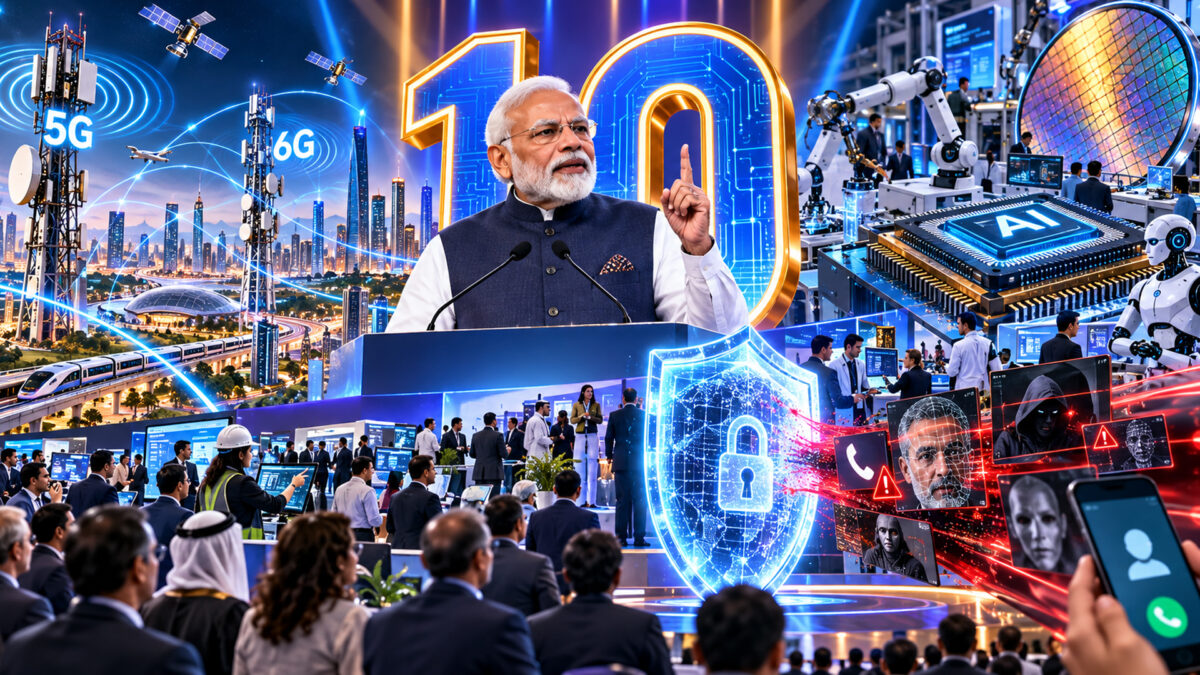
Prime Minister Narendra Modi has called for international cooperation to tackle cyber fraud, deepfakes and other digital threats, stressing that public trust must grow alongside technological progress. Speaking at the 10th edition of the India Mobile Congress (IMC) in New Delhi on October 8, he urged governments, telecom operators, technology companies and financial institutions to work together to make the digital ecosystem safer.

PM Modi said cybercriminals increasingly operate across national borders, making it difficult for individual countries to tackle fraudulent networks on their own. With artificial intelligence making it easier to create convincing fake videos, voices and images, the risks to individuals, businesses and institutions are also growing.

He called on the Global System for Mobile Communications Association (GSMA) and telecom operators around the world to develop a mechanism to identify and prevent digital fraud before it reaches potential victims. India, he said, was willing to share its experience in addressing cybercrime and support efforts to build a coordinated global response.

The Prime Minister’s address highlighted a central challenge for the technology sector: how to expand digital access and encourage innovation while protecting people from increasingly sophisticated online threats.

Digital services have become part of everyday life, from banking and shopping to education, entertainment and government services. However, the same connectivity that makes these services convenient can also expose users to phishing messages, fraudulent calls, identity theft and financial scams.

Deepfakes add another dimension to the problem. By using artificial intelligence to imitate a person’s face or voice, criminals can make fake communications appear genuine. Such material can be used to mislead people, spread misinformation or persuade victims to transfer money.

PM Modi emphasised the need to build confidence in digital communication and transactions. Effective protection, however, cannot depend on users alone. Telecom operators, digital platforms, banks and law enforcement agencies need to work together to identify suspicious activity and respond quickly.

A global framework could help countries coordinate their efforts against criminals who exploit differences in national laws and enforcement systems. It could also encourage closer cooperation between telecom networks and other digital service providers as fraud techniques evolve.

The call comes as governments worldwide face growing pressure to strengthen cybersecurity without slowing the adoption of new technologies. For India, where digital payments and mobile-based services have expanded rapidly, protecting users is increasingly important to sustaining confidence in the digital economy.

PM Modi also highlighted India’s progress in making digital technology more affordable and accessible. He said the country had moved from primarily consuming technology to developing its own products, designs and intellectual property.

The Digital India programme has helped place connectivity and digital services at the centre of the country’s development strategy. Wider mobile coverage and affordable internet access have enabled more people to use online banking, digital payments, educational platforms and government services.

Mobile phones have also evolved into multipurpose tools. Beyond calls and messaging, they now allow users to access entertainment, create videos, attend classes, run businesses and receive public services. For people living in remote areas, these services can reduce the need to travel long distances to access information or complete routine transactions.

The government has also promoted digital systems for delivering welfare benefits. Direct Benefit Transfer, which sends eligible benefits directly to recipients’ bank accounts, was cited as an example of how technology can reduce intermediaries and improve the delivery of public services.

The growth of online platforms has created opportunities for regional-language content creators, small businesses and entrepreneurs. As internet access reaches more communities, digital services are becoming an increasingly important part of economic participation.

India’s expanding 5G network is another part of its digital transformation. The government has reported a rapid rollout of 5G infrastructure since services began in 2022, helping increase network capacity and support new applications.

Communications Minister Jyotiraditya Scindia outlined an ambition to connect one billion 5G users by 2030. Reaching that target will require continued investment in telecom infrastructure, affordable devices and reliable services, alongside efforts to extend coverage to underserved areas.

The next phase of growth is expected to involve more than faster mobile internet. Technologies such as artificial intelligence, connected devices, industrial automation and advanced communications could create opportunities in manufacturing, healthcare, transport and other sectors.

India is also seeking to strengthen its position in electronics and telecom manufacturing. He said the country’s ambitions extended beyond assembling finished products to developing designs, technology and intellectual property. Building domestic capabilities could help Indian companies compete internationally and reduce reliance on imported equipment.

Telecom reforms and efforts to improve the business environment are intended to encourage investment in networks, manufacturing and innovation. Startups and technology firms are expected to play a role in developing new products and services for both Indian and overseas markets.

Held at Yashobhoomi in New Delhi from October 7 to 10, the India Mobile Congress brought together policymakers, telecom companies, technology firms, startups and investors. The event’s theme, Scale Without Boundaries, reflected the industry’s focus on expanding connectivity and developing technologies for a larger global market.

Discussions covered 5G and future 6G networks, artificial intelligence, semiconductors, quantum communication, cybersecurity and electronics manufacturing. Emerging applications in smart mobility, robotics and connected infrastructure also featured in the event’s wider technology agenda.

India’s digital expansion has created significant opportunities, but the next stage will require more than network coverage and faster data speeds. Reliable services, protection against online fraud, affordable access and public confidence will be critical to ensuring that technological progress benefits a wider population.
 

Categories
Technology

PM Modi backs global UPI expansion

Prime Minister Narendra Modi has urged India’s fintech industry to take UPI beyond India’s borders and build stronger links with payment systems in other countries, as the sector looks towards its next phase of growth.

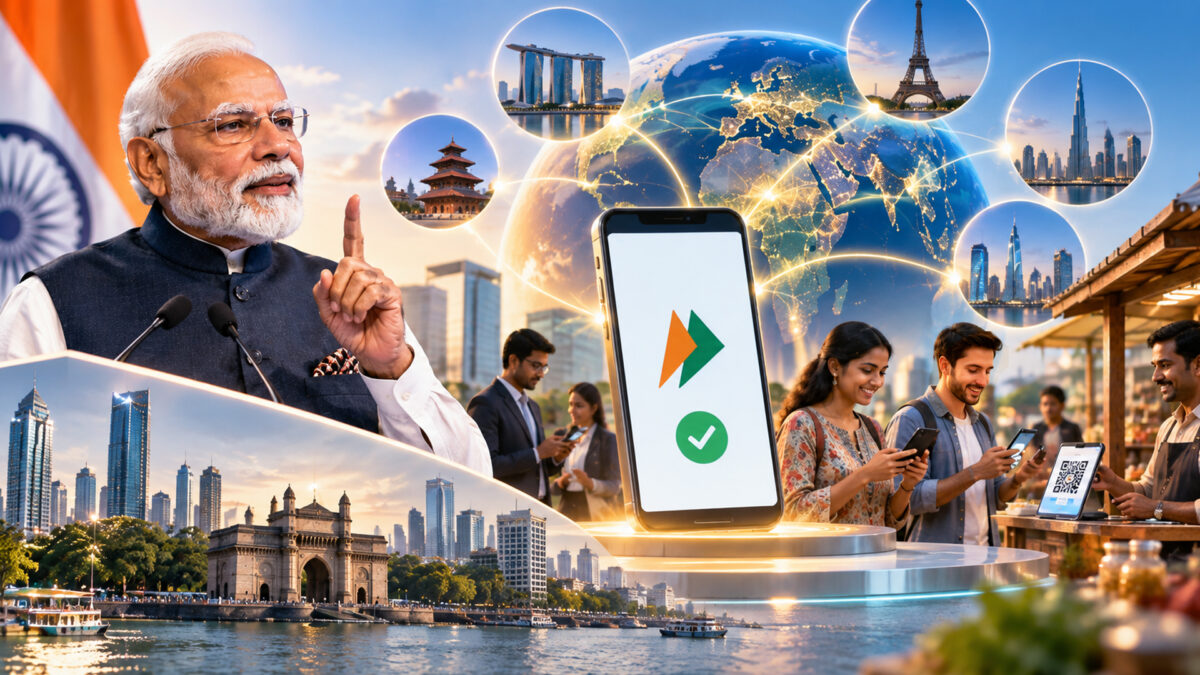
Speaking at the Global Fintech Fest 2026 in Mumbai, PM Modi said India’s fintech journey had reached a stage where the country could play a larger role in shaping global digital payments. He called for UPI to be connected with more international payment systems, particularly in countries with large Indian communities, strong trade ties with India or an interest in digital cooperation.

The push comes as UPI has grown into one of the world’s largest digital payment platforms by transaction volume. It is currently available in 11 countries, including Singapore, the UAE, France and Nepal. In August, UPI processed 24.51 billion transactions worth around $314 billion, highlighting the scale of India’s domestic digital payments market.

The international expansion of UPI could open a much larger market. Linking payment systems could make cross-border transactions faster and cheaper, while also helping Indian companies, travellers and overseas Indians make payments without relying entirely on traditional international payment networks.

He pointed to the UPI-PayNow connection with Singapore as an example of what such partnerships can achieve. The two systems allow users to transfer money between India and Singapore using mobile numbers or payment identifiers, making remittances more convenient.

The Prime Minister said similar arrangements could be explored with more countries. For India, lower remittance costs could be particularly significant as the country remains one of the world’s largest recipients of money sent home by overseas workers.

PM Modi’s message to the fintech industry was not limited to payments. He said the next phase of India’s fintech growth should move into areas such as credit, insurance, savings, investments and pensions.

That shift could create new opportunities for fintech companies that have traditionally focused on payments. Digital lending, wealth management, insurance technology and financial services for small businesses are increasingly becoming important parts of the ecosystem.

The government is also looking at emerging technologies that could reshape financial services. He highlighted agentic artificial intelligence, tokenisation and quantum technology, urging the industry to turn their potential into practical applications.

AI could help automate financial decisions, detect fraud and improve customer service for many businesses. Tokenisation could create new ways of handling financial and digital assets, while quantum technology could eventually have implications for security and financial computing.

At the same time, faster digital adoption brings new risks. PM Modi called for stronger cybersecurity and ethical data protection standards, along with better consumer protection. The government wants innovation to continue, but with safeguards that can maintain confidence in digital financial services.

The Reserve Bank of India is also focusing on this balance between innovation and regulation. RBI Governor Sanjay Malhotra said fintech has expanded access to financial services across India, helping bring banking closer to rural communities, small businesses and consumers who were previously underserved.

He highlighted the role of digital public infrastructure such as UPI, Aadhaar-enabled payments and Jan Dhan accounts in widening financial inclusion. Fintech is also increasingly being used to improve access to credit for micro, small and medium enterprises through data-based lending systems.

This creates a potentially larger business opportunity. The domestic market provides scale, while international payment partnerships could offer a route into new markets.

The Global Fintech Fest, being held in Mumbai from September 8 to 11, brings together financial institutions, technology companies, investors, regulators and startups from across the world. This year’s focus is on building trusted and connected financial systems using technologies including agentic AI, tokenisation and quantum computing.

India’s growing fintech ecosystem is also benefiting from increased investor and entrepreneurial interest. Modi said the country’s young entrepreneurs are showing a greater willingness to take risks and experiment with new business models.

That appetite could become important as the industry moves beyond the success of digital payments. UPI has already demonstrated that India can build and operate a digital financial platform at massive scale. The challenge now is to turn that success into a broader fintech ecosystem with global reach.

The internationalisation of UPI could also strengthen India’s position in the global digital economy. Instead of simply adopting payment standards created elsewhere, India is increasingly seeking to develop its own systems and connect them with international networks.

This opportunity for fintech companies is therefore moving from transaction volumes to a wider financial-services market. Payments remain the foundation, but credit, insurance, investments, cybersecurity, data services and emerging technologies could drive the next wave of growth.

PM Modi’s message at the Mumbai event was ultimately about scale, taking an Indian fintech success story to global markets while building the technology and safeguards needed for its next stage.

With UPI already handling billions of transactions every month, the focus is now shifting from how quickly India’s digital payment system can grow at home to how effectively it can connect businesses, consumers and financial institutions across borders.


Categories
Leaders

PM Modi, Japan PM inaugurate Maruti’s Kharkhoda plant

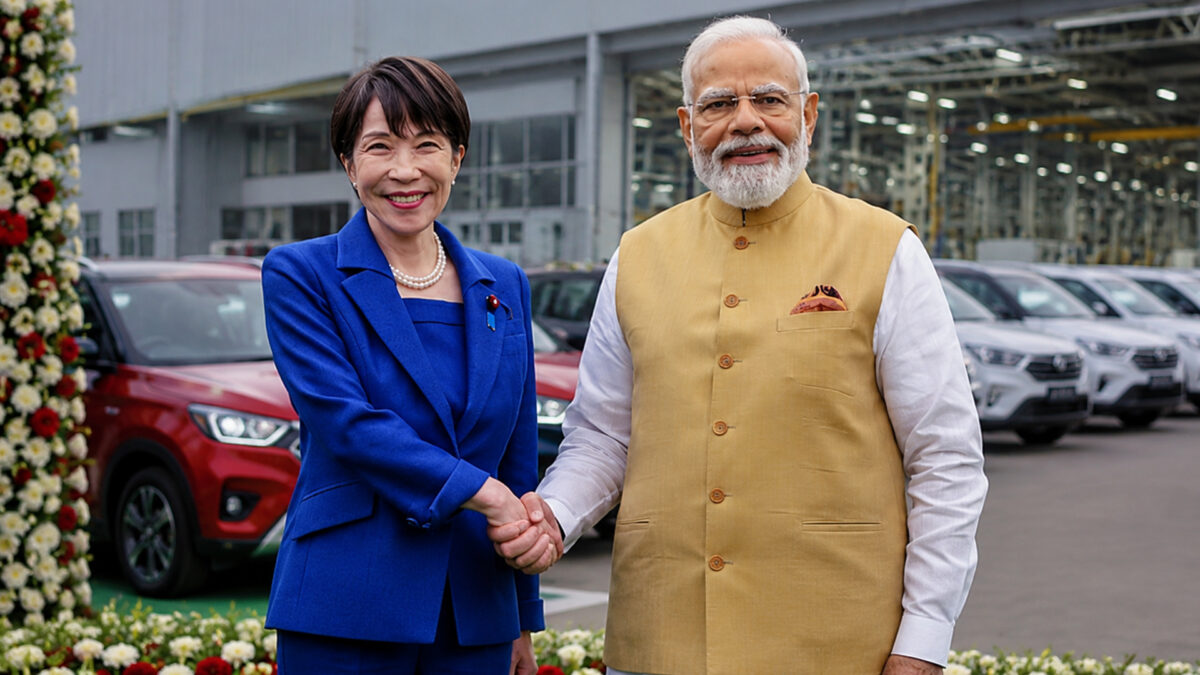
Prime Minister Narendra Modi and Japanese Prime Minister Sanae Takaichi jointly inaugurated Maruti Suzuki India’s new manufacturing facility at Kharkhoda in Haryana on Friday, marking a major milestone in the country’s automotive sector and the long-standing partnership between India and Japan.

Built with an investment of around ₹35,000 crore, the Kharkhoda plant is Maruti Suzuki’s fourth manufacturing facility in India and one of its largest. The project is expected to significantly boost vehicle production while creating thousands of direct and indirect employment opportunities in the region.

The new facility has been designed with advanced manufacturing technologies and modern automation systems to improve production efficiency and support Maruti Suzuki’s future growth. The company plans to gradually expand the plant’s production capacity, helping meet rising domestic demand as well as export requirements.

Addressing the gathering, Prime Minister Modi said the plant reflects global confidence in India’s manufacturing capabilities and reinforces the country’s emergence as a preferred destination for industrial investment. He highlighted the government’s continued focus on infrastructure development, ease of doing business and policies aimed at making India a global manufacturing hub.

Japanese Prime Minister Sanae Takaichi described the project as another symbol of the strong strategic and economic partnership between India and Japan. She said the two countries continue to deepen cooperation across sectors including manufacturing, technology, infrastructure and clean energy.

Maruti Suzuki said the Kharkhoda facility will play a key role in its long-term expansion strategy as the company prepares for growing demand in India’s passenger vehicle market. The plant is also expected to support the production of cleaner and more fuel-efficient vehicles in line with changing consumer preferences and environmental goals.

Also Read: OpenAI weighs 5% US government stake

Categories
Leaders

Amazon CEO meets PM Modi, commits $48 bn

Amazon has announced a massive $48 billion investment plan for India through 2030, reaffirming its long-term commitment to one of its fastest-growing markets. The announcement was made by Amazon CEO Andy Jassy after meeting Prime Minister Narendra Modi in New Delhi.

The new commitment includes an additional $13 billion for expanding artificial intelligence (AI) and cloud infrastructure, taking Amazon’s planned investment in India between 2026 and 2030 to $48 billion. The latest funding builds on the $35 billion investment plan the company announced last year. Overall, Amazon’s cumulative investments in India from 2010 to 2030 are expected to cross $88 billion.

A significant portion of the fresh investment will be used to strengthen Amazon Web Services (AWS) by expanding data centre capacity in Mumbai and Hyderabad. The company said the move will help startups, businesses and government organisations access advanced AI tools, cloud technologies and computing infrastructure to accelerate innovation.

Amazon is also stepping up its e-commerce and logistics network. This year, it plans to open more than 20 new fulfilment centres and over 100 delivery stations, with a stronger focus on improving services in smaller cities and expanding faster delivery options. The company is simultaneously scaling up its quick-commerce business as demand for rapid deliveries continues to grow across urban India.

Speaking about India’s growth story, Jassy said Amazon’s priorities closely align with the country’s focus on AI adoption, digital transformation, job creation and support for small businesses. He described India as an increasingly important global hub for cloud computing and AI, citing strong demand for digital infrastructure.

Amazon said its long-term plans also include supporting 3.8 million jobs, enabling $80 billion in cumulative exports, helping millions of small businesses adopt AI technologies and expanding digital skills initiatives.

Also Read: Gold slides to ₹1,41,320, silver down to ₹2,34,900

Categories
1 Minute-Read

Parle Industries shares jump on viral “Melody” confusion

Parle Industries shares surged to the upper circuit after a viral video of Prime Minister Narendra Modi gifting “Melody” toffees to Italian PM Giorgia Meloni triggered confusion among retail investors.

The buzz around the “Melodi” meme led some traders to mistakenly associate Parle Industries with Parle Products, the actual maker of Melody candies. The stock jumped despite having no business link to the FMCG brand.

Parle Products is privately held and not listed, while Parle Industries operates in infrastructure and recycling. The incident highlights how social media trends can sometimes drive irrational movements in stock markets.

Categories
1 Minute-Read

PM Modi highlights India’s West Asia concerns

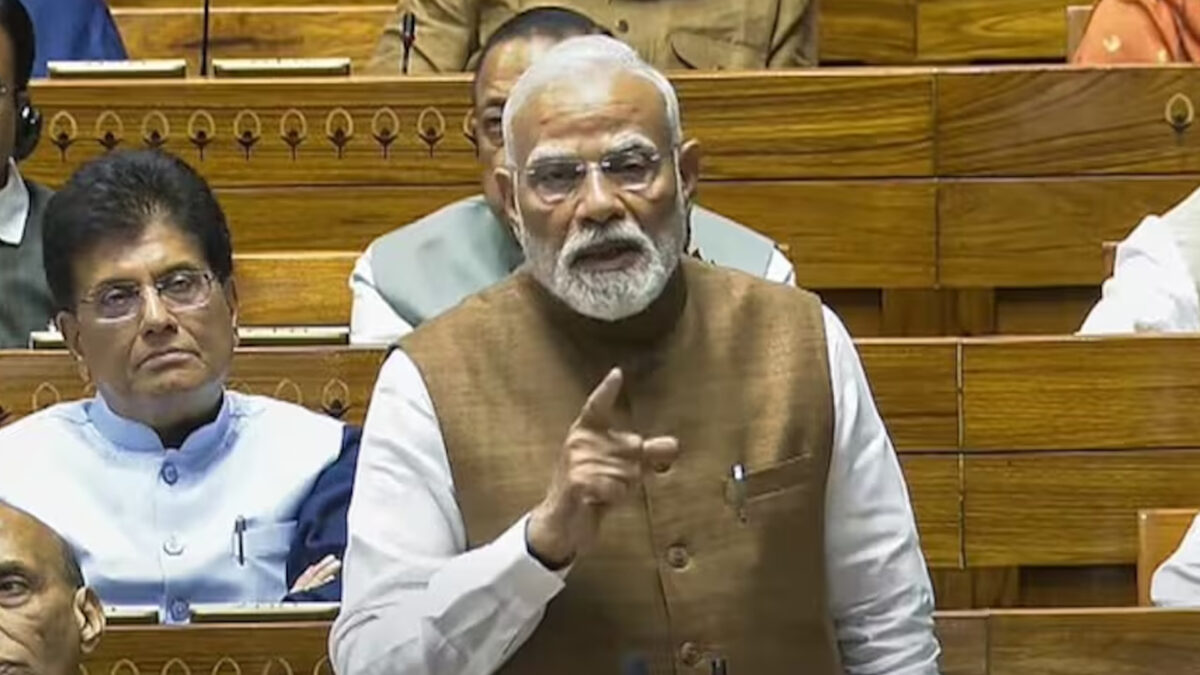
Prime Minister Narendra Modi on Monday told the Lok Sabha that the ongoing West Asia conflict poses serious challenges for India. He highlighted risks to energy security, trade routes, and the safety of millions of Indians in the region.

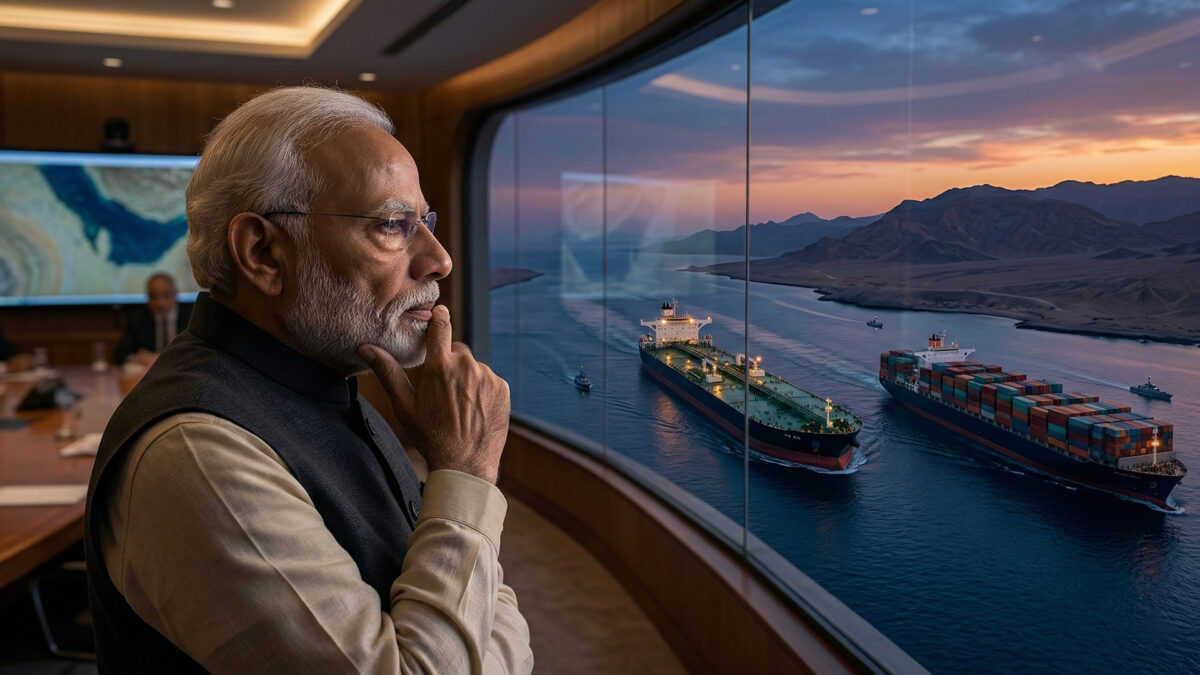
PM Modi emphasized measures such as 24×7 helplines, control rooms, and advisories to protect citizens abroad. The Strait of Hormuz was flagged as a critical route, with any disruption potentially affecting India’s fuel supplies.

Domestically, strategic reserves of LPG, crude, coal, and fertilizers are being monitored. Modi urged unity, resilience, and proactive diplomacy amid global uncertainty.

Categories
1 Minute-Read

PM Modi unveils ₹10,800 cr projects in Kerala

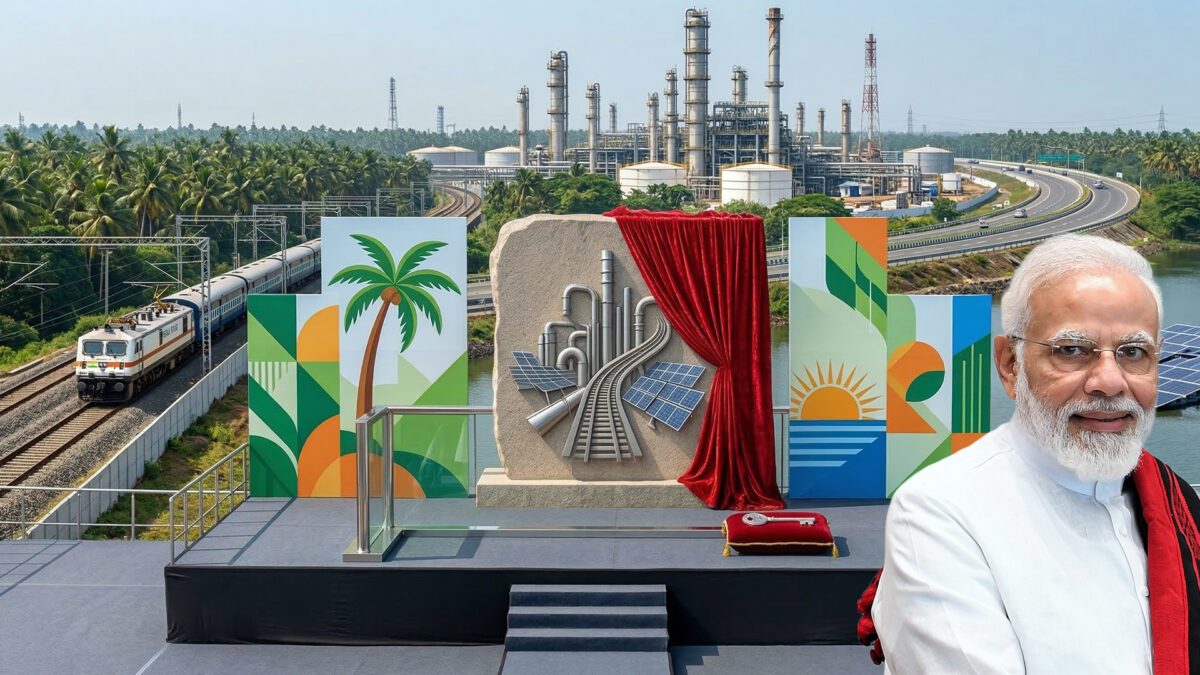
Prime Minister Narendra Modi on Tuesday inaugurated and laid the foundation stone for development projects worth ₹10,800 crore in Ernakulam, Kerala. The initiatives aim to improve infrastructure, boost industries and strengthen transport and energy sectors in the state.

Among the major projects is a polypropylene unit at the Kochi Refinery of Bharat Petroleum Corporation Limited, expected to support petrochemical industries and create jobs. The Prime Minister also inaugurated road projects, including the widening of stretches of National Highway 66, and launched a floating solar power project at West Kallada to promote renewable energy in Kerala.

Categories
Leaders

PM Modi urges peace, flags economic risks in Gulf

Prime Minister Narendra Modi held a telephone call with Benjamin Netanyahu on Monday, urging an “early cessation of hostilities” and emphasising that the safety of civilians must be a priority as tensions soar in West Asia following US–Israel strikes on Iran.

In his message on social media platform X, Modi said he had conveyed India’s concerns over the ongoing violence and called for de‑escalation to protect non‑combatants caught in the crossfire. He reiterated that India wants hostilities to end quickly and urged all sides to prioritise peace and civilian security.

The call comes amid growing concerns over trade and energy flows. India imports a significant portion of its crude oil and LPG from West Asia, and instability in the region, especially near strategic chokepoints like the Strait of Hormuz, could affect fuel costs, shipping schedules, and supply chains.

PM Modi also spoke with Sheikh Mohamed bin Zayed Al Nahyan, President of the United Arab Emirates, condemning recent attacks on the UAE and expressing India’s solidarity, while thanking UAE leadership for looking after the large Indian expatriate community.

Although direct trade with Iran has declined due to sanctions, India continues to export agricultural products, machinery, and pharmaceuticals, while importing dry fruits, chemicals, and glassware. Analysts warn that escalating conflict could disrupt these trade flows, affecting businesses and exporters dependent on Gulf markets.

India’s government is closely monitoring the economic fallout, including potential delays at ports, shipping disruptions, and volatility in energy prices. The PM’s outreach reflects India’s dual focus: advocating for peace to protect civilians and ensuring continuity of critical trade and energy interests.

PM Modi’s calls to regional leaders signal proactive diplomacy, combining humanitarian concerns with strategic economic foresight as businesses watch the Gulf situation for its impact on energy, logistics, and trade stability.

Also Read: GST collections rise to ₹1.83 lakh cr in February

Categories
Beyond

New Micron chip plant worth ₹22,500 cr in Gujarat

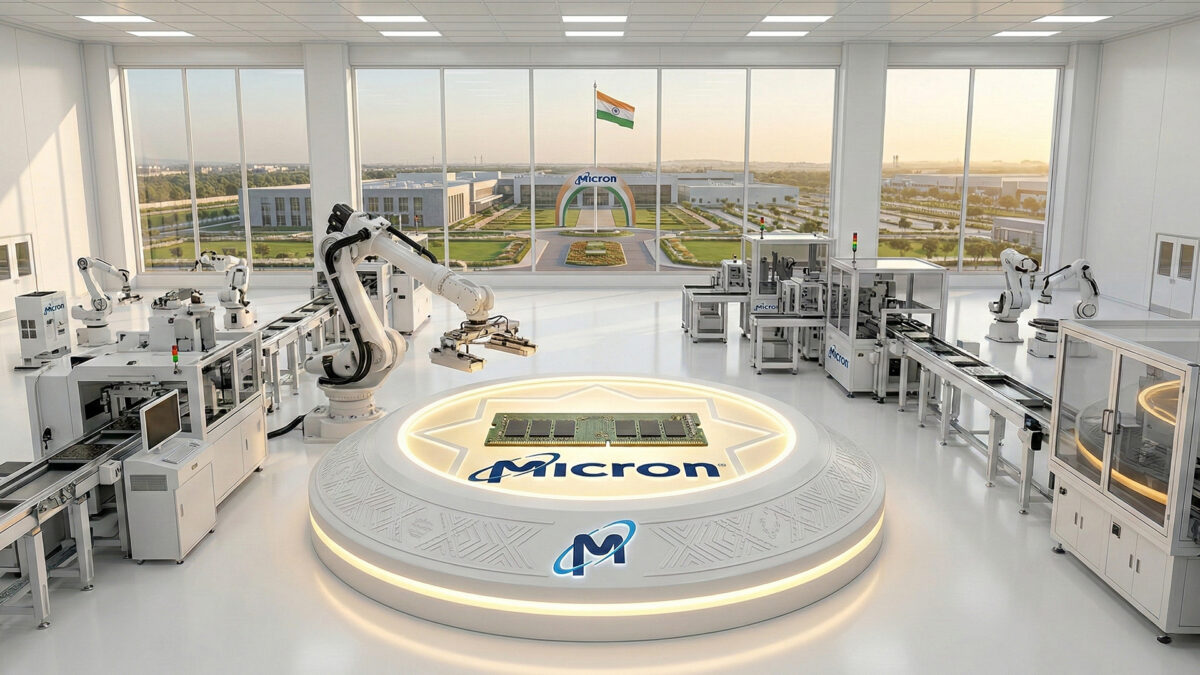
A major semiconductor facility set up by Micron Technology in Sanand, Gujarat, was started on Friday. This was inaugurated by Prime Minister Narendra Modi, thus marking a significant step in India’s push to become a global electronics manufacturing hub.

The new plant, built with an investment of over ₹22,500 crore, will assemble, test and package semiconductor memory products such as DRAM and NAND chips. These components are widely used in smartphones, laptops, data centres and emerging technologies like artificial intelligence.

The facility is part of the government’s broader semiconductor strategy aimed at reducing India’s dependence on imported chips and strengthening its position in the global supply chain. Officials described it as one of the first large-scale semiconductor projects to begin operations under the national semiconductor mission.

Spread across a large industrial site in Sanand, the plant is expected to generate thousands of jobs over time. Around 2,000 people are already employed, and the workforce is likely to grow significantly as production ramps up. The project is also expected to create indirect employment in logistics, services and ancillary industries.

At the inauguration, Modi said the plant reflects growing global confidence in India’s manufacturing ecosystem. He highlighted the government’s efforts to attract high-tech investments and build a robust semiconductor base in the country.

Industry experts see the Micron facility as a crucial milestone. While India has traditionally relied on other countries for semiconductor production, projects like this are seen as laying the groundwork for a stronger domestic electronics sector.

The chips produced in Gujarat will serve both Indian and international markets, helping integrate the country more deeply into global technology value chains. As demand for memory and data storage continues to rise worldwide, the Sanand plant could play an important role in supporting next-generation digital infrastructure.

Also Read: Fino Payments Bank CEO arrested in GST case

Categories
Beyond

PM Modi says India ready to lead global AI era

Prime Minister Narendra Modi has positioned India as a major force in the rapidly evolving global artificial intelligence landscape, describing AI as a “civilisational inflection point” that will reshape economies, governance and daily life.

Speaking at the India AI Impact Summit, he said India’s AI strategy is built on inclusion, innovation and technological self-reliance, with a focus on ensuring that the benefits of the technology reach all sections of society. He underlined that AI should not remain in the hands of a few countries or corporations but must serve humanity at large.

The Prime Minister highlighted that India’s digital public infrastructure has created a strong foundation for developing affordable and scalable AI solutions. This model, he said, can support not only domestic growth but also offer pathways for other developing nations.

Addressing concerns over job losses, Modi said the emphasis is on skilling and reskilling the workforce to prepare for new opportunities in an AI-driven economy. Rather than replacing human effort, he noted, AI will enhance productivity and improve outcomes in sectors such as healthcare, agriculture, education and public service delivery.

He also pointed to India’s young talent pool, vibrant startup ecosystem and expanding computing capacity as key strengths that will help the country transition from being a technology adopter to a global technology creator.

Calling for responsible innovation, the Prime Minister stressed the importance of ethical, transparent and bias-free AI systems. He urged greater international cooperation to develop frameworks that ensure safety, trust and equitable access.

The summit brought together policymakers, industry leaders and researchers from across the world, reflecting India’s ambition to shape the global AI agenda while using the technology as a tool for inclusive growth and social transformation.

Also Read: Adani Ports ties up with Marseille Fos for IMEC corridor