Categories
Beyond

China, Iran use economy as tool in US rivalry

A new report highlights how China and Iran are increasingly using the global economy itself as a tool to counter US influence, showing how modern geopolitical tensions are moving beyond traditional warfare.

Instead of direct military confrontation, both countries are reportedly using trade, energy supplies, and critical resources to apply pressure on the United States and its allies. This approach reflects a growing trend where economic systems are being used as instruments of power.

China, for example, holds a strong position in the global supply of rare earth minerals, which are essential for electronics, electric vehicles, and defence equipment. By controlling or restricting access to these materials, it can influence global supply chains and affect industries that depend heavily on them.

Iran, on the other hand, has used its strategic location near the Strait of Hormuz, one of the world’s most important oil routes, to create uncertainty in global energy markets. Even the threat of disruption in this narrow waterway has previously led to sharp rises in oil prices and global concern.

The report suggests that these strategies mark a shift from conventional conflict to what experts describe as “economic warfare,” where financial systems, trade routes, and commodities become tools of influence.

The United States, which has long used sanctions and its financial system as a source of global leverage, is now facing similar tactics being used against it. This growing balance of economic pressure is reshaping how countries compete and respond to each other.

The effects are already being felt worldwide. Energy prices have become more volatile, supply chains are under strain, and businesses are facing rising costs. These pressures are eventually passed on to consumers, affecting everyday prices.

Also Read: Bajaj Housing shares dip 3% as 25% lock-in ends

Categories
Beyond

Oil prices cross $100 after US Iran blockade

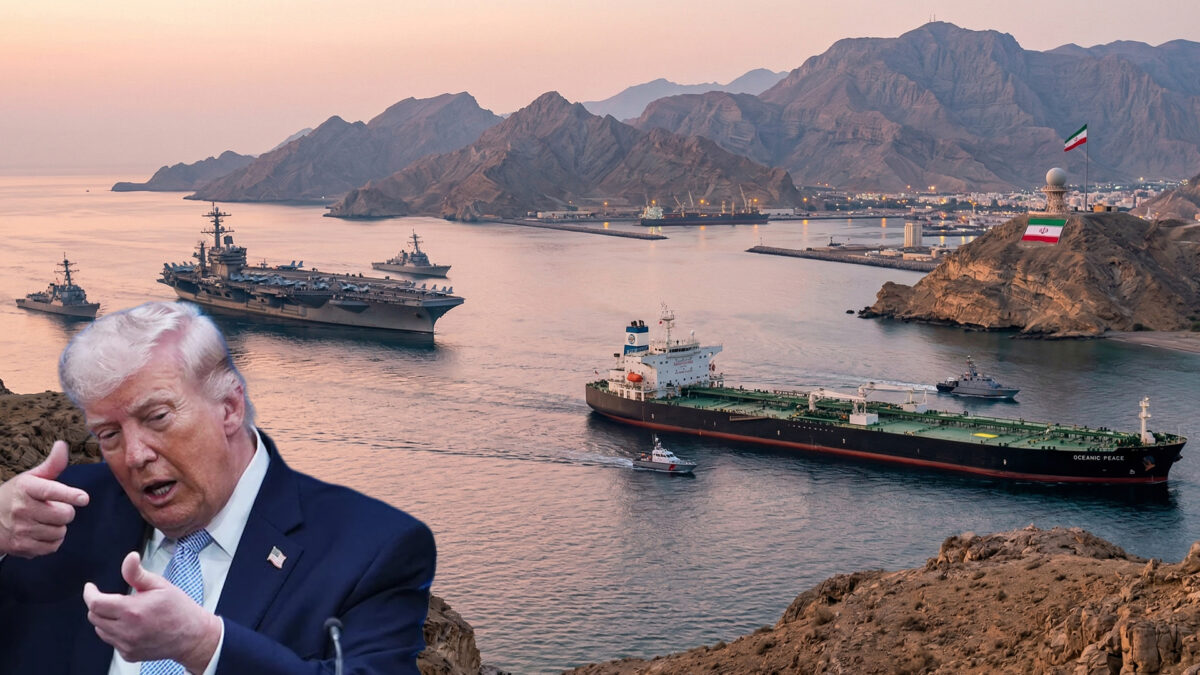
Global oil prices have jumped sharply, crossing the $100 mark, after the United States announced a naval blockade targeting Iran. The move has raised fresh concerns about tensions in the Middle East and their impact on global energy supplies.

The focus of the crisis is the Strait of Hormuz, a narrow but crucial waterway through which a large portion of the world’s oil is transported. Any disruption in this region can quickly affect global markets, and the latest developments have already caused prices to rise significantly.

The US decision comes soon after peace talks with Iran failed to produce any agreement. With diplomacy stalled, the situation has become more uncertain, and markets are reacting to the possibility of supply disruptions. Analysts say even the fear of limited oil flow through the strait is enough to push prices higher.

Following the announcement, oil prices rose by around 7–8%, reflecting concerns that exports from the region could be affected. Higher oil prices could eventually lead to increased fuel costs for consumers and add to inflation pressures worldwide.

The impact is not limited to energy markets. Global stock markets have also shown signs of nervousness, as investors worry about the wider economic effects of rising tensions. At the same time, shares of energy companies have seen gains due to expectations of higher profits.

Iran has responded cautiously but warned that any blockade could lead to further escalation. This has added to fears that the situation could worsen, potentially affecting not just oil supplies but also overall stability in the region.

Also Read: TCS Nashik case sparks outrage over harassment claims

Categories
1 Minute-Read

Trump pauses Iran strikes for 2 weeks

US President Donald Trump has announced a two-week pause in military strikes against Iran, aiming to ease tensions and allow negotiations. The suspension is conditional on Iran reopening the Strait of Hormuz, a key global oil route.

The move follows mediation efforts led by Pakistan and signals willingness from both sides to pursue diplomacy. The conflict, involving US, Israel, and Iran, had disrupted oil supplies and raised regional tensions. After the announcement, oil prices fell and markets stabilised slightly.

While some leaders welcomed the step, concerns remain over unresolved issues. The two-week period is seen as critical for further talks.

Categories
Beyond

Iran keeps Strait of Hormuz open for India

Iran has announced that the strategically important Strait of Hormuz will remain open for India and four other countries, even as tensions in the Middle East continue to disrupt global oil supplies.

Iranian Foreign Minister Abbas Araghchi said that India, along with China, Russia, Iraq and Pakistan, has been classified as a “friendly nation.” Ships from these countries will be allowed to pass through the Strait without restrictions. However, Iran has limited access for nations it considers hostile, including the United States and its allies.

The Strait of Hormuz is one of the world’s most critical oil routes, carrying nearly 20% of global crude oil shipments. Any disruption in this narrow waterway can have a direct impact on global energy prices and supply chains.

India’s inclusion in the list is seen as a positive development, as the country relies heavily on oil imports that pass through this route. Ensuring safe passage for Indian vessels will help maintain stable fuel supplies and reduce pressure on domestic markets.

Reports indicate that Indian ships are continuing operations without disruption. At least two LPG carriers have already passed through the Strait safely and are heading towards India, suggesting that the situation remains stable for now.

The move comes at a time when global oil markets are under stress due to ongoing geopolitical tensions in the region. Several countries and international bodies have called for keeping the Strait open to avoid further escalation in the energy crisis.

Also Read: Gold rises ₹1,46,680, silver up ₹2,50,100

Categories
1 Minute-Read

Iran strikes cut Qatar LNG by 17%

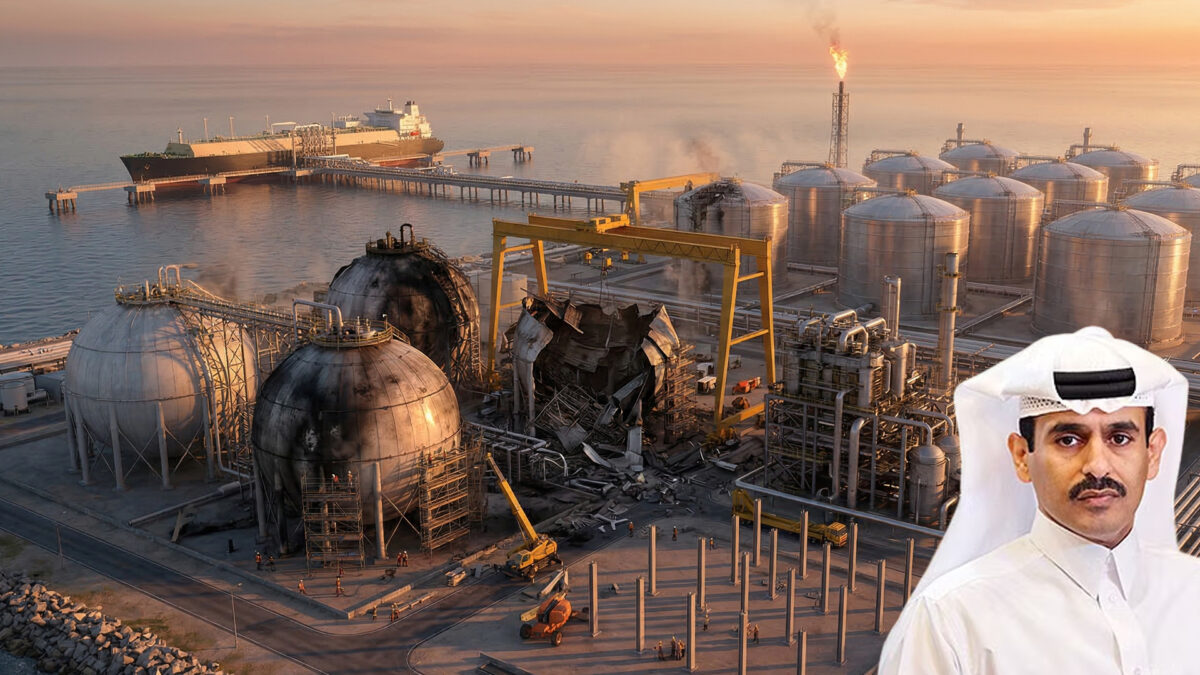
Iranian attacks damaged two LNG units and a gas‑to‑liquids plant in Qatar, wiping out about 17 % of its LNG export capacity.

QatarEnergy CEO Saad al‑Kaabi said repairs could take three to five years, affecting roughly 12.8 million tonnes of annual output and $20 billion in revenue. The company may declare force majeure on long-term LNG contracts with buyers in Italy, Belgium, South Korea, and China.

The disruption adds pressure to global gas markets amid ongoing Middle East tensions.

Categories
Beyond

Brent oil nears $120 due to Middle East crisis

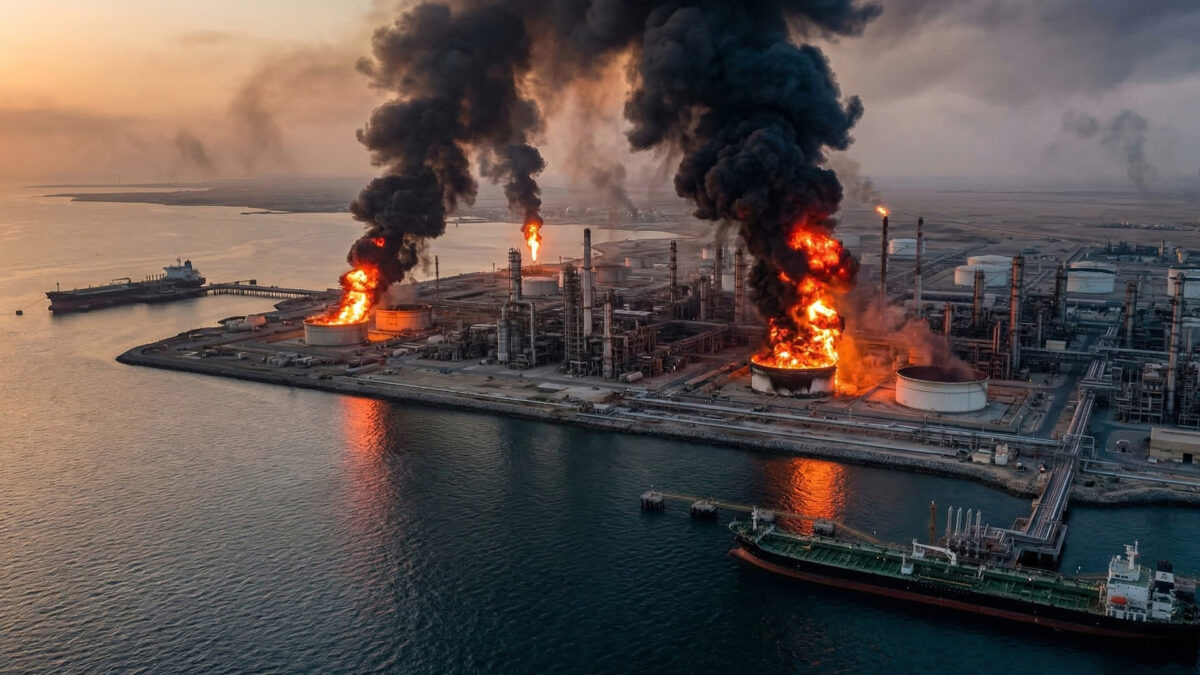
Brent crude oil, the global benchmark, is nearing $120 per barrel as tensions in the Middle East escalate. The rise comes after Iran attacked key energy facilities in the Gulf, sparking worries about supply disruptions that could affect the world’s oil markets.

The attacks targeted major oil and gas sites in countries including Qatar, Saudi Arabia, Kuwait, and the UAE. Notably, Iran struck Qatar’s Ras Laffan LNG complex, one of the largest liquefied natural gas hubs in the world. These strikes came after an earlier Israeli attack on Iran’s South Pars gas field and caused damage that could slow production and exports.

Brent oil prices jumped to nearly $120 per barrel, while US crude prices also saw significant gains. Experts warn that if the conflict continues, oil prices may stay high or rise further.

A key concern is the Strait of Hormuz, a narrow sea passage through which roughly 20% of the world’s oil passes. Any disruption here could reduce oil supply even more, pushing prices higher globally.

The surge in oil costs has also affected other markets. Stock indices in Asia, Europe, and the US have fallen as investors worry about rising energy prices and the impact on inflation. Natural gas prices in Europe have also increased, adding to energy cost concerns.

Countries that import large amounts of oil, such as India, face higher fuel prices, which can lead to increased costs for transport, manufacturing, and everyday goods. Rising energy prices may also put pressure on governments and consumers alike.

Also Read: Iran hits the world’s largest LNG hub in Qatar

Categories
Beyond

Iran to allow safe passage for Indian ships

Iran has assured India that its ships will be allowed safe passage through the Strait of Hormuz, a key maritime chokepoint for global energy supplies. The move comes amid rising tensions in West Asia that have disrupted shipping routes in the Gulf.

Iran’s Ambassador to India, Mohammad Fathali, said Indian vessels bound for the country would be granted “safe passage,” highlighting the longstanding friendship between the two nations. He emphasized that India is considered a friend and that operational details are expected to follow soon.

This assurance is significant for India, which relies heavily on energy imports from West Asia. A large portion of its crude oil and liquefied petroleum gas (LPG) passes through Hormuz, making uninterrupted maritime access a strategic priority.

In a practical demonstration of these arrangements, an Indian commercial ship carrying 40,000 metric tonnes of LPG recently exited the Strait of Hormuz with the protection of an Indian Navy escort. The operation reflects India’s proactive efforts to safeguard its energy shipments amid regional instability.

New Delhi has been in regular contact with Tehran to coordinate the safety of its vessels. Indian officials say that ensuring secure maritime routes is crucial to maintaining energy supply and trade continuity.

Analysts note that Iran’s assurances also signal an interest in maintaining stable bilateral relations with India, even as tensions with other countries in the region continue to escalate. For India, these diplomatic and security measures are part of broader efforts to mitigate risks to its energy imports and maritime trade.

With the first ship already escorted successfully, India’s energy supply chain is expected to remain largely uninterrupted. Further coordination between the two countries is likely to ensure smooth passage for more vessels in the coming weeks.

Also Read: Khamenei’s wife is alive, confirms Iran media

Categories
Leaders

PM Modi urges peace, flags economic risks in Gulf

Prime Minister Narendra Modi held a telephone call with Benjamin Netanyahu on Monday, urging an “early cessation of hostilities” and emphasising that the safety of civilians must be a priority as tensions soar in West Asia following US–Israel strikes on Iran.

In his message on social media platform X, Modi said he had conveyed India’s concerns over the ongoing violence and called for de‑escalation to protect non‑combatants caught in the crossfire. He reiterated that India wants hostilities to end quickly and urged all sides to prioritise peace and civilian security.

The call comes amid growing concerns over trade and energy flows. India imports a significant portion of its crude oil and LPG from West Asia, and instability in the region, especially near strategic chokepoints like the Strait of Hormuz, could affect fuel costs, shipping schedules, and supply chains.

PM Modi also spoke with Sheikh Mohamed bin Zayed Al Nahyan, President of the United Arab Emirates, condemning recent attacks on the UAE and expressing India’s solidarity, while thanking UAE leadership for looking after the large Indian expatriate community.

Although direct trade with Iran has declined due to sanctions, India continues to export agricultural products, machinery, and pharmaceuticals, while importing dry fruits, chemicals, and glassware. Analysts warn that escalating conflict could disrupt these trade flows, affecting businesses and exporters dependent on Gulf markets.

India’s government is closely monitoring the economic fallout, including potential delays at ports, shipping disruptions, and volatility in energy prices. The PM’s outreach reflects India’s dual focus: advocating for peace to protect civilians and ensuring continuity of critical trade and energy interests.

PM Modi’s calls to regional leaders signal proactive diplomacy, combining humanitarian concerns with strategic economic foresight as businesses watch the Gulf situation for its impact on energy, logistics, and trade stability.

Also Read: GST collections rise to ₹1.83 lakh cr in February

Categories
Beyond

Brent crude jumps 13% as Iran moves on Hormuz

Global oil markets were rocked on Monday after crude prices surged more than 13% amid escalating conflict involving Iran, the United States and Israel, raising fears of a prolonged supply shock.

The sharp rally came after reports that Iran moved to restrict traffic through the Strait of Hormuz following coordinated US–Israel strikes on Iranian targets. The narrow waterway, located between Iran and Oman, is one of the world’s most critical energy corridors, handling nearly 20% of global crude oil and liquefied natural gas shipments each day.

Global benchmark Brent Crude surged as much as 13% to $82.37 per barrel, marking its highest level in over a year before easing slightly to trade near $79–$80. Meanwhile, West Texas Intermediate (WTI) climbed roughly 8% to around $72–$73 per barrel after volatile trading.

Shipping firms and maritime insurers have reportedly paused or delayed tanker movements through the Strait due to heightened security risks. Although Iranian authorities have not formally declared a complete closure, vessel tracking data shows significant slowdowns and rerouting activity. Analysts warn that even partial disruptions could tighten global supply chains.

Energy experts estimate that if flows through Hormuz were fully blocked, the global market could temporarily lose between 8 million and 10 million barrels per day, a volume difficult to replace quickly despite strategic reserves or alternative pipeline routes in Saudi Arabia and the UAE.

The price spike also reflects growing concern about retaliatory strikes and possible expansion of the conflict across the Gulf region. Traders are building in a geopolitical risk premium, pushing futures contracts higher across near-term delivery months.

Oil-importing nations face immediate pressure. Countries such as India, Japan and several European economies depend heavily on crude shipped through the Gulf. Higher prices could translate into rising fuel costs, inflationary pressures and widening trade deficits if the situation persists.

Meanwhile, producer alliance OPEC+ has signaled readiness to increase output modestly, but market analysts caution that incremental supply hikes may not offset a major disruption in Hormuz.

Financial markets reacted sharply, with global equities falling while safe-haven assets such as gold rose. Energy stocks, however, rallied on expectations of stronger earnings.

With geopolitical tensions intensifying and military exchanges continuing, oil markets remain highly volatile. Traders are closely monitoring developments around the Strait of Hormuz, as any confirmation of extended disruption could push crude prices toward the $90–$100 per barrel range in the near term.

Also Read: Gold ₹1.73 lakh, Silver ₹2.94 lakh