Categories
Beyond

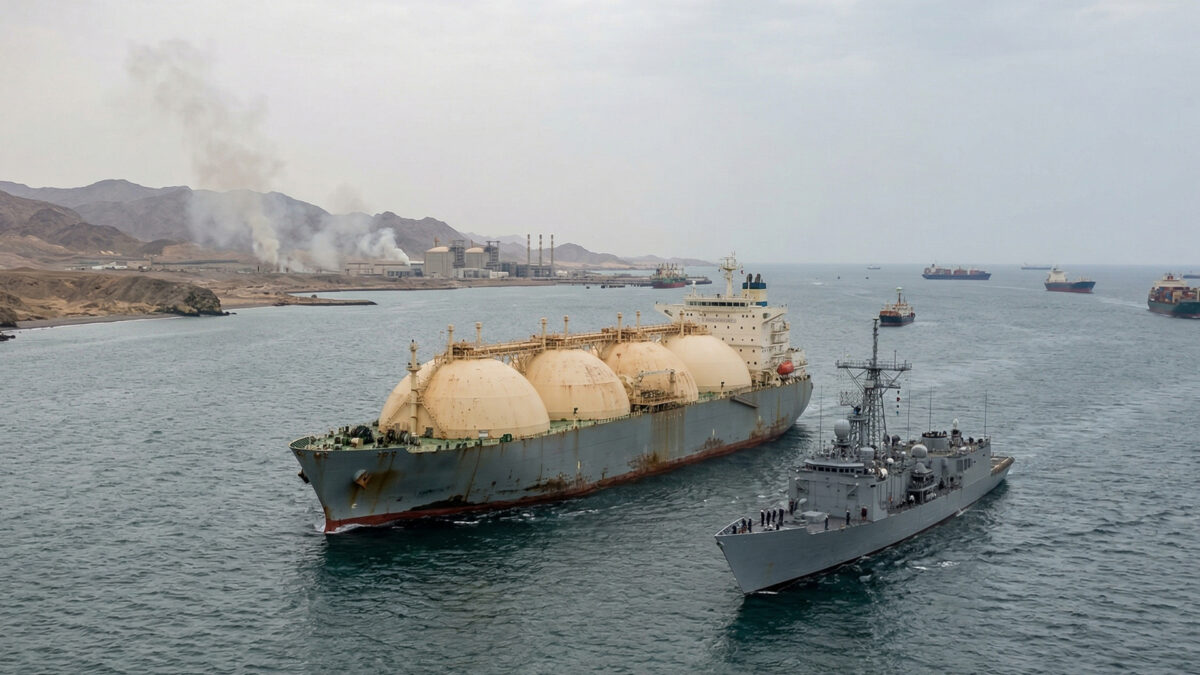
Qatar prepares LNG export restart after Hormuz reopens

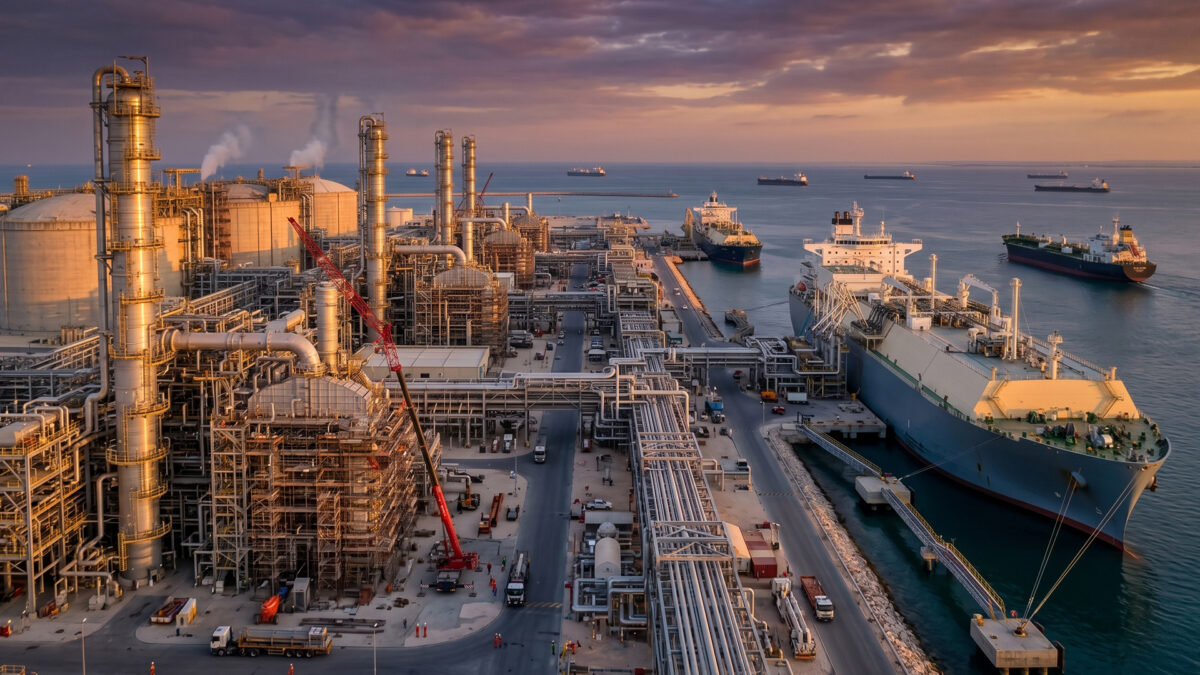
Qatar is preparing to swiftly restore its liquefied natural gas (LNG) production and exports once shipping traffic through the Strait of Hormuz returns to normal, offering a potential boost to global energy markets that have been rattled by regional tensions.

The Gulf nation, one of the world’s largest LNG exporters, has reportedly drawn up contingency plans to ramp up output and shipments immediately after the strategic waterway reopens fully. The Strait of Hormuz is a crucial maritime route through which a significant share of the world’s oil and gas exports passes, making any disruption a major concern for global energy supplies.

Recent instability in the region has heightened fears of supply shortages and pushed energy prices higher. European countries, which have increasingly relied on LNG imports following efforts to reduce dependence on Russian energy, have been closely monitoring developments in the Gulf.

Industry experts say Qatar’s ability to rapidly resume exports could help stabilise markets and ease concerns over fuel availability, particularly in Europe ahead of the winter stockpiling season. The country has invested heavily in expanding its LNG infrastructure and is considered one of the most reliable suppliers in the global gas market.

A quick restart of exports would also be welcomed by Asian buyers, including major importers such as China, Japan and South Korea, which depend on LNG shipments to meet energy demand. Any prolonged disruption in supplies could have forced buyers to seek alternative cargoes at higher prices.

Analysts believe the reopening of the Strait of Hormuz could trigger a correction in energy prices if supply concerns ease. However, they caution that market volatility may persist until there is greater certainty over regional security and uninterrupted shipping operations.

For Qatar, restoring LNG flows quickly is critical not only for maintaining its position in global energy markets but also for reassuring customers that supplies remain dependable despite geopolitical tensions.

As governments and energy traders continue to watch developments closely, Qatar’s readiness to rapidly restart exports is being viewed as a positive signal for global energy security and market stability.

Also Read: SpaceX acquires Anysphere for $60 bn after Nasdaq debut

Categories
Beyond

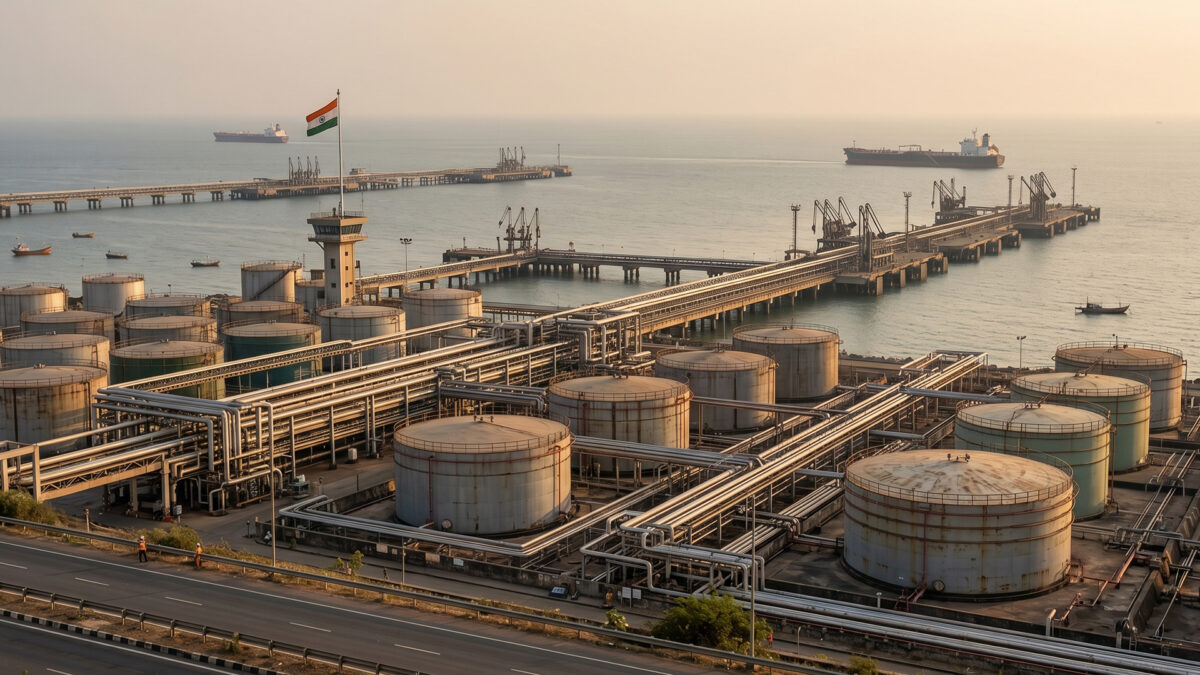
US overtakes Gulf as India’s top gas supplier

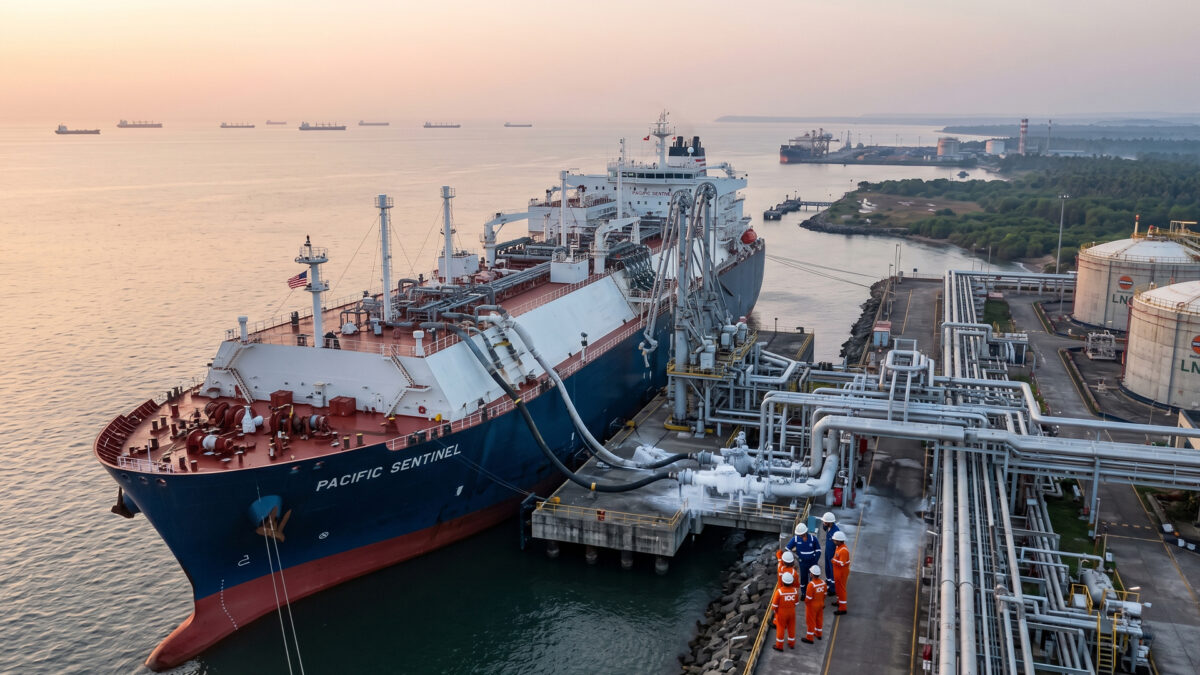
The United States has emerged as India’s largest supplier of liquefied natural gas (LNG) and liquefied petroleum gas (LPG), overtaking traditional Gulf exporters as disruptions in West Asia reshape global energy trade.

The change comes after conflict involving Iran affected shipping routes through the Strait of Hormuz, a key passage for energy supplies from the Gulf. India depends heavily on the route for its LNG and LPG imports, prompting buyers to seek alternative sources as supply uncertainty increased.

According to industry data, US shipments of LNG and LPG to India rose sharply in May. American LNG exports accounted for more than 40 per cent of India’s monthly LNG requirements, while LPG supplies from the US exceeded the combined volumes received from major Gulf suppliers.

Energy analysts say the shift reflects both immediate supply concerns and a broader effort by India to diversify its energy sources. For years, Gulf nations such as Saudi Arabia, Qatar, the UAE and Kuwait dominated India’s gas imports. However, recent geopolitical tensions have highlighted the risks of relying heavily on a single region.

The growing energy partnership between India and the US had already been gaining momentum before the latest disruptions. Indian state-owned refiners signed long-term LPG supply agreements with US producers, helping strengthen trade ties between the two countries.

Experts note that importing gas from the US is generally more expensive than sourcing it from the Gulf because of longer shipping distances. Despite the higher costs, securing reliable supplies has become a priority amid ongoing uncertainty in West Asia.

The development is expected to deepen energy cooperation between New Delhi and Washington while improving India’s energy security. However, analysts believe Gulf countries will remain important suppliers once regional shipping conditions stabilize.

Also Read: Xbox CEO Asha Sharma plans major layoffs

Categories
Beyond

US eyes for LNG exports to ASEAN

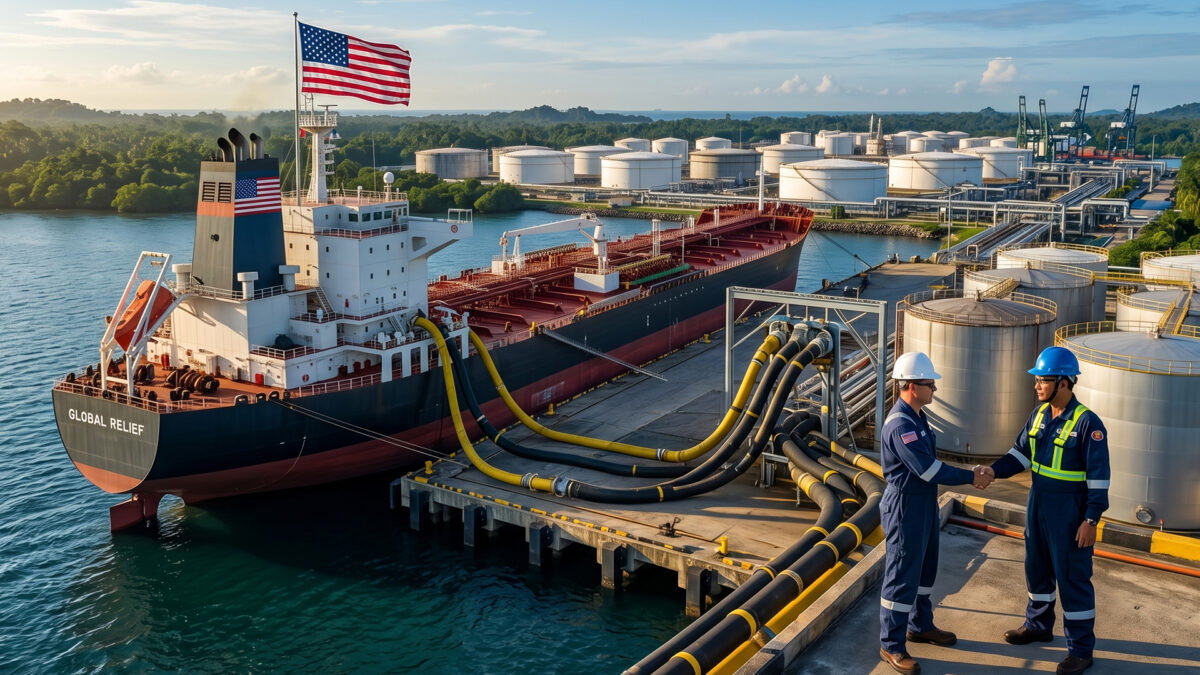
The United States is working on plans to release energy reserves and expand natural gas exports to Southeast Asian nations as part of efforts to strengthen regional energy security and stabilise global energy markets.

US Energy Secretary Chris Wright said Washington is exploring measures to make additional energy supplies available while encouraging greater exports of American liquefied natural gas (LNG) to member countries of the Association of Southeast Asian Nations (ASEAN). The initiative comes at a time when global energy markets are facing heightened uncertainty due to geopolitical tensions and concerns over potential supply disruptions.

Speaking during meetings with regional leaders and energy officials, Wright said the United States wants to play a larger role in supporting the energy needs of rapidly growing Asian economies. Increased LNG exports are expected to help ASEAN nations diversify their energy sources and reduce dependence on a limited number of suppliers.

The proposal includes the possible release of strategic energy reserves if market conditions require intervention. Such a move could help ease supply pressures and reduce volatility in global energy prices, particularly if geopolitical developments affect major oil and gas shipping routes.

Southeast Asia is among the world’s fastest-growing energy markets, with demand expected to rise sharply over the coming decades. Many countries in the region are seeking reliable and affordable fuel supplies to support industrial growth, electricity generation and economic development.

The US administration believes expanded LNG trade can strengthen economic ties with ASEAN countries while providing an alternative source of energy amid shifting global market dynamics. Several Southeast Asian nations have already increased imports of American LNG in recent years as part of their efforts to enhance energy security.

Energy analysts said the initiative reflects Washington’s broader strategy of positioning itself as a key global energy supplier. The United States has emerged as one of the world’s largest LNG exporters, supported by growing production and export infrastructure.

Also Read: Centre waives excise duty on higher ethanol-petrol

Categories
Beyond

CNG, LNG and hydrogen dispensers have new checks

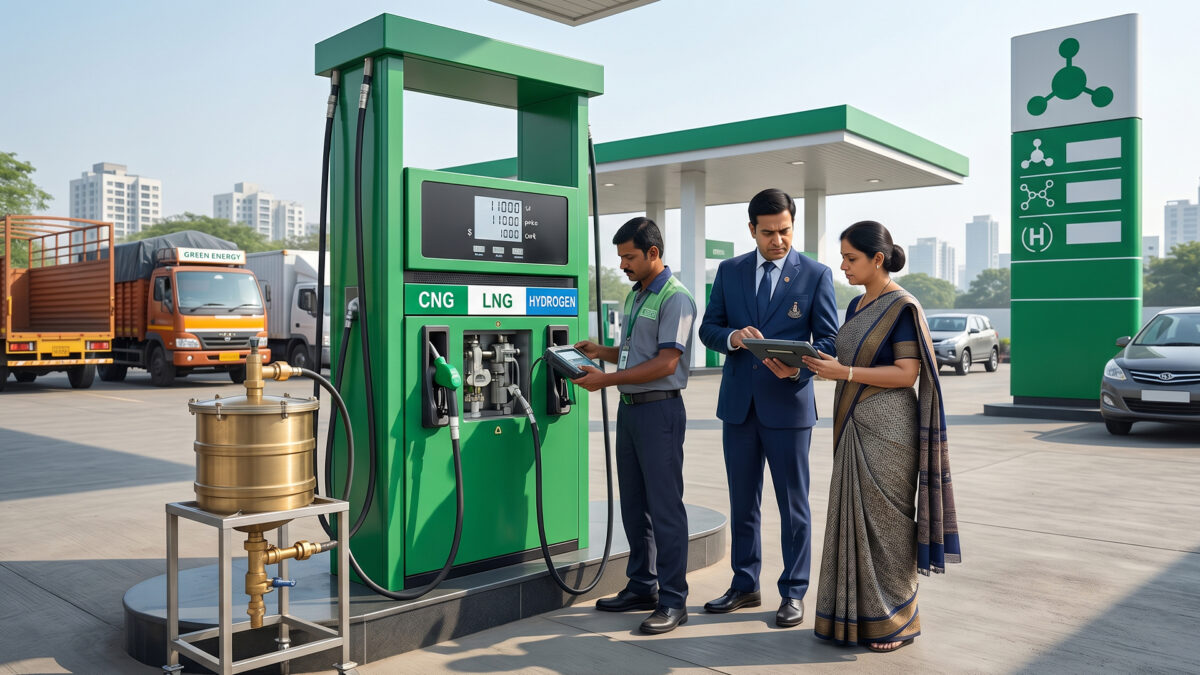
The Centre has expanded the scope of verification rules for fuel dispensing systems to include CNG, LNG and hydrogen dispensers, widening regulatory oversight as India increases its focus on cleaner energy sources.

The move is aimed at ensuring that consumers receive the correct quantity of fuel while also maintaining accuracy and standardisation in emerging fuel technologies. Along with expanding the coverage, the government has also introduced a fee structure for testing and verification of these dispensing systems.

Until now, verification mechanisms mainly covered conventional fuel dispensing systems used for petrol and diesel. With the growing adoption of alternative fuels such as compressed natural gas (CNG), liquefied natural gas (LNG) and hydrogen, authorities said there was a need to bring these systems under a more comprehensive regulatory framework.

The decision comes at a time when India is rapidly expanding infrastructure linked to cleaner fuels. CNG has already become a widely used fuel option for public transport and private vehicles in many cities, while LNG and hydrogen are increasingly being considered important for future transportation and industrial requirements.

Officials said the expanded verification process is intended to improve transparency and build confidence among consumers and businesses. Accurate fuel dispensing systems are considered important because even small measurement differences can affect consumers as well as fuel providers over time.

Also Read: Sterlite Technologies shares jump on $1.1 bn AI deal

Categories
Corporate

India’s crude imports fall 17% amid Hormuz crisis

India’s crude oil imports fell sharply by nearly 17% in March compared to previous levels, as tensions in the Middle East and disruptions around the Strait of Hormuz continued to affect global energy flows. The decline reflects reduced shipments from key Gulf suppliers amid ongoing geopolitical uncertainty.

According to official and shipping data, the slowdown in crude inflows has been driven by instability in the region, where a large share of India’s energy imports originate. The Strait of Hormuz, one of the world’s most important oil shipping routes, has seen repeated interruptions due to the Iran conflict, forcing several tankers to reroute or wait for clearance.

The situation has also raised concerns over supplies of LPG and LNG, which are heavily dependent on the same route. Reports indicate that nearly 90% of India’s LPG imports and more than half of its LNG imports pass through the Strait of Hormuz, making them vulnerable to any blockade or conflict-related disruption.

The latest developments suggest that Iran has reportedly tightened control over the passage at different points during the ongoing conflict, leading to uncertainty for tankers carrying crude oil, cooking gas and industrial fuels bound for India. Several ships are said to be stuck in the region or operating under delayed schedules.

Despite these challenges, government sources have said that India’s fuel supply remains stable for now, with strategic reserves and diversified import sources helping cushion the impact. Refineries continue to operate at high capacity, and efforts are underway to secure alternative shipping routes and suppliers where possible.

However, analysts warn that prolonged disruption in the Strait of Hormuz could push global oil prices higher and increase India’s import bill, as the country depends on overseas supplies for most of its crude oil needs. Even small changes in supply flows from the Gulf can have a direct impact on domestic fuel prices and inflation.

Also Read: Tata Trusts to amend trustee rules

Categories
Beyond

Global LNG exports drop to 6 month low

Global liquefied natural gas (LNG) exports have fallen to their lowest level in six months as rising tensions involving Iran disrupt supply chains and key shipping routes. The decline underscores how geopolitical instability in West Asia is beginning to weigh heavily on global energy flows.

Recent data shows LNG shipments have dropped sharply, with average export volumes falling significantly compared to previous weeks. The slowdown is largely linked to disruptions in and around the Strait of Hormuz, a critical route for global energy trade. A substantial share of the world’s LNG passes through this narrow corridor, making it highly sensitive to conflict.

Ongoing security concerns have forced ships to delay or reroute journeys, leading to slower deliveries and reduced export volumes. In some cases, energy companies are taking extra precautions, adding to transit time and costs.

The situation has been further complicated by damage to energy infrastructure in the region. Qatar, one of the world’s largest LNG exporters, has seen part of its production capacity affected due to regional instability. This has tightened global supply at a time when demand remains strong, especially in Asia and Europe.

As a result, global gas prices have shown an upward trend, with buyers competing for limited cargoes. Countries that rely heavily on LNG imports are facing increased costs and potential supply shortages. The impact is particularly significant for energy-dependent economies that depend on steady imports to meet domestic demand.

Unlike crude oil, LNG is not easily redirected in the short term because it depends on specialised infrastructure such as liquefaction plants and receiving terminals. This makes the market more vulnerable to sudden disruptions and slower to recover.

 The current situation has also raised broader concerns about global energy security and the risks of overdependence on a few critical routes and suppliers.

Also Read: $580mn oil bet before Trump post raises questions

Categories
1 Minute-Read

Iran strikes cut Qatar LNG by 17%

Iranian attacks damaged two LNG units and a gas‑to‑liquids plant in Qatar, wiping out about 17 % of its LNG export capacity.

QatarEnergy CEO Saad al‑Kaabi said repairs could take three to five years, affecting roughly 12.8 million tonnes of annual output and $20 billion in revenue. The company may declare force majeure on long-term LNG contracts with buyers in Italy, Belgium, South Korea, and China.

The disruption adds pressure to global gas markets amid ongoing Middle East tensions.

Categories
Beyond

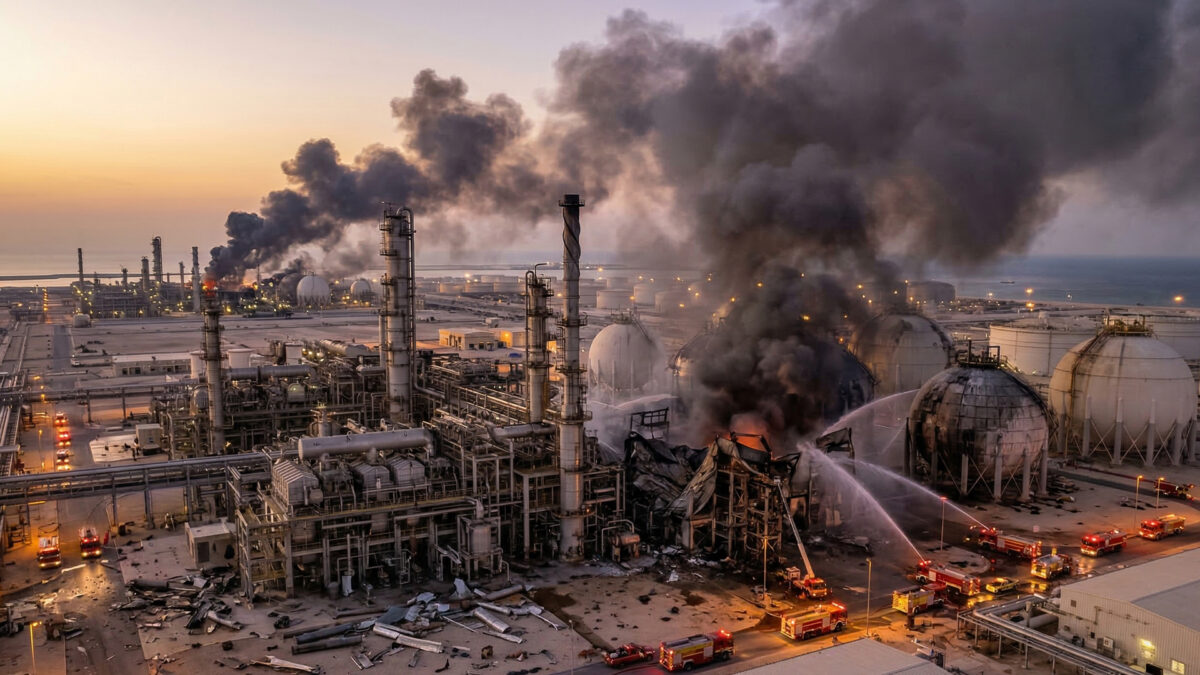
Iran hits the world’s largest LNG hub in Qatar

Qatar’s Ras Laffan Industrial City, the world’s largest liquefied natural gas (LNG) export complex, has suffered significant damage following a missile strike attributed to Iran, raising fresh concerns over global energy supply stability and price volatility.

Qatari authorities said air defense systems intercepted most incoming missiles, but at least one strike hit critical infrastructure within the LNG facility, causing fires and operational disruption. While the fires have been contained and no casualties reported, the extent of damage to processing and export capacity remains under assessment.

The development has immediate implications for global energy markets. Qatar is among the largest LNG exporters, supplying key markets across Europe and Asia. Any prolonged disruption at Ras Laffan could tighten global gas supply, particularly at a time when demand remains elevated and supply chains are already sensitive to geopolitical risks.

Market reaction was swift. Benchmark oil and natural gas prices rose following news of the strike, reflecting concerns about potential supply constraints. Analysts indicate that even partial outages at Ras Laffan could lead to short-term price spikes and increased volatility in LNG trading markets.

The strike marks an escalation in geopolitical tensions in the Gulf, with energy infrastructure emerging as a direct target. The attack is believed to be linked to broader regional hostilities involving Iran and Israel, increasing the risk premium across energy assets and shipping routes.

From a business perspective, the incident underscores the vulnerability of concentrated energy infrastructure to geopolitical shocks. Insurers, shipping firms, and energy companies are expected to reassess risk exposure in the region. There may also be implications for long-term LNG contracts, supply diversification strategies, and investment flows into alternative energy corridors.

Qatar has condemned the strike and is expected to pursue diplomatic and strategic responses, while also working to restore full operational capacity at the facility.

Also Read: US offers ₹2.4 lakh, free flights for voluntary exit

Categories
Corporate

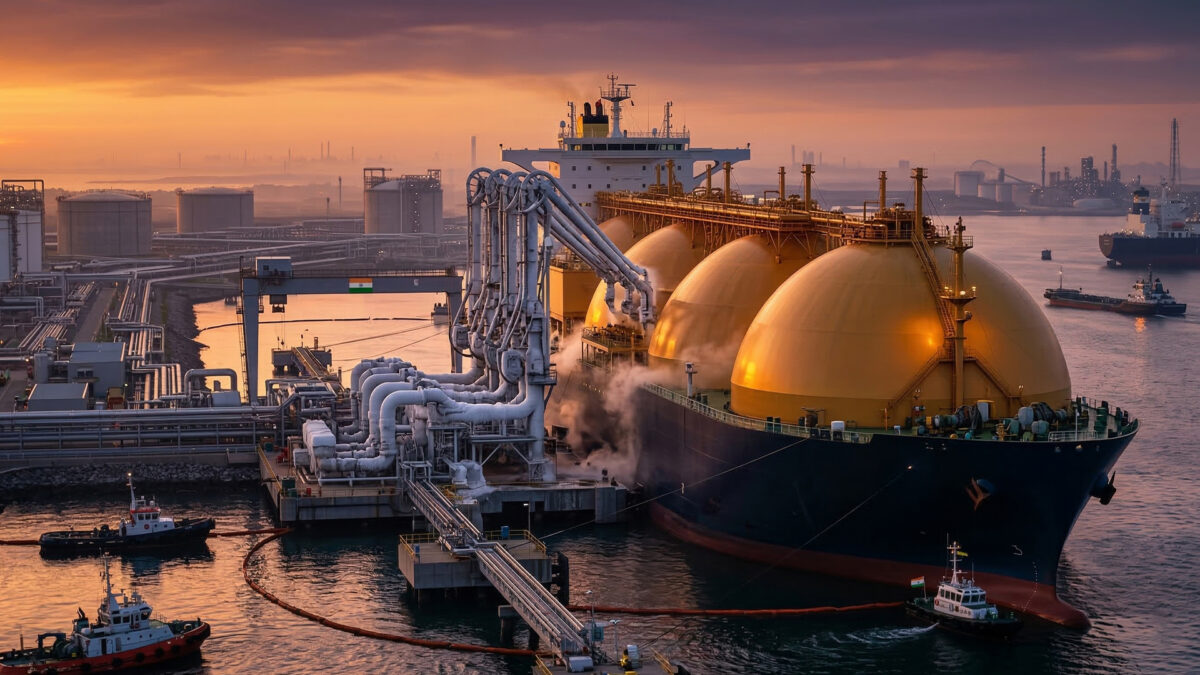
India’s GAIL buys Oman LNG cargo

India’s state-run gas giant GAIL (India) Ltd has taken decisive action to ensure the country’s gas needs are met by purchasing a cargo of liquefied natural gas (LNG) from Oman. The move comes as supply disruptions from its usual sources in the Middle East have created uncertainty for households, industries, and transport sectors that rely heavily on gas.

The cargo was secured through a European trader at a price estimated between $17 and $20 per million British thermal units (mmBtu). Shipping data shows the LNG, aboard the vessel Orion Hugo chartered by Shell, is expected to reach Indian shores by mid-March, offering a timely boost to supplies.

India imports nearly half of its 195 million standard cubic metres per day gas consumption, making it highly dependent on global suppliers. Recent disruptions were triggered by geopolitical tensions in the Middle East, including temporary closures near the Strait of Hormuz and a force majeure declared by QatarEnergy, one of India’s key LNG providers.

By securing the Oman cargo, GAIL aims to stabilize domestic supply, particularly for essential users. Authorities have also begun prioritizing gas distribution, ensuring households, transport (CNG), and critical industrial sectors receive uninterrupted service, while non-essential consumption is temporarily scaled back.

Experts note that this step underscores India’s reliance on Middle Eastern LNG and highlights the need for diversified sources to maintain energy security. “This purchase is not just about meeting demand; it’s about keeping homes warm, vehicles running, and factories operational during a turbulent period,” a senior industry analyst said.

While GAIL has not issued a formal statement, industry observers view the procurement as a pragmatic, quick-response measure in a challenging global energy landscape.

Also Read: Volkswagen plans 50,000 job cuts by 2030

Categories
Beyond

Qatar flags risk to global oil, gas supplies

Qatar has warned that energy exports from the Gulf region could be disrupted within weeks if tensions between the United States and Iran continue to rise.

Speaking about the growing conflict in the Middle East, Qatar’s Energy Minister Saad al-Kaabi said the situation could threaten the movement of oil and natural gas from the region to the rest of the world. If the conflict escalates further, shipping routes and energy facilities may become unsafe, forcing Gulf countries to temporarily stop exports.

The Gulf region plays a crucial role in the global energy market. A large share of the world’s oil and liquefied natural gas (LNG) passes through the Strait of Hormuz, a narrow but extremely important shipping route. Any disruption in this area can quickly affect global energy supplies and prices.

Qatar is one of the world’s largest exporters of LNG and supplies natural gas to several countries across Asia and Europe. Officials say the ongoing conflict has already created uncertainty for energy shipments in the region.

Energy experts warn that if the situation worsens, it could lead to serious disruptions in global oil and gas markets. A long conflict could push fuel prices higher and affect transportation, electricity costs and industrial production in many countries.

Countries that depend heavily on imported fuel could feel the impact the most. Higher energy prices could also increase inflation and make daily living costs more expensive for people around the world.

The warning from Qatar comes at a time when tensions in the Middle East remain high due to military actions and threats of further attacks. Governments and global markets are closely watching developments in the region.

Also Read: ₹4,080 bet turns ₹55 cr in Sedemac IPO