Categories
Beyond

CNG, PNG prices raised again in Mumbai

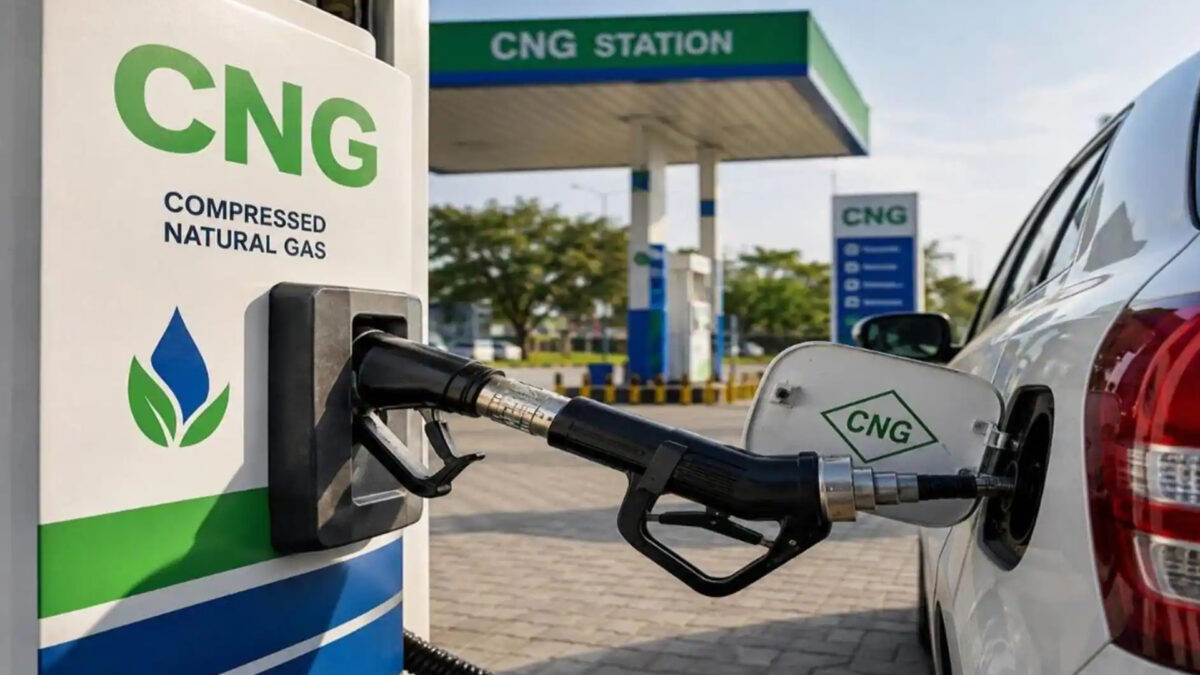
Consumers in Mumbai will have to pay more for compressed natural gas (CNG) and piped natural gas (PNG) after city gas distributor Mahanagar Gas Limited announced another price increase, the second revision in just over two weeks.

With the latest hike, the retail price of CNG in Mumbai has increased by ₹2 per kilogram to ₹86 per kg. PNG, which is widely used by households for cooking, has also become costlier, with prices raised by ₹1.50 per standard cubic metre.

The revised rates came into effect immediately and are expected to impact both household budgets and transportation costs. CNG is a popular fuel among taxi operators, auto-rickshaw drivers and private vehicle owners due to its relatively lower cost compared to petrol and diesel.

This is the second price revision in around 15 days. Earlier in May, Mahanagar Gas had increased CNG and PNG prices following changes in input costs. This latest increase may add to operating expenses for commercial transport operators across the city. The company said the latest revision was necessary to partly offset higher gas procurement expenses.

Despite the increase, MGL stated that CNG continues to remain more economical than conventional fuels such as petrol and diesel. The company noted that natural gas remains a cleaner fuel option and continues to offer cost advantages for many consumers.

Also Read: Infosys CEO gets 2.5% pay hike
Categories
Beyond

CNG, LNG and hydrogen dispensers have new checks

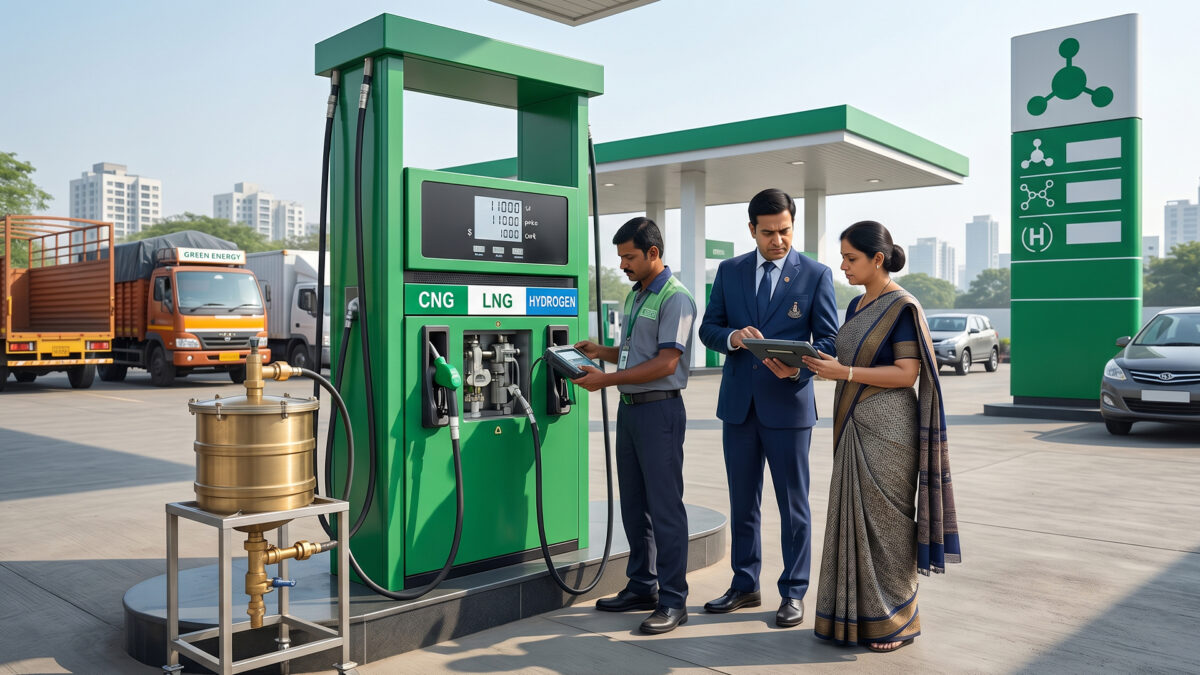
The Centre has expanded the scope of verification rules for fuel dispensing systems to include CNG, LNG and hydrogen dispensers, widening regulatory oversight as India increases its focus on cleaner energy sources.

The move is aimed at ensuring that consumers receive the correct quantity of fuel while also maintaining accuracy and standardisation in emerging fuel technologies. Along with expanding the coverage, the government has also introduced a fee structure for testing and verification of these dispensing systems.

Until now, verification mechanisms mainly covered conventional fuel dispensing systems used for petrol and diesel. With the growing adoption of alternative fuels such as compressed natural gas (CNG), liquefied natural gas (LNG) and hydrogen, authorities said there was a need to bring these systems under a more comprehensive regulatory framework.

The decision comes at a time when India is rapidly expanding infrastructure linked to cleaner fuels. CNG has already become a widely used fuel option for public transport and private vehicles in many cities, while LNG and hydrogen are increasingly being considered important for future transportation and industrial requirements.

Officials said the expanded verification process is intended to improve transparency and build confidence among consumers and businesses. Accurate fuel dispensing systems are considered important because even small measurement differences can affect consumers as well as fuel providers over time.

Also Read: Sterlite Technologies shares jump on $1.1 bn AI deal

Categories
1 Minute-Read

Delhi CNG price crosses ₹80 after fresh hike

Delhi-NCR residents will now pay more for CNG after Indraprastha Gas Limited (IGL) increased prices by ₹1 per kg, marking the second hike in 48 hours.

With the latest revision, CNG in Delhi now costs ₹80.09 per kg, while rates in Noida and Ghaziabad stand at ₹88.70 per kg. Overall, prices have risen by ₹3 per kg in two days.

The increase is expected to affect auto-rickshaw drivers, cab operators and daily commuters, with concerns that transport fares could rise if higher fuel costs are passed on to passengers.

Categories
Beyond

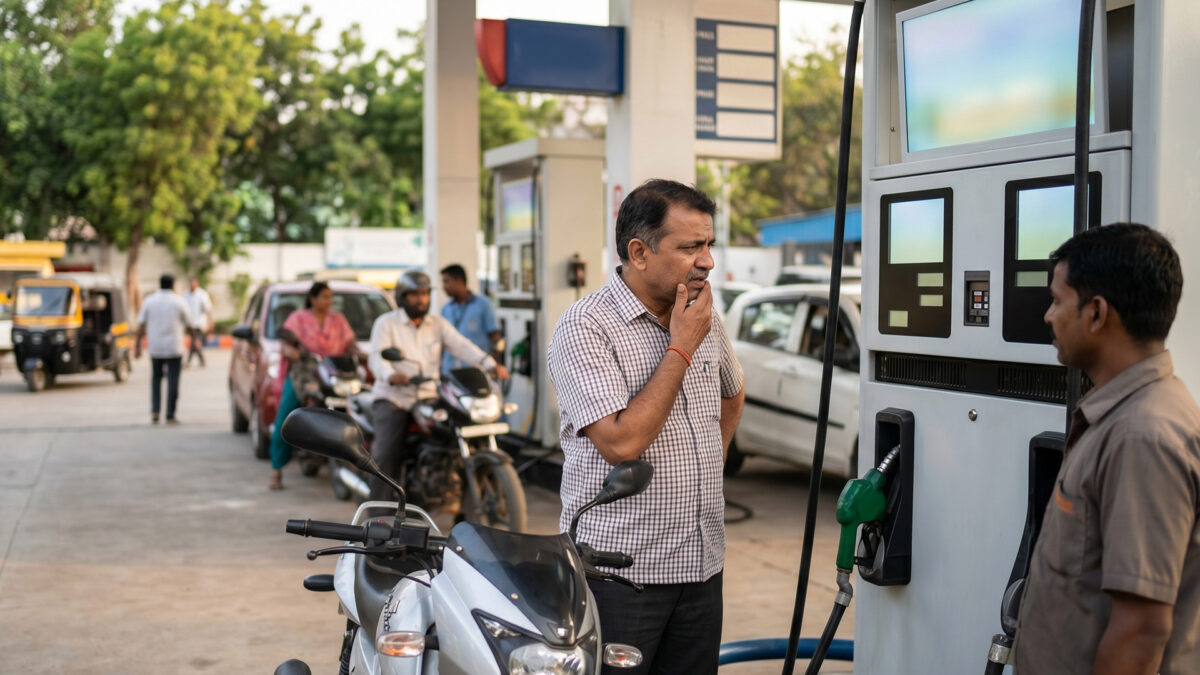
Petrol, diesel up by ₹3, CNG prices by ₹2

Petrol, diesel and CNG prices were increased across India on Friday following a sharp rise in global crude oil prices amid escalating tensions involving Iran. The fuel price revision comes as international energy markets remain volatile due to fears of supply disruptions in West Asia.

Oil marketing companies increased petrol and diesel prices by around ₹3 per litre in major cities, while CNG prices were raised by ₹2 per kilogram. The revised rates came into effect early Friday morning and impacted fuel prices in Delhi, Mumbai, Chennai, Kolkata and several other cities.

In Delhi, petrol prices crossed ₹108 per litre while diesel moved above ₹97 per litre after the latest revision. Similar increases were recorded in other metropolitan cities depending on local taxes and transportation charges.

Officials said the hike was driven by rising global crude oil prices and increased import costs. International markets have witnessed sharp fluctuations in recent days following concerns that tensions involving Iran could affect oil production and shipping routes in the region.

India imports a large portion of its crude oil requirements, making domestic fuel prices highly sensitive to developments in global energy markets. Analysts said any prolonged geopolitical conflict in West Asia could keep crude prices elevated and increase pressure on Indian fuel retailers.

The increase in CNG prices is also expected to impact public transport services, commercial vehicles and auto-rickshaw operations in urban areas. Transport operators warned that higher fuel costs may lead to an increase in freight rates and passenger fares in the coming weeks.

The latest revision has triggered criticism from opposition parties, which accused the Centre of adding to the financial burden on common people already affected by inflation and rising living expenses. Several leaders demanded tax reductions and immediate relief measures to control fuel prices.

Also Read: Gold near ₹1 lakh and silver at ₹97,000

Categories
Corporate

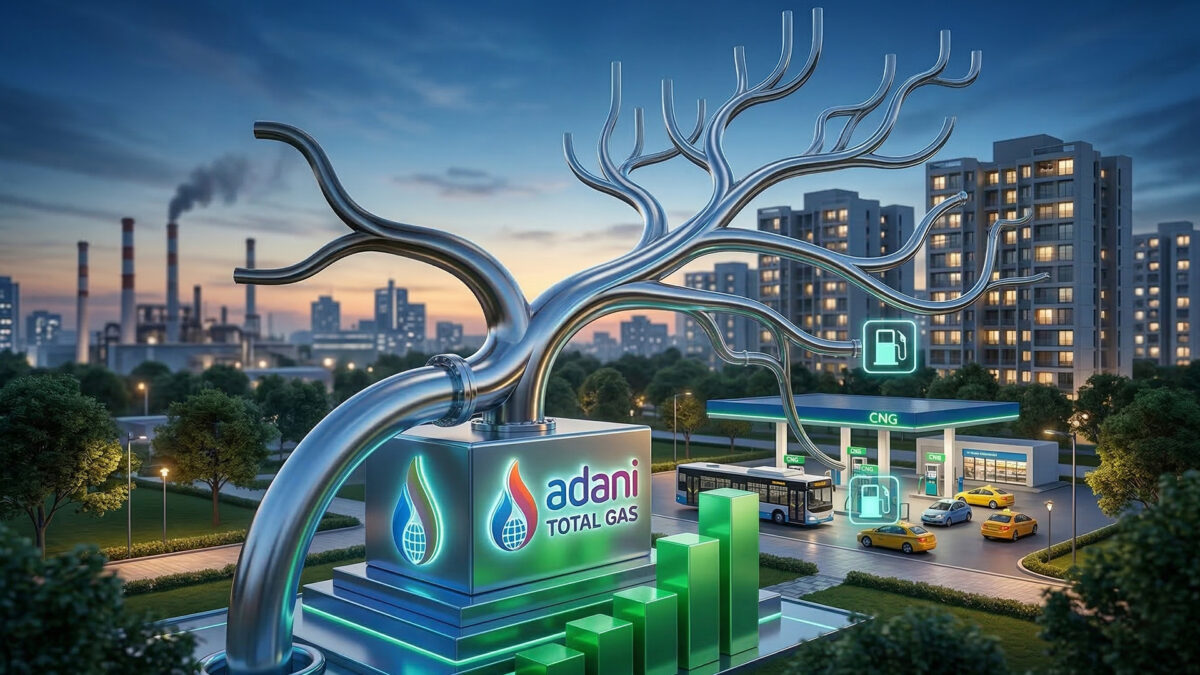
Adani Total Gas rises 33% on gas supply push

Shares of Adani Total Gas have surged sharply over the past few days, rising about 33% in three days and nearly 37% in two days at one point. Investors are reacting to the government’s decision to prioritize gas distribution for households, CNG vehicles, and essential industries amid ongoing supply shortages and rising energy costs.

The move comes as global oil prices remain high and domestic natural gas supply faces pressure. By giving priority to key sectors, authorities aim to ensure that essential users continue receiving gas despite tight supply conditions.

Adani Total Gas operates city gas distribution networks across several Indian states and is benefiting from expectations of higher gas sales and improved profit margins. Its strong network and growing demand for piped natural gas (PNG) and compressed natural gas (CNG) make it a preferred choice for investors during the current supply squeeze.

Other companies in the sector, such as Gujarat Gas and Petronet LNG, also saw gains, though their rise was smaller compared to Adani Total Gas. Traders said the entire gas sector is gaining attention as traditional energy markets remain uncertain due to global supply chain disruptions and high crude oil prices.

Also Read: India’s GAIL buys Oman LNG cargo