Categories
Beyond

Blinkit food licence suspended in Mumbai

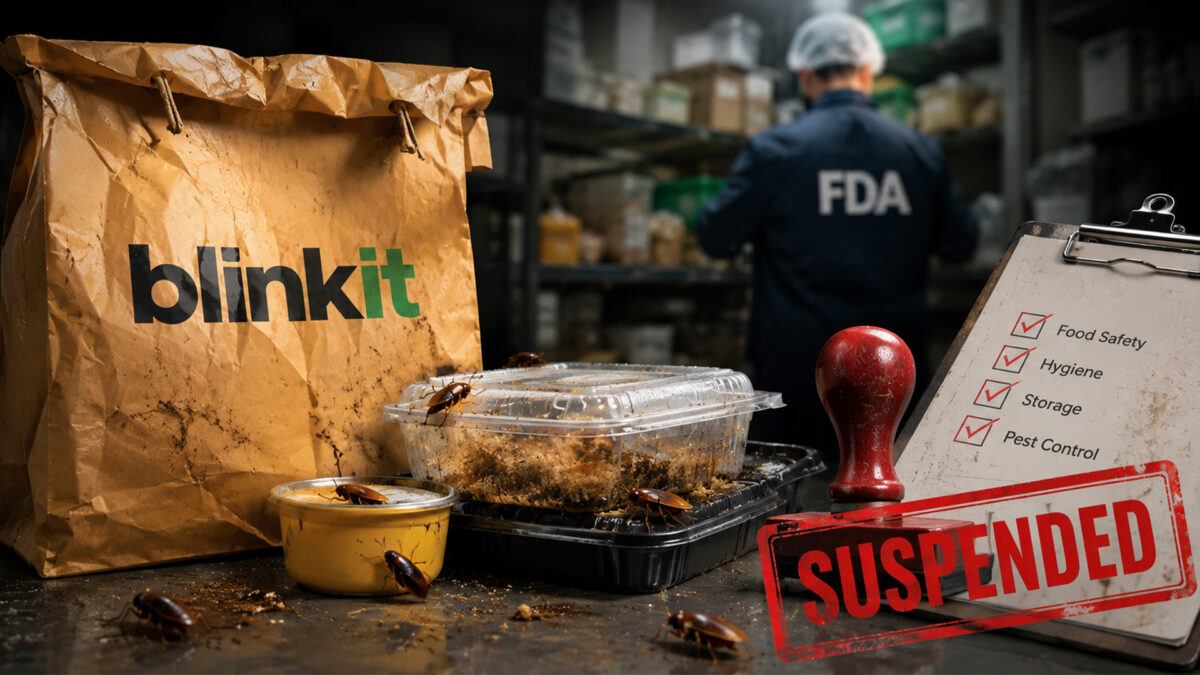
The Maharashtra Food and Drug Administration (FDA) has suspended the food licence of a Blinkit facility in Malad West, Mumbai, after an inspection found serious food safety and hygiene violations, including a large cockroach infestation, expired products and improper storage conditions.

Food safety officers inspected the Blink Commerce Pvt Ltd facility at Sarvodaya Bhuvan on Ramchandra Lane, Malad West, on August 7. The inspection found conditions that the regulator considered severely unhygienic, prompting immediate action against the facility.

Among the most serious findings was a cockroach infestation in areas where fruits and vegetables were stored. Inspectors also found food products kept improperly, including items placed on the floor and stock stored on rusted racks. Such conditions can increase the risk of contamination and raise concerns about the safety of food being supplied to consumers.

The inspection also uncovered expired, damaged and tampered packaged food products. These items were reportedly being stored alongside other stock instead of being properly segregated and removed from circulation.

Proper inventory management is particularly important for quick-commerce warehouses, where thousands of products move through compact storage facilities every day. The FDA found that the facility was not adequately following the required First-In, First-Out (FIFO) and First-Expired, First-Out (FEFO) systems. These practices are designed to ensure older and soon-to-expire products are dispatched first and expired products do not remain in active inventory.

Pest control was another major concern. The facility did not meet the required standards for controlling pests and rodents, while waste management and general cleanliness were also found to be inadequate.

Officials also flagged shortcomings related to employees handling food. Required medical examination and health records for food handlers were not properly maintained. Inspectors further found gaps in personal hygiene and the use of protective equipment by workers.

The FDA has suspended the facility’s food business licence under Section 32(3) of the Food Safety and Standards Act, 2006. The suspension remains effective until further orders, preventing the facility from conducting food-related business during the period of suspension.

The action comes amid a wider food safety enforcement drive by the Maharashtra FDA. The regulator has been conducting inspections of food businesses, warehouses, retailers and other establishments across the state, with particular attention to hygiene, storage, pest control and compliance with food safety regulations.

The action against Blinkit also highlights the growing scrutiny of quick-commerce companies and their dark-store networks. Platforms such as Blinkit have expanded rapidly by operating neighbourhood warehouses that allow groceries and other products to reach customers within minutes.

The convenience comes with a significant operational responsibility. Unlike conventional supermarkets, dark stores process orders at high speed and handle a large variety of products in limited spaces. Maintaining proper refrigeration, stock rotation, pest control and hygiene is therefore essential to prevent food safety problems.

For consumers, the episode raises a basic but important question about the standards maintained behind the convenience of rapid grocery delivery. Food ordered through an app must meet the same safety and quality requirements as products purchased from a physical store.

The incident is also significant because food safety problems at a storage facility can affect multiple categories of products. Fresh produce, packaged food, dairy products and other perishables require different storage conditions, and lapses in temperature control, cleanliness or stock management can affect their quality.

A weaker system of expiry monitoring can be particularly risky. Products approaching or past their expiry dates need to be identified and removed promptly. If inventory systems fail, there is a possibility that unsuitable products could remain available for sale.

The FDA‘s action sends a clear message to businesses operating food warehouses that speed of delivery cannot come at the expense of hygiene and regulatory compliance. As quick commerce becomes a larger part of India’s grocery market, regulators are increasingly focusing on the conditions inside the facilities that customers rarely see.

The development also comes after food safety authorities took action against other establishments in Maharashtra over hygiene and storage violations. The wider enforcement activity indicates that regulators are paying closer attention to how food is stored, handled and sold across both traditional and digital retail channels.

For Blinkit, the immediate priority will be to address the deficiencies identified during the inspection and meet the regulator’s requirements before the facility can resume normal food-related operations.

The incident could also increase pressure on quick-commerce platforms to strengthen internal checks across their dark-store networks. Regular pest-control inspections, automated expiry monitoring, proper stock segregation, employee hygiene checks and clean storage areas are critical to maintaining consumer confidence.

For customers, the case is a reminder that convenience should not replace basic food safety. The expectation is simple: groceries delivered within minutes should be stored, handled and supplied under conditions that protect their quality and safety.

As India’s quick-commerce sector continues to expand, maintaining those standards will become increasingly important. The Malad action shows that regulators are prepared to intervene when facilities fail to meet the required food safety norms.

Categories
1 Minute-Read

Blinkit facility faces FDA action over hygiene

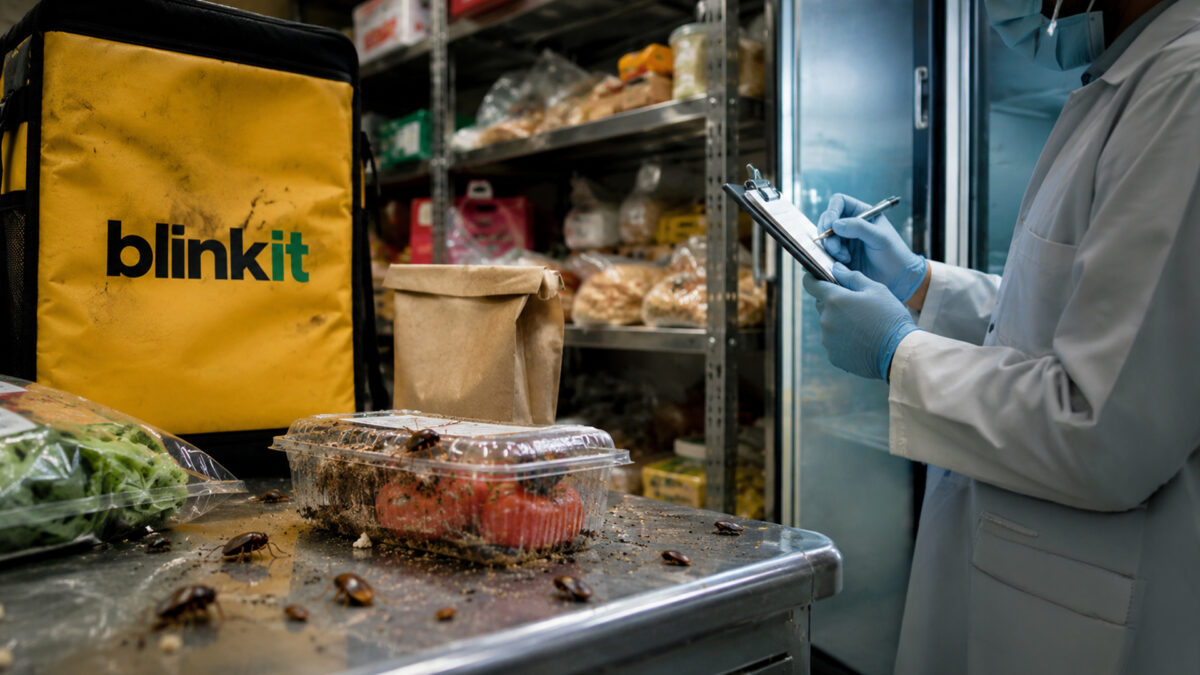
The Maharashtra Food and Drug Administration has suspended the food licence of a Blinkit facility in Malad West, Mumbai, after an inspection found serious hygiene violations.

Officials reported a cockroach infestation near fruits and vegetables, expired and damaged food products, improper storage and inadequate pest control. The facility also failed to properly follow FIFO and FEFO stock rotation systems.

Gaps were found in worker hygiene, medical records and protective equipment. The licence has been suspended under the Food Safety and Standards Act. The action comes amid a wider Maharashtra FDA crackdown on food safety violations.

Categories
Beyond

Reliance wins Juhu Galli redevelopment bid

A consortium led by Reliance Group has won the bid to redevelop the Juhu Galli slum cluster in Mumbai’s Andheri area, marking the company’s entry into the city’s growing slum rehabilitation sector. The project, spread across more than 101 acres, is among the largest slum redevelopment initiatives currently planned in Mumbai.

The winning consortium is headed by Reliance 4IR Realty Development and includes Mahadev Realtors Juhu, a subsidiary of Aspect Realty. The group emerged ahead of competing bids from JSW Group and Shapoorji Pallonji Group.

According to the Slum Rehabilitation Authority (SRA), the redevelopment project is expected to provide more than 28,000 rehabilitation homes for eligible residents currently living in the Juhu Galli settlement. The initiative is aimed at improving housing conditions and modernising infrastructure in one of Mumbai’s densely populated areas.

The project reflects increasing interest from large corporate groups in Mumbai’s slum redevelopment sector. In recent years, the Maharashtra government introduced policy changes to encourage large-scale redevelopment projects. A new framework announced in 2025 allows redevelopment of large slum clusters and offers developers additional development rights and higher building limits, making such projects more financially attractive.

To safeguard residents during the redevelopment process, the Reliance-led consortium will be required to provide funds for temporary accommodation. The company must pay around ₹700 crore over the next two years towards temporary rent for affected residents. It is also required to deposit an additional year’s rent and provide a performance guarantee of ₹100 crore.

Officials said the successful bidding process highlights the growing role of major private-sector companies in addressing Mumbai’s housing challenges through large-scale urban renewal projects. The development also places Reliance alongside other major players already active in Mumbai’s redevelopment sector, including the Adani Group’s ongoing Dharavi redevelopment project.

Also Read: Jeff Bezos backed AI startup Prometheus raises $12 bn

Categories
Beyond

CNG, PNG prices raised again in Mumbai

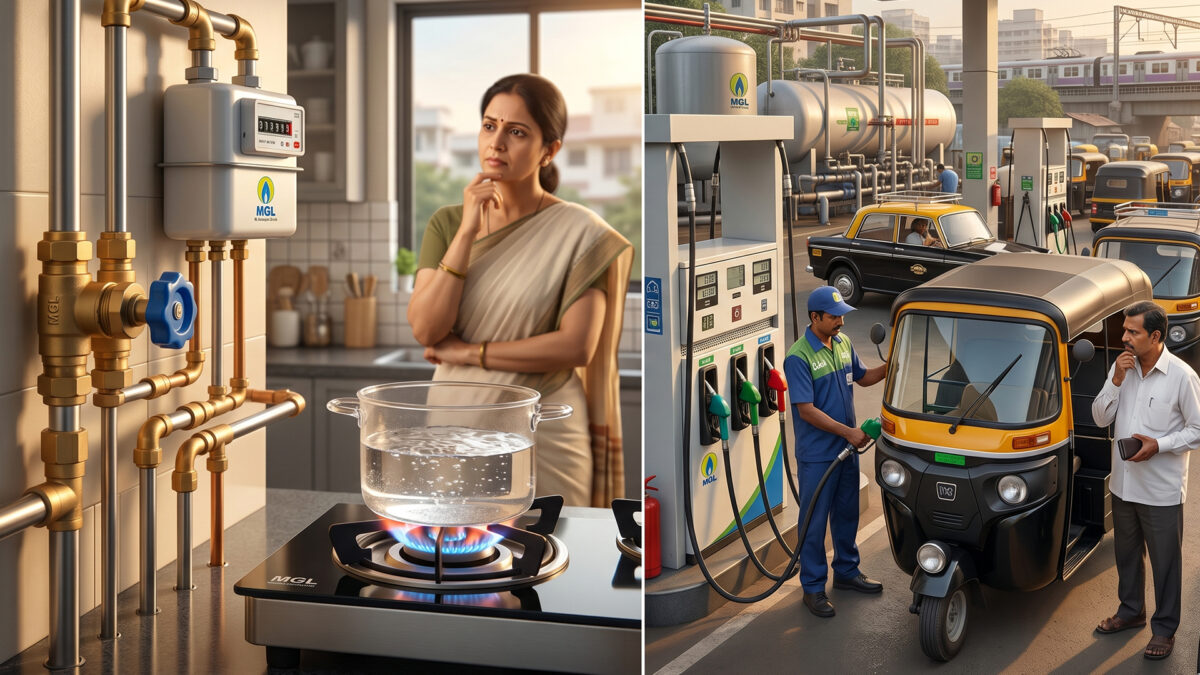
Consumers in Mumbai will have to pay more for compressed natural gas (CNG) and piped natural gas (PNG) after city gas distributor Mahanagar Gas Limited announced another price increase, the second revision in just over two weeks.

With the latest hike, the retail price of CNG in Mumbai has increased by ₹2 per kilogram to ₹86 per kg. PNG, which is widely used by households for cooking, has also become costlier, with prices raised by ₹1.50 per standard cubic metre.

The revised rates came into effect immediately and are expected to impact both household budgets and transportation costs. CNG is a popular fuel among taxi operators, auto-rickshaw drivers and private vehicle owners due to its relatively lower cost compared to petrol and diesel.

This is the second price revision in around 15 days. Earlier in May, Mahanagar Gas had increased CNG and PNG prices following changes in input costs. This latest increase may add to operating expenses for commercial transport operators across the city. The company said the latest revision was necessary to partly offset higher gas procurement expenses.

Despite the increase, MGL stated that CNG continues to remain more economical than conventional fuels such as petrol and diesel. The company noted that natural gas remains a cleaner fuel option and continues to offer cost advantages for many consumers.

Also Read: Infosys CEO gets 2.5% pay hike

Categories
Beyond

Gurugram tops Mumbai with ₹24,000 cr ultra-luxury home sales

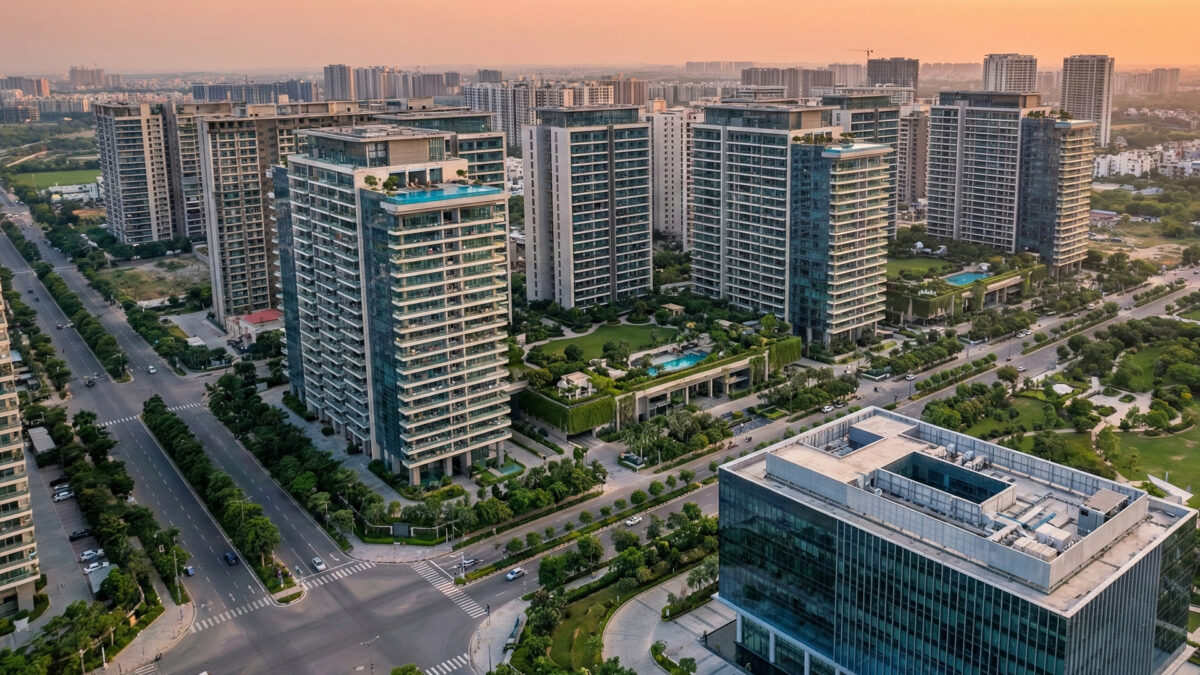
Gurugram has overtaken Mumbai to become India’s largest market for ultra-luxury homes, signalling a major shift in the country’s high-end property landscape. Homes priced at ₹10 crore and above saw record sales in the NCR city in 2025, both in terms of value and the number of units sold.

According to a recent industry report, Gurugram registered sales of around 1,494 ultra-luxury homes worth more than ₹24,000 crore during the year. This pushed it ahead of Mumbai, which has traditionally dominated the premium housing segment. The sharp rise highlights growing demand for spacious, high-end homes among wealthy buyers, including top executives, entrepreneurs and non-resident Indians.

Real estate experts say the trend is being driven by several factors. Gurugram offers larger apartments and villas, modern gated communities, and newer projects with luxury amenities. Compared to Mumbai, buyers also get more space at a relatively lower price per square foot. Improved infrastructure, proximity to Delhi, and the presence of major corporate offices have further boosted the city’s appeal.

Developers have responded with branded residences, penthouses and high-rise luxury projects, many of which were sold even before completion. Strong interest from NRI investors and high-income professionals has helped maintain steady demand despite high property prices.

Mumbai, while moving to second place, continues to see strong traction in its premium micro-markets such as South Mumbai and parts of the western suburbs. However, limited land availability and higher costs have made large luxury developments more challenging compared to Gurugram.

The report notes that the overall ultra-luxury housing segment in India is expanding rapidly, reflecting rising wealth and a post-pandemic preference for bigger, more exclusive homes.

Also Read: Bharti Airtel earmarks ₹20,000 crore for digital lending push