Categories
Beyond

Government eases LPG rules for PNG shift

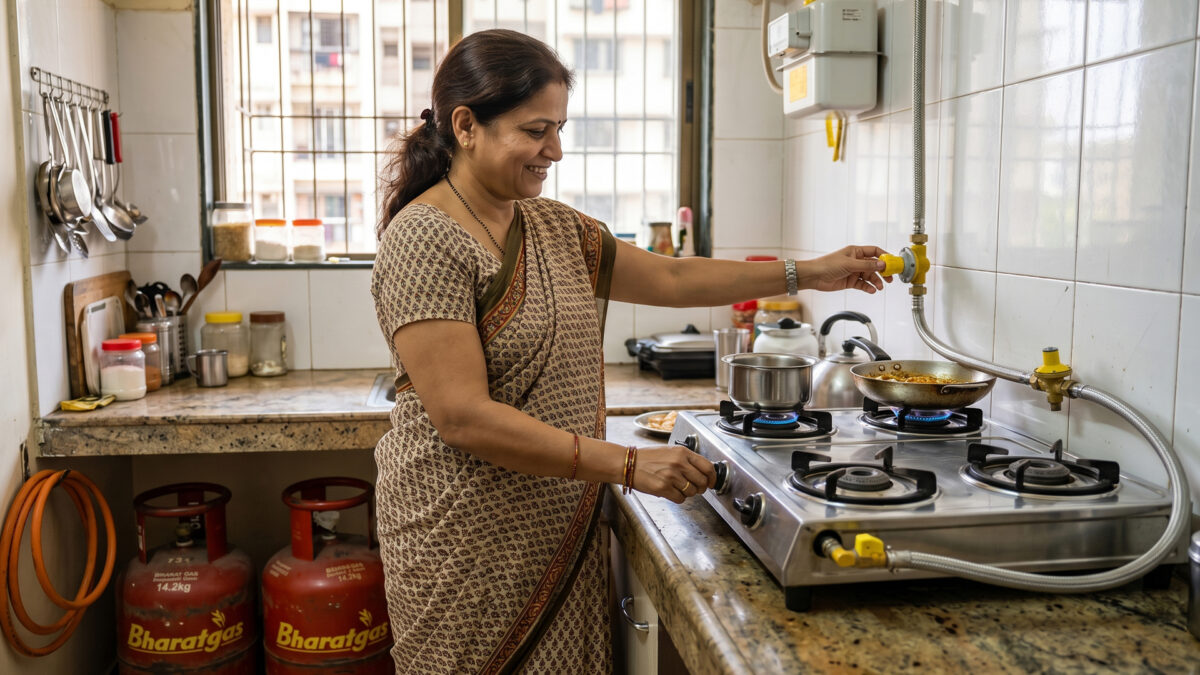
The central government has changed LPG rules to make it easier for people to switch from LPG cylinders to piped natural gas (PNG). The move is expected to help consumers shift to piped gas without facing lengthy procedures or extra difficulties.

Under the revised rules, customers who want to move to PNG will find the process simpler than before. The changes are aimed at reducing paperwork and making the transition more convenient.

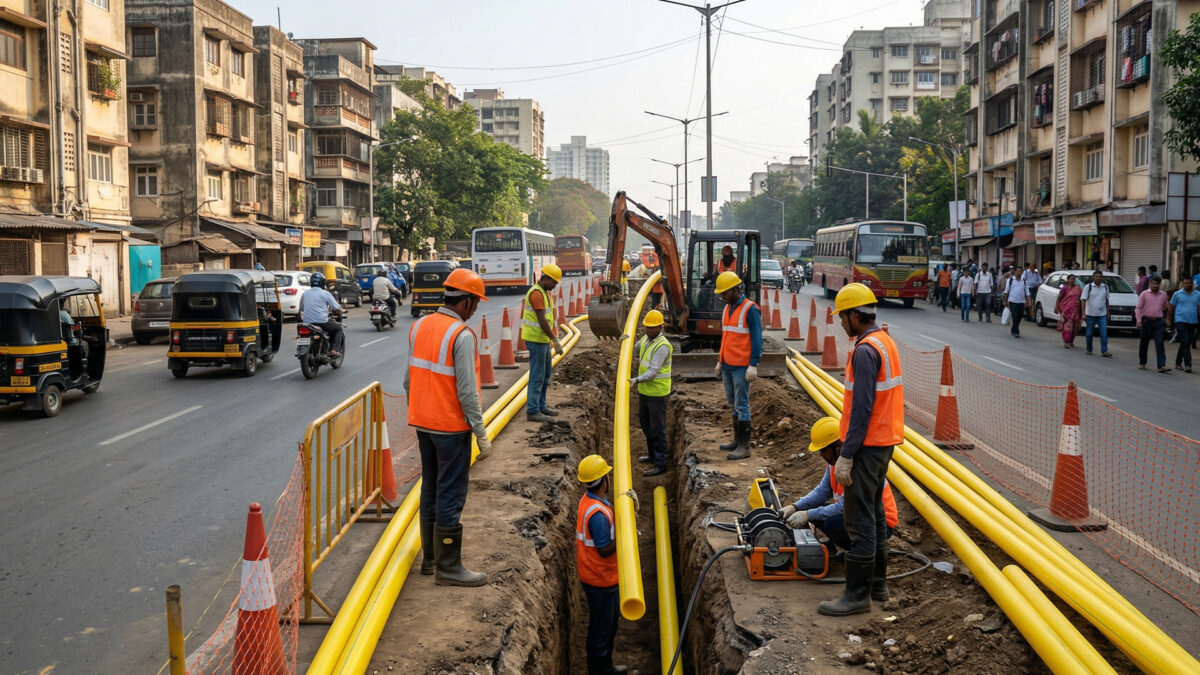
The decision comes as piped natural gas networks continue to expand across many cities in the country. More households are now getting access to PNG connections, which supply cooking gas directly to homes through pipelines.

Unlike LPG cylinders, PNG does not require users to repeatedly book gas cylinders or wait for deliveries. Many consumers prefer it because of its convenience and continuous supply.

Officials said the rule changes are part of efforts to improve consumer convenience and support the use of cleaner fuel options. The government has also been working to increase the use of natural gas as part of India’s broader energy plans.

The revised rules could particularly help people who delayed switching because of concerns related to paperwork or existing LPG connections.

However, LPG cylinders are expected to continue playing an important role, especially in rural and remote areas where piped gas services are not yet available.

Also Read: Japan retail leader Toshifumi Suzuki passed away at 93

Categories
Beyond

Households should switch to piped natural gas supply

The Ministry of Petroleum and Natural Gas has issued a clear directive: households in areas where piped natural gas (PNG) is available must transition from LPG cylinders within three months, or risk losing their LPG supply.

The move aims to optimize LPG distribution, freeing cylinders for regions without pipelines, while offering households a safer, hassle-free cooking option. PNG delivers gas directly to kitchens, removing the need for repeated refills and making cooking more convenient.

Exceptions are possible if a household cannot physically receive a pipeline connection, in which case authorities can issue a no-objection certificate (NOC) to continue LPG supply. The government is also speeding up pipeline approvals, easing land access, and expanding infrastructure to ensure the transition is smooth.

Officials emphasize that there is no shortage of LPG, petrol, or diesel, but the policy reflects a broader strategy to strengthen India’s energy security, particularly amid global supply disruptions linked to tensions in the Middle East.

Residents in pipeline-connected areas are urged to apply for PNG connections promptly or provide proof of technical infeasibility to avoid disruption. This step marks a significant push toward modernizing India’s gas network and building a more resilient, efficient energy system for the future.

Also Read: Oil prices drop on Iran negotiation talks

Categories
Corporate

Adani Total Gas rises 33% on gas supply push

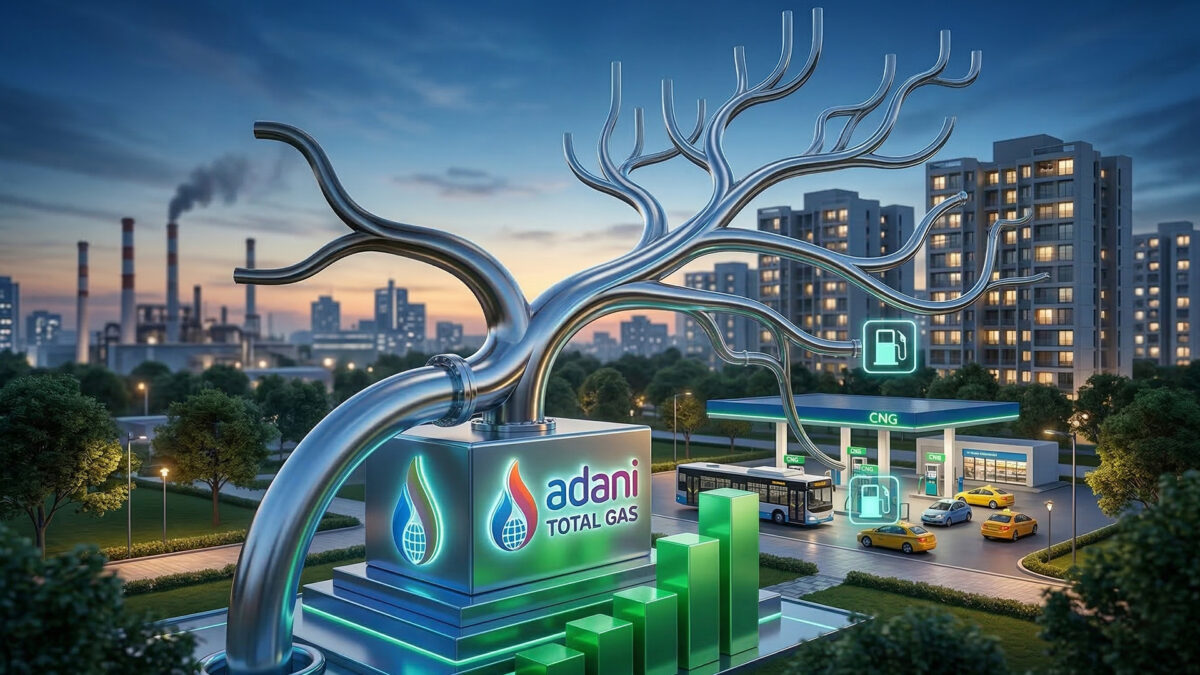
Shares of Adani Total Gas have surged sharply over the past few days, rising about 33% in three days and nearly 37% in two days at one point. Investors are reacting to the government’s decision to prioritize gas distribution for households, CNG vehicles, and essential industries amid ongoing supply shortages and rising energy costs.

The move comes as global oil prices remain high and domestic natural gas supply faces pressure. By giving priority to key sectors, authorities aim to ensure that essential users continue receiving gas despite tight supply conditions.

Adani Total Gas operates city gas distribution networks across several Indian states and is benefiting from expectations of higher gas sales and improved profit margins. Its strong network and growing demand for piped natural gas (PNG) and compressed natural gas (CNG) make it a preferred choice for investors during the current supply squeeze.

Other companies in the sector, such as Gujarat Gas and Petronet LNG, also saw gains, though their rise was smaller compared to Adani Total Gas. Traders said the entire gas sector is gaining attention as traditional energy markets remain uncertain due to global supply chain disruptions and high crude oil prices.

Also Read: India’s GAIL buys Oman LNG cargo

Categories
Corporate

IGL slashes domestic PNG prices in Delhi‑NCR

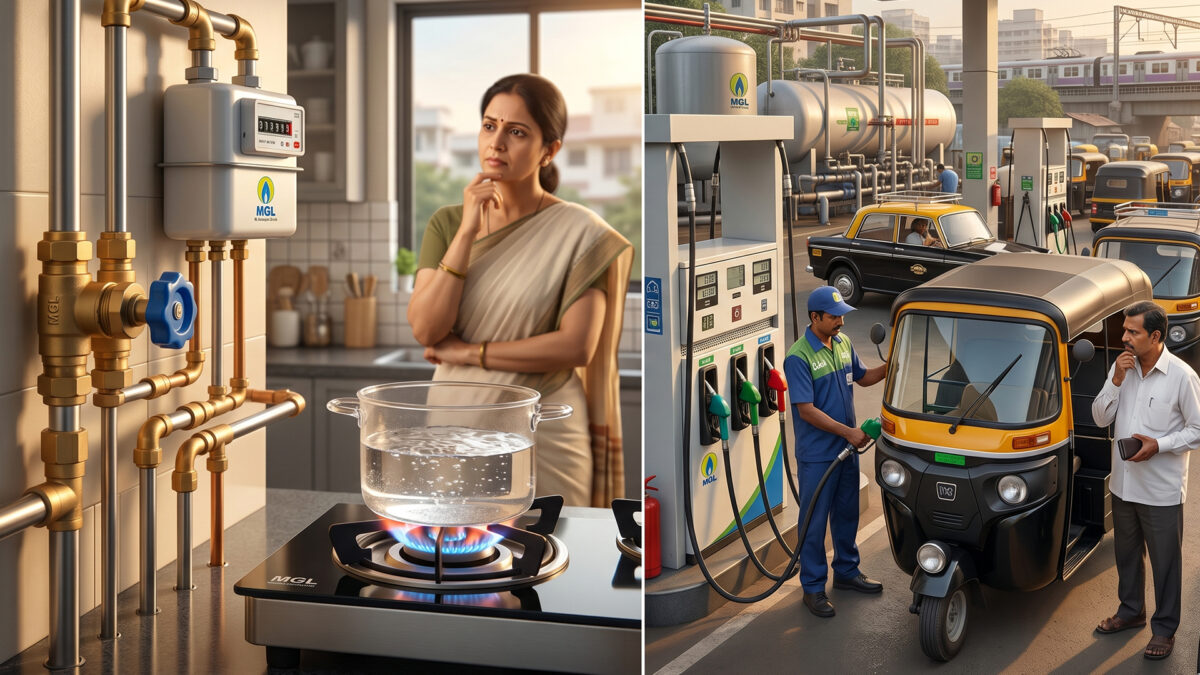
Indraprastha Gas Limited (IGL) on Thursday announced a reduction in domestic piped natural gas (PNG) prices for households in Delhi and the National Capital Region (NCR). Effective January 1, 2026, rates have been lowered by ₹0.70 per standard cubic metre (scm), easing monthly cooking gas bills for thousands of residents.

Under the new rates, Delhi households will pay ₹47.89 per scm, Gurugram ₹46.70, and Noida, Greater Noida, Ghaziabad ₹47.76 per scm.

The reduction comes after reforms by the Petroleum and Natural Gas Regulatory Board (PNGRB) simplified pipeline tariffs, introducing uniform lower charges for domestic PNG and CNG users. IGL said the move aligns with its commitment to providing cleaner energy at affordable rates.

Other city gas distributors are also passing on the benefits of the new tariff structure, providing households across major cities with relief from rising energy costs.

The PNG price cut is expected to offer modest savings to Delhi‑NCR residents, making the start of 2026 slightly lighter on household energy bills.

Also Read: OYO parent Prism files confidential IPO to raise Rs 6,650 cr