Categories
Corporate

India’s crude imports fall 17% amid Hormuz crisis

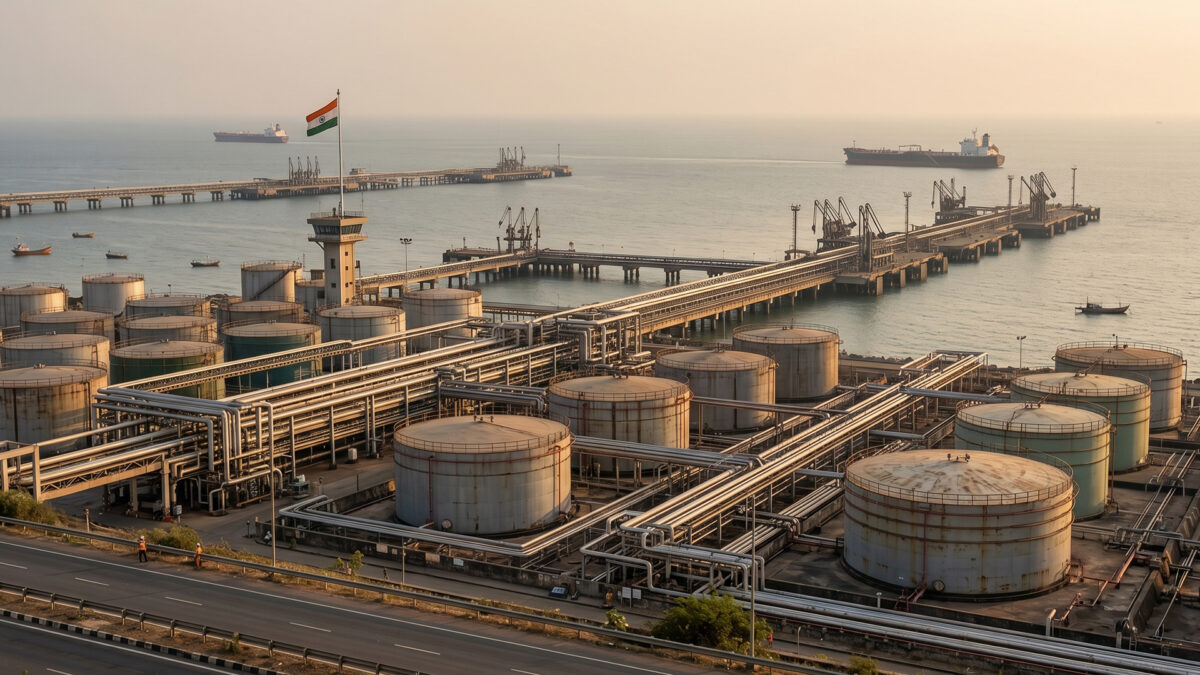
India’s crude oil imports fell sharply by nearly 17% in March compared to previous levels, as tensions in the Middle East and disruptions around the Strait of Hormuz continued to affect global energy flows. The decline reflects reduced shipments from key Gulf suppliers amid ongoing geopolitical uncertainty.

According to official and shipping data, the slowdown in crude inflows has been driven by instability in the region, where a large share of India’s energy imports originate. The Strait of Hormuz, one of the world’s most important oil shipping routes, has seen repeated interruptions due to the Iran conflict, forcing several tankers to reroute or wait for clearance.

The situation has also raised concerns over supplies of LPG and LNG, which are heavily dependent on the same route. Reports indicate that nearly 90% of India’s LPG imports and more than half of its LNG imports pass through the Strait of Hormuz, making them vulnerable to any blockade or conflict-related disruption.

The latest developments suggest that Iran has reportedly tightened control over the passage at different points during the ongoing conflict, leading to uncertainty for tankers carrying crude oil, cooking gas and industrial fuels bound for India. Several ships are said to be stuck in the region or operating under delayed schedules.

Despite these challenges, government sources have said that India’s fuel supply remains stable for now, with strategic reserves and diversified import sources helping cushion the impact. Refineries continue to operate at high capacity, and efforts are underway to secure alternative shipping routes and suppliers where possible.

However, analysts warn that prolonged disruption in the Strait of Hormuz could push global oil prices higher and increase India’s import bill, as the country depends on overseas supplies for most of its crude oil needs. Even small changes in supply flows from the Gulf can have a direct impact on domestic fuel prices and inflation.

Also Read: Tata Trusts to amend trustee rules

Categories
Beyond

Households should switch to piped natural gas supply

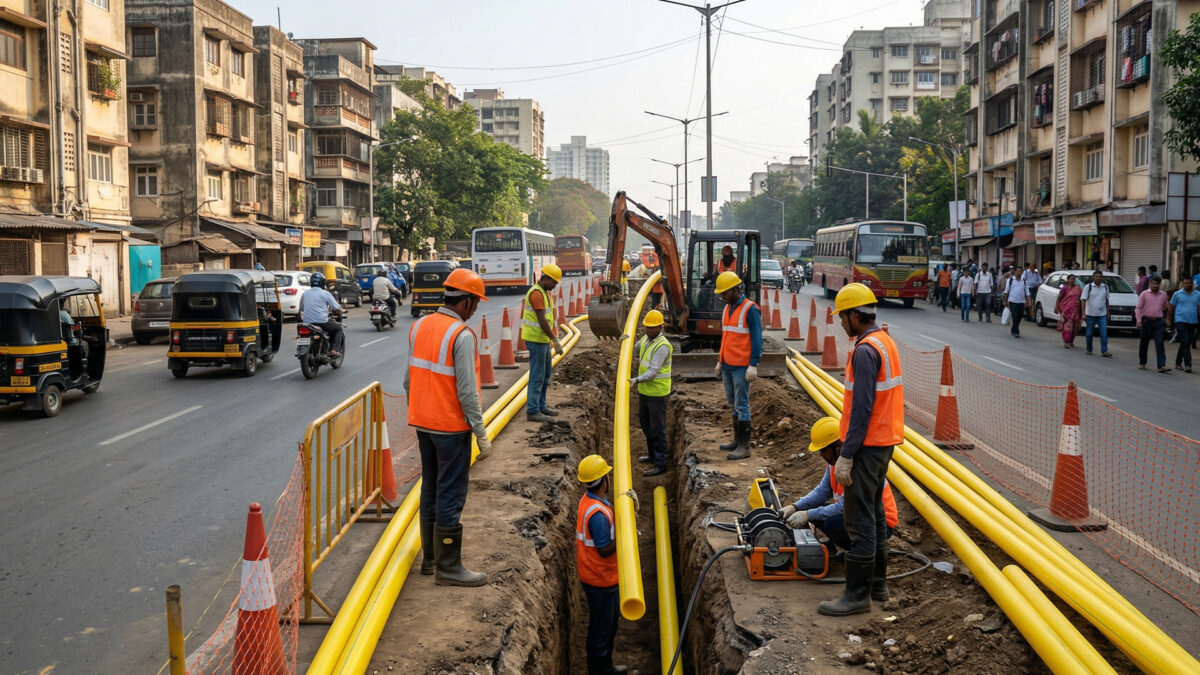
The Ministry of Petroleum and Natural Gas has issued a clear directive: households in areas where piped natural gas (PNG) is available must transition from LPG cylinders within three months, or risk losing their LPG supply.

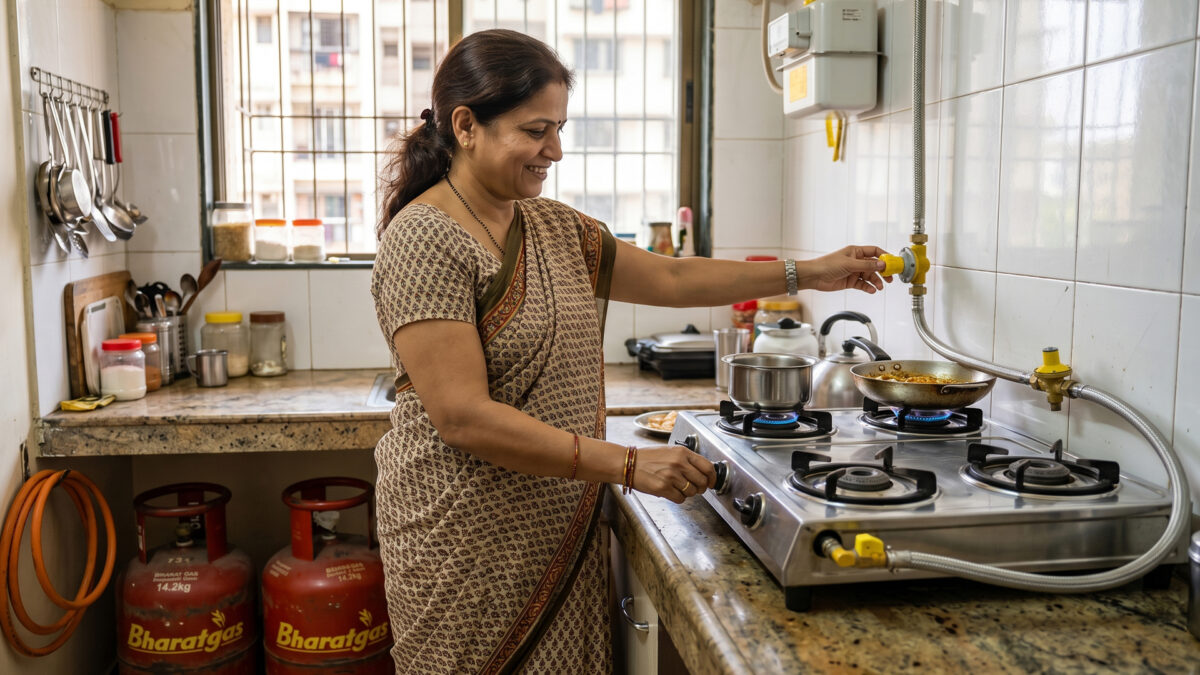
The move aims to optimize LPG distribution, freeing cylinders for regions without pipelines, while offering households a safer, hassle-free cooking option. PNG delivers gas directly to kitchens, removing the need for repeated refills and making cooking more convenient.

Exceptions are possible if a household cannot physically receive a pipeline connection, in which case authorities can issue a no-objection certificate (NOC) to continue LPG supply. The government is also speeding up pipeline approvals, easing land access, and expanding infrastructure to ensure the transition is smooth.

Officials emphasize that there is no shortage of LPG, petrol, or diesel, but the policy reflects a broader strategy to strengthen India’s energy security, particularly amid global supply disruptions linked to tensions in the Middle East.

Residents in pipeline-connected areas are urged to apply for PNG connections promptly or provide proof of technical infeasibility to avoid disruption. This step marks a significant push toward modernizing India’s gas network and building a more resilient, efficient energy system for the future.

Also Read: Oil prices drop on Iran negotiation talks

Categories
Beyond

3 lakh metric tonne LPG stuck at Strait of Hormuz

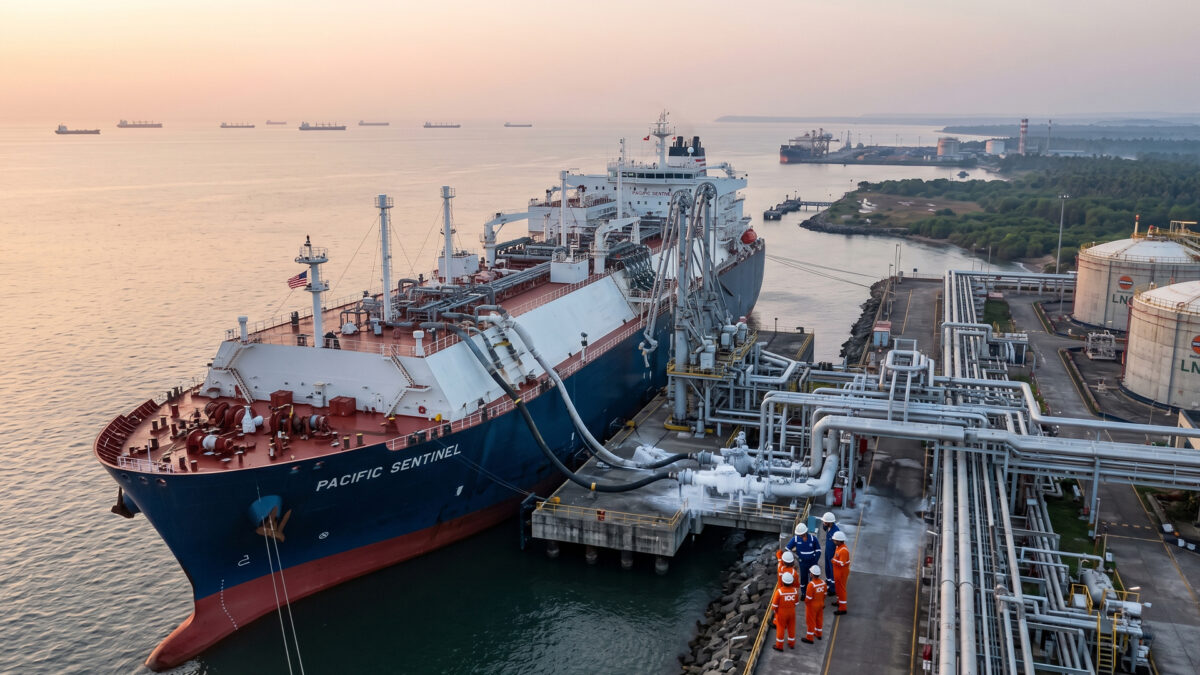
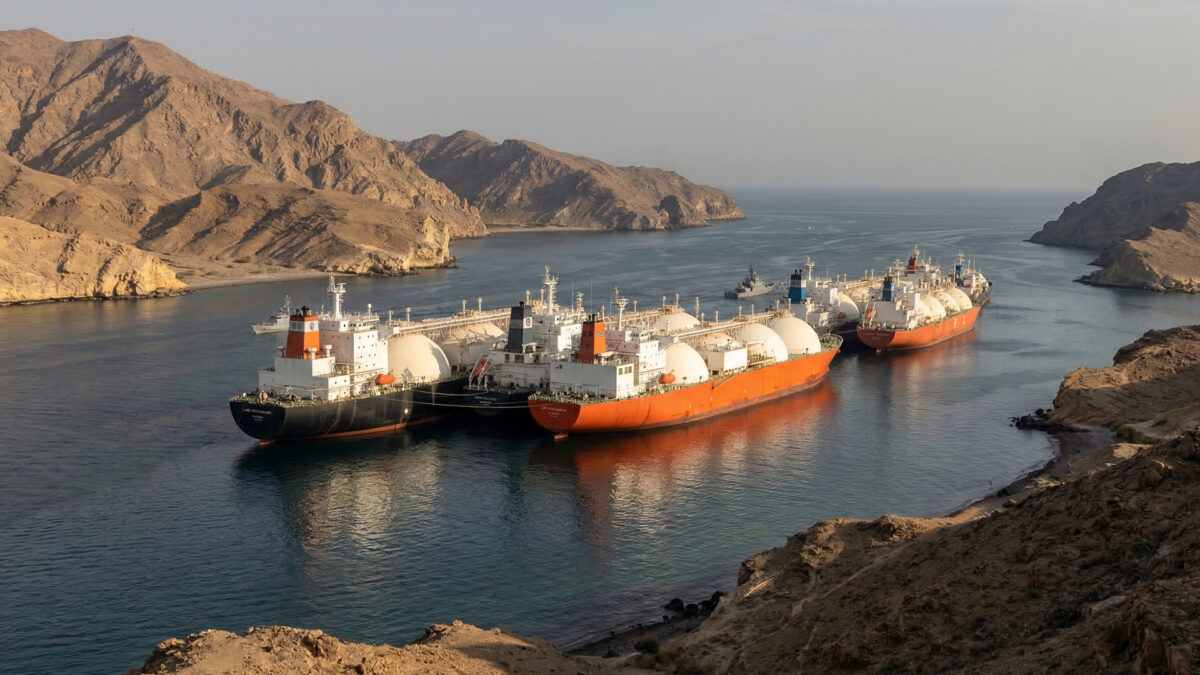
Nearly 3 lakh metric tonnes (MT) of liquefied petroleum gas (LPG) are currently stranded in the Strait of Hormuz on six Indian‑flagged vessels, the Ministry of Ports, Shipping and Waterways has confirmed. The strait, a narrow but strategically crucial waterway connecting the Persian Gulf to the Arabian Sea, is a vital route for global energy shipments. Rising geopolitical tensions in the Gulf have severely disrupted maritime traffic, complicating deliveries of LPG destined for India.

In total, 22 Indian ships are affected in and around the strait, but six LPG carriers hold the largest share of stranded cargo—around 3 lakh MT collectively. Each LPG vessel generally carries 45,000‑50,000 MT, primarily for domestic industrial and household consumption. These delays are causing a temporary slowdown in LPG deliveries to India’s ports, though authorities are coordinating closely with port operators to manage the backlog.

Some relief has come from a few vessels that successfully navigated the strait under careful monitoring. The tanker Nanda Devi, carrying 46,500 MT of LPG, reached Vadinar at Kandla Port, where unloading operations have commenced. Another vessel, Shivalik, had earlier docked at Mundra Port, helping ease the pressure on domestic supply chains. Government sources said that storage and transshipment arrangements are being made to accommodate delayed cargo and minimize disruption.

The situation highlights broader energy security challenges for India, which relies heavily on Middle East imports for LPG and other fuels. Shipping companies are also facing operational hurdles, including high freight rates and fewer available vessels for long-haul shipments. The Ministry has emphasized that operations at central‑government‑owned ports continue, with active support to ensure cargo movement wherever possible.

Also Read: Jio may file draft IPO papers by end of March

Categories
Beyond

LPG crisis sparks illegal cylinder sales

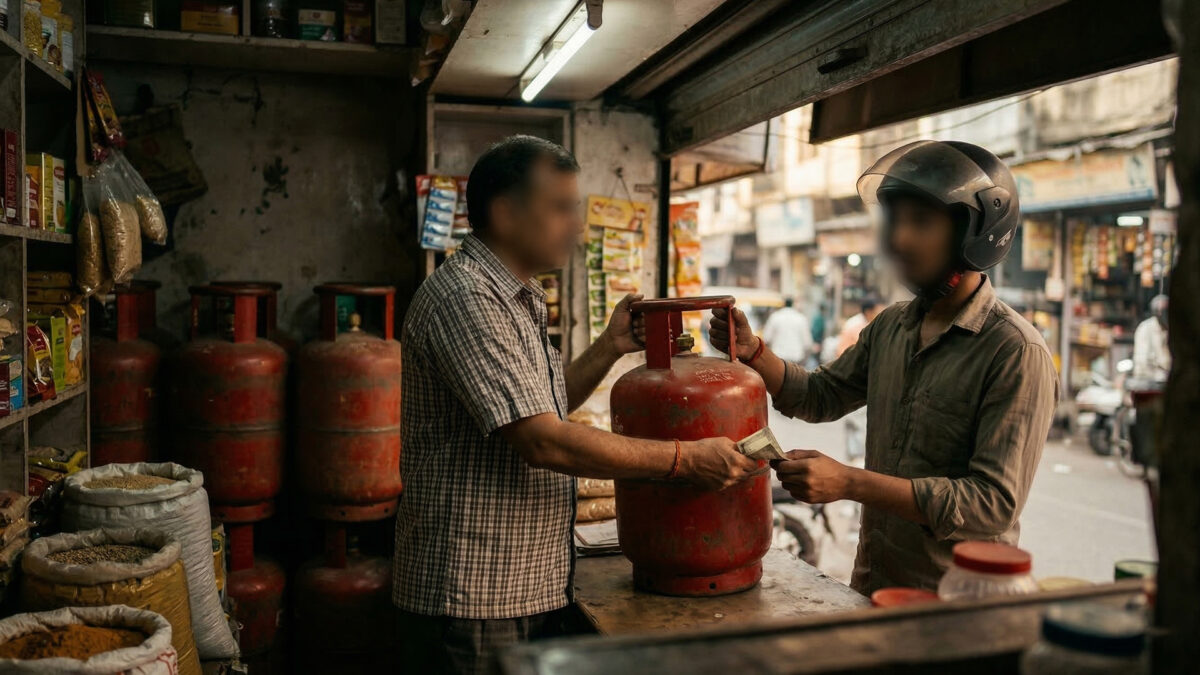
Fears of a shortage of cooking gas have led to panic buying in many areas, giving rise to black-market sales of LPG cylinders at very high prices.

Reports show that some illegal sellers are charging up to ₹6,500 for an LPG cylinder. In other cases, people are paying between ₹3,500 and ₹4,000 just to refill a cylinder. This is much higher than the normal price, which is usually around ₹900 to ₹1,000.

Investigations have found that some dealers are illegally diverting cylinders from authorised supply chains and selling them secretly to customers who cannot get gas through regular channels. These illegal sellers often operate from small shops such as stove-repair centres or grocery stores. In some places, they refill cylinders in hidden setups to avoid being caught.

The problem has worsened because many people are worried about possible supply disruptions. India depends heavily on imported LPG, and concerns about global tensions and supply issues have caused people to book extra cylinders or store them at home. This sudden increase in demand has made it easier for black-market traders to take advantage of the situation.

Officials say selling LPG cylinders outside authorised distribution systems is illegal. It violates rules under the Essential Commodities Act and the Liquefied Petroleum Gas Regulation Order. Authorities have warned that strict action will be taken against those involved in hoarding or selling cylinders illegally.

Despite increased monitoring, black-market traders are still managing to operate by selling cylinders only to known customers or through personal contacts. This makes it harder for law-enforcement agencies to track them.

Meanwhile, government officials have urged people not to panic and avoid booking extra cylinders unnecessarily. They said steps are being taken to increase LPG production and ensure proper distribution.

Refineries have already increased LPG output, and authorities are trying to ensure that cooking gas reaches households and essential services first. Officials have also asked the public to report any suspected black-marketing so that action can be taken quickly.

Also Read: Ex-Uber CEO launches robotics startup Atoms

Categories
Beyond

LPG fears spark rush for induction cooktops

Concerns about a possible LPG shortage in parts of India have triggered a rush for induction cooktops, with many models quickly selling out on online quick-commerce platforms. As worries about cooking gas availability spread, many households are buying electric cooktops as a backup option.

Several quick-delivery platforms, including Blinkit, Swiggy’s Instamart and Zepto, have reported a sharp increase in orders for induction stoves. In many cities, including Delhi, Mumbai, Bengaluru and Chennai, customers found that most induction cooktops were already out of stock or available only in limited numbers.

Retailers say the sudden demand began after news of LPG supply concerns began circulating. Many families rushed to buy induction stoves so they would have an alternative way to cook if gas cylinders became difficult to get.

Electronics store owners also reported a surge in walk-in customers looking for induction cooktops. Some shops said they sold several days’ worth of stock in just a few hours as people hurried to secure the appliances.

The surge in demand has not been limited to the cooktops themselves. Utensils designed for induction cooking, such as compatible steel pans and pots, have also seen a spike in sales and are running low in many stores.

The LPG supply concerns are linked to global energy market uncertainties and geopolitical tensions affecting fuel supply chains. These developments have raised fears that cooking gas availability could be affected if the situation worsens.

Restaurants and small food businesses have also been watching the situation closely. Some eateries have started exploring electric cooking equipment to avoid disruptions if LPG supply becomes limited.

Meanwhile, government officials have urged the public not to panic. Authorities say they are monitoring the situation and taking steps to ensure there is enough LPG supply in the country.

Also Read: Reliance silent after Trump’s $300bn refinery claim

Categories
Beyond

Reliance steps up LPG output to support domestic supply

Reliance Industries plans to increase the production of liquefied petroleum gas (LPG) and divert natural gas from its KG-D6 fields to priority sectors in order to support India’s fuel supply. The move comes as global energy markets remain uncertain due to tensions in West Asia.

The company said it is working to maximise LPG output at its large refinery complex in Jamnagar, Gujarat. By optimising operations at the refinery, the company aims to ensure that adequate LPG is available for domestic use, especially for cooking gas supplies across the country.

At the same time, natural gas produced from the KG-D6 basin in the Bay of Bengal will be redirected to sectors that are considered essential. These include household LPG supply, compressed natural gas (CNG) used in vehicles, and piped natural gas connections for homes and businesses.

The decision follows government guidelines that prioritise these sectors when domestic gas supplies are tight. Authorities have been taking steps to ensure that households and critical services continue receiving fuel without disruption.

Energy markets have become volatile in recent weeks because of the ongoing conflict in West Asia, which has affected global fuel supplies and shipping routes. As India imports a significant amount of energy, any disruption in international markets can influence domestic availability.

Reliance said the steps are part of its efforts to support India’s energy security during a period of uncertainty.

Also Read: Gold at ₹1,62,390, Silver at ₹2,90,100


Categories
Beyond

Iran crisis affects LPG supply in major Indian cities

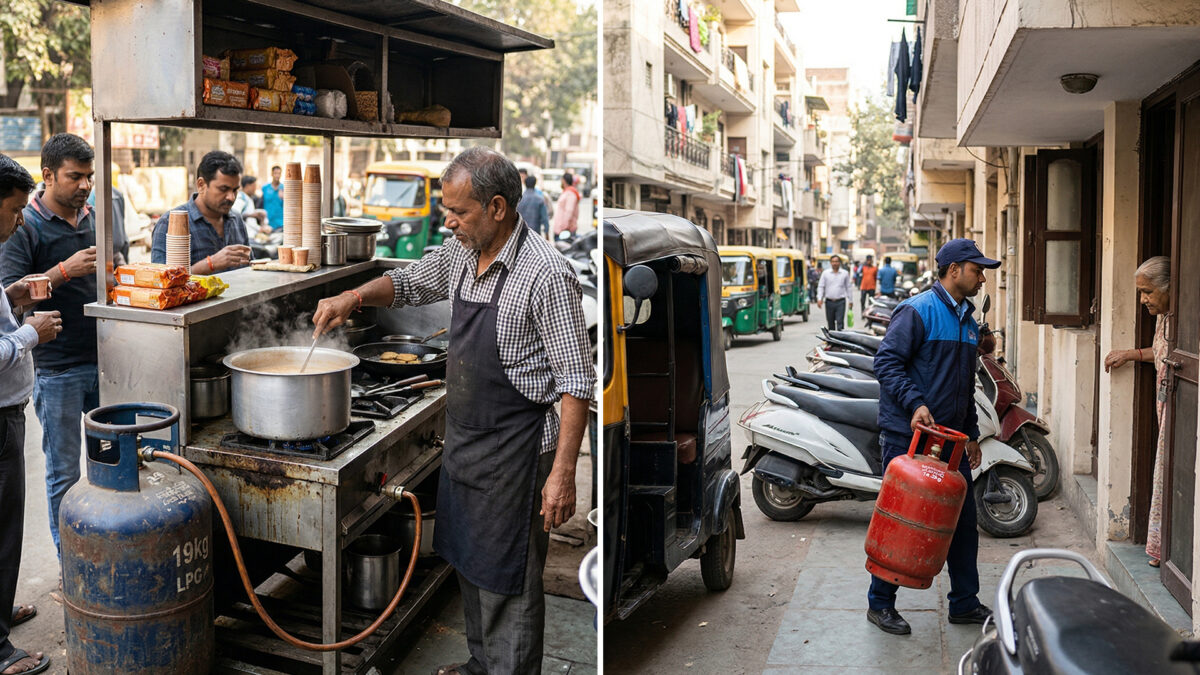
Rising geopolitical tensions in West Asia have begun to affect liquefied petroleum gas (LPG) supply in several Indian cities, disrupting availability of commercial cylinders used by restaurants, hotels and small food businesses.

Cities such as Bengaluru, Mumbai and Kolkata have reported delays in the supply of commercial LPG cylinders, raising concerns among the hospitality sector. Industry representatives said prolonged supply disruptions could affect operations of eateries and food outlets that rely heavily on LPG for daily cooking.

The supply pressure comes as global energy markets remain volatile due to the ongoing conflict in West Asia. India imports a significant portion of its LPG requirements from the Gulf region, making domestic supply vulnerable to disruptions in the international market.

To manage the situation, the central government has taken steps to ensure adequate availability of cooking gas in the country. The Ministry of Petroleum and Natural Gas has directed oil refineries to increase LPG production for domestic consumption.

Officials said the move is aimed at stabilising supply and preventing shortages in the domestic market. The government has also instructed oil marketing companies to prioritise household LPG supply over commercial demand to ensure that domestic consumers do not face any major disruptions.

In addition, authorities have extended the minimum waiting period for booking an LPG refill from 21 days to 25 days. The measure has been introduced to prevent panic buying and hoarding of cylinders during the current period of supply pressure.

Industry experts said commercial establishments are more likely to face short-term supply challenges as available LPG is redirected toward domestic consumption. However, the additional production ordered by the government is expected to ease the situation in the coming weeks.

The government is also exploring alternative import options to maintain steady LPG supplies. Officials said the situation is being closely monitored and further steps may be taken if required.

Also Read: Oil prices drop below $90, airline stocks rally

Categories
Beyond

Domestic LPG up ₹60, commercial cylinders now ₹115

Cooking gas prices in India have increased after oil marketing companies raised the rates of domestic and commercial LPG cylinders. The price of a 14.2-kg domestic LPG cylinder has been increased by ₹60, while the cost of a 19-kg commercial cylinder has gone up by ₹115. The revised prices came into effect on March 7.

With the latest hike, the price of a domestic LPG cylinder in Delhi has risen to around ₹913 from ₹853 earlier. Similar increases have been reported in other major cities. In Mumbai, the price has gone up to about ₹912.50, while in Kolkata it has increased to around ₹939. In Chennai, a domestic LPG cylinder now costs roughly ₹928.50.

Commercial LPG cylinders, widely used by hotels, restaurants and small businesses, have also become costlier by ₹115. The increase is expected to push up operating costs for the hospitality sector and other businesses that depend heavily on LPG.

The price revision comes amid rising global energy costs linked to tensions in West Asia. Ongoing geopolitical developments in the region have disrupted energy supply chains and pushed up international fuel prices. As India imports a significant portion of its energy needs, global price movements often influence domestic fuel prices.

This is the first major LPG price revision in several months. Cooking gas prices were last revised in April last year, when domestic LPG cylinders were increased by ₹50. Since then, prices had remained largely stable.

India has more than 33 crore LPG consumers, making cooking gas one of the most widely used household fuels in the country. As a result, any change in LPG prices directly affects household budgets as well as the cost structure of several businesses.

While the latest hike may add to the financial burden on consumers, officials say supply of LPG across the country remains stable and there are no immediate concerns about shortages. The government and oil companies are closely monitoring the global situation to ensure adequate availability of cooking gas in the domestic market.

Also Read: US grants India 30-day Russian crude oil import

Categories
Beyond

India signs first LPG deal with US

India has signed its first-ever structured deal to import liquefied petroleum gas (LPG) from the United States, marking a major step in diversifying the country’s energy supply. The one-year agreement will see state-owned oil companies bring in 2.2 million tonnes of LPG from the U.S. Gulf Coast during the 2026 contract year, which accounts for nearly 10% of India’s total annual LPG imports.

Union Petroleum Minister Hardeep Singh Puri described the deal as “historic,” emphasizing that it ensures a secure and affordable supply of LPG for Indian households. The agreement was negotiated after Indian Oil Corporation (IOC), Bharat Petroleum (BPCL), and Hindustan Petroleum (HPCL) delegations met with US producers to finalize terms.

The contract will use the Mont Belvieu price benchmark, a standard reference point in the global LPG market, helping India manage costs effectively. Analysts say this move also reduces India’s dependence on traditional suppliers from the Middle East, enhancing energy security.

India’s domestic LPG demand is growing rapidly, partly due to the Pradhan Mantri Ujjwala Yojana, which provides subsidized gas connections to low-income families. Even with global LPG prices surging by more than 60% last year, Ujjwala beneficiaries continued to pay much lower rates per cylinder, while the government absorbed the difference to shield households from price shocks.

This deal could also strengthen long-term energy cooperation between India and the U.S., and pave the way for more structured agreements in the future. By securing a significant portion of its LPG needs from a reliable source, India aims to stabilize supply and prices amid global market fluctuations, ensuring continued access to clean cooking fuel for millions of families.

Also Read: External Affairs minister meets Qatar leaders