Categories
Corporate

India’s crude imports fall 17% amid Hormuz crisis

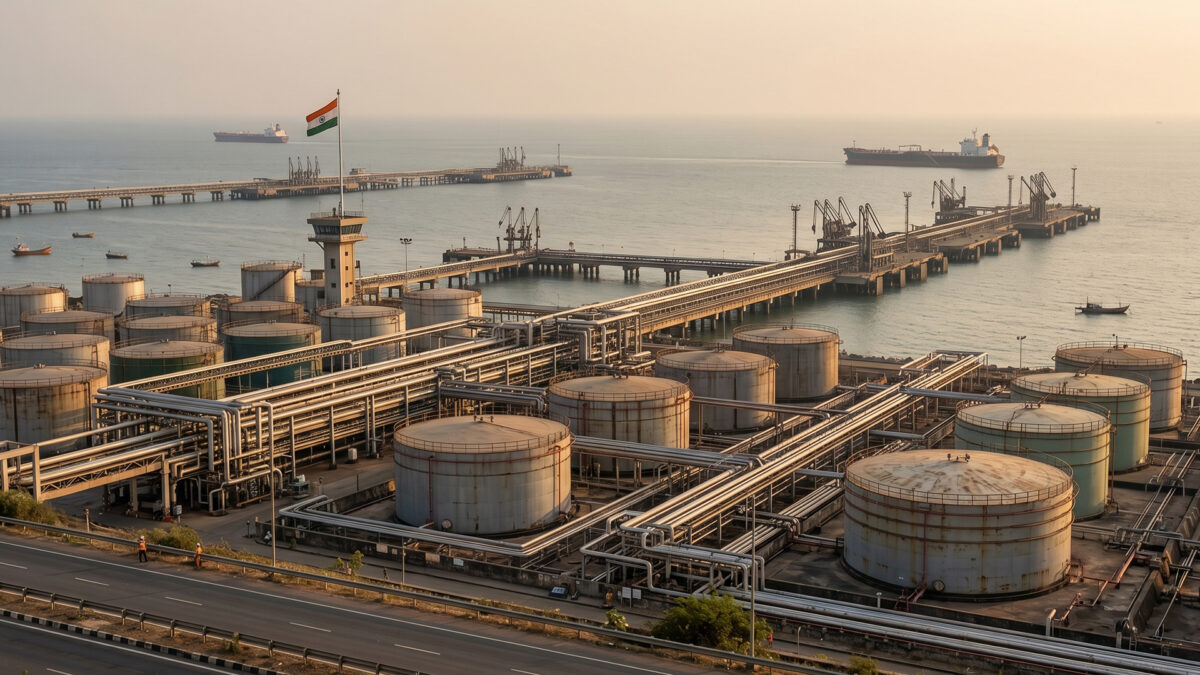
India’s crude oil imports fell sharply by nearly 17% in March compared to previous levels, as tensions in the Middle East and disruptions around the Strait of Hormuz continued to affect global energy flows. The decline reflects reduced shipments from key Gulf suppliers amid ongoing geopolitical uncertainty.

According to official and shipping data, the slowdown in crude inflows has been driven by instability in the region, where a large share of India’s energy imports originate. The Strait of Hormuz, one of the world’s most important oil shipping routes, has seen repeated interruptions due to the Iran conflict, forcing several tankers to reroute or wait for clearance.

The situation has also raised concerns over supplies of LPG and LNG, which are heavily dependent on the same route. Reports indicate that nearly 90% of India’s LPG imports and more than half of its LNG imports pass through the Strait of Hormuz, making them vulnerable to any blockade or conflict-related disruption.

The latest developments suggest that Iran has reportedly tightened control over the passage at different points during the ongoing conflict, leading to uncertainty for tankers carrying crude oil, cooking gas and industrial fuels bound for India. Several ships are said to be stuck in the region or operating under delayed schedules.

Despite these challenges, government sources have said that India’s fuel supply remains stable for now, with strategic reserves and diversified import sources helping cushion the impact. Refineries continue to operate at high capacity, and efforts are underway to secure alternative shipping routes and suppliers where possible.

However, analysts warn that prolonged disruption in the Strait of Hormuz could push global oil prices higher and increase India’s import bill, as the country depends on overseas supplies for most of its crude oil needs. Even small changes in supply flows from the Gulf can have a direct impact on domestic fuel prices and inflation.

Also Read: Tata Trusts to amend trustee rules
Categories
1 Minute-Read

Global energy supply at risk, IEA issues stark warning

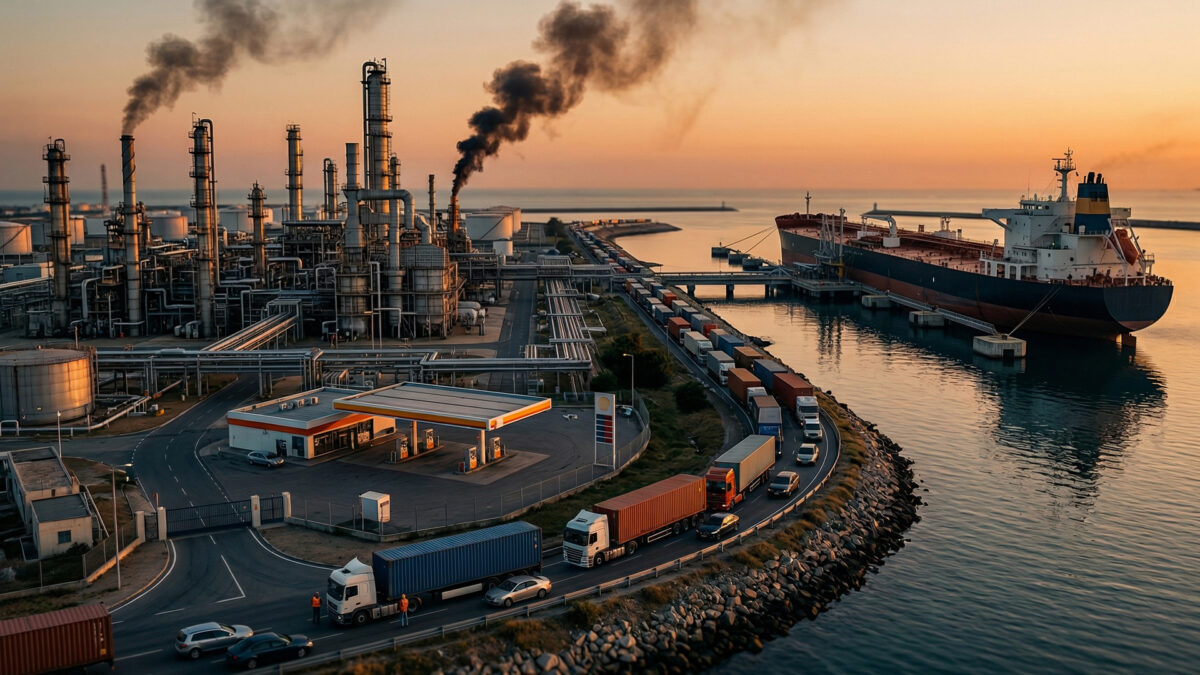
The International Energy Agency (IEA) warns the world could face its worst energy crisis in decades. Fatih Birol, IEA chief, said conflicts in the Middle East, particularly around the Strait of Hormuz, have disrupted oil and gas shipments, raising prices sharply.

Damaged infrastructure and blocked exports threaten long-term supply. IEA countries released 400 million barrels from strategic reserves, but this is temporary.

Oil prices near $100 per barrel, and markets are volatile. Birol urged global cooperation to restore trade and stabilize energy security.


Categories
Beyond

3 lakh metric tonne LPG stuck at Strait of Hormuz

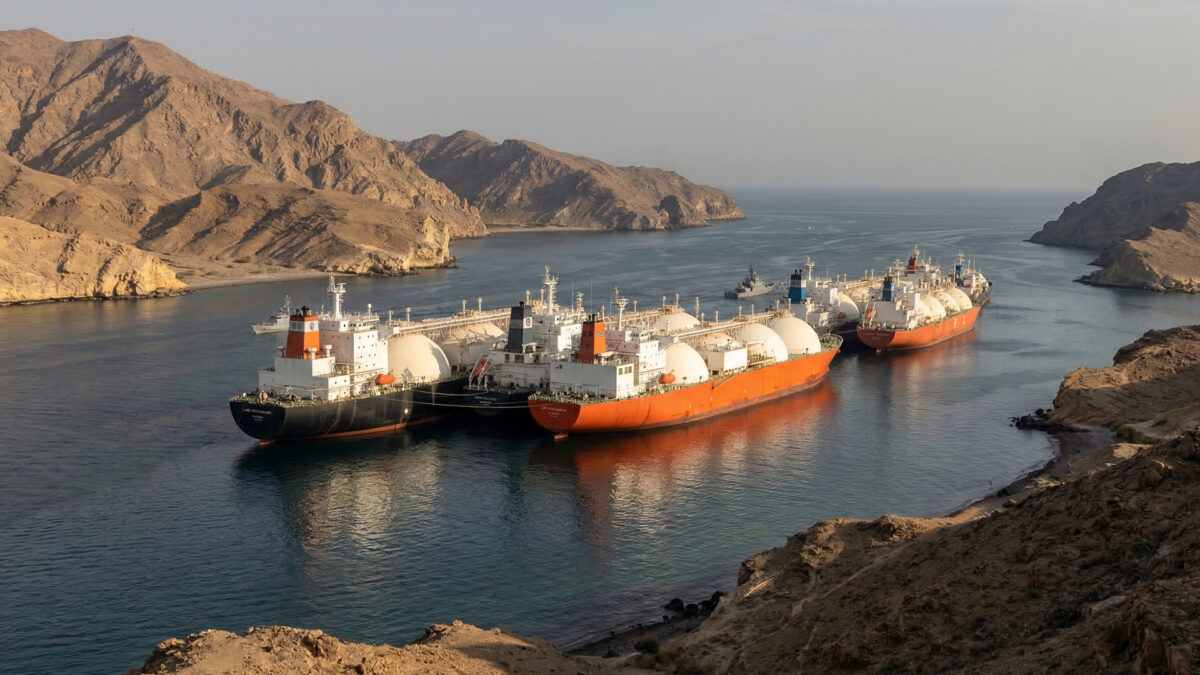
Nearly 3 lakh metric tonnes (MT) of liquefied petroleum gas (LPG) are currently stranded in the Strait of Hormuz on six Indian‑flagged vessels, the Ministry of Ports, Shipping and Waterways has confirmed. The strait, a narrow but strategically crucial waterway connecting the Persian Gulf to the Arabian Sea, is a vital route for global energy shipments. Rising geopolitical tensions in the Gulf have severely disrupted maritime traffic, complicating deliveries of LPG destined for India.

In total, 22 Indian ships are affected in and around the strait, but six LPG carriers hold the largest share of stranded cargo—around 3 lakh MT collectively. Each LPG vessel generally carries 45,000‑50,000 MT, primarily for domestic industrial and household consumption. These delays are causing a temporary slowdown in LPG deliveries to India’s ports, though authorities are coordinating closely with port operators to manage the backlog.

Some relief has come from a few vessels that successfully navigated the strait under careful monitoring. The tanker Nanda Devi, carrying 46,500 MT of LPG, reached Vadinar at Kandla Port, where unloading operations have commenced. Another vessel, Shivalik, had earlier docked at Mundra Port, helping ease the pressure on domestic supply chains. Government sources said that storage and transshipment arrangements are being made to accommodate delayed cargo and minimize disruption.

The situation highlights broader energy security challenges for India, which relies heavily on Middle East imports for LPG and other fuels. Shipping companies are also facing operational hurdles, including high freight rates and fewer available vessels for long-haul shipments. The Ministry has emphasized that operations at central‑government‑owned ports continue, with active support to ensure cargo movement wherever possible.

Also Read: Jio may file draft IPO papers by end of March