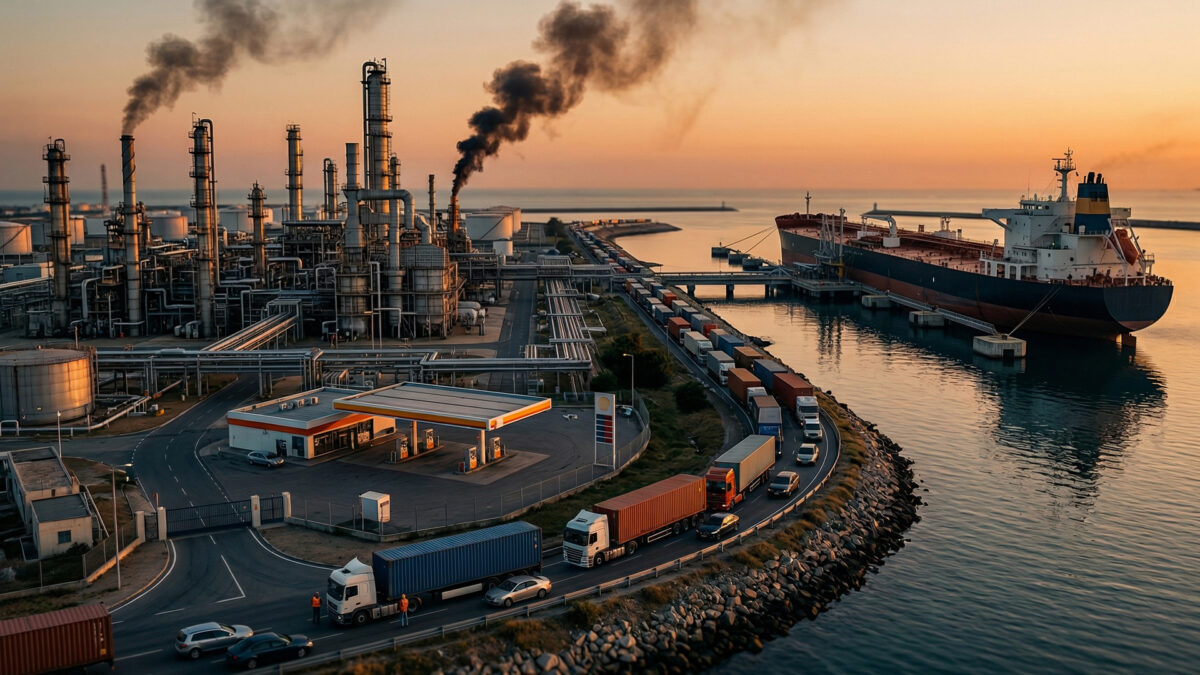
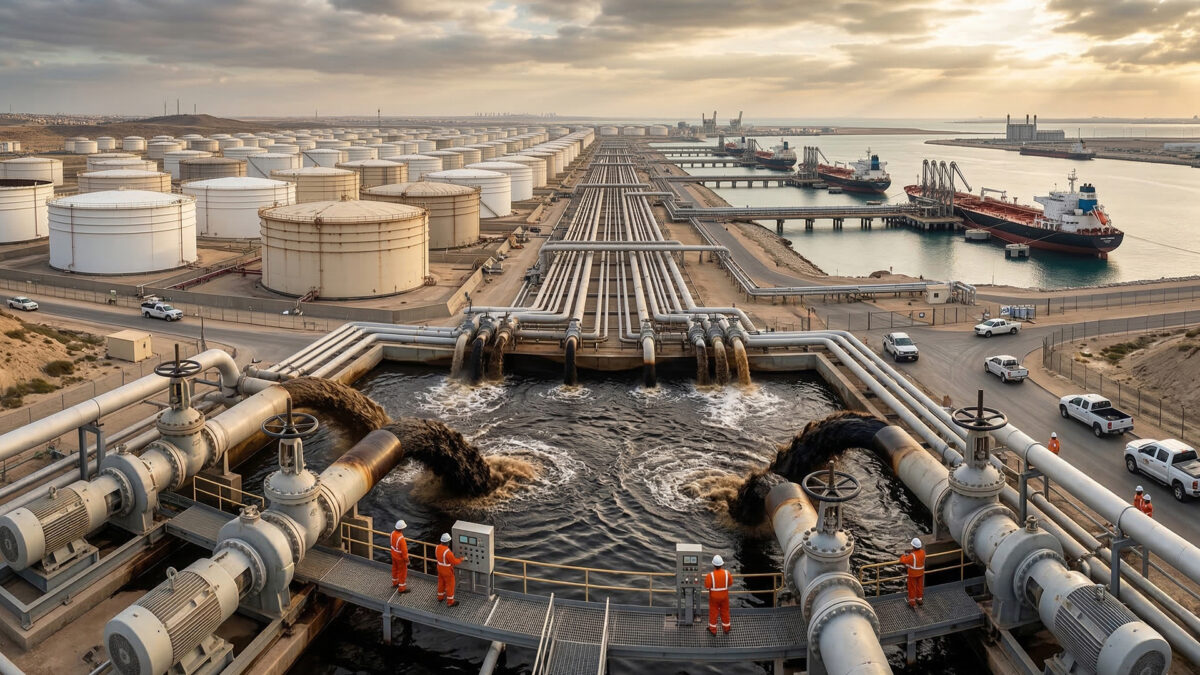
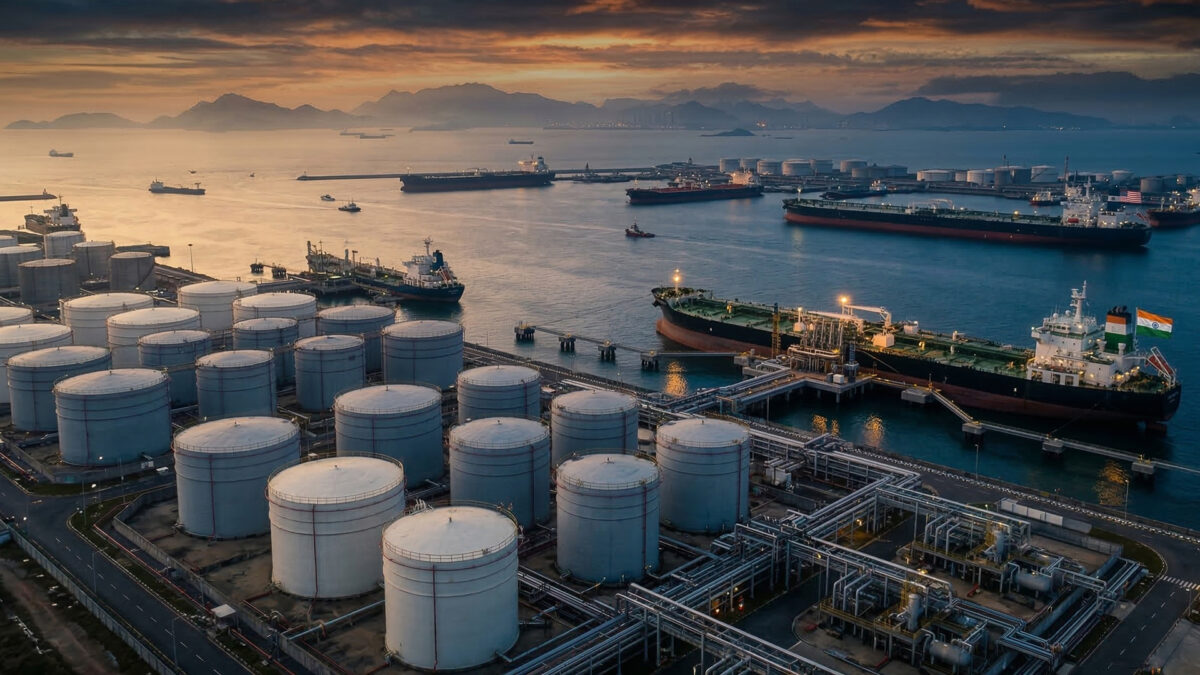
OPEC has cut its forecast for global oil demand growth this year, even as the market faces a much bigger concern on the supply side. The latest report comes as Brent crude climbs above $100 a barrel, with attacks and shipping disruptions across the Middle East making it harder for oil producers to get supplies to international markets.
The Organisation of the Petroleum Exporting Countries now expects global oil demand to grow by 380,000 barrels per day (bpd) in 2026, down from its previous estimate of 580,000 bpd. This is the fifth consecutive downward revision to its demand-growth forecast.
OPEC has taken a relatively less pessimistic view of oil consumption than the International Energy Agency (IEA). While OPEC still expects demand to rise this year, the IEA now forecasts a decline of 2.5 million bpd in global oil demand in 2026 as high fuel prices and supply disruptions weigh on consumers and businesses.
The latest OPEC report has arrived at a difficult time for the oil market. Brent crude moved above $100 this week for the first time since July and briefly climbed above $107. The rise reflects fears that the disruption to Middle East oil flows could last much longer than initially expected.
A major part of the problem is coming from Saudi Arabia, OPEC’s largest producer and the world’s biggest oil exporter.
According to figures submitted by Saudi Arabia to OPEC, the kingdom produced about 6.24 million bpd in August. That was down around 1.9 million bpd, or 23%, from July and represented its lowest monthly production level this year.
The decline has been linked to attacks and threats by Iran-backed Houthi forces in Yemen. The group announced a maritime blockade against Saudi ports on the country’s western coast in late July. Attacks on shipping and energy infrastructure have since disrupted one of the alternative routes Saudi Arabia was using to move crude after the Strait of Hormuz became increasingly difficult to use.
Saudi Arabia had been relying more heavily on its East-West pipeline to move crude from its oil-producing areas to Yanbu on the Red Sea. The route was meant to reduce the country’s dependence on shipments through the Gulf. But the growing threat around the Red Sea and Bab el-Mandeb has made that alternative route increasingly difficult as well.
The impact has been visible in Saudi crude exports. Shipments fell to around 3.1 million bpd in August from about 5.1 million bpd in July, according to shipping data cited in the latest reports. That was the lowest level since at least 2013.
The IEA has offered an even more severe assessment of the disruption. It estimates that Saudi Arabia’s actual crude supply fell to around 6 million bpd in August, the lowest level in more than three decades. The agency has also cut its 2026 forecast for Saudi crude supply by 885,000 bpd because it expects the recovery of Middle East production to take longer.
The wider OPEC picture is mixed. Total crude production from OPEC members increased by about 346,000 bpd in August to 24.08 million bpd, helped by higher Iraqi output. But Iranian production fell by around 399,000 bpd to 2.1 million bpd amid restrictions on shipments.
This means the global oil market is dealing with two opposing forces. Demand is weakening, which would normally put downward pressure on crude prices. But supply disruptions are proving powerful enough to push prices higher.
That tension is also visible in the difference between OPEC and IEA forecasts. OPEC expects demand to grow modestly in 2026 and sees a stronger recovery next year, raising its 2027 demand-growth forecast to 2.36 million bpd from 2.16 million bpd earlier.
The IEA is much more cautious. It expects global oil supply to fall by 5.7 million bpd in 2026, around 6%, while global demand is expected to decline by 2.5 million bpd. Global inventories also fell sharply in August, adding another layer of risk if supply disruptions continue.
The immediate concern for consumers is the price of fuel. Crude oil is only one part of the final price paid for petrol, diesel and other petroleum products, but a prolonged rise in crude can eventually feed into transportation, manufacturing and logistics costs.
Oil-importing countries such as India are particularly exposed. Higher crude prices can increase the import bill, put pressure on the rupee and make it harder to contain inflation. Companies with high fuel and transportation costs may also see their profit margins come under pressure.
Financial markets are watching the situation closely because expensive oil can complicate central-bank decisions. If higher energy prices keep inflation elevated, investors may reduce expectations for interest-rate cuts. That can affect bonds, equities and currencies at the same time.
The supply situation could become even more important if attacks continue around the Red Sea and Gulf shipping routes. The IEA now expects a normalisation of Middle East oil flows to stretch into 2027, rather than returning quickly.
Oil prices could therefore remain volatile even if global demand slows. A reduction in geopolitical tensions could bring prices down quickly, but another major disruption could push Brent higher.
The latest OPEC report ultimately highlights a difficult oil-market reality: weaker demand is no longer enough to guarantee lower prices. With Saudi production sharply reduced and important export routes under threat, the market is increasingly focused on how much crude can actually reach consumers.
That makes the next developments in the Middle East crucial for oil prices, inflation and the broader global economy.