Categories
Beyond

Oil surges after Trump rejects Iran terms

Global crude oil prices jumped sharply on Monday after US President Donald Trump dismissed Iran’s latest ceasefire proposal, deepening concerns over a prolonged conflict in West Asia and possible disruptions to global oil supplies.

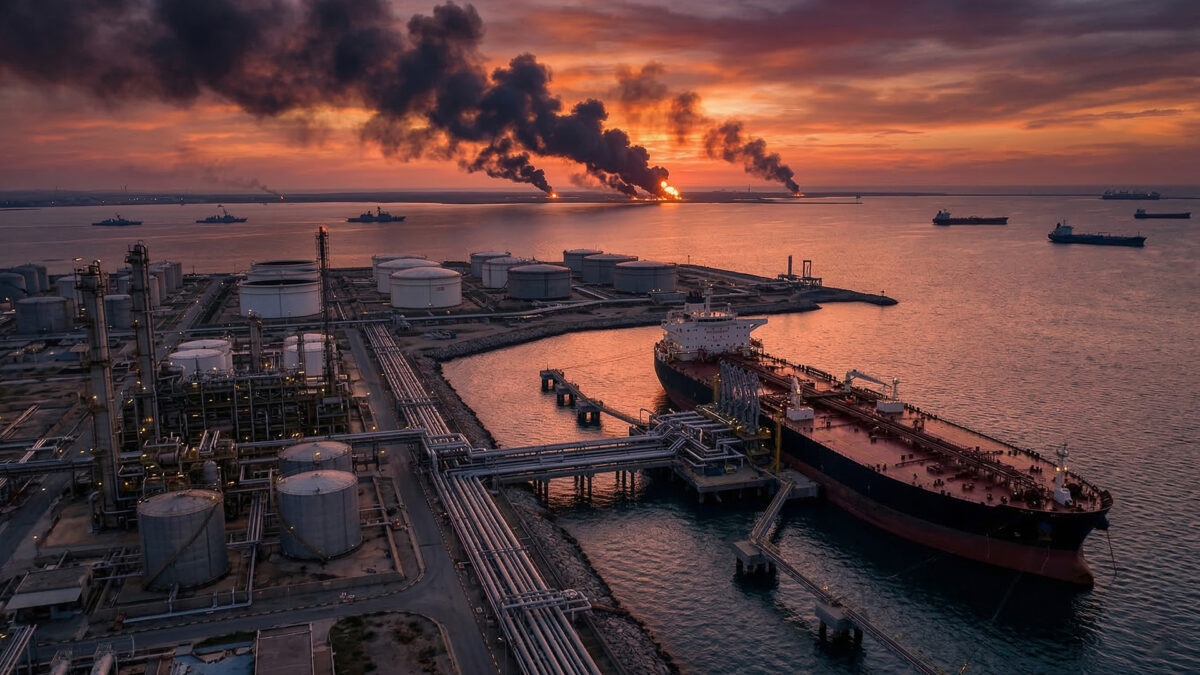
Brent crude crossed the $105-per-barrel mark, while US crude prices moved closer to $100 as traders reacted to rising geopolitical uncertainty. Market fears intensified over the continued disruption in the Strait of Hormuz, a critical shipping route through which a major portion of the world’s oil supply passes.

Iran’s response to the US-backed peace proposal included demands for sanctions relief, compensation for damages caused during the conflict, and broader guarantees regarding regional security. Trump reportedly rejected the terms, calling them unacceptable and indicating that negotiations remained far from a breakthrough.

The developments have reduced hopes of an immediate ceasefire and triggered fresh worries about stability in the Gulf region. Reports of continued drone attacks and military activity across parts of West Asia further added to market anxiety.

Energy markets responded quickly to the uncertainty. Analysts said fears of reduced oil movement through the Strait of Hormuz could tighten global supplies and push fuel prices even higher in the coming weeks. Countries heavily dependent on oil imports, including India, are expected to feel the pressure more sharply if prices continue rising.

The surge in crude prices has also renewed inflation concerns globally. Higher fuel costs could increase transportation and manufacturing expenses, potentially affecting consumer prices and slowing economic growth.

Financial markets across the world remained cautious following the developments. Investors moved towards safer assets such as gold and the US dollar, while equity markets witnessed volatility amid concerns over rising energy costs.

Also Read: Gold at ₹1.52 lakh, silver at ₹2.74 lakh

Categories
Beyond

₹30,000 cr blow to state-run oil firms in India

Indian oil marketing companies are facing heavy financial pressure as rising global crude prices continue to increase losses. Reports estimate that state-run firms are losing around ₹30,000 crore every month while keeping petrol and diesel prices unchanged.

The surge in crude prices has been linked to ongoing tensions in the Middle East, raising concerns over possible supply disruptions in the global energy market. Despite higher import costs, oil companies have not increased retail fuel prices in India.

Companies including Indian Oil, Bharat Petroleum and Hindustan Petroleum are reportedly bearing the burden to maintain price stability for consumers. Industry experts say this has resulted in major under-recoveries for the firms.

India depends heavily on imported crude oil, and any sharp rise in international prices directly impacts fuel companies and the economy. Economists say stable fuel prices help control inflation and reduce pressure on transport and daily expenses.

However, analysts warn that continued losses may become difficult to sustain if global oil prices remain elevated for a longer period.

The government has not yet announced any relief measures, but discussions are reportedly underway as companies continue to face mounting pressure.

Also Read: Instagram ends encrypted DMs for users

Categories
Beyond

Oil rises 4% on Trump’s Iran strike warning

Global oil prices rose sharply after Donald Trump said the United States would continue its military actions against Iran, increasing concerns about a wider conflict in the region.

Benchmark crude prices climbed more than 4%, with Brent crude crossing key levels as traders reacted to the possibility of prolonged instability. The price jump reflects growing fears that the conflict could disrupt global oil supplies and key shipping routes.

In his address, Trump indicated that US attacks would not stop immediately and could continue until strategic objectives are met. While he hinted that the situation might stabilise eventually, the lack of clear timelines has added uncertainty to global markets.

Market analysts say the rise in oil prices is driven by both actual supply risks and market sentiment. Even the possibility of attacks on oil infrastructure or transport routes can lead to immediate price spikes, as traders anticipate shortages.

The surge in crude prices has also affected broader financial markets. Investors are becoming cautious due to concerns that higher energy costs could lead to inflation and slow down economic growth. Stock markets in several regions showed signs of volatility following the developments.

A major concern is the safety of the Strait of Hormuz, a narrow waterway through which a large portion of the world’s oil supply passes. Any disruption in this route can quickly affect global supply and drive prices higher. Reports suggest that tensions in the area have already slowed some shipping activity.

Also Read: Rupee jumps to 93.53 after RBI action

Categories
Beyond

$580mn oil bet before Trump post raises questions

A large $580 million bet in global oil markets placed shortly before a public statement by Donald Trump has raised concerns over possible insider trading and market fairness. The trades were executed minutes before Trump shared an update about easing tensions with Iran, triggering sharp movements across financial markets.

The bets were made in oil futures just 10–15 minutes before Trump posted on social media about “productive” talks with Iran and a pause in potential US military action. Soon after the announcement, crude oil prices dropped quickly, allowing those who placed bearish bets to make significant profits.

The timing has drawn attention because of the scale and precision of the trades. Market analysts say it is unusual for such large positions to be taken so close to a major geopolitical announcement without some level of prior expectation. While there is no confirmed evidence of wrongdoing, the sequence of events has prompted speculation about whether certain traders had advance information.

The announcement also had a wider impact on global markets. US stock futures rose as investors reacted positively to signs of reduced geopolitical risk, while oil prices saw a sharp decline due to expectations of stable supply. This quick shift highlights how sensitive markets are to developments in regions like the Middle East, where tensions directly influence energy prices.

It is said that geopolitical signals, especially those involving countries like Iran, often lead to sudden and large price swings. In such an environment, even small informational advantages can translate into massive financial gains.

The incident has renewed debate around transparency and regulation in global financial markets. Observers are calling for closer scrutiny of trading patterns around major political announcements to ensure a level playing field for all investors.

Although no official investigation has been announced so far, the scale and timing of the trades are likely to attract regulatory attention.

Also Read: IndiGo appoints ex-Air India Express head as CSO

Categories
Beyond

Rupee slips below ₹93 as oil prices soar

Rupee tumbled to a record low of ₹93 against the US dollar on Friday, leaving many investors and everyday citizens worried about rising costs. The slide comes as global oil prices continue to climb, and the dollar strengthens against most major currencies.

India imports most of its oil, so any surge in crude prices hits the economy hard. With Brent crude hovering near $110 per barrel, the country has to spend more dollars to fuel its industries, transport, and households. This rising demand for foreign currency naturally puts downward pressure on the rupee.

Foreign investors have also pulled money from Indian markets recently, adding pressure on the currency. March has seen notable outflows from equities, prompting concerns about market stability.

The Reserve Bank of India (RBI) has stepped in to support the rupee, selling dollars and using other monetary tools to limit the slide. But experts say the currency’s weakness could persist unless global oil prices stabilize or investor sentiment improves.

For the average Indian, a weaker rupee translates to more expensive imported goods, higher travel costs, and potential inflation, especially for essentials like fuel and cooking gas. Businesses dependent on imports also face rising costs, which could eventually filter down to consumers.

Also Read: Gold at ₹1,50,270, Silver at ₹2,59,900

Categories
Beyond

Global oil prices jump over 2%

Global oil prices rose by more than 2% on Tuesday as growing tensions in the Middle East increased fears of disruptions to global energy supplies. Markets reacted to the ongoing conflict involving Iran and the risk it poses to oil shipments passing through the Strait of Hormuz, one of the world’s most important energy routes.

Benchmark crude prices moved sharply higher during trading. Brent crude climbed to around $102–$103 per barrel, while U.S. West Texas Intermediate (WTI) crude approached $96 per barrel. The increase reflects rising concerns among traders that the conflict could restrict oil exports from the Gulf region.

The Strait of Hormuz is a crucial shipping corridor connecting major oil-producing countries in the Middle East to global markets. Nearly one-fifth of the world’s oil supply normally moves through this narrow passage. Any disruption in the route can quickly affect global oil availability and push prices upward.

Recent developments in the region have heightened market anxiety. Reports of attacks targeting shipping and energy infrastructure near key Gulf oil hubs have raised fears that the conflict could expand and further disrupt supply chains. The situation has also slowed tanker movement in the area, creating uncertainty for exporters and buyers.

Some Gulf producers have already been affected by the disruption. Reduced shipments and logistical challenges have forced certain producers to scale back production temporarily. This has added to concerns that global oil supplies could tighten if the conflict continues.

Energy analysts say the situation remains highly uncertain and markets are reacting to the risk of further escalation. If tensions persist or shipping through the Strait of Hormuz remains restricted, oil prices could remain volatile in the coming weeks.

There are also discussions among major energy organizations about possible measures to stabilize the market. One option being considered is the release of oil from strategic reserves to offset potential supply shortages.

The Middle East plays a central role in global energy supply, and prolonged instability in the region can have wide economic impacts. Higher oil prices could increase fuel costs and add inflationary pressure in many countries.

Also Read: Rupee settles at 92.42 against US dollar

Categories
Beyond

Oil tops $100 after tanker attacks in Iraqi waters

Global oil prices jumped sharply on Thursday after reports that two oil tankers were attacked in Iraqi waters near the Gulf of Hormuz, a key route for about one-fifth of the world’s oil shipments. The attacks stoked fears that ongoing Middle East conflicts could further disrupt crude supply and push prices even higher.

Brent crude briefly rose above $100 per barrel, while US West Texas Intermediate (WTI) oil also climbed significantly. Traders reacted to the news of port shutdowns and fires caused by the attacks, which forced temporary halts at some terminals.

The attacks come amid escalating tensions involving Iran, the United States, and Israel, heightening worries about shipping safety in the region. Analysts said that disruptions in the Gulf, especially around the Strait of Hormuz,  could severely affect global oil supply, since the area is critical for transporting crude to international markets.

Governments are trying to ease the pressure. The International Energy Agency (IEA) announced the release of 400 million barrels from global reserves, while the US released 172 million barrels from its strategic reserves to help stabilize prices. Despite these measures, uncertainty continues, and traders are factoring in the risk of more disruptions.

Experts warn that higher oil prices could increase costs for fuel, transportation, and goods worldwide, adding to inflation concerns already affecting many countries. The recent surge shows how sensitive global energy markets are to geopolitical tensions and how a single incident can ripple through economies.

Investors and policymakers are watching the situation closely. Any further escalation in the region or continued attacks on tankers could keep oil prices volatile, impacting businesses and consumers globally.

Also Read: India backs record IEA oil reserve release

Categories
Beyond

Oil prices drop below $90, airline stocks rally

Global crude oil prices fell sharply on Tuesday, slipping below the $90 per barrel level after recent spikes caused by tensions in the Middle East. The decline came as market sentiment improved following signals that the conflict involving Iran could ease, reducing fears of major disruptions to global oil supply.

Comments from US President Donald Trump suggesting that the conflict could end soon helped calm markets. His remarks raised hopes that the situation may not escalate further, which led to a drop in oil prices and improved investor confidence.

The fall in crude prices triggered a rally in airline stocks, particularly in India. Shares of InterGlobe Aviation, the parent company of the airline brand IndiGo, rose sharply during the session. Budget carrier SpiceJet also saw its shares surge as investors reacted positively to lower fuel costs.

Airline companies are highly sensitive to movements in oil prices because aviation turbine fuel forms a large part of their operating expenses. When crude prices fall, airline fuel costs decline, which improves profitability prospects for the sector.

Crude prices had surged earlier amid fears that escalating tensions in the Middle East could disrupt supply from the region, one of the world’s largest oil-producing areas. At one point, oil prices had moved close to $120 per barrel, triggering concerns across global financial markets.

However, the recent decline in prices has brought relief to investors and several industries that depend heavily on fuel. Lower oil prices can help reduce operational costs for sectors such as aviation, transportation and logistics.

The drop in crude prices also lifted global equity markets. Major Asian indices, including Japan’s Nikkei 225, South Korea’s Kospi, and Hong Kong’s Hang Seng Index, traded higher as investors welcomed the easing energy price concerns.

Market experts say oil prices are likely to remain volatile as geopolitical developments continue to influence supply expectations. Any fresh escalation in the Middle East could quickly push prices higher again.

Also Read: Rupee falls to record low of 92.35 against dollar

Categories
Beyond

Oil tops $83, European gas jumps over 40%

Global energy prices have risen sharply after fresh tensions in the Middle East disrupted oil and gas supplies. Fighting involving Iran and its rivals has raised concerns about shipments from the Gulf region, which is one of the world’s most important energy hubs.

Oil prices climbed strongly, with Brent crude moving above $83 per barrel. Traders fear that if the conflict spreads or key shipping routes are blocked, supplies could fall further. A major concern is the Strait of Hormuz, a narrow sea route through which a large share of the world’s oil and liquefied natural gas (LNG) passes every day.

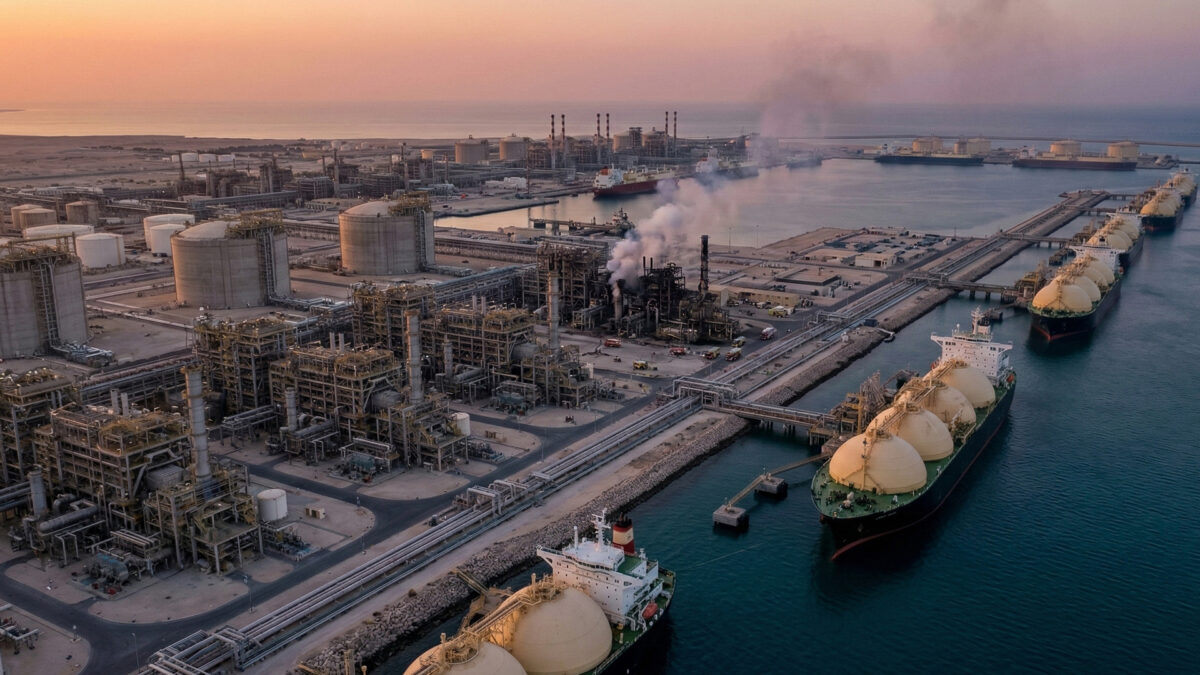
Natural gas prices have risen even more sharply, especially in Europe. Reports said gas prices surged by 30% to over 40% after Qatar temporarily halted LNG production at some facilities due to security concerns. Qatar is one of the world’s biggest LNG exporters, and any disruption there quickly affects global markets.

Europe depends heavily on LNG imports, particularly after cutting pipeline gas supplies from Russia in recent years. With storage levels not very high, even small supply shocks can cause big price swings.

The rise in energy prices is also affecting other sectors. Higher fuel costs increase shipping and transport expenses, which can push up prices of food, fertilisers and other goods. Economists warn that continued energy volatility could add to inflation pressures in many countries.

Governments and energy companies are closely watching the situation. Some countries may use strategic reserves or look for alternative suppliers if the disruption continues.

Also Read: CCPA fines baby food brand ₹8 lakh

Categories
Beyond

Oil slides as US-Iran talks ease supply fears

Global oil prices declined sharply after fresh signals suggested a possible easing of tensions between the United States and Iran, calming fears of supply disruptions that had driven prices higher in recent weeks.

Brent crude futures slipped by nearly 5%, falling back to around $66 a barrel, while US West Texas Intermediate (WTI) crude also dropped by a similar margin. The decline marked one of the steepest daily falls this year, as traders rushed to lock in profits after a strong rally in January.

The sell-off followed comments from US President Donald Trump indicating that Washington and Tehran were “seriously negotiating” over Iran’s nuclear programme. These remarks raised hopes that diplomatic engagement could replace confrontation, lowering the risk of conflict in the Middle East, a region critical to global oil supplies.

Until now, oil prices had been supported by fears that escalating tensions could disrupt shipments through key routes such as the Strait of Hormuz. Those concerns eased after there were no new military developments over the weekend and no signs of immediate escalation from either side.

Market analysts said the fall was driven by a sharp unwinding of the geopolitical risk premium that had been built into crude prices. Brent and WTI had climbed more than 10% last month amid worries over potential supply shocks.

A stronger US dollar also weighed on oil prices, making commodities more expensive for buyers using other currencies. In addition, broader commodity markets softened, with gold and silver giving up recent gains as investors moved away from safe-haven assets.

Supply-side factors added to the pressure. OPEC and its allies, including Russia, have signalled no immediate change to production plans, reducing concerns about tighter supply in the near term. Meanwhile, expectations of steady global demand growth have kept traders cautious about pushing prices higher.

Despite the decline, analysts warned that oil markets remain highly sensitive to geopolitical headlines. Any setback in talks or renewed tensions could quickly reverse the current trend.

Also Read: Capgemini to exit US unit linked to migrant tracking