
Categories
Beyond

Gold above ₹1,41,300, silver climbs to ₹2,19,400

Gold prices today extended their rally on Monday, while silver prices registered sharper gains as investors rushed towards safe-haven assets amid escalating geopolitical tensions in the Middle East.

In early trade, MCX gold rose by ₹733 to ₹1,41,322 per 10 grams, while MCX silver climbed ₹2,796 to ₹2,19,400 per kilogram. The strong opening reflected increased investor demand for bullion as concerns over the escalating conflict between the United States and Iran prompted traders to move away from riskier assets.

The rally in gold and silver prices follows a sharp rise in global uncertainty after fresh military developments in the Middle East. As geopolitical risks intensified, investors sought the relative safety of precious metals, traditionally viewed as reliable investments during periods of economic and political instability.

Internationally, spot gold also traded higher, supported by a softer US dollar. A weaker greenback makes gold more affordable for buyers using other currencies, often boosting global demand. Market participants are also closely tracking US economic data and comments from the Federal Reserve for clues on future interest rate decisions, which could influence the direction of bullion prices.

Silver, often considered both a precious and industrial metal, outperformed gold during the session. Apart from safe-haven buying, expectations of steady industrial demand also supported silver prices today, helping the metal post stronger gains than gold.

In the domestic bullion market, gold prices remained elevated across major cities on Monday. Delhi recorded 24-carat gold at ₹1,43,460 per 10 grams, while 22-carat gold was priced at ₹1,31,500 per 10 grams. Similar price levels were reported in Mumbai, Kolkata, Chennai, Bengaluru and Hyderabad, with slight variations depending on local taxes, making charges and jewellers’ pricing. Despite the rally, many buyers continued to adopt a wait-and-watch approach, hoping for some stability in prices before making fresh purchases.

Jewellers said buying activity remained mixed despite the rally. While investment demand continued to improve as consumers looked for safe assets, retail jewellery purchases stayed relatively subdued because of elevated prices. Many buyers are waiting for prices to stabilise before making large purchases.

Market analysts believe the outlook for gold prices remains positive as long as geopolitical tensions persist. Any further escalation in the Middle East or signs of slower global economic growth could strengthen demand for safe-haven assets, providing additional support to bullion prices.

Apart from geopolitical developments, investors are also monitoring inflation trends and central bank policies. If the US Federal Reserve signals interest rate cuts later this year, gold could receive another boost, as lower interest rates generally reduce the opportunity cost of holding non-yielding assets like bullion.

The movement in the US dollar index, global bond yields and crude oil prices will also play an important role in determining the near-term direction of MCX gold and MCX silver. A stronger dollar or higher bond yields could limit gains, while continued uncertainty may keep precious metals well supported.

For Indian investors, the rise in gold rates today reflects a combination of stronger international prices and fluctuations in the rupee. Since India imports most of its gold, any movement in global prices or the domestic currency directly impacts retail bullion rates.

Experts advise investors to remain cautious amid heightened market volatility. While gold continues to serve as a hedge against inflation and geopolitical risks, short-term price swings are likely as markets react to global developments. Those looking to invest are encouraged to adopt a staggered approach rather than making large one-time purchases.

With geopolitical tensions showing little sign of easing and global markets remaining volatile, gold prices today, silver prices today, MCX gold, MCX silver and international bullion markets are expected to remain in focus. Investors will closely watch developments in the Middle East, US economic data and central bank commentary for fresh cues on the next move in precious metals.

Also Read: Brent crude tops $90 amid escalating US-Iran tensions

Categories
Beyond

Brent crude tops $90 amid escalating US-Iran tensions
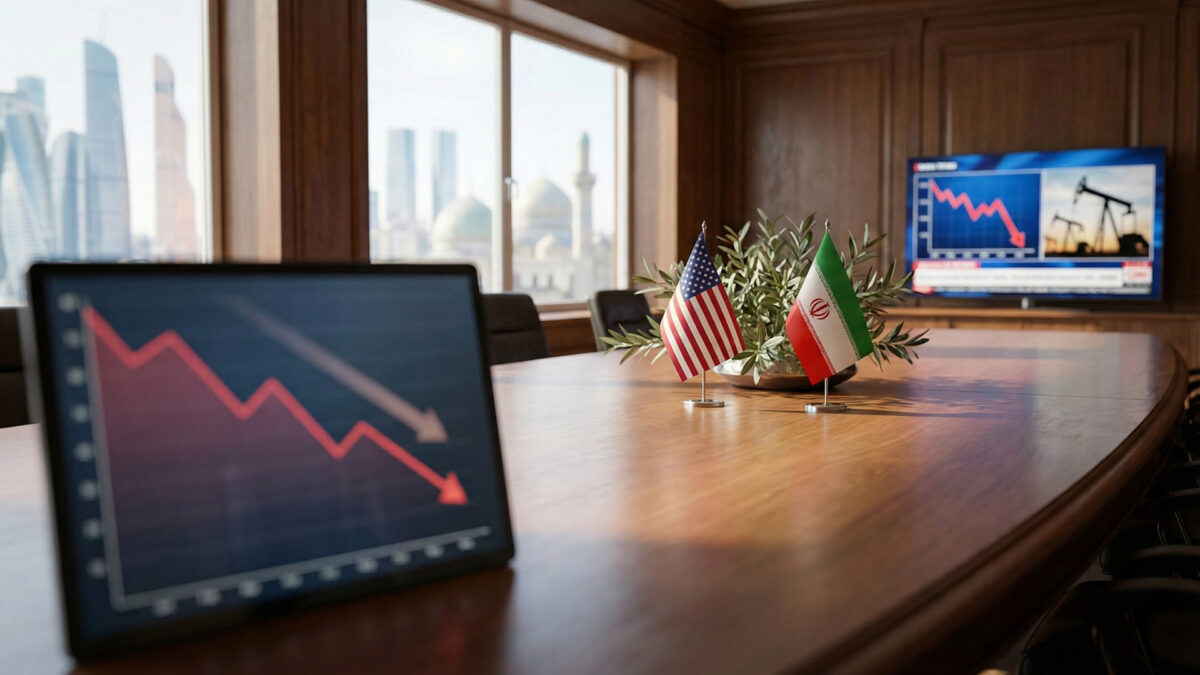
Global oil prices surged on Monday after escalating military tensions between the United States and Iran heightened fears of supply disruptions in the Middle East, pushing Brent crude above USD 90 a barrel for the first time in more than a month. The sharp rise has reignited concerns over inflation, energy security and its potential impact on the global economy.

The latest rally in crude oil prices came after the US and Iran intensified military exchanges over the weekend, increasing uncertainty in one of the world’s most important oil-producing regions. Investors reacted swiftly to the developments, worried that any further escalation could disrupt crude supplies moving through key shipping routes in the Gulf.

Brent crude futures, the global benchmark for oil prices, climbed past the USD 90 per barrel mark, while West Texas Intermediate (WTI) also recorded strong gains. Analysts said the move reflected growing concerns that prolonged geopolitical tensions could tighten global oil supplies at a time when demand remains relatively firm.

The Middle East plays a crucial role in global energy markets, accounting for a significant share of the world’s crude oil production and exports. Any conflict involving major regional powers often triggers volatility in oil markets because of fears that production facilities, pipelines or strategic shipping lanes could be affected.

One of the biggest concerns is the Strait of Hormuz, a narrow waterway through which nearly a fifth of the world’s oil supply passes every day. Although there has been no confirmed disruption to shipments so far, traders fear that any military escalation in the region could threaten the smooth flow of crude exports, sending prices even higher.

The jump in Brent crude prices has also renewed worries about inflation across major economies. Higher oil prices generally lead to increased fuel and transportation costs, which eventually affect the prices of goods and services. For central banks already balancing inflation and economic growth, another energy-driven price spike could complicate future monetary policy decisions.

The impact is expected to be particularly significant for large oil-importing nations such as India, where higher crude prices can increase the country’s import bill, widen the trade deficit and put pressure on the rupee. Costlier fuel may also affect sectors such as aviation, logistics, manufacturing and consumer goods, making businesses more cautious about their outlook.

Financial markets reacted to the surge in oil prices with increased volatility. Equity markets across Asia remained under pressure as investors shifted towards safer assets, while energy stocks gained on expectations of improved earnings if elevated crude prices persist. Analysts said the renewed geopolitical uncertainty has once again become a major driver of investor sentiment.

Energy market experts believe the direction of Brent crude will largely depend on how the geopolitical situation unfolds over the coming days. If diplomatic efforts help ease tensions, oil prices could stabilise. However, any fresh attacks or disruption to supply routes could push prices further above the USD 90 level.

Despite the current uncertainty, major oil-producing nations have not announced any immediate changes to production levels. Market participants are closely monitoring official statements from governments and global energy agencies for signs of potential supply adjustments or emergency measures if the conflict escalates further.

The latest rise in global crude oil prices comes at a time when many economies are still trying to sustain growth while keeping inflation under control. Businesses and consumers alike are likely to feel the impact if energy costs remain elevated for an extended period.

Analysts say the coming days will be critical for global energy markets. Any improvement in diplomatic relations between the US and Iran could ease fears and cool oil prices. However, if the conflict widens, concerns over supply disruptions could keep Brent crude elevated, adding fresh pressure on inflation, financial markets and economic growth around the world.

For now, traders, policymakers and businesses will be watching developments in the Middle East closely, as the region’s geopolitical stability remains one of the biggest factors influencing global oil prices, energy markets, inflation and the broader world economy.

Also Read: Sensex tumbles over 450 points, Nifty slips below 24,250

Categories
Beyond

Oil slides as US-Iran talks ease supply fears

Global oil prices declined sharply after fresh signals suggested a possible easing of tensions between the United States and Iran, calming fears of supply disruptions that had driven prices higher in recent weeks.

Brent crude futures slipped by nearly 5%, falling back to around $66 a barrel, while US West Texas Intermediate (WTI) crude also dropped by a similar margin. The decline marked one of the steepest daily falls this year, as traders rushed to lock in profits after a strong rally in January.

The sell-off followed comments from US President Donald Trump indicating that Washington and Tehran were “seriously negotiating” over Iran’s nuclear programme. These remarks raised hopes that diplomatic engagement could replace confrontation, lowering the risk of conflict in the Middle East, a region critical to global oil supplies.

Until now, oil prices had been supported by fears that escalating tensions could disrupt shipments through key routes such as the Strait of Hormuz. Those concerns eased after there were no new military developments over the weekend and no signs of immediate escalation from either side.

Market analysts said the fall was driven by a sharp unwinding of the geopolitical risk premium that had been built into crude prices. Brent and WTI had climbed more than 10% last month amid worries over potential supply shocks.

A stronger US dollar also weighed on oil prices, making commodities more expensive for buyers using other currencies. In addition, broader commodity markets softened, with gold and silver giving up recent gains as investors moved away from safe-haven assets.

Supply-side factors added to the pressure. OPEC and its allies, including Russia, have signalled no immediate change to production plans, reducing concerns about tighter supply in the near term. Meanwhile, expectations of steady global demand growth have kept traders cautious about pushing prices higher.

Despite the decline, analysts warned that oil markets remain highly sensitive to geopolitical headlines. Any setback in talks or renewed tensions could quickly reverse the current trend.

Also Read: Capgemini to exit US unit linked to migrant tracking