Categories
Beyond

Global oil prices jump over 2%

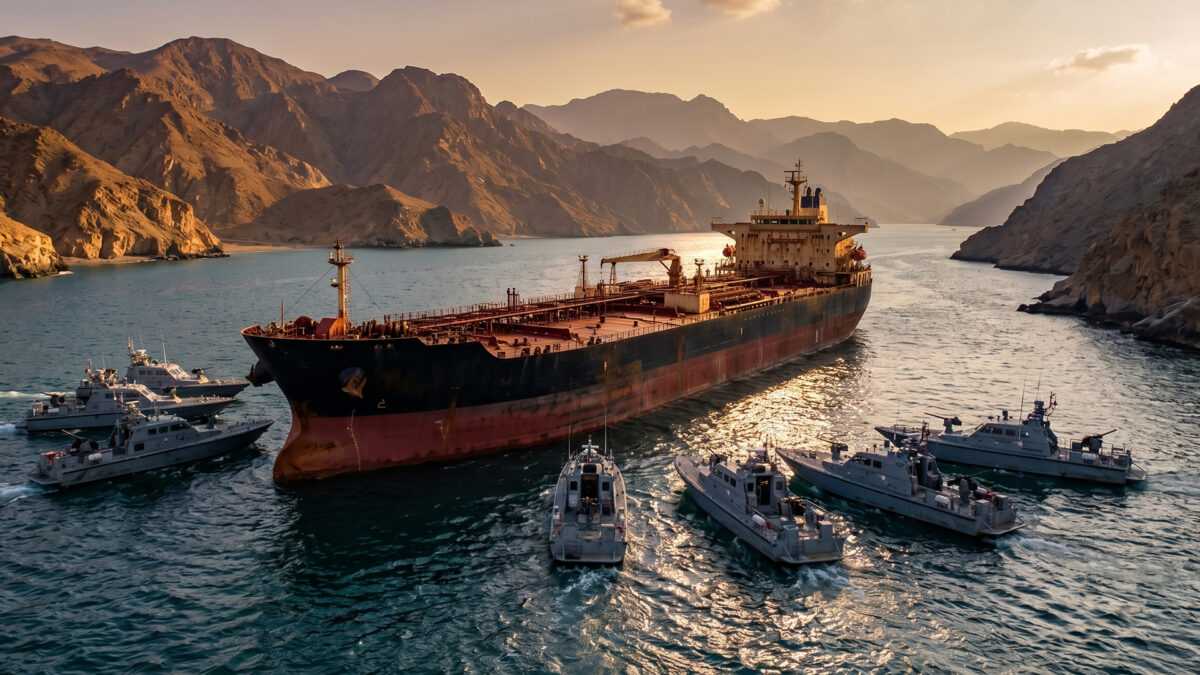
Global oil prices rose by more than 2% on Tuesday as growing tensions in the Middle East increased fears of disruptions to global energy supplies. Markets reacted to the ongoing conflict involving Iran and the risk it poses to oil shipments passing through the Strait of Hormuz, one of the world’s most important energy routes.

Benchmark crude prices moved sharply higher during trading. Brent crude climbed to around $102–$103 per barrel, while U.S. West Texas Intermediate (WTI) crude approached $96 per barrel. The increase reflects rising concerns among traders that the conflict could restrict oil exports from the Gulf region.

The Strait of Hormuz is a crucial shipping corridor connecting major oil-producing countries in the Middle East to global markets. Nearly one-fifth of the world’s oil supply normally moves through this narrow passage. Any disruption in the route can quickly affect global oil availability and push prices upward.

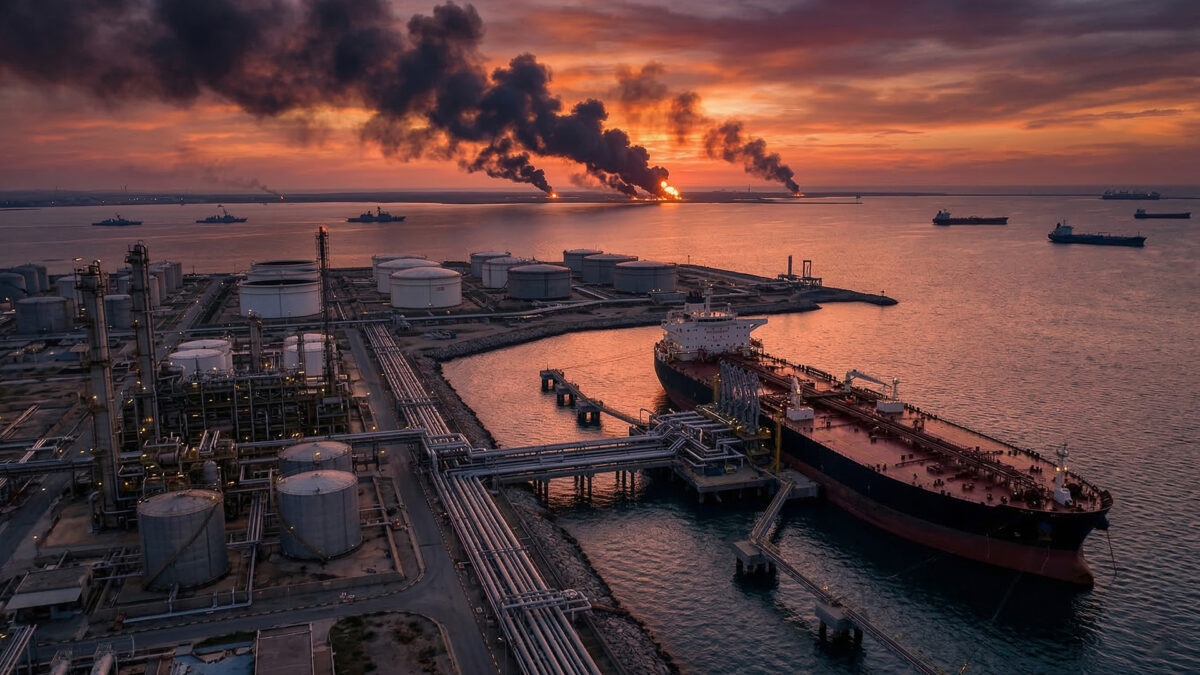
Recent developments in the region have heightened market anxiety. Reports of attacks targeting shipping and energy infrastructure near key Gulf oil hubs have raised fears that the conflict could expand and further disrupt supply chains. The situation has also slowed tanker movement in the area, creating uncertainty for exporters and buyers.

Some Gulf producers have already been affected by the disruption. Reduced shipments and logistical challenges have forced certain producers to scale back production temporarily. This has added to concerns that global oil supplies could tighten if the conflict continues.

Energy analysts say the situation remains highly uncertain and markets are reacting to the risk of further escalation. If tensions persist or shipping through the Strait of Hormuz remains restricted, oil prices could remain volatile in the coming weeks.

There are also discussions among major energy organizations about possible measures to stabilize the market. One option being considered is the release of oil from strategic reserves to offset potential supply shortages.

The Middle East plays a central role in global energy supply, and prolonged instability in the region can have wide economic impacts. Higher oil prices could increase fuel costs and add inflationary pressure in many countries.

Also Read: Rupee settles at 92.42 against US dollar

Categories
Beyond

India secures Russian oil than Hormuz supply

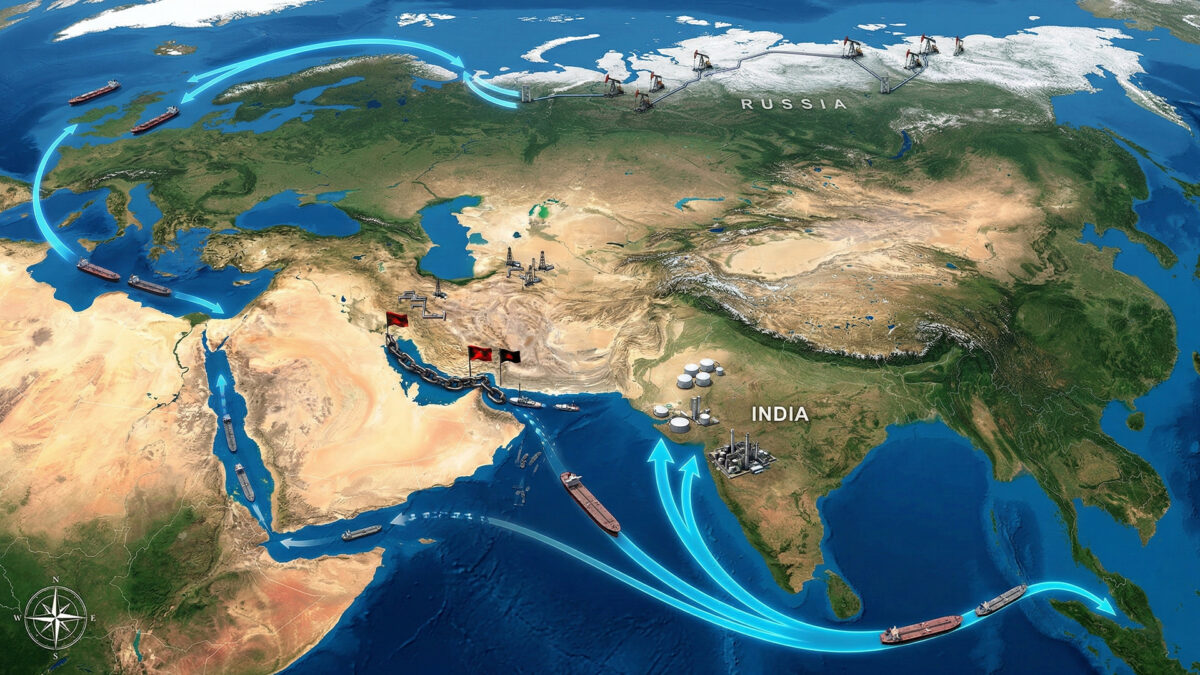
With the escalating conflict in the Middle East, India has increased crude imports from Russia to reduce reliance on shipments through the Strait of Hormuz, a key oil chokepoint threatened by tensions involving Iran, the US, and Israel.

Global oil prices have surged due to fears of disruptions, prompting India to seek safer alternative routes. Russian crude, transported via non-Hormuz paths, provides a more secure and predictable supply.

Officials say the shift also helps India manage potential economic impacts, such as higher import bills and inflation. Additional measures, including using strategic reserves and fuel conservation, are being considered.

While challenges like shipping logistics and sanctions exist, Indian refiners continue to diversify supplies to maintain fuel availability and safeguard the economy.

Also Read: Polymarket bets on Iran strike hit $529mn, raise insider fears

Categories
Beyond

Brent crude jumps 13% as Iran moves on Hormuz

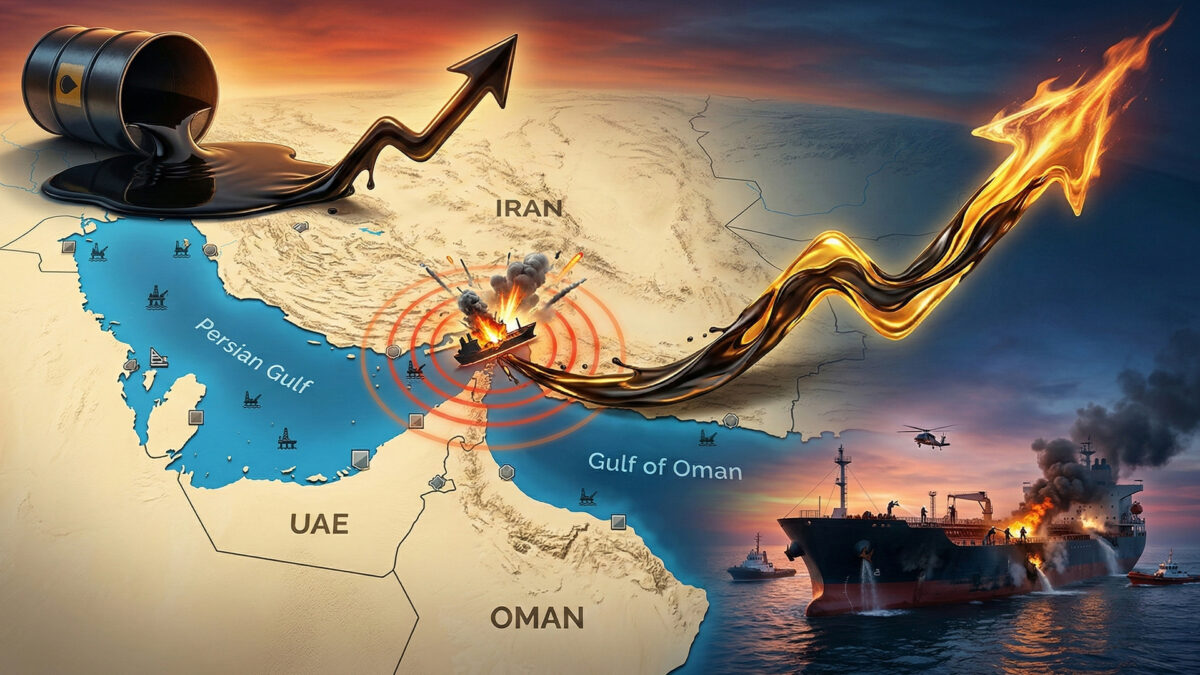
Global oil markets were rocked on Monday after crude prices surged more than 13% amid escalating conflict involving Iran, the United States and Israel, raising fears of a prolonged supply shock.

The sharp rally came after reports that Iran moved to restrict traffic through the Strait of Hormuz following coordinated US–Israel strikes on Iranian targets. The narrow waterway, located between Iran and Oman, is one of the world’s most critical energy corridors, handling nearly 20% of global crude oil and liquefied natural gas shipments each day.

Global benchmark Brent Crude surged as much as 13% to $82.37 per barrel, marking its highest level in over a year before easing slightly to trade near $79–$80. Meanwhile, West Texas Intermediate (WTI) climbed roughly 8% to around $72–$73 per barrel after volatile trading.

Shipping firms and maritime insurers have reportedly paused or delayed tanker movements through the Strait due to heightened security risks. Although Iranian authorities have not formally declared a complete closure, vessel tracking data shows significant slowdowns and rerouting activity. Analysts warn that even partial disruptions could tighten global supply chains.

Energy experts estimate that if flows through Hormuz were fully blocked, the global market could temporarily lose between 8 million and 10 million barrels per day, a volume difficult to replace quickly despite strategic reserves or alternative pipeline routes in Saudi Arabia and the UAE.

The price spike also reflects growing concern about retaliatory strikes and possible expansion of the conflict across the Gulf region. Traders are building in a geopolitical risk premium, pushing futures contracts higher across near-term delivery months.

Oil-importing nations face immediate pressure. Countries such as India, Japan and several European economies depend heavily on crude shipped through the Gulf. Higher prices could translate into rising fuel costs, inflationary pressures and widening trade deficits if the situation persists.

Meanwhile, producer alliance OPEC+ has signaled readiness to increase output modestly, but market analysts caution that incremental supply hikes may not offset a major disruption in Hormuz.

Financial markets reacted sharply, with global equities falling while safe-haven assets such as gold rose. Energy stocks, however, rallied on expectations of stronger earnings.

With geopolitical tensions intensifying and military exchanges continuing, oil markets remain highly volatile. Traders are closely monitoring developments around the Strait of Hormuz, as any confirmation of extended disruption could push crude prices toward the $90–$100 per barrel range in the near term.

Also Read: Gold ₹1.73 lakh, Silver ₹2.94 lakh