Categories
Beyond

Trump pushes Microsoft on data centre costs

US President Donald Trump has directed Microsoft to ensure its rapidly expanding artificial intelligence (AI) data centres do not raise electricity costs for Americans. Speaking on January 13, 2026, Trump emphasized that large technology companies must bear their own energy expenses instead of passing them onto residential households. He called on Microsoft to take “major steps” to prevent utility price hikes linked to its operations.

In response, Microsoft announced its “Community‑First AI Infrastructure” initiative, designed to address energy, environmental, and community concerns related to its data facilities. The initiative includes several commitments: the company will pay full electricity costs, ensure water usage is minimized and replenished, hire locally for construction and operational jobs, pay full property taxes without seeking incentives, and invest in community AI education and training through schools, colleges, and libraries.

The announcement comes amid growing public and political scrutiny. Residents in several states have criticized data centre projects for driving up utility bills, consuming large amounts of water, and putting pressure on local infrastructure. Some projects, including a planned Microsoft facility in Wisconsin, were paused after local opposition and activist campaigns.

Microsoft also said it will coordinate with utility companies and state regulators to fund necessary grid upgrades through commercial rates, ensuring that residential customers are not affected. Officials stressed that the program is designed to provide economic, educational, and environmental benefits to host communities while supporting the company’s AI expansion.

Analysts say the move reflects broader concerns about balancing AI innovation with community and environmental protection. As data centres grow to meet the increasing demand for AI services, tech companies are under closer scrutiny to ensure they do not negatively impact local residents or ecosystems.

Trump’s intervention marks a rare public instance of a U.S. president directly influencing corporate operations in the tech sector. The announcement is seen as a signal to other tech firms that they may face similar accountability demands, particularly as AI technology expands rapidly and its infrastructure footprint grows.

Also Read: Tata Elxsi Q3 profit falls 45% amid labour code charges

Categories
Beyond

Trump plans 10% credit card interest cap

US President Donald Trump has suggested a plan to cap credit card interest rates at 10 per cent for one year, starting January 20, 2026. He says this is aimed at protecting consumers from high borrowing costs, as many credit cards charge 20–30 per cent or more in interest. Trump believes the cap would help Americans struggling to repay debt.

The proposal has sparked discussion in other countries, including India, where credit card interest rates are even higher. In India, cardholders can face rates of 36–48 per cent per year on unpaid balances. Some borrowers feel a lower interest cap, like Trump’s 10 per cent idea, could make repaying debt easier.

However, experts warn that strict limits on interest rates can also create problems. Banks and credit card companies might reduce lending to people with higher credit risks. They could also cut card benefits, like rewards or cashback, to make up for lost income. Some borrowers may turn to other options such as payday loans or buy-now-pay-later services, which can be costly.

The plan would need approval from the US Congress to become law. Similar attempts in the past have faced opposition from banks and financial groups. While the idea is intended to help consumers, economists say it could affect how easy it is to get credit.

In India, there is currently no official cap on credit card interest rates. A Supreme Court decision in 2024 allowed banks to charge more than 30 per cent per year, overturning an earlier limit. Experts say that while Trump’s plan may not directly affect India, it highlights a worldwide concern about the burden of high-interest debt on consumers.

Also Read: Rupee slips 5 Paise to 90.22 against US dollar

Categories
Beyond

Trump orders $200bn mortgage bonds to cut rates

US President Donald Trump has announced a plan for Fannie Mae and Freddie Mac to purchase $200 billion in mortgage‑backed securities (MBS) to help lower mortgage rates and make housing more affordable. The announcement was made on his social media platform, Truth Social.

The plan aims to reduce monthly mortgage payments for homebuyers by increasing demand for mortgage bonds, which could push interest rates slightly lower. Trump said the government‑sponsored agencies have enough funds to carry out the purchases without using extra federal money. The Federal Housing Finance Agency (FHFA) confirmed that Fannie Mae and Freddie Mac will implement the plan, though details on timing and methods were not shared.

This move comes amid ongoing concerns about housing affordability. Mortgage rates, while slightly lower than last year, remain high, with the average 30‑year rate around 6.2%. Rising rates and a limited housing supply have made buying a home more difficult for many Americans.

Analysts have given mixed reactions. Some believe the plan could lower mortgage rates slightly, but others say $200 billion is a small part of the $11 trillion U.S. mortgage bond market and may have limited effect on overall housing costs. Questions have also been raised about the accuracy of Trump’s claims regarding the GSEs’ cash reserves.

The announcement follows other housing-related measures from the Trump administration, including proposals to limit institutional investors from buying single-family homes. Officials say this initiative is designed to help middle-class Americans afford homes and provide relief to the housing market ahead of economic challenges.

Also Read: RVNL wins Rs 201 cr East Coast railway project

Categories
Beyond

US withdraws from 66 global bodies under Trump

The United States has announced its withdrawal from 66 international organisations, including several United Nations bodies and the India- and France-backed International Solar Alliance (ISA), marking a major shift in its approach to global cooperation. The decision follows a presidential directive issued by US President Donald Trump, citing the need to protect national interests, sovereignty and taxpayer money.

According to official statements, the list includes 31 UN-linked organisations and 35 non-UN bodies. These cover a wide range of areas such as climate change, renewable energy, social development, labour standards, peacebuilding and scientific cooperation. Among the prominent exits are climate-related platforms like the UN Framework Convention on Climate Change and the Intergovernmental Panel on Climate Change, along with the International Solar Alliance, which focuses on promoting solar energy in tropical countries.

The US administration has argued that many of these organisations are inefficient, overlap in their work, or promote policies that do not align with American priorities. Federal agencies have been instructed to end participation and funding in these bodies, subject to legal procedures, and to reassess international commitments going forward.

Supporters of the move say it allows the US to focus resources at home and avoid obligations they believe offer limited returns. However, the decision has triggered concern among diplomats, climate experts and global institutions. Critics warn that stepping away from multilateral platforms could weaken international efforts on climate action, public health, labour rights and conflict resolution.

There are also geopolitical implications. Analysts note that the US withdrawal may leave a leadership gap in several global forums, potentially allowing countries such as China to expand their influence by increasing funding and engagement. This concern has been highlighted particularly in the context of UN agencies and climate-related institutions.

India-led initiatives, including the International Solar Alliance, are expected to continue their work despite the US exit, but experts say reduced American participation could slow progress and funding momentum.

The move continues a broader trend seen under the Trump administration, which has previously questioned or withdrawn from major international agreements. As the withdrawals take effect, global partners are assessing how the absence of the US will impact international cooperation and whether existing institutions can adapt to a changing geopolitical landscape.

Also Read: UK may ban Elon Musk’s X over AI Deepfakes

Categories
Beyond

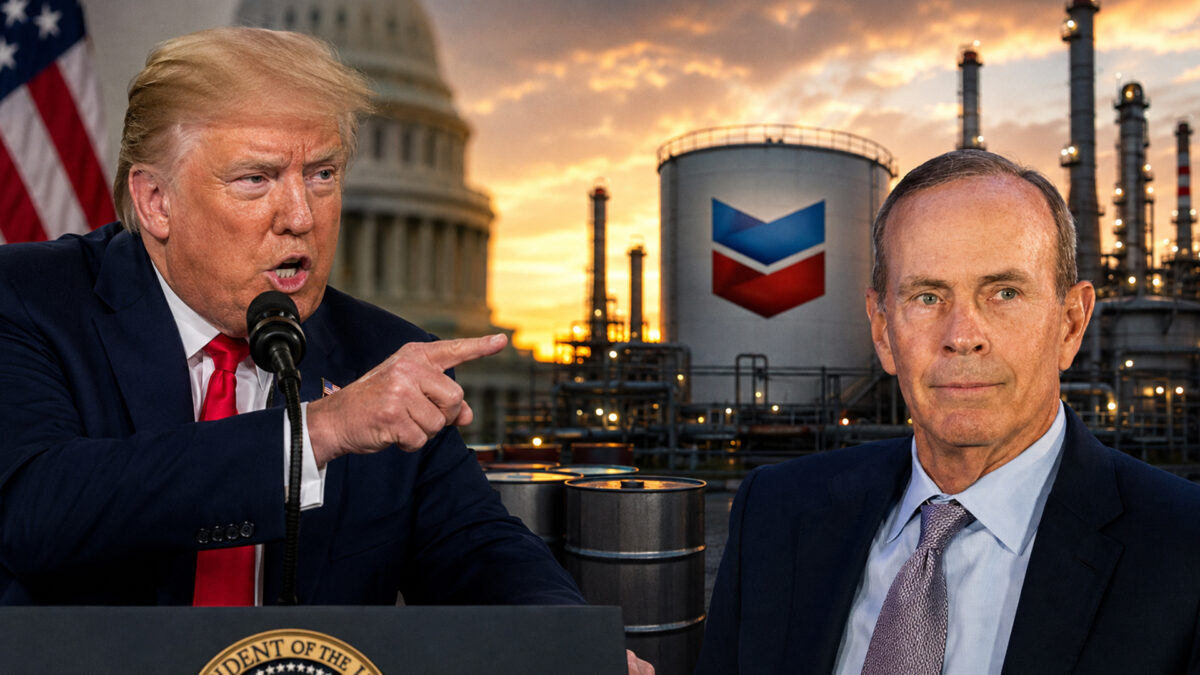
Trump team to meet oil firms on Venezuela plans

The Trump administration is holding meetings with leading US oil companies to discuss re‑entry into Venezuela’s oil sector following the capture of President Nicolás Maduro Officials aim to explore how American energy firms could help revive and expand Venezuelan crude production, which has declined sharply over the past two decades.

Executives from Exxon Mobil, Chevron and ConocoPhillips say they have not yet been approached, contradicting President Trump’s earlier claim that consultations were already complete The upcoming talks are seen as the first serious discussions between the administration and industry regarding Venezuela.

Venezuela has some of the world’s largest proven oil reserves and its heavy crude matches US refinery requirements However infrastructure is degraded and legal and political uncertainties make investment risky Chevron is currently the only US oil major operating under a special licence while Exxon and Conoco pursue restitution claims.

Analysts warn that even if US firms return, boosting production will take years and require massive investment The administration is reportedly aiming to fast-track discussions and provide incentives to encourage participation.

It is unclear which executives will attend or whether companies will negotiate collectively or individually Antitrust concerns may limit joint discussions Market observers say the move could eventually increase Venezuelan output but immediate impact on global oil prices is likely limited.

The meetings reflect a strategic push by the Trump administration to align US energy interests with foreign policy objectives leveraging private investment to stabilize and expand Venezuela’s oil sector Analysts say progress will depend on legal clarity, infrastructure repair and political stability.

Also Read: Rupee gains 18 paise to 90.12 as dollar eases

Categories
Beyond

Trump flags tariff risk over India’s Russian oil imports

US President Donald Trump has warned India that continuing to import oil from Russia could prompt the United States to raise tariffs on Indian goods. Speaking to reporters on Air Force One, Trump said the US could act “very quickly” if New Delhi does not address Washington’s concerns, signaling potential economic implications for bilateral trade.

Trump also praised Prime Minister Narendra Modi, calling him “a very good man” who had “tried to make me happy” regarding India’s Russian oil purchases. Despite the compliment, he stressed that the tariff threat remains a real possibility if India does not align more closely with US policy.

For businesses, the warning could affect Indian exporters, particularly in sectors sensitive to US tariffs. Any increase could raise costs and disrupt trade flows, potentially impacting markets that rely heavily on Indian products. Analysts note that industries such as textiles, pharmaceuticals, and IT services could face heightened risks if tariffs are applied.

The US‑India trade tension comes amid India’s reliance on Russian crude, purchased at discounted rates due to Western sanctions on Russia. While this helps Indian refiners manage energy costs, it has drawn criticism from the US, which sees these imports as undermining its geopolitical strategy. India maintains that its energy decisions are market-driven and focused on domestic energy security.

To address concerns, India has instructed refiners to submit weekly data on oil imports, aiming to maintain transparency and support ongoing trade negotiations. Experts say that how India balances energy needs with trade relations will be closely watched by investors and global markets.

Trump’s warning underscores the complex interplay between geopolitics and business. Companies in India and abroad are monitoring developments closely, as any tariff escalation could have ripple effects on trade, supply chains, and economic growth.

Also Read: Adani Enterprises buys 49% stake in road firm

Categories
Beyond

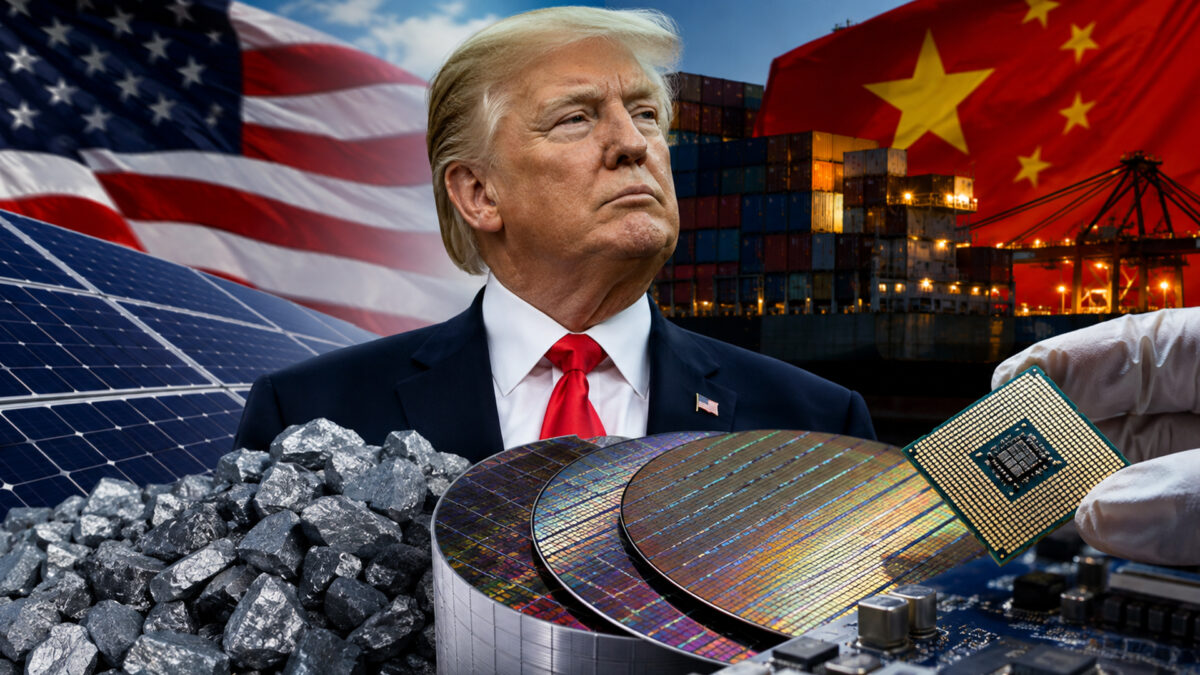
Trump blocks Chinese‑linked chip deal

US President Donald Trump has blocked a Chinese‑linked semiconductor deal, saying it could threaten national security. An executive order issued on January 2 requires HieFo Corporation to sell certain Emcore Corp. assets within 180 days. The move reflects growing concern over foreign access to sensitive US technology.

The deal, completed in 2024, involved HieFo, a Delaware‑registered company, buying Emcore’s computer chip business and wafer fabrication operations for $2.9 million. Emcore, based in New Jersey, was a public aerospace and defense technology company before the sale.

Trump’s order said there is “credible evidence” that HieFo is controlled by a Chinese national and that the deal could harm US security. The order did not give full details but shows the government’s worry about foreign control of important technology.

The Committee on Foreign Investment in the United States (CFIUS) reviewed the transaction and identified risks. HieFo now has six months to divest all rights and assets globally unless CFIUS allows more time.

The assets include technology and facilities used for chip design and wafer production, which are important for both commercial and defense purposes. The move highlights the US effort to stop Chinese-linked companies from accessing advanced semiconductor technology amid global tech competition.

Neither HieFo nor Emcore has commented publicly yet.

Also Read: BYD surpasses Tesla as global EV leader in 2025

Categories
Corporate

Trump strikes drug price deal with 9 pharma giants

On December 19, 2025, US President Donald Trump announced landmark agreements with nine leading pharmaceutical companies to reduce the cost of prescription medicines in the United States. The companies involved include Amgen, Boehringer Ingelheim, Bristol Myers Squibb, Genentech (Roche), Gilead Sciences, GSK, Merck, Novartis, and Sanofi.

Under these deals, participating companies have agreed to lower prices for drugs purchased under Medicaid and for patients paying out of pocket, bringing US prices closer to those in other wealthy nations. The agreements also introduce “most‑favoured‑nation” pricing, ensuring new medicines sold in the US will not be priced higher than in comparable countries.

As part of the initiative, the administration plans to launch TrumpRx.gov in January 2026, an online platform that will allow patients to access discounted drugs directly from manufacturers. The platform targets individuals without insurance or those facing high out-of-pocket costs, offering a more affordable route to essential medications.

Some companies have also pledged additional support. For instance, Bristol Myers Squibb will provide its widely used blood thinner, Eliquis, for free to Medicaid recipients. Others will donate raw materials and emergency medical supplies to a national reserve.

In exchange for these concessions, the pharmaceutical firms receive a three-year exemption from potential new tariffs that had previously been under consideration. The Trump administration describes these agreements as a major step toward tackling the high cost of medicines in the US, which historically remains higher than in most other developed nations.

However, experts have cautioned that while these deals may lower costs for some patients, especially the uninsured or low-income, the majority of Americans with standard health insurance may see limited immediate savings.

This move follows earlier agreements earlier in 2025 with Pfizer, AstraZeneca, Eli Lilly, and Novo Nordisk, reflecting a broader strategy by the administration to negotiate drug prices directly with manufacturers rather than imposing strict price controls.

With TrumpRx.gov and these pricing deals, the administration aims to make prescription drugs more affordable and accessible, signaling a major policy push on one of the US’s most pressing healthcare issues.

Also Read: Indian Pharma stocks up 5% after US Biosecure Act

Categories
Beyond

Trump signals potential tariffs on Indian rice

US President Donald Trump has suggested that the United States may impose additional tariffs on rice imports from India, citing concerns that Indian rice is being “dumped” at low prices. Speaking at a White House roundtable with US agricultural representatives, he questioned why India is allowed to export rice to the US and indicated that new duties could address the issue.

India already faces some of the highest tariffs globally on rice exports. Despite this, Indian rice—especially premium basmati—remains strong in the US market. According to the Indian Rice Exporters Federation (IREF), India exported around 274,213 metric tonnes of basmati rice, valued at US $337 million, and 61,341 metric tonnes of non-basmati rice, worth US $54.6 million, to the US in 2024–25.

IREF notes that Indian rice appeals to ethnic communities in the US, who prefer its aroma, texture, and cooking quality—qualities that US-grown rice often cannot match. Analysts say any new tariffs would likely have minimal impact on Indian exporters but could increase prices for US consumers. Many experts view Trump’s remarks as politically motivated, aimed at domestic farm interests ahead of upcoming elections rather than as a major shift in trade policy.

Market observers highlight that Indian rice exporters have diversified global markets, ensuring resilience against potential US trade restrictions. While US producers may gain politically from tariff discussions, the economic burden is expected to fall more on consumers than on Indian exporters.

This development underscores the complexity of global trade, where political moves, domestic industry pressures, and international demand intersect. Despite the uncertainty, Indian rice exporters remain confident in sustaining growth, supported by strong overseas demand, premium positioning, and established supply chains.

Also Read: CCI likely to probe IndiGo after flight chaos

Categories
1 Minute-Read

Trump approves Nvidia H200 AI chip sales to China

The US government, under former President Donald Trump, has cleared Nvidia to sell its powerful H200 AI chips to selected customers in China. These chips, designed for artificial intelligence and large-scale computing, were previously restricted from export due to security concerns.

As part of the approval, the US will receive 25% of the sales revenue. Nvidia welcomed the decision, saying it supports American manufacturing and jobs while maintaining safeguards. Investors responded positively, and experts note the move could accelerate Chinese AI development while benefiting the US economically.