Categories
Leaders

Microsoft CEO questions Anthropic rules

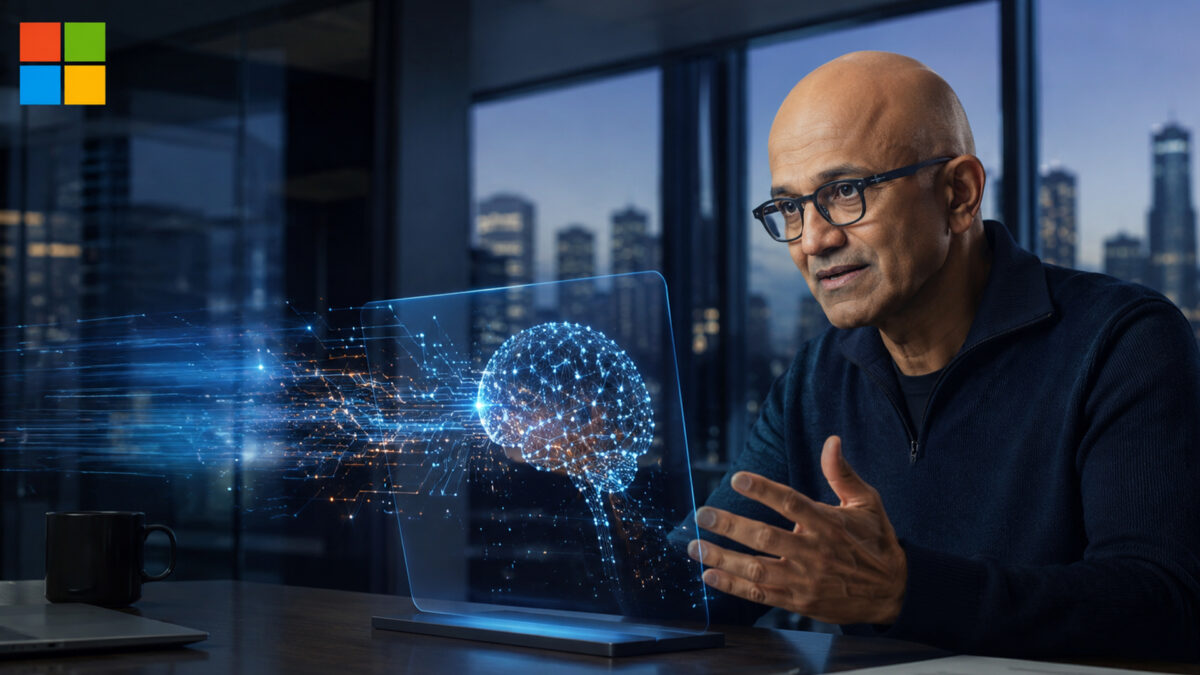
Microsoft Chief Executive Officer Satya Nadella has questioned Anthropic’s decision to restrict certain storytelling requests on its AI chatbot Claude, arguing that the company’s approach to creative writing “doesn’t make sense.” His comments have reignited debate over how artificial intelligence companies should balance safety with creativity as generative AI becomes increasingly popular among users.

Speaking during a recent discussion, Nadella referred to Anthropic’s policy that limits Claude from generating stories featuring copyrighted or well-known fictional characters in some situations. The Microsoft chief said such restrictions could unnecessarily limit creativity and reduce the usefulness of AI assistants for everyday users. According to Nadella, storytelling has always involved building upon existing ideas, myths and fictional universes, making broad restrictions difficult to justify.

The remarks come after Anthropic introduced what it calls its “Claude Fable” policy, which places tighter controls on requests involving copyrighted fictional characters and certain creative writing prompts. The company says the policy is intended to reduce legal risks, prevent intellectual property misuse and encourage the creation of original content rather than derivative works.

However, Nadella believes the approach could discourage users from exploring creative ideas with AI. He argued that asking an AI model to write a story involving familiar fictional characters is often harmless and comparable to the way people have long created fan fiction, parody and educational material. Imposing broad limitations, he suggested, risks making AI systems less helpful without significantly improving safety.

The discussion reflects a wider debate taking place across the artificial intelligence industry. As generative AI tools become more capable of producing text, images, music and videos, developers are under growing pressure to prevent copyright infringement while still allowing users to engage in legitimate creative activities. Companies are increasingly required to strike a balance between protecting intellectual property and enabling innovation.

Anthropic has defended its position by saying that the restrictions are designed to promote responsible AI development. The company argues that encouraging users to generate original stories rather than relying heavily on existing fictional characters supports creators and reduces the possibility of copyright disputes. Claude’s safety policies have generally been stricter than those of many competing AI chatbots, reflecting Anthropic’s emphasis on cautious AI deployment.

Nadella’s comments also highlight the different philosophies emerging among leading AI companies. Microsoft, a major investor in OpenAI, has consistently supported the development of AI systems that remain useful across a broad range of personal, educational and professional tasks while incorporating safety measures where necessary. Rather than imposing blanket restrictions, many AI developers prefer context-based safeguards that evaluate how a request is being used before deciding whether to respond.

Industry experts note that the issue extends beyond fan fiction. Teachers often use fictional characters to explain complex concepts, students employ them in creative writing exercises, and developers use familiar examples while testing AI systems. Critics of strict content restrictions argue that blocking such prompts may reduce educational and creative value without effectively addressing copyright concerns.

At the same time, copyright remains one of the biggest unresolved challenges facing the generative AI industry. Publishers, authors, film studios and content creators around the world have raised concerns about AI models trained on copyrighted material and the possibility that AI-generated content could compete with original works. Several technology companies are already facing lawsuits related to copyright and AI-generated outputs, prompting firms to introduce additional safeguards.

The exchange between Nadella and Anthropic comes at a time when competition in the artificial intelligence sector is intensifying. Companies including Microsoft-backed OpenAI, Google, Anthropic, Meta and xAI are rapidly introducing new AI models and features while trying to address growing concerns over copyright, misinformation, privacy and safety. Their differing approaches are increasingly shaping how millions of users interact with AI-powered assistants.

As generative AI continues to evolve, questions surrounding copyright, creativity and responsible AI development are expected to remain at the centre of industry discussions. Nadella’s criticism of Anthropic’s storytelling restrictions has added another dimension to that conversation, highlighting the challenge of protecting intellectual property without limiting the creative potential that has made AI chatbots so widely adopted.

Also Read: Musk’s xAI sues user over CSAM

Categories
Technology

Anthropic brings Reflect dashboard for Claude users

Artificial intelligence company Anthropic has introduced Reflect, a new dashboard designed to help users better understand how they interact with its AI assistant, Claude. The feature gives people a clearer picture of their usage patterns, encouraging them to use AI more thoughtfully rather than simply spending more time with it.

Reflect provides users with insights such as how often they chat with Claude, the types of tasks they rely on the AI for and changes in their usage over time. Instead of focusing on screen time alone, the dashboard is intended to help users recognise whether they are using AI productively for learning, work, creativity or problem-solving.

Anthropic says the goal is to promote healthy AI habits by giving users greater transparency over their interactions. As AI tools become an increasingly important part of everyday life, the company believes people should have better visibility into how these technologies fit into their daily routines.

The launch comes at a time when AI companies are introducing new features to improve user experience while addressing concerns about excessive dependence on artificial intelligence. Reflect is designed to encourage self-awareness rather than maximise engagement, making it different from traditional digital platforms that often focus on increasing user activity.

The announcement has also attracted attention after Elon Musk publicly praised Anthropic’s approach to AI development. Musk described the company positively while reports also indicated that SpaceX is expanding its computing partnership with Anthropic to support AI-related workloads. The development highlights growing collaboration between major technology firms as demand for advanced AI computing infrastructure continues to rise.

Also Read: E20 petrol may cut mileage by up to 5%

Categories
Technology

Anthropic brings Claude CoWork to mobile, web

Anthropic has expanded its AI assistant Claude by launching the Claude CoWork feature on both mobile devices and the web, making it easier for users to collaborate with the chatbot across platforms. The company has also extended higher usage limits for paid subscribers until August 5.

Claude CoWork is designed to make interactions with the AI more collaborative. Instead of responding to one-off prompts, the chatbot can help users brainstorm ideas, draft content, analyse documents and manage projects while maintaining the context of ongoing conversations. The feature allows users to switch between mobile and desktop without losing their workflow.

The temporary extension of higher usage limits gives paid users more access to Anthropic’s latest AI models. The company said the move is intended to support growing demand while allowing subscribers to experience its newest capabilities for a longer period.

The update comes as competition in the generative AI market intensifies, with companies racing to make AI assistants more useful for everyday work. Anthropic is positioning Claude as a digital collaborator that can support professionals, students and businesses across a range of tasks.

By bringing Claude CoWork to mobile and the web, Anthropic aims to offer a more seamless and flexible AI experience, helping users stay productive wherever they are.

Also Read: Cult.fit files IPO papers, targets ₹950 cr fresh issue

Categories
Beyond

US eases access to Anthropic’s Claude Mythos AI

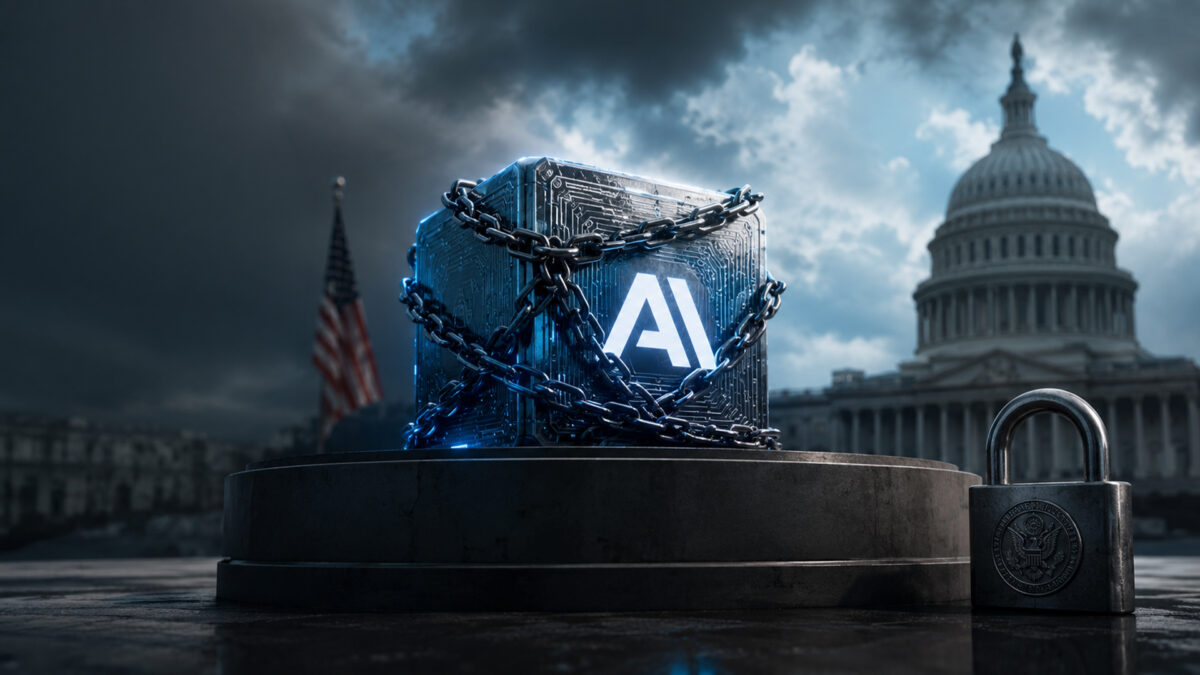
The US government has allowed Anthropic to restore limited access to its powerful Claude Mythos 5 artificial intelligence model, easing restrictions that were imposed earlier this month over national security concerns. Even so, access remains tightly controlled and is available only to a select group of trusted American organisations, not the general public.

The move came after talks between Anthropic and US officials, following a temporary suspension of access for foreign nationals and a broader pause on rollout. Authorities had worried that such an advanced AI system could be misused for cyberattacks or accessed by hostile foreign actors if it was released without strong safeguards.

Under the revised arrangement, more than 100 approved organisations, including cybersecurity firms, critical infrastructure operators and selected Fortune 500 companies, will be able to use Mythos 5. Many of these groups are already part of Anthropic’s Project Glasswing, an initiative that uses advanced AI to find and fix software weaknesses before attackers can exploit them.

Anthropic said the model has shown strong results in spotting complex software flaws and improving cyber defences. The company believes that giving trusted security experts access to the technology can help strengthen digital safety while lowering the risk of misuse. It also said it will continue working closely with US authorities before expanding access further.

The controlled rollout comes as governments around the world step up scrutiny of powerful AI systems. The Trump administration has introduced new rules requiring frontier AI developers to coordinate with federal authorities before releasing highly capable models. Similar restrictions have also affected other leading AI companies building next-generation systems.

Also Read: YouTube Shorts adds cleaner viewing tools

Categories
Corporate

Anthropic claims Alibaba targeted Claude in AI data raid

Artificial intelligence company Anthropic has accused Chinese tech giant Alibaba of using thousands of fake accounts to copy the capabilities of its AI chatbot, Claude.

The company claims nearly 25,000 fraudulent accounts generated around 28.8 million interactions with Claude between April and June in an alleged attempt to train Alibaba’s Qwen AI models without permission.

Anthropic described it as the largest known AI “distillation” campaign and has urged US lawmakers to introduce stronger safeguards against unauthorised AI model extraction. Alibaba has not responded publicly to the allegations. The dispute highlights growing competition in the global AI industry.


Categories
Corporate

US restricts access to Anthropic’s advanced AI models

The US government has ordered AI company Anthropic to restrict access to some of its most advanced artificial intelligence models for foreign nationals, citing national security and export control concerns.

The move affects Anthropic’s newly launched Claude Fable 5 and Mythos models, which are among the company’s most powerful AI systems. Under the directive, access to the models has been suspended or limited for users outside the United States while the company works to comply with the new requirements.

US officials reportedly believe that highly capable AI systems could have strategic and security implications if they are widely available without restrictions. The measures are part of a broader effort by Washington to regulate advanced technologies that could potentially be used for military, intelligence or cyber-related purposes.

Anthropic confirmed that access to the affected models had been restricted following government instructions. The company said it is working closely with authorities to ensure compliance while assessing the impact on customers and developers who rely on its AI tools.

The decision has triggered debate within the technology industry. Critics argue that limiting access based on nationality could slow global research collaboration and create barriers for legitimate users. Supporters, however, say advanced AI technologies require stronger safeguards as their capabilities continue to grow.

The issue gained further attention after Anthropic published details about the security testing and safety evaluations conducted on its latest models. The company said the assessments were intended to identify risks and ensure the systems could be deployed responsibly.

Industry experts view the development as a sign that governments are taking a more active role in regulating cutting-edge AI technologies. The restrictions could also influence how other AI companies develop and distribute advanced models in the future.

The move comes amid increasing global competition in artificial intelligence, with governments seeking to balance innovation with security concerns. Analysts say the decision could set an important precedent for future controls on powerful AI systems.

Also Read: Sensex jumps 700 points, Nifty ends above 23,850

Categories
1 Minute-Read

TCS partners Anthropic to scale enterprise AI adoption

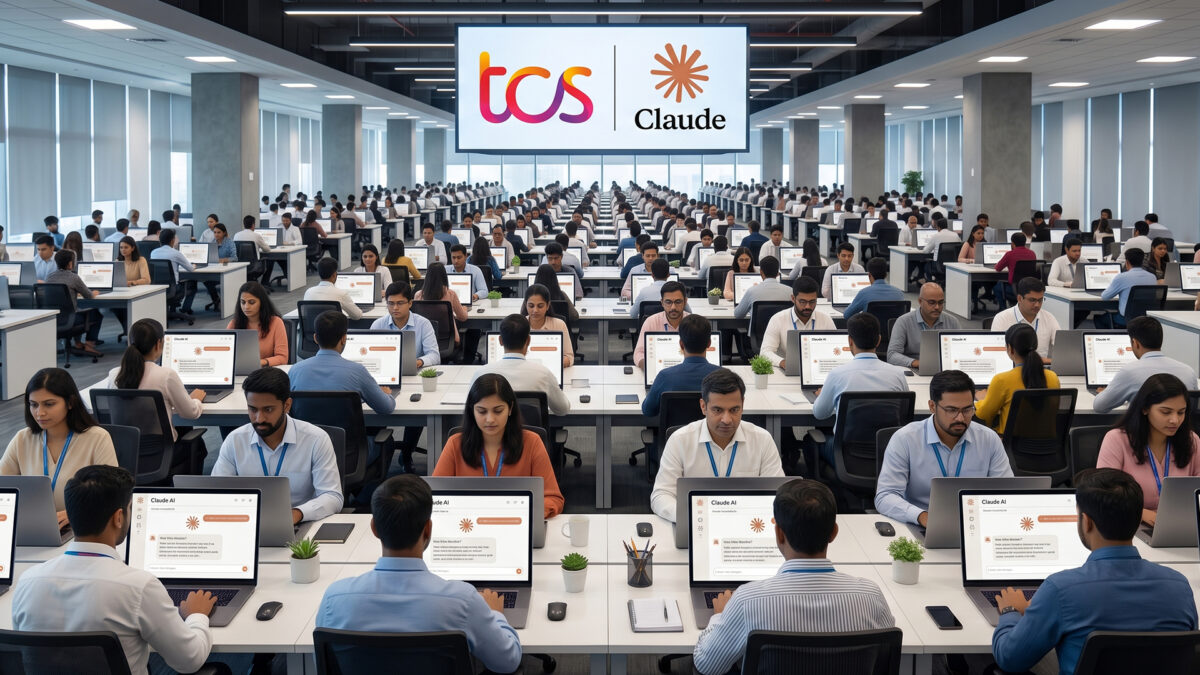
Tata Consultancy Services (TCS) has partnered with artificial intelligence firm Anthropic to accelerate enterprise AI adoption and strengthen its workforce capabilities.

Under the collaboration, TCS will provide access to Anthropic’s Claude AI platform to 50,000 employees across functions such as engineering, finance, legal, marketing and sales. The companies will also jointly develop AI-powered solutions for industries including banking, healthcare, telecommunications and public services.

TCS said the partnership combines its industry expertise with Anthropic’s advanced AI technology to help clients improve productivity and drive digital transformation. The move reflects growing demand for enterprise AI solutions globally.

Categories
Corporate

Anthropic introduces Claude Fable 5 for public use

Artificial intelligence company Anthropic has launched Claude Fable 5, its most advanced AI model available to the public. The model is based on the company’s previously restricted Mythos platform and aims to offer powerful capabilities while maintaining strong safety protections.

Claude Fable 5 is built on the same foundation as Claude Mythos 5, an advanced AI system that was earlier accessible only to a select group of organisations through Anthropic’s Project Glasswing programme. Access to Mythos had been limited due to concerns about its ability to identify software vulnerabilities and perform sophisticated cybersecurity tasks.

According to Anthropic, Fable 5 offers significant improvements in coding, scientific research, reasoning, visual analysis and other knowledge-based tasks. The company says the model delivers stronger performance than previous versions of Claude and can handle more complex and long-duration assignments.

To address safety concerns, Anthropic has introduced several safeguards in Fable 5. The model is designed to restrict responses in sensitive areas such as cybersecurity, biology and chemistry. For certain high-risk requests, the system can automatically switch users to a less powerful but safer model, Claude Opus 4.8.

The release comes amid growing debate over the risks and benefits of increasingly capable AI systems. Earlier versions of Mythos reportedly demonstrated advanced vulnerability-discovery abilities that attracted attention from governments, cybersecurity experts and technology companies.

Anthropic said the model underwent extensive testing and safety evaluations before its public launch. The company believes the safeguards built into Fable 5 allow broader access to advanced AI capabilities while reducing the risk of misuse.

Also Read: Samsung bets big on AI TVs

Categories
Corporate

Anthropic enhances cybersecurity portfolio with Mythos AI

Artificial intelligence company Anthropic has launched a new cybersecurity-focused AI model called Mythos, designed to help organisations strengthen their defences against increasingly sophisticated cyber threats.

The company said Mythos has been developed specifically for cybersecurity applications and is capable of assisting security teams with threat detection, vulnerability analysis, incident response and risk assessment. The model is expected to help organisations identify potential cyberattacks more quickly and improve their ability to respond to security incidents.

According to Anthropic, Mythos is designed to understand complex cybersecurity data and provide actionable insights to analysts and security professionals. By automating time-consuming tasks and analysing large volumes of information, the AI model aims to reduce the workload on cybersecurity teams while improving operational efficiency.

The launch comes at a time when cyberattacks are becoming more frequent and complex across industries worldwide. Organisations are increasingly turning to artificial intelligence to strengthen their security infrastructure and keep pace with evolving digital threats. Anthropic believes specialised AI systems such as Mythos can play a crucial role in helping enterprises manage growing cybersecurity challenges.

One of the key features of the model is its ability to assist in identifying vulnerabilities and suspicious activities across networks and digital systems. It can also help security teams prioritise risks, investigate incidents and support decision-making during cyber emergencies.

India is among the countries that will gain access to the new AI model. The launch also highlights the growing competition among AI companies to develop specialised models for enterprise use cases.

While many AI systems focus on general-purpose applications, firms are increasingly building domain-specific models tailored to industries such as healthcare, finance and cybersecurity.

Also Read: CMR Green IPO subscribed 183% on day one

Categories
1 Minute-Read

Anthropic files confidential IPO papers

Anthropic, the artificial intelligence startup behind the Claude chatbot, has confidentially filed for an initial public offering (IPO) in the United States. The move positions the company to become one of the biggest AI firms to enter public markets.

Reports suggest Anthropic could debut with a valuation approaching $1 trillion, driven by strong investor enthusiasm for artificial intelligence. Backed by major technology companies and investors, the firm has rapidly expanded its AI offerings and enterprise business.

The confidential filing allows Anthropic to begin regulatory review while keeping financial details private until a later stage.