Categories
Beyond

Premium petrol climbs to ₹160/litre

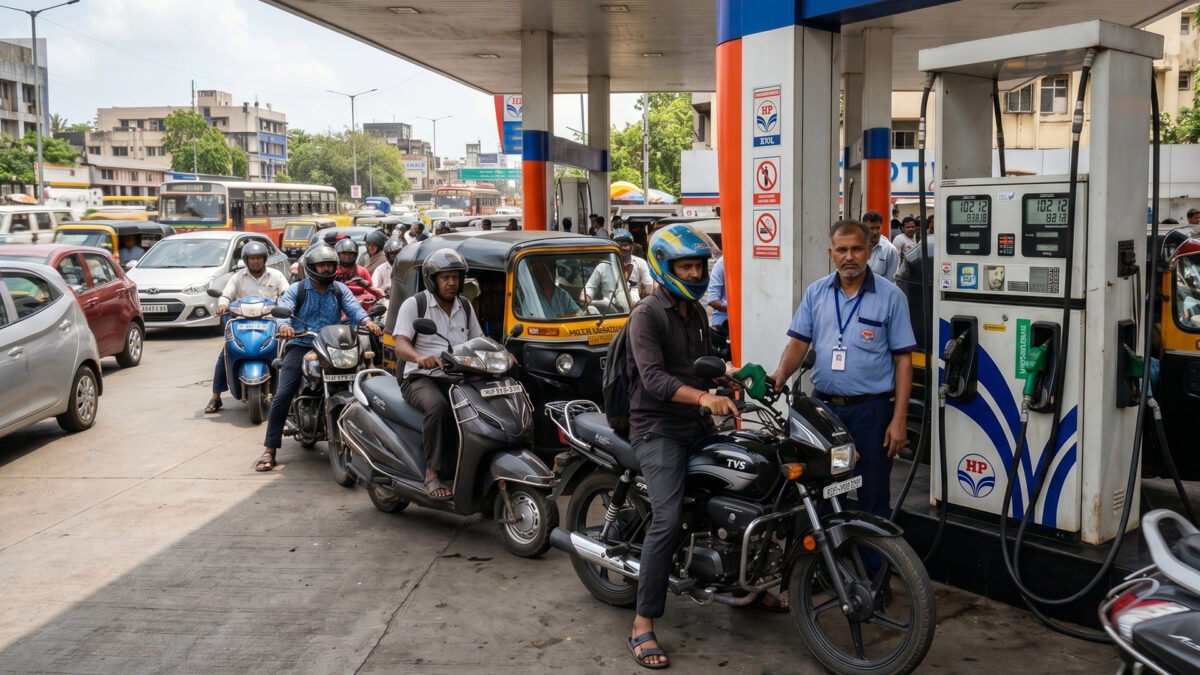
Fuel prices in India have seen a noticeable spike, with premium petrol now costing as much as ₹160 per litre in Delhi. The increase comes at a time when global oil markets are under pressure due to rising tensions in West Asia, affecting supply and pushing prices higher.

Indian Oil Corporation recently raised the price of its high-performance XP100 petrol by ₹11 per litre, taking it from ₹149 to ₹160. This type of fuel is mainly used in luxury cars and high-end motorcycles, so the impact will be felt most by niche consumers rather than the general public.

At the same time, jet fuel prices have seen an even sharper rise. Aviation turbine fuel (ATF), which airlines rely on heavily, briefly crossed ₹2 lakh per kilolitre, a record high. Although prices were later adjusted to around ₹1.04 lakh per kilolitre for domestic carriers, the cost remains significantly elevated.

This surge is closely tied to global crude oil prices, which have risen amid fears of supply disruptions. Key oil-producing regions and important shipping routes are under strain due to ongoing geopolitical conflicts, making fuel more expensive worldwide.

For airlines, this is a major concern. Fuel typically makes up a large share of their operating costs, sometimes as much as 40–45%. With such a sharp increase in ATF prices, airlines may have little choice but to raise ticket prices or cut back on certain routes to manage expenses.

Also Read: Commercial LPG gets costlier by ₹195.5


Categories
Beyond

Petrol duty reduced to ₹3, diesel to zero

The central government on March 27, 2026, announced a major cut in excise duty on petrol and diesel to reduce the impact of rising global oil prices. The duty on petrol has been reduced from ₹13 to ₹3 per litre, while diesel duty has been cut from ₹10 to zero, effectively lowering taxes by ₹10 per litre on both fuels.

This move comes as crude oil prices have surged due to ongoing tensions in the Middle East. Supply concerns, especially around key oil routes, have pushed prices above $100 per barrel. As India depends heavily on oil imports, this has increased pressure on fuel prices and the overall economy.

The government said the decision was taken to protect consumers from a sharp rise in petrol and diesel prices. By reducing taxes, it aims to absorb part of the global price increase instead of passing the entire burden onto the public.

However, the benefit may not be immediately visible at petrol pumps. Oil marketing companies like Indian Oil, BPCL, and HPCL are currently facing losses because they have not fully raised fuel prices in line with global crude rates. Industry experts believe these companies may use the tax relief to recover losses before lowering retail prices.

Crude oil prices have seen a steep rise in recent weeks, jumping from about $70 per barrel to over $100. This sudden increase has made fuel costlier to produce and sell, creating challenges for both companies and the government.

To manage the situation, the government has also introduced export duties on petroleum products. This step is meant to ensure enough fuel supply within the country and to control price fluctuations.

Also Read: Gold hits ₹1,44,540, Silver rises to ₹2,49,900

Categories
1 Minute-Read

Fuel panic affects cities due to temporary shortages

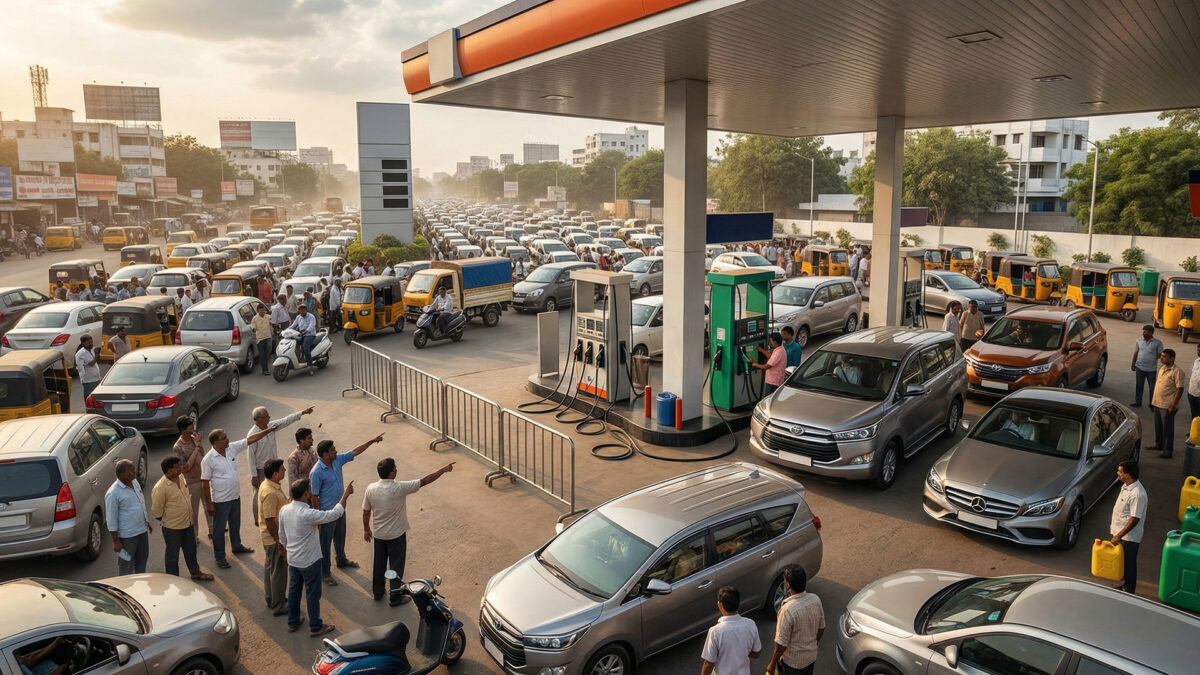
Long queues formed at petrol pumps in Gujarat and Hyderabad on Tuesday as several outlets ran out of regular petrol, forcing motorists to buy premium fuel priced about ₹10 higher per litre. The rush was triggered by rumours of shortages on social media, not by actual supply issues.

Authorities, including the Gujarat government and oil companies, assured that fuel stocks at depots and terminals are sufficient. Officials blamed panic buying, delivery delays, and new payment rules for retailers for temporary gaps. Police monitored stations to manage crowds and urged motorists to avoid hoarding.

Categories
1 Minute-Read

No immediate rise in petrol, diesel prices

The government has decided not to raise petrol and diesel prices immediately, even though global crude oil prices have crossed $100 per barrel. Officials said the situation in international oil markets is being closely monitored before any decision on fuel price changes is taken.

For now, oil marketing companies are likely to absorb the higher cost of crude instead of passing it on to consumers. The rise in global oil prices has mainly been driven by geopolitical tensions in West Asia, which have increased concerns over supply disruptions.

Authorities also said that India currently has enough fuel stocks, ensuring stable supply across the country.