Categories
Beyond

Few states ban sale of analogue dairy products

Gujarat has imposed a statewide ban on the manufacture, storage, transportation, distribution and sale of non-standard analogue paneer, cheese and butter, citing concerns over food safety, consumer protection and misleading products being sold as dairy items.

The decision was announced by Gujarat Health Minister Praful Pansheriya as the state steps up its crackdown on products that imitate traditional dairy foods without meeting prescribed standards. The prohibition has been introduced under the Food Safety and Standards Act, 2006.

The move is aimed at ensuring that consumers receive genuine and safe dairy products and are not misled into buying cheaper substitutes as if they were made from milk. Authorities have warned that individuals and food business operators found violating the order could face legal action under the food safety law.

Analogue dairy products are designed to look and behave much like conventional paneer, cheese or butter but are not necessarily made entirely from milk. Depending on the product, manufacturers may use ingredients such as vegetable fats, starches, milk proteins, emulsifiers and other additives to achieve a similar texture, appearance or taste.

The concern for regulators is not simply that these products are cheaper alternatives. The bigger issue is whether they are being properly identified and sold to consumers. A customer buying what they believe is dairy paneer, for instance, may not realise that the product is an analogue or non-dairy substitute.

This distinction is particularly important because genuine paneer is a milk-based food and is valued for its protein and other nutrients. Analogue products can have a different nutritional profile, depending on the ingredients used. Authorities are therefore focusing on product standards, labelling and consumer awareness alongside enforcement.

Gujarat’s decision comes just days after Maharashtra announced a statewide ban on analogue paneer. The Maharashtra Food and Drug Administration imposed a one-year prohibition on the manufacture, storage, transportation, distribution and sale of analogue paneer, citing food safety violations and consumer protection concerns.

Maharashtra’s action followed concerns raised through food testing. Reports said more than 35% of recent paneer samples tested in the state failed quality tests, with vegetable fat adulteration emerging as a concern. The state subsequently moved to prevent the production and sale of the non-dairy imitation product.

Chhattisgarh has also taken similar action. The state imposed a one-year ban on non-standard dairy analogue products, including paneer, cream and butter. The restrictions cover their manufacture, processing, storage, transportation, distribution and sale.

With Gujarat now joining Maharashtra and Chhattisgarh, the issue of analogue dairy products has moved into sharper national focus. The developments indicate growing attention from state authorities towards food adulteration, misleading labelling and the quality of products sold to consumers.

For Gujarat, the decision also has significance because of the state’s strong dairy industry. Authorities have said the move is intended not only to protect consumers but also to safeguard the legitimate dairy sector from products that may imitate traditional dairy foods without following the same standards.

The ban is likely to affect food businesses, restaurants, caterers, manufacturers and distributors that use or sell paneer, cheese and butter. Businesses will now need to ensure that their products meet the applicable food safety requirements and that customers are not misled about their composition.

For consumers, the move could mean greater scrutiny of paneer and other dairy products available in the market. Experts and food authorities have repeatedly advised buyers to check packaging, ingredient lists, manufacturer details and quality certifications rather than relying only on appearance or price.

Analogue paneer can look remarkably similar to regular paneer, which makes it difficult for consumers to identify the difference simply by looking at it. That is why proper labelling and enforcement remain important parts of the food safety system.

The Gujarat government has made it clear that public health is the primary reason behind the prohibition. The state wants food businesses to follow prescribed standards and prevent consumers from being unknowingly exposed to products that do not meet those requirements.

The action also puts the spotlight on the wider challenge of food adulteration in India. As demand for affordable food products rises, manufacturers can be tempted to use lower-cost ingredients to replicate popular products. Regulators, meanwhile, face the challenge of ensuring that innovation and cost reduction do not come at the expense of food quality or consumer safety.

The latest bans could also encourage greater awareness among consumers about the difference between dairy and non-dairy products. While an analogue product is not automatically unsafe simply because it is not made entirely from milk, selling it without clear disclosure or allowing it to fall below prescribed safety standards can create serious consumer concerns.

For now, Gujarat’s statewide prohibition sends a clear message to food manufacturers and sellers: products marketed as paneer, cheese or butter must comply with the applicable food safety requirements, and consumers must not be misled.

With Maharashtra, Chhattisgarh and Gujarat taking similar measures, scrutiny of analogue dairy products is likely to increase across other states as well. The focus will now be on enforcement, food testing and ensuring that the products reaching consumers are both accurately labelled and safe to eat.


Categories
Beyond

Maruti Suzuki’s Gujarat plant hits 1 mn capacity

Maruti Suzuki India has expanded its manufacturing footprint in Gujarat with the start of commercial production at the fourth plant of its Hansalpur facility, taking the company’s total annual production capacity to 2.9 million vehicles.

The new plant, known as Plant D, adds 2.5 lakh units of annual production capacity. With its commissioning, the Hansalpur facility can now produce up to 10 lakh vehicles a year, up from 7.5 lakh units earlier. This makes it India’s largest passenger vehicle manufacturing facility at a single location and the first Suzuki manufacturing site globally to reach an annual capacity of one million vehicles.

For Maruti Suzuki, the expansion comes at a time when demand for passenger vehicles is evolving rapidly, particularly in the SUV and electric vehicle segments. The additional capacity gives the country’s largest carmaker more room to respond to demand in India while also strengthening its ability to use India as a manufacturing and export hub.

The new plant has been developed with an investment of around Rs 3,900 crore. The company’s cumulative investment at Hansalpur has now risen to about Rs 25,289 crore, highlighting the growing importance of Gujarat in Maruti Suzuki’s manufacturing strategy.

The facility will initially produce the Maruti Suzuki e VITARA, the company’s first battery electric vehicle. The e VITARA is being manufactured exclusively at the Gujarat facility and is positioned as a key product in Suzuki’s global electric vehicle strategy.

The move is also significant because the e VITARA is not being built only for Indian customers. Maruti Suzuki has been exporting the model to international markets, with the Hansalpur plant serving as its global production hub. The company exported more than 4.47 lakh vehicles in FY2025-26, its highest-ever annual export volume, marking growth of more than 34% from the previous financial year.

The expansion therefore goes beyond simply adding more cars to the production line. It strengthens Gujarat’s role in Maruti Suzuki’s larger plan to make India a global manufacturing base for both conventional and electric vehicles.

The company has been steadily increasing its manufacturing capacity across the country. Its facilities are now spread across Gurugram, Manesar and Kharkhoda in Haryana, along with Hansalpur in Gujarat. With the latest expansion, total installed capacity is expected to reach 2.9 million vehicles annually in FY2026-27.

The increase comes after another major capacity addition at Kharkhoda in Haryana. Maruti Suzuki recently began commercial production at the second plant there, adding another 2.5 lakh units and taking the Kharkhoda facility’s capacity to 5 lakh vehicles annually. The company plans to eventually increase the facility’s capacity to one million vehicles a year.

Maruti Suzuki has set its sights even higher for the years ahead. The company has indicated an ambition to take its overall production capacity to around four million vehicles annually. It is also developing another manufacturing facility at Khoraj Industrial Estate in Sanand, Gujarat, with a planned annual capacity of one million vehicles once fully operational.

This expansion reflects the changing nature of India’s automobile market. Maruti Suzuki continues to have a strong presence across hatchbacks, sedans, SUVs and other passenger vehicle categories, but the company is increasingly investing in technologies that can serve future demand.

Electric mobility is an important part of that transition. The e VITARA represents Maruti Suzuki’s entry into the battery electric vehicle market, while the company is also working on hybrid technology and local battery manufacturing. In 2025, Suzuki began production in India of lithium-ion battery cells and electrodes for strong-hybrid electric vehicles, alongside the launch of e VITARA production.

The Gujarat expansion also fits into Maruti Suzuki’s broader export strategy. The company has increasingly positioned India as a source of vehicles for overseas markets, helped by the scale of its manufacturing ecosystem and supplier base. Its record export performance last year shows that overseas demand is becoming an increasingly important part of the business.

At the same time, Maruti Suzuki is trying to make its manufacturing operations more sustainable. The company has been increasing the use of solar power and biogas at its plants. At Hansalpur, biogas has already replaced natural gas for around 10% of energy requirements, helping the facility manage energy supply while reducing its environmental footprint.

For consumers, the immediate impact of the new plant may not be visible overnight. But greater production capacity can give Maruti Suzuki more flexibility to manage demand, reduce pressure on existing facilities and support the launch and expansion of newer models.

For the Indian auto industry, however, the milestone is hard to miss. A single passenger vehicle manufacturing location capable of producing one million vehicles annually underlines the scale that India’s automobile manufacturing sector has reached.

With Hansalpur now operating at a one-million-unit capacity, Maruti Suzuki is effectively building a much larger production base around India’s growing domestic market and its ambitions overseas. The company’s next challenge will be to keep these factories running efficiently while navigating changing customer preferences, the shift towards SUVs and EVs, and intensifying competition in the passenger vehicle market.

Categories
1 Minute-Read

Maruti Suzuki’s Gujarat plant hits 1 mn capacity

Maruti Suzuki India has started commercial production at the fourth plant of its Hansalpur facility in Gujarat, adding 2.5 lakh units to its annual capacity.

The expansion takes the company’s total production capacity to 2.9 million vehicles and makes Hansalpur India’s largest single-location passenger vehicle manufacturing facility. The plant has an annual capacity of one million vehicles and will initially produce the Maruti Suzuki e VITARA, the company’s first electric vehicle.

The expansion strengthens Maruti Suzuki’s manufacturing and export capabilities as it prepares to meet rising domestic demand and accelerate its electric mobility plans.

Read More..

Categories
Uncategorized

Gujarat tops NITI Aayog investment index

Gujarat has emerged as the top performer in NITI Aayog’s Investment Friendliness Index 2026, reinforcing its position as one of India’s most attractive destinations for businesses and investors.

The state secured the highest ranking due to its strong industrial infrastructure, investor-friendly policies, ease of doing business and efficient governance. The index evaluates states on parameters such as regulatory reforms, infrastructure, land availability, skill development and investment facilitation.

Officials said the rankings are aimed at encouraging healthy competition among states and improving the overall investment climate, helping attract domestic and global investments while boosting economic growth and job creation.

Categories
Corporate

Grasim, Lubrizol open CPVC resin plant in Gujarat

Grasim Industries and Lubrizol have inaugurated India’s largest chlorinated polyvinyl chloride (CPVC) resin manufacturing plant at Vilayat in Gujarat’s Bharuch district, marking a significant step towards strengthening the country’s specialty chemicals and building materials sector.

The facility was inaugurated by Gujarat Chief Minister Bhupendra Patel and is expected to play a key role in meeting the growing demand for CPVC resin used in pipes, fittings and other infrastructure applications. Industry officials said the project will help reduce India’s dependence on imported CPVC resin while supporting the government’s push for domestic manufacturing.

The plant has been developed through a joint venture between Grasim Industries, the flagship company of the Aditya Birla Group, and Lubrizol, a global specialty chemicals company. The partnership combines Grasim’s manufacturing expertise and market reach with Lubrizol’s technology and experience in CPVC solutions.

Officials said the new facility is equipped with advanced manufacturing technology and has been designed to cater to the rapidly expanding construction, housing and water management sectors. Demand for CPVC products has increased steadily in recent years due to their durability, corrosion resistance and suitability for hot and cold water applications.

Speaking at the inauguration, company representatives highlighted the strategic importance of local production in ensuring supply-chain stability and reducing exposure to global market disruptions. The plant is expected to strengthen India’s position in the specialty materials segment while creating employment opportunities and supporting economic growth in the region.

The project also aligns with broader efforts to promote industrial development in Gujarat, which has emerged as one of India’s leading manufacturing hubs. State government officials said investments in advanced manufacturing facilities are helping attract new industries and generate skilled jobs.

Industry experts believe the facility could significantly improve the availability of CPVC resin for domestic manufacturers, helping reduce import costs and enhancing competitiveness across the value chain.

As infrastructure development and urbanisation continue to drive demand for high-performance piping solutions, the new plant is expected to play an important role in supporting India’s long-term construction and industrial growth ambitions.

Also Read: Air India launches basic fare without complimentary meals

Categories
Corporate

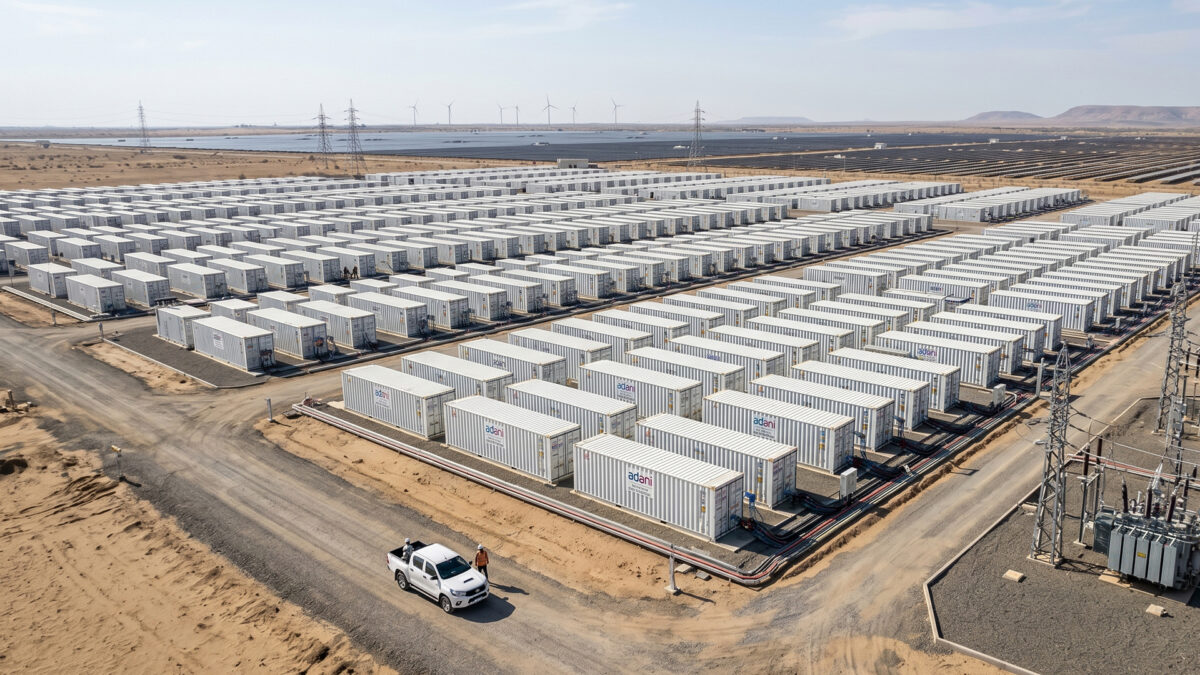
Adani Green commissions giant 2.5 GWh battery system in Gujarat

Adani Green Energy has commissioned a large-scale battery energy storage system in Gujarat’s Khavda region, marking a major expansion of India’s renewable energy infrastructure.

The project is designed with a capacity of around 1 GW of renewable energy integration and approximately 2.5 GWh of battery storage, making it one of the largest storage systems globally. It is intended to store surplus solar and wind energy generated during peak hours and supply electricity when demand rises or generation drops.

The facility plays a key role in enabling round-the-clock renewable power by addressing the intermittent nature of solar and wind energy. By storing excess electricity, it helps stabilise supply and improve grid reliability.

Located in the Khavda renewable energy zone, the project is part of a larger clean energy hub that is rapidly expanding with large-scale solar and wind installations. The addition of battery storage is seen as a crucial step in strengthening the region’s ability to deliver consistent green power.

The project is also aligned with India’s broader energy transition goals, including increasing renewable energy share in the national grid and reducing carbon emissions over time.

The commissioning of the Khavda battery storage system marks a significant milestone in integrating large-scale renewable generation with advanced storage technology, strengthening India’s position in global clean energy infrastructure development.

Officials said the development enhances the country’s capability to provide reliable clean energy even during peak consumption periods. It is also expected to improve overall efficiency in power distribution across the grid.

Categories
1 Minute-Read

Fuel panic affects cities due to temporary shortages

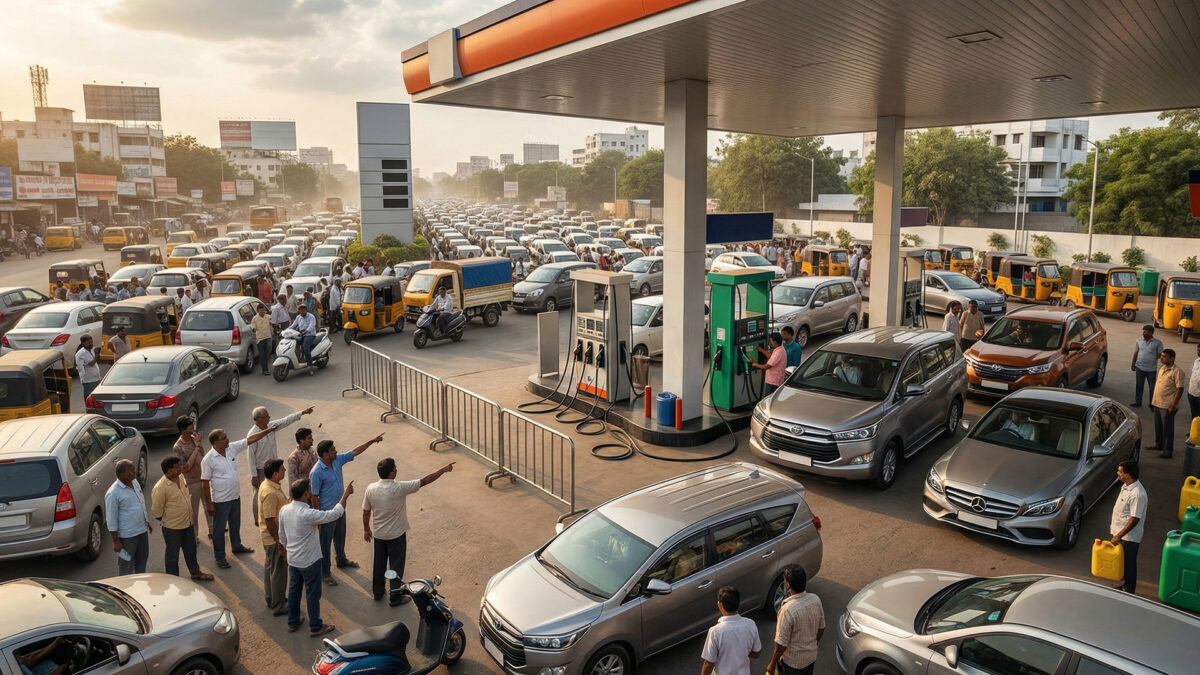
Long queues formed at petrol pumps in Gujarat and Hyderabad on Tuesday as several outlets ran out of regular petrol, forcing motorists to buy premium fuel priced about ₹10 higher per litre. The rush was triggered by rumours of shortages on social media, not by actual supply issues.

Authorities, including the Gujarat government and oil companies, assured that fuel stocks at depots and terminals are sufficient. Officials blamed panic buying, delivery delays, and new payment rules for retailers for temporary gaps. Police monitored stations to manage crowds and urged motorists to avoid hoarding.

Categories
1 Minute-Read

Ceramic units in Gujarat’s Morbi at risk as gas supply disrupted

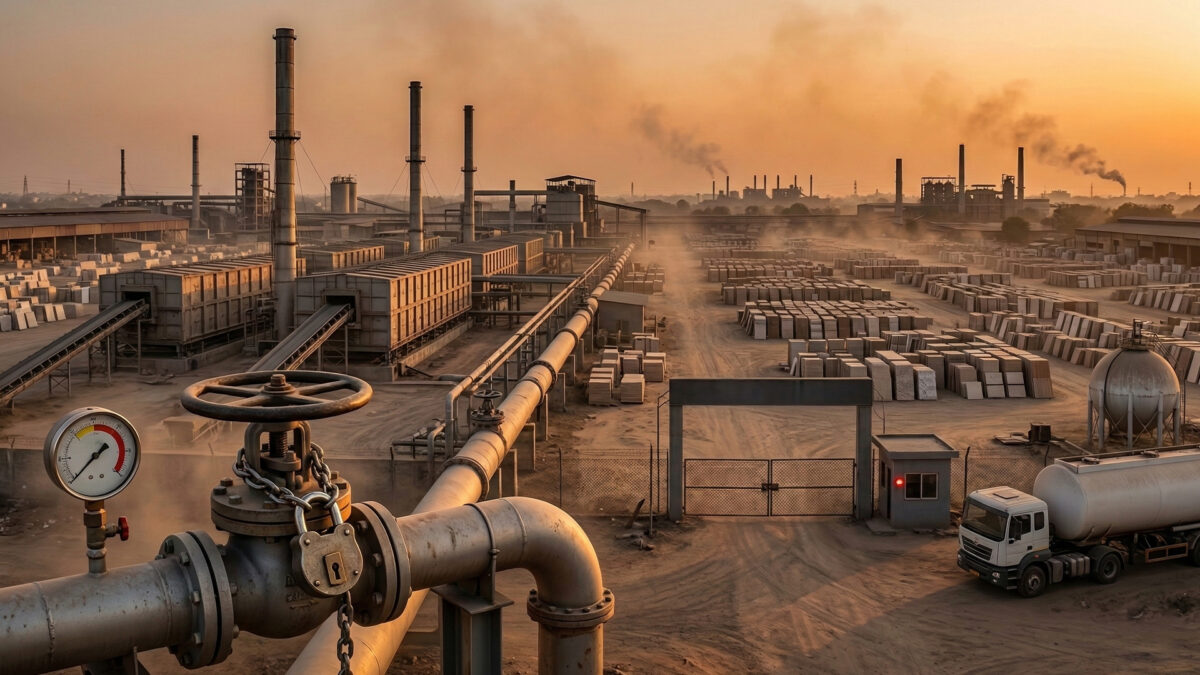
The ceramic industry in Morbi, Gujarat, faces a potential shutdown as gas supplies dwindle due to the ongoing conflict in the Middle East.

Tile manufacturers rely on propane and natural gas to fire kilns and run production, but disruptions in shipments through the Strait of Hormuz have slowed deliveries.

Several factories are already operating at reduced capacity or have temporarily halted production. With hundreds of units and thousands of workers affected, the supply shortage poses a serious economic risk to Morbi’s ceramic cluster if normal gas flows do not resume soon.

Categories
Beyond

New Micron chip plant worth ₹22,500 cr in Gujarat

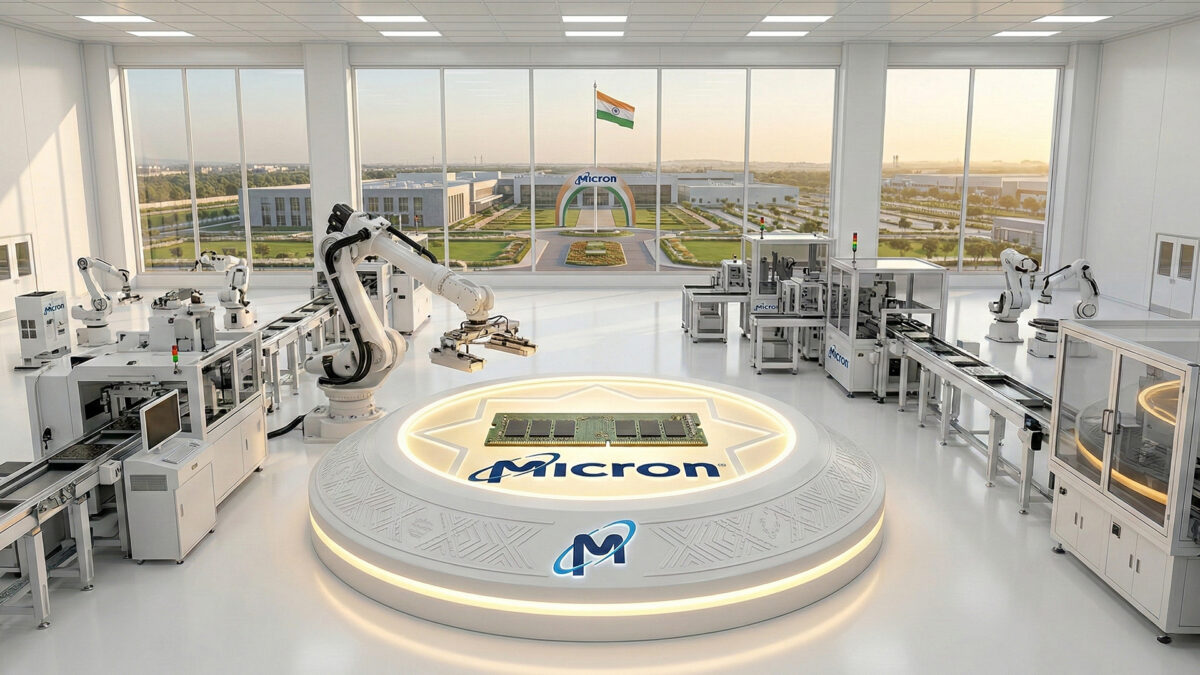
A major semiconductor facility set up by Micron Technology in Sanand, Gujarat, was started on Friday. This was inaugurated by Prime Minister Narendra Modi, thus marking a significant step in India’s push to become a global electronics manufacturing hub.

The new plant, built with an investment of over ₹22,500 crore, will assemble, test and package semiconductor memory products such as DRAM and NAND chips. These components are widely used in smartphones, laptops, data centres and emerging technologies like artificial intelligence.

The facility is part of the government’s broader semiconductor strategy aimed at reducing India’s dependence on imported chips and strengthening its position in the global supply chain. Officials described it as one of the first large-scale semiconductor projects to begin operations under the national semiconductor mission.

Spread across a large industrial site in Sanand, the plant is expected to generate thousands of jobs over time. Around 2,000 people are already employed, and the workforce is likely to grow significantly as production ramps up. The project is also expected to create indirect employment in logistics, services and ancillary industries.

At the inauguration, Modi said the plant reflects growing global confidence in India’s manufacturing ecosystem. He highlighted the government’s efforts to attract high-tech investments and build a robust semiconductor base in the country.

Industry experts see the Micron facility as a crucial milestone. While India has traditionally relied on other countries for semiconductor production, projects like this are seen as laying the groundwork for a stronger domestic electronics sector.

The chips produced in Gujarat will serve both Indian and international markets, helping integrate the country more deeply into global technology value chains. As demand for memory and data storage continues to rise worldwide, the Sanand plant could play an important role in supporting next-generation digital infrastructure.

Also Read: Fino Payments Bank CEO arrested in GST case

Categories
Beyond

Gujarat signs letter of intent with Starlink

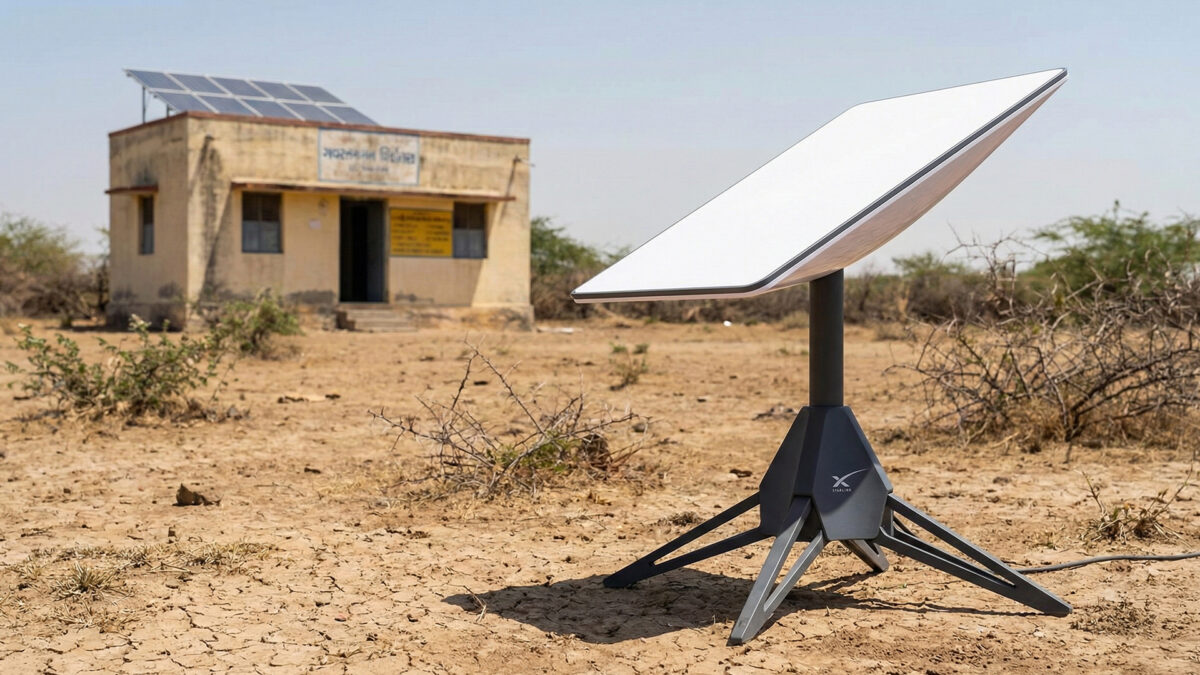
The Gujarat government has signed a Letter of Intent (LoI) with Starlink, the satellite internet company owned by Elon Musk’s SpaceX, to provide high-speed broadband connectivity in remote, tribal and underserved areas of the state. The move is aimed at bridging the digital divide in regions where traditional telecom infrastructure is weak or unavailable.

The LoI was signed in Gandhinagar in the presence of Chief Minister Bhupendra Patel and Deputy Chief Minister Harsh Sanghavi. Senior officials from the state government and representatives of Starlink formalised the agreement, marking Gujarat as one of the first Indian states to explore satellite-based internet solutions at scale.

Under the proposed partnership, Starlink’s low-Earth orbit satellite technology will be used to deliver fast and reliable internet without dependence on fibre cables or mobile towers. This makes it suitable for hilly terrain, forest regions, coastal belts, border areas and islands, where laying physical infrastructure is challenging and costly.

The initial focus will be on connecting government schools, primary health centres, Common Service Centres (CSCs), e-governance offices, disaster management control rooms and remote administrative units. Officials said the project will support online education, telemedicine, digital governance, emergency response systems and public service delivery.

Tribal and aspirational districts are expected to benefit significantly, with improved access to digital learning tools, specialist healthcare consultations and government welfare services. The state also plans to explore satellite connectivity for ports, coastal security, wildlife sanctuaries, highways and industrial estates, especially in areas with patchy network coverage.

Also Read: FPIs return, pump ₹8,100 cr into Indian stocks