The Aditya Birla Group has introduced a formal brand royalty framework under which some of its major operating companies will pay the promoter group for using the “Aditya Birla” brand name. The arrangement, effective from June 1, 2026, covers listed group companies including Grasim Industries and Hindalco Industries, along with Hindalco’s US-based subsidiary Novelis.
Under the new framework, the companies will pay a royalty equivalent to 0.25% of revenue, subject to an annual ceiling of ₹225 crore for each entity. The move marks a shift in how the group formally recognises and accounts for the value of its corporate brand across businesses.
The royalty will be paid to Birla Group Holdings Private Limited (BGH), which owns the Aditya Birla brand. Until now, group companies had been able to use the brand without paying a formal royalty. The new arrangement effectively puts a financial value on the brand that is used across the group’s diverse businesses and international operations.
For Grasim Industries, the impact is expected to be relatively manageable. Grasim Managing Director Himanshu Kapania said the company expects revenue of around ₹50,000 crore, which would translate into an annual royalty payment of approximately ₹125 crore at the 0.25% rate. This remains well below the ₹225-crore annual cap.
Brokerage estimates suggest the additional cost is unlikely to materially affect Grasim’s overall financial performance. Jefferies has estimated the annual royalty outgo at around ₹100-120 crore, equivalent to less than 5% of the company’s EBITDA, while Citi has also estimated the royalty based on 0.25% of standalone revenue.
For Hindalco Industries, the royalty will apply to its India operations, while Novelis will also come under the arrangement from FY27. Both will pay 0.25% of revenue, subject to the ₹225-crore annual ceiling for each entity. The framework therefore extends beyond India and brings a major overseas business of the group into the formal brand licensing structure.
The issue came into sharper focus after investors sought clarification during Hindalco’s first-quarter FY27 earnings call on August 7. Questions were raised after a royalty-related disclosure appeared in Novelis’ regulatory filing in the United States.
Hindalco Managing Director Satish Pai explained that the Aditya Birla brand is owned by BGH and had historically been made available to group companies without a charge. He described the new arrangement as part of a move from family-driven stewardship towards a more structured governance framework. According to Pai, the royalty proceeds will be used to invest in and strengthen the Aditya Birla brand.
The introduction of a brand royalty is significant because the Aditya Birla name is used across a wide range of businesses, from metals and chemicals to financial services, fashion, building materials and paints. The group’s scale means that the brand itself carries considerable value beyond the individual businesses that operate under it.
Grasim, for instance, has expanded substantially beyond its traditional textiles and chemicals businesses. The company is now building newer growth platforms, including Birla Opus in paints and Birla Pivot, its business-to-business building materials marketplace. Grasim reported record consolidated revenue of ₹1.75 lakh crore in FY26 and EBITDA of ₹25,872 crore.
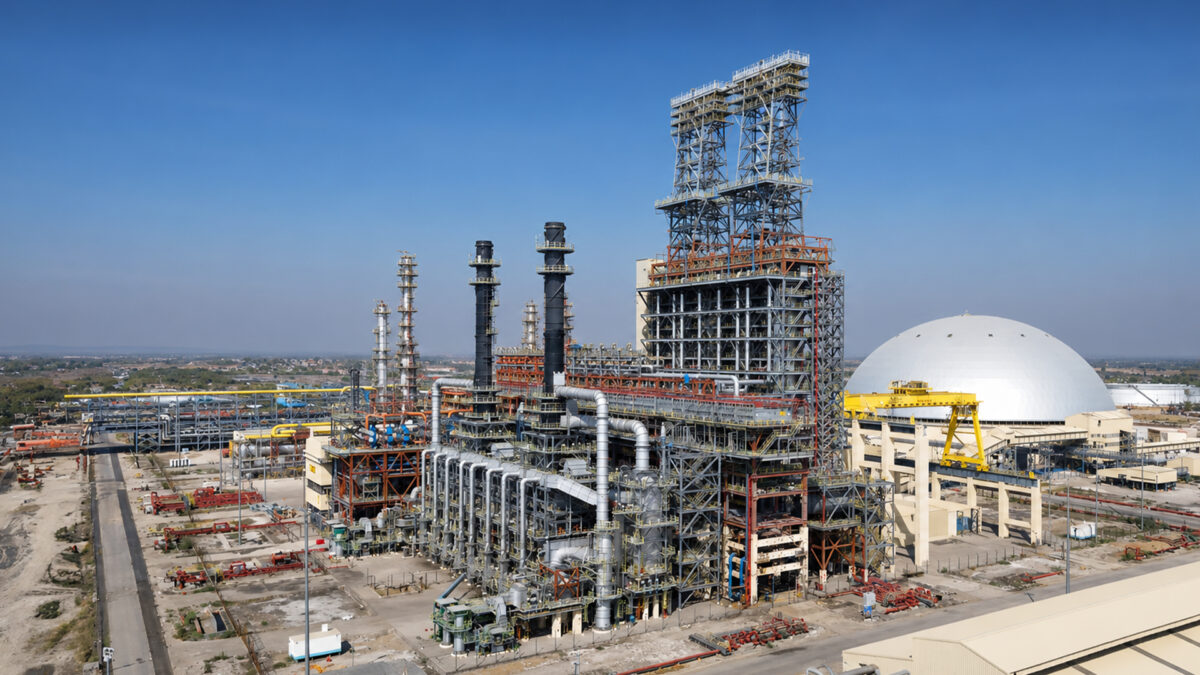
Hindalco, meanwhile, has a major global presence through Novelis. Novelis is the world’s largest producer and recycler of aluminium flat-rolled products, with operations across North America, Europe and Asia. Its customers include companies in the beverage packaging, automotive, aerospace and speciality markets.
The royalty framework could therefore be viewed as an attempt to create a more formal relationship between the central brand owner and operating companies. Instead of treating the Aditya Birla name simply as a common group identity, the arrangement recognises it as an intellectual property asset that provides value to individual businesses.
However, for shareholders, the key question is whether the payments will have a meaningful impact on profitability and capital allocation. Hindalco’s management has indicated that the royalty remains below its materiality threshold and is not expected to affect its capital allocation plans or dividend policy. The company is also expected to disclose the transaction as a related-party transaction in its exchange filings due in October.
The timing of the change is also notable. The Aditya Birla Group has been investing heavily in expansion across its businesses, while companies such as Grasim and Hindalco are pursuing new growth opportunities. Hindalco reported FY26 consolidated revenue of ₹2.75 lakh crore and EBITDA of ₹38,097 crore, while continuing to expand its aluminium, copper and downstream businesses.
The move comes against the backdrop of the group’s broader expansion across businesses and markets, making it part of a wider set of corporate developments shaping India’s major business groups. Explore more corporate developments in our Corporate News section.
The group is also seeking to strengthen the Aditya Birla brand globally as its companies expand across markets. A formal royalty mechanism could provide a dedicated pool of funds for brand building, marketing, reputation management and other activities aimed at increasing the value of the group identity.