Categories
Beyond

Qatar flags risk to global oil, gas supplies

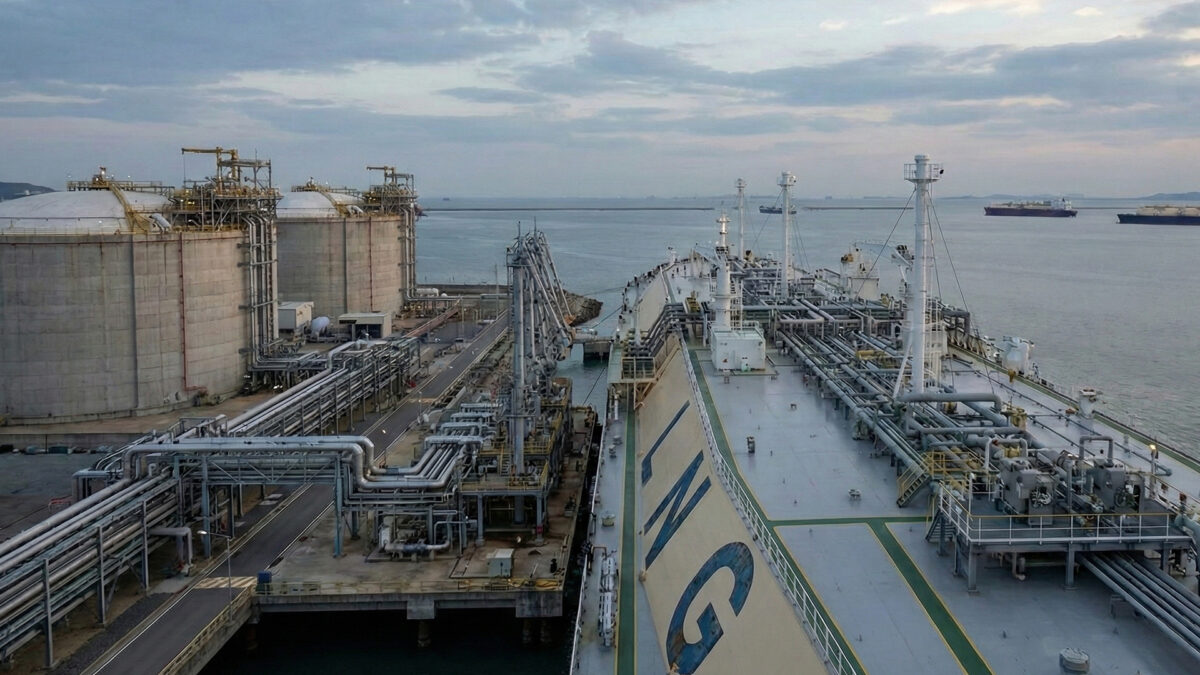
Qatar has warned that energy exports from the Gulf region could be disrupted within weeks if tensions between the United States and Iran continue to rise.

Speaking about the growing conflict in the Middle East, Qatar’s Energy Minister Saad al-Kaabi said the situation could threaten the movement of oil and natural gas from the region to the rest of the world. If the conflict escalates further, shipping routes and energy facilities may become unsafe, forcing Gulf countries to temporarily stop exports.

The Gulf region plays a crucial role in the global energy market. A large share of the world’s oil and liquefied natural gas (LNG) passes through the Strait of Hormuz, a narrow but extremely important shipping route. Any disruption in this area can quickly affect global energy supplies and prices.

Qatar is one of the world’s largest exporters of LNG and supplies natural gas to several countries across Asia and Europe. Officials say the ongoing conflict has already created uncertainty for energy shipments in the region.

Energy experts warn that if the situation worsens, it could lead to serious disruptions in global oil and gas markets. A long conflict could push fuel prices higher and affect transportation, electricity costs and industrial production in many countries.

Countries that depend heavily on imported fuel could feel the impact the most. Higher energy prices could also increase inflation and make daily living costs more expensive for people around the world.

The warning from Qatar comes at a time when tensions in the Middle East remain high due to military actions and threats of further attacks. Governments and global markets are closely watching developments in the region.

Also Read: ₹4,080 bet turns ₹55 cr in Sedemac IPO
 

Categories
Beyond

Qatar LNG halt raises gas supply concerns

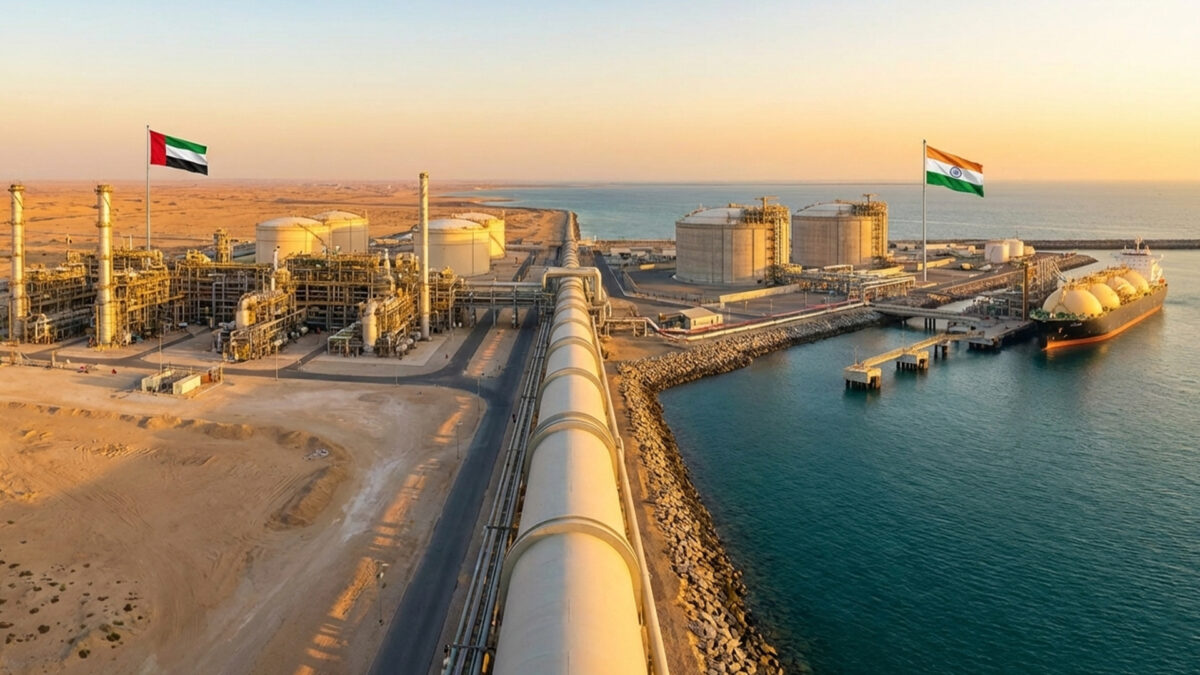
India may face short-term concerns over natural gas supplies after Qatar temporarily halted production at one of its major liquefied natural gas (LNG) facilities. Experts say the move, linked to regional tensions in West Asia, has raised worries about possible disruptions in global energy markets.

Qatar is one of the world’s largest LNG exporters and a key supplier of natural gas to India. A large share of India’s LNG imports comes from the Gulf nation under long-term contracts, making any disruption closely watched by Indian energy companies.

Following the production halt, shares of several LNG-related firms declined between 5 and 10 percent amid fears that supply could tighten and prices could rise in the international market. Analysts said the situation could increase volatility in energy markets if the disruption continues for an extended period.

However, experts also noted that India’s long-term LNG agreements with Qatar may help cushion the immediate impact. They said the country may not face a severe shortage right away, but the situation highlights the risks associated with global geopolitical tensions and energy dependence.

Officials and market watchers are closely monitoring developments in the region. If the production halt is prolonged or escalates into a larger supply disruption, it could push up global gas prices and affect importing countries like India.

Also Read: Air India expands flights to Toronto, Frankfurt, Paris


Categories
Beyond

India LNG buyers put long-term deals on hold

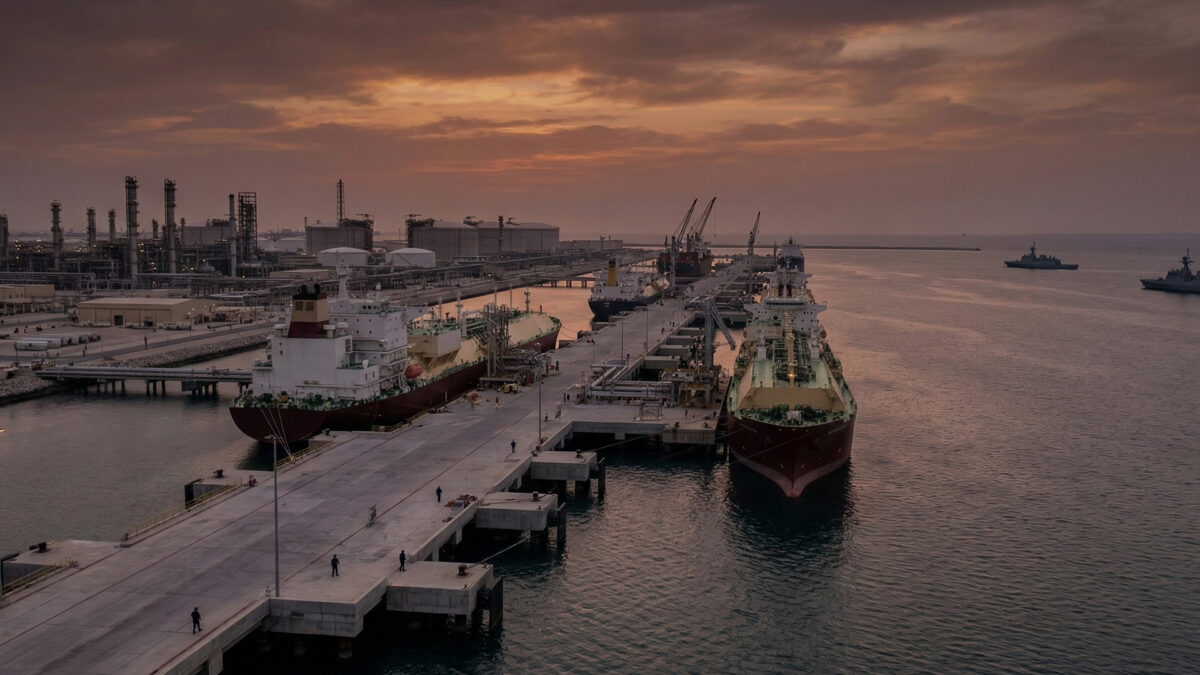
India’s liquefied natural gas (LNG) importers are deliberately slowing down long-term purchase agreements as they anticipate a sharp rise in global gas supply over the next few years. Key buyers, including state-run companies such as GAIL India and Bharat Petroleum, believe that waiting could help them secure better prices and more flexible contract terms once new LNG projects come online worldwide.

According to industry observers, global LNG supply is expected to expand significantly toward the end of this decade, driven by large projects in the United States, Qatar, and other major gas-producing regions. This surge could increase global capacity by nearly 50% by around 2030, potentially easing prices that have remained volatile since the energy shock triggered by the Russia-Ukraine conflict.

Indian buyers have been in discussions with LNG suppliers for more than a year but have avoided finalising long-term commitments. Instead, they are focusing on short-term and spot market purchases while keeping future options open. Many importers are reportedly looking at contracts that would begin closer to 2028, when the expected supply wave is likely to peak.

The cautious approach also reflects India’s struggle to raise the share of natural gas in its overall energy mix. Despite a government target of increasing gas usage to 15% by 2030, consumption has remained largely flat since 2020. High LNG prices have made gas less attractive compared to coal and other fuels, particularly for power generation and industrial use.

If LNG prices ease as expected, demand could pick up across city gas distribution networks, refineries, and petrochemical plants, helping India gradually expand gas usage. Until then, importers appear content to wait, betting that patience will strengthen their negotiating position in a rapidly changing global gas market.

In the near term, Indian companies are relatively comfortable, having secured enough LNG through contracts signed in 2024 and 2025 to meet immediate demand. This has reduced the urgency to lock in fresh long-term supply at current price levels.

Also Read: India-EU FTA sealed after 20 years

Categories
Corporate

UAE signs $2.5bn LNG deal with HPCL

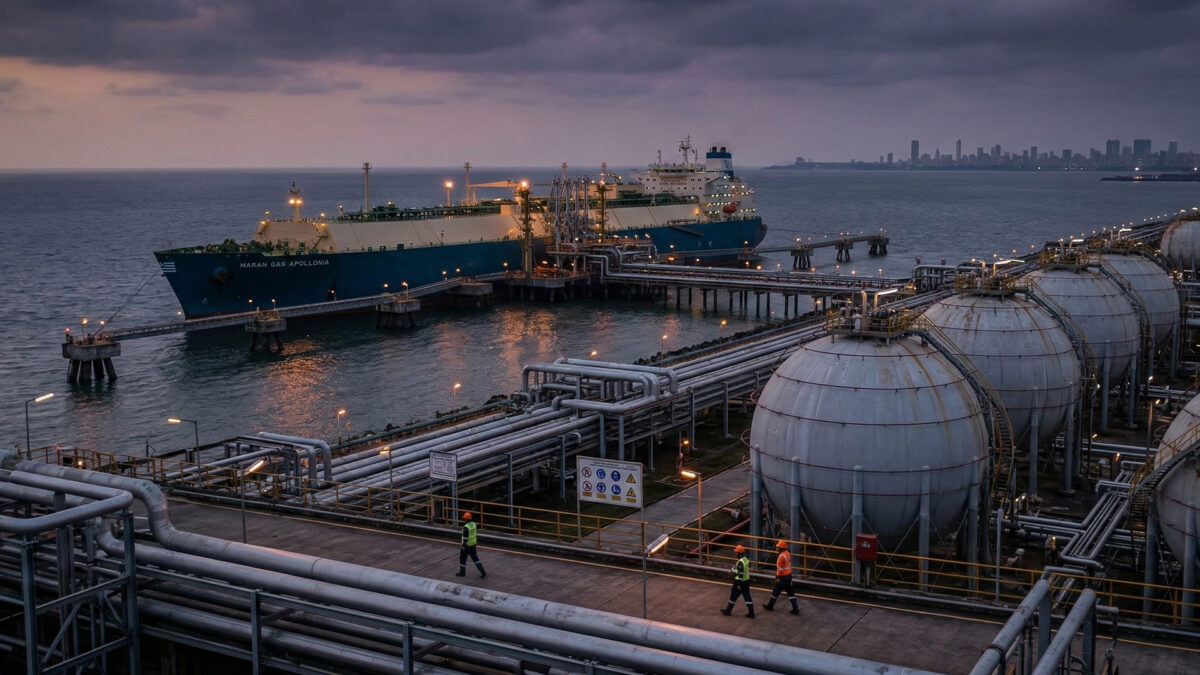
UAE and India have signed a landmark liquefied natural gas (LNG) supply agreement that will deepen energy cooperation between the two nations. The deal, inked between ADNOC Gas, the gas marketing division of Abu Dhabi National Oil Company, and Hindustan Petroleum Corporation Limited (HPCL), is valued at $2.5 billion and spans ten years.

Under the agreement, ADNOC Gas will supply about 500,000 tonnes of LNG annually to HPCL. The gas will be sourced from ADNOC’s Das Island facility, one of the world’s established LNG plants, known for its consistent production and export capacity.

This long-term supply is expected to enhance India’s energy security and support its growing demand for cleaner fuels. HPCL plans to use the imported LNG to fuel its refining operations, as well as expand city gas distribution networks for industrial, residential, and commercial use.

The contract formalizes prior commercial arrangements and converts a heads-of-agreement into a binding sale and purchase pact. Officials from both sides emphasized that this deal positions India as a key LNG customer for the UAE, with Indian companies projected to take a significant portion of ADNOC Gas’ exports in the coming years.

The signing coincided with the official visit of UAE President Sheikh Mohamed bin Zayed Al Nahyan to New Delhi. During the visit, both countries highlighted the broader significance of energy cooperation and reiterated commitments to strengthen trade, technology, and strategic partnerships.

Also Read: Global markets fall on US Greenland tariff threats