Categories
1 Minute-Read

Karnataka halts e-commerce food licences over Datura sales

Karnataka has suspended the food licences of Amazon, Swiggy Instamart and BigBasket after Datura fruits and seeds were found listed as food products on their platforms.

The Karnataka Food Safety and Drugs Administration also ordered action against suppliers involved in the sales. Officials said Datura is poisonous and can cause serious health complications if consumed.

The companies have been directed to remove all Datura listings, advertisements and promotional material and stop selling the products as food. The regulator will review the suspension after receiving compliance reports from the companies.

Read More

Categories
Beyond

Karnataka cracks down on toxic Datura sales online

The Karnataka government has suspended the food licences and registrations of Amazon, Swiggy Instamart and BigBasket after toxic Datura fruits and seeds were found being sold through their online platforms as food products. The action, taken by the Karnataka Food Safety and Drugs Administration (KFSDA), will remain in force until further orders.

The department has also ordered immediate action against the suppliers and sellers who provided Datura products to the three e-commerce platforms. Their food licences and registrations have also been ordered to be suspended.

The crackdown follows inspections by food safety officials, who found Datura fruits and seeds being stored, packed and offered for sale through online platforms. In some cases, the products were found carrying Food Safety and Standards Authority of India (FSSAI) licence or registration numbers, raising concerns over how a poisonous plant came to be listed and handled as a food product.

Datura, also known as Dhatura or thorn apple, is a poisonous plant. Its fruits and seeds contain toxic compounds that can cause serious health problems if consumed. Depending on the amount ingested, poisoning can affect the nervous system and heart and may become life-threatening. The Karnataka food safety department said the nature of the plant made its sale, distribution or promotion for human consumption a serious public health concern.

The issue came to the authorities’ attention after complaints and subsequent inspections revealed that Datura products were being offered online. Officials found packets containing the fruits and seeds in warehouses, with some carrying food-related licence or registration details. The products were then being sold or distributed through e-commerce channels.

The department subsequently initiated proceedings against the companies and sought explanations from the platforms. Representatives of the companies appeared before the authority during the hearing on August 24.

According to the proceedings, Amazon did not submit a response to the notice. Swiggy Instamart sought additional time to provide documents explaining the action it had taken after the department raised the issue. BigBasket, meanwhile, told the authority that it had stopped selling the Datura products. The company also said it would change the labelling to clearly indicate that the products were “not for human consumption”.

The regulator, however, was not satisfied with the explanations. Given the poisonous nature of Datura and the potential risk to consumers, it concluded that the products could not be treated as food items or sold through food channels.

The latest order directs the three platforms and other concerned food business operators to immediately remove or suspend every online listing, advertisement and promotional material relating to Datura fruits and seeds when offered for food or human consumption. They have also been instructed to stop selling, distributing, displaying or promoting the products as food in the future.

The action is based on provisions of the Food Safety and Standards Act, 2006, along with the relevant food safety rules and regulations. The Karnataka Food Safety and Drugs Administration has directed the concerned authorities to submit compliance reports without delay.

The suspension does not necessarily mean the action is permanent. The department has said the question of revoking the suspension will be considered separately after compliance reports are received and the concerned companies are given an opportunity to present their case. The platforms will therefore have to demonstrate that they have complied with the directions and addressed the food safety concerns raised by the regulator.

The order also widens the regulatory action beyond the large e-commerce companies. Suppliers, vendors and establishments linked to the Datura listings have been brought under scrutiny, with their food licences and registrations also facing suspension.

The episode has highlighted a growing challenge for online grocery and quick-commerce platforms, where thousands of products can be listed and delivered with little physical interaction between sellers and consumers. While platforms generally rely on seller networks and product catalogues, the Karnataka action underlines that food safety responsibilities do not end with the seller.


Categories
Beyond

India eases FDI rules for e-commerce exports

In a major policy reform aimed at boosting exports, the Centre has relaxed foreign direct investment (FDI) norms for e-commerce companies, allowing foreign-funded online platforms to own inventory for goods meant exclusively for exports. The move is being seen as the biggest easing of India’s e-commerce FDI policy in several years and is expected to strengthen the country’s export ecosystem.

The revised rules allow e-commerce companies with foreign investment to directly procure, store and export products manufactured in India. Earlier, such companies could only operate under the marketplace model, where they acted as intermediaries connecting buyers and sellers without owning the products being sold.

The government has clarified that the relaxation applies only to exports. The existing restrictions on inventory-based e-commerce for domestic retail sales remain unchanged. This means foreign-funded companies still cannot own inventory for products sold within India and must continue operating as marketplace platforms for the domestic market.

The policy change is intended to make Indian products more competitive in global markets by simplifying export operations. Allowing e-commerce companies to maintain inventory for exports is expected to reduce supply chain complexities, speed up deliveries and improve order fulfilment for international customers.

The decision is likely to benefit global e-commerce companies such as Amazon and Flipkart, which have invested heavily in India’s digital commerce sector. The revised framework enables these companies to source products directly from Indian manufacturers and exporters, store them in warehouses and sell them to overseas buyers through their global platforms.

Industry experts believe the move could significantly expand export opportunities for micro, small and medium enterprises (MSMEs), artisans and local manufacturers. Many smaller businesses often struggle with international logistics and distribution. By leveraging the infrastructure and global reach of large e-commerce companies, they could gain easier access to customers in foreign markets.

The government expects the policy to support its broader objective of increasing exports and integrating Indian businesses into global supply chains. With international demand for Indian products growing across categories such as textiles, handicrafts, electronics, home décor and engineering goods, digital commerce is emerging as an important channel for export growth.

The revised FDI norms also simplify operational processes for e-commerce companies. Under the earlier rules, firms often had to rely on third-party exporters or complex business arrangements to comply with investment regulations. The new framework allows them to manage export inventories directly, making the process more efficient and cost-effective.

Amazon welcomed the government’s decision, saying the policy would help thousands of Indian sellers and manufacturers expand their global presence. The company has been working to increase exports from India through its online marketplace and believes the revised rules will accelerate that effort.

However, trader bodies have expressed concerns over the policy. The Confederation of All India Traders (CAIT) has urged the government to ensure that the relaxation is used strictly for exports and does not indirectly affect India’s domestic retail market. The organisation has called for strong monitoring mechanisms to prevent misuse of the revised rules.

Experts note that the policy strikes a balance between encouraging exports and protecting domestic retailers. While it provides greater flexibility for export operations, it does not alter the government’s long-standing restrictions on inventory-led e-commerce within India.

The reform also comes as India seeks to strengthen its position in global trade and attract more investment into manufacturing and supply chains. By allowing foreign-funded e-commerce companies to play a bigger role in exports, policymakers hope to improve the country’s competitiveness in international markets while creating new opportunities for Indian businesses.

As India’s digital economy continues to expand, online platforms are expected to play an increasingly important role in connecting local manufacturers with global consumers. The latest policy change is expected to reduce export barriers, improve logistics and help Indian products reach overseas markets more efficiently.

With export-led growth becoming a key focus area, the revised FDI rules for e-commerce are expected to benefit manufacturers, exporters, online platforms and small businesses alike, while keeping domestic retail regulations unchanged. The government believes the move will strengthen India’s export capabilities and support the long-term growth of its digital commerce ecosystem.

Also Read: Shadowfax shares slide after ₹1,047 cr block deal

Categories
Leaders

Amazon CEO meets PM Modi, commits $48 bn

Amazon has announced a massive $48 billion investment plan for India through 2030, reaffirming its long-term commitment to one of its fastest-growing markets. The announcement was made by Amazon CEO Andy Jassy after meeting Prime Minister Narendra Modi in New Delhi.

The new commitment includes an additional $13 billion for expanding artificial intelligence (AI) and cloud infrastructure, taking Amazon’s planned investment in India between 2026 and 2030 to $48 billion. The latest funding builds on the $35 billion investment plan the company announced last year. Overall, Amazon’s cumulative investments in India from 2010 to 2030 are expected to cross $88 billion.

A significant portion of the fresh investment will be used to strengthen Amazon Web Services (AWS) by expanding data centre capacity in Mumbai and Hyderabad. The company said the move will help startups, businesses and government organisations access advanced AI tools, cloud technologies and computing infrastructure to accelerate innovation.

Amazon is also stepping up its e-commerce and logistics network. This year, it plans to open more than 20 new fulfilment centres and over 100 delivery stations, with a stronger focus on improving services in smaller cities and expanding faster delivery options. The company is simultaneously scaling up its quick-commerce business as demand for rapid deliveries continues to grow across urban India.

Speaking about India’s growth story, Jassy said Amazon’s priorities closely align with the country’s focus on AI adoption, digital transformation, job creation and support for small businesses. He described India as an increasingly important global hub for cloud computing and AI, citing strong demand for digital infrastructure.

Amazon said its long-term plans also include supporting 3.8 million jobs, enabling $80 billion in cumulative exports, helping millions of small businesses adopt AI technologies and expanding digital skills initiatives.

Also Read: Gold slides to ₹1,41,320, silver down to ₹2,34,900

Categories
Technology

OnePlus N Series soon to launch in India

OnePlus has officially put up a teaser about the launch of its new N smartphone series in India, signaling the company’s return to the highly competitive budget smartphone market. A teaser page has gone live on Amazon India, confirming that the new lineup will be available through the e-commerce platform after launch.

While OnePlus has not yet revealed the exact launch date, multiple reports suggest that the N series could debut in India sometime in July. The upcoming smartphones are expected to be priced below Rs 20,000, making them the most affordable OnePlus devices currently available in the country.

The N series is likely to sit below the Nord lineup in OnePlus’ product portfolio. At present, the OnePlus Nord CE 6 Lite is the company’s most affordable smartphone in India. Industry reports indicate that the new N series could replace it as the brand’s entry-level offering.

The teaser campaign highlights OnePlus’ intention to strengthen its presence in the mass-market smartphone segment, where brands such as Redmi, Realme, Poco, Vivo and iQOO currently dominate. Analysts believe the move could help OnePlus attract first-time smartphone buyers as well as consumers looking for affordable devices with premium features.

Although official specifications remain under wraps, reports suggest that the N series may focus on delivering a balanced combination of performance, battery life and software experience at a lower price point. Some leaks also hint that the devices could borrow features from OnePlus models launched in other markets.

The N branding is not entirely new for OnePlus, as the company has previously sold Nord N-series smartphones in select international markets. However, this would be the first time the N series is introduced officially in India.

With the teaser now live and a “Notify Me” option available on Amazon, more details about the smartphones, including specifications, pricing and launch offers, are expected to be announced in the coming weeks.

Also Read: Centre bars bulk fuel purchases from retail pumps for 90 days

Categories
Corporate

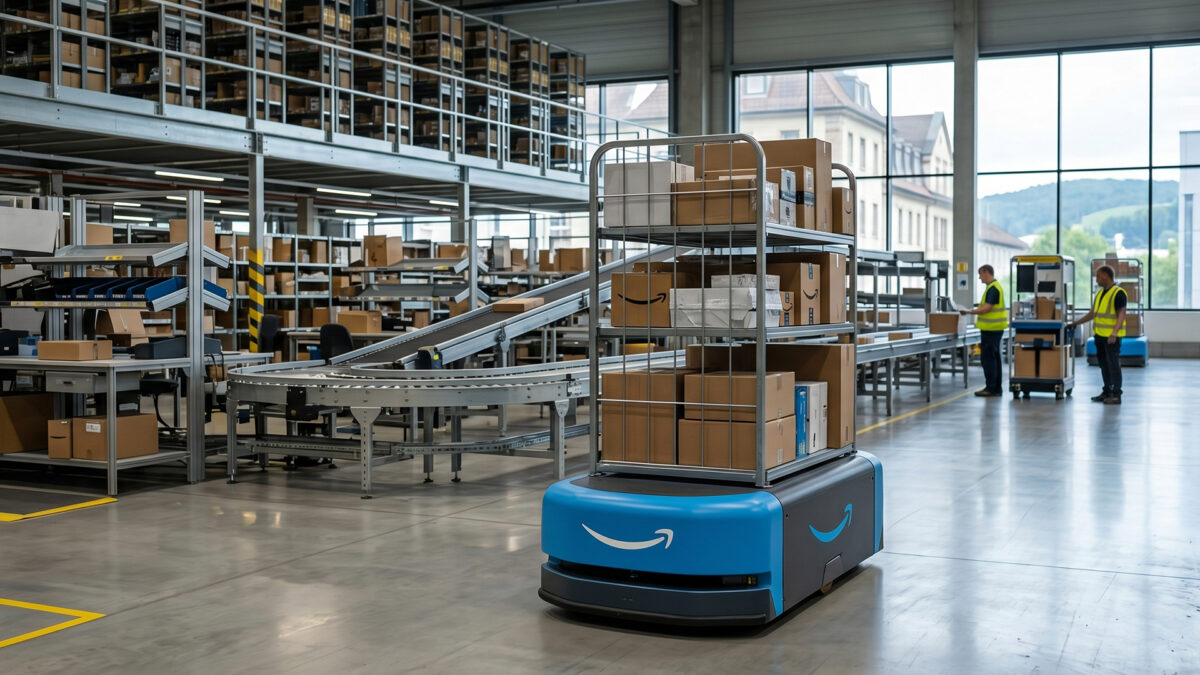
Amazon expands in Europe with AI robots

Amazon has announced a €10 billion investment in Europe and unveiled an upgraded version of its Proteus robot, marking a significant step in the company’s automation strategy.

The Proteus robot is designed to transport carts and inventory within warehouses while operating safely around workers. Amazon said the new technology will help streamline operations, improve efficiency and support faster order fulfilment.

The investment package includes expansion of logistics infrastructure, technology development and workforce training initiatives across several European countries. The company expects the programme to create approximately 25,000 jobs in the region.

Amazon emphasized that robotics and AI technologies will complement human workers by handling repetitive tasks and allowing employees to focus on more skilled responsibilities.

Also Read: Airbnb chief Brian Chesky set to start an AI startup

Categories
Technology

Amazon bets on AI retail store in India

Amazon has launched an AI-focused online store in India, marking a strategic push to capitalise on the fast-growing demand for artificial intelligence-powered consumer electronics.

The new storefront groups together AI-enabled products across categories such as smartphones, laptops, televisions, and home appliances, reflecting how AI is becoming central to the next wave of tech upgrades.

Industry trends show that consumers are no longer treating AI as a niche feature. Instead, it is increasingly influencing buying decisions, especially in premium and mid-range devices. Searches for AI-enabled products have seen strong year-on-year growth, with computing devices and smart entertainment products leading the surge.

A notable shift is the geographic spread of this demand. A large share of interest is now coming from tier-2 and tier-3 cities, pointing to deeper market penetration and a broader digital adoption curve across India.

The AI Store is designed to align with this shift by simplifying discovery. It explains AI features in practical terms—how devices improve efficiency, personalise usage, and automate everyday tasks—rather than focusing purely on specifications.

This approach also helps address a key challenge in the AI device market: consumer awareness. While many products advertise AI capabilities, users often struggle to understand their real value. By making these benefits clearer, Amazon is attempting to bridge that gap.

The launch comes even as the electronics sector faces rising input costs and supply chain pressures. Despite this, the company is positioning AI as a long-term growth driver, expecting continued demand for smarter, more adaptive devices.

Also Read: 108 malicious Chrome extensions flagged

Categories
Beyond

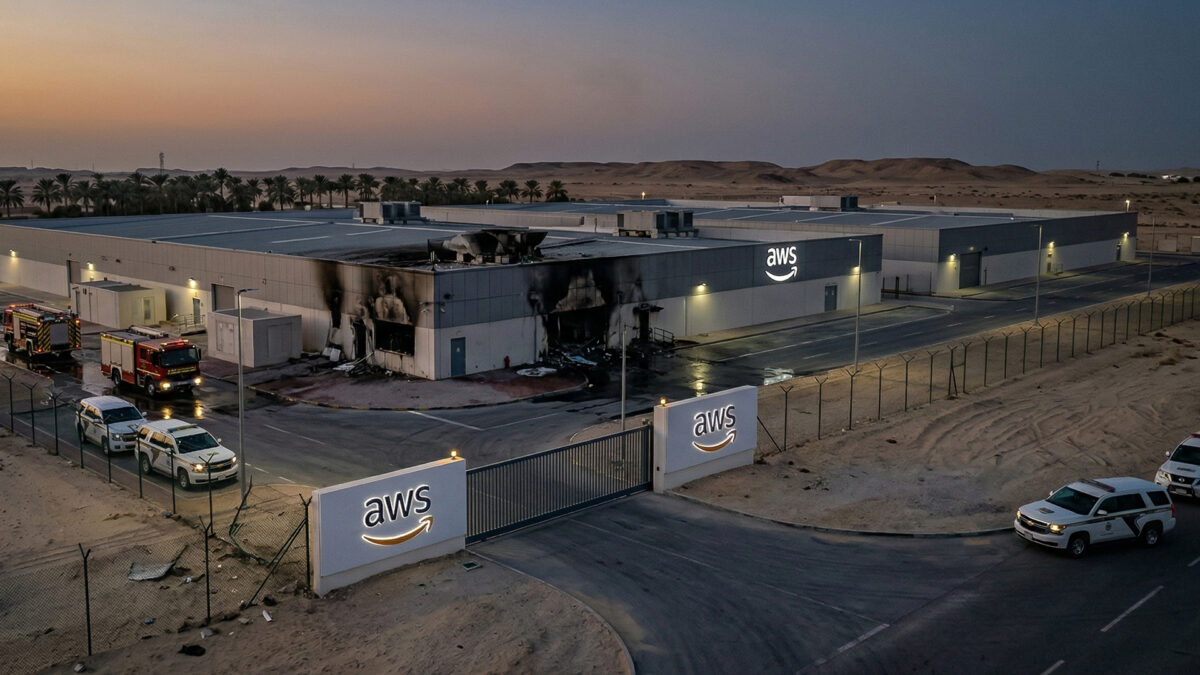
Amazon Cloud facility damaged in Bahrain strike

Amazon’s cloud services infrastructure in Bahrain has reportedly suffered damage following a suspected strike linked to Iran, signalling how geopolitical conflicts are increasingly affecting critical technology systems.

The incident is believed to have impacted facilities run by Amazon Web Services (AWS), a major global provider of cloud computing services. While the full extent of the damage has not been officially disclosed, sources indicate that the disruption could affect services relying on AWS’s Bahrain region.

Authorities in Bahrain confirmed that emergency teams were deployed to handle a fire at a company facility. Officials attributed the incident to external aggression but stopped short of directly naming Amazon in their initial statements.

This development comes amid heightened tensions between Iran and Western allies, with reports suggesting that infrastructure linked to U.S. companies has become a potential target. Analysts believe such actions may be intended not only to cause disruption but also to send a strategic message about the vulnerability of foreign investments in the region.

AWS plays a crucial role in supporting digital operations for businesses, governments, and online platforms worldwide. Any disruption to its infrastructure can have ripple effects across sectors, including banking, e-commerce, and communication services that depend on stable cloud access.

This is not the first time Amazon’s Bahrain operations have faced challenges in recent weeks, indicating a pattern of instability tied to the broader conflict. Experts warn that as modern warfare evolves, non-military targets such as data centres are increasingly at risk.

Also Read: SpaceX moves toward historic IPO

Categories
Corporate

Drone activity disrupts Amazon AWS in Bahrain

Amazon has reported a disruption in its cloud operations in Bahrain after drone activity impacted its Amazon Web Services (AWS) systems amid ongoing tensions in West Asia.

According to the company, the Bahrain AWS region experienced service interruptions following the incident. While it remains unclear whether the facility itself was directly hit, the disruption has affected services relying on the region. This is the second such outage reported in recent weeks.

Amazon said it is actively working to restore services and has recommended that customers switch to other AWS regions to maintain continuity. AWS supports a wide range of businesses and institutions globally, making any disruption significant for operations and data access.

The incident comes amid escalating geopolitical tensions in the region, where drone and missile activity has increasingly targeted infrastructure. While earlier attacks were largely focused on energy assets, recent developments suggest that digital and cloud infrastructure are also at risk.

Previous disruptions in the region had already raised concerns about the vulnerability of major data centres operating in conflict zones. The latest incident further highlights the growing exposure of technology networks to security threats.

Amazon stated that it is coordinating with local authorities and prioritising the safety of its staff while assessing the situation. However, the company has not disclosed the extent of the damage or provided a timeline for full restoration of services.

Also Read: Sai Parenterals IPO subscribed 4% on day 1

Categories
Corporate

Amazon buys Rivr to test stair-climbing robots for deliveries

Amazon has acquired Swiss robotics startup Rivr as it looks to strengthen its delivery network using automation. The deal, for which financial details were not shared, focuses on improving the “last-mile”, the final and often most challenging step of delivering packages to customers.

Rivr, based in Zurich, has developed delivery robots designed to handle real-world obstacles that typically limit automation. Unlike traditional wheeled robots, Rivr’s machines can climb stairs, move over uneven surfaces, and navigate tight urban spaces. This makes them better suited for reaching customers’ doorsteps directly, especially in cities and apartment complexes.

The robots use a mix of wheels and leg-like movements, allowing them to travel efficiently while still adapting to complex terrain. They are designed to carry packages from delivery vans to homes, potentially reducing the physical workload for human delivery workers and speeding up the process.

Amazon has been investing in robotics for years, especially inside its warehouses. With this acquisition, the company is now focusing more on applying advanced automation to outdoor delivery. The goal is to make deliveries faster, more efficient, and less dependent on manual labour, particularly in areas where logistics can be difficult.

The timing of the deal reflects growing interest in solving last-mile challenges, which remain one of the most expensive parts of e-commerce operations. While Amazon has tested delivery robots before, scaling them has been difficult due to issues like navigation and safety. Rivr’s technology could help overcome some of these hurdles.

Such robots could play a key role in the future of deliveries, especially in densely populated cities where traditional methods face delays. However, large-scale deployment is likely to take time, as companies test the technology in real-world conditions.

Also Read: Zetwerk gears up for IPO filing, eyes $4 billion valuation