Categories
Beyond

Middle East tensions push aluminium prices higher

Escalating tensions in the Middle East have pushed global aluminium prices higher, raising concerns among manufacturers and traders about potential supply disruptions. The geopolitical situation has increased risks to key shipping routes and export channels, tightening the availability of the metal in international markets.

Aluminium prices on global exchanges have risen steadily in recent weeks. On the London Metal Exchange (LME), the metal is trading close to $3,450 per tonne, while prices in India have climbed past ₹340 per kilogram on the Multi Commodity Exchange (MCX). The price surge reflects a combination of supply worries and steady demand from sectors such as automobiles, construction, packaging and electronics.

The Middle East plays an important role in global aluminium production and exports. The region produces about 6.5 million tonnes of aluminium annually, much of which is shipped through strategic trade routes such as the Strait of Hormuz. Rising geopolitical tensions have raised fears that disruptions to these routes could affect shipments, with around 5 million tonnes of supply potentially exposed to risk if the situation worsens.

At the same time, global aluminium inventories have been shrinking. Stocks held in warehouses monitored by the London Metal Exchange have dropped to about 446,875 tonnes, marking one of the lowest levels in recent months. Limited expansion of smelting capacity and production constraints in major producing countries, including China, have also contributed to tighter supply.

Despite the recent spike linked to geopolitical tensions, aluminium prices had already been on an upward trend over the past year. Globally, prices have increased by roughly 25 per cent, while the Indian market has seen gains of more than 30 per cent. Since the beginning of the year, aluminium prices have risen by around 12 per cent, supported by improving industrial demand and broader strength in base metals.

Industry experts also highlight new technological developments that could further boost demand for aluminium in the long run. Researchers are exploring aluminium-based battery technologies, including aluminium-ion batteries, as potential alternatives for future energy storage systems.

Also Read: LPG crisis sparks illegal cylinder sales

Categories
Beyond

LPG crisis sparks illegal cylinder sales

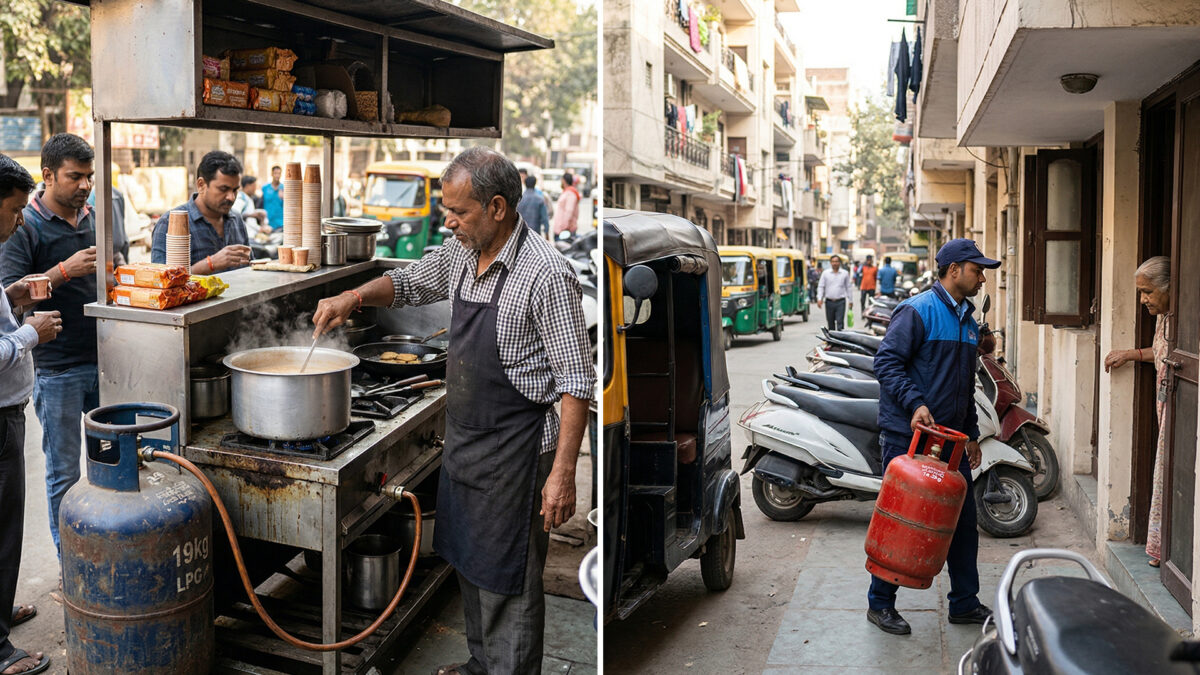
Fears of a shortage of cooking gas have led to panic buying in many areas, giving rise to black-market sales of LPG cylinders at very high prices.

Reports show that some illegal sellers are charging up to ₹6,500 for an LPG cylinder. In other cases, people are paying between ₹3,500 and ₹4,000 just to refill a cylinder. This is much higher than the normal price, which is usually around ₹900 to ₹1,000.

Investigations have found that some dealers are illegally diverting cylinders from authorised supply chains and selling them secretly to customers who cannot get gas through regular channels. These illegal sellers often operate from small shops such as stove-repair centres or grocery stores. In some places, they refill cylinders in hidden setups to avoid being caught.

The problem has worsened because many people are worried about possible supply disruptions. India depends heavily on imported LPG, and concerns about global tensions and supply issues have caused people to book extra cylinders or store them at home. This sudden increase in demand has made it easier for black-market traders to take advantage of the situation.

Officials say selling LPG cylinders outside authorised distribution systems is illegal. It violates rules under the Essential Commodities Act and the Liquefied Petroleum Gas Regulation Order. Authorities have warned that strict action will be taken against those involved in hoarding or selling cylinders illegally.

Despite increased monitoring, black-market traders are still managing to operate by selling cylinders only to known customers or through personal contacts. This makes it harder for law-enforcement agencies to track them.

Meanwhile, government officials have urged people not to panic and avoid booking extra cylinders unnecessarily. They said steps are being taken to increase LPG production and ensure proper distribution.

Refineries have already increased LPG output, and authorities are trying to ensure that cooking gas reaches households and essential services first. Officials have also asked the public to report any suspected black-marketing so that action can be taken quickly.

Also Read: Ex-Uber CEO launches robotics startup Atoms

Categories
Beyond

IEA to release 400 mn barrels of oil

The International Energy Agency (IEA) has announced plans to release more than 400 million barrels of oil from emergency reserves into global markets in an effort to stabilise supplies and ease pressure on rising crude prices.

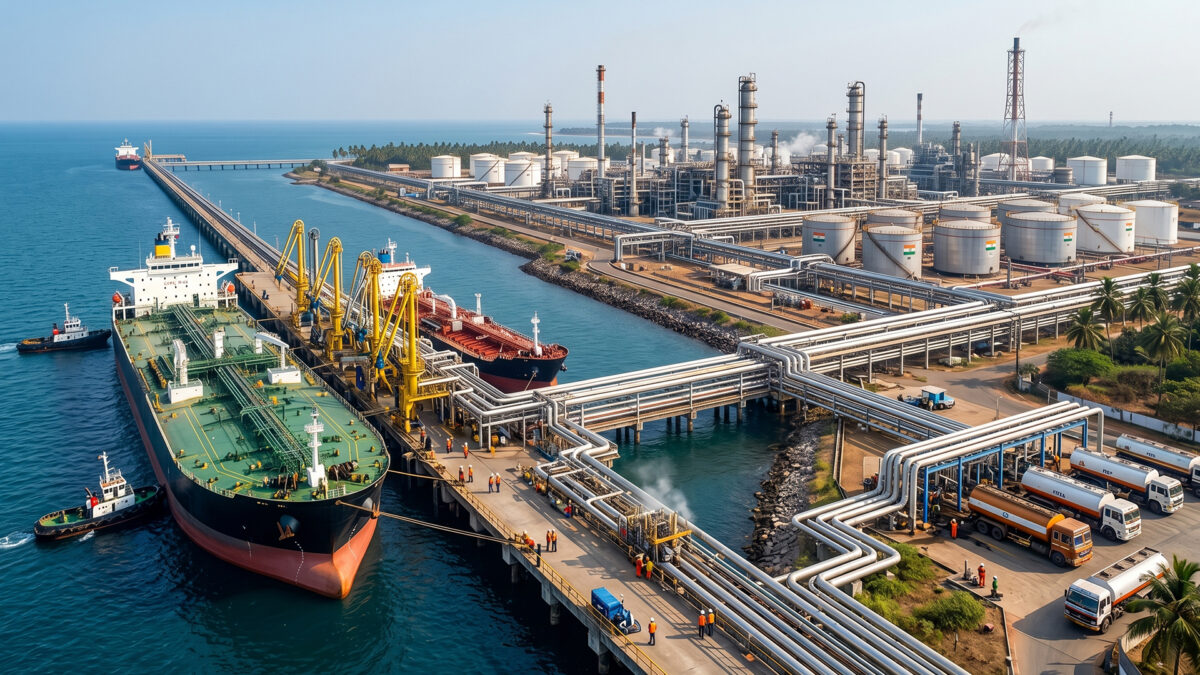
The decision comes at a time when the global oil market is facing significant uncertainty due to supply disruptions linked to escalating tensions in West Asia. These disruptions have particularly affected shipments through the Strait of Hormuz, one of the world’s most important oil transit routes through which a large share of global crude exports passes. Concerns over the safety of this route have pushed international oil prices sharply higher in recent weeks.

According to the Paris-based energy watchdog, IEA member countries have collectively committed about 411.9 million barrels of oil from their strategic reserves. Of this total, 271.7 million barrels will come from government-controlled reserves, while 116.6 million barrels will be supplied from industry stocks held under government obligations. Another 23.6 million barrels will be released from additional reserve sources.

The majority of the planned release, around 72 per cent, will consist of crude oil, while the remaining share will include refined petroleum products such as diesel and gasoline. The oil will be supplied in stages to ensure steady availability in the market.

The IEA stated that oil reserves from Asia and Oceania will begin entering the market immediately. Supplies from Europe and the Americas are expected to start flowing by the end of March, helping improve global availability of crude and fuel products.

IEA Executive Director Fatih Birol said the coordinated release is intended to counter one of the most serious disruptions to global oil supply in recent years. The move represents the largest emergency stock release coordinated by the IEA since the agency was established in 1974.

Energy analysts believe the additional supply could help calm volatile markets and moderate fuel prices in the short term. However, experts caution that the relief may be temporary if shipping disruptions in the Strait of Hormuz persist.

The IEA has previously coordinated similar emergency releases during major global crises, including the 1991 Gulf War, the 2011 Libya crisis, and the 2022 Russia-Ukraine conflict, when supply shocks threatened global energy stability.

Also Read: Gold at ₹1,59,650, Silver at ₹2,74,900

Categories
Beyond

Gold at ₹1,59,650, Silver at ₹2,74,900

Gold and silver prices in India saw a marginal decline on Monday, reflecting cautious sentiment in the bullion market amid global economic uncertainty. The slight drop comes as investors closely watch international developments, including movements in crude oil prices and expectations regarding interest rate decisions by the US Federal Reserve.

In the domestic market, the price of 24-carat gold slipped by ₹10 to ₹1,59,650 per 10 grams. Prices of 22-carat gold also registered a minor fall, mirroring the overall subdued trend in the precious metals segment. Despite the decline, the movement remained limited, suggesting a relatively stable market with only mild corrections.

Silver prices also followed a similar trend. The metal dropped by ₹100 to trade at ₹2,74,900 per kilogram in early trade. The small decline indicates that the silver market, like gold, is currently experiencing limited fluctuations rather than sharp price swings.

Market analysts say global factors are largely influencing the direction of bullion prices. Rising crude oil prices have raised concerns about inflation, which in turn affects expectations surrounding monetary policy in major economies. Investors are particularly focused on signals from the US Federal Reserve regarding future interest rate decisions.

When interest rates remain high, interest-bearing investments such as bonds become more attractive to investors. This typically reduces the appeal of non-yielding assets like gold, leading to pressure on prices in the short term.

At the same time, geopolitical tensions in the Middle East are adding uncertainty to global financial markets. Conflicts involving major global powers often increase demand for safe-haven assets like gold. However, the impact of such tensions is currently being balanced by concerns over interest rates and inflation.

Experts believe bullion prices may remain volatile in the coming days as global economic conditions continue to evolve. Investors are expected to monitor developments in international markets, energy prices, and central bank policies before making significant trading decisions.

Also Read: Sensex falls over 300 points, Nifty slips below 23,300

Categories
Beyond

Rising tensions in Middle East surges freight costs

Rising tensions in the Middle East are disrupting global trade routes and pushing air freight costs sharply higher, as airlines and shipping companies adjust their operations to avoid conflict zones.

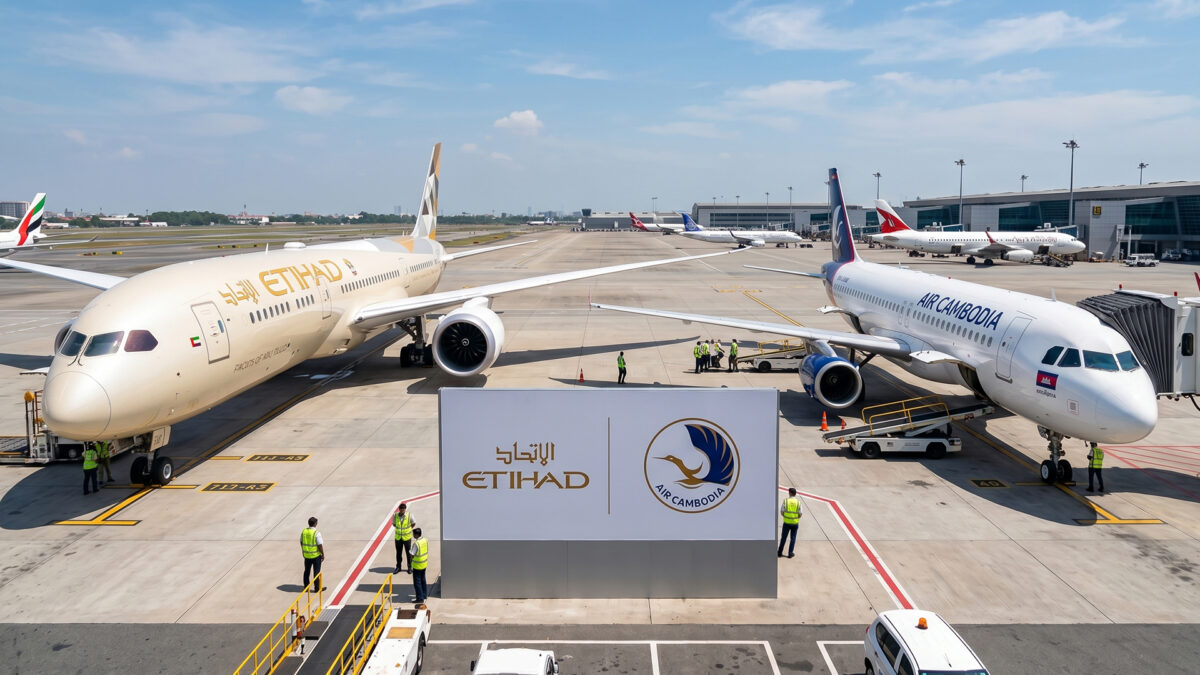
According to a report by Reuters, air cargo rates have surged on several international routes after airlines began rerouting flights away from risky airspace in the region. The changes have reduced available cargo capacity and increased the cost of transporting goods.

Some air freight routes, especially those connecting parts of Asia with Europe, have seen prices climb by up to 70%. Logistics companies say the sudden increase reflects both limited capacity and higher operating costs.

The conflict has also affected shipping lanes in the Middle East. Important maritime routes near the Strait of Hormuz, one of the world’s most critical oil and trade passages, have faced disruptions due to security concerns. Several shipping companies have slowed operations or diverted vessels to safer routes.

As a result, many businesses are increasingly turning to air transport to move goods quickly and avoid delays. However, air cargo is significantly more expensive than sea freight, sometimes costing several times more. Industries that rely on fast delivery, such as electronics, pharmaceuticals and fresh food, are among the most affected.

Higher fuel prices have also added to the rising freight costs. Jet fuel has become more expensive as oil prices rise amid the geopolitical tensions. Airlines are also flying longer routes to bypass dangerous airspace, which increases fuel consumption and reduces the amount of cargo they can carry.

The impact of the conflict is also being felt in financial markets. Rising oil prices have affected commodities such as gold. Although gold is usually considered a safe investment during global uncertainty, analysts say stronger oil prices could slow expectations of interest rate cuts in the United States, putting pressure on gold prices this week.

Also Read: Tim Cook’s message on Apple’s 50th anniversary

Categories
Beyond

UAE allows return for residents with expired visas

The United Arab Emirates has introduced a temporary measure allowing foreign residents whose visas expired while they were abroad to return to the country without paying overstay fines or applying for a new entry permit. The special provision will remain in effect until March 31.

The initiative was announced by the Federal Authority for Identity, Citizenship, Customs and Port Security (ICP), which said the move is intended to help expatriates who were unable to return to the UAE before their residency visas expired due to travel disruptions and regional instability.

Under the new rule, residents whose visas expired while they were outside the country can re-enter the UAE directly using their existing residency documents. Authorities have also waived any penalties normally imposed for overstaying in such situations during the grace period.

Officials said the temporary policy was introduced after many residents were stranded overseas because of flight disruptions and airspace restrictions in parts of the Middle East. Ongoing tensions involving Iran, the United States and Israel have affected travel routes and led to cancellations or delays for several international flights.

As a result, numerous expatriates working in the UAE were unable to return to the country before their visas expired. The government’s latest measure aims to ease their return and help them regularise their residency status once they arrive.

According to authorities, returning residents will be allowed to complete the necessary procedures to renew or update their residency permits after re-entering the country. Immigration service centres and airport authorities have also been instructed to facilitate the process and assist travellers during the temporary relief period.

The UAE hosts millions of expatriate workers from around the world, including a large number from South Asia. Flexible immigration measures such as this are often introduced during emergencies to support residents and minimise administrative complications caused by unexpected travel restrictions.

Also Read: Iran to allow safe passage for Indian ships

Categories
Beyond

Iran to allow safe passage for Indian ships

Iran has assured India that its ships will be allowed safe passage through the Strait of Hormuz, a key maritime chokepoint for global energy supplies. The move comes amid rising tensions in West Asia that have disrupted shipping routes in the Gulf.

Iran’s Ambassador to India, Mohammad Fathali, said Indian vessels bound for the country would be granted “safe passage,” highlighting the longstanding friendship between the two nations. He emphasized that India is considered a friend and that operational details are expected to follow soon.

This assurance is significant for India, which relies heavily on energy imports from West Asia. A large portion of its crude oil and liquefied petroleum gas (LPG) passes through Hormuz, making uninterrupted maritime access a strategic priority.

In a practical demonstration of these arrangements, an Indian commercial ship carrying 40,000 metric tonnes of LPG recently exited the Strait of Hormuz with the protection of an Indian Navy escort. The operation reflects India’s proactive efforts to safeguard its energy shipments amid regional instability.

New Delhi has been in regular contact with Tehran to coordinate the safety of its vessels. Indian officials say that ensuring secure maritime routes is crucial to maintaining energy supply and trade continuity.

Analysts note that Iran’s assurances also signal an interest in maintaining stable bilateral relations with India, even as tensions with other countries in the region continue to escalate. For India, these diplomatic and security measures are part of broader efforts to mitigate risks to its energy imports and maritime trade.

With the first ship already escorted successfully, India’s energy supply chain is expected to remain largely uninterrupted. Further coordination between the two countries is likely to ensure smooth passage for more vessels in the coming weeks.

Also Read: Khamenei’s wife is alive, confirms Iran media

Categories
Beyond

Inflation hits India by 3.21% in February

India’s retail inflation picked up in February, rising to 3.21% from 2.74% in January, marking a noticeable increase but still staying within a comfortable range for consumers and policymakers. The rise comes as prices of everyday items like vegetables, fruits, and personal care products went up, alongside sharper gains in precious metals such as gold and silver.

Food prices were the main driver, with vegetables like tomatoes seeing a steep jump compared to last year. Rural areas felt the pinch more, reflecting persistent price pressures outside urban centres. Analysts say this is partly due to base-year effects in the new CPI series, which uses 2024 as its reference point.

Even with the rise, the overall inflation rate remains within the Reserve Bank of India’s target range of 2–6%, signaling that price pressures are under control. Core inflation, which excludes volatile food and fuel prices, also remained moderate, showing that underlying inflation is stable.

The global oil price volatility and geopolitical tensions could push prices higher in the months ahead. For now, the central bank is expected to maintain a balanced approach, keeping an eye on inflation while supporting economic growth.

For households, this means slightly higher grocery bills and modest increases in everyday expenses, but nothing that signals a major disruption in spending power. Economists believe the current trend reflects temporary pressures rather than a long-term spike, offering some reassurance to consumers and businesses alike.

Also Read: India’s FDI relaxation supports US, EU funds


Categories
Beyond

CCI dismisses complaint against BookMyShow

The Competition Commission of India (CCI) has dismissed a complaint accusing BookMyShow of abusing its dominant position in the online movie ticket booking market, concluding that there was no violation of competition laws.

The complaint was filed by Showtyme, a smaller ticketing platform founded by Vijay Gopal. The complainant alleged that BookMyShow entered into exclusive agreements with cinemas and multiplex chains, preventing rival platforms from accessing theatres and limiting competition in the market.

According to the complaint, some theatres signed agreements requiring them to sell tickets only through BookMyShow for periods ranging from two to five years. Showtyme argued that such exclusivity arrangements created significant barriers for new entrants and reduced options for competing ticket booking platforms.

The complainant also raised concerns about the convenience fees charged by BookMyShow for online ticket bookings. It claimed that the platform shared a portion of these fees with theatre partners, which allegedly made it harder for competitors to build similar partnerships and offer comparable services.

After reviewing the case, the Competition Commission of India acknowledged that BookMyShow holds a strong position in the online movie ticketing market in India. However, the regulator said the available evidence did not show that the company had misused this position to restrict competition.

The commission observed that exclusivity agreements are common in many industries and can sometimes serve legitimate business purposes. It noted that such arrangements do not automatically violate competition laws unless they significantly harm competition or prevent new players from entering the market.

The regulator also pointed out that movie tickets in India can still be purchased through several channels, including theatre websites, box office counters, and other ticketing platforms. This, according to the CCI, suggests that competition in the market has not been completely restricted.

Based on these findings, the commission concluded that there was no evidence of abuse of dominance under India’s competition law and ordered the case to be closed.

The decision brings an end to the dispute and clears BookMyShow of allegations related to anti-competitive practices in India’s online movie ticketing sector.

Also Read: India plans $11 bn fund for domestic chip industry

Categories
Beyond

India plans $11 bn fund for domestic chip industry

The government is planning to launch a new fund worth about $11 billion (around ₹1 trillion) to strengthen the country’s semiconductor industry and encourage local chip manufacturing. The proposed fund is part of India’s long-term strategy to reduce reliance on imported semiconductors and build a strong domestic electronics ecosystem.

The initiative is expected to support companies involved in chip design, fabrication, packaging, and supply chain development. Officials familiar with the plan say the fund may be announced within the next few months, although final details are still being discussed.

India has been actively pushing to expand its semiconductor capabilities in recent years. In 2021, the government introduced a major incentive programme offering subsidies of up to 50% for companies setting up semiconductor and display manufacturing plants in the country. That policy helped attract investments from global firms and large Indian conglomerates.

Projects backed under the earlier scheme include semiconductor-related investments by companies such as Micron Technology and Tata Group. These projects are expected to play an important role in building India’s chip manufacturing base, which is still at an early stage compared with major global producers.

Semiconductors are essential components used in a wide range of products including smartphones, computers, cars, artificial intelligence systems, telecommunications equipment and consumer electronics. As global demand for chips continues to grow, many countries are investing heavily in domestic manufacturing to secure supply chains and reduce geopolitical risks.

India currently imports most of the semiconductors it uses, despite having a large electronics manufacturing sector and a strong pool of engineering talent. The government hopes the new funding initiative will encourage both domestic and international companies to set up more chip-related operations in the country.

Officials believe the additional financial support could help accelerate the development of a full semiconductor ecosystem in India, covering everything from research and design to manufacturing and advanced packaging.

Also Read: Adobe CEO Shantanu Narayen to step down