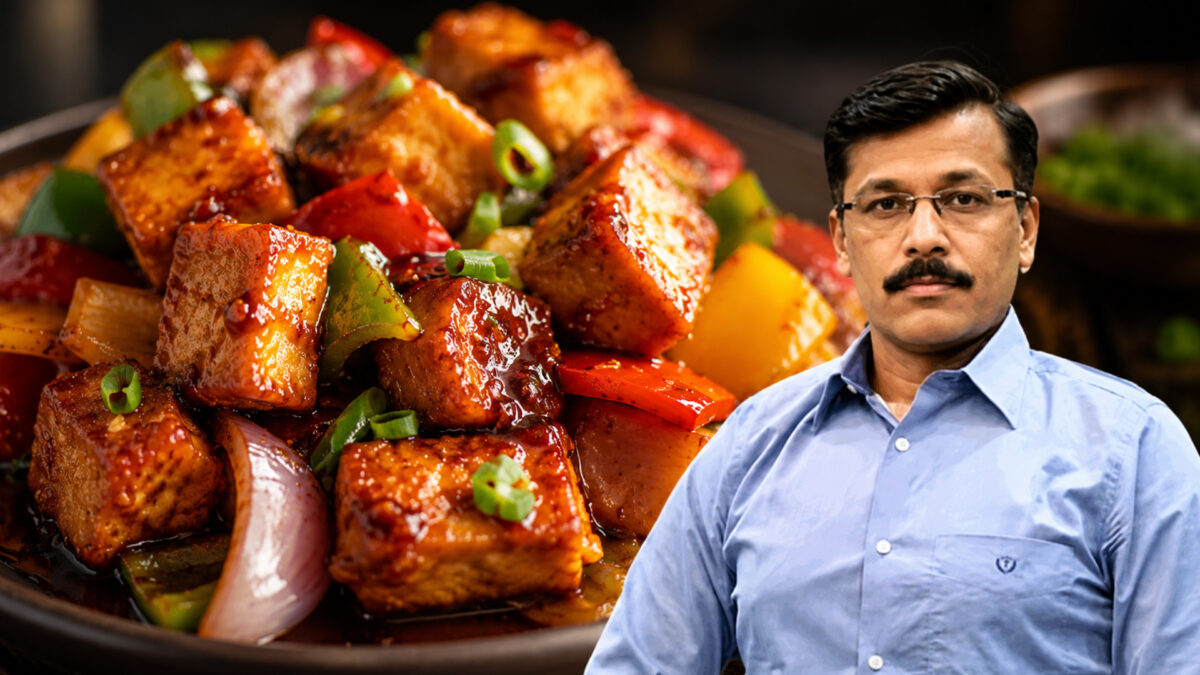
Mumbai’s familiar roadside Chinese food stalls are now coming under the Maharashtra Food and Drug Administration’s (FDA) food safety scanner, as authorities prepare to inspect outlets following complaints about food quality, ingredients and hygiene.
The proposed inspections are part of a wider enforcement drive by the Maharashtra FDA, which has stepped up action against food adulteration, unsafe products, counterfeit goods and illegal gutkha sales across the state.
The move has also drawn attention to a curious change noticed by some Mumbai diners: the bright red colour traditionally associated with dishes such as chicken lollipops and Manchurian preparations appears to be less prominent at some eateries.
However, the FDA has not announced a blanket ban on red food colouring in Chinese food. Instead, the focus is on whether food colours and other ingredients being used by restaurants and street vendors comply with applicable food safety requirements.
Maharashtra FDA Commissioner Tukaram Mundhe said the department had received complaints about Chinese food vendors operating across cities and towns in the state. Officials are expected to examine the food served at these outlets as well as the ingredients used during preparation.
The inspections are likely to cover several aspects of food safety. These include the quality of raw materials, food preparation and handling practices, hygiene at stalls, storage conditions and compliance with licensing and registration requirements.
For customers, the exercise could bring greater scrutiny to an important part of Mumbai’s street-food culture. Chinese food stalls are common across the city, offering inexpensive noodles, fried rice, Manchurian dishes, soups, chicken preparations and other popular items.
The bright red appearance of some dishes has long been associated with Mumbai-style Chinese food. While colour itself does not establish whether food is safe or unsafe, regulators are concerned about whether food additives and ingredients are being used within permitted standards.
Food colours are regulated because excessive or unauthorised use can raise food safety concerns. The FDA’s proposed inspections are therefore expected to look beyond appearance and examine the overall handling and preparation of food.
The latest move follows an intensified Maharashtra FDA campaign under Mundhe. Over the past two months, the department has conducted inspections and enforcement operations involving food adulteration, substandard products, counterfeit goods and illegal gutkha.
The wider campaign has also brought restaurants, institutional canteens and other food establishments under greater scrutiny. Authorities have been examining whether food businesses are maintaining basic hygiene standards and following food safety regulations.
The focus on Chinese food stalls reflects the regulator’s stated intention to respond to consumer complaints rather than limit inspections to a fixed list of food products.
Officials are expected to check whether vendors are sourcing ingredients from legitimate suppliers, storing food safely and maintaining hygienic preparation areas. They may also examine whether establishments have the necessary food licences and registrations.
For small roadside vendors, such inspections could mean greater pressure to improve hygiene and record-keeping. For consumers, however, the inspections could provide greater confidence about the food they buy from popular street-side outlets.
The FDA’s approach also highlights an important distinction between food safety concerns and changing food trends. A dish becoming less red does not necessarily mean that an outlet has stopped using artificial colours, nor does a brightly coloured dish automatically indicate that it is unsafe.
The actual safety of a food product depends on the ingredients used, permitted limits, preparation methods, storage and overall hygiene.
The proposed inspections are therefore expected to provide a more concrete picture of practices at Chinese food stalls across Maharashtra. Samples may also be examined where officials identify concerns about ingredients or food quality.
The action comes as food safety has become a bigger concern for consumers across the state. Recent enforcement measures have targeted adulteration and products that authorities believe may pose risks to public health.
Mundhe has indicated that public complaints will continue to play a role in deciding where the FDA directs its attention. The department has encouraged citizens to report concerns so that complaints can be examined through official channels.
For Mumbai’s food lovers, the immediate takeaway is that the city’s iconic Chinese food culture is not being targeted with a blanket ban. Instead, the regulator is preparing to check whether vendors are following food safety rules.
The inspections could eventually lead to warnings, corrective action or penalties where violations are found. Outlets that meet the required standards, meanwhile, would have little reason to be affected beyond routine regulatory checks.
The FDA’s expanding campaign shows that food safety enforcement in Maharashtra is moving beyond individual adulteration cases towards closer scrutiny of everyday food businesses.
As Chinese food stalls become the latest focus, Mumbai’s favourite roadside dishes may continue to look and taste familiar. But behind the scenes, the ingredients, colours, hygiene practices and storage conditions used to prepare them are now set to receive much closer attention.