Categories
Beyond

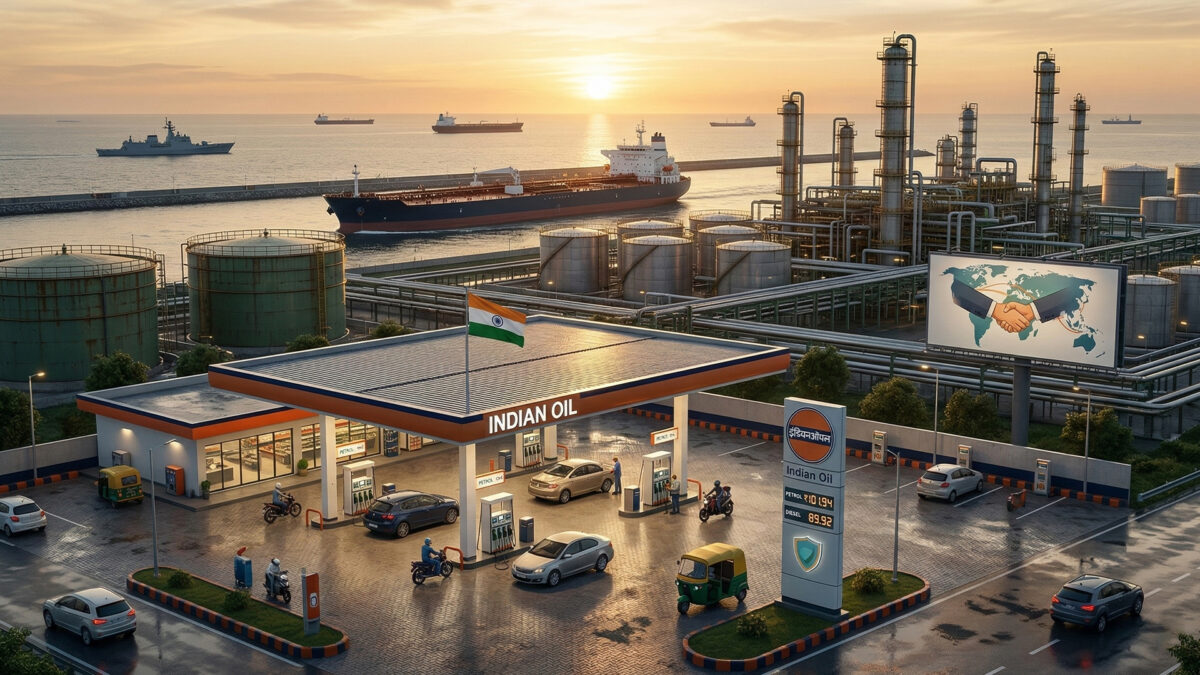
Petrol, diesel up by 90 paise again

The fuel prices have gone up once again across the country, with petrol and diesel becoming costlier by nearly 90 paise per litre on Tuesday. The increase comes less than a week after a previous hike, making this the second revision in a short span and raising concerns among consumers and businesses.

With the latest increase, people in major cities will now have to pay more at fuel stations. In Delhi, petrol prices have crossed ₹98 per litre, while diesel prices have also moved higher. Similar increases were seen in cities including Mumbai, Kolkata and Chennai.

The fresh revision is expected to have an impact beyond vehicle owners. Fuel prices play a key role in the overall economy, and any increase usually affects transportation and logistics costs. Over time, this can lead to higher prices for goods and services, as businesses may pass on additional expenses to consumers.

For many households, repeated fuel price hikes can put added pressure on monthly budgets. Daily commuters, transport operators and businesses that depend heavily on road transport are likely to feel the effect more immediately. Rising fuel costs can also influence the prices of essential goods, including food and consumer products.

The latest increase comes at a time when oil companies are dealing with pressure linked to global crude oil prices and market conditions. International developments and changes in crude prices often influence domestic fuel pricing decisions.

It is expected that the fuel prices will continue to depend largely on global oil trends and international developments in the coming weeks. Consumers and businesses are now watching closely to see whether prices stabilise or if further revisions follow.

Also Read: Gold slips to ₹1,56,210, Silver climbs to ₹2.9 lakh

Categories
Beyond

India cuts export duty on diesel, jet fuel

India has reduced export duties on diesel and aviation turbine fuel (ATF), offering some relief to refiners as global oil prices remain volatile. The new rates came into effect on May 1.

Export duty on diesel has been brought down to ₹23 per litre from ₹55.5, while jet fuel duty has been reduced to ₹33 per litre from ₹42. There is no export duty on petrol. Despite these changes, taxes on fuels sold within the country remain unchanged.

The decision comes at a time when global crude oil prices have surged due to ongoing geopolitical tensions and supply concerns, particularly in West Asia. As a major importer of crude oil, India is sensitive to such fluctuations, which can impact both fuel availability and pricing.

Earlier, the government had raised export duties to ensure enough fuel stayed within the country and to prevent companies from exporting more for higher profits. The latest move signals a shift, allowing refiners more flexibility while still keeping domestic supply stable.

For consumers, there is no immediate impact, as petrol and diesel prices at the pump remain steady. The government has maintained these rates to avoid passing on the burden of rising global prices to the public.

The changes also come as the aviation sector faces higher fuel costs, with ATF being a major expense for airlines. Lower export duties may help ease some of the pressure on fuel supply and pricing.

Also Read: EPFO rolls out E-PRAAPTI as PF account tracker

Categories
Beyond

Fuel, fertiliser prices to stay high

Global prices of fuel and fertilisers are likely to stay high for a longer period, according to a joint warning by the International Monetary Fund (IMF), World Bank, and International Energy Agency (IEA).

The agencies said recent tensions in the Middle East have disrupted energy supplies, pushing up the cost of oil, gas, and fertilisers. These increases are already affecting economies around the world, especially countries that rely heavily on imports.

They cautioned that even if key shipping routes like the Strait of Hormuz return to normal, prices may not fall quickly. Supply chains take time to stabilise, and any damage to infrastructure or delays in production could keep costs elevated.

The impact is likely to be felt more in developing and low-income countries, where higher fuel prices can strain budgets and increase the cost of living. Rising fertiliser prices are also a concern, as they can make farming more expensive and affect food production.

This could lead to higher food prices, adding to the financial pressure on households. Businesses that depend on fuel and fertilisers may also face rising costs, which could slow down economic growth.

The agencies said they are working with governments to manage the situation, offering support and guidance where needed. However, they also stressed that uncertainty remains high, and global markets are still adjusting to the disruptions.

Also Read: Adani cargo shift plan draws US scrutiny

Categories
1 Minute-Read

UAE fuel prices surge sharply, diesel jumps over 70%

Fuel prices in the UAE have gone up sharply in April as tensions in the Middle East push global oil prices higher. Petrol prices have increased by around 30%, while diesel has risen by more than 70%, making transport more expensive.

This has created concern about possible price increases in daily goods. However, supermarket retailers say they will not raise prices immediately. They are working to manage the extra cost through better planning, efficient deliveries, and improved supply systems.

Experts say if fuel prices stay high for a long time, businesses may have no choice but to pass on the added costs to customers.