Categories
1 Minute-Read

Global energy supply at risk, IEA issues stark warning

The International Energy Agency (IEA) warns the world could face its worst energy crisis in decades. Fatih Birol, IEA chief, said conflicts in the Middle East, particularly around the Strait of Hormuz, have disrupted oil and gas shipments, raising prices sharply.

Damaged infrastructure and blocked exports threaten long-term supply. IEA countries released 400 million barrels from strategic reserves, but this is temporary.

Oil prices near $100 per barrel, and markets are volatile. Birol urged global cooperation to restore trade and stabilize energy security.


Categories
Beyond

Global LNG exports drop to 6 month low

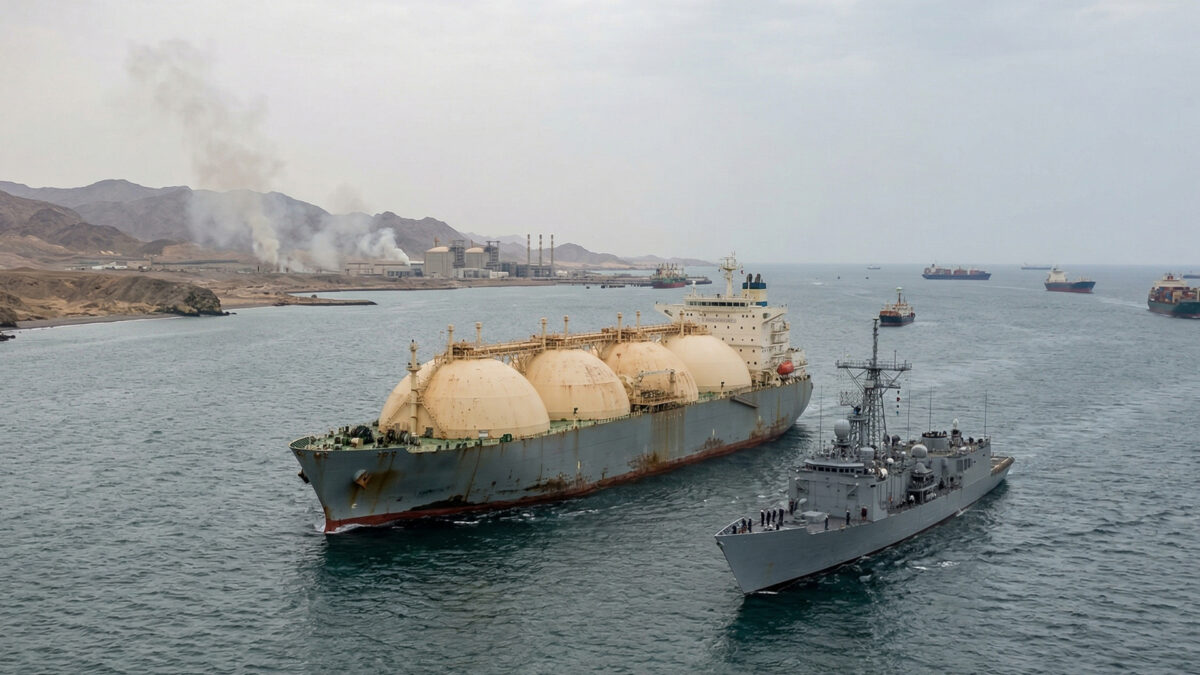
Global liquefied natural gas (LNG) exports have fallen to their lowest level in six months as rising tensions involving Iran disrupt supply chains and key shipping routes. The decline underscores how geopolitical instability in West Asia is beginning to weigh heavily on global energy flows.

Recent data shows LNG shipments have dropped sharply, with average export volumes falling significantly compared to previous weeks. The slowdown is largely linked to disruptions in and around the Strait of Hormuz, a critical route for global energy trade. A substantial share of the world’s LNG passes through this narrow corridor, making it highly sensitive to conflict.

Ongoing security concerns have forced ships to delay or reroute journeys, leading to slower deliveries and reduced export volumes. In some cases, energy companies are taking extra precautions, adding to transit time and costs.

The situation has been further complicated by damage to energy infrastructure in the region. Qatar, one of the world’s largest LNG exporters, has seen part of its production capacity affected due to regional instability. This has tightened global supply at a time when demand remains strong, especially in Asia and Europe.

As a result, global gas prices have shown an upward trend, with buyers competing for limited cargoes. Countries that rely heavily on LNG imports are facing increased costs and potential supply shortages. The impact is particularly significant for energy-dependent economies that depend on steady imports to meet domestic demand.

Unlike crude oil, LNG is not easily redirected in the short term because it depends on specialised infrastructure such as liquefaction plants and receiving terminals. This makes the market more vulnerable to sudden disruptions and slower to recover.

 The current situation has also raised broader concerns about global energy security and the risks of overdependence on a few critical routes and suppliers.

Also Read: $580mn oil bet before Trump post raises questions

Categories
Beyond

$580mn oil bet before Trump post raises questions

A large $580 million bet in global oil markets placed shortly before a public statement by Donald Trump has raised concerns over possible insider trading and market fairness. The trades were executed minutes before Trump shared an update about easing tensions with Iran, triggering sharp movements across financial markets.

The bets were made in oil futures just 10–15 minutes before Trump posted on social media about “productive” talks with Iran and a pause in potential US military action. Soon after the announcement, crude oil prices dropped quickly, allowing those who placed bearish bets to make significant profits.

The timing has drawn attention because of the scale and precision of the trades. Market analysts say it is unusual for such large positions to be taken so close to a major geopolitical announcement without some level of prior expectation. While there is no confirmed evidence of wrongdoing, the sequence of events has prompted speculation about whether certain traders had advance information.

The announcement also had a wider impact on global markets. US stock futures rose as investors reacted positively to signs of reduced geopolitical risk, while oil prices saw a sharp decline due to expectations of stable supply. This quick shift highlights how sensitive markets are to developments in regions like the Middle East, where tensions directly influence energy prices.

It is said that geopolitical signals, especially those involving countries like Iran, often lead to sudden and large price swings. In such an environment, even small informational advantages can translate into massive financial gains.

The incident has renewed debate around transparency and regulation in global financial markets. Observers are calling for closer scrutiny of trading patterns around major political announcements to ensure a level playing field for all investors.

Although no official investigation has been announced so far, the scale and timing of the trades are likely to attract regulatory attention.

Also Read: IndiGo appoints ex-Air India Express head as CSO

Categories
Corporate

Food delivery startup ‘Swish’ raises $38 mn

Food delivery startup Swish has raised $38 million in a new funding round, more than doubling its valuation and showing strong investor interest in fast delivery services.

The funding was led by Hara Global and Bain Capital Ventures, with participation from existing investor Accel. The company’s valuation has now increased to about $140 million, up from around $60 million earlier.

Founded in 2024, Swish focuses on delivering freshly prepared food within 10 minutes. It operates its own cloud kitchens located close to customers, which helps it deliver food quickly. The service currently runs mainly in Bengaluru.

Swish plans to use the new funds to expand its business, improve its supply chain, and invest in better technology. It also aims to enter new cities like Delhi-NCR in the near future.

The company handles around 20,000 orders every day in Bengaluru. It has also expanded its menu from snacks to include full meals, drinks, and desserts to attract more customers.

Unlike many food delivery platforms, Swish manages the entire process, from cooking to delivery. This allows it to control quality and reduce costs, which is important in the fast delivery business.

The quick delivery segment is still challenging, as it requires high spending and efficient operations. Some larger companies have slowed down similar services due to high costs. However, Swish believes its focus on small delivery areas and strong technology can help it grow.

So far, the startup has raised about $54 million in total funding within a short time. This shows that investors are willing to support new ideas in the food delivery market.

Swish’s latest funding highlights increasing competition in India’s fast delivery space, where companies are trying to offer quicker services to meet the growing demand for convenience.

Also Read: SC flags ‘reluctance’ in Anil Ambani probe

Categories
1 Minute-Read

SC flags ‘reluctance’ in Anil Ambani probe

The Supreme Court has raised concerns over the “reluctance” of the CBI and ED in investigating alleged bank fraud involving Anil Dhirubhai Ambani Group (ADAG) companies. Hearing a PIL, the court stressed that the probe must be fair, transparent and time-bound to ensure public confidence.

The bench noted hesitation in the agencies’ approach and called for a more comprehensive investigation, as current probes cover only parts of the case. It also directed better coordination among agencies and cooperation from financial institutions.

The case involves large-scale loan irregularities, and the court has sought status updates to monitor progress.

Categories
Beyond

Rupee at 93.71 against dollar

The Indian rupee remained weak in early trading, falling by 18 paise to 93.71 against the US dollar. Earlier this week, the rupee had even crossed the 94 mark, showing strong pressure on the currency.

The recent fall is mainly due to global uncertainty, especially tensions in the Middle East. When such conflicts rise, investors usually move their money to safer assets like the US dollar. This increases demand for the dollar and puts pressure on currencies like the rupee.

Another major reason for the rupee’s weakness is rising crude oil prices. India imports a large amount of oil, so when oil prices go up, the country needs more dollars to pay for imports. This increases demand for the dollar and weakens the rupee further.

However, there was some relief for the rupee as oil prices slightly dropped. This came after signals from former US President Donald Trump about possible talks with Iran. Lower oil prices can help the rupee because they reduce India’s import costs. But the situation remains uncertain after Iran denied any such talks, which has kept markets cautious.

Foreign investors have also been pulling money out of Indian markets in recent weeks. This has added to the pressure on the rupee. When foreign investors sell Indian assets, they convert rupees into dollars, increasing demand for the dollar and weakening the rupee.

At the same time, the US dollar remains strong globally, making it harder for the rupee to recover. Investors are preferring the dollar due to global risks and better returns in the US market.

Also Read: Gold at ₹1.35 lakh, Silver at ₹2.29 lakh

Categories
Beyond

Gold at ₹1.35 lakh, Silver at ₹2.29 lakh

Gold and silver prices witnessed a sharp decline in both global and Indian markets, dropping by more than 3% amid signs of easing geopolitical tensions in the Middle East. The cooling of conflict has reduced the appeal of precious metals, which are typically seen as safe-haven investments during periods of uncertainty.

In India, gold prices slipped to around ₹1.35 lakh per 10 grams, while silver fell to approximately ₹2.29 lakh per kilogram. The fall reflects a broader global trend, where bullion prices came under pressure as investor sentiment shifted away from defensive assets.

The primary reason behind the decline is the reduced demand for safe-haven assets. During times of geopolitical instability, investors tend to move toward gold and silver to protect their wealth. However, as tensions show signs of de-escalation, this demand has weakened, leading to a correction in prices.

A stronger US dollar has also contributed to the fall. Since gold and silver are priced in dollars internationally, a rise in the currency makes these metals more expensive for buyers in other countries, thereby reducing demand. Additionally, higher US bond yields have made interest-bearing assets more attractive compared to non-yielding metals like gold.

Interest rate expectations have further weighed on prices. Ongoing inflation concerns have lowered the chances of immediate rate cuts by central banks. Higher interest rates typically reduce the attractiveness of gold and silver, as they do not offer regular returns like bonds or fixed-income instruments.

Market analysts believe that precious metal prices will remain volatile in the near term. Any further developments in the Middle East, along with signals from global central banks, are likely to influence price movements.

Despite the current decline, the long-term outlook for gold remains supported by global economic uncertainties and continued central bank buying.

Also Read: Sensex surges 1,100 points, Nifty crosses 22,800

Categories
Corporate

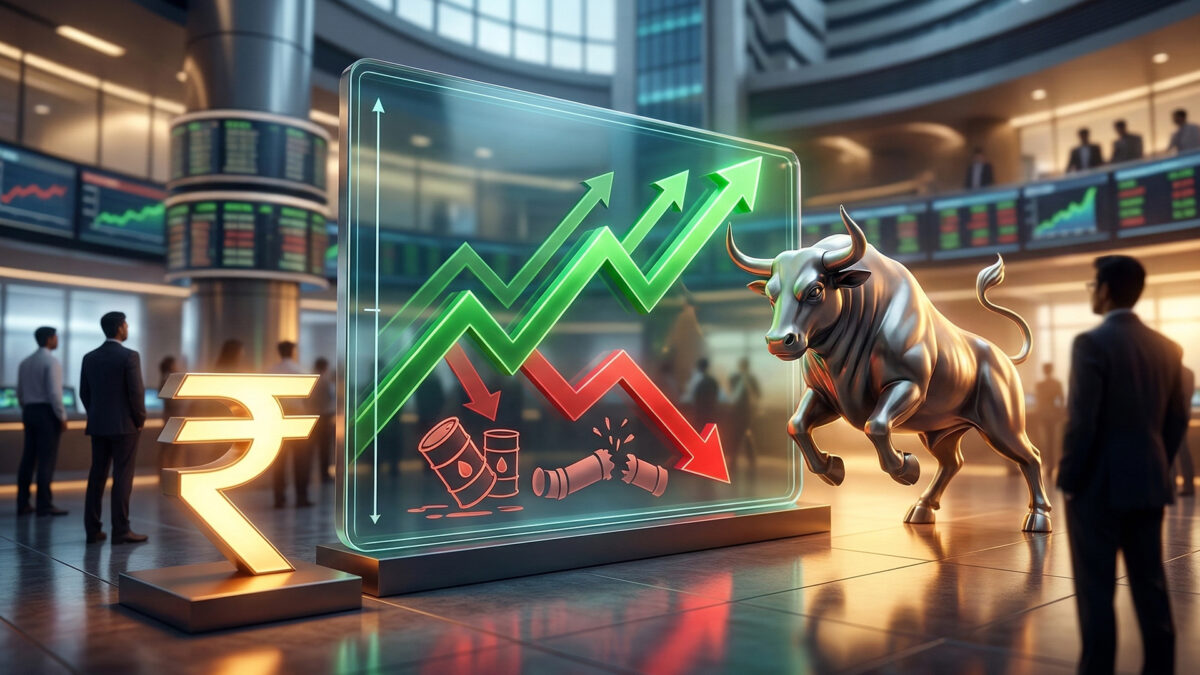
Sensex surges 1,100 points, Nifty crosses 22,800

After a nerve-wracking Monday, Indian equity markets bounced back on Tuesday, 24 March 2026, with a broad-based rally lifting the BSE Sensex by over 1,100 points and pushing the Nifty50 past the 22,800 mark. Investor sentiment improved as geopolitical tensions eased and global markets offered supportive cues.

Monday had been a rough day for Dalal Street. Fears of conflict in the Middle East, surging crude prices, and foreign institutional selling drove the Sensex down nearly 1,837 points, while the Nifty dipped to around 22,500, wiping out significant wealth from investors’ portfolios.

Tuesday’s turnaround was led by standout performers across sectors. IndiGo and Asian Paints topped the gainers, each surging roughly 4%, while banking stocks regained strength. HDFC Bank ended its four-day losing streak with a gain of about 3%, buoyed by stabilizing news around leadership changes. Energy companies also benefited, with HPCL and BPCL rising as crude oil prices eased slightly from recent highs.

The relief rally was also fueled by news from the geopolitical front. Reports of the U.S. postponing planned strikes on Iran helped ease fears of a broader conflict, bringing a sigh of relief to investors wary of further market shocks. The positive sentiment was mirrored in Asian and global markets, which also traded higher.

However, not all stocks enjoyed the rally. Some financials and metal companies lagged behind, showing modest gains or trading flat, as investors cautiously evaluated the sustainability of the rebound. Analysts note that while the relief rally demonstrates renewed risk appetite, markets remain sensitive to geopolitical developments and crude oil movements.

For now, Indian markets have shaken off Monday’s jitters, offering a welcome breather to investors, but the coming days may still see volatility as the global situation evolves.

Also Read: PM Modi highlights India’s West Asia concerns

Categories
1 Minute-Read

PM Modi highlights India’s West Asia concerns

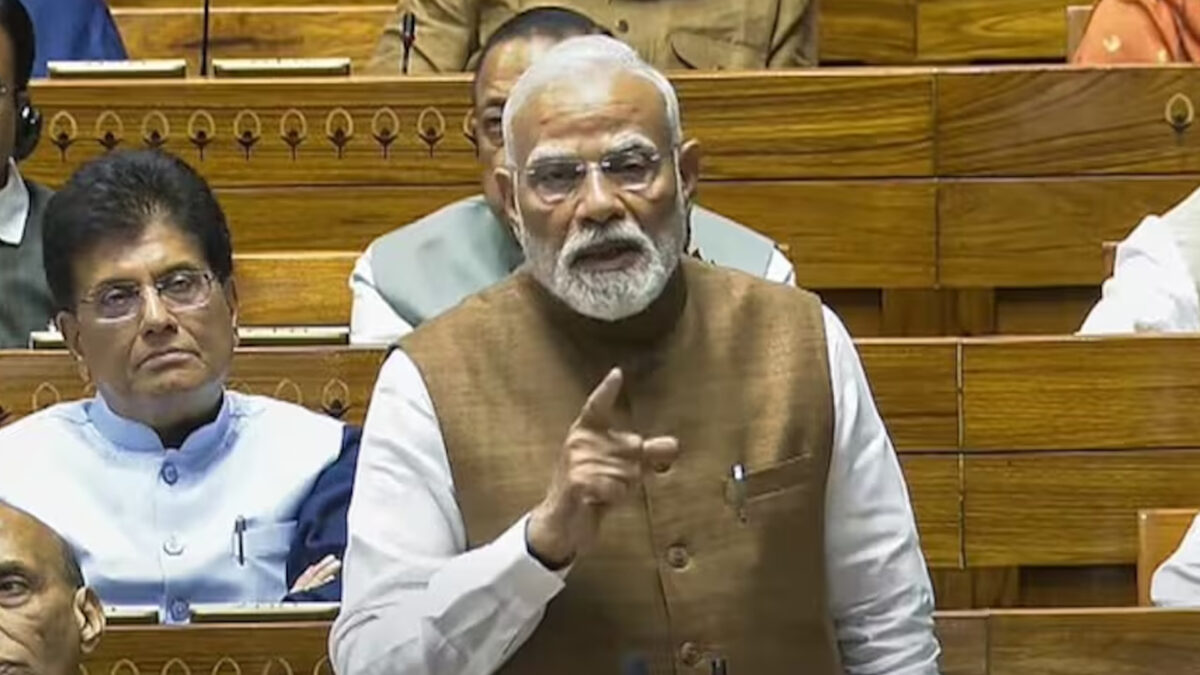
Prime Minister Narendra Modi on Monday told the Lok Sabha that the ongoing West Asia conflict poses serious challenges for India. He highlighted risks to energy security, trade routes, and the safety of millions of Indians in the region.

PM Modi emphasized measures such as 24×7 helplines, control rooms, and advisories to protect citizens abroad. The Strait of Hormuz was flagged as a critical route, with any disruption potentially affecting India’s fuel supplies.

Domestically, strategic reserves of LPG, crude, coal, and fertilizers are being monitored. Modi urged unity, resilience, and proactive diplomacy amid global uncertainty.

Categories
Corporate

L&T steady in Middle East, eyes energy growth

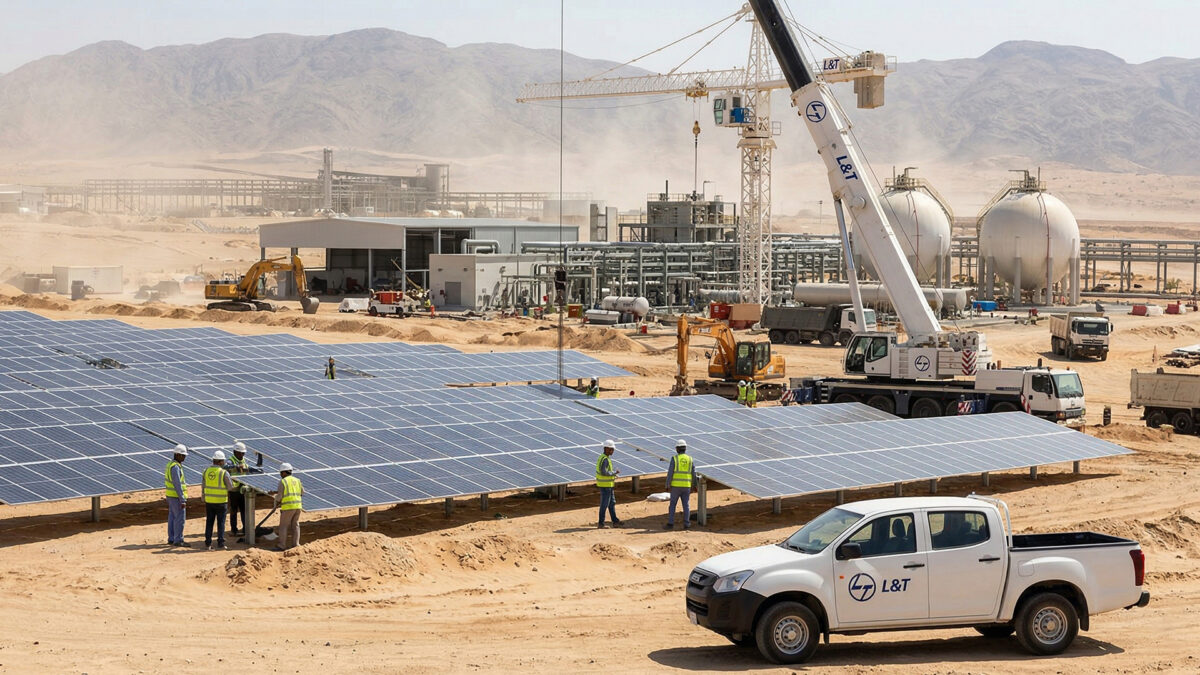
Engineering and infrastructure giant Larsen & Toubro (L&T) says the ongoing Middle East conflict has had limited impact on its operations, though supply chain disruptions remain a concern. The company reports that around 95% of its projects in West Asia are running smoothly, highlighting resilience despite rising geopolitical tensions in the region.

L&T derives over one-third of its revenue from the Middle East, making stability in the area a key factor for its business. While a small fraction of projects, roughly 5%, face delays, these are not significant enough to affect the company’s overall performance.

Supply chain issues are the main risk flagged by L&T. Shipping delays from international suppliers, particularly in China and Europe, have affected timely material movement. To address this, the company is maintaining on-site inventory and exploring alternative logistics routes via Oman and the Red Sea, ensuring continuity for ongoing projects.

Looking ahead, L&T sees post-war reconstruction and energy diversification as major growth opportunities. With increased infrastructure, power, and energy sector activity expected, the company is positioning itself for upcoming project awards and accelerated execution.

Executives also highlighted opportunities in alternative energy projects, including solar, green hydrogen, and carbon capture, as well as alternative pipeline routes. These initiatives are gaining importance as countries in the region seek to strengthen energy security and reduce reliance on critical chokepoints like the Strait of Hormuz.

Also Read: NSE IX offers US stocks via GIFT City