Categories
Beyond

PM Modi calls for work-from-home, online classes

Prime Minister Narendra Modi has called on companies, schools and colleges to adopt work-from-home and online learning models to help reduce fuel consumption as rising global crude oil prices increase pressure on the Indian economy.

The appeal comes amid growing concerns over the impact of tensions in West Asia on global energy markets. With crude oil prices remaining elevated, the government is focusing on fuel conservation measures to reduce import dependence and contain inflationary risks.

Modi urged businesses to encourage remote work, virtual meetings and hybrid office models wherever possible to cut daily commuting and fuel usage. Educational institutions were also advised to consider online classes and digital learning systems to reduce transportation demand.

The Prime Minister said fuel-saving efforts are necessary at a time when higher oil prices could affect transportation costs, inflation and overall economic stability. India imports a significant portion of its crude oil requirements, making the economy vulnerable to fluctuations in global energy prices.

The government clarified that there is no fuel shortage in the country and said the advisory is a precautionary step aimed at reducing unnecessary fuel consumption and easing pressure on foreign exchange reserves.

Experts believe widespread adoption of remote work could help businesses lower operational expenses linked to employee transportation and office infrastructure. However, sectors dependent on physical operations and manufacturing may face challenges in implementing such measures fully.

PM Modi also encouraged citizens to use public transport, metro services and carpooling to reduce petrol and diesel consumption. Analysts say the government’s focus on fuel conservation reflects increasing concern over the broader economic impact of rising oil prices, including pressure on inflation, logistics and consumer spending.

Experts say the move could accelerate the return of hybrid work models seen during the Covid-19 pandemic. Several companies, especially in the IT and services sectors, are expected to evaluate flexible work policies if fuel prices remain high for an extended period.

Also Read: Gold slips to ₹1.52 lakh, silver falls to ₹2.74 lakh

Categories
Beyond

Gold slips to ₹1.52 lakh, silver falls to ₹2.74 lakh

Gold prices saw a marginal decline on Tuesday, with the price of gold falling ₹10 to ₹1,52,120 per 10 grams in the domestic market. Silver prices also slipped by ₹100 to ₹2,74,900 per kilogram as investors tracked global market trends and geopolitical developments.

Despite the small fall, gold continued to trade near all-time high levels across major Indian cities. In Delhi, 24-carat gold was priced around ₹1.53 lakh per 10 grams, while rates in Mumbai and Kolkata remained at similar levels. Prices of 22-carat gold also stayed elevated, reflecting steady demand for the precious metal.

Market experts said uncertainty in global markets and rising tensions in the Middle East continued to support safe-haven buying in gold. Investors are increasingly turning to bullion as concerns over inflation, crude oil prices and global economic slowdown remain strong.

Silver prices, meanwhile, witnessed mild profit booking after recent gains. Analysts said silver continues to remain sensitive to both industrial demand and global commodity price movements, leading to fluctuations in domestic rates.

Jewellers said demand in the retail market remained stable due to the ongoing wedding season, although many buyers have become cautious because of the sharp rise in prices over the past few weeks. Some customers are choosing lighter jewellery or delaying purchases in anticipation of a price correction.

In the international market, gold prices remained firm as investors awaited signals from major central banks on future interest rate decisions. A weaker dollar and uncertainty in global financial markets also supported bullion prices.

Traders believe gold and silver prices may continue to remain volatile in the coming days due to changing global conditions and fluctuations in crude oil prices. Analysts advised investors and buyers to closely monitor market movements before making fresh investments or large purchases.

Even with minor declines, precious metals continue to attract strong investor interest as a safe investment option during uncertain economic conditions.

Also Read: Sensex falls over 450 points, Nifty slips below 23,700

Categories
1 Minute-Read

Noel Tata votes against key reappointments at Tata Trust

Noel Tata has voted against extending the terms of trustees Venu Srinivasan and Vijay Singh at the Tata Education and Development Trust (TEDT), highlighting a rare disagreement within the Tata Trusts setup.

The decision came as both trustees were due for reappointment, which required unanimous approval. However, Noel Tata’s opposition led to a split among trustees, delaying a clear outcome.

The issue reflects differences over governance and leadership direction within TEDT. The Tata Trusts typically function through consensus, making this divide notable.

A final decision on the reappointments is still awaited.

Categories
Corporate

Aramco profits jump 20% despite middle east conflict

Saudi Aramco reported a 20% rise in profits, driven by higher crude oil prices and stable export operations despite ongoing conflict and tensions in the Middle East.

The company said earnings improved in the latest quarter as global oil prices climbed due to fears of supply disruption linked to regional instability. Strong demand for crude oil also supported revenue growth.

A key factor behind the performance was Aramco’s ability to maintain exports through alternative routes, including its East-West pipeline. This helped the company avoid major disruptions even as tensions increased around the Strait of Hormuz, a critical global oil shipping route.

The Strait of Hormuz handles a large share of the world’s oil shipments, and any instability in the region often leads to market uncertainty. However, Aramco’s infrastructure allowed it to keep supply flowing smoothly.

Higher oil prices also played a major role in boosting earnings. When crude prices rise, producers like Aramco earn more per barrel, which directly improves profitability even if production levels remain unchanged.

However, experts warned that continued instability in the Middle East could still create volatility in global energy markets. Any escalation in conflict could impact shipping routes and lead to sudden price fluctuations.

Also Read: Jio IPO to be fully fresh issue

Categories
Corporate

Jio IPO to be fully fresh issue

Reliance Industries has changed the structure of the upcoming IPO of Jio Platforms, deciding that it will now be a pure fresh issue with no offer-for-sale component.

In simple terms, this means existing investors will not sell any shares during the IPO. Instead, all the money raised from the public will go directly into the company to support its future growth plans.

Earlier discussions had included the possibility of some early investors selling a part of their stake to take profits. But that plan has now been dropped. Sources say differences over valuation and pricing expectations played a role in the decision.

The move is aimed at making the IPO more stable and focused on long-term growth rather than short-term exits. It also avoids putting extra selling pressure on the stock when it lists.

Jio Platforms, which is a major part of Reliance’s digital business, runs one of India’s largest telecom networks and a wide range of digital services. The IPO is expected to attract strong interest from global and domestic investors.

By removing the stake sale portion, Reliance is signalling confidence in the company’s long-term potential. At the same time, early investors will not get immediate cash returns, suggesting they are staying invested for future value growth.

Also Read: Gautam Adani connects AI growth to energy infrastructure

Categories
1 Minute-Read

FMCG firms hike prices as costs rise

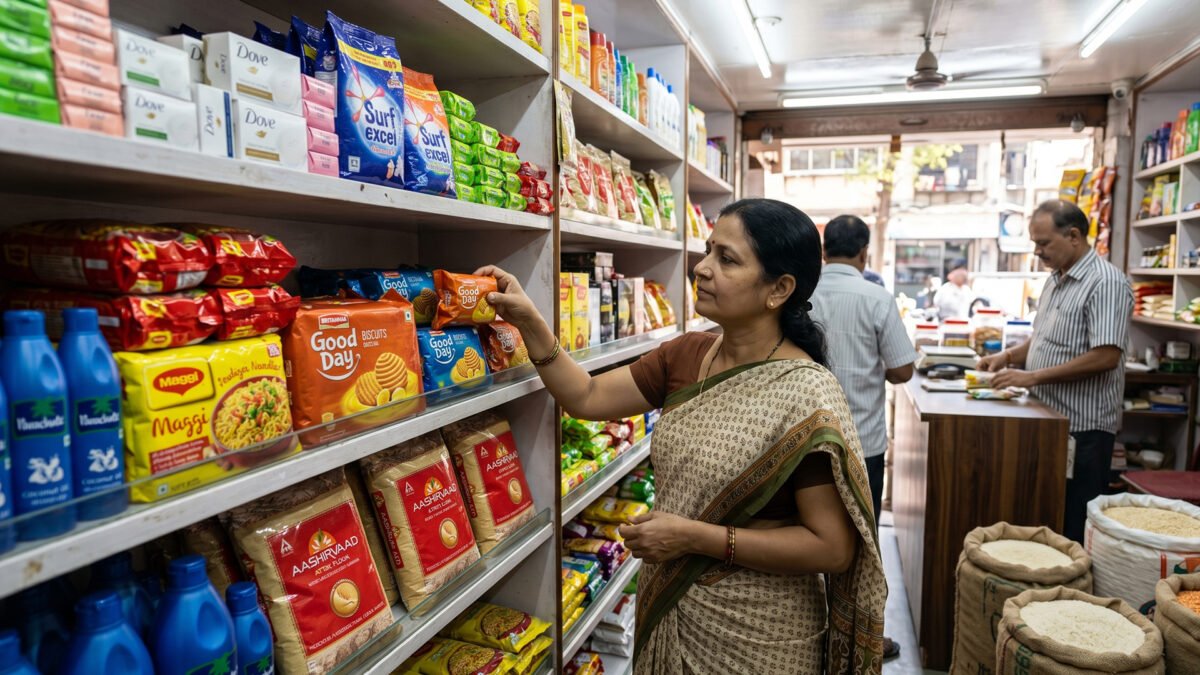
FMCG companies in India are gradually increasing prices of daily essentials like soaps, biscuits, detergents and packaged foods as inflation and higher input costs weigh on profits.

Rising prices of raw materials, fuel and packaging are forcing firms to pass on costs to consumers through small, steady hikes or reduced discounts. In some cases, pack sizes are also being trimmed.

While demand for essentials remains steady, households are becoming more price-conscious and shifting to smaller packs. Companies are trying to balance affordability with profitability amid ongoing cost pressures.

Categories
Technology

Nintendo hikes switch 2 prices despite strong sales

Nintendo has announced a global price increase for its popular Switch 2 gaming console, even as the company continues to enjoy strong demand and record sales growth.

The gaming giant said the decision was driven by rising production expenses, higher chip prices and increasing global supply chain costs. The updated pricing will affect major markets including the US, Europe and Japan over the coming months.

The Switch 2 has been one of Nintendo’s biggest recent successes, attracting strong demand from gamers since launch. The console’s popularity helped the company report impressive financial results for the fiscal year, making it one of the fastest-selling Nintendo devices in recent years.

Despite the strong momentum, Nintendo said maintaining current pricing had become difficult due to increasing costs across the electronics industry. Analysts say the growing global demand for semiconductors, especially because of the AI boom, has made components more expensive for technology companies worldwide.

The price hike is also expected to impact accessories and online subscription services in some regions. Existing Switch models in Japan may also become costlier.

Also Read: Nvidia CEO tells graduates to learn from failure

Categories
Beyond

Oil surges after Trump rejects Iran terms

Global crude oil prices jumped sharply on Monday after US President Donald Trump dismissed Iran’s latest ceasefire proposal, deepening concerns over a prolonged conflict in West Asia and possible disruptions to global oil supplies.

Brent crude crossed the $105-per-barrel mark, while US crude prices moved closer to $100 as traders reacted to rising geopolitical uncertainty. Market fears intensified over the continued disruption in the Strait of Hormuz, a critical shipping route through which a major portion of the world’s oil supply passes.

Iran’s response to the US-backed peace proposal included demands for sanctions relief, compensation for damages caused during the conflict, and broader guarantees regarding regional security. Trump reportedly rejected the terms, calling them unacceptable and indicating that negotiations remained far from a breakthrough.

The developments have reduced hopes of an immediate ceasefire and triggered fresh worries about stability in the Gulf region. Reports of continued drone attacks and military activity across parts of West Asia further added to market anxiety.

Energy markets responded quickly to the uncertainty. Analysts said fears of reduced oil movement through the Strait of Hormuz could tighten global supplies and push fuel prices even higher in the coming weeks. Countries heavily dependent on oil imports, including India, are expected to feel the pressure more sharply if prices continue rising.

The surge in crude prices has also renewed inflation concerns globally. Higher fuel costs could increase transportation and manufacturing expenses, potentially affecting consumer prices and slowing economic growth.

Financial markets across the world remained cautious following the developments. Investors moved towards safer assets such as gold and the US dollar, while equity markets witnessed volatility amid concerns over rising energy costs.

Also Read: Gold at ₹1.52 lakh, silver at ₹2.74 lakh

Categories
Beyond

PM Modi urges pause in gold buying

Prime Minister Narendra Modi’s call urging Indians to avoid buying gold for a year has brought attention to the economic impact of the country’s massive dependence on gold imports. The appeal comes amid record-high gold prices and growing concerns over India’s widening trade deficit.

India remains one of the world’s largest gold consumers, importing the majority of its demand from overseas markets. Economists say rising gold imports increase pressure on foreign exchange reserves and weaken the rupee, especially at a time when crude oil prices are also climbing sharply.

The government’s concern is linked to the current account deficit, which expands when import bills rise faster than exports. Analysts note that high gold purchases during weddings and festive seasons significantly contribute to the import burden. With global gold prices continuing to rally due to geopolitical tensions and inflation concerns, India’s import costs have increased substantially.

Industry experts believe the Prime Minister’s statement is aimed at encouraging households to shift savings towards financial instruments instead of physical gold. Financial planners argue that excessive household allocation to gold limits productive capital flow into equities, mutual funds and banking products.

The jewellery industry, however, expects demand to remain resilient despite higher prices. Companies such as Titan and Senco Gold have indicated that wedding-related buying continues to support sales, although consumers are increasingly opting for lightweight jewellery and exchange schemes to manage costs.

Market observers say the government is trying to reduce non-essential imports at a time when the rupee is under pressure against the US dollar. A sustained rise in gold and crude oil imports could further strain India’s macroeconomic indicators in the coming months.

Also Read: Sensex crashes 1,050 Points, Nifty slips below 23,900

Categories
1 Minute-Read

300 employees opt for Tata Motors VRS

Around 300 employees have opted for Tata Motors’ voluntary retirement scheme (VRS) introduced across its passenger and commercial vehicle divisions. The scheme was offered to permanent employees aged between 40 and 55 after discussions with worker unions.

Employees choosing the VRS were offered compensation based on age and years of service, along with medical and retirement-related benefits. Reports said around 750 employees were eligible for the programme.

The step comes as Tata Motors focuses on improving operational efficiency and expanding its electric vehicle business, where increased automation is gradually changing manufacturing requirements.