Categories
Leaders

Mukesh Ambani reclaims Asia’s richest man title

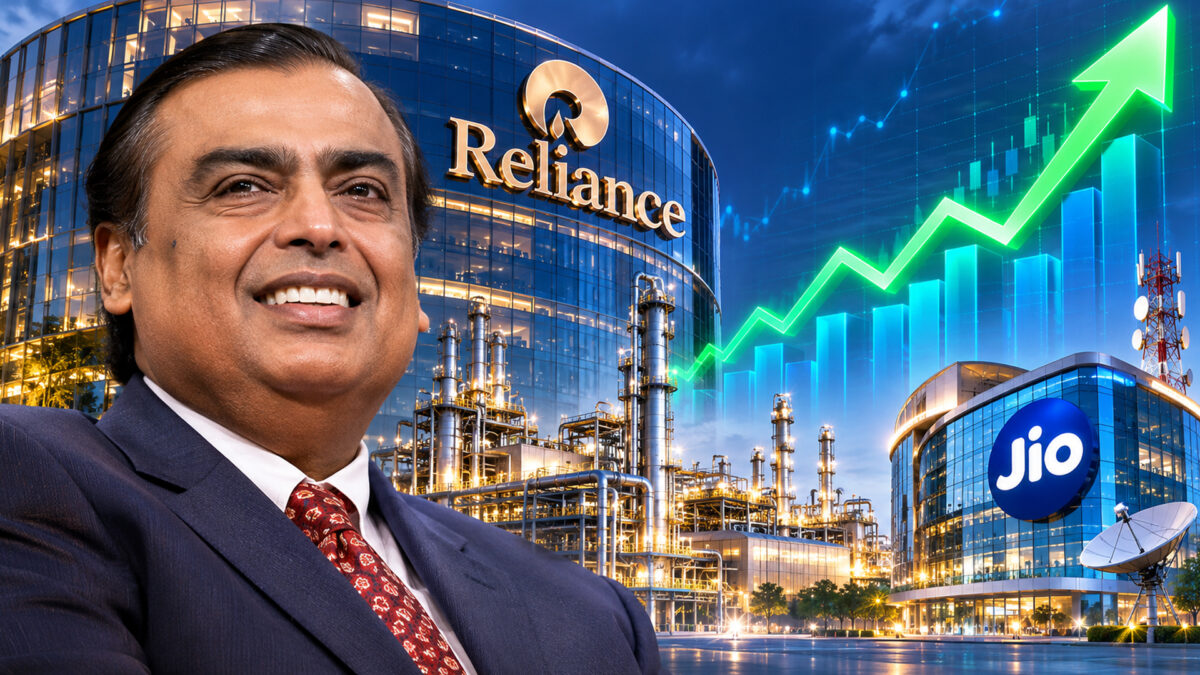
Reliance Industries chairman Mukesh Ambani has reclaimed the title of Asia’s richest person after a sharp rally in the company’s shares added billions of dollars to his estimated fortune. The surge also made him the world’s biggest billionaire wealth gainer in the latest Forbes ranking, putting the Indian industrialist ahead of ByteDance co-founder Zhang Yiming.

According to Forbes’ Real-Time Billionaires list, Ambani’s net worth rose to $88.8 billion, an increase of around 10.5%. The gain lifted him to the 23rd position among the world’s richest individuals in one update, while another Forbes update placed him at No. 22. Zhang Yiming was ranked 25th, with an estimated fortune of $84 billion.

Ambani’s rise followed a strong trading session for Reliance Industries on Monday, November 2. The company’s shares jumped 11.6%, recording their strongest single-day performance in more than six years. The rally added over $19 billion to Reliance’s market capitalisation and made the stock the biggest gainer on the Nifty 50 index.

Forbes estimated that Ambani added around $8.5 billion to his wealth following the share-price surge. A separate update cited by the Economic Times put his one-day gain at $6.3 billion, or 7.85%, making him the biggest wealth gainer globally in that particular ranking update. Such differences can arise from the timing of real-time wealth calculations and market-price updates.

The sharp movement in Reliance shares came after the conglomerate reported a record performance for the July-September quarter of the current financial year. The company posted its highest-ever consolidated revenue, operating earnings and net profit, supported by strong results from its oil-to-chemicals (O2C) and digital services businesses.

Reliance Industries reported consolidated gross revenue of Rs 3.62 lakh crore for the second quarter of FY27, marking a 27.8% increase from the corresponding period last year. Earnings before interest, tax, depreciation and amortisation (EBITDA) rose 23.9% to a record Rs 62,409 crore.

The company’s consolidated profit after tax, including its share of earnings from associates and joint ventures, increased 33.8% year-on-year to Rs 29,550 crore. This was its highest quarterly profit on record. The results gave investors a fresh reason to reassess the company’s earnings outlook after a difficult period for its stock.

The oil-to-chemicals business was among the strongest contributors to the performance. Its revenue rose 44.2% year-on-year to Rs 2.32 lakh crore, while EBITDA climbed 67.9% to Rs 25,203 crore. Better refining margins, higher fuel cracks and improved performance in downstream chemicals supported the growth.

The refining business benefited from a favourable global market environment, including stronger transportation fuel margins. Reliance also used its sourcing flexibility and integrated operations to manage higher crude costs and supply-related challenges. The performance helped strengthen investor confidence in the company’s core energy business.

Jio Platforms also contributed to the improved outlook. Its core earnings rose 16.6% during the quarter, supported by subscriber additions, higher average revenue per user and growth in digital services. The telecom and digital services business has become an important earnings driver for Reliance as the group expands beyond its traditional energy operations.

The recent listing of Jio Platforms added another layer to the market enthusiasm. The company made its stock market debut on October 28, following an initial public offering that raised around $3.2 billion. The listing valued Jio Platforms at approximately $106 billion, making it one of India’s most valuable companies.

Reliance Industries holds around 66% of Jio Platforms, giving it a substantial stake in the newly listed company. Jio’s shares rose about 27% on their trading debut, creating significant value for shareholders and strengthening the broader Reliance investment story.

The company’s retail business, however, continued to face pressure on profitability. While revenue increased, the segment’s performance was affected by investments in digital commerce, higher operating costs and a shift in the festive calendar. Analysts have pointed to a recovery in retail profitability as an important factor for sustaining Reliance’s growth momentum.

The latest rally also helped Ambani widen his lead over other Indian billionaires. Gautam Adani was ranked around 26th globally, with an estimated net worth of about $80 billion. Ambani’s position ahead of Zhang Yiming restored his place at the top of Asia’s wealth rankings.

Reliance Industries, founded by Dhirubhai Ambani, has grown into one of India’s largest business groups, with interests spanning oil refining, petrochemicals, telecommunications, retail, media and financial services. Its performance has a considerable influence on Ambani’s estimated wealth because of his substantial ownership stake in the company.

The group is also preparing for a major expansion in emerging businesses. Ambani has announced plans to invest around $110 billion in artificial intelligence infrastructure over the next seven years, adding to Reliance’s ambitions in technology and new energy.

The latest rise in his fortune reflects the close link between stock market performance and billionaire wealth estimates. While the ranking can change with daily share-price movements, the strong quarterly results and Jio Platforms’ market debut have given Reliance investors renewed confidence in the group’s growth prospects.

 

Categories
Corporate

Jio Platforms IPO fully subscribed within 100 minutes

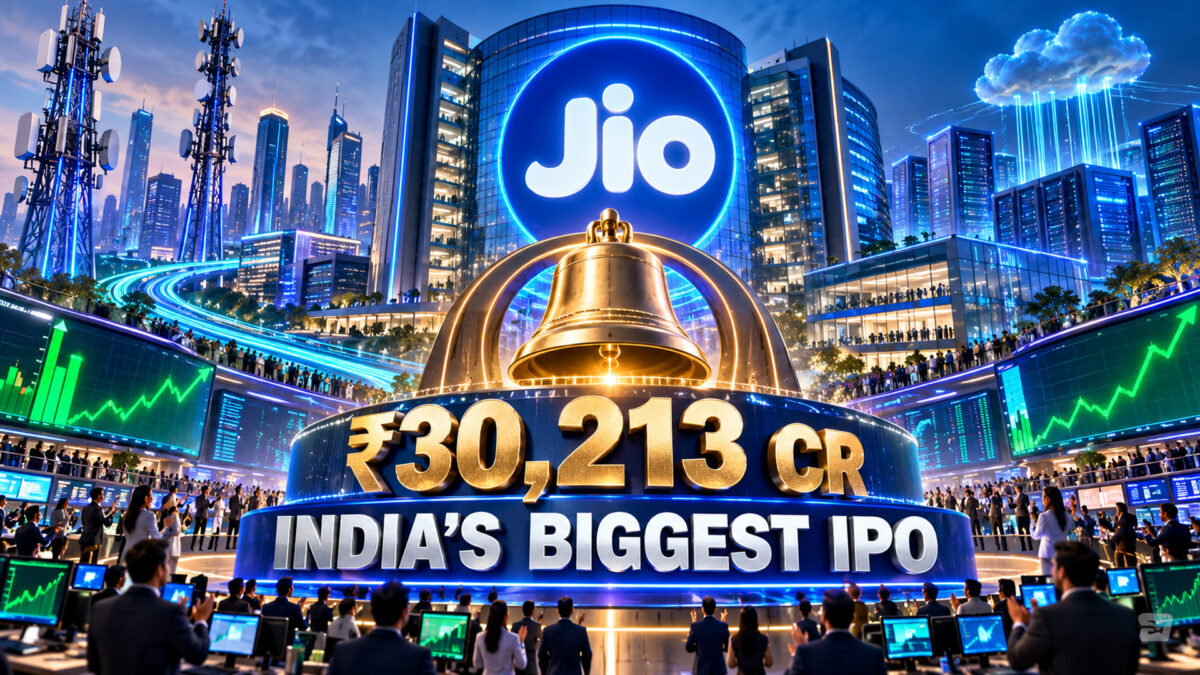
Mukesh Ambani-led Jio Platforms has created history in India’s primary market, with its ₹30,213-crore initial public offering (IPO) fully subscribed within just 100 minutes of opening on Wednesday, October 21. The issue is set to become India’s largest-ever IPO, attracting strong interest from institutional investors despite relatively cautious participation from retail buyers.

The public issue of Reliance Industries’ digital and telecommunications business will remain open until October 23. The rapid subscription marks a significant milestone for Jio Platforms, which has transformed India’s mobile internet market since launching its services in 2016.

The offering has surpassed Hyundai Motor India’s ₹27,870-crore IPO in 2024 to become the country’s biggest public issue by value. It has also drawn considerable attention because it gives investors an opportunity to buy shares in one of India’s largest digital businesses.

However, the early response has not been uniform across investor categories. Institutional buyers have led the demand, while retail investors have been more cautious about the valuation and potential listing gains.

Jio Platforms has fixed the IPO price band at ₹1,065 to ₹1,119 per share. The issue comprises 27 crore fresh equity shares and will raise ₹30,213 crore at the upper end of the price band.

At this price, the company is valued at approximately ₹10.3 lakh crore, making it one of the most valuable businesses to enter India’s public markets.

The IPO is structured entirely as a fresh issue, meaning the proceeds will go to the company rather than existing shareholders selling their shares through an offer for sale. A substantial portion of the money is earmarked for debt repayment, with the remaining amount intended for general corporate purposes.

Investors can apply for a minimum lot of 12 shares. At the upper price band of ₹1,119, this requires an investment of ₹13,428, excluding applicable charges.

The issue opened on October 21 and will close on October 23. The final subscription figures will show whether demand continues to grow across all investor categories.

Qualified institutional buyers (QIBs), including mutual funds, insurance companies and other large financial institutions, have driven the rapid subscription.

According to subscription data reported on Wednesday, the QIB portion was fully subscribed within the first 10 minutes of bidding and subsequently attracted bids well above the shares reserved for the category.

The strong response also follows substantial interest from anchor investors before the public issue opened. Jio Platforms raised around ₹8,110 crore from anchor investors, with bids reportedly reaching approximately ₹2.5 lakh crore.

The anchor book included global asset managers, sovereign wealth funds, domestic mutual funds and insurance companies. Their participation indicates significant institutional interest in gaining exposure to Jio’s telecommunications and digital services businesses.

Retail participation, however, has remained comparatively subdued during the early hours. This difference is important because overall subscription figures can conceal variations in demand between large institutions and individual investors.

Strong institutional demand can support confidence in an IPO, but it does not guarantee listing gains or long-term returns.

Jio has reshaped India’s telecommunications industry by making mobile data more affordable and expanding access to high-speed internet. Its business has grown beyond mobile connectivity to include home broadband, digital entertainment and enterprise services.

The company has also attracted investments from global technology groups, including Meta and Google, strengthening its position in India’s digital economy.

Its next phase of growth could depend on increasing average revenue per user, expanding 5G services and developing opportunities in artificial intelligence, cloud computing and other digital businesses.

However, analysts will also examine the company’s valuation, competition and ability to convert its large subscriber base into sustained revenue growth.

The IPO is particularly significant for Reliance Industries, which is opening its digital business to public investors after years of expansion under Ambani’s leadership.

The Jio Platforms IPO is scheduled to close on October 23, with allotment expected to be finalised on October 26. The shares are scheduled to list on the BSE and NSE on October 28.

Investors are also tracking the grey market premium (GMP), an unofficial indicator of expected listing sentiment. However, the premium can change quickly and should not be treated as a reliable prediction of the actual listing price.

The final subscription figures, share allotment and market conditions will help determine how the stock performs when trading begins.

Jio Platforms’ rapid subscription has given the company a record-breaking start in India’s IPO market. The next test will be whether investor enthusiasm translates into a strong listing and sustained demand after the shares begin trading.


Categories
Leaders

Musk renews attack on Ambani over Starlink

Elon Musk has intensified his public criticism of Reliance Industries chairman Mukesh Ambani over the delay in launching Starlink satellite internet services in India, sarcastically addressing the Indian billionaire as “Prime Minister Ambani” and accusing him of protecting existing telecom interests from competition.

In his latest post on X, Musk argued that Starlink could bring internet connectivity to underserved communities, improve educational opportunities for children and help small businesses reach customers worldwide. He questioned whether Ambani would allow Starlink to compete in India, alleging that established players preferred to maintain their dominance in the market.

The remarks mark another escalation in the dispute over Starlink’s entry into India, one of the world’s largest internet markets. However, Musk has not provided evidence to substantiate his allegation that Ambani is deliberately obstructing the launch.

The Indian government has rejected claims that powerful business interests are influencing the approval process. Telecom Minister Jyotiraditya Scindia said India does not permit monopolies in any sector, pushing back against Musk’s allegations.

The Ministry of Communications has also maintained that the regulatory framework for satellite communications is fair and non-discriminatory. According to the government, Starlink and two other satellite internet operators are at broadly the same stage of the approval process and must complete security assessments before receiving satellite spectrum.

Starlink, operated by Musk’s aerospace company SpaceX, has spent several years preparing to enter the Indian market. Despite securing key regulatory clearances and establishing partnerships with domestic telecom companies, it has yet to receive the final approvals required to begin commercial services.

The latest confrontation follows Musk’s earlier accusation that unnamed “oligarchs” were blocking Starlink’s entry to preserve their hold over India’s telecommunications sector. He described the alleged obstruction as harmful to consumers, particularly people living in areas with limited internet access.

Musk subsequently singled out Ambani, asking whether the Reliance chairman was the “real boss of India”. His latest remarks continued that line of criticism, suggesting that Starlink’s delayed launch was preventing Indian consumers from accessing an alternative internet service.

Reliance Jio, the telecom arm of Ambani-led Reliance Industries, is India’s largest mobile operator. Bharti Airtel, led by Sunil Bharti Mittal, is another major player in the sector. Both companies are also pursuing satellite broadband opportunities, putting them in the same emerging market as Starlink.

The competition is particularly significant because satellite internet can connect locations where conventional mobile networks and fibre-optic broadband are difficult or expensive to deploy. Remote villages, mountainous regions, islands and areas affected by natural disasters could benefit from reliable satellite-based connectivity.

Starlink uses a constellation of low-Earth-orbit satellites to deliver broadband internet. Unlike traditional geostationary satellite systems, its satellites operate closer to Earth, helping reduce signal delays. The service has expanded internationally, but entering India requires compliance with the country’s licensing, security and spectrum rules.

SpaceX has said it is ready to serve Indian customers. Starlink has reportedly established more than 20 gateway sites in the country, along with hundreds of antennas, as part of its preparations. Gateway stations connect the satellite network to terrestrial internet infrastructure and are an important part of delivering the service.

The company has also said it has adapted its operations to meet Indian requirements concerning security and data sovereignty. However, authorities have maintained that the remaining assessments must be completed before commercial operations can begin.

The disagreement is not new. Starlink and Reliance Jio previously clashed over how satellite spectrum should be allocated. Musk’s company supported administrative allocation, while Jio argued that spectrum should be auctioned, a process it believed would create a level playing field between satellite and terrestrial telecom providers. The government ultimately opted for administrative allocation.

Despite their differences, SpaceX signed distribution agreements with Reliance Jio and Bharti Airtel in 2025. These arrangements were intended to help make Starlink services and equipment available in India once regulatory approvals were secured. The partnerships highlight the complicated relationship between potential competitors and prospective distributors.

Airtel has links to Eutelsat OneWeb, another satellite communications operator seeking to provide services in India. Jio is working with Luxembourg-based SES on satellite broadband. Both companies therefore have their own commercial interests in the development of satellite internet.

The debate has wider implications for India’s digital connectivity ambitions. Satellite broadband could complement existing mobile and fibre networks, particularly in underserved regions, but operators must also address concerns about national security, lawful interception and control over communications infrastructure.

The government says all operators must complete the required procedures, while Musk continues to demand faster entry and greater competition. Whether the dispute leads to further regulatory clarification or simply intensifies the public exchange remains to be seen.

Ultimately, the outcome will matter not only to SpaceX and India’s telecom giants but also to consumers waiting for more choices in broadband connectivity. A successful launch could expand internet access in remote areas, while the unresolved approval process underscores the challenge of balancing innovation, competition and national security.


Categories
Corporate

NLC India, Reliance partner for Gujarat lignite gasification study

State-run NLC India Ltd and Reliance Industries Ltd have partnered to explore the potential of underground lignite gasification in Gujarat, a move aimed at developing alternative energy resources from domestic fuel reserves.

The two companies have signed an agreement to jointly conduct feasibility studies for an underground lignite gasification (ULG) project in the state. The study will assess the technical, economic and environmental viability of converting lignite deposits into usable gas without conventional mining.

Underground lignite gasification is a process in which lignite, a low-grade form of coal, is converted into synthetic gas while remaining underground. The gas produced can be used for power generation, industrial purposes and the production of chemicals and fuels.

Officials said the collaboration will focus on evaluating Gujarat’s lignite reserves and determining whether the technology can be commercially deployed. If successful, the project could help utilise energy resources that are difficult or uneconomical to extract through traditional mining methods.

The partnership brings together NLC India’s experience in lignite mining and power generation with Reliance Industries’ expertise in energy and technology. The companies believe the initiative could create new opportunities for cleaner and more efficient use of domestic fuel resources.

India has been exploring advanced technologies to strengthen energy security and reduce dependence on imported fuels. Underground gasification has gained attention because it can access deep lignite reserves while potentially lowering the environmental impact associated with surface mining.

The feasibility study will examine geological conditions, resource availability, technological requirements, environmental considerations and commercial prospects. Based on the findings, the companies will decide on the next phase of the project.

The collaboration reflects growing interest in innovative energy technologies as India seeks to meet rising energy demand while balancing sustainability goals. The outcome of the study is expected to be closely watched by the energy sector and policymakers.

The successful implementation of underground lignite gasification could support India’s energy diversification efforts and provide new fuel sources for industrial growth.

Also Read: Nvidia teams up with Microsoft on new PC chip

Categories
Corporate

Jio IPO to be fully fresh issue

Reliance Industries has changed the structure of the upcoming IPO of Jio Platforms, deciding that it will now be a pure fresh issue with no offer-for-sale component.

In simple terms, this means existing investors will not sell any shares during the IPO. Instead, all the money raised from the public will go directly into the company to support its future growth plans.

Earlier discussions had included the possibility of some early investors selling a part of their stake to take profits. But that plan has now been dropped. Sources say differences over valuation and pricing expectations played a role in the decision.

The move is aimed at making the IPO more stable and focused on long-term growth rather than short-term exits. It also avoids putting extra selling pressure on the stock when it lists.

Jio Platforms, which is a major part of Reliance’s digital business, runs one of India’s largest telecom networks and a wide range of digital services. The IPO is expected to attract strong interest from global and domestic investors.

By removing the stake sale portion, Reliance is signalling confidence in the company’s long-term potential. At the same time, early investors will not get immediate cash returns, suggesting they are staying invested for future value growth.

Also Read: Gautam Adani connects AI growth to energy infrastructure

Categories
Corporate

Jio may file draft IPO papers by end of March


Categories
Corporate

Reliance Industries Q3 revenue up 10% on digital, O2C strength

Reliance Industries Ltd (RIL) delivered a steady financial performance in the third quarter of FY26, reporting a 10 per cent rise in consolidated revenue compared to the same period last year.

The growth was largely driven by strong momentum in its digital services, oil-to-chemicals (O2C) and retail businesses, helping the company navigate challenges in its oil and gas exploration segment.

For the October–December quarter, RIL posted consolidated revenue of nearly ₹2.9 lakh crore. Net profit rose marginally by about 1.6 per cent year-on-year to around ₹22,300 crore, while EBITDA increased by about 6 per cent, reflecting stable operating performance across key verticals.

The digital services arm, led by Jio Platforms, remained a major growth engine. Jio recorded healthy increases in revenue and operating profit, supported by strong subscriber additions, rising data consumption and continued expansion of its 5G and home broadband services. The company benefited from higher average revenue per user and growing adoption of digital offerings.

The oil-to-chemicals business also reported a solid quarter. Revenue and earnings improved on the back of better refining margins, higher fuel demand and efficient operations across refineries and petrochemical plants. Despite a challenging global environment, the segment delivered stable performance and contributed meaningfully to overall earnings.

Reliance Retail continued to expand its footprint and recorded over 8 per cent growth in revenue during the quarter. However, profitability in the retail business remained under pressure due to higher operating costs, competitive pricing and the impact of regulatory changes affecting margins.

In contrast, the oil and gas exploration and production segment faced headwinds. Lower production from mature fields and softer price realisations weighed on the segment’s performance, partially offsetting gains from other businesses.

Commenting on the results, Chairman and Managing Director Mukesh Ambani said the company’s diversified business model helped deliver consistent performance despite global uncertainties. He highlighted the continued strength of consumer-facing and downstream businesses as key pillars of growth.

Also Read: Zerodha CEO slams market closure on BMC poll day

Categories
Beyond

Reliance gets one-month US nod for Russian oil

Reliance Industries Ltd (RIL) has received a one-month concession from the United States that allows it to continue receiving crude oil cargoes supplied by Russia’s state-owned oil major Rosneft. The temporary approval comes even as the US tightens sanctions on Russian energy companies following the Ukraine conflict.

The concession enables Reliance to take delivery of oil shipments that were contracted before fresh sanctions came into force. These are not new purchases but cargoes linked to existing agreements that are being gradually wound down in line with regulatory requirements, according to sources familiar with the matter.

In October, the US imposed sanctions on major Russian oil producers, including Rosneft and Lukoil, and asked companies to end transactions with them by November 21. However, the one-month waiver allows Reliance to continue receiving some Rosneft supplies beyond that deadline. Since November 22, the company has reportedly received around 15 cargoes of Russian crude under earlier commitments.

Reliance has a long-term supply agreement with Rosneft for about 500,000 barrels of crude oil per day. This oil is mainly used at its Jamnagar refining complex in Gujarat, which has a total capacity of about 1.4 million barrels per day and is among the largest refinery hubs in the world.

To manage sanctions compliance, Reliance has adjusted how it processes Russian crude. The company has said that Russian oil received after November 20 is being refined at its domestic-focused refinery unit. Fuel exports, especially to Europe, are being produced using non-Russian crude to meet European Union rules.

From January 21, the EU will not accept fuel made at refineries that have processed Russian crude within the previous 60 days. To avoid disruption to exports, Reliance has stopped using Russian oil at its export-oriented refinery in the Jamnagar Special Economic Zone and is sourcing alternative crude grades.

India has been a major buyer of Russian oil since the start of the Ukraine war, taking advantage of discounted prices. However, India’s imports of Russian crude are expected to decline in December as refiners respond to tighter sanctions and changing trade rules.

The US Treasury has not officially commented on the concession granted to Reliance.

Also Read: L&T bags major BPCL order worth up to ₹10,000 cr

Categories
Corporate

Reliance up 2% on O2C rebound, new-energy push

Reliance Industries’ share price climbed nearly 2% on Thursday, hitting its highest level in about four months. Analysts say the rise is mainly because of improving conditions in its oil-to-chemicals (O2C) business and steady progress in its new-energy plans.

Brokerages expect the O2C segment, which includes refining and petrochemicals,  to perform better in the coming months. Global refining margins have improved, and Reliance’s ability to source different types of crude oil gives it an advantage. Analysts believe this will help boost the company’s earnings in the second half of the financial year.

At the same time, Reliance’s new-energy business is gaining attention. The company is setting up a large battery giga-factory in Jamnagar, expected to be operational early next year. This factory will support Reliance’s long-term push into green technologies such as energy storage, solar manufacturing and clean fuels.

Brokerages remain optimistic. UBS has kept its “buy” rating and a target price of around ₹1,820 per share, citing the likely recovery in the O2C business. Motilal Oswal has also maintained a “buy” rating and raised its valuation of the new-energy segment, expecting it to contribute significantly in the future.

Analysts estimate that earnings from the O2C business could rise from about ₹29,500 crore in the first half of FY26 to nearly ₹34,000 crore in the second half.

Also Read: NBCC sells 609 Greater Noida flats for ₹1,069 crore

Categories
Corporate

Jio Platforms Valued at $170 Billion, say bankers

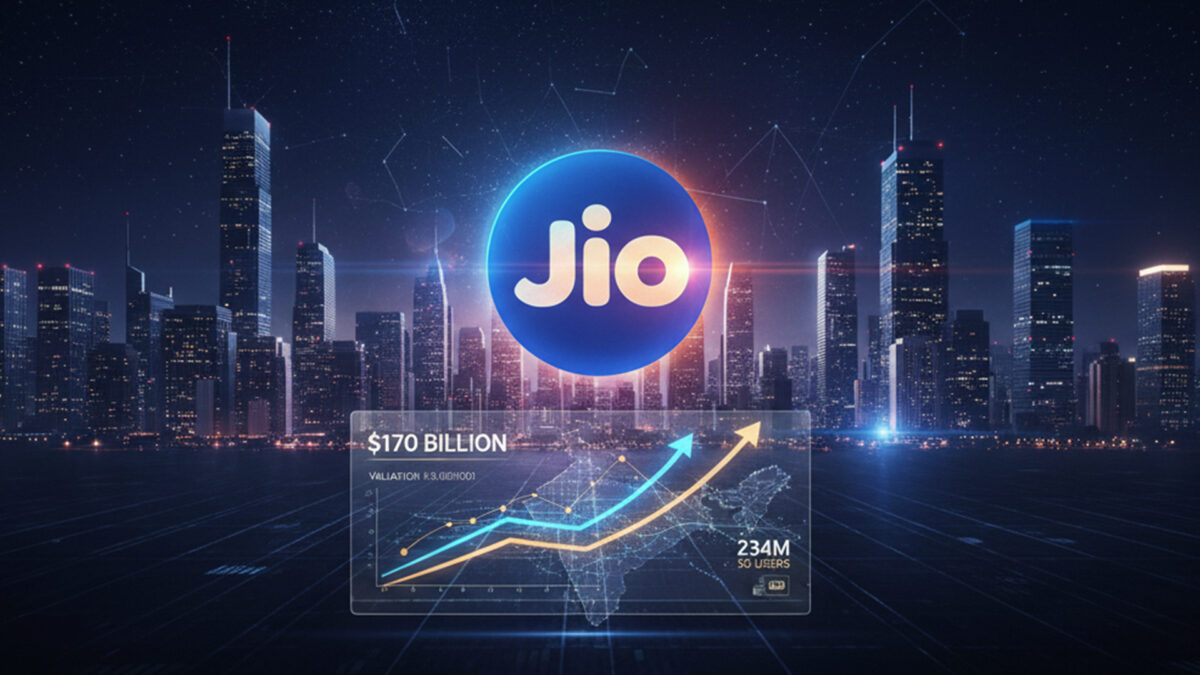
Jio Platforms Ltd., the digital and telecom subsidiary of Reliance Industries, is being valued at up to $170 billion by investment bankers, with discussions placing the range between $130 billion and $170 billion.

If realised, the higher-end valuation would make Jio one of India’s top three listed companies by market capitalization, overtaking Bharti Airtel, currently valued at around $143 billion. Parent company Reliance Industries, led by Mukesh Ambani, holds a market cap of about Rs 20 lakh crore.

Ambani had earlier indicated that Jio’s IPO could take place in the first half of 2026, marking the first major listing of a Reliance business since Reliance Petroleum’s debut in 2006. The move, long anticipated since 2019, follows substantial global investments from Meta Platforms and Alphabet Inc., which together infused over $10 billion into Jio in 2020.

Under current regulations, companies valued above Rs 5 lakh crore must sell shares worth at least Rs 15,000 crore in their IPOs. For Jio, that would translate to an offering of around $4.3 billion, assuming the company achieves the top-end valuation.

Jio’s strong financial performance continues to bolster investor confidence. For the September quarter, it reported a 13% rise in net profit to Rs 7,379 crore, driven by higher data consumption and a growing subscriber base. Revenue from operations grew 15% to Rs 36,332 crore, compared to Rs 31,709 crore in the same period last year.

The company’s average revenue per user rose 8.4% year-on-year to Rs 211.4, while its 5G subscriber base surged to 234 million. It now has 22.7 million home connections and nearly 9.5 million JioAirFiber users, highlighting its expanding digital footprint.

The anticipated IPO is expected to be one of the largest in India’s history, underscoring Jio’s pivotal role in advancing the country’s telecom and digital transformation.

Also Read: Adani Kutch Copper ties up with Australia’s Caravel Minerals