Categories
Beyond

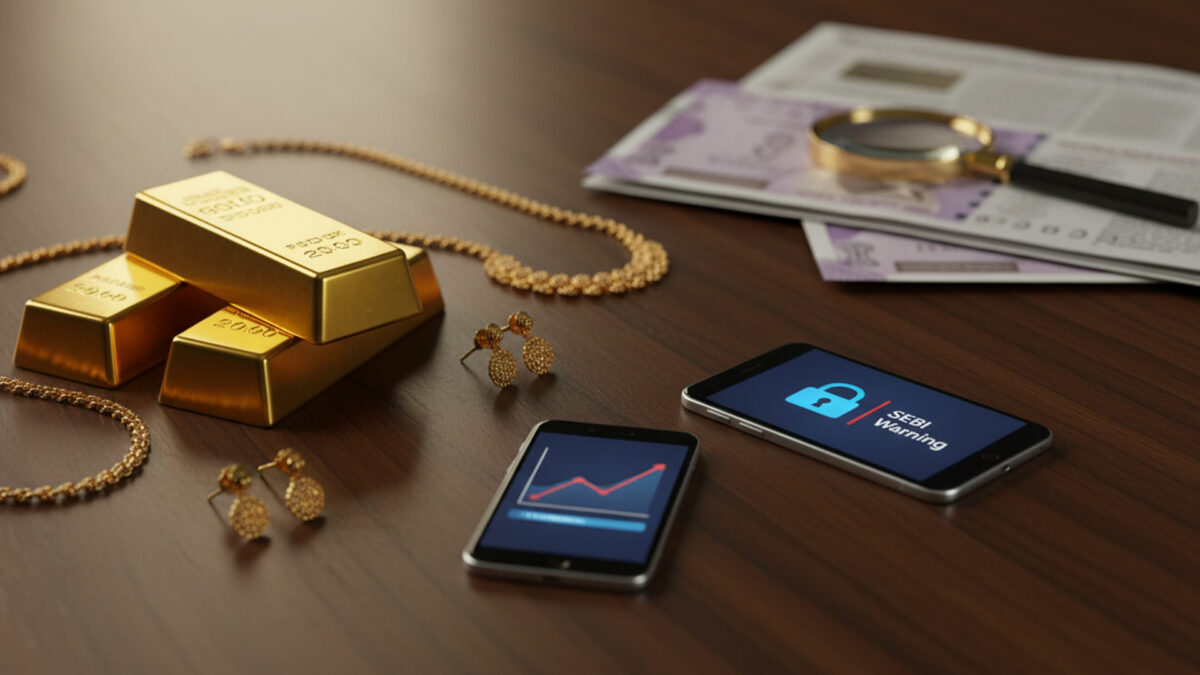
PM Modi urges pause in gold buying

Prime Minister Narendra Modi’s call urging Indians to avoid buying gold for a year has brought attention to the economic impact of the country’s massive dependence on gold imports. The appeal comes amid record-high gold prices and growing concerns over India’s widening trade deficit.

India remains one of the world’s largest gold consumers, importing the majority of its demand from overseas markets. Economists say rising gold imports increase pressure on foreign exchange reserves and weaken the rupee, especially at a time when crude oil prices are also climbing sharply.

The government’s concern is linked to the current account deficit, which expands when import bills rise faster than exports. Analysts note that high gold purchases during weddings and festive seasons significantly contribute to the import burden. With global gold prices continuing to rally due to geopolitical tensions and inflation concerns, India’s import costs have increased substantially.

Industry experts believe the Prime Minister’s statement is aimed at encouraging households to shift savings towards financial instruments instead of physical gold. Financial planners argue that excessive household allocation to gold limits productive capital flow into equities, mutual funds and banking products.

The jewellery industry, however, expects demand to remain resilient despite higher prices. Companies such as Titan and Senco Gold have indicated that wedding-related buying continues to support sales, although consumers are increasingly opting for lightweight jewellery and exchange schemes to manage costs.

Market observers say the government is trying to reduce non-essential imports at a time when the rupee is under pressure against the US dollar. A sustained rise in gold and crude oil imports could further strain India’s macroeconomic indicators in the coming months.

Also Read: Sensex crashes 1,050 Points, Nifty slips below 23,900
Categories
Beyond

India’s forex reserves rise above $703 bn

India’s foreign exchange reserves have climbed to $703.3 billion, continuing a steady upward trend and strengthening the country’s financial buffer against global uncertainties.

According to the latest Reserve Bank of India data, the reserves increased by around $2.3 billion in the week ending April 17, 2026. The rise reflects a mix of valuation gains and stable external inflows.

The biggest contribution came from foreign currency assets, which make up the bulk of India’s reserves. These assets include holdings in major global currencies such as the US dollar and euro, and their value often changes with global currency movements and central bank operations.

Gold holdings also played a role in the increase. India’s gold reserves have seen a gradual rise in value in recent months, supported by higher global gold prices and consistent accumulation by the central bank. This has added another layer of stability to the overall reserves.

Other components, including Special Drawing Rights and India’s position with the International Monetary Fund, remained largely unchanged during the period.

The latest increase comes after some fluctuations earlier this year, when global uncertainties such as geopolitical tensions and changes in oil prices affected reserve levels. However, the recent trend shows a recovery and steady build-up.

Also Read: Ashok Lahiri named NITI Aayog vice-chairman


Categories
Beyond

Gold at ₹1,53,940 per 10 gm, Silver at ₹2,54,900

Gold and silver prices showed mixed movement in domestic markets on April 15, 2026, as global cues and shifting investor sentiment kept bullion trade volatile.

Gold prices rose marginally by ₹10 to trade around ₹1,53,940 per 10 grams in the physical market, reflecting mild buying interest. On the other hand, silver prices declined by ₹100, slipping to around ₹2,54,900 per kilogram, indicating some weakness after recent gains.

On the Multi Commodity Exchange (MCX), both metals witnessed fluctuating trends throughout the session. Gold traded in a narrow range as investors remained cautious, while silver showed slight downward pressure after opening higher earlier in the day.

The mixed trend in bullion prices was largely influenced by global developments. Hopes of easing geopolitical tensions, particularly linked to possible US–Iran talks, reduced the appeal of gold as a safe-haven asset. At the same time, softer crude oil prices helped ease inflatio concerns, limiting strong upward momentum in precious metals.

Internationally, gold prices remained under pressure after touching recent highs, as improving global risk appetite prompted investors to shift towards equities. A stronger US dollar also weighed on gold prices, making it more expensive for holders of other currencies.

Silver, which has both industrial and investment demand, showed relative volatility. While global industrial demand continues to provide support, profit booking at higher levels led to a slight decline in domestic prices.

In major retail markets across India, gold rates remained largely stable with minor variations depending on local demand and taxes. Prices of 22-carat and 24-carat gold continued to hover near recent levels, reflecting steady consumer demand.

Market experts noted that bullion prices are currently moving within a limited range, tracking global economic signals, currency movements, and geopolitical developments. Investors are also closely watching interest rate cues from major central banks, which could influence future price direction.

Also Read: Sensex jumps over 1,300 points, Nifty surges past 24,200 on global cues

Categories
Beyond

Silver up 200%, gold regains appeal

Silver prices have surged nearly 200 percent over the past 12 months, far outperforming gold, but rising volatility is now prompting investors to shift attention back to the yellow metal. Analysts note that silver’s rapid rally, driven by strong industrial demand and tight supply, has made prices more unstable.

As market uncertainty increased at the start of 2026, global silver ETFs saw outflows, while gold continued to attract steady investments due to its reputation as a safer hedge. The gold-to-silver price ratio has also fallen sharply, indicating that silver may be overextended compared to gold.

Last week, both silver and gold ETFs witnessed a sharp fall on Thursday but rebounded strongly the following day. Several silver ETFs jumped 10–12 percent, while gold ETFs also gained as bullion prices recovered.

So far this month, silver prices have risen about 28 percent on the MCX, while gold has gained nearly 14 percent, even as equity markets remain under pressure.

Also Read: Sensex sees volatile moves, Nifty stays close to 25,300

Categories
Beyond

Gold at ₹1,43,770, Silver slips below ₹2.95 lakh

Gold and silver prices saw a marginal decline in the domestic bullion market on Monday, January 19, 2026, after holding near record highs in recent sessions. According to market data, the price of 24-carat gold slipped by ₹10 to ₹1,43,770 per 10 grams, while silver fell by ₹100 to trade at ₹2,94,900 per kilogram .

The price of 22-carat gold also edged lower by ₹10 and was quoted at ₹1,31,790 per 10 grams. Despite the dip, gold prices continue to remain elevated, reflecting strong investor demand and sustained interest in safe-haven assets.

Across major cities, gold prices showed minor variations. In Mumbai and Kolkata, 24-carat gold was priced at ₹1,43,770 per 10 grams, while Delhi recorded a slightly higher rate of ₹1,43,920. Chennai continued to see higher prices, with gold trading at ₹1,44,860 per 10 grams. Silver prices also differed by location, with Chennai quoting silver at a higher ₹3,09,900 per kilogram, compared with ₹2,94,900 in most other markets .

Market experts said the slight correction comes after a strong rally in precious metals over the past few weeks. Gold and silver prices have surged recently due to global economic uncertainty, geopolitical tensions, and expectations around interest rate movements in major economies. These factors have increased the appeal of bullion as a hedge against inflation and financial market volatility.

Internationally, spot gold and silver prices are hovering close to their recent peaks, lending continued support to domestic prices.

Jewellery demand, investment buying, and safe-haven interest are expected to keep gold and silver prices supported in the coming weeks.

Analysts believe that while short-term fluctuations are likely, the broader outlook for precious metals remains firm due to sustained global demand and cautious investor sentiment.

Also Read: Sensex slumps 500+ points, Nifty slips below 25,550

Categories
Beyond

Gold inches up ₹1.38 lakh, Silver trades at ₹2.48 lakh

Gold and silver prices moved up slightly in early trade on Tuesday, reflecting steady demand for precious metals amid global uncertainty.

According to market data, the price of 24-carat gold increased by ₹10 to ₹1,38,230 per 10 grams. Prices were largely similar across major cities. In Mumbai and Kolkata, gold traded at ₹1,38,230, while Delhi saw slightly higher levels at around ₹1,38,380. In Chennai, prices were higher than other metros at about ₹1,39,210 per 10 grams.

The price of 22-carat gold also rose by ₹10. Ten grams of 22-carat gold were priced at around ₹1,26,710 in most cities, while Chennai again recorded marginally higher rates.

Silver prices showed a bigger jump in absolute terms. The price of silver increased by ₹100, taking the rate to ₹2,48,100 per kilogram in Delhi, Mumbai and Kolkata. In Chennai, silver continued to trade at a premium, with prices touching nearly ₹2,66,100 per kilogram.

Market experts say the rise in gold and silver prices is linked to ongoing global tensions and economic uncertainty. Investors often turn to precious metals like gold and silver during uncertain times, as they are seen as safe investment options. Recent international developments and concerns over geopolitical risks have kept demand for these metals strong.

Globally, gold prices have been firm, supported by safe-haven buying and expectations around interest rates in major economies. These global trends are reflected in domestic bullion prices in India as well.

Despite the small daily increase, gold and silver prices remain near high levels. Over the past year, both metals have given strong returns, attracting interest from investors as well as those looking to protect their savings from market volatility.

For jewellery buyers, the elevated prices mean higher costs, while investors are advised to keep an eye on global cues and currency movements, as precious metal prices tend to react quickly to international developments.

Also Read: Sensex slips 100+ points, Nifty dips below 26,250

Categories
Beyond

Gold slips to ₹1.35 lakh, Silver down to ₹2.41 lakh

Gold prices in India edged lower at the start of the week, while silver also registered a modest decline. According to market data, the price of 24-carat gold fell by ₹10 to ₹1,35,810 per 10 grams on Monday. Silver prices dipped by ₹100, with one kilogram of the metal trading at ₹2,40,900.

The marginal fall reflects cautious sentiment in the precious metals market, as investors balance global economic signals with profit-taking after recent highs. Despite the dip, gold prices continue to remain elevated compared to historical levels, supported by sustained safe-haven demand and ongoing global uncertainty.

Across major cities, gold prices showed a similar trend. In Mumbai, Kolkata, Bengaluru and Hyderabad, 24-carat gold was priced at ₹1,35,810 per 10 grams. Delhi saw a slightly higher rate of ₹1,35,960, while Chennai continued to quote the highest price at ₹1,37,450 per 10 grams. For 22-carat gold, prices slipped by ₹10 to ₹1,24,490 per 10 grams in most cities, while Chennai reported ₹1,25,990.

Silver prices also softened across regions. In Delhi, Mumbai and Kolkata, silver was quoted at ₹2,40,900 per kilogram. Chennai again stood out with a higher rate of ₹2,56,900 per kilogram, reflecting local demand and supply dynamics.

Market participants say the small decline should be seen in the context of recent sharp movements in bullion prices. Gold and silver have witnessed strong gains over the past year, driven by geopolitical tensions, central bank buying, and expectations around interest rate changes globally. Periodic corrections, analysts note, are natural after such rallies.

For consumers, the slight dip may offer limited relief, though prices remain high overall. Investors, meanwhile, are closely tracking global cues, currency movements and upcoming economic data for clearer direction in precious metal prices in the days ahead.

Also Read: Sensex up 50 pts, Nifty holds above 26,350 in early trade

Categories
Beyond

Gold steady at ₹12,585 per gram, Silver at ₹160

Gold prices remained steady across India on November 12, 2025, with 24-carat gold priced at ₹12,585 per gram and 22-carat gold at ₹11,536 per gram, according to Mathrubhumi.

The 18-carat variety was sold at ₹9,436 per gram, showing little change from the previous day. Across major cities, rates varied only slightly, Delhi recorded ₹12,623 for 24-carat and ₹11,571 for 22-carat gold, while Mumbai, Kolkata, Bengaluru, Hyderabad, and Thiruvananthapuram maintained uniform prices of ₹12,585 and ₹11,536 respectively. Chennai saw a marginally higher rate of ₹12,765 for 24-carat and ₹11,700 for 22-carat gold.

Silver prices also held firm at ₹160 per gram or ₹1,60,100 per kilogram. Experts noted that gold continues to serve as a preferred safe-haven investment amid global economic uncertainty. Buyers were advised to check for BIS hallmark certification, compare rates across jewellers, and ensure their purchase invoices clearly mention purity, carat value, and weight.

With the festive and wedding season approaching, jewellers expect steady demand as consumers view gold not just as an ornament, but as a symbol of security and long-term value.

Also Read: Sensex opens 500 pts higher, Nifty above 25,800

Categories
Beyond

Gold ₹63,830, Silver ₹77,100, prices edge up

Gold prices in India rose slightly on Tuesday, with 24-carat gold trading at around ₹63,830 per 10 grams,  up by ₹10 from the previous day. Silver also saw a small uptick of ₹100, selling at ₹77,100 per kilogram.

The rise came as global investors turned cautious ahead of upcoming US inflation data, which could influence interest rate decisions by the Federal Reserve.

In Delhi, Mumbai, and other metro cities, gold prices stayed largely steady, reflecting a balanced demand from jewellers and retail buyers. Analysts say the market mood remains watchful, with traders keeping an eye on both global economic signals and festive-season buying trends in India.

Also Read: Sensex dips by 200 pts, Nifty below 25,550, Bajaj twins tumble 6%

Categories
Beyond

Gold at ₹1.22 lakh/10 g, Silver near ₹1.52 lakh/kg

Gold prices in India stayed firm on November 10, trading around ₹1,22,010 per 10 grams for 24-carat and ₹1,11,840 per 10 grams for 22-carat gold. In Delhi, 24-carat gold was priced slightly higher at ₹1,22,160 per 10 grams, while similar rates were seen in Mumbai, Kolkata, and other metros.

Silver followed a similar trend, hovering near ₹1.52 lakh per kilogram across most cities. In Chennai, prices were marginally higher at about ₹1.64 lakh per kilogram.

According to market reports, gold slipped by ₹10 per 10 grams and silver by ₹100 per kilogram in early trade, reflecting a minor correction after last week’s rally. Analysts said weak global data and expectations of rate cuts in the U.S. are helping the yellow metal hold firm as a safe-haven asset.

Meanwhile, the Securities and Exchange Board of India (SEBI) issued a fresh advisory cautioning investors about digital gold products. The regulator warned that these online offerings operate outside SEBI’s regulatory framework and could expose buyers to counterparty and operational risks.

Also Read: Sensex up 250 points, Nifty above 25,550 as markets rebound