Categories
Corporate

Swiggy Q4 loss narrows to ₹800 cr

Swiggy posted strong fourth-quarter results for FY26, reporting higher revenue and lower losses as demand for online food delivery and quick commerce services remained strong.

The company’s net loss narrowed to ₹800 crore during the January–March quarter, compared to ₹1,081 crore a year earlier. Revenue from operations rose 45% year-on-year to ₹6,383 crore, reflecting strong growth across its businesses.

Swiggy said both its food delivery platform and Instamart contributed significantly to the improved performance. The company witnessed higher order volumes, more active users and increased customer spending during the quarter.

Instamart, Swiggy’s quick commerce arm, remained one of the biggest growth drivers. The service, which delivers groceries and essentials within minutes, continued expanding into more cities and neighbourhoods as consumer demand for instant delivery increased.

The company also focused on improving efficiency and reducing operational losses. Swiggy said better cost management and improved margins in food delivery helped narrow losses during the quarter.

CEO Sriharsha Majety said the company is seeing healthy growth while continuing to invest in technology, logistics and expansion. He added that Swiggy remains focused on building a sustainable long-term business.

India’s quick commerce market has become highly competitive, with companies like Blinkit, Zepto and Flipkart increasing investments and expanding their delivery networks aggressively. Analysts say companies are now under pressure not only to grow quickly but also to improve profitability.


Also Read: ₹30,000 cr blow to state-run oil firms in India

Categories
Beyond

₹30,000 cr blow to state-run oil firms in India

Indian oil marketing companies are facing heavy financial pressure as rising global crude prices continue to increase losses. Reports estimate that state-run firms are losing around ₹30,000 crore every month while keeping petrol and diesel prices unchanged.

The surge in crude prices has been linked to ongoing tensions in the Middle East, raising concerns over possible supply disruptions in the global energy market. Despite higher import costs, oil companies have not increased retail fuel prices in India.

Companies including Indian Oil, Bharat Petroleum and Hindustan Petroleum are reportedly bearing the burden to maintain price stability for consumers. Industry experts say this has resulted in major under-recoveries for the firms.

India depends heavily on imported crude oil, and any sharp rise in international prices directly impacts fuel companies and the economy. Economists say stable fuel prices help control inflation and reduce pressure on transport and daily expenses.

However, analysts warn that continued losses may become difficult to sustain if global oil prices remain elevated for a longer period.

The government has not yet announced any relief measures, but discussions are reportedly underway as companies continue to face mounting pressure.

Also Read: Instagram ends encrypted DMs for users

Categories
Technology

Instagram ends encrypted DMs for users

Instagram has removed end-to-end encryption for direct messages (DMs), ending a feature that offered extra privacy for user conversations on the app. The change came into effect globally on May 8, 2026.

End-to-end encryption allowed only the sender and receiver to read messages, preventing others,  including the platform itself, from accessing conversations. With the feature now discontinued, Instagram chats will no longer have that level of protection.

Meta, Instagram’s parent company, said the decision was taken to improve safety monitoring and strengthen its ability to identify harmful or illegal activity on the platform. According to reports, the company wants better tools to detect scams, child exploitation, abuse-related content, and other violations.

The encrypted messaging feature was introduced as an optional setting in 2023. Users who enabled it for private chats have now started receiving notifications about the shutdown. Instagram has also advised users to download important chats, media, and shared files before the encrypted feature is fully removed.

The move has triggered criticism from digital privacy groups and cybersecurity experts, who argue that encryption is important for protecting user communication and personal data. Many users also expressed concerns online about reduced privacy on the platform.

Meta clarified that regular safety protections and account security measures will continue on Instagram. However, direct messages will now be subject to the company’s standard moderation systems.

The change currently applies only to Instagram DMs. WhatsApp, another Meta-owned platform, will continue offering default end-to-end encryption for personal chats.

Also Read: Kalyan Jewellers Q4 Profit climbs up to ₹410 cr

Categories
Corporate

Kalyan Jewellers Q4 profit climbs up to ₹410 cr

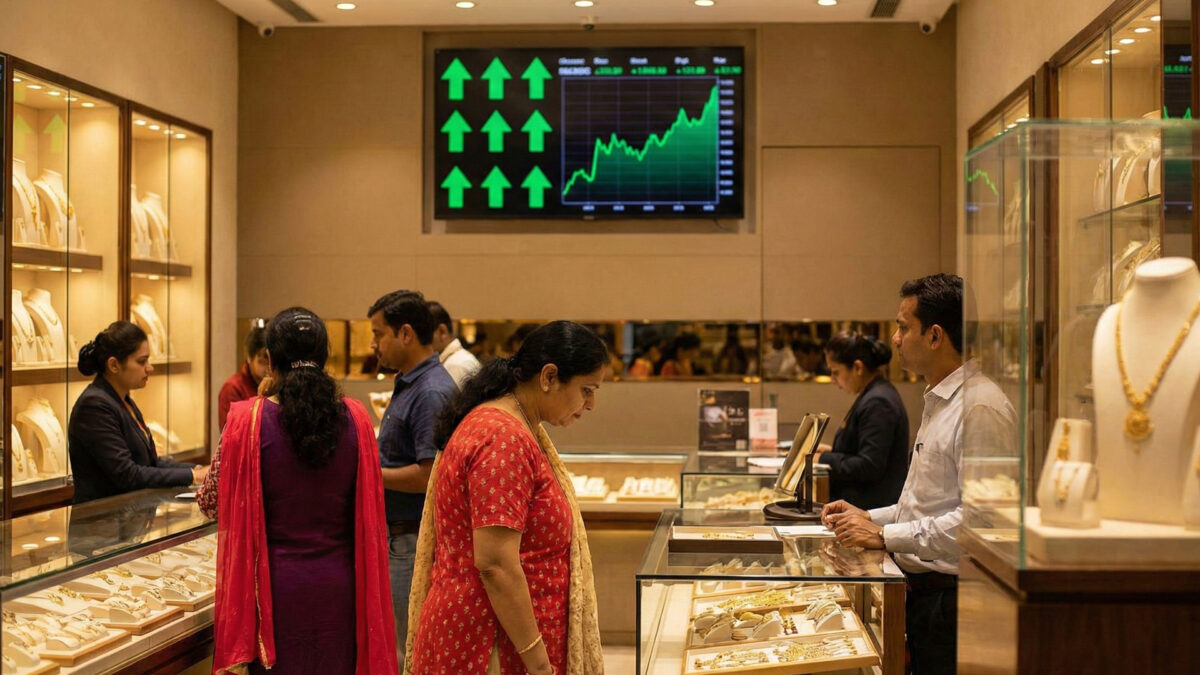
Jewellery retailer Kalyan Jewellers reported a strong performance for the fourth quarter of FY26, with consolidated net profit more than doubling year-on-year to ₹410 crore. The company had posted a profit of around ₹180 crore during the same period last year.

The sharp rise in profit was driven by strong demand for gold and wedding jewellery across markets, along with continued retail expansion and improved sales performance. Revenue for the quarter also recorded healthy growth as customer demand remained strong despite high gold prices.

The company said festive purchases, wedding season demand, and growing preference for branded jewellery helped support sales during the quarter. Higher footfall in stores and better contribution from franchise operations also added to overall growth.

Kalyan Jewellers continued expanding its retail network during the financial year, opening new showrooms in India and overseas markets. The company said it remains focused on increasing its presence in tier-2 and tier-3 cities, where organised jewellery retail is seeing rising demand.

Apart from business expansion, the company also significantly increased its advertising and promotional spending during FY26. According to industry reports, Kalyan Jewellers’ advertising expenditure rose by 22% compared to the previous year. The company continued aggressive marketing campaigns featuring brand ambassadors and regional promotions to strengthen customer reach and brand visibility.

The jewellery retailer said investments in branding and customer engagement helped improve market presence and attract new buyers. Its digital campaigns and festive promotions also contributed to stronger sales momentum.

Industry analysts said organised jewellery brands continue to benefit from increasing consumer trust, transparency in pricing, and shifting preference away from unorganised retailers.

Kalyan Jewellers’ latest results reflect the broader strength seen in India’s organised jewellery sector, where major brands have reported robust growth despite fluctuations in gold prices.

Also Read: Titan Q4 profit shoots up by 35% to ₹1,179 cr

Categories
Corporate

Sensex falls 500 points, Nifty slips below 24,200

Indian equity markets ended lower on Thursday, with the Sensex falling over 500 points and the Nifty slipping below the 24,200 mark, as weak global cues and rising crude oil prices weighed on investor sentiment.

The decline was broad-based, with selling pressure seen across banking, financial services, IT, and auto stocks. Market participants said concerns over higher crude oil prices and continued foreign fund outflows added to the negative mood.

Among Sensex constituents, major laggards included HDFC Bank, Bajaj Finance, Axis Bank, UltraTech Cement, SBI, and Coal India, which dragged the indices lower during the session. The weakness in heavyweight financial stocks had a significant impact on overall market direction.

On the other hand, a few stocks managed to buck the trend. Titan, Asian Paints, Adani Ports, Infosys, and HCL Tech were among the key gainers, offering some support to the broader market.

Broader indices also ended in the red, though small pockets of resilience were visible in select sectors. Market experts said investors remained cautious amid geopolitical tensions and volatility in global crude oil prices, which have raised concerns over inflation and margins for corporates.

The rise in crude oil prices is particularly significant for India, as it is a major importer of energy. Higher oil prices can increase inflationary pressure and widen the trade deficit, which typically weighs on equity markets.

Also Read: Dabur Q4 profit rises 15% on strong rural demand

Categories
1 Minute-Read

Gautam Adani meets Vietnam President in Mumbai

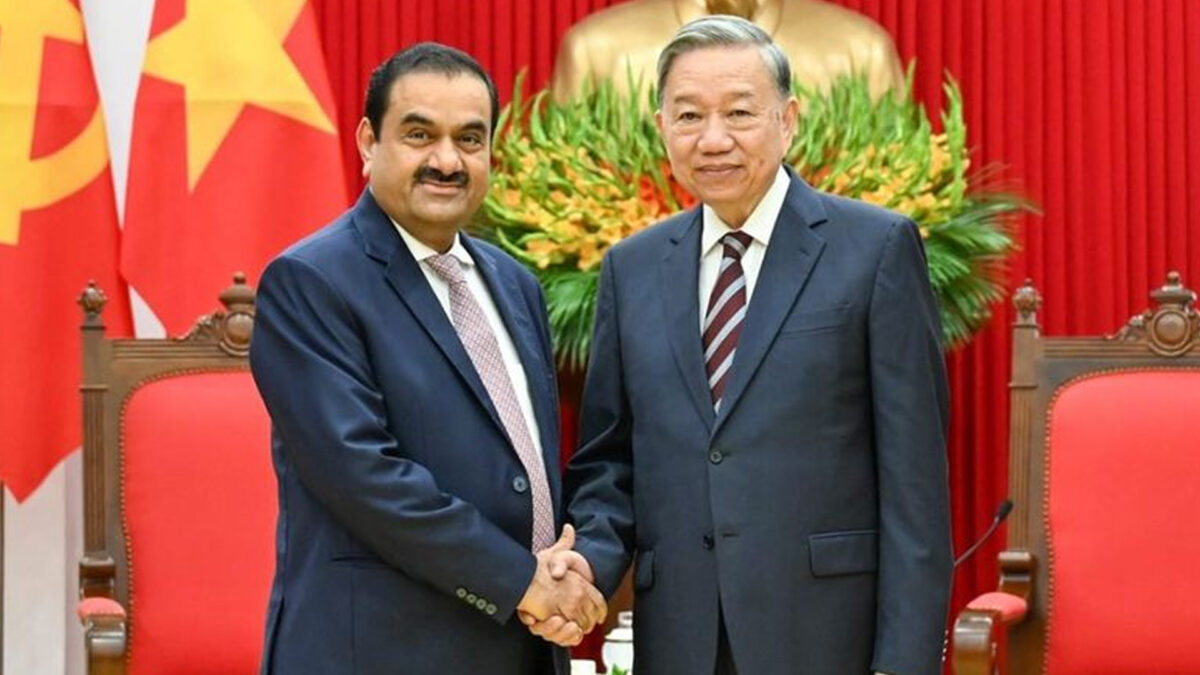
Industrialist Gautam Adani met visiting Vietnamese President To Lam in Mumbai on Thursday in a brief interaction following a major India–Vietnam business forum. The meeting reportedly lasted around 15 minutes and took place at a hotel in south Mumbai. No official details of the discussion were released by either side.

The interaction is being seen as part of broader efforts to strengthen trade and investment ties between India and Vietnam during the President’s official visit. The visit has focused on expanding cooperation in infrastructure, energy, manufacturing, and other key sectors. Adani Group has shown interest in Southeast Asia, including Vietnam, for future investments.

Categories
Corporate

Dabur Q4 profit rises 15% on strong rural demand

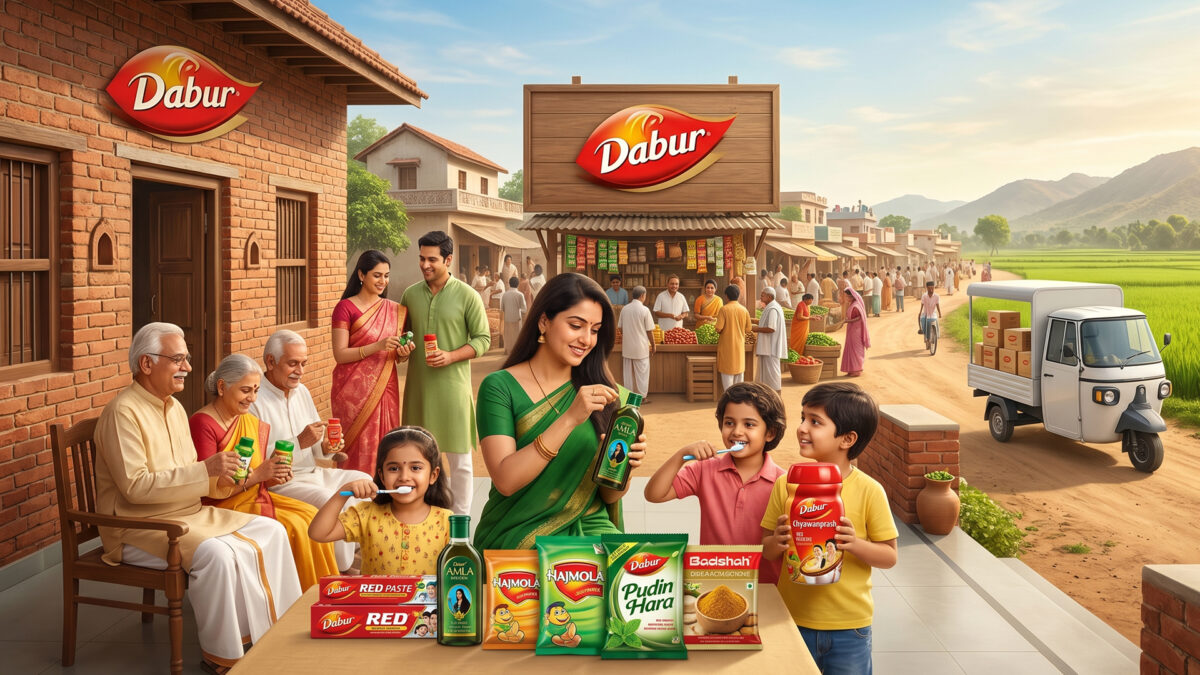
Dabur India reported a solid performance in the March quarter, with net profit rising 15% year-on-year to ₹369 crore. The company also saw revenue grow 7.3%, driven by steady demand across its core FMCG portfolio.

The growth was largely supported by strong performance in the domestic market, particularly in rural areas where consumption trends remained healthy. Categories such as health care, personal care, and home care contributed to the overall uptick in sales.

The company said volume-led growth across its brands helped offset challenges in some international markets, where demand remained uneven. While India continued to deliver consistent growth, overseas operations saw slower momentum in certain regions.

Operating performance remained stable during the quarter, supported by better cost management and steady demand for essential consumer products. Dabur noted that input cost pressures were largely managed through pricing actions and efficiency improvements.

The board also recommended a final dividend for shareholders, reflecting confidence in the company’s financial position and consistent earnings performance.

Management highlighted that rural demand continued to outperform urban markets, helping sustain overall growth despite broader economic uncertainties. The company also pointed to strong brand strength and wide distribution reach as key factors behind its performance.

For the full year, Dabur maintained stable growth across its major product segments, including hair care, oral care, digestive health products, and beverages. The company continues to focus on expanding its distribution network and strengthening its presence across both traditional retail and modern trade channels.

Also Read: Lenskart shares slide after ₹5,316 cr block deal

Categories
Corporate

Lenskart shares slide after ₹5,316 cr block deal

Lenskart shares fell in early trade after a large block deal worth over ₹5,300 crore saw more than 6% of the company’s stake change hands in the market.

Over 11 crore shares were traded through block deals at a discounted price compared to the previous market close, leading to pressure on the stock during the trading session. The decline came on the same day the lock-in period for several pre-IPO investors ended, allowing them to sell their shares in the open market.

Market reports said a number of early investors and shareholders were looking to partially reduce their holdings after the lock-in expiry. With restrictions removed, shares worth nearly ₹51,000 crore became eligible for trading, increasing the possibility of large transactions and profit booking.

Analysts said such movements are common after lock-in periods end, especially in recently listed companies where early investors seek to monetise part of their investments. The sudden rise in tradable shares often creates temporary pressure on stock prices.

Lenskart, founded by Peyush Bansal, made its stock market debut in 2025 and has remained closely watched by investors because of its strong growth in the eyewear and retail technology business. Despite the recent fall, the stock continues to trade above its IPO price.

The company has expanded rapidly in recent years through aggressive store additions, online sales growth, and international expansion. It has also focused on improving profitability while strengthening its presence in both Indian and overseas markets.

At the same time, analysts say the company’s long-term performance will depend more on business growth, profitability, and expansion plans rather than temporary selling pressure linked to block deals.

Also Read: Skyroot becomes India’s first space-tech unicorn

Categories
Technology

Skyroot becomes India’s first space-tech unicorn

Skyroot Aerospace has achieved a major milestone by becoming India’s first space-tech unicorn after raising $60 million in a fresh funding round. The Hyderabad-based startup is now valued at $1.1 billion, highlighting growing investor confidence in India’s private space industry.

The funding comes at an important stage for the company as it prepares for the launch of Vikram-1, its first orbital rocket mission. If successful, Vikram-1 will become the first privately developed Indian rocket to place satellites into orbit, marking a significant step for the country’s commercial space ambitions.

Founded in 2018 by former ISRO scientists Pawan Kumar Chandana and Naga Bharath Daka, Skyroot has quickly emerged as one of India’s most promising space startups. The company first gained national attention in 2022 after launching Vikram-S, becoming the first Indian private company to send a rocket into space.

Skyroot said the newly raised funds will be used to expand manufacturing capacity, speed up rocket development, and increase launch frequency in the coming years. The company is also working on future launch vehicles and satellite deployment services as demand for low-cost commercial launches grows globally.

The latest investment round included participation from major global and domestic investors, underlining rising international interest in India’s growing space ecosystem. Industry experts believe the company’s unicorn status reflects how rapidly the country’s private space sector has evolved since the government opened the industry to startups and private companies.

The commercial satellite market has expanded significantly in recent years, with companies around the world looking for affordable and reliable launch partners. Skyroot aims to position itself as a key player in this market by offering cost-effective launch services for small satellites.

With strong investor backing, growing technological capabilities, and a landmark launch ahead, Skyroot is now entering a crucial phase in its journey to become a global space-tech company.

It is believed that the upcoming Vikram-1 mission will be a defining moment for the startup and could strengthen India’s standing in the global commercial space industry if successful.

Also Read: RBI clears Kotak stakes in AU SFB, Federal Bank

Categories
Beyond

RBI clears Kotak stakes in AU SFB, Federal Bank

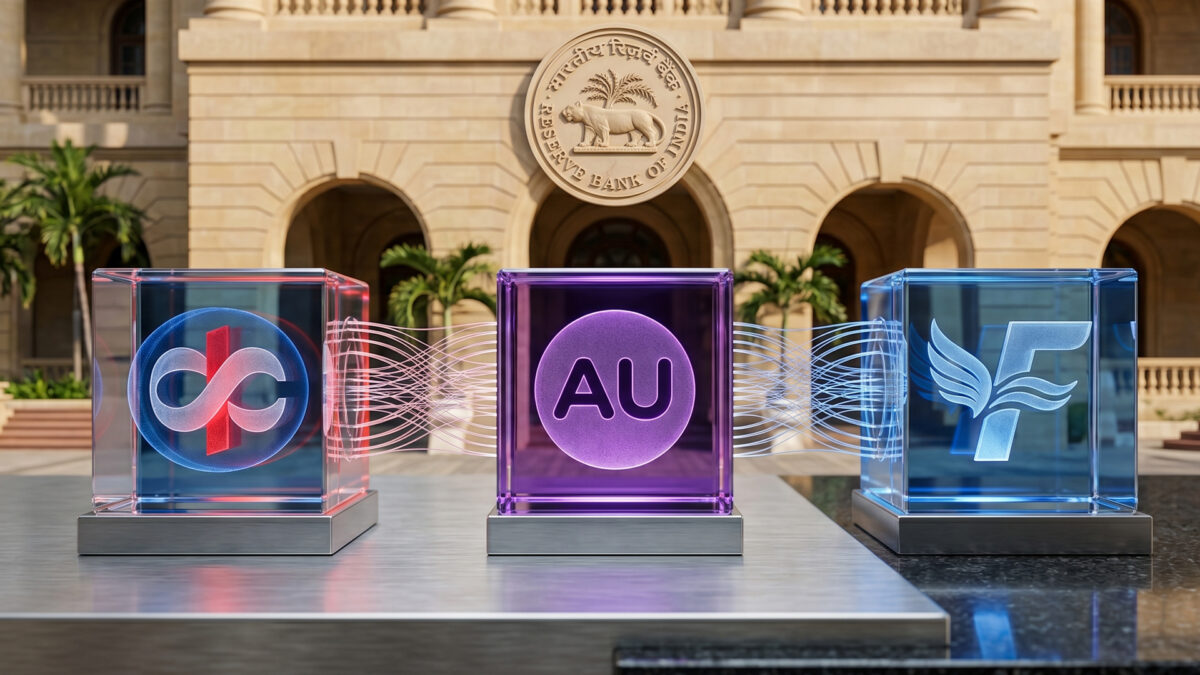
Kotak Mahindra Bank has received approval from the Reserve Bank of India (RBI) to acquire up to 9.99% stake each in AU Small Finance Bank and Federal Bank, strengthening its presence in India’s private banking sector.

The approval allows Kotak Mahindra Bank, along with its group entities and investment arms, to increase its holding in both banks within the permitted limit. The move is being viewed as a strategic investment aimed at expanding Kotak’s footprint across different segments of the banking industry.

Both AU Small Finance Bank and Federal Bank informed stock exchanges that the RBI granted the approval earlier this week. However, the acquisition will still need to comply with banking, market, and foreign investment regulations.

The development comes at a time when Indian banks are increasingly exploring partnerships, investments, and consolidation opportunities to strengthen growth and improve market reach. Analysts believe Kotak’s investments in the two lenders could open the door for closer strategic cooperation in the future.

Federal Bank has a strong presence in retail and SME banking, particularly in south India, while AU Small Finance Bank has built a significant franchise in the small finance and rural lending segment. By investing in both institutions, Kotak gains exposure to different customer segments and regional markets.

The announcement also received a positive response from investors, with shares of the three banks witnessing gains during trading sessions following the RBI approval.

Also Read: Google introduces AI-powered Fitbit Air