Categories
Corporate

Sensex drops 2,500 points, Nifty falls to 23,000

Markets faced a sharp sell‑off, with both the BSE Sensex and Nifty50 closing deep in the red. The Sensex plunged 2,497 points to 74,207, while the Nifty50 fell 776 points to 23,002, marking one of the steepest single‑day declines in recent years. Market breadth was weak, with significantly more declining stocks than advancing ones.

The key trigger behind the downturn was a spike in crude oil prices following renewed geopolitical tensions in the Middle East. Higher energy costs raised inflation concerns, weighing on investor sentiment. Foreign portfolio investors also reduced exposure amid risk‑off global cues, adding to the selling pressure.

Financial and banking stocks bore the brunt of the decline. Shriram Finance, Bajaj Finance, and Eternal Ltd emerged as the top losers on the Nifty50, while HDFC Bank and Mahindra & Mahindra also registered sharp losses. The sell‑off reflected heightened caution in rate‑sensitive and cyclical sectors.

In contrast, energy and oil stocks outperformed. ONGC and Oil India were notable gainers, benefiting from elevated crude prices. These selective winners highlighted the defensive appeal of commodity-linked names during periods of volatility.

The midcap and smallcap segments also suffered steep declines, and the Sensex volatility index surged as investors adjusted to the sharp market movements. Analysts said the correction was primarily driven by external factors, including global crude prices and US monetary policy concerns.

Also Read: Brent oil nears $120 due to Middle East crisis

Categories
Beyond

Brent oil nears $120 due to Middle East crisis

Brent crude oil, the global benchmark, is nearing $120 per barrel as tensions in the Middle East escalate. The rise comes after Iran attacked key energy facilities in the Gulf, sparking worries about supply disruptions that could affect the world’s oil markets.

The attacks targeted major oil and gas sites in countries including Qatar, Saudi Arabia, Kuwait, and the UAE. Notably, Iran struck Qatar’s Ras Laffan LNG complex, one of the largest liquefied natural gas hubs in the world. These strikes came after an earlier Israeli attack on Iran’s South Pars gas field and caused damage that could slow production and exports.

Brent oil prices jumped to nearly $120 per barrel, while US crude prices also saw significant gains. Experts warn that if the conflict continues, oil prices may stay high or rise further.

A key concern is the Strait of Hormuz, a narrow sea passage through which roughly 20% of the world’s oil passes. Any disruption here could reduce oil supply even more, pushing prices higher globally.

The surge in oil costs has also affected other markets. Stock indices in Asia, Europe, and the US have fallen as investors worry about rising energy prices and the impact on inflation. Natural gas prices in Europe have also increased, adding to energy cost concerns.

Countries that import large amounts of oil, such as India, face higher fuel prices, which can lead to increased costs for transport, manufacturing, and everyday goods. Rising energy prices may also put pressure on governments and consumers alike.

Also Read: Iran hits the world’s largest LNG hub in Qatar

Categories
Technology

DarkSword spyware threatens millions of iPhone users

A newly discovered spyware called DarkSword has sparked fresh concerns about the safety of iPhone users, with experts warning that millions of devices could be vulnerable to data theft.

The threat mainly affects iPhones that are not updated to the latest version of Apple’s iOS. Since many users delay updates, a large number of devices may still be exposed to this risk.

What makes DarkSword particularly worrying is how easily it can infect a device. Users don’t need to download an app or file, simply clicking on a malicious link or visiting a compromised website can trigger the attack. This means even careful users could unknowingly fall victim.

Once inside, the spyware can access a wide range of personal information. This includes messages, contacts, photos, call history, and even location data. In some cases, it may also steal login details for apps, putting users at risk of financial fraud or identity theft.

Experts say the spyware is difficult to detect because it uses advanced techniques that leave little to no trace. It can run quietly in the background and may even disappear after a device is restarted, making it harder to identify.

Although such tools were earlier used mainly for targeted surveillance, researchers warn that threats like DarkSword are now becoming more widespread, increasing risks for everyday users.

The good news is that Apple has already released security updates to fix the issue. Users who have updated their iPhones to the latest iOS version are largely protected from this threat.

Also Read: Iran hits the world’s largest LNG hub in Qatar

Categories
Corporate

RBI clears Bain entry into Manappuram

The Reserve Bank of India (RBI) has approved a major investment by Bain Capital in Manappuram Finance, allowing the global firm to acquire joint control of the company and its subsidiaries.

Manappuram Finance said the RBI has given the green signal for an indirect change in control of its key units, including Asirvad Micro Finance and Manappuram Home Finance. This approval is a crucial step for completing the deal.

The transaction is valued at around ₹4,385 crore, making it one of the significant investments in India’s non-banking financial sector in recent times. As part of the deal, Bain Capital will become a co-promoter of Manappuram Finance along with the existing promoters.

Initially, Bain Capital is expected to acquire an 18% stake in the company. It will also launch an open offer to public shareholders. If fully subscribed, this could increase its total stake to about 41.7%.

The RBI’s approval is mandatory for such ownership changes in financial institutions. It also allows Bain Capital to have representation on the company’s board and take part in management decisions.

Manappuram Finance believes the investment will strengthen its capital base and support future expansion. The company plans to use the funds to grow its lending business across segments such as gold loans, microfinance, and housing finance.

Market reaction to the announcement was cautious. Shares of Manappuram Finance saw a slight decline after the news, reflecting investor concerns about changes in ownership and control.

The deal is expected to be completed by the end of March 2026, subject to the completion of the open offer and other regulatory requirements.

Also Read: HDFC Bank chairman Atanu Chakraborty resigns

Categories
Leaders

HDFC Bank chairman Atanu Chakraborty resigns

India’s largest private sector lender, HDFC Bank, faced a sudden leadership shock as part‑time chairman Atanu Chakraborty resigned with immediate effect, citing “differences over values and ethics” with certain internal practices. Chakraborty, a retired IAS officer who became chairman in 2021 and was re‑appointed in 2024, did not elaborate on the specifics of his concerns, only noting that “certain happenings and practices” over the past two years conflicted with his personal values.

Following the resignation, the Reserve Bank of India (RBI) approved the appointment of veteran banker Keki Mistry as interim chairman for a three‑month term. Mistry, a long‑time executive within the HDFC Group, reassured investors and employees about operational stability and continuity, emphasizing that the leadership transition is smooth and governance remains strong.

The news triggered a sharp market reaction. HDFC Bank shares plunged around 8% in early trading, reflecting investor concern over governance uncertainty and strategic direction. The decline marked one of the steepest intraday drops in recent months, though prices later moderated slightly. The resignation came at a sensitive time as the bank continues to navigate the integration and operational pressures following its merger with HDFC Ltd, creating one of India’s largest financial conglomerates.

In response to the turmoil, the RBI clarified that its supervisory review had found no material governance or financial irregularities at the bank, affirming that it remains well-capitalized, liquid, and operationally sound.

Also Read: Gold slips to ₹1,57,740, Silver drops to ₹2,64,900

Categories
Beyond

Gold slips to ₹1,57,740, Silver drops to ₹2,64,900

Gold and silver prices in India fell slightly on Thursday as investors stayed cautious amid mixed global cues. On the Multi Commodity Exchange (MCX), 22‑carat gold declined by ₹10 to trade at ₹1,57,740 per kilogram, while silver dipped ₹100, reaching ₹2,64,900 per kilogram.

Globally, gold prices eased as well, with traders balancing safe‑haven demand against rising Treasury yields and strong US dollar sentiment. Non‑yielding assets like gold tend to face selling pressure when interest-bearing instruments become more attractive.

Market participants are closely watching the US Federal Reserve’s policy stance. The Fed recently kept interest rates steady but signaled that any rate cuts could be slower than expected. This approach has bolstered the US dollar and kept yields elevated, factors that generally limit gains in gold and silver.

At the same time, geopolitical tensions in the Middle East continue to influence global markets. Escalating conflicts involving the US, Israel, and Iran have kept crude oil prices high and raised concerns over inflation and economic growth. Typically, such uncertainties support bullion prices, but recent movements indicate that investors are weighing these risks against monetary policy developments.

Analysts say precious metals may remain volatile in the near term. Key drivers will include upcoming Fed announcements, crude oil price trends, and demand from major consuming markets like India.

City‑wise, gold rates showed small variations, reflecting local demand and supply conditions. Investors are advised to monitor both global cues and domestic factors, including festival season demand, which can impact physical buying.

Also Read: Sensex crashes over 1,600 points, Nifty falls below 23,300

Categories
Beyond

3 lakh metric tonne LPG stuck at Strait of Hormuz

Nearly 3 lakh metric tonnes (MT) of liquefied petroleum gas (LPG) are currently stranded in the Strait of Hormuz on six Indian‑flagged vessels, the Ministry of Ports, Shipping and Waterways has confirmed. The strait, a narrow but strategically crucial waterway connecting the Persian Gulf to the Arabian Sea, is a vital route for global energy shipments. Rising geopolitical tensions in the Gulf have severely disrupted maritime traffic, complicating deliveries of LPG destined for India.

In total, 22 Indian ships are affected in and around the strait, but six LPG carriers hold the largest share of stranded cargo—around 3 lakh MT collectively. Each LPG vessel generally carries 45,000‑50,000 MT, primarily for domestic industrial and household consumption. These delays are causing a temporary slowdown in LPG deliveries to India’s ports, though authorities are coordinating closely with port operators to manage the backlog.

Some relief has come from a few vessels that successfully navigated the strait under careful monitoring. The tanker Nanda Devi, carrying 46,500 MT of LPG, reached Vadinar at Kandla Port, where unloading operations have commenced. Another vessel, Shivalik, had earlier docked at Mundra Port, helping ease the pressure on domestic supply chains. Government sources said that storage and transshipment arrangements are being made to accommodate delayed cargo and minimize disruption.

The situation highlights broader energy security challenges for India, which relies heavily on Middle East imports for LPG and other fuels. Shipping companies are also facing operational hurdles, including high freight rates and fewer available vessels for long-haul shipments. The Ministry has emphasized that operations at central‑government‑owned ports continue, with active support to ensure cargo movement wherever possible.

Also Read: Jio may file draft IPO papers by end of March

Categories
Corporate

Dell cuts 11,000 jobs as workforce shrinks 10%

Dell Technologies has reduced its global workforce by around 11,000 employees in fiscal year 2026, shrinking its staff by nearly 10% as the company continues a strategy focused on cost control and organisational restructuring.

According to the company’s latest annual filing, Dell’s employee count dropped to about 97,000 as of January 31, 2026, compared with roughly 108,000 employees a year earlier. The reduction highlights the company’s continued efforts to streamline operations and manage expenses in a challenging technology market.

Dell described the move as part of “disciplined cost management”, saying the company is restructuring teams and adjusting its workforce to align with evolving business priorities. The cuts include a mix of layoffs, hiring slowdowns and natural attrition rather than a single large round of job cuts.

The workforce reduction also reflects a broader shift within the technology industry, where companies are increasingly reorganising operations while investing heavily in emerging technologies such as artificial intelligence.

Dell spent about $569 million on severance payments during the fiscal year as part of the workforce reduction process. The figure is lower than the approximately $693 million the company spent on severance the previous year, indicating a gradual approach to trimming its workforce.

The company has been steadily reducing its employee numbers in recent years. Since early 2023, Dell’s total workforce has declined significantly as the firm adjusts to slower growth in parts of the personal computer market and reallocates resources toward new growth areas.

Despite the job cuts, Dell remains optimistic about opportunities in artificial intelligence infrastructure. The company has been expanding its portfolio of AI-focused servers and data centre technologies, which are seeing growing demand as businesses increase investment in AI capabilities.

Dell expects its AI-optimised server business to play a key role in future growth, with demand expected to rise as organisations scale up computing infrastructure needed for artificial intelligence workloads.

Also Read: Nithin Kamath questions banking app permissions

Categories
Corporate

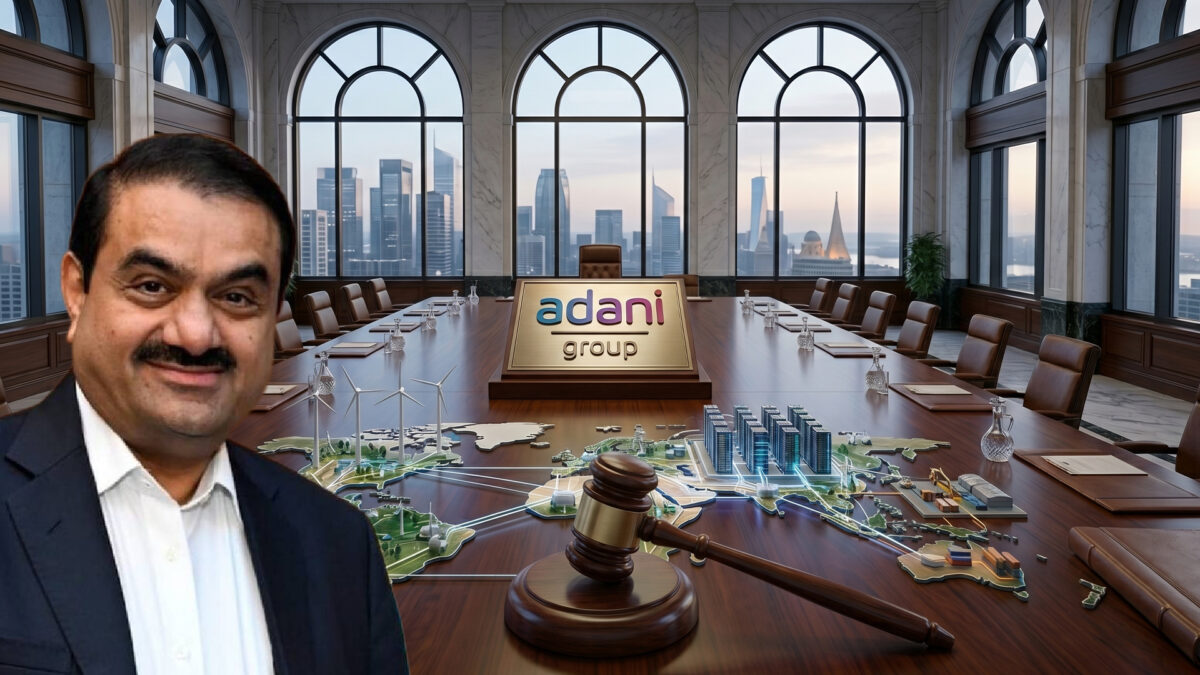
NCLT clears Adani Enterprises plan to acquire Jaiprakash Associates

The National Company Law Tribunal (NCLT) has approved the resolution plan submitted by Adani Enterprises to acquire the financially troubled Jaiprakash Associates. The approval is a key step in resolving the company’s insolvency case under India’s bankruptcy law.

The tribunal’s Allahabad bench gave the approval on March 17, 2026, clearing the way for the Adani Group to take control of the Jaypee Group’s flagship company. Adani Enterprises had offered a resolution plan worth about ₹14,535 crore to take over the company and repay part of its debt.

Jaiprakash Associates entered the corporate insolvency process in June 2024 after it failed to repay loans of more than ₹57,000 crore. Banks and other lenders had been trying to recover their dues through the insolvency process.

Adani Enterprises emerged as the winning bidder after several companies showed interest in buying the stressed firm. The company’s proposal was approved by the lenders’ Committee of Creditors (CoC) in November 2025 with around 89% of the votes, which is well above the required approval level under the Insolvency and Bankruptcy Code.

With the tribunal’s approval, Adani Enterprises can now move ahead with implementing the resolution plan. The company may complete the acquisition directly or through its subsidiaries or special purpose vehicles.

The takeover will give the Adani Group access to several important assets owned by Jaiprakash Associates. These include real estate projects, cement operations, hotels, and infrastructure assets, mainly located in North India. The company also owns large township projects such as Jaypee Greens in Greater Noida and the Jaypee International Sports City near the upcoming Jewar airport.

However, existing shareholders of Jaiprakash Associates are unlikely to receive any payout under the resolution plan. Because the company’s debts are very high, most of the recovery will go to lenders, and current shares may be cancelled during the restructuring process.

Also Read: Rupee slips 3 paise to 92.43 against US dollar


Categories
Beyond

Gold gains ₹1,58,090, silver trades at ₹2,75,100

Gold prices in India remained largely steady on Wednesday, with only marginal increases across major cities, while silver witnessed a small uptick. Market participants are keeping a close watch on global geopolitical developments and the US Federal Reserve’s upcoming policy announcement, which could influence precious metal trends.

On the domestic front, 22‑carat gold traded between ₹1,58,090 and ₹1,58,100 per 10 grams in Delhi. Mumbai recorded a slightly higher range of ₹1,58,200 – ₹1,58,210. Prices for 24K gold ranged from ₹1,72,000 – ₹1,72,010 in Delhi and ₹1,72,120 – ₹1,72,130 in Mumbai. 18K gold hovered near ₹1,29,000 – ₹1,29,010 in Delhi and ₹1,29,100 – ₹1,29,110 in Mumbai.

Silver prices also saw a modest rise, trading between ₹2,75,100 – ₹2,75,200 per kilogram in Delhi, ₹2,75,150 – ₹2,75,250 in Mumbai, ₹2,75,050 – ₹2,75,150 in Kolkata, and ₹2,75,100 – ₹2,75,200 in Chennai.

Experts attribute these movements to a combination of factors. Geopolitical tensions in the Middle Eas,  including conflicts involving Israel, the US, and Iran, have kept safe-haven demand for gold and silver elevated. Meanwhile, crude oil prices crossing the $100 per barrel mark due to supply concerns in the Strait of Hormuz have added inflationary pressure, further supporting bullion.

Despite these drivers, gains were modest as investors remain cautious ahead of US monetary policy signals. Analysts note that higher interest rates could reduce the appeal of non-yielding assets like gold, while silver’s dual role as an industrial and investment metal makes it more sensitive to market sentiment.

Also Read: Sensex jumps to 76,300, Nifty rises above 23,700