Categories
Leaders

HDFC Bank penalises CEO, CFO over MSRDC probe

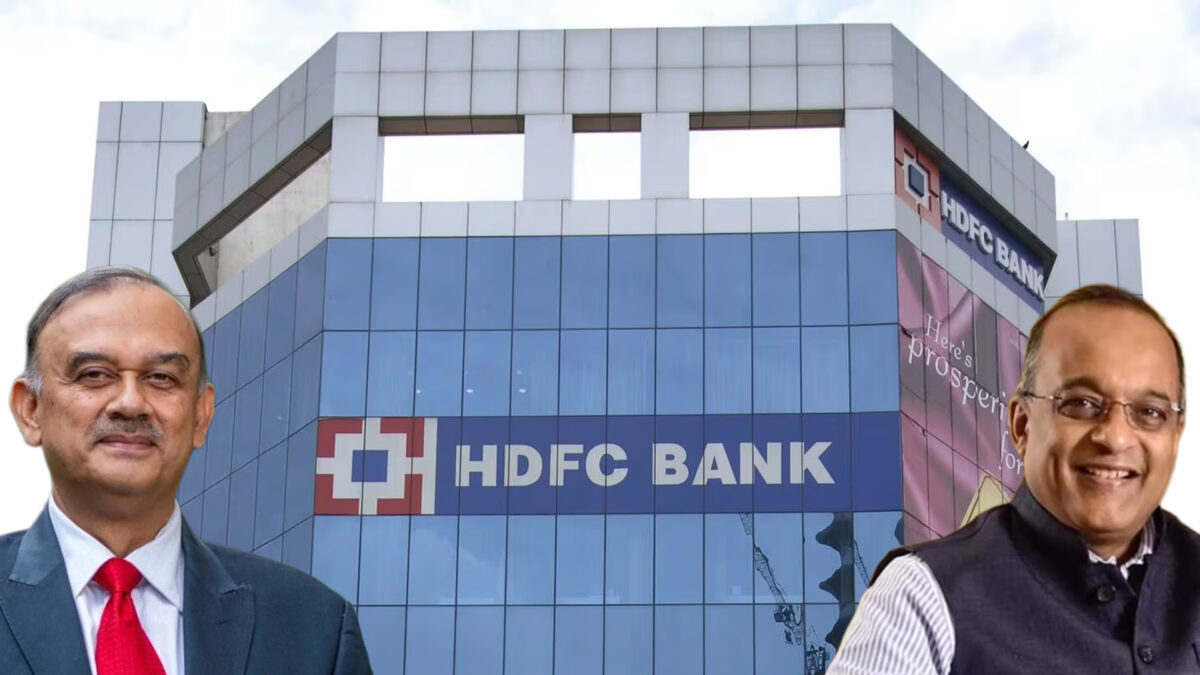
HDFC Bank has imposed a penalty of ₹1 lakh each on its Managing Director and Chief Executive Officer Sashidhar Jagdishan, Chief Financial Officer Srinivasan Vaidyanathan and Group Head–Retail Assets Arvind Vohra after an internal disciplinary inquiry into the Maharashtra State Road Development Corporation (MSRDC) deposit matter found instances of “business overreach”. The action follows an extensive review by a Special Disciplinary Committee constituted by the bank’s board to examine concerns surrounding deposit mobilisation and related business practices.

The country’s largest private sector lender said its board accepted the committee’s findings, which concluded that while the executives had exceeded acceptable business boundaries in pursuit of business objectives, there was no evidence of fraud, corruption, personal gain, mala fide intent or unethical enrichment. Along with the financial penalty, the bank has also issued formal warning letters to all three executives.

The disciplinary action marks one of the rare occasions when HDFC Bank has publicly announced penalties against its senior leadership. Although the monetary fine is relatively small, the board’s decision highlights the bank’s emphasis on accountability, governance and compliance, irrespective of an executive’s position within the organisation.

The controversy relates to transactions involving deposits from the Maharashtra State Road Development Corporation, a state government undertaking responsible for developing road infrastructure across Maharashtra. The matter dates back to deposit arrangements executed in 2017 and 2021, which later came under scrutiny over questions relating to pricing, business practices and internal approvals.

As concerns grew, HDFC Bank constituted an independent Special Disciplinary Committee to investigate the matter in detail. The committee reviewed documents, examined internal procedures and assessed whether any executives had violated the bank’s governance standards or regulatory obligations.

After completing its investigation, the committee concluded that the executives had displayed “business overreach” while pursuing commercial objectives. However, it found no indication that they had acted dishonestly or derived any personal financial benefit from the transactions.

The bank said the board carefully examined the committee’s report before accepting its recommendations. It agreed that while the actions reflected errors in judgement and crossed internal business boundaries, they did not amount to fraud, corruption or intentional misconduct.

HDFC Bank emphasised that the disciplinary action was intended to reinforce its governance framework rather than suggest criminal wrongdoing. The board also decided that warning letters would accompany the fines, underscoring the expectation that senior executives adhere to the highest standards of professional conduct.

The lender has informed investors that it will share the findings of the inquiry with the Reserve Bank of India (RBI), demonstrating its commitment to transparency and regulatory compliance. The bank also said it has strengthened its internal controls and approval processes to minimise the possibility of similar situations arising in the future.

The MSRDC deposit matter has attracted widespread attention over recent months after allegations emerged regarding payments linked to deposit mobilisation. Reports had suggested that nearly ₹45 crore connected with the transactions was accounted for as marketing expenditure, prompting questions from regulators and investors about the bank’s internal controls and governance practices.

While the issue generated considerable public discussion, HDFC Bank maintained throughout the process that it would rely on an independent investigation before drawing any conclusions. The bank reiterated that the committee’s findings did not establish any evidence of dishonest conduct by the executives involved.

The issue also came into sharper focus following governance-related developments at the bank earlier this year, including the resignation of former Chairman Atanu Chakraborty. Although separate legal reviews reportedly found no evidence of governance failures or unethical conduct, the MSRDC matter remained under close scrutiny from shareholders, analysts and regulators.

For investors, the board’s conclusions provide greater clarity on the nature of the case. By describing the conduct as business overreach rather than fraud or corruption, the bank has attempted to draw a clear distinction between lapses in judgement and deliberate wrongdoing.

The development is also significant because it comes while the banking sector is facing increased regulatory attention on corporate governance, executive accountability and risk management. In recent years, regulators have encouraged banks to strengthen oversight mechanisms, improve transparency and ensure that senior management remains accountable for business decisions.

Market experts believe HDFC Bank’s decision to publicly disclose the disciplinary action reflects a broader shift towards stronger governance standards in India’s financial sector. They note that although the fines are symbolic, the action sends a clear message that even the bank’s highest-ranking executives are subject to internal review and disciplinary processes.

Analysts are also closely watching the matter because it coincides with the pending approval from the Reserve Bank of India for CEO Sashidhar Jagdishan’s reappointment. While HDFC Bank has not linked the two issues, the MSRDC investigation has added to investor interest in the bank’s leadership and governance practices.

Despite the controversy, HDFC Bank remains one of India’s strongest banking institutions with a reputation for prudent risk management and stable financial performance. The bank has reiterated that the disciplinary proceedings have now concluded and that corrective measures have already been implemented to strengthen governance, internal approvals and oversight.

The lender said it remains committed to protecting the interests of customers, shareholders and regulators while maintaining the highest standards of ethical banking. It added that lessons from the internal inquiry would be incorporated into future governance and compliance processes.

The HDFC Bank MSRDC case has emerged as one of the most closely watched corporate governance developments in India’s banking sector this year. While the board found no evidence of fraud or personal enrichment, the disciplinary action reinforces the growing importance of banking compliance, board accountability, risk management, ethical leadership and corporate governance in preserving trust in India’s financial system. As regulatory scrutiny of financial institutions continues to intensify, the case serves as a reminder that strong governance depends not only on preventing misconduct but also on addressing lapses in judgement before they escalate into larger concerns.

Categories
Leaders

HDFC Bank pauses CEO reappointment recommendations

HDFC Bank has postponed its recommendation to reappoint Managing Director and Chief Executive Officer (CEO) Sashidhar Jagdishan, with the bank’s board initiating a fresh review before sending its proposal to the Reserve Bank of India (RBI). The move comes amid continued scrutiny of the bank’s governance practices, although there is no indication so far of any wrongdoing by the CEO.

Jagdishan’s current term is scheduled to end in October 2026, and under RBI guidelines, private sector banks are required to seek regulatory approval well before a CEO’s tenure expires. While the process for his reappointment had already begun, the board has decided to delay its recommendation until an additional review by independent directors is completed.

According to reports, the board’s decision follows concerns raised earlier this year over allegations that the bank had offered preferential interest rates on certain high-value deposits. These reports prompted the independent directors to undertake another round of assessment before making a final recommendation on the CEO’s continuation.

The review is focused on governance processes rather than the bank’s day-to-day operations. People familiar with the matter have indicated that the ongoing exercise has not uncovered any evidence of misconduct or regulatory violations involving Jagdishan. Instead, the board is carrying out a detailed evaluation to ensure that all governance-related questions have been addressed before approaching the RBI.

The latest development comes just months after the unexpected resignation of former HDFC Bank Chairman Atanu Chakraborty. His departure earlier this year had sparked speculation over internal governance issues and led to increased attention on the bank’s leadership structure.

Following Chakraborty’s resignation, the bank appointed two independent law firms to examine the concerns that had surfaced. Those legal reviews reportedly concluded that there were no material governance lapses and found no evidence to support allegations of misconduct by the bank’s management. The findings had initially cleared the way for the board to proceed with Jagdishan’s reappointment process.

However, the independent directors have now opted for one more review before finalising their recommendation. The decision reflects the board’s intention to strengthen transparency and reinforce investor confidence, particularly at a time when corporate governance standards are under close regulatory and shareholder scrutiny.

HDFC Bank has maintained that the reappointment process is progressing in accordance with regulatory requirements. During the lender’s recent quarterly earnings interaction, senior management confirmed that the matter was under consideration by the Group Nomination and Remuneration Committee and the board of directors. The bank said it would make an announcement once the process is completed.

Corporate governance experts say such reviews are common for large financial institutions, especially when leadership appointments attract public attention. Independent directors have a responsibility to conduct due diligence before recommending the appointment or reappointment of senior executives, ensuring that all relevant issues have been thoroughly examined.

The delay has nevertheless drawn attention because HDFC Bank is India’s largest private sector lender by market capitalisation and plays a significant role in the country’s financial system. Any uncertainty surrounding its top leadership is closely monitored by investors, analysts and regulators.

Market participants believe the board’s cautious approach is intended to demonstrate strong governance rather than signal concerns about the bank’s operational performance. HDFC Bank continues to report stable business growth across deposits, advances and digital banking services, and the review is not expected to affect customer operations.

The bank has also taken steps to strengthen its governance framework in recent months. The RBI recently approved the appointment of Rajiv Kumar as the bank’s part-time chairman, providing stability to the board following Chakraborty’s exit.

For customers, the ongoing review is unlikely to have any immediate impact. Banking services, digital payment platforms, lending operations and customer transactions continue as usual. The issue is limited to the internal process of evaluating the CEO’s reappointment before seeking approval from the RBI.

The central bank has the final authority to approve the appointment or extension of CEOs at private sector banks. Once the HDFC Bank board completes its review, it will decide whether to recommend Jagdishan for another term, after which the proposal will be submitted to the RBI for consideration.

Industry observers expect the board to conclude the review in the coming weeks. If the recommendation is approved by the RBI, Jagdishan is likely to continue leading the bank through its next phase of growth, including the continued integration of HDFC Ltd with HDFC Bank and the expansion of its retail and digital banking businesses.

The outcome of the review is expected to be watched closely across the banking sector. Beyond deciding the future of one of India’s most prominent banking leaders, the process is also seen as a test of the importance that listed financial institutions place on corporate governance, board independence, regulatory compliance and shareholder confidence.

Also Read: Sobha Limited profit jumps to ₹51 cr

Categories
Corporate

Top 5 firms add ₹1.54 lakh cr market value

India’s biggest listed companies delivered a strong performance on the stock market during the past week, with five of the country’s 10 most-valued firms together adding nearly ₹1.54 lakh crore to their combined market capitalisation. The rally was driven by robust investor interest in blue-chip stocks, with Tata Consultancy Services (TCS) emerging as the biggest wealth creator during the week.

The rise in market value reflects improving investor confidence in fundamentally strong companies despite continued global uncertainties. Healthy corporate earnings, sustained domestic investment and optimism around India’s economic outlook encouraged investors to increase their exposure to leading stocks across information technology, banking and energy sectors.

Among all the companies, TCS recorded the highest jump in market capitalisation. The IT giant added more than ₹72,000 crore to its valuation during the week, making it the biggest contributor to the overall gains. Investor sentiment towards the company improved after its quarterly earnings met market expectations and the management expressed confidence about stronger business momentum in the coming months. The company’s positive outlook reassured investors that demand for technology services is expected to remain resilient despite global economic challenges.

Private sector lender ICICI Bank also witnessed a significant rise in market value, adding more than ₹29,000 crore during the week. Strong financial performance, consistent loan growth and healthy asset quality continued to attract investor interest in the banking major. Financial stocks remained among the preferred choices for investors as expectations of sustained credit growth and stable profitability supported buying activity.

Reliance Industries, India’s most-valued listed company, also contributed to the rally by adding nearly ₹24,000 crore to its market capitalisation. The conglomerate continued to receive support from investors due to its diversified business portfolio spanning energy, retail and digital services. The company’s long-term growth prospects and continued investments in expanding businesses helped maintain positive market sentiment.

Other major gainers included Infosys and HDFC Bank, both of which registered healthy increases in their market valuations during the week. The gains in these companies reflected renewed confidence in India’s leading technology and financial services firms, which continue to remain favourites among both domestic and foreign institutional investors.

Together, these five companies added approximately ₹1.54 lakh crore to their combined market capitalisation, highlighting the strength of India’s large-cap stocks. Market experts believe that investors continue to favour companies with stable earnings, strong balance sheets and proven business models, especially at a time when global markets remain volatile.

However, the week was not positive for every company among India’s top-10 most-valued firms. Five other companies witnessed a decline in their market capitalisation as investors booked profits after recent gains. Despite these losses, the combined increase recorded by the top performers comfortably outweighed the decline, allowing the overall valuation of India’s leading listed companies to move higher.

The latest changes did not significantly alter the hierarchy of India’s biggest listed firms. Reliance Industries retained its position as the country’s most-valued company by market capitalisation. It continued to be followed by HDFC Bank, Bharti Airtel, ICICI Bank, State Bank of India, TCS, Bajaj Finance, Life Insurance Corporation of India (LIC), Larsen & Toubro (L&T) and Hindustan Unilever Ltd (HUL). These companies collectively account for a substantial share of India’s total stock market value and often influence the movement of benchmark indices.

Market capitalisation, commonly referred to as market cap, represents the total value of a company’s outstanding shares. It is calculated by multiplying the current share price by the total number of shares in circulation. A rise in market capitalisation generally indicates growing investor confidence and an increase in shareholder wealth, while a decline reflects weaker market sentiment or profit booking.

Analysts say the latest rally underlines the resilience of India’s equity markets, supported by strong domestic participation, steady inflows from institutional investors and optimism surrounding corporate earnings. Large-cap companies continue to attract investors because they are generally considered more stable during periods of market volatility.

The performance of TCS has been particularly encouraging for the information technology sector, which has faced pressure over the past year due to slower global technology spending. The company’s strong quarterly performance and optimistic guidance have renewed hopes that demand for digital transformation projects could improve in the coming quarters.

With the earnings season gathering pace and investors closely monitoring quarterly results, market participants expect stock-specific movements to remain high in the coming weeks. If corporate earnings continue to meet expectations and macroeconomic conditions remain supportive, India’s leading companies could continue to witness healthy investor interest, strengthening the country’s equity markets further.

Also Read: Sensex slides 440 points, Nifty ends below 24,250

Categories
1 Minute-Read

HDFC Bank redeploys staff as technology boosts productivity

HDFC Bank is redeploying employees from backend operations to customer-facing roles as technology and automation improve operational efficiency.

Managing Director and CEO Sashidhar Jagdishan said the bank is not cutting jobs despite increased use of digital tools. Instead, staff whose routine tasks have been automated are being trained for roles involving customer service, relationship management and business development.

He said technology is helping employees become more productive, while human interaction remains crucial for delivering quality banking services. The move reflects the bank’s focus on reskilling its workforce and enhancing customer experience through a balanced use of technology and people.

Categories
Leaders

Axis Bank CFO Puneet Sharma joins HDFC Bank

HDFC Bank has appointed Puneet Sharma, the outgoing Chief Financial Officer (CFO) of Axis Bank, as its new finance chief, strengthening its senior leadership at a time when the country’s largest private sector lender is focused on long-term growth.

Sharma will join HDFC Bank after completing his notice period at Axis Bank and after receiving the required regulatory approvals. He is expected to succeed the bank’s current finance leadership as HDFC Bank continues to integrate operations following its merger with Housing Development Finance Corporation (HDFC).

A seasoned banking professional, Sharma has over two decades of experience in finance, treasury, strategy and corporate banking. During his tenure at Axis Bank, he played a key role in strengthening the bank’s financial position, improving capital management and driving business transformation.

His move comes shortly after Axis Bank announced that Sharma would step down as CFO in August. The leadership change has drawn attention across the banking sector, given his experience and the significance of the role at HDFC Bank.

For HDFC Bank, the appointment comes at an important stage as it continues to manage post-merger integration, improve operational efficiency and maintain steady business growth.

The appointment also reflects HDFC Bank’s focus on bringing experienced leaders into key positions as competition in the banking sector continues to intensify.

Also Read: Centre to launch ₹5,000-cr green steel scheme

Categories
Leaders

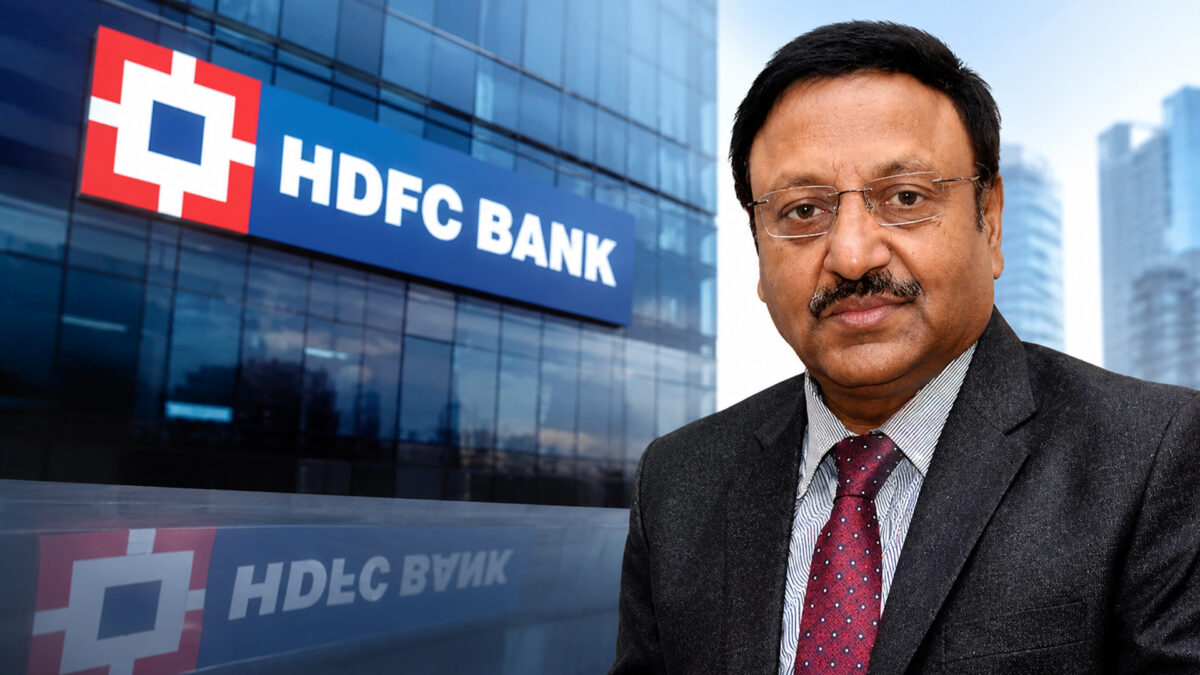
HDFC Bank names Rajiv Kumar part-time chairman

HDFC Bank has appointed former Finance Secretary Rajiv Kumar as its Part-Time Chairman, marking a significant leadership change at India’s largest private sector lender. His appointment, approved by the bank’s board, will take effect after receiving the necessary approvals from the Reserve Bank of India (RBI) and shareholders.

Rajiv Kumar succeeds Atanu Chakraborty, whose tenure as Part-Time Chairman ends after completing the maximum term permitted under banking regulations. Kumar has been appointed for a three-year term, subject to regulatory clearance.

A seasoned bureaucrat with decades of experience in public finance and economic policymaking, Kumar has held several key positions in the Government of India. He served as Finance Secretary and was also the country’s Chief Election Commissioner (CEC). During his career, he was closely associated with major financial sector reforms and represented India on several international financial institutions.

HDFC Bank said Kumar’s wide-ranging experience in governance, financial regulation and public policy will strengthen the bank’s board as it continues to expand its operations following its merger with Housing Development Finance Corporation (HDFC).

The appointment comes at a crucial time for the bank, which has been focused on integrating its businesses after the landmark merger and accelerating growth across retail and corporate banking. Industry observers believe Kumar’s policy expertise and understanding of the financial system will help the bank navigate a rapidly evolving banking landscape.

Rajiv Kumar has also served on the boards of several important financial institutions and regulatory bodies during his career. His experience in economic administration and institutional governance is expected to add strategic depth to HDFC Bank’s decision-making process.

Also Read: Adani sells 49% Vizhinjam port stake to MSC

Categories
Corporate

HDFC Bank falls on ₹45 cr probe reports

HDFC Bank shares slipped nearly 2 per cent after media reports claimed authorities were examining alleged interest payments worth around ₹45 crore linked to certain transactions. The reports triggered investor concern and led to selling pressure on the banking stock during trading.

The bank, however, strongly rejected the claims and described the reports as incorrect and misleading. In an official clarification, HDFC Bank said there was no inappropriate payment or wrongdoing involved in the matter.

According to the bank, all transactions were carried out following regulatory rules and internal compliance procedures. HDFC Bank also stated that it maintains strict governance standards and fully complies with all financial regulations.

Despite the clarification, the reports affected market sentiment and kept the stock under pressure through the trading session. Analysts said investors often react cautiously whenever reports involving regulatory scrutiny or financial investigations emerge, even if there is no confirmed action by authorities.

Also Read: Government warns industries on retail fuel use

Categories
Beyond

HDFC Bank introduces limited work-from-home policy

HDFC Bank has introduced a limited work-from-home (WFH) policy allowing select employees to work remotely for up to two days a week. The arrangement applies to staff in Business Enabling Functions and Corporate Enabling Functions, which include key support and administrative roles.

The policy has come into effect immediately and will remain in place for an initial period of 30 days. After this period, the bank will review the arrangement and decide whether to continue or modify it based on operational needs.

According to reports, the decision has been taken in the backdrop of rising crude oil prices and a broader call to conserve fuel. The move aligns with recent appeals encouraging organisations to reduce unnecessary travel and adopt hybrid or remote working options where possible.

Importantly, the policy will not impact customer-facing operations. Branch services, frontline banking staff, and public interactions will continue to function as usual without any changes. The WFH option is strictly limited to internal departments such as IT, HR, finance, compliance, risk management, and other corporate support functions.

Also Read: India considers $1 bn EV incentive plan

Categories
Leaders

HDFC Bank chairman had quit after CEO rift

The resignation of Atanu Chakraborty as chairman of HDFC Bank has been linked to a reported leadership conflict with CEO Sashidhar Jagdishan, raising questions about internal dynamics at the country’s largest private lender.

According to reports, differences between Chakraborty and Jagdishan had been growing over key decisions at the top level. A major point of disagreement was said to be related to the extension of the CEO’s tenure. While Chakraborty reportedly opposed the move, most members of the board were in favour, leading to a divide in leadership.

The situation is believed to have escalated over time, eventually resulting in Chakraborty’s decision to step down. His sudden exit surprised investors and market observers, as he was expected to continue in the role until 2027 following his reappointment.

In response to the developments, HDFC Bank has initiated a review of the circumstances surrounding the resignation. External legal experts have been brought in to examine governance processes and assess any concerns raised during the episode. The move is aimed at ensuring transparency and maintaining confidence among stakeholders.

Despite the reports of a power struggle, the bank has sought to reassure investors. Officials have stated that differences of opinion are not uncommon in large organisations and insisted that there are no major governance lapses. The management has maintained that all decisions were taken within the framework of board discussions.

Chakraborty, a former senior bureaucrat, had been serving as part-time chairman since 2021. His departure marks a key leadership change, with the bank now focused on ensuring stability while addressing concerns around internal alignment and governance practices.

The episode has drawn attention due to HDFC Bank’s significant role in India’s financial system. Any signs of leadership instability at such a large institution can impact investor sentiment and market performance. Following the news, the bank’s shares saw some volatility, reflecting concerns among investors.

Also Read: Centre to borrow ₹8.2 lakh cr in 1st half of FY27

Categories
1 Minute-Read

HDFC Bank sacks 3 executives over compliance lapses

HDFC Bank has fired three senior executives after an internal probe found lapses in client onboarding and alleged mis-selling of Credit Suisse AT1 bonds at its DIFC branch in Dubai. Regulators had earlier flagged compliance issues and restricted the branch from adding new clients.

The bank said it conducted a detailed review and took corrective steps, including tightening controls and making leadership changes. The AT1 bonds, considered high-risk, had lost value during the Credit Suisse crisis.

HDFC Bank said it remains committed to strong governance and will work with regulators while focusing on rebuilding customer trust.