Categories
Uncategorized

Jeff Bezos backed AI startup Prometheus raises $12 bn

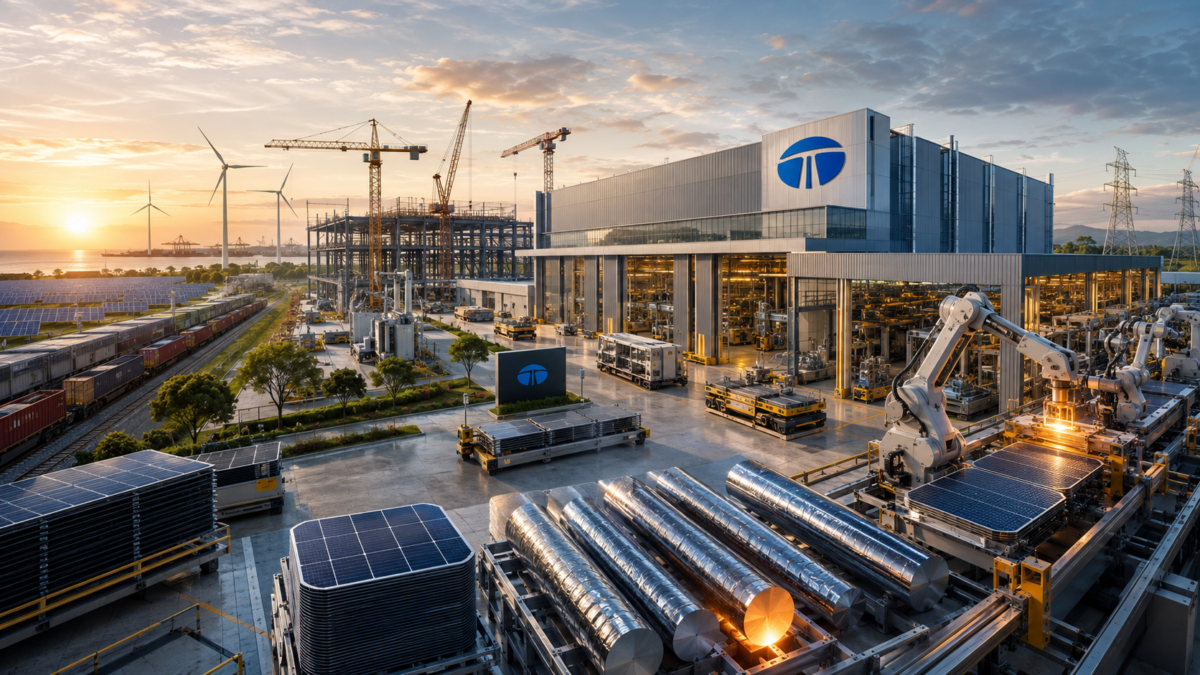
Prometheus, an artificial intelligence startup backed by Amazon founder Jeff Bezos, has raised $12 billion in one of the largest funding rounds in the AI sector, highlighting growing investor interest in industrial applications of artificial intelligence.

The company plans to use the fresh capital to expand its AI-powered engineering platform, which is designed to help manufacturers and industrial firms speed up complex design, production and infrastructure projects. The funding round values Prometheus among the world’s most highly valued AI startups.

Prometheus focuses on applying generative AI and advanced machine learning tools to industrial engineering challenges. Its technology can assist engineers in designing products, optimizing manufacturing processes and managing large-scale industrial projects more efficiently. The company says its systems can significantly reduce the time required for planning and development.

The latest investment reflects increasing demand for AI solutions beyond consumer applications such as chatbots and digital assistants. Investors are now placing greater emphasis on technologies that can improve productivity in sectors including manufacturing, energy, construction and logistics.

According to reports, the company has attracted strong support from major investors who believe industrial AI could become one of the most valuable segments of the rapidly expanding artificial intelligence market. Businesses worldwide are seeking ways to use AI to cut costs, improve efficiency and accelerate innovation.

Jeff Bezos, who has backed the startup through his investment interests, is among the prominent figures supporting the company’s growth. His involvement has drawn additional attention to Prometheus as competition intensifies among AI firms seeking to develop practical business applications.

Industry experts say industrial engineering remains a largely untapped area for AI adoption. Unlike consumer-focused AI products, industrial systems often require specialized tools capable of handling complex technical data and engineering workflows.

The $12 billion funding round is expected to help Prometheus expand its workforce, strengthen research and development efforts and increase deployment of its technology across global industries. The company also plans to invest in computing infrastructure needed to train and operate advanced AI models.

The investment underscores continued confidence in artificial intelligence despite growing competition and rising development costs, with industrial AI emerging as a major focus area for future growth.

Also Read: ECB lifts rates by 0.25% as Iran war fuels inflation

Categories
Beyond

ECB lifts rates by 0.25% as Iran war fuels inflation

The European Central Bank (ECB) has raised interest rates for the first time since 2023, responding to rising inflation driven by higher energy prices linked to the ongoing conflict involving Iran. The move makes the ECB the first major central bank in the developed world to increase borrowing costs since the latest global inflation surge began.

The ECB increased its key deposit rate by 25 basis points, taking it from 2% to 2.25%. The decision was widely expected by financial markets but signals growing concern among policymakers about the economic impact of the Middle East conflict.

ECB President Christine Lagarde said the war in the Middle East is creating inflationary pressures across the eurozone. Rising oil and energy prices have pushed inflation above the ECB’s target of 2%, forcing the central bank to act despite signs of weakening economic growth.

Recent data showed eurozone inflation climbing to around 3%, largely due to higher energy costs caused by disruptions linked to the Iran conflict. At the same time, economic growth in the region has slowed, creating a difficult balancing act for policymakers.

The ECB also revised its economic forecasts, raising inflation expectations while lowering growth projections. Officials warned that continued geopolitical tensions could further increase prices and weigh on business activity across Europe.

Investors now expect at least one additional rate increase later this year if inflation remains elevated. However, some economists believe the ECB may be cautious about further tightening because higher borrowing costs could put additional pressure on the already fragile eurozone economy.

Also Read: US overtakes Gulf as India’s top gas supplier

Categories
1 Minute-Read

IndiGo clarifies refund dispute

An IndiGo passenger has alleged that she lost nearly ₹40,000 after flight cancellations disrupted her family’s Bali trip. The traveller said she spent around ₹1 lakh on tickets and faced significant deductions during the refund and rebooking process.

The issue gained attention on social media, where she questioned the refund calculations. Responding to the claims, IndiGo said the deductions were due to fare rules, cancellation charges and ticket price differences linked to itinerary changes.

The airline stated that all transactions followed booking terms and conditions and that refund details had been shared with the customer. The incident has renewed debate over airline refund transparency.

Categories
Beyond

US overtakes Gulf as India’s top gas supplier

The United States has emerged as India’s largest supplier of liquefied natural gas (LNG) and liquefied petroleum gas (LPG), overtaking traditional Gulf exporters as disruptions in West Asia reshape global energy trade.

The change comes after conflict involving Iran affected shipping routes through the Strait of Hormuz, a key passage for energy supplies from the Gulf. India depends heavily on the route for its LNG and LPG imports, prompting buyers to seek alternative sources as supply uncertainty increased.

According to industry data, US shipments of LNG and LPG to India rose sharply in May. American LNG exports accounted for more than 40 per cent of India’s monthly LNG requirements, while LPG supplies from the US exceeded the combined volumes received from major Gulf suppliers.

Energy analysts say the shift reflects both immediate supply concerns and a broader effort by India to diversify its energy sources. For years, Gulf nations such as Saudi Arabia, Qatar, the UAE and Kuwait dominated India’s gas imports. However, recent geopolitical tensions have highlighted the risks of relying heavily on a single region.

The growing energy partnership between India and the US had already been gaining momentum before the latest disruptions. Indian state-owned refiners signed long-term LPG supply agreements with US producers, helping strengthen trade ties between the two countries.

Experts note that importing gas from the US is generally more expensive than sourcing it from the Gulf because of longer shipping distances. Despite the higher costs, securing reliable supplies has become a priority amid ongoing uncertainty in West Asia.

The development is expected to deepen energy cooperation between New Delhi and Washington while improving India’s energy security. However, analysts believe Gulf countries will remain important suppliers once regional shipping conditions stabilize.

Also Read: Xbox CEO Asha Sharma plans major layoffs

Categories
Leaders

Xbox CEO Asha Sharma plans major layoffs

Xbox is preparing for a significant restructuring that could include substantial job cuts as newly appointed CEO Asha Sharma moves to reshape the gaming business for its next phase of growth.

According to reports, Sharma is expected to lead a broad overhaul of Xbox’s operations, focusing on improving efficiency, simplifying management structures and aligning resources with the company’s long-term strategy. The planned changes come as the gaming industry faces increasing pressure to control costs while investing in emerging technologies and new gaming experiences.

Sources familiar with the matter said the restructuring could result in significant layoffs across various teams within the Xbox division. While the exact number of affected employees has not been disclosed, the move is expected to be one of the most notable organizational changes within the company in recent years.

Sharma, who recently took charge of Xbox, is said to be reviewing multiple aspects of the business, including product development, operations and organizational structure. The goal is to create a more agile and focused gaming division capable of responding quickly to changes in the highly competitive gaming market.

The restructuring follows a period of rapid expansion across Microsoft’s gaming business, including major acquisitions and investments aimed at strengthening Xbox’s position globally. Industry observers note that many technology companies have been reassessing costs and workforce requirements amid changing economic conditions and evolving consumer demand.

Despite the expected layoffs, the broader strategy is believed to focus on strengthening Xbox’s long-term competitiveness. The company continues to invest in areas such as cloud gaming, digital content, artificial intelligence and subscription-based gaming services, which are seen as key drivers of future growth.

Neither Xbox nor Microsoft has publicly provided detailed information about the scale of the planned workforce reductions. However, reports suggest employees could receive more clarity as the restructuring process moves forward in the coming weeks.

The anticipated changes mark an important moment for Xbox as Sharma begins her tenure as CEO.

Also Read: US FDA issues import alert for Dabur’s Silvassa plant

Categories
Beyond

US FDA issues import alert for Dabur’s Silvassa plant

The US Food and Drug Administration (US FDA) has placed an import alert on certain products manufactured at Dabur India’s Silvassa facility, restricting their entry into the United States. The development follows an inspection conducted by the regulator at the plant earlier this year.

Dabur said the import alert applies to products manufactured at the Silvassa facility that are intended for the US market. Under the alert, these products may be detained at US ports without physical examination until the company addresses the regulator’s concerns and meets compliance requirements.

The company, however, clarified that the action is not expected to have a significant impact on its overall business. According to Dabur, exports from the Silvassa facility to the US account for a very small portion of its total revenue. The company added that it remains committed to maintaining high quality standards and is working closely with the US FDA to resolve the issues raised during the inspection.

Dabur assured that it has already initiated corrective and preventive measures at the facility and is engaging with the regulator to secure the removal of the import alert at the earliest. The company emphasized that its products sold in India and other international markets remain unaffected by the development.

Despite the regulatory action, investor reaction remained muted. Dabur shares traded largely steady after the announcement, indicating that the market does not expect a major financial impact from the alert. Analysts noted that the company’s exposure to the US market through the affected facility is limited, reducing concerns about earnings pressure.

The import alert highlights the increasing scrutiny faced by pharmaceutical and healthcare manufacturers exporting products to the United States, one of the world’s most tightly regulated markets. Companies often need to address regulatory observations and implement corrective measures before restrictions are lifted.

Dabur stated that it will continue to cooperate with the US FDA and take all necessary steps to ensure compliance with regulatory standards.

Also Read: Centre bars bulk fuel purchases from retail pumps for 90 days

Categories
Technology

OnePlus N Series soon to launch in India

OnePlus has officially put up a teaser about the launch of its new N smartphone series in India, signaling the company’s return to the highly competitive budget smartphone market. A teaser page has gone live on Amazon India, confirming that the new lineup will be available through the e-commerce platform after launch.

While OnePlus has not yet revealed the exact launch date, multiple reports suggest that the N series could debut in India sometime in July. The upcoming smartphones are expected to be priced below Rs 20,000, making them the most affordable OnePlus devices currently available in the country.

The N series is likely to sit below the Nord lineup in OnePlus’ product portfolio. At present, the OnePlus Nord CE 6 Lite is the company’s most affordable smartphone in India. Industry reports indicate that the new N series could replace it as the brand’s entry-level offering.

The teaser campaign highlights OnePlus’ intention to strengthen its presence in the mass-market smartphone segment, where brands such as Redmi, Realme, Poco, Vivo and iQOO currently dominate. Analysts believe the move could help OnePlus attract first-time smartphone buyers as well as consumers looking for affordable devices with premium features.

Although official specifications remain under wraps, reports suggest that the N series may focus on delivering a balanced combination of performance, battery life and software experience at a lower price point. Some leaks also hint that the devices could borrow features from OnePlus models launched in other markets.

The N branding is not entirely new for OnePlus, as the company has previously sold Nord N-series smartphones in select international markets. However, this would be the first time the N series is introduced officially in India.

With the teaser now live and a “Notify Me” option available on Amazon, more details about the smartphones, including specifications, pricing and launch offers, are expected to be announced in the coming weeks.

Also Read: Centre bars bulk fuel purchases from retail pumps for 90 days

Categories
Beyond

Centre bars bulk fuel purchases from retail pumps for 90 days

The Centre has barred bulk consumers from buying petrol and diesel from retail fuel stations for up to 90 days, citing the need to safeguard fuel availability amid rising geopolitical tensions in West Asia.

The order applies to large consumers such as industries, factories, mining firms and commercial establishments that purchase fuel in bulk. These users will now have to source their fuel requirements directly from oil marketing companies through dedicated supply arrangements instead of retail outlets.

Officials said the measure is precautionary and does not indicate any shortage of petrol or diesel in the country. India has sufficient fuel stocks, and supplies for ordinary consumers are expected to remain unaffected.

The government said the restriction is aimed at ensuring retail fuel outlets continue to serve the public without disruption if global crude oil supplies face pressure due to developments in West Asia. Authorities are closely monitoring international energy markets and will review the decision based on the evolving situation.

Also Read: Rupee holds steady at ₹95.8 against US dollar

Categories
Beyond

Gold dips to ₹1,45,630, silver down at ₹2,49,900

Gold and silver prices witnessed a marginal decline on Friday, extending losses from their recent record highs amid profit booking and improving sentiment in global financial markets. While the fall was modest, analysts said the correction reflects changing investor preferences as risk appetite improves.

According to market data, the price of 24-carat gold declined by ₹10 to ₹1,45,630 per 10 grams. Silver prices also eased by ₹100 and were trading at ₹2,49,900 per kilogram. The decline follows a sharp rally in precious metals over the past few months, during which both gold and silver touched historic highs.

Market experts attribute the recent weakness in bullion prices to easing geopolitical tensions, gains in global equity markets and a stronger appetite for risk among investors. As stock markets recover and economic concerns show signs of easing, some investors are shifting funds from traditional safe-haven assets such as gold into equities and other growth-oriented investments.

Despite the recent decline, analysts stressed that gold remains one of the best-performing asset classes in recent years. Rising inflation concerns, uncertainty over global economic growth and central bank purchases have continued to support long-term demand for the yellow metal.

Financial advisors believe the current correction should not be viewed as a signal to exit investments. Instead, they recommend that investors maintain a long-term perspective and use temporary price declines to gradually increase their holdings. Experts also advised investors to avoid making emotional decisions based on short-term market movements.

Silver, which often mirrors trends in gold prices, also witnessed a slight decline. However, analysts noted that strong industrial demand from sectors such as electronics, renewable energy and manufacturing could provide support to silver prices in the coming months.

Going forward, bullion markets are expected to remain sensitive to global economic data, interest rate decisions by major central banks and geopolitical developments.

Also Read: Sensex rises above 750 points, Nifty crosses 23,400

Categories
Corporate

Sensex rises above 750 points, Nifty crosses 23,400

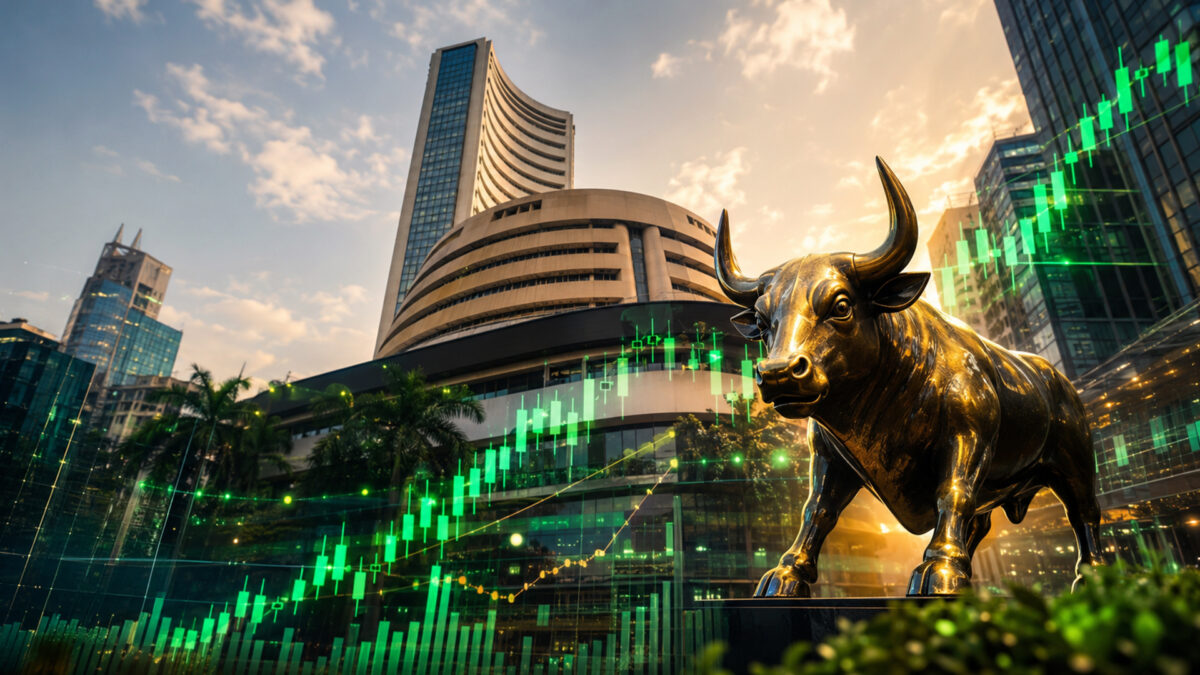
Indian stock markets began Friday’s session on a strong note, buoyed by positive global signals and improving investor confidence. The BSE Sensex climbed nearly 750 points almost eyeing the 1,000 mark in early trade, while the NSE Nifty 50 crossed the 23,400 mark, registering gains of more than one percent.

Market participants attributed the rally to a combination of favorable global developments, including expectations of improved diplomatic relations in the Middle East, declining crude oil prices, and strength in major international equity markets. A firmer Indian rupee also contributed to improved investor confidence, particularly among foreign institutional investors.

Banking and financial stocks emerged as the primary drivers of the rally. Shares of ICICI Bank, Kotak Mahindra Bank and Axis Bank witnessed significant buying interest in early trade. The automobile sector also remained in focus, with Mahindra & Mahindra posting notable gains. Metal stocks advanced on expectations of improved global demand and stable commodity prices.

It was noted that lower crude oil prices are particularly beneficial for the Indian economy, as the country imports a substantial portion of its energy requirements. Reduced energy costs can help ease inflationary pressures and support corporate profitability across sectors.

Despite the broad-based rally, the information technology sector displayed relative weakness. Stocks such as HCLTech and LTIMindtree traded lower as investors remained cautious about the outlook for global technology spending. FMCG major ITC also witnessed mild selling pressure during the opening session.

Market breadth remained positive, with advancing stocks significantly outnumbering declining shares on both major exchanges. Traders indicated that the upbeat sentiment was supported by strong global market performances and expectations of continued economic resilience.

Experts, however, advised investors to remain cautious amid ongoing uncertainties related to global interest rates and geopolitical developments. They emphasized the importance of focusing on fundamentally strong companies and maintaining a diversified portfolio.

Also Read: SEBI proposes pay disclosure norms for AMCs