Categories
Leaders

Volkswagen Chief warns crisis is more than critical

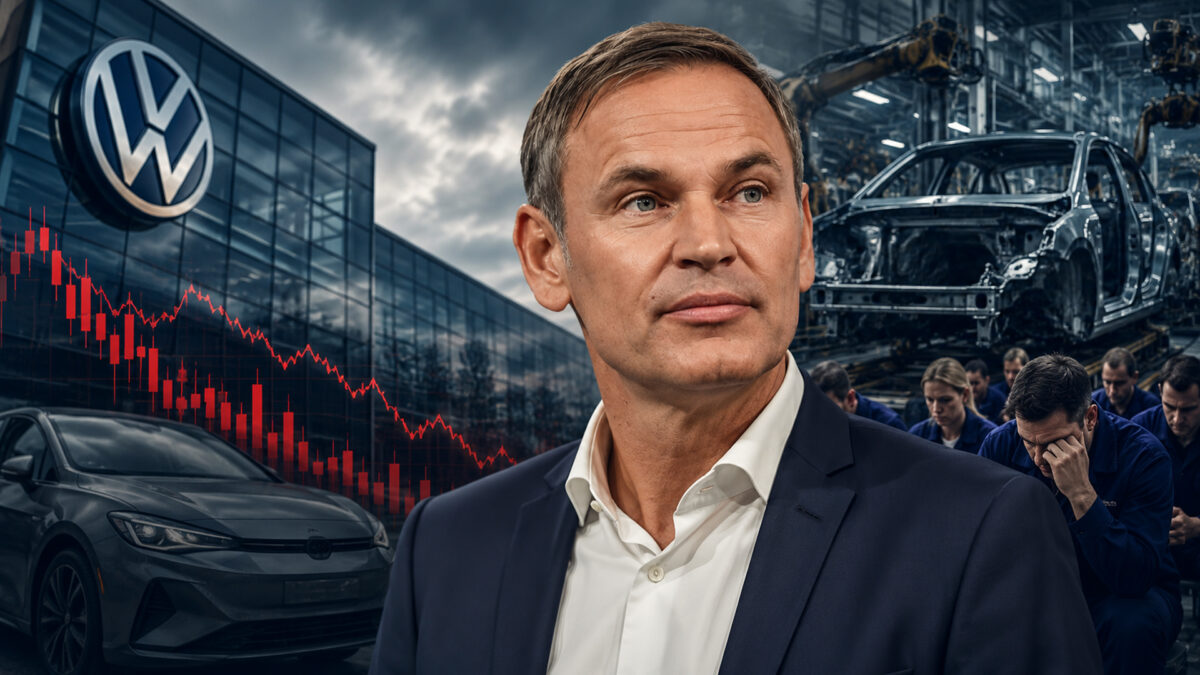
Volkswagen is facing a major turning point, with Chief Executive Officer Oliver Blume warning that the German automaker’s situation is “more than critical” as it struggles with rising costs, weak profitability, excess production capacity and intensifying competition from Chinese carmakers.

Blume’s warning comes as Volkswagen prepares for a fresh round of discussions with employees over cost-cutting measures, possible job reductions and the future of several German factories. The company is already undergoing one of the biggest restructuring programmes in its history, but management believes the measures taken so far are not enough to restore the group’s competitiveness.

The Volkswagen Group is under pressure from several directions at once. Its business in China, one of its most important markets, has weakened sharply, while Chinese manufacturers are increasingly entering European markets with competitively priced electric and hybrid vehicles. At the same time, US tariffs have made it more expensive for Volkswagen to sell vehicles in America.

Blume said Volkswagen’s operating return of around 3.8 per cent was respectable given the difficult market environment, but still too low to generate the money needed for new technologies, products and production facilities.

China has become one of Volkswagen’s biggest challenges. The Chinese auto market has contracted by more than 20 per cent since the beginning of the year, according to Blume, while hundreds of new models have entered the market.

Chinese automakers are also expanding rapidly outside their home market. Volkswagen says Chinese manufacturers are gaining market share in Europe, where they can compete aggressively on price, particularly in electric vehicles and plug-in hybrids. The pressure is forcing European manufacturers to rethink their costs, production strategies and product portfolios.

For Volkswagen, the problem is not simply falling sales. The company has a large manufacturing network and significant fixed costs, making it difficult to adjust quickly when demand changes. Blume has warned that Volkswagen is producing around 500,000 vehicles more than the European market can absorb, highlighting the scale of its excess capacity.

The company’s German factories are at the centre of the restructuring debate. Blume is scheduled to meet employees at several locations, including the Volkswagen headquarters in Wolfsburg and plants in Zwickau and Emden, to explain the company’s plans.

Volkswagen has not announced that any specific plant will be closed. However, Blume has said the company currently cannot see how facilities in Emden, Hannover, Zwickau and Neckarsulm could remain profitable into the 2030s under present conditions.

Factory closures would be a major step for Volkswagen and its workforce. Blume has described closures as the “last and most expensive solution”, with the company also considering alternative industrial uses for some sites.

The issue has already created tension with powerful German labour representatives. Unions have criticised management’s savings plans and are expected to resist measures that could result in further job losses or changes to production locations.

Volkswagen has already agreed to significant employment reductions in Germany. The group has ordered cuts involving around 50,000 jobs, with agreements already reached with approximately 37,000 employees, according to Blume.

However, recent reports indicate that the company is considering further measures as part of its broader restructuring. Reuters reported that the potential scale of additional action could involve up to another 50,000 positions, although this figure should not be treated as a confirmed final job-cut target.
Volkswagen is also looking at reducing its model range and production capacity to better match demand. The aim is to lower overheads and free up funds for electric vehicles, software and other technologies that will shape the next phase of the automotive industry.

Volkswagen is also facing a tougher business environment in the United States. The company says US tariffs alone are costing the group approximately €5 billion a year. Vehicle tariffs have risen sharply compared with two years ago, increasing the cost of European-built vehicles entering the US market.

That adds another layer of pressure at a time when Volkswagen is already trying to improve margins. The company has been forced to balance investment in electric vehicles and new technology with the need to reduce costs across its traditional manufacturing operations.

Despite the challenges, Volkswagen says its transformation is beginning to produce results in some areas. The company reported strong demand for its newer electric models in Europe, with its European order bank for fully electric vehicles increasing by more than 50 per cent in the first half of 2026. Its new electric urban car family also received more than 70,000 orders in its first few weeks.

Volkswagen expects a difficult period ahead, but management maintains that the company has the financial strength and products needed to recover if it can improve its cost structure.

For employees, investors and the wider German auto industry, however, the next few weeks could be crucial. Volkswagen is expected to use upcoming staff meetings to explain the scale of the restructuring and seek support for further savings.

Volkswagen cannot rely on its traditional strengths alone. Rising Chinese competition, changing consumer demand, US tariffs and high European production costs are forcing one of the world’s biggest automakers to make difficult decisions.

The company now faces the challenge of cutting costs without weakening its ability to invest in the electric and digital technologies needed to compete in the future.

Categories
Leaders

Godrej Consumer names Aasif Malbari new MD, CEO

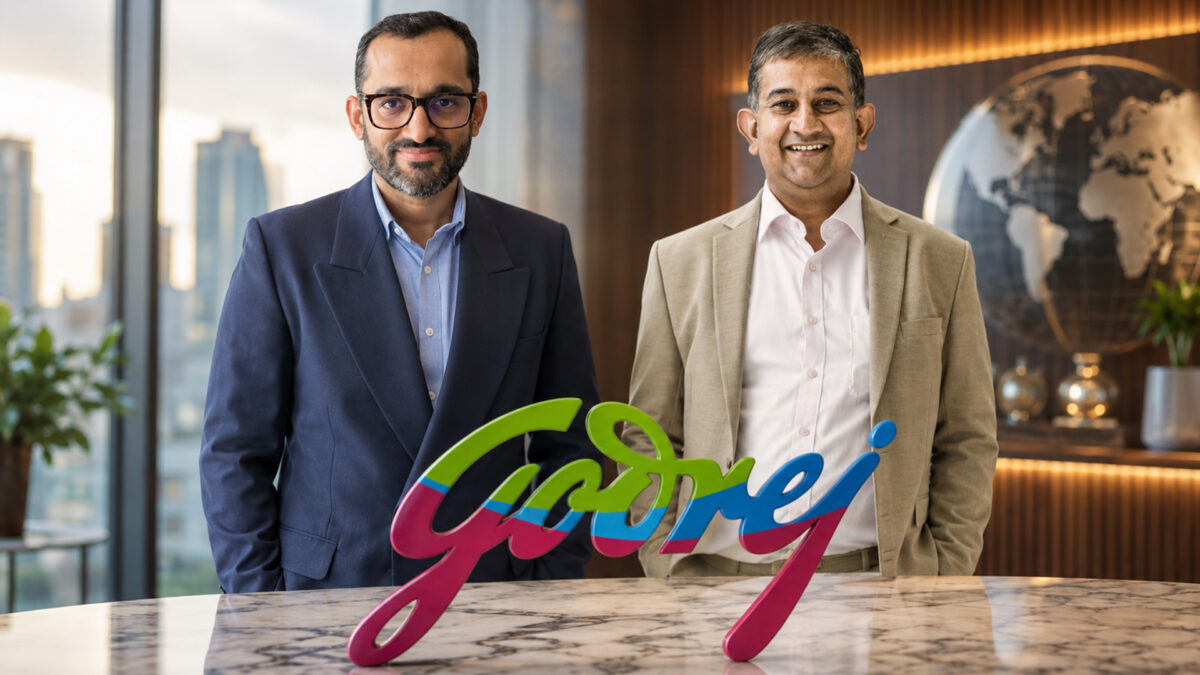
Godrej Consumer Products has appointed Aasif Malbari as its new Managing Director and Chief Executive Officer, replacing Sudhir Sitapati in a leadership change that comes at a crucial stage for the fast-moving consumer goods company.

Malbari takes charge from August 12, 2026, for a five-year term extending until August 11, 2031. He has also joined the company’s board as an additional executive director. The appointment brings an experienced insider to the top position at a time when Godrej Consumer Products is focused on strengthening growth, improving execution and expanding its presence across domestic and international markets.

Malbari has been associated with Godrej Consumer Products in a senior leadership capacity and was serving as Global Chief Financial Officer and President for Godrej Africa and GCPL International. His elevation means the company will have a CEO with detailed knowledge of its financial performance, international operations and business strategy.

Before joining Godrej Consumer Products, Malbari built a career spanning more than three decades across major companies and industries. His experience includes senior roles at Hindustan Unilever and Tata Motors. His background in finance, operations and international business is expected to be useful as the company works through a competitive FMCG environment.

As part of the leadership transition, Malbari has stepped down from his position as Global CFO. Vishal Kedia has been appointed interim Chief Financial Officer to oversee the company’s finance function during the transition.

The change follows the resignation of Sitapati, who had led Godrej Consumer Products since 2021. His exit has attracted considerable attention because he had been reappointed for another five-year term earlier this year, which was expected to continue until 2031.

Sitapati’s tenure coincided with several important changes in the company’s strategy and operations. Under his leadership, Godrej Consumer Products worked to streamline its portfolio, strengthen core categories and expand its international operations. The company also pursued its longer-term Vision 2040 strategy, with an emphasis on building sustainable growth across its markets.

The leadership change comes as the Indian FMCG sector faces a mixed operating environment. Consumer demand has been uneven across categories, while companies continue to deal with changing consumption patterns, intense competition and fluctuations in input costs. E-commerce and quick-commerce channels have also become increasingly important in determining how FMCG companies reach consumers.

For Godrej Consumer Products, execution will be a major priority under the new CEO. The company has been investing in digital channels and seeking stronger growth from its portfolio of personal care, home care and insecticide products. Malbari will be expected to maintain the company’s growth momentum while improving operational efficiency and protecting profitability.

The market reaction to Sitapati’s departure has highlighted investor concerns about the abrupt nature of the transition. Shares of Godrej Consumer Products came under heavy selling pressure following the announcement, reflecting uncertainty over the company’s strategic direction and future execution.

The immediate challenge for Malbari will therefore be to reassure investors while ensuring that the company’s ongoing business plans remain on track. His experience within the organisation could help provide continuity and reduce disruption during the transition.

The company is also considering changes to its leadership structure, reflecting how CEO appointments and executive leadership transitions can shape the management of large businesses. Godrej Consumer Products is considering the possibility of having separate CEOs for its India and international businesses, which could allow greater management attention to the different growth opportunities and operating challenges in its domestic and overseas markets.

Malbari’s appointment also puts his financial expertise at the centre of the company’s next phase. As a former CFO, he is expected to have a strong focus on profitability, capital allocation and cost management. At the same time, the new CEO will need to maintain investment in brands, distribution and innovation to compete in an increasingly fragmented consumer market.

Godrej Consumer Products enters the leadership transition with an established portfolio and a wide international footprint. Its brands operate across categories including household insecticides, hair care, personal wash and home care.

For the company, the priority now is to convert that scale into consistent growth. Malbari will need to balance short-term market expectations with longer-term investments while maintaining the strategic direction established over recent years.

His first few quarters as CEO are likely to be closely watched by investors, particularly for signs of improvement in execution, margins and volume growth. The leadership transition marks a new chapter for Godrej Consumer Products, with Malbari taking responsibility for steering the FMCG major through its next phase of expansion.

Categories
Leaders

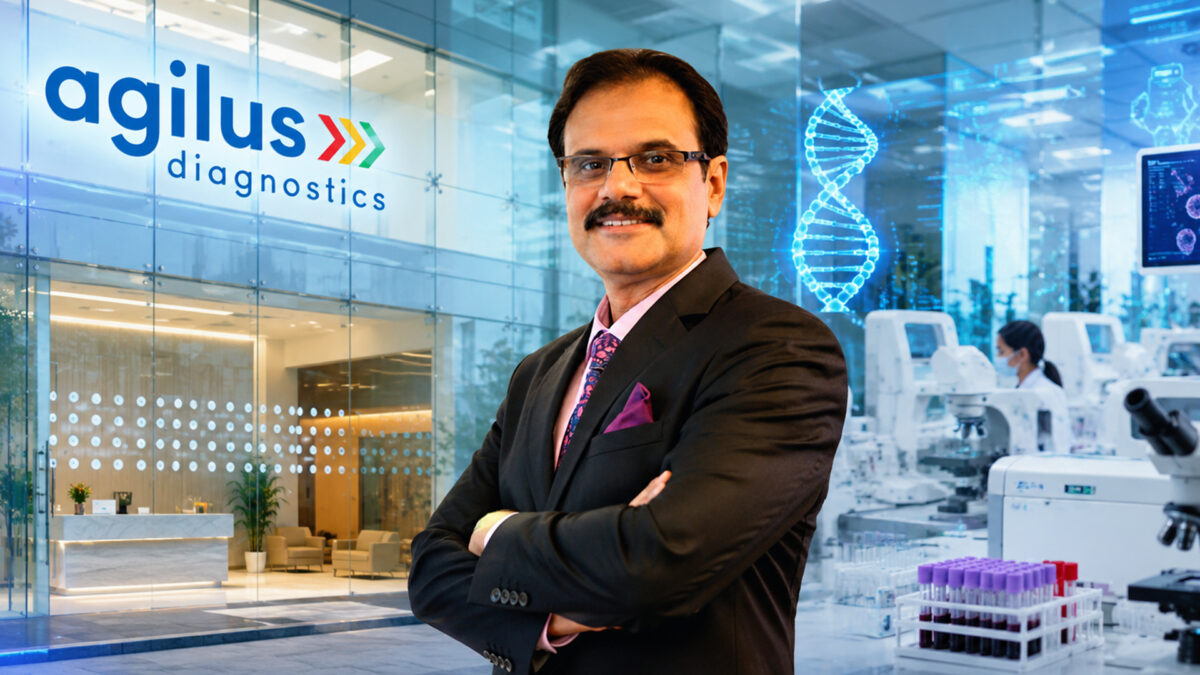
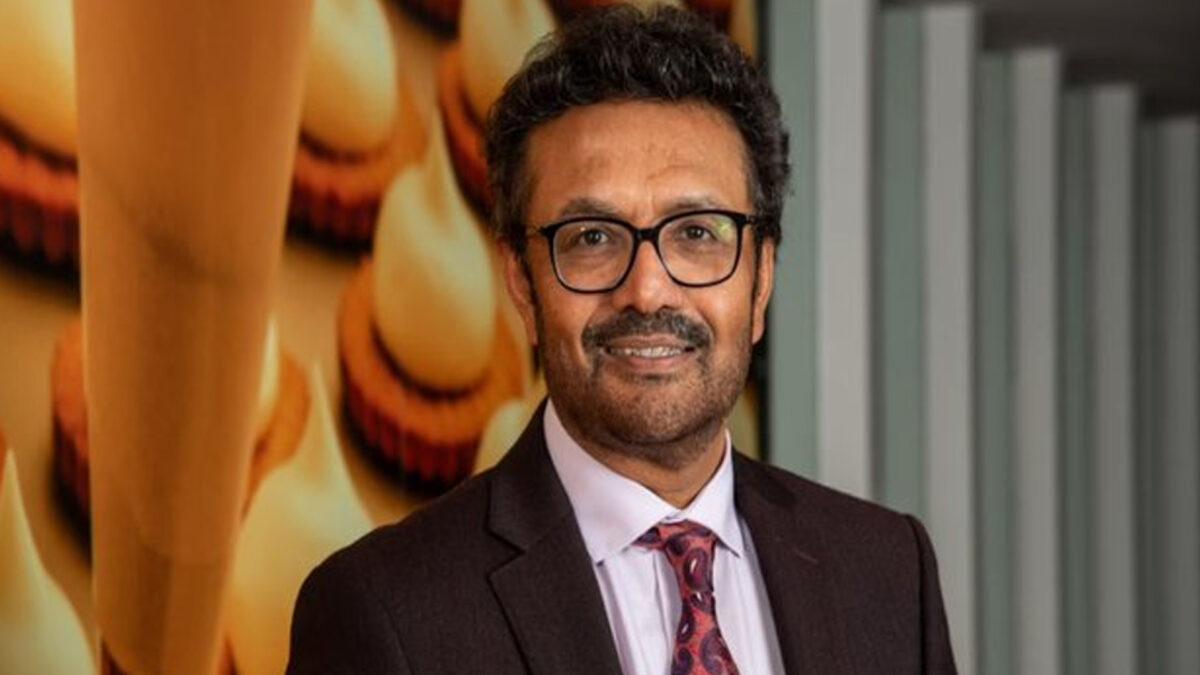
Agilus appoints Vijender Singh as MD & CEO

Agilus Diagnostics has appointed healthcare industry veteran Vijender Singh as its new Managing Director and Chief Executive Officer (MD & CEO), ushering in a new phase of leadership for one of India’s leading diagnostics companies. The appointment comes as the company aims to strengthen its market presence, improve operational efficiency and expand access to quality diagnostic services across the country.

Singh succeeds Dr Anand K, who has stepped down after leading the company for nearly six years. During his tenure, Dr Anand played an important role in expanding Agilus Diagnostics’ footprint and strengthening its position in India’s rapidly growing diagnostics market.

Announcing the appointment, Agilus Diagnostics said Singh brings over three decades of leadership experience across healthcare, diagnostics, consumer healthcare and fast-moving consumer goods (FMCG). His expertise in business transformation, operational excellence and strategic growth is expected to support the company’s next phase of expansion.

Before joining Agilus, Singh served as Chairman and Managing Director of Diagnum Healthcare. He has also held senior leadership roles as Group CEO of Metropolis Healthcare and CEO of Healthians, giving him extensive experience in managing large diagnostic networks.

Earlier in his career, Singh spent nearly ten years with Dr. Lal PathLabs, where he contributed to the company’s expansion and played a key role in its successful public listing. He has also worked with organisations including Jashvik Capital, Ranbaxy Consumer Healthcare, Bausch & Lomb and Blow Plast, building expertise across healthcare and consumer businesses.

Welcoming Singh to the organisation, Dr Ashutosh Raghuvanshi, Managing Director and CEO of Fortis Healthcare and Chairman of Agilus Diagnostics, said his proven leadership in scaling healthcare businesses and driving operational excellence makes him the right choice to lead the company. He added that Agilus will continue focusing on innovation, customer experience and high-quality diagnostic services.

Expressing his enthusiasm, Singh said he was honoured to take over the leadership of Agilus Diagnostics at a time when the diagnostics industry is evolving rapidly. He described the company as a trusted healthcare brand with a strong foundation built on scientific excellence and customer confidence.

He said his immediate priority would be to work closely with employees, healthcare partners and stakeholders to strengthen the company’s capabilities, improve service quality and deliver greater value to patients. Singh also emphasised the importance of innovation and technology in making diagnostic services more accessible and efficient.

Agilus Diagnostics is a subsidiary of Fortis Healthcare and operates one of the country’s largest diagnostic networks. The company has more than 410 laboratories, over 3,700 customer touchpoints and serves patients across more than 1,000 cities. Its services include routine pathology, specialised laboratory testing and advanced diagnostic solutions for hospitals, doctors, corporates and individual patients.

The leadership transition comes at a time when India’s diagnostics sector is witnessing strong growth, driven by rising health awareness, increasing demand for preventive health check-ups, digital healthcare adoption and early disease detection. Companies are also investing in advanced laboratory technologies and expanding their networks to meet growing demand for accurate and timely diagnosis.

Industry observers believe experienced leadership will be crucial as diagnostic companies compete on service quality, technology and patient experience. With his extensive background in building and managing healthcare businesses, Singh is expected to guide Agilus through its next phase of growth while strengthening its focus on operational excellence and innovation.

The appointment takes effect immediately. Agilus Diagnostics said it will continue building on its strengths in quality, reliability and scientific expertise while working to expand its reach and improve access to diagnostic services for patients across India.

Also Read: Bajaj Auto Q1 profit soars 46%, stock gains 5%

Categories
1 Minute-Read

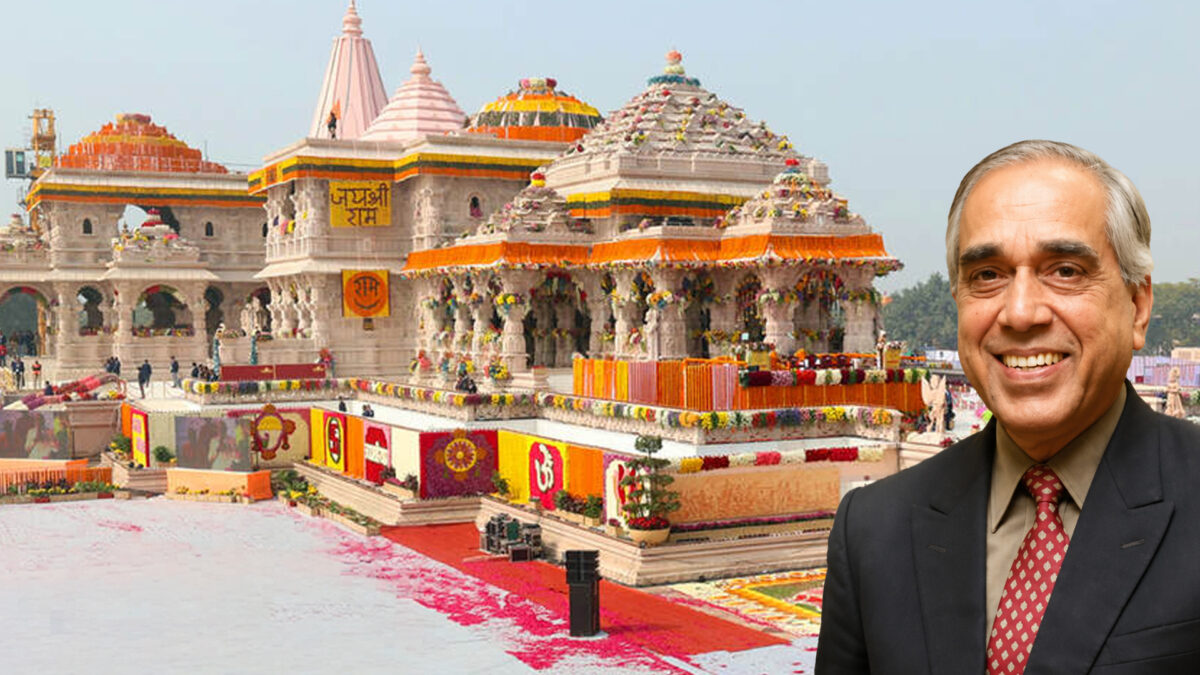
Ram Temple trust alone to decide CEO’s powers

The Shri Ram Janmabhoomi Teerth Kshetra Trust will decide the powers and responsibilities of its Chief Executive Officer (CEO) without any government interference, Trust chairman Nripendra Misra said.

He clarified that the Trust is an independent body and all decisions related to appointments, governance and delegation of powers are taken by its members. Misra said the government has no role in the temple’s internal administration.

His remarks come amid discussions over the CEO’s role as the Ayodhya Ram Temple witnesses a surge in devotees. The Trust remains focused on ensuring efficient management and better facilities for pilgrims.

Categories
Leaders

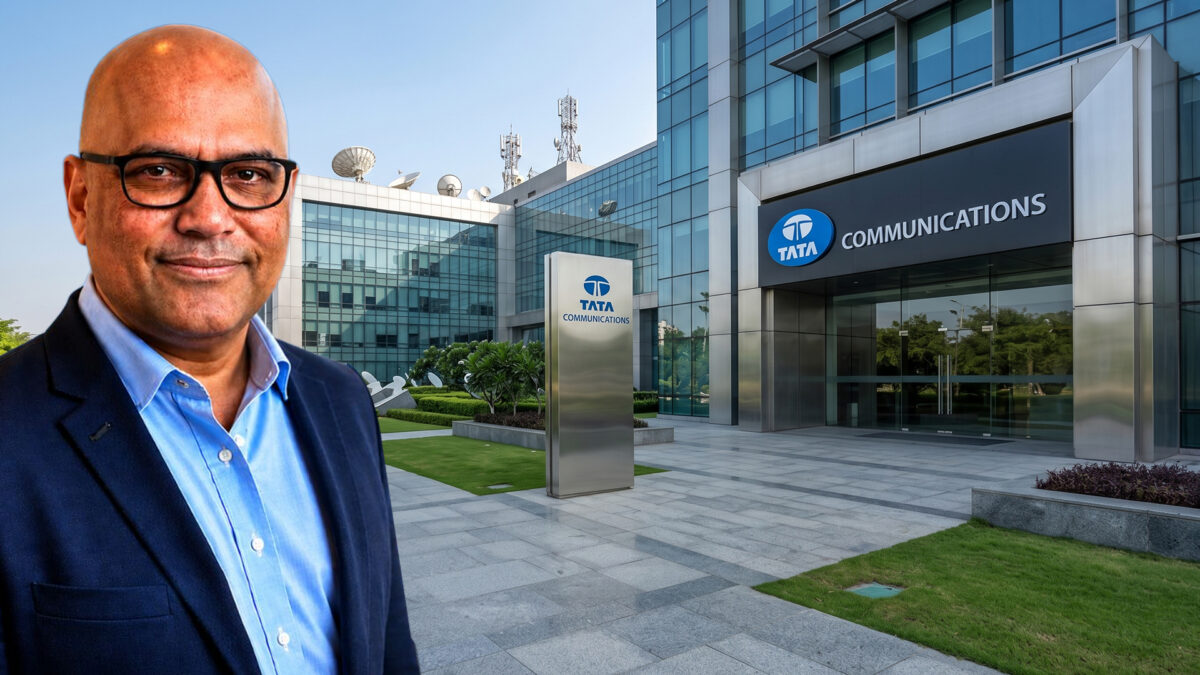
Tata Communications gets new MD, CEO

Tata Communications has announced a major leadership change with the appointment of Ganapathi S. Lakshminarayanan as its new Managing Director and Chief Executive Officer. The appointment marks an important transition for the company as it looks to strengthen its position in digital infrastructure and technology-led services.

Lakshminarayanan will take charge for a five-year term and is expected to guide the company through its next stage of business expansion. The leadership change comes at a time when enterprises across industries are increasing investments in cloud technology, artificial intelligence, cybersecurity and digital transformation solutions.

The newly appointed CEO brings more than three decades of experience in the technology and telecom sectors. Over the years, he has worked across business operations, customer management and digital services, handling leadership responsibilities in large organisations. His professional background includes experience in enterprise technology businesses and large-scale transformation projects.

Lakshminarayanan succeeds former Managing Director and CEO A. S. Lakshminarayanan, who led the company through a period of strategic transformation and expansion. During his tenure, Tata Communications accelerated efforts to position itself as a provider of digital ecosystem solutions rather than a traditional connectivity company.

The organisation has been increasing its focus on areas such as cloud networking, managed services, data solutions and AI-powered technologies to drive future growth.

Also Read: RBI unveils $5 bn swap auction to support rupee

Categories
Leaders

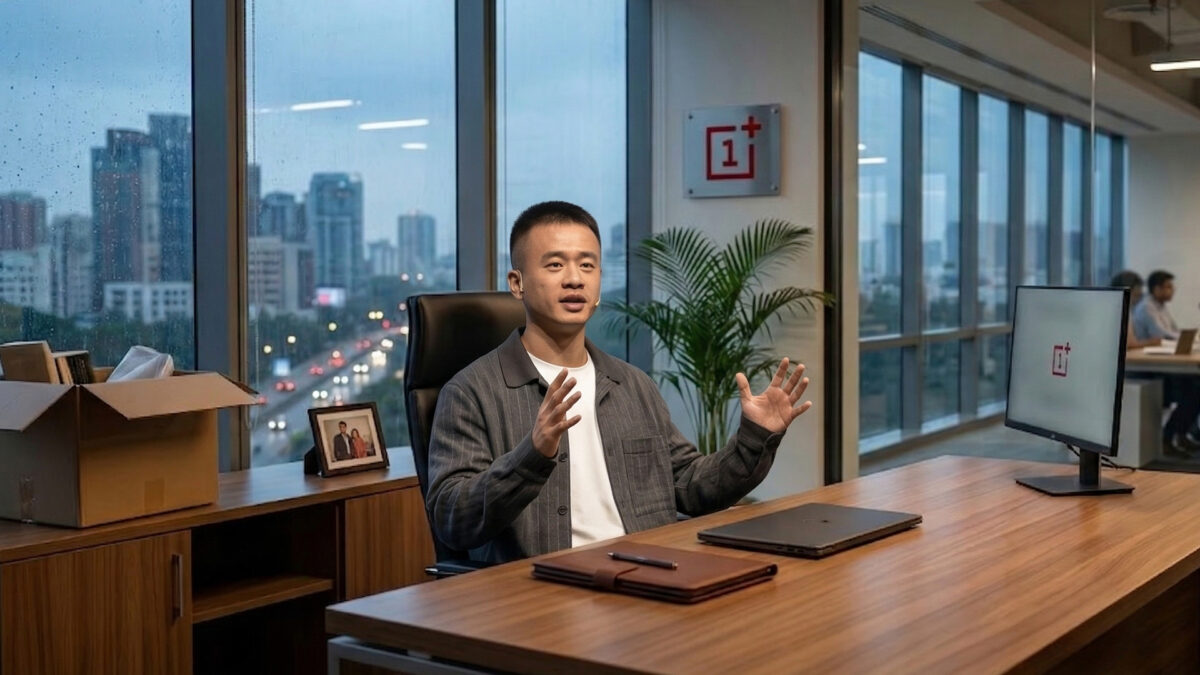
OnePlus India CEO Robin Liu resigns as sales slide

OnePlus India is facing a leadership change as its CEO, Robin Liu, has stepped down from his role. Liu, who has overseen the company’s operations in India for several years, will remain in charge until the end of March, while a replacement has not yet been announced.

The resignation comes at a difficult time for the brand. OnePlus has seen a sharp decline in smartphone shipments and a fall in its market share in India. The company has been struggling to keep pace with competitors, as other smartphone makers have aggressively expanded in the country.

During his tenure, Liu helped establish OnePlus as a recognized brand in India, but the recent performance downturn has put pressure on the company’s operations. The decision to step down reportedly reflects both personal considerations and the challenges of navigating a highly competitive market.

Despite the leadership change, OnePlus has reassured customers that its India operations will continue without disruption. The company is focusing on maintaining its product lineup, expanding retail availability, and keeping up with consumer demand in a challenging environment.

The departure of the CEO also comes amid wider strategic changes at the parent company, with some restructuring taking place to improve efficiency and align the business with evolving market dynamics.

For OnePlus India, the next few months will be crucial. The brand must stabilize its operations, rebuild customer confidence, and regain momentum to stay relevant in a market dominated by established competitors.

Also Read: Claude AI can now use computers like humans

Categories
Leaders

Britannia CEO resigns after 13 years

Britannia Industries has announced a major leadership change, with Varun Berry stepping down as Executive Vice-Chairman, Managing Director and CEO after over a decade at the helm. His resignation, submitted on November 6, was accepted by the company’s board on November 10.

Berry joined Britannia in 2013 as Chief Operating Officer and became Managing Director the following year. During his tenure, he steered the company’s transformation from a biscuit-focused brand into a diversified food enterprise with a strong presence in dairy, bakery, and snacks.

The board has appointed Rakshit Hargave as the new Managing Director and CEO, effective December 15, 2025, for a five-year term. Until then, Natarajan Venkataraman, Executive Director and CFO, will serve as interim CEO.

Britannia said the transition reflects a “planned leadership succession” aimed at sustaining growth, expanding regional presence, and advancing its vision of becoming a “global total foods company.”

Berry’s exit marks the end of a defining chapter in Britannia’s growth story, while Hargave’s appointment signals a fresh phase focused on innovation and new market opportunities.

Also Read: BBC Chiefs quit over Trump speech edit