Categories
Beyond

India considers $1 bn EV incentive plan

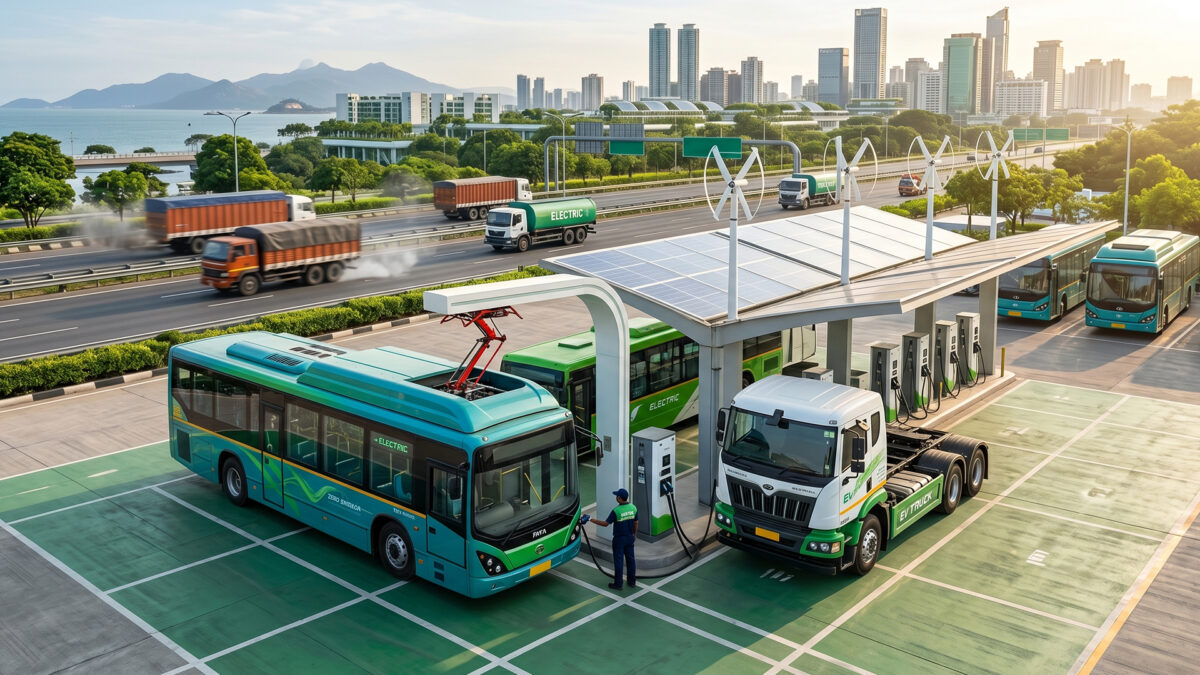
India is exploring a proposal worth more than $1 billion to encourage private companies to switch to electric buses and trucks, in a major push to speed up clean transport adoption in the country.

The idea under discussion is to offer financial support to fleet operators so they can replace diesel-powered commercial vehicles with electric ones. This would include buses used for passenger transport as well as heavy trucks used for freight movement.

Officials are reportedly working on how best to structure the incentives so that companies find it easier to bear the high upfront cost of electric vehicles. The aim is to make the shift more practical for private operators, not just government-run transport systems.

The move comes at a time when global oil prices remain volatile due to geopolitical tensions, adding pressure on India’s import bill since the country depends heavily on imported crude. Reducing fuel consumption in the transport sector is seen as one of the most effective ways to lower long-term energy costs.

Commercial transport is a major source of fuel usage and emissions, especially in cities and logistics corridors. By targeting this segment, the government hopes to reduce pollution levels while also improving energy security.

India has already been supporting electric mobility through various schemes that cover electric buses, two-wheelers, and charging infrastructure. However, the new proposal is expected to focus more directly on private operators, which could significantly expand the scale of adoption.

Also Read: DGCA flags Air India Boeing 787 fuel switch
Categories
Beyond

State Banks, insurers told to slash costs, go EV

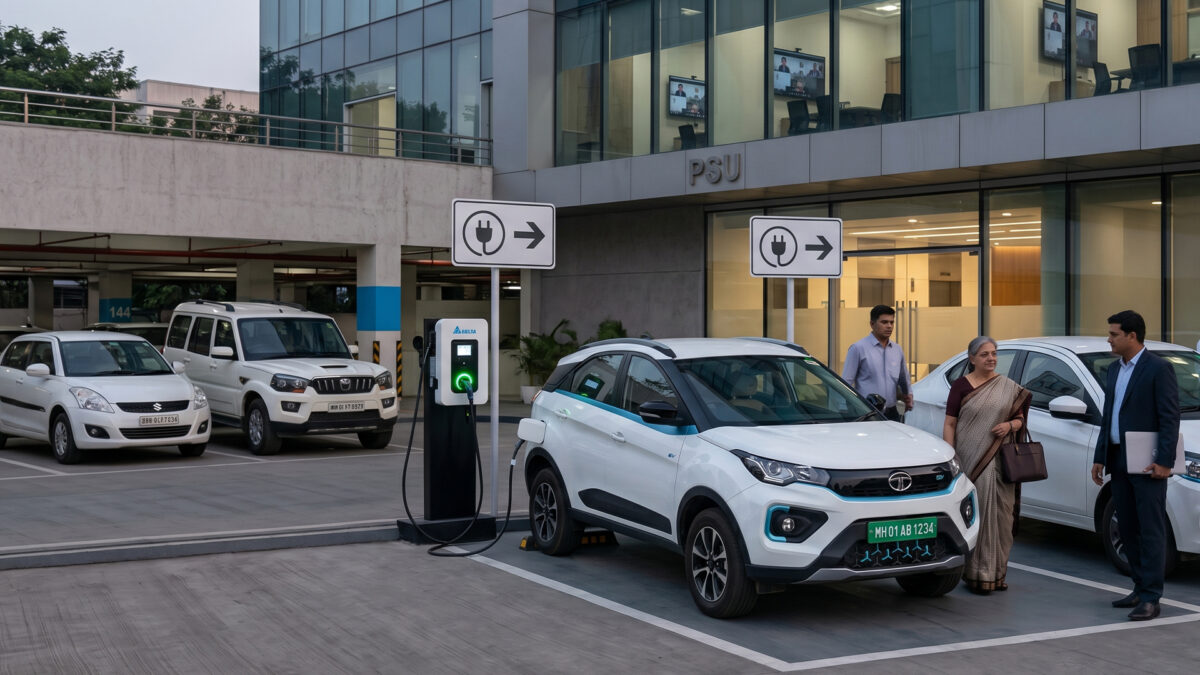
The Indian government has directed state-run banks, insurance companies, and other financial institutions to cut operational costs and accelerate the shift toward electric vehicles (EVs) as part of a broader austerity and sustainability drive.

According to the Finance Ministry, institutions such as State Bank of India (SBI), Bank of Baroda, and Life Insurance Corporation (LIC) have been asked to reduce non-essential expenditure, especially on travel and logistics.

The directive requires organisations to limit physical meetings and use video conferencing wherever possible. Foreign travel by senior executives is also expected to be reduced, with a preference for virtual participation in international engagements.

In addition to cost-cutting measures, the government has instructed these institutions to begin replacing petrol and diesel vehicles used in offices and branches with electric vehicles wherever feasible. The move is aimed at reducing fuel expenses and supporting India’s broader clean energy transition.

Officials said the instructions are part of a wider effort to improve efficiency in public sector institutions while aligning them with environmental goals. The push for EV adoption also reflects the government’s focus on lowering carbon emissions across state-run organisations.

The directive covers a wide network of financial institutions across the country, impacting thousands of employees and large-scale administrative operations. Banks and insurers are expected to gradually implement the changes over time, depending on operational feasibility.

While the immediate focus is on expenditure control and transport changes, the long-term aim is to make public financial institutions more cost-efficient and environmentally sustainable.

Also Read: NSE launches Electronic Gold Receipts trading

Categories
1 Minute-Read

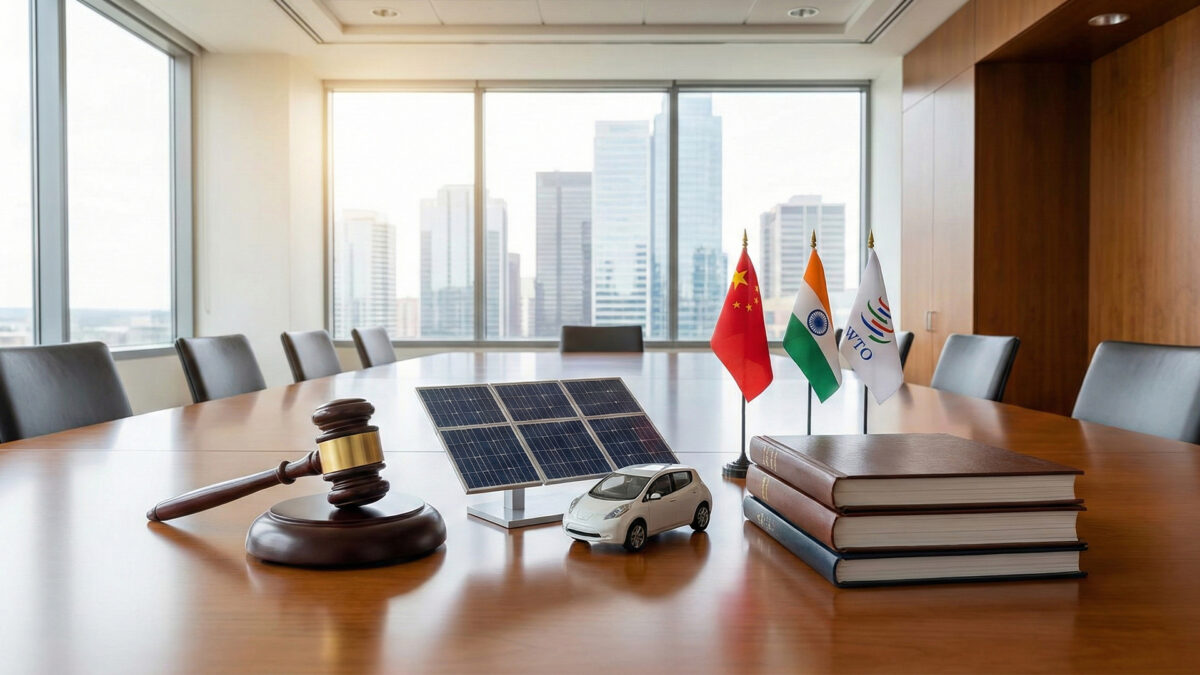
WTO panel to hear China’s challenge on India’s auto, EV incentives

The World Trade Organization (WTO) will set up a panel to examine China’s complaint against India’s production-linked incentives for automobiles, electric vehicles, and renewable energy.

Beijing claims the schemes discriminate against its exporters, while India insists the measures are fully WTO-compliant and aimed at boosting domestic manufacturing. After bilateral talks failed, the panel process was triggered.

Officials said India will vigorously defend its programmes, which follow WTO rules. Several countries, including the US and EU, may join as third parties.

Categories
Beyond

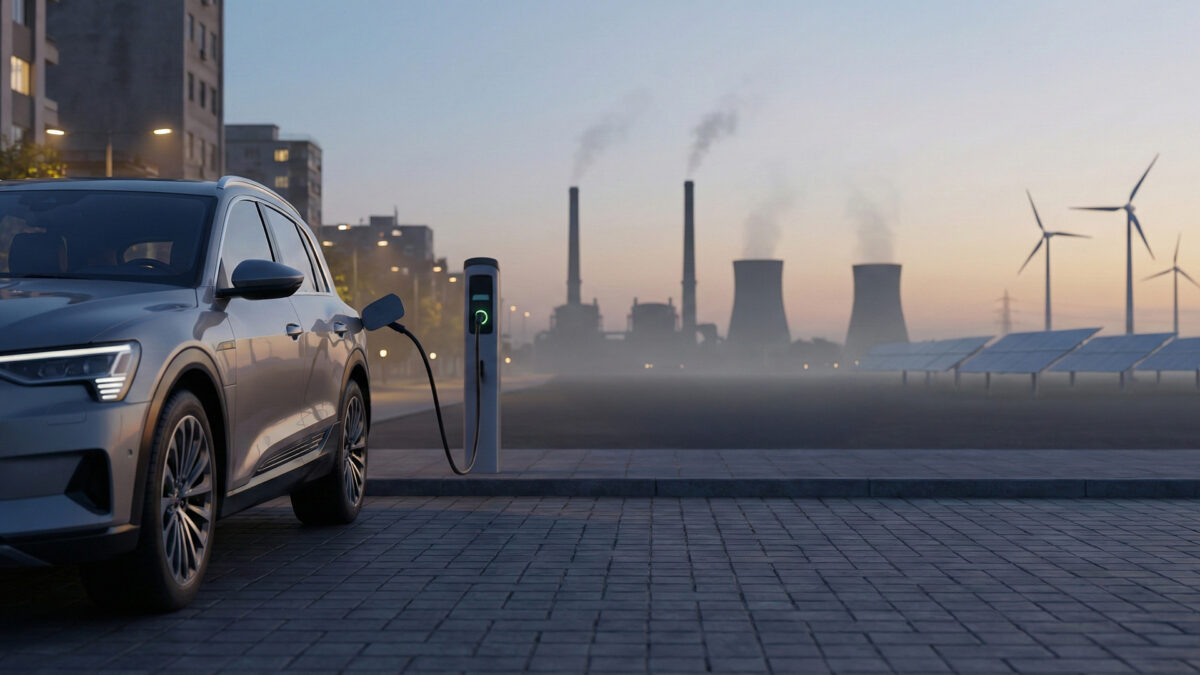
EVs may lose zero-emission tag under CAFE-III

Electric vehicles in India may no longer be treated as “zero-emission” under the upcoming Corporate Average Fuel Efficiency (CAFE-III) norms, as the government considers a new method to measure their environmental impact.

At present, EVs are classified as zero-emission because they do not produce exhaust fumes. However, officials are now discussing whether they should be evaluated based on how much energy they consume and how that electricity is generated. This means emissions from power production used to charge EVs could also be taken into account.

The issue has reached the Prime Minister’s Office, which has stepped in to review the proposal after differences emerged between government departments and concerns were raised by the auto industry.

The new CAFE-III norms, expected to be implemented from 2027, will set stricter fuel-efficiency and carbon-emission targets for passenger vehicles. The aim is to push carmakers to improve overall efficiency across their vehicle fleets.

Some officials believe removing the zero-emission tag will create a fair and technology-neutral system that rewards real efficiency, whether the vehicle runs on petrol, diesel, hybrid or electric power. Others worry that such a move could slow down EV adoption by weakening the strong policy support the sector currently enjoys.

Automakers are also seeking clarity, as any major change in the rules could affect their future investments and product plans in the fast-growing electric-vehicle market.

The government is now looking for a balanced approach that supports India’s clean-mobility goals while ensuring the new norms are based on a more realistic assessment of emissions.

If the proposal is approved, EV makers will have to focus not only on selling electric cars but also on improving their energy efficiency.

Also Read: Nikhil Kamath’s podcast to feature Anthropic CEO

Categories
1 Minute-Read

EV scheme funding slashed in budget 2026

The Union Budget 2026‑27 has significantly reduced funding for India’s electric mobility programs, with a total cut of over ₹3,700 crore compared to previous allocations.

Key schemes affected include the PM Electric Drive (PM E‑DRIVE) and the PM e‑Bus Sewa Scheme, aimed at boosting electric vehicle adoption and charging infrastructure.

Analysts say the cuts may slow the pace of EV adoption, even as the government continues to support manufacturing and long-term sustainable transport goals. This marks a notable shift in budgetary focus for the transport sector.

Categories
Corporate

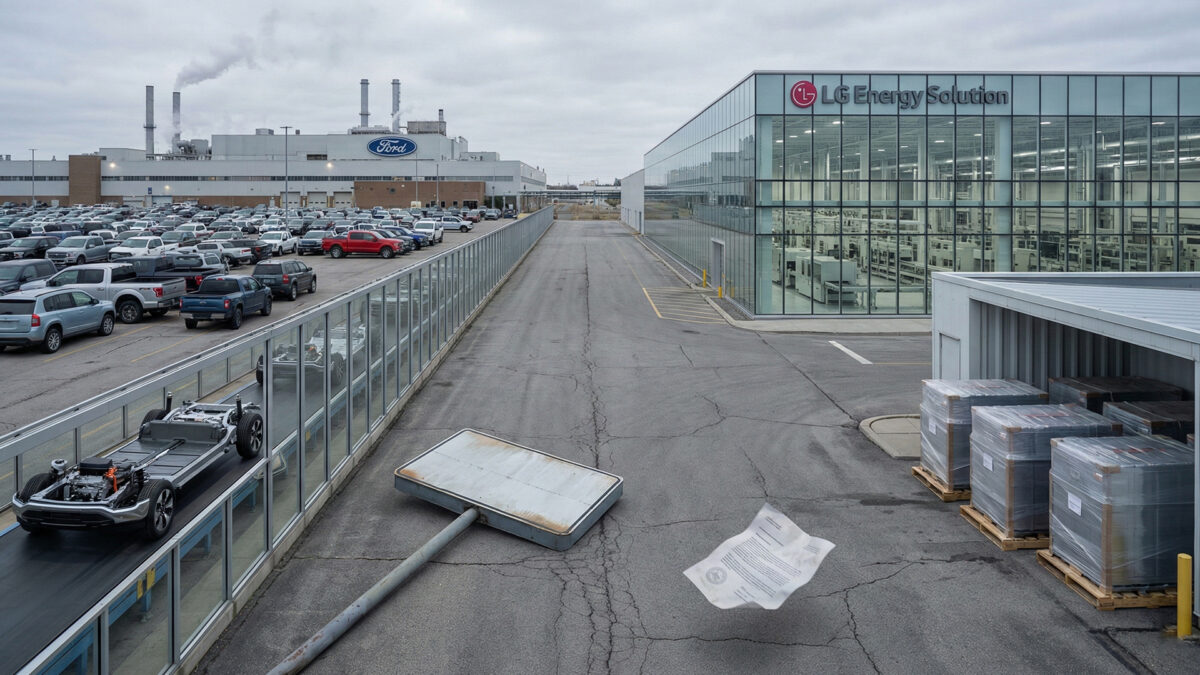
Ford cancels $6.5 billion EV battery deal with LG

Ford Motor Company has cancelled a $6.5 billion electric vehicle battery contract with South Korea’s LG Energy Solution, just over a year after signing it in October 2024. The deal had covered battery supplies for Ford EVs from 2026 onward.

LG Energy Solution said the cancellation followed Ford’s decision to halt production of certain EV models. Ford cited shifts in government policies and lower-than-expected EV demand as reasons for ending the agreement.

The batteries were to be manufactured at LG’s plant in Poland for use in several Ford electric vehicles, including commercial vans.

Following the news, LG Energy Solution’s shares fell more than 7 percent on the Seoul stock market. Analysts warn that losing this contract may make it difficult for LG to fully utilize its European factory capacity when production was supposed to ramp up in 2027.

Industry observers note that the move reflects a broader reassessment by Ford of its EV strategy, including scaling back some fully electric models in response to slower sales and changing market conditions.

Also Read: Warner Bros rejects Paramount, pushes Netflix merger forward

Categories
Corporate

Volkswagen cuts India EV budget, seeks local partner

Volkswagen is reducing its planned investment in electric vehicles (EVs) in India and is seeking a local partner to share the cost. The company has lowered its EV development budget from around $1 billion to about $700 million.

The move comes as VW’s presence in India remains small, the combined market share of Volkswagen and Skoda is just about 2%. Earlier talks with Mahindra & Mahindra for a partnership reportedly fell through last year. VW is now exploring other options, including Indian contract manufacturers such as JSW.

VW plans to launch its EV in India around 2028, in line with tighter emission norms starting 2027. In the meantime, it may import EVs, especially if an EU‑India trade deal makes this easier.

Despite the cutback, VW is committed to India, with Skoda’s affordable SUV, the Kushaq, performing well in the local market.

Also Read: Rajiv Jain’s GQG buys ₹5,094 cr stake in five Adani firms

Categories
Corporate

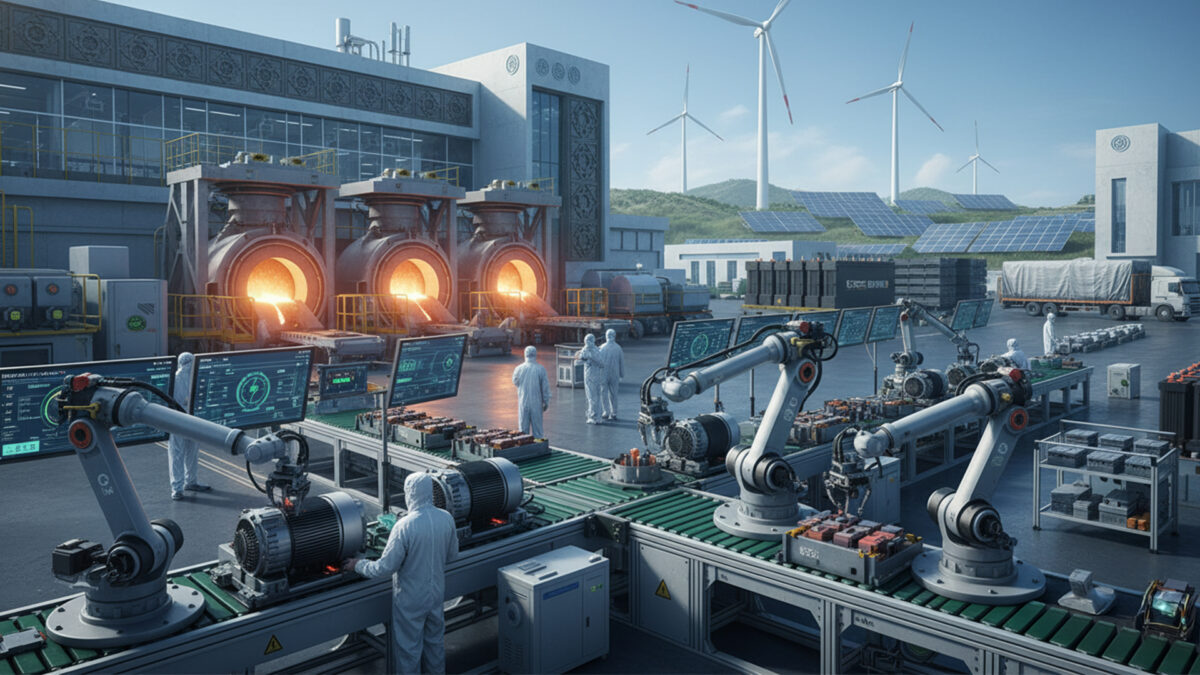
India Plans ₹7,000 Cr Boost for Rare-Earth Magnets

India is set to triple incentives for rare-earth magnet manufacturing to nearly ₹7,000 crore ($788 million), aiming to reduce reliance on China and secure critical material supply for electric vehicles, wind energy, and defence.

The expanded PLI scheme, awaiting Cabinet approval, will support around five manufacturers through investment and production incentives. Rare-earth magnets, vital for EV motors and renewable technologies, are currently dominated by China, which controls about 90% of global refining.

To ensure a steady input supply, foreign miners such as Lynas Rare Earths (Australia), Rainbow Rare Earths (UK), and Iluka Resources have assured the government of rare-earth oxide availability under the plan.

This initiative aligns with India’s broader strategy to build supply-chain resilience and boost domestic capacity in clean-tech manufacturing.

Also Read: Sensex falls 100 pts, Nifty below 25,750