Categories
Corporate

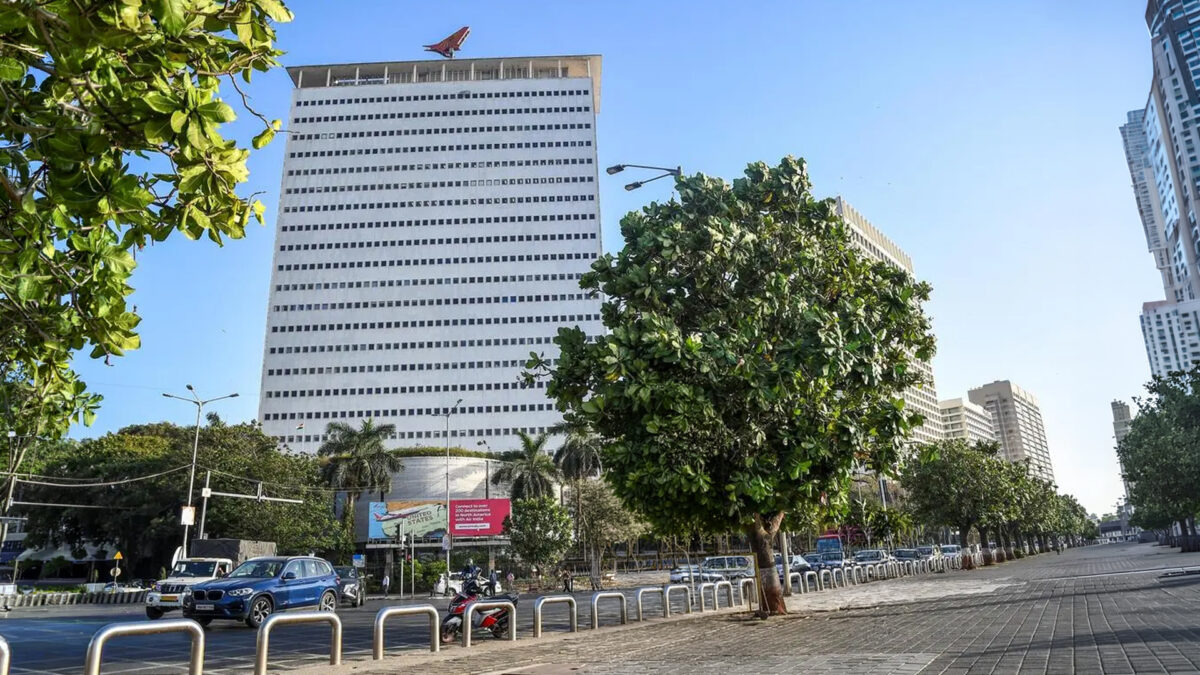
Maharashtra buys Air India building for ₹1,601 cr

The Maharashtra government has acquired Mumbai’s iconic Air India Building at Nariman Point for ₹1,601 crore in a major property transaction aimed at strengthening administrative infrastructure and reducing long-term operational costs.

The purchase, cleared by the state cabinet, will enable the government to relocate several departments currently functioning from rented premises across Mumbai. Officials said the move is expected to improve coordination between departments, streamline administrative processes and generate substantial savings on office rentals over the coming years.

Located in one of India’s most expensive commercial districts, the Air India Building is a 23-storey landmark overlooking Marine Drive. The property was owned by Air India Assets Holding Ltd (AIAHL), which manages the airline’s non-core assets following the privatisation of Air India.

According to the state government, the building’s strategic location and large office space make it suitable for accommodating multiple departments under a single roof. The move is expected to ease logistical challenges faced by government offices operating from different locations across the city.

Officials said Mumbai’s high commercial rentals were a key factor behind the decision. By purchasing the property outright, the government aims to create a permanent administrative centre while reducing recurring expenditure on leased office spaces.

The acquisition is also expected to give a new purpose to one of Mumbai’s most recognised buildings. The Air India Building has been a prominent part of the city’s skyline for decades and remains one of the most valuable properties in the Nariman Point business district.

Before government offices begin shifting to the premises, the building is expected to undergo renovations and infrastructure upgrades. Authorities are likely to prepare a phased transition plan to ensure smooth relocation of departments.

Also Read: Gold slides to ₹1,59,730, Silver at ₹2,68,170

Categories
Beyond

Air India, IndiGo to slash domestic flights from June

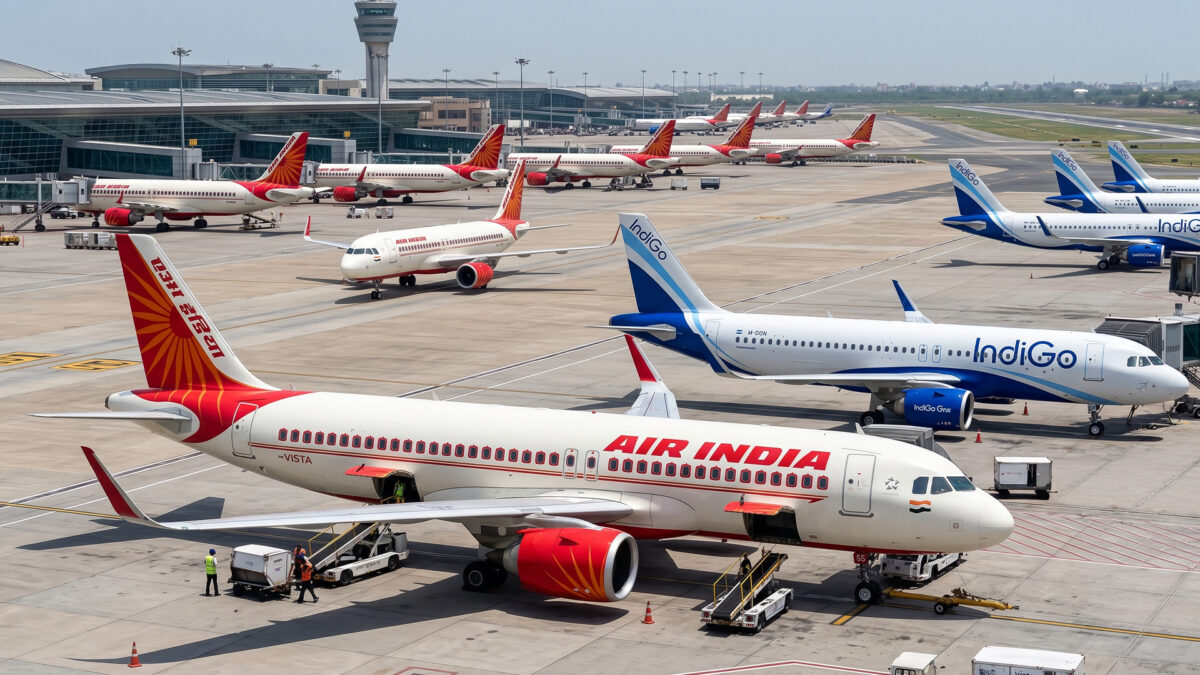
India’s two largest airlines, Air India and IndiGo, are set to reduce more than 100 domestic flights each per day starting June, leading to changes in schedules across several routes.

The decision comes as airlines continue to deal with operational pressures, including restricted airspace availability, longer flying times and aircraft-related issues. The temporary cuts are expected to affect multiple domestic sectors, though both carriers have said efforts are being made to minimise inconvenience for passengers.

IndiGo, the country’s largest airline, will reduce around 165 daily flights from its domestic network. Air India is also expected to suspend or reduce over 100 daily services. The revised schedules are likely to remain in place at least until mid-July, according to reports.

A major reason behind the changes is the continued closure of parts of northern airspace following recent geopolitical tensions in the region. With some air routes unavailable, airlines are being forced to take longer paths for several flights, increasing travel time, fuel consumption and operational costs.

Apart from airspace restrictions, airlines are also facing aircraft shortages due to maintenance and engine-related problems. IndiGo has been dealing with grounded aircraft linked to Pratt & Whitney engine issues, while Air India has been adjusting operations as it continues fleet upgrades and maintenance work.

The reduced schedules are expected to impact flights on busy domestic routes connecting metro cities and tourist destinations. Airlines have advised passengers to check flight status before travelling and stay updated through official websites and apps.

Both carriers said affected passengers would be informed in advance and offered options including rescheduling or refunds wherever applicable.

Despite the temporary cuts, aviation experts believe domestic air travel demand in India remains strong. Airlines are expected to restore normal operations gradually once operational constraints ease and more aircraft return to service.

Also Read: Adani Green commissions giant 2.5 GWh battery system in Gujarat

Categories
Beyond

DGCA flags Air India Boeing 787 fuel switch

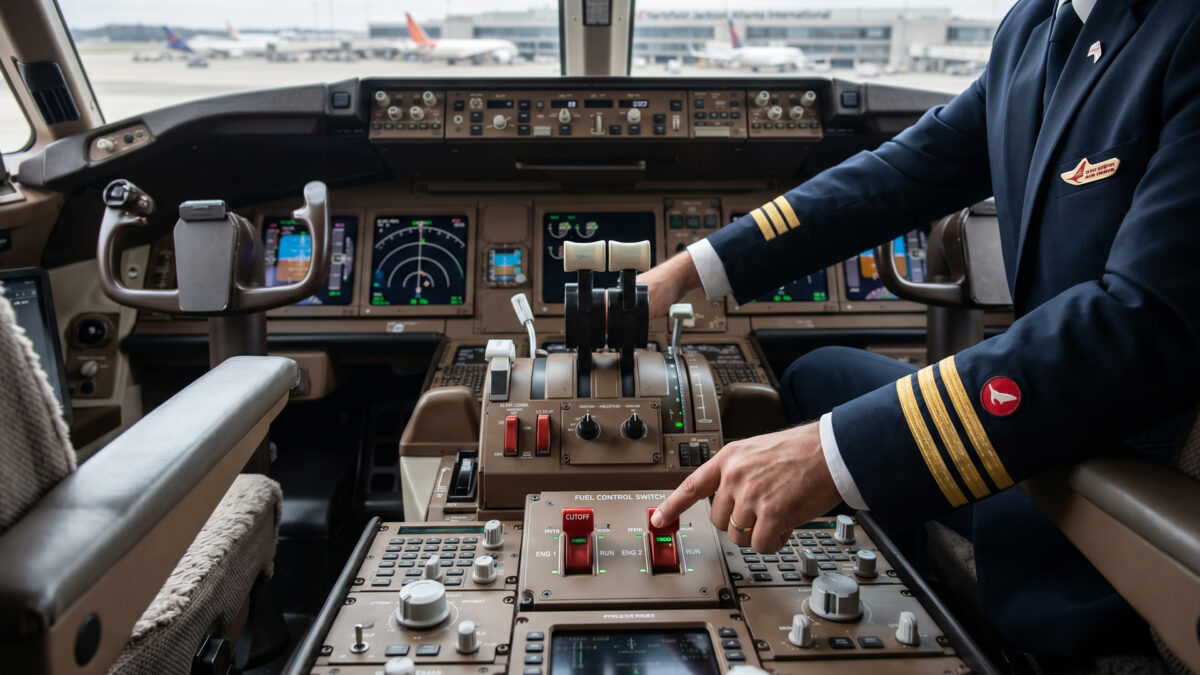
The Directorate General of Civil Aviation (DGCA) has ordered a fresh inspection of the fuel control switch system on an Air India Boeing 787 aircraft after a reported technical anomaly during operations earlier this year.

According to reports, the decision follows concerns raised after pilots on a London–Bengaluru flight observed unusual behaviour in the fuel control switch mechanism during engine start procedures. The switch is a critical component that regulates fuel flow to aircraft engines.

As part of the new safety review, DGCA officials will travel to Boeing’s facility in Seattle, United States, to oversee testing of the removed fuel control switch panel. The regulator has termed the matter “sensitive” and has insisted that the inspection be conducted in the presence of its officers to ensure a thorough evaluation.

The move comes after earlier precautionary inspections across Air India’s Boeing 787 fleet, which had not found any systemic defects in the fuel switch locking mechanism. However, the latest incident has prompted renewed scrutiny of the component, which has been under observation in global aviation safety discussions.

Fuel control switches on the Boeing 787 have been closely monitored by regulators worldwide following past safety concerns and investigations into rare incidents involving engine shutdowns. While previous checks did not confirm a design fault, authorities continue to review isolated reports of abnormal behaviour.

Air India has supported the latest inspection process, stating that the component has already been sent to the original equipment manufacturer (OEM) for detailed examination. The airline has reiterated that safety remains its top priority and has cooperated fully with DGCA directives.

The broader investigation is also linked to ongoing reviews of earlier incidents involving Boeing 787 aircraft, including a fatal crash in 2025 in which fuel supply interruption was identified as a critical factor under investigation.

A final report on the overall safety review is expected once the OEM testing and DGCA-supervised analysis are completed.

Also Read: Airtel launches Priority Postpaid plans with 5G slicing

Categories
Beyond

Air India cuts overseas flights due to fuel costs hike

Air India has announced reductions in several international flights as soaring fuel prices and geopolitical tensions continue to increase pressure on airline operations.

The airline will temporarily reduce services on select overseas routes between June and August as rising aviation turbine fuel (ATF) costs make operations more expensive. The ongoing conflict in West Asia has also affected global aviation by increasing fuel prices and forcing airlines to avoid certain airspaces, leading to longer flight routes and higher operating expenses.

According to reports, Air India has already reduced around 90 flights in May and plans to cut nearly 100 more flights over the next few months. Some international routes may see fewer weekly services, while a few sectors could face temporary suspension depending on demand and operational costs.

The airline clarified that reports circulating on social media claiming all international flights had been cancelled until July were false. Air India said international operations continue across major destinations, though some schedule adjustments are being made to manage costs more effectively.

Flights to certain sensitive destinations, including Tel Aviv, remain suspended because of security concerns linked to the regional conflict. Industry experts say airlines around the world are currently facing similar challenges due to the sharp rise in fuel prices and uncertainty in global markets.

Air India currently operates around 1,200 flights daily across domestic and international routes. However, a weakening rupee, rising crude oil prices and higher operational expenses have added financial pressure on long-haul international services.

Also Read: Centre hikes gold, silver import duty from 6% to 15%

Categories
Beyond

Air India to review CEO, cost cuts at May 7 meet

Air India is preparing for an important board meeting on May 7, where it will take a close look at its finances, leadership plans, and ways to cut costs. The meeting comes at a time when the airline is facing rising expenses and significant losses.

The board is expected to review the airline’s performance for the past financial year, during which losses are estimated to have crossed ₹22,000 crore. This has increased the urgency to find ways to reduce spending and improve efficiency.

One of the main areas of focus will be cost control. The airline is likely to consider steps such as cutting unnecessary expenses and possibly changing some services offered to passengers. For example, certain add-ons like meals or lounge access could be separated from ticket pricing to manage costs better.

Another key topic on the agenda is leadership. The airline is in the process of selecting a new chief executive, as current CEO Campbell Wilson is expected to step down later this year. The board may review potential candidates and discuss the transition plan.

Apart from internal challenges, external factors have also added pressure. Higher fuel prices and ongoing global tensions have increased operating costs and affected flight operations. These issues have made it more difficult for the airline to manage its finances.

The meeting is seen as an important step in Air India’s ongoing efforts to turn around its business under the Tata Group. Since returning to private ownership, the airline has been working to improve services, expand operations, and modernise its fleet.

However, the financial challenges remain significant, and the decisions taken at this meeting could shape the next phase of its journey.

Also Read: Netweb shares drop 7% despite strong Q4 results

Categories
Beyond

Airlines flag crisis over rising fuel prices

India’s leading airlines have warned of a serious financial crisis due to rising aviation turbine fuel (ATF) prices and have sought urgent government intervention to avoid operational disruption.

Air India, IndiGo, and SpiceJet, represented by the Federation of Indian Airlines (FIA), said the sector is under “extreme stress” as fuel costs continue to rise. They have urged the Centre to revise pricing policies and provide immediate relief measures.

ATF accounts for nearly 40% of airline operating expenses, making price volatility a major challenge. Airlines say global oil price swings and supply issues have further increased costs.

The carriers have also called for a uniform ATF pricing structure across domestic and international routes, saying current differences are adding to financial strain. They have suggested temporary tax relief on jet fuel to ease pressure.

The FIA warned that without timely intervention, airlines could be forced to cut flights or even suspend parts of their operations, affecting connectivity across the country.

While passenger demand remains strong, airlines say high costs are squeezing profitability. Industry observers note that the warning reflects growing financial stress in the aviation sector.

The government is expected to examine the demands as pressure builds to stabilize the industry and prevent possible disruption to air travel services.

Also Read: Amazon Now expands ultra-fast delivery to 100 cities

Categories
Corporate

Air India begins Dreamliner upgrade drive

Air India has introduced its first refurbished Boeing 787-8 Dreamliner, marking a key milestone in the airline’s ongoing transformation under the Tata Group. The upgraded aircraft is part of a wider plan to modernise the fleet, improve passenger comfort and strengthen Air India’s position in the global market.

The airline said seven more Boeing 787-8 aircraft are expected to be upgraded by the end of this year. In total, 26 older Dreamliners are set to undergo refurbishment as part of the makeover programme.

The first upgraded aircraft recently arrived in Delhi after renovation work overseas. It now features a completely refreshed interior, new seating, modern cabin styling and Air India’s updated branding.

One of the biggest changes is the introduction of a three-class cabin layout. Passengers will now be able to choose between Business Class, Premium Economy and Economy Class. The addition of Premium Economy is aimed at travellers looking for more comfort without the higher cost of Business Class.

The aircraft also comes with improved in-flight entertainment systems, upgraded seats and redesigned cabin spaces to enhance the travel experience, especially on long international routes. These Dreamliners are expected to be used on flights to Europe, the UK, Australia and other overseas destinations.

Air India has been undergoing a major revival since returning to the Tata Group. The airline has placed record aircraft orders, launched a new brand identity and started upgrading both domestic and international fleets.

Also Read: UAE seeks US financial lifeline

Categories
Beyond

Air India urged to stay focused amid challenges

Natarajan Chandrasekaran has asked employees of Air India to stay focused and work better as the airline goes through a tough phase. His message comes after the resignation of CEO Campbell Wilson.

At a recent internal meeting, Chandrasekaran told staff to concentrate on their work and improve how things are done. He said that while challenges are there, employees should focus on what they can control and try to perform better.

Air India is currently facing several issues. Rising fuel prices, global tensions and changes in flight routes have made operations more difficult. These factors have also increased costs for the airline.

N Chandrasekaran reminded employees to stay realistic and careful about spending. He stressed the need to manage costs properly while continuing efforts to improve services. He also assured staff that the Tata Group remains committed to supporting the airline.

Since returning to the Tata Group in 2022, Air India has been trying to rebuild its operations. The airline has expanded, upgraded systems and worked on improving its services. However, the journey has not been easy, and it continues to face pressure.

The recent exit of CEO Campbell Wilson has added to the uncertainty. The airline is now looking for new leadership to guide it through the next phase of its transformation.

Also Read: Firebomb thrown at Sam Altman’s home

Categories
Beyond

Air India hikes fuel surcharge, flights costlier

Air India has announced an increase in fuel surcharges on both domestic and international flights, effective April 8 for domestic travel and April 10 for most international routes. The move comes as jet fuel prices surge worldwide, partly due to geopolitical tensions in the Middle East.

For domestic flights, the surcharge will now vary by distance. Short trips up to 500 km will see an extra ₹299 per ticket, while long flights over 2,000 km could add ₹899. International travelers will also feel the impact: flights to nearby countries may add about $24, while long-haul journeys to North America or Australia could see $280 extra per ticket. Charges on routes to Europe, Africa, West Asia, and Southeast Asia will fall somewhere in between.

Air India says that even with the higher surcharge, it will continue to absorb part of the increased fuel cost. Tickets booked before the surcharge increase won’t be affected unless changes are made to the booking.

The airline’s decision follows similar moves by other carriers, including budget airlines, as aviation turbine fuel (ATF) costs rise sharply. Fuel is one of the biggest expenses for airlines, so when global oil prices spike, passengers often bear some of the increase.

The government has tried to reduce the impact by capping monthly ATF price hikes domestically, but rising fuel costs still push up airfares. Experts say travelers should expect higher ticket prices in the coming months if oil price volatility continues.

For passengers, this means budgeting more for travel and checking updated fuel surcharge details when booking tickets. While it helps airlines manage costs, it also adds to the overall cost of flying, especially for long-haul journeys.

With global oil prices unlikely to stabilize immediately, this surcharge hike highlights the direct impact of energy markets on everyday air travel, showing how international events can quickly translate into higher costs for passengers.

Categories
Beyond

Air India, IndiGo, SpiceJet oppose free seat mandate

India’s leading airlines, Air India, IndiGo, and SpiceJet, have expressed strong opposition to a new government rule requiring them to make 60% of flight seats free for selection. Airlines warn that this could force higher base airfares to compensate for lost revenue.

The DGCA, under the Ministry of Civil Aviation, introduced the directive to protect passengers from hidden charges and make booking more transparent. While passengers would benefit from free seat selection on most seats, airlines claim the mandate limits their ability to earn from optional services like preferred window, aisle, and extra-legroom seats.

The Federation of Indian Airlines (FIA) said seat selection fees are a critical source of ancillary revenue. Losing this income, they argue, would hurt airlines financially, especially as operational costs rise and competition remains stiff. According to industry data, charges for preferred seats currently range from ₹200 to ₹2,100 per passenger.

Airlines also raised concerns about government overreach, saying commercial decisions such as pricing and seat allocation should remain under their control. They warned that enforcing the 60% free seat mandate could distort fare structures, potentially impacting ticket pricing and service tiers.

While the government intends to benefit passengers, experts warn that airlines may adjust base fares upwards to recoup lost income. This could mean that, despite free seat selection, the overall cost of travel might rise.

The debate highlights a broader tension in India’s aviation sector: balancing consumer-friendly policies with the financial realities of airlines. Passengers may gain in terms of transparency, but the industry insists on sustainable revenue streams to maintain services and profitability.

Also Read: Snowflake unveils AI tool to automate workflows