Categories
Beyond

Airlines flag crisis over rising fuel prices

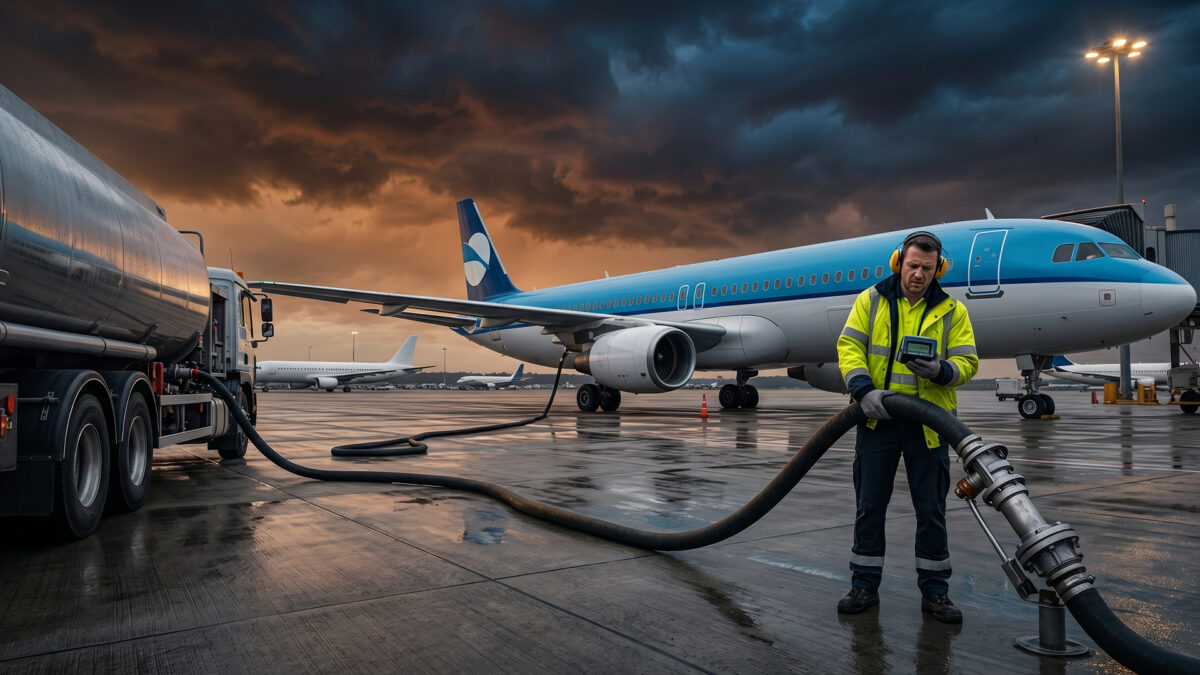
India’s leading airlines have warned of a serious financial crisis due to rising aviation turbine fuel (ATF) prices and have sought urgent government intervention to avoid operational disruption.

Air India, IndiGo, and SpiceJet, represented by the Federation of Indian Airlines (FIA), said the sector is under “extreme stress” as fuel costs continue to rise. They have urged the Centre to revise pricing policies and provide immediate relief measures.

ATF accounts for nearly 40% of airline operating expenses, making price volatility a major challenge. Airlines say global oil price swings and supply issues have further increased costs.

The carriers have also called for a uniform ATF pricing structure across domestic and international routes, saying current differences are adding to financial strain. They have suggested temporary tax relief on jet fuel to ease pressure.

The FIA warned that without timely intervention, airlines could be forced to cut flights or even suspend parts of their operations, affecting connectivity across the country.

While passenger demand remains strong, airlines say high costs are squeezing profitability. Industry observers note that the warning reflects growing financial stress in the aviation sector.

The government is expected to examine the demands as pressure builds to stabilize the industry and prevent possible disruption to air travel services.

Also Read: Amazon Now expands ultra-fast delivery to 100 cities
Categories
Beyond

Air India, IndiGo, SpiceJet oppose free seat mandate

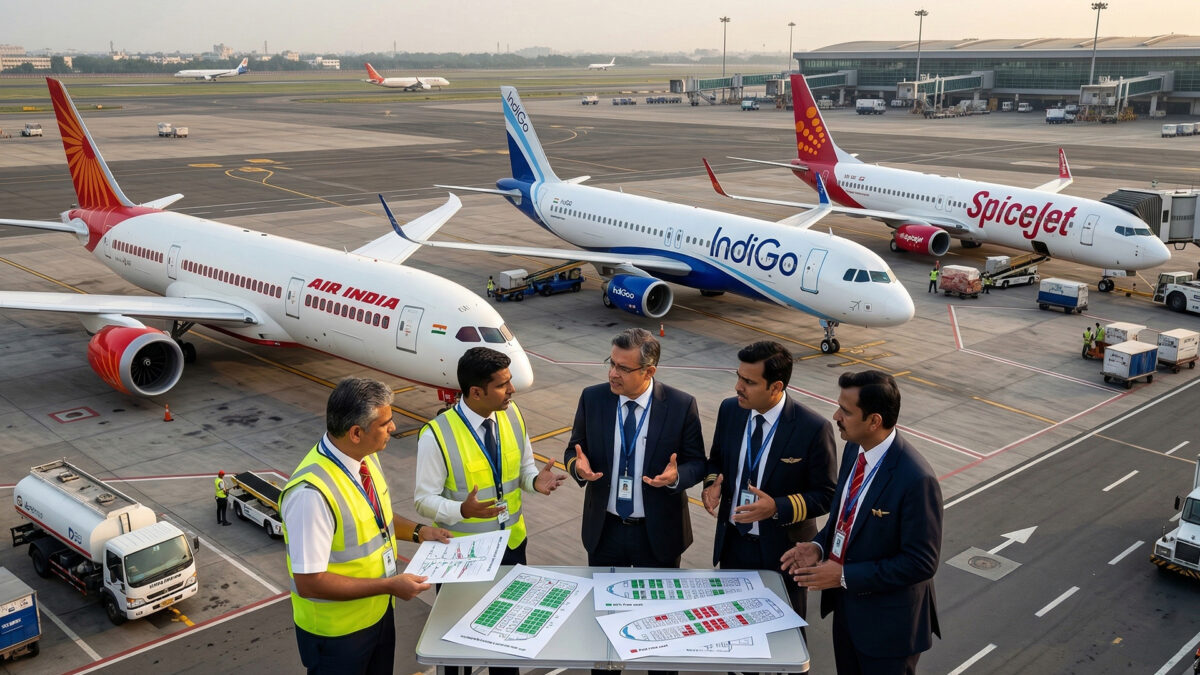
India’s leading airlines, Air India, IndiGo, and SpiceJet, have expressed strong opposition to a new government rule requiring them to make 60% of flight seats free for selection. Airlines warn that this could force higher base airfares to compensate for lost revenue.

The DGCA, under the Ministry of Civil Aviation, introduced the directive to protect passengers from hidden charges and make booking more transparent. While passengers would benefit from free seat selection on most seats, airlines claim the mandate limits their ability to earn from optional services like preferred window, aisle, and extra-legroom seats.

The Federation of Indian Airlines (FIA) said seat selection fees are a critical source of ancillary revenue. Losing this income, they argue, would hurt airlines financially, especially as operational costs rise and competition remains stiff. According to industry data, charges for preferred seats currently range from ₹200 to ₹2,100 per passenger.

Airlines also raised concerns about government overreach, saying commercial decisions such as pricing and seat allocation should remain under their control. They warned that enforcing the 60% free seat mandate could distort fare structures, potentially impacting ticket pricing and service tiers.

While the government intends to benefit passengers, experts warn that airlines may adjust base fares upwards to recoup lost income. This could mean that, despite free seat selection, the overall cost of travel might rise.

The debate highlights a broader tension in India’s aviation sector: balancing consumer-friendly policies with the financial realities of airlines. Passengers may gain in terms of transparency, but the industry insists on sustainable revenue streams to maintain services and profitability.

Also Read: Snowflake unveils AI tool to automate workflows