Categories
Beyond

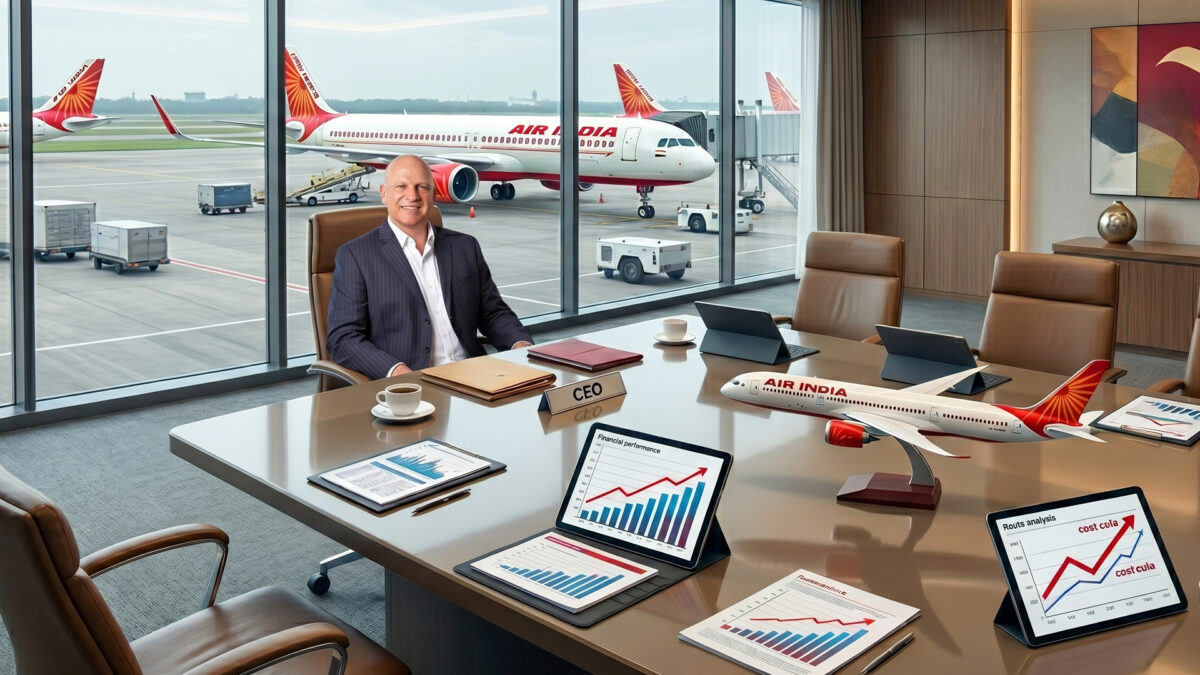
Air India urged to stay focused amid challenges

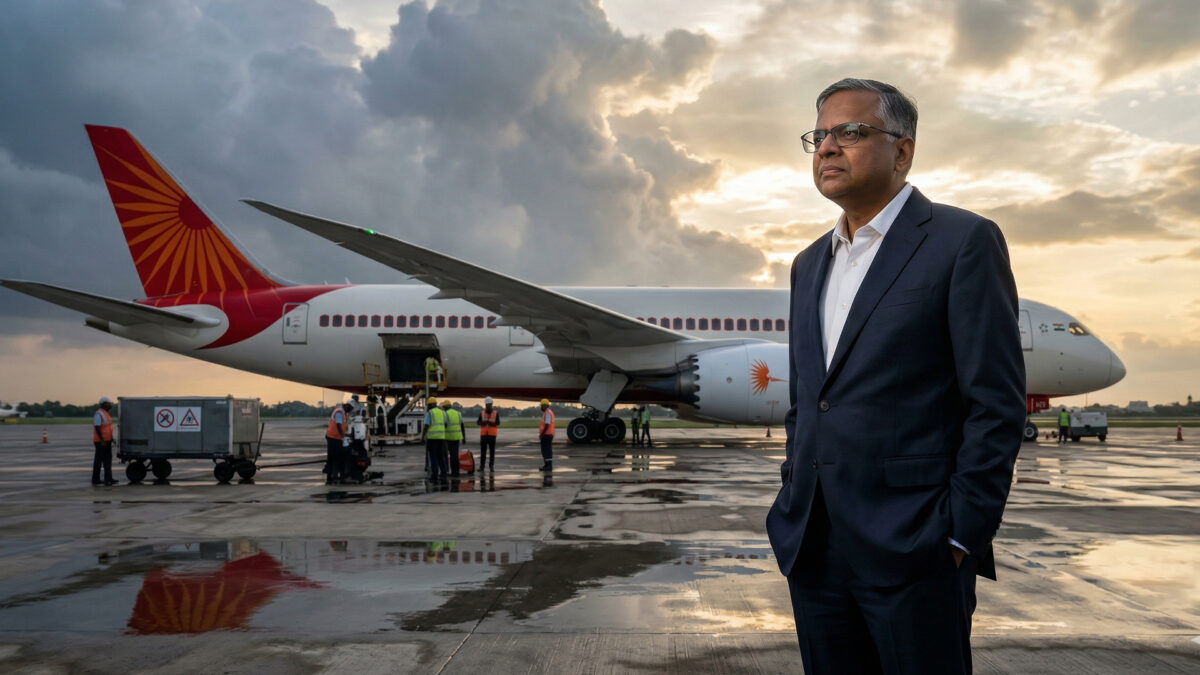
Natarajan Chandrasekaran has asked employees of Air India to stay focused and work better as the airline goes through a tough phase. His message comes after the resignation of CEO Campbell Wilson.

At a recent internal meeting, Chandrasekaran told staff to concentrate on their work and improve how things are done. He said that while challenges are there, employees should focus on what they can control and try to perform better.

Air India is currently facing several issues. Rising fuel prices, global tensions and changes in flight routes have made operations more difficult. These factors have also increased costs for the airline.

N Chandrasekaran reminded employees to stay realistic and careful about spending. He stressed the need to manage costs properly while continuing efforts to improve services. He also assured staff that the Tata Group remains committed to supporting the airline.

Since returning to the Tata Group in 2022, Air India has been trying to rebuild its operations. The airline has expanded, upgraded systems and worked on improving its services. However, the journey has not been easy, and it continues to face pressure.

The recent exit of CEO Campbell Wilson has added to the uncertainty. The airline is now looking for new leadership to guide it through the next phase of its transformation.

Also Read: Firebomb thrown at Sam Altman’s home

Categories
Beyond

Air India hikes fuel surcharge, flights costlier

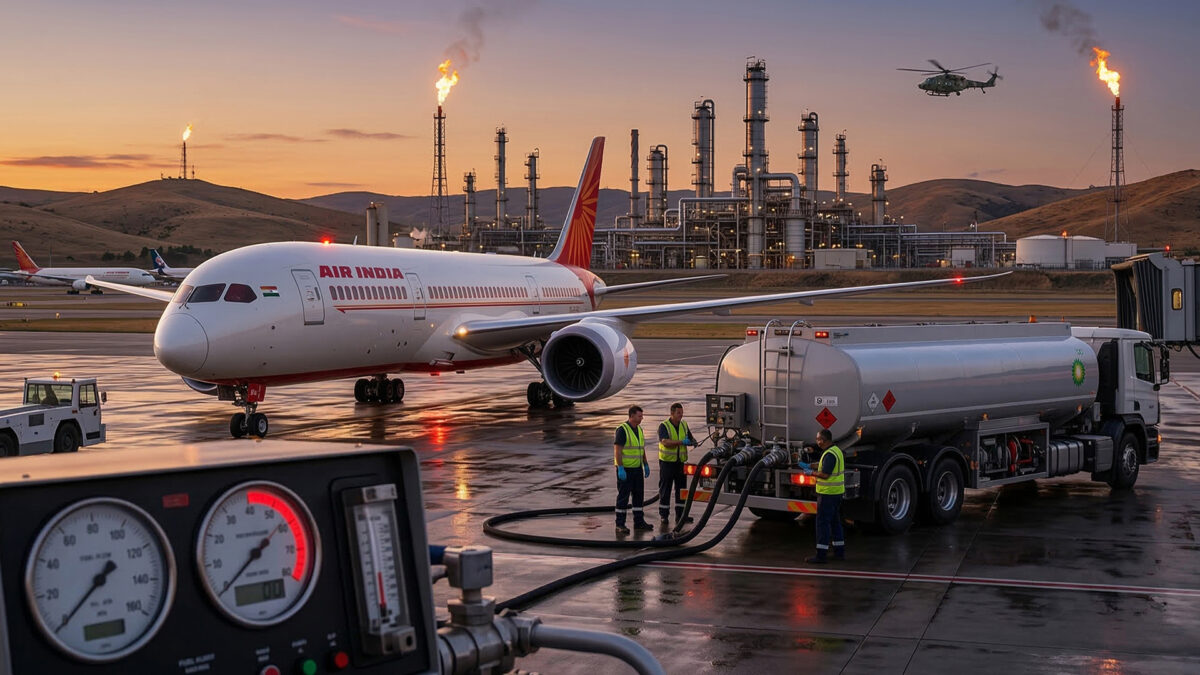
Air India has announced an increase in fuel surcharges on both domestic and international flights, effective April 8 for domestic travel and April 10 for most international routes. The move comes as jet fuel prices surge worldwide, partly due to geopolitical tensions in the Middle East.

For domestic flights, the surcharge will now vary by distance. Short trips up to 500 km will see an extra ₹299 per ticket, while long flights over 2,000 km could add ₹899. International travelers will also feel the impact: flights to nearby countries may add about $24, while long-haul journeys to North America or Australia could see $280 extra per ticket. Charges on routes to Europe, Africa, West Asia, and Southeast Asia will fall somewhere in between.

Air India says that even with the higher surcharge, it will continue to absorb part of the increased fuel cost. Tickets booked before the surcharge increase won’t be affected unless changes are made to the booking.

The airline’s decision follows similar moves by other carriers, including budget airlines, as aviation turbine fuel (ATF) costs rise sharply. Fuel is one of the biggest expenses for airlines, so when global oil prices spike, passengers often bear some of the increase.

The government has tried to reduce the impact by capping monthly ATF price hikes domestically, but rising fuel costs still push up airfares. Experts say travelers should expect higher ticket prices in the coming months if oil price volatility continues.

For passengers, this means budgeting more for travel and checking updated fuel surcharge details when booking tickets. While it helps airlines manage costs, it also adds to the overall cost of flying, especially for long-haul journeys.

With global oil prices unlikely to stabilize immediately, this surcharge hike highlights the direct impact of energy markets on everyday air travel, showing how international events can quickly translate into higher costs for passengers.

Categories
Beyond

Air India, IndiGo, SpiceJet oppose free seat mandate

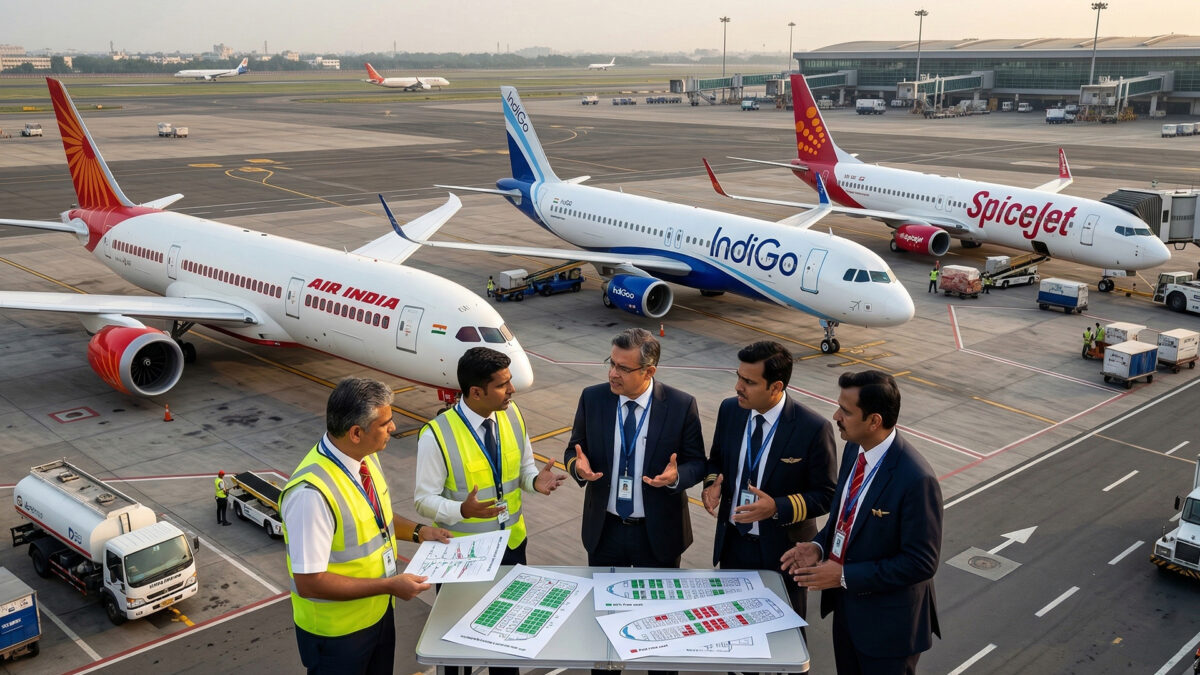
India’s leading airlines, Air India, IndiGo, and SpiceJet, have expressed strong opposition to a new government rule requiring them to make 60% of flight seats free for selection. Airlines warn that this could force higher base airfares to compensate for lost revenue.

The DGCA, under the Ministry of Civil Aviation, introduced the directive to protect passengers from hidden charges and make booking more transparent. While passengers would benefit from free seat selection on most seats, airlines claim the mandate limits their ability to earn from optional services like preferred window, aisle, and extra-legroom seats.

The Federation of Indian Airlines (FIA) said seat selection fees are a critical source of ancillary revenue. Losing this income, they argue, would hurt airlines financially, especially as operational costs rise and competition remains stiff. According to industry data, charges for preferred seats currently range from ₹200 to ₹2,100 per passenger.

Airlines also raised concerns about government overreach, saying commercial decisions such as pricing and seat allocation should remain under their control. They warned that enforcing the 60% free seat mandate could distort fare structures, potentially impacting ticket pricing and service tiers.

While the government intends to benefit passengers, experts warn that airlines may adjust base fares upwards to recoup lost income. This could mean that, despite free seat selection, the overall cost of travel might rise.

The debate highlights a broader tension in India’s aviation sector: balancing consumer-friendly policies with the financial realities of airlines. Passengers may gain in terms of transparency, but the industry insists on sustainable revenue streams to maintain services and profitability.

Also Read: Snowflake unveils AI tool to automate workflows

Categories
Beyond

Air India to add fuel surcharge as jet fuel costs rise

Air India has announced that it will introduce a fuel surcharge on flight tickets as rising aviation fuel prices push up airline operating costs. The surcharge comes amid global energy market volatility linked to tensions involving Iran in West Asia.

The airline said passengers booking domestic flights will have to pay an additional ₹399 fuel surcharge starting March 12. The same charge will also apply to flights to nearby South Asian destinations such as Nepal, Sri Lanka and Bangladesh.

For longer international routes, the surcharge will be higher. Flights to West Asia will see an additional charge of around $10, while routes to Southeast Asia and Africa will have surcharges ranging from $60 to $90, depending on the distance and route.

Air India said the move is necessary because of the sharp increase in aviation turbine fuel (ATF) prices in recent weeks. Fuel is one of the biggest expenses for airlines, and sudden price increases can significantly affect operating costs.

Global oil prices have been fluctuating due to the ongoing conflict in West Asia, which has raised concerns about energy supply and shipping routes. As a result, airlines are facing higher fuel bills and are adjusting ticket prices to manage the added costs.

The airline clarified that the surcharge will apply only to new tickets booked from March 12 onwards. Passengers who have already purchased tickets will not be affected unless they change their bookings or reissue their tickets.

Air India said it understands that the additional charge may affect travellers, but described it as a necessary step to offset rising fuel expenses and maintain operations.

Also Read: Reliance backs first new US oil refinery in 50 years


Categories
1 Minute-Read

Air India expands flights to Toronto, Frankfurt, Paris

Air India has decided to operate additional flights to Toronto, Frankfurt, and Paris after a sharp rise in passenger demand amid the ongoing crisis in West Asia.

The airline will run three extra flights between Delhi and Toronto from March 5 to March 11. It will also operate three additional flights to Frankfurt and one extra flight to Paris between March 7 and March 10.

Air India said the decision was taken to help passengers affected by disruptions in international travel routes due to the conflict in the region. The airline added that it will continue to review the situation and may adjust flight schedules depending on demand.

Categories
Corporate

Air India–Lufthansa deal to make Europe trips smoother

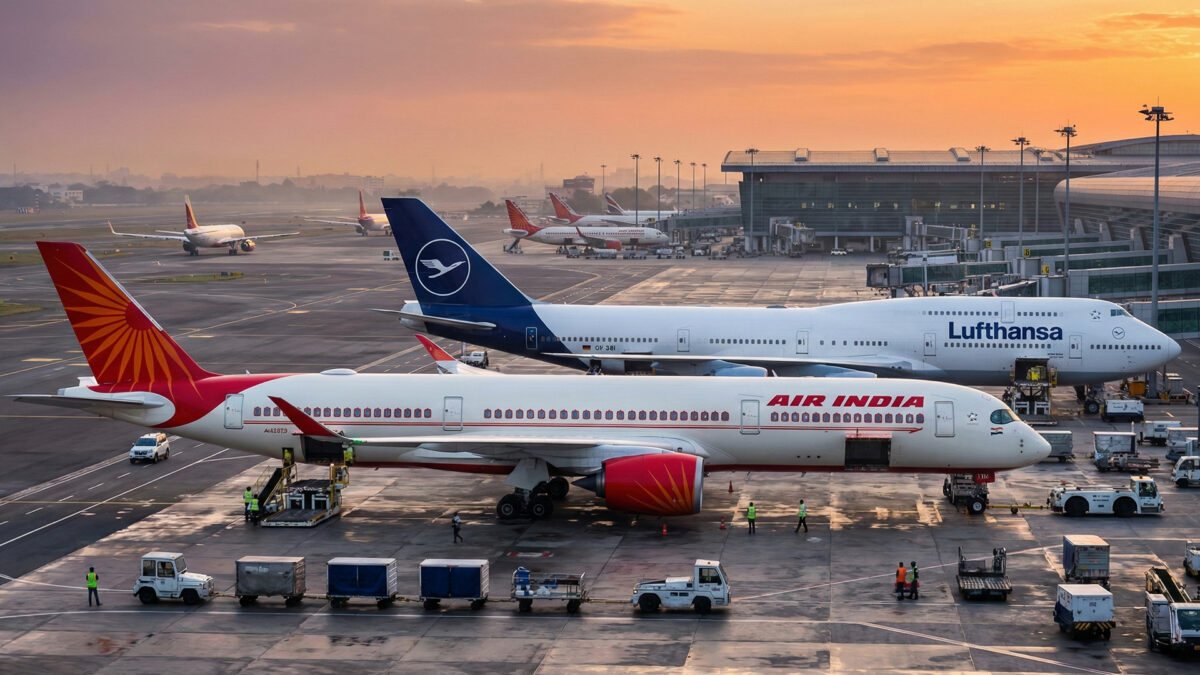
In good news for travellers, flying between India and Europe is set to become easier and more seamless. Air India and the Lufthansa Group have joined hands to deepen their partnership, a move that will eventually allow passengers to access more destinations, better-timed flights and hassle-free connections under one coordinated network.

The plan is simple in intent but significant in impact: give passengers more choice, shorter travel times and smoother transfers. Once the agreement receives regulatory approvals, the two airline groups will be able to align flight schedules, coordinate routes and sell seats together — allowing travellers to book their entire journey on a single ticket even when flying across multiple airlines.

The collaboration brings several European carriers into closer cooperation with Air India, including Lufthansa, SWISS, Austrian Airlines, Brussels Airlines and ITA Airways.

For travellers, this could mean better-timed connections, fewer separate bookings and more flexibility in choosing routes. Someone flying from a smaller Indian city to a European destination, for instance, may soon be able to move between flights within the same network without the usual hassle of multiple check-ins and baggage reclaims.

The two groups already share flights on a large network linking several Indian and European cities, and this is expected to grow further as demand rises for tourism, education, business and family travel.

For Air India, the agreement supports its ongoing transformation and global expansion. With new aircraft on order and more long-haul routes planned, the airline is rebuilding its international presence. For Lufthansa Group, India remains one of its most important and fastest-growing long-haul markets.

Also Read: Adani Ports ties up with Marseille Fos for IMEC corridor

Categories
Beyond

DGCA fines Air India ₹1 crore over safety

The Directorate General of Civil Aviation (DGCA) has imposed a ₹1 crore fine on Air India after finding that one of the airline’s Airbus A320 aircraft operated eight passenger flights in November 2025 without a valid airworthiness permit. This permit is a mandatory certification that confirms an aircraft is safe and fit to fly. Operating flights without it is a serious breach of aviation safety rules.

The DGCA noted that such lapses erode public confidence in air travel safety, and emphasized that accountability rests with airline management. The regulator specifically held Air India CEO Campbell Wilson and other senior officials responsible for the oversight. The fine is required to be paid within 30 days, and the airline has been instructed to ensure strict compliance with all regulatory norms moving forward.

Air India has said that the issue was self-reported voluntarily and that corrective steps have already been implemented to prevent recurrence. The airline also stated that no safety incidents occurred during the eight flights in question.

This fine comes amid heightened scrutiny of Air India’s operations following a tragic Boeing crash last year that resulted in multiple fatalities. Aviation experts say the DGCA’s action underscores the importance of maintaining strict safety standards, especially as airlines expand their fleets and increase flight operations.

The DGCA’s investigation revealed that the lapse was primarily due to administrative oversight. While the aircraft itself remained mechanically sound, the absence of the formal airworthiness certificate constitutes a regulatory violation. Aviation authorities highlight that even minor paperwork lapses can undermine public trust and have legal consequences, which is why regulators are taking a firm stance.

The incident has sparked discussion in the industry about the need for stronger internal checks and robust monitoring systems within airlines. Experts suggest that airlines must reinforce both technical compliance and operational oversight to ensure that safety procedures are not compromised.

Air India’s management has assured passengers that safety remains its top priority and that measures have been strengthened to comply fully with DGCA guidelines. The fine, though significant, is seen by regulators as a corrective step rather than a punitive measure, aimed at reinforcing accountability and protecting passenger trust.

Also Read: Indian GCCs cut 6,000 jobs in 2025 amid global pressures

Categories
1 Minute-Read

Air India hints at ordering more Boeing Dreamliners

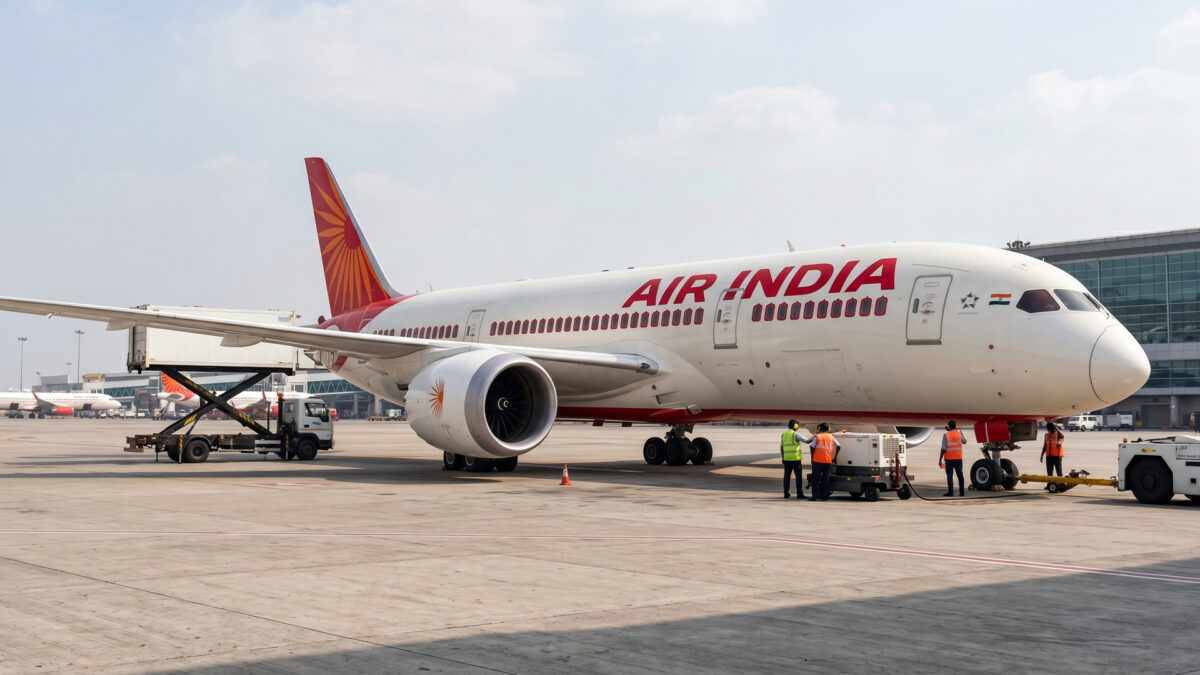
Air India is considering ordering additional Boeing 787 Dreamliners to expand its long‑haul fleet, CEO Campbell Wilson said.

The first custom 787‑9 is set to begin commercial operations on February 1, flying the Mumbai–Frankfurt route. By 2027–28, the airline expects a major upgrade, with at least 20 Dreamliners joining its fleet.

One 787‑9 has already been inducted, while older 787‑8s are being retrofitted with new interiors. Since privatisation, Air India has placed orders for 570 aircraft, reflecting its ambitions for global growth and modernisation.

Categories
Leaders

Air India seeks new CEO as leadership changes loom

Tata Sons has begun a global search for a new CEO to lead Air India, signaling a potential leadership change at the airline. Campbell Wilson, who joined as CEO in July 2022, still has a contract until June 2027, but the group is considering a transition sooner.

Chairman N. Chandrasekaran has reportedly spoken with executives from leading carriers in the UK and US as possible successors. The move is part of Tata Sons’ effort to strengthen Air India’s operations and improve overall performance.

Wilson has overseen major organisational changes, including the merger with Vistara and integration of other subsidiaries. However, sources indicate challenges remain, such as aircraft delivery delays, refurbishment slowdowns, and inconsistent service, particularly on long-haul routes.

Air India Express, the group’s low-cost carrier, is also under review, with leadership assessments ongoing across the airline group. Wilson’s exit from the Air India Express board in April 2025 hinted at early restructuring, although Tata Sons says no formal succession plan has yet been finalised.

The leadership search reflects Tata Sons’ focus on ensuring Air India not only grows but competes effectively on the global stage, building on investments made since privatisation while tackling lingering operational challenges.

Also Read: Trump flags tariff risk over India’s Russian oil imports

Categories
1 Minute-Read

Air India follows Government directive, caps ticket prices

Air India has introduced fare caps on domestic flights following a government directive after IndiGo canceled hundreds of flights, leaving travelers stranded.

Economy-class fares are now limited to ₹7,500 for flights under 500 km, ₹12,000 for 500–1,000 km, ₹15,000 for 1,000–1,500 km, and ₹18,000 for flights over 1,500 km, excluding taxes.

Air India and Air India Express started applying caps from December 4, and passengers who booked above the limits will receive refunds.

The move aims to protect travelers and ensure price stability amid the ongoing aviation disruption.