Categories
Leaders

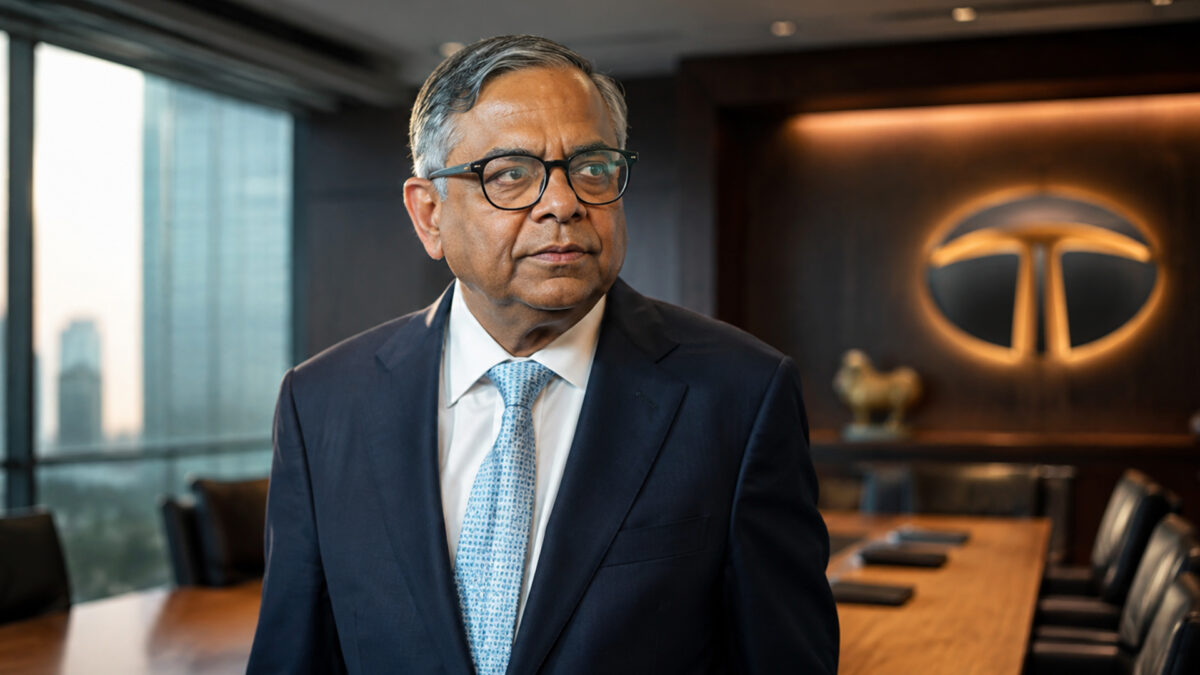
N Chandrasekaran quits as Tata Sons chairman

N Chandrasekaran has resigned as chairman of Tata Sons, bringing a significant leadership transition to the Tata Group after nearly a decade at the helm of its holding company. Chandrasekaran, however, will continue in the position until the end of his current term on February 20, 2027, according to people familiar with the development and his statement.

The decision comes just days before the Tata Sons annual general meeting scheduled for August 18. The meeting had been expected to consider the reappointment of Chandrasekaran as a director, a key requirement for him to continue as chairman. His decision not to seek another term effectively removes that uncertainty and sets the stage for a leadership succession process at one of India’s most influential business groups.

In his communication to the Tata Sons board, Chandrasekaran said he would not offer himself for reappointment after his existing tenure ends. He also asked the board to begin the process of identifying his successor. The announcement marks the beginning of a transition rather than an immediate departure, allowing him to remain involved in the group’s affairs for several months.

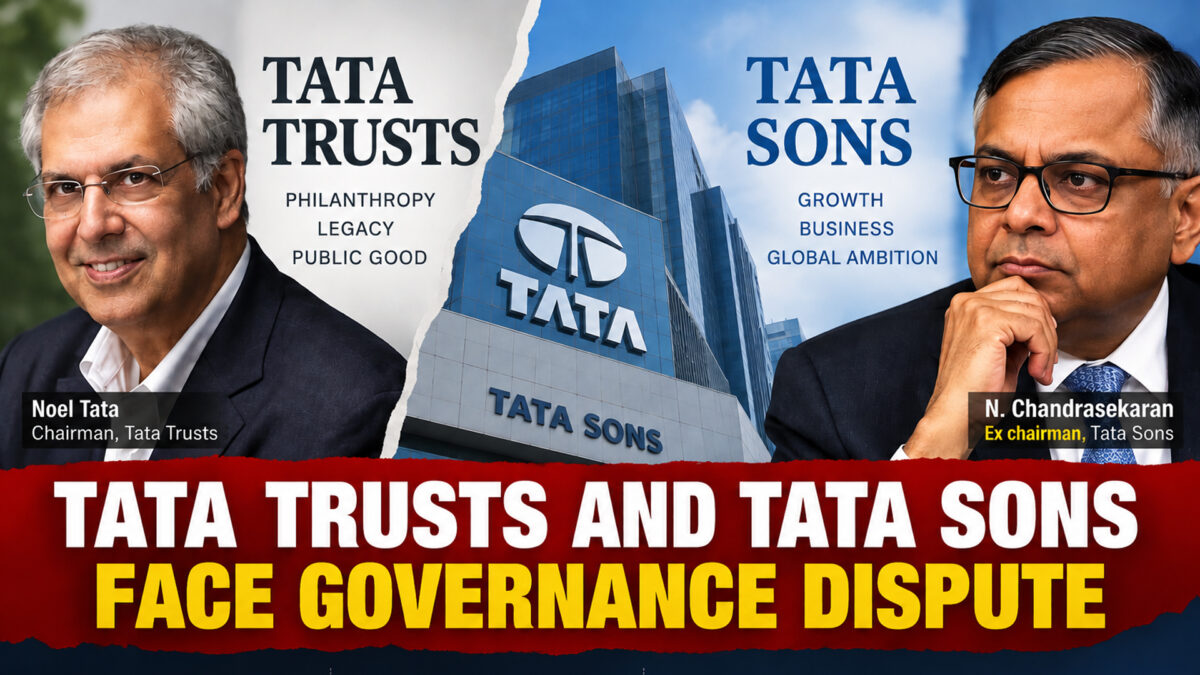
The development follows weeks of uncertainty around Chandrasekaran’s position and the Tata Sons board. Earlier reports had said he was considering stepping down ahead of the August 18 AGM amid questions surrounding his reappointment and tensions within the Tata Trusts structure. Those reports had raised the possibility of an unexpected change at the top of the Tata Group.

Chandrasekaran’s exit is important because Tata Sons sits at the centre of the group’s sprawling business interests, with significant holdings and influence across information technology, automobiles, steel, power, consumer products, hotels, aviation and financial services. The chairman also plays a central role in determining the group’s long-term investment priorities and capital allocation.

His tenure has been marked by an aggressive expansion strategy. Under Chandrasekaran, the Tata Group pushed deeper into aviation following the acquisition and consolidation of Air India, while also increasing investments in semiconductors, electronics manufacturing, batteries, artificial intelligence and other emerging businesses.

The group has simultaneously worked to strengthen its position in traditional businesses while building new growth platforms. Tata Electronics has emerged as a major focus of the group’s semiconductor and electronics ambitions, while Tata Digital has been developed as a consumer technology platform. The group’s investments in battery manufacturing and defence-related capabilities have also formed part of its longer-term strategy.

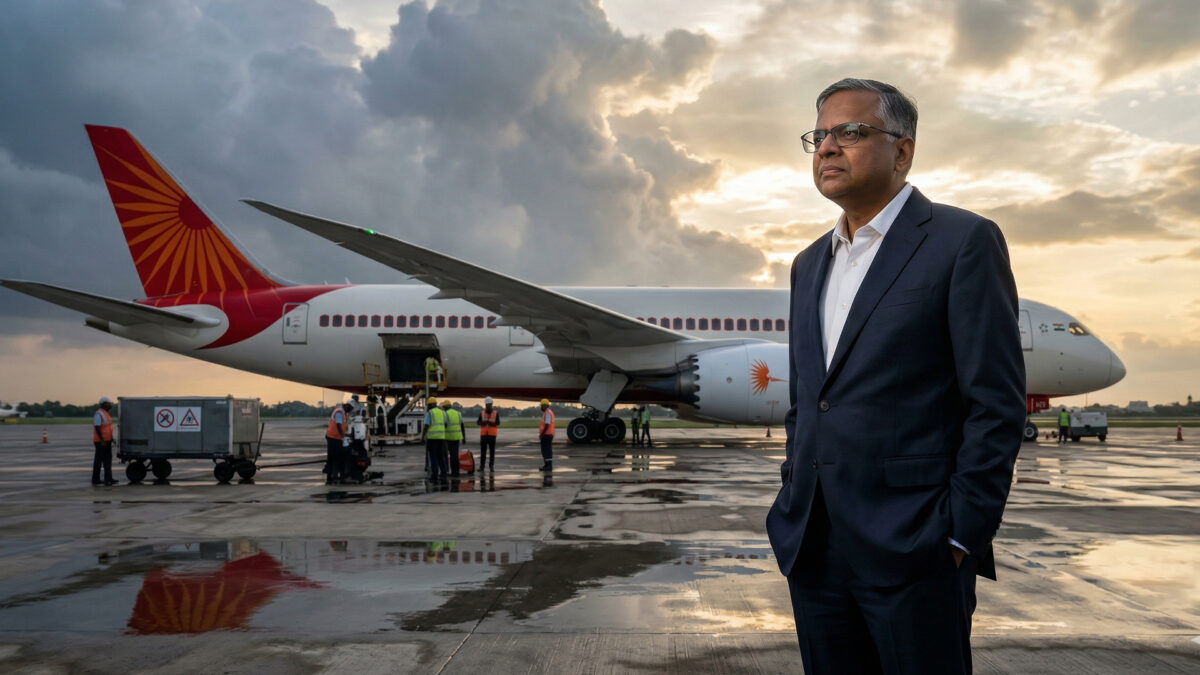
Air India has been one of the most visible projects during Chandrasekaran’s tenure. The Tata Group has been attempting to rebuild the airline following its return to private ownership, with investments in aircraft, technology, operations and customer experience. Chandrasekaran recently described the transformation of Air India as a five-to-10-year effort, highlighting the scale of the challenge facing the group.

The leadership change comes even as Tata Sons remains financially strong. The company’s annual report for FY26 showed revenue rising 9.1% to Rs 42,367 crore, while profit after tax increased 21.8% to Rs 31,961 crore. The improvement was supported by investment gains and earnings from its portfolio of businesses.

At the broader Tata Group level, the business has continued to expand despite challenges in several large investments. The group reported aggregate FY26 revenue of about Rs 16.24 lakh crore, while profit after tax rose sharply during the year.

The financial performance, however, has existed alongside pressure in some of the group’s newer businesses. Air India recorded substantial losses, while Tata Digital, Tata Electronics and battery-related ventures have also required significant investment. Chandrasekaran has defended these businesses as long-term strategic bets rather than investments expected to generate immediate returns.

Markets reacted quickly to the news. Shares of several Tata Group companies came under pressure after the resignation announcement, with Tata Consultancy Services among the most closely watched stocks. TCS shares were reported to be down more than 3% during Wednesday’s trading session, while other Tata companies also declined. The market reaction reflected investor uncertainty surrounding the group’s future leadership and succession process.

Chandrasekaran joined the Tata Group nearly four decades ago and rose through its ranks before becoming chief executive of Tata Consultancy Services in 2009. He became chairman of Tata Sons in 2017, succeeding Ratan Tata in the role. His tenure has therefore covered a major period of transformation for the conglomerate, including the expansion of its global technology, automotive and aviation interests.

The immediate focus will now shift to succession planning, putting Tata Sons among the major Indian businesses undergoing senior leadership and succession changes. The board will have to identify a leader capable of managing both the group’s established businesses and its ambitious new investments. The next chairman will inherit a conglomerate with a strong financial base, but also major projects requiring sustained capital, execution and strategic patience.

For the Tata Group, the transition is therefore more than a change at the top. It will determine how the conglomerate balances its traditional businesses with its newer bets in technology, aviation, semiconductors, batteries and digital services. With Chandrasekaran remaining until February 2027, the group has several months to prepare for a carefully managed leadership handover.

Categories
Beyond

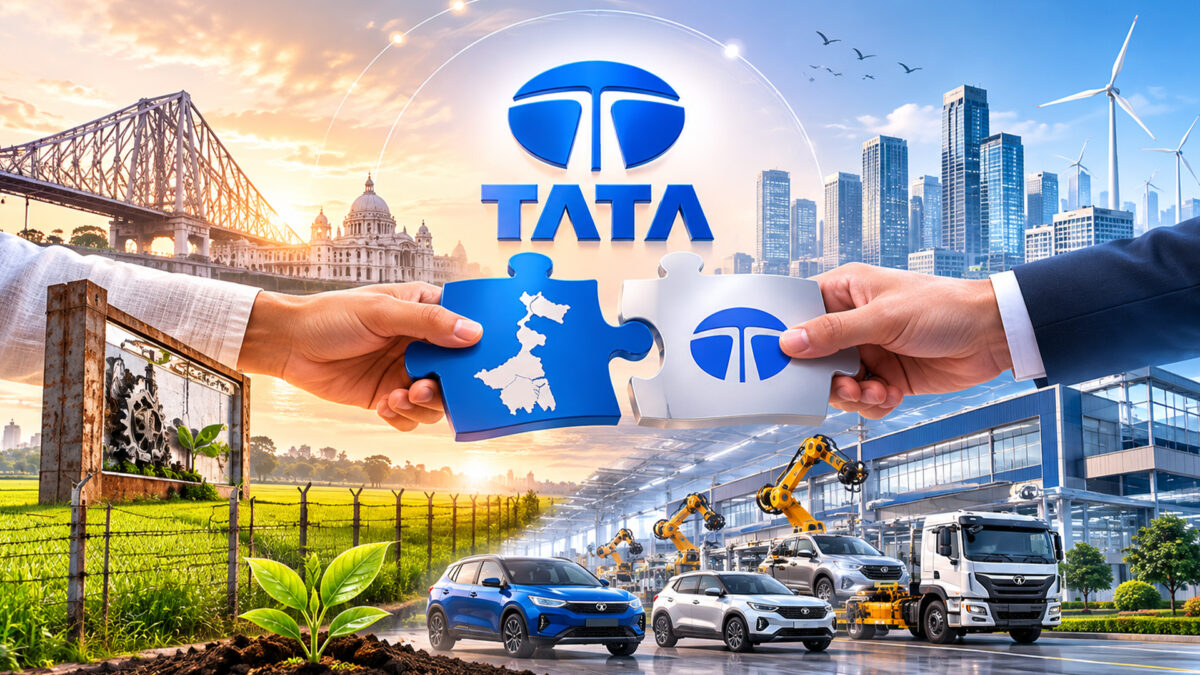
Bengal reopens Tata talks with fresh industrial investment

Nearly two decades after the bitter Singur controversy pushed Tata Motors out of West Bengal, the state government is making a fresh attempt to rebuild ties with the Tata Group — this time with an eye on both settling the old dispute and attracting new investment.

The West Bengal government has formally invited the Tata Group to return to the state and set up new industrial projects. Senior state officials have recently met Tata Group representatives in Mumbai to discuss possible investments in areas including IT, manufacturing and infrastructure.

The outreach is closely linked to efforts to resolve the long-running legal dispute arising from the abandoned Tata Nano project at Singur. The state has begun discussions with Tata Motors over a possible out-of-court settlement in the arbitration case connected with the project.

The development marks a significant shift from one of the most politically charged industrial episodes in Bengal’s recent history.

In 2006, Tata Motors chose Singur in Hooghly district for its small-car manufacturing plant. The project involved nearly 997 acres of land, much of it acquired amid strong opposition from farmers and political groups. Protests over land acquisition intensified, eventually forcing Tata Motors to withdraw from Singur in 2008. The Nano project was subsequently shifted to Sanand in Gujarat.

The factory at Singur was reportedly around 90 per cent complete when Tata Motors decided to leave Bengal. The company had invested more than ₹1,000 crore in the project by then, according to reports.

The dispute did not end with the project’s exit.

Tata Motors later initiated arbitration proceedings seeking compensation for losses arising from the abandoned project. In 2023, a three-member arbitral tribunal unanimously awarded about ₹765 crore to Tata Motors, covering expenses and losses associated with the Singur project, including litigation costs. The award also carried interest.

The West Bengal Industrial Development Corporation (WBIDC) challenged the award before the Calcutta High Court. However, the court’s refusal in May to stay the arbitration award has added urgency to efforts to find a negotiated settlement. The state has been asked to secure the payment through an undertaking listing its immovable properties.

Against this legal backdrop, senior state officials have opened discussions with Tata Group executives.

The government’s approach appears to go beyond simply resolving the compensation issue. Officials are exploring a broader arrangement that could bring fresh Tata investments into West Bengal, potentially turning a long-running industrial dispute into an opportunity for a new partnership.

Commerce and Industry Minister Tapas Roy has also said efforts are underway to bring the Tata Group back in a significant way. Chief Minister Suvendu Adhikari is leading the initiative, according to the minister.

For the state government, the talks carry an importance that goes beyond one corporate group.

West Bengal has been trying to strengthen its reputation as an investment destination and attract large industrial projects. The renewed engagement with Tata is therefore being seen as part of a broader effort to rebuild investor confidence, industrial growth and employment opportunities.

The timing is also significant. The state is reportedly finalising a new industrial policy, expected to be released in August, while discussions are also underway with Japanese conglomerate Mitsubishi over potential investment in the semiconductor sector.

For Tata, any return to Bengal would also carry symbolic significance. The group has continued to have a presence in the state through several businesses, but the Singur episode became a defining moment in the relationship between industry and politics in West Bengal.

The controversy had raised fundamental questions about land acquisition, farmers’ rights, industrialisation and employment. It also became a major political issue, with the agitation against the Tata Nano project playing an important role in the rise of the Trinamool Congress in Bengal.

Nearly 20 years later, the political and economic landscape has changed. The current government is now seeking to use dialogue and investment to move beyond that chapter.

For Singur itself, the possibility of a new industrial project could be particularly significant. The abandoned Nano site became a powerful symbol of Bengal’s industrial setback after Tata Motors’ departure. A fresh investment could potentially bring jobs, ancillary businesses and economic activity back to the area.

However, the discussions are still at an early stage. There is no confirmed agreement yet on a new Tata project, nor has a final settlement been announced in the arbitration dispute.

For now, both sides appear to be testing whether an old conflict can give way to a new business relationship.

If the talks succeed, Bengal could close one of its most contentious industrial chapters while opening another — one built around investment, manufacturing, jobs and renewed confidence in the state’s industrial future.

Categories
Beyond

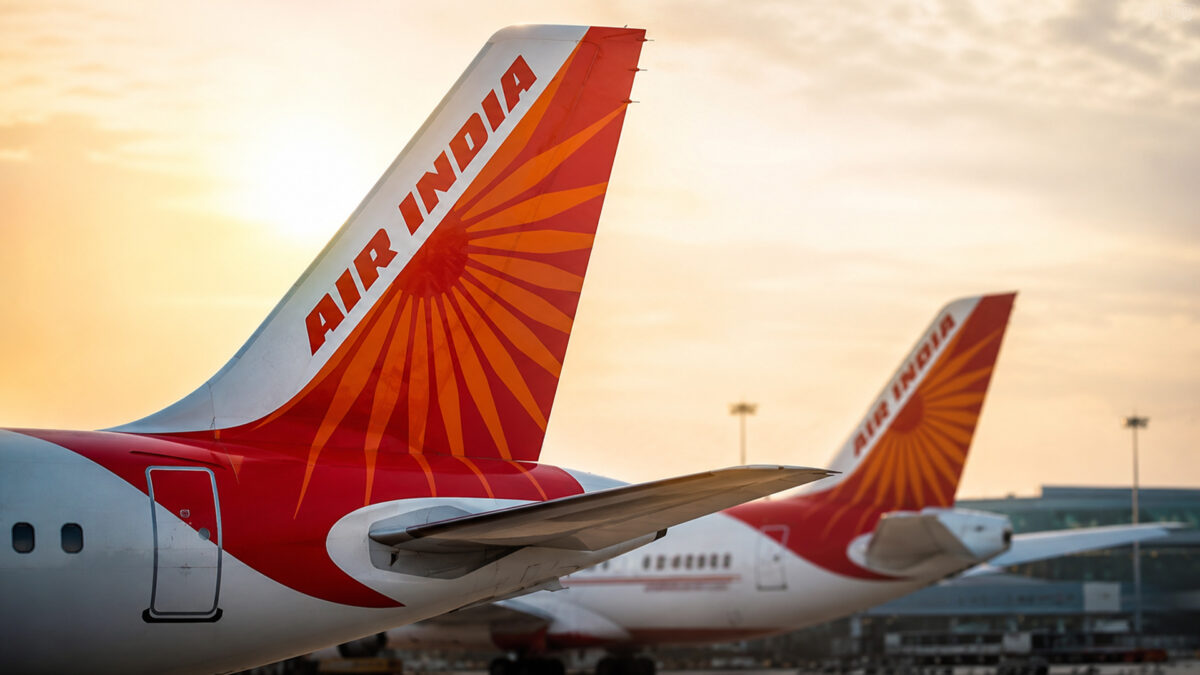
Tata Group asks Air India to rein in losses

The Tata Group has asked Air India to focus on reducing losses and improving financial performance as the airline continues to face mounting costs despite an ambitious transformation programme.

As per reports, Air India has accumulated losses of around $3 billion since returning to Tata ownership in 2022. The scale of the losses has prompted the group to push for tighter cost controls and a stronger focus on profitability.

As part of this effort, Air India is reportedly considering measures to streamline operations, reduce expenses and review parts of its expansion strategy. The airline has been investing heavily in fleet modernisation, technology upgrades, service improvements and the integration of multiple aviation businesses acquired under the Tata umbrella.

Sources cited in reports said the company may look at downsizing certain operations and slowing spending in areas that are not generating adequate returns. The objective is to improve efficiency while continuing with key long-term growth plans.

Air India has undergone a major overhaul since its acquisition by the Tata Group from the Indian government. The airline has placed record aircraft orders, upgraded cabins, expanded international services and worked to improve customer experience in an effort to reclaim its position in the global aviation market.

However, these investments have come at a significant cost. Rising fuel prices, aircraft delivery delays, supply-chain constraints and intense competition in both domestic and international markets have added to financial pressures.

Industry analysts note that while losses are common during large-scale restructuring programmes, investors and management typically expect a clearer path to profitability as transformation efforts progress. The Tata Group is therefore said to be seeking a balance between growth ambitions and financial discipline.

Air India remains central to the Tata Group’s aviation strategy, which also includes the merger and integration of several airline businesses. Company executives are expected to continue pursuing expansion opportunities, but with greater emphasis on controlling costs and improving operational efficiency.

Also Read: Elon Musk becomes world’s first trillionaire

Categories
Corporate

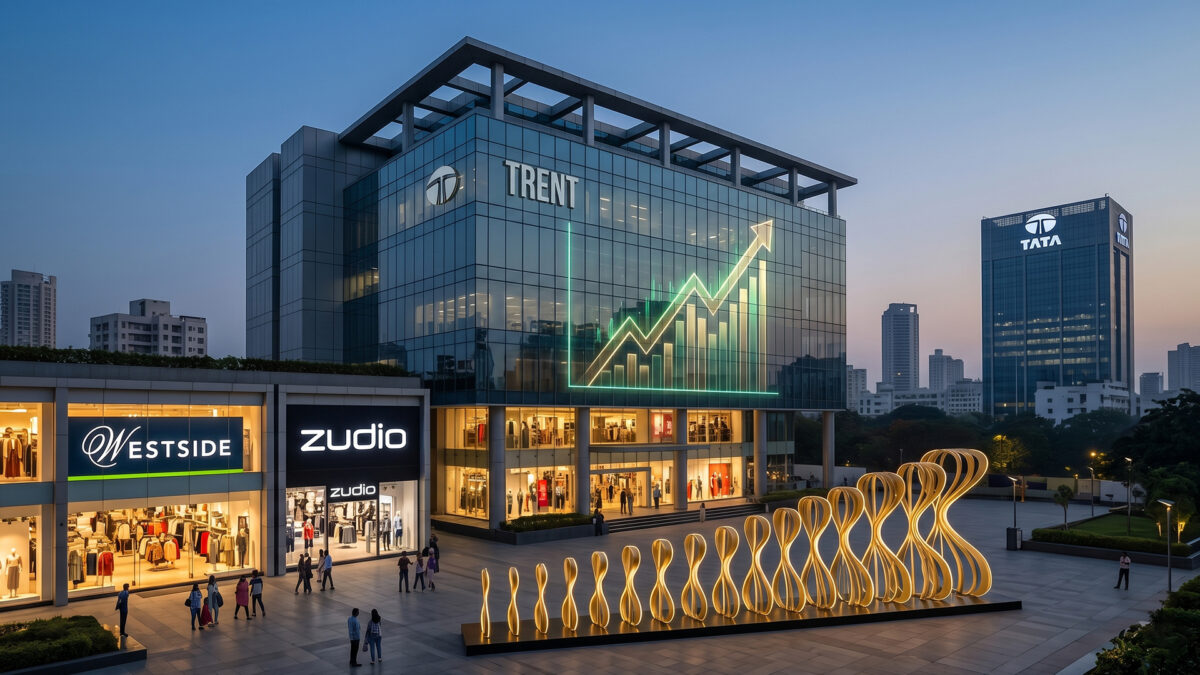
Trent profit rises 30%, announces first bonus shares

Tata Group retail company Trent has reported a strong fourth-quarter performance, with net profit rising around 30% year-on-year. The company also announced its first-ever bonus share issue and declared a dividend, giving shareholders more reasons to celebrate.

Trent, which operates popular brands such as Westside and Zudio, said its quarterly profit rose to about ₹455 crore. Revenue also increased strongly, helped by steady consumer demand and continued expansion of stores across the country.

One of the biggest highlights of the results was the company’s first bonus issue since listing. Trent announced bonus shares in the ratio of 1:2, meaning investors will receive one extra share for every two shares they already own. Bonus issues are often seen as a sign of management confidence and are welcomed by retail investors.

Along with the bonus shares, the board also approved a final dividend of ₹6 per share for the financial year. This indicates that the company remains financially strong while continuing to invest in future growth.

Trent’s strong performance was mainly driven by Zudio, its fast-growing value fashion chain, and Westside, its established lifestyle brand. Zudio has expanded rapidly across cities and smaller towns, attracting young shoppers with affordable fashion options. Westside has also continued to benefit from steady demand in urban markets.

The company has become one of India’s fastest-growing retail businesses, benefiting from rising consumer spending and increasing demand for organised fashion retail. Analysts say Trent has successfully built brands that appeal to both budget-conscious and premium shoppers.

Despite the positive results, the stock saw some volatility in the market as investors booked profits after a recent rally. However, many analysts remain positive on the company’s long-term prospects because of its expansion strategy and strong brand presence.

Also Read: Meta to monitor employee activity for AI training

Categories
Beyond

UK backs Tata EV battery plant with $510 mn

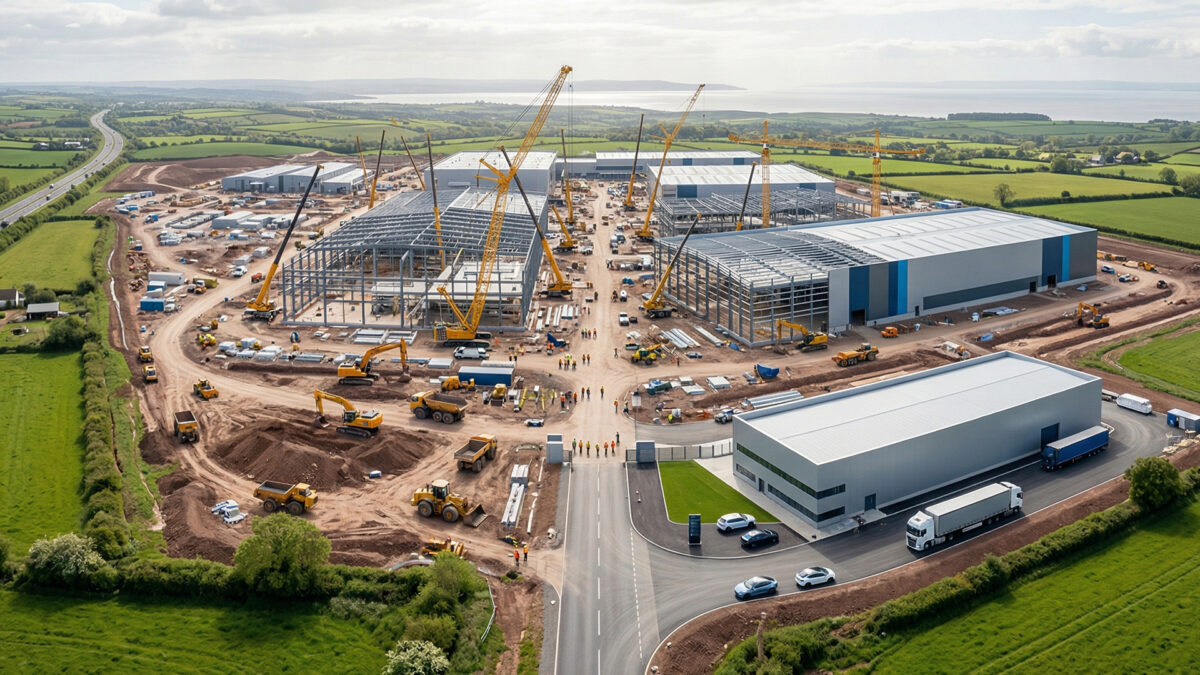
The UK government has announced a major funding boost of $510 million (£380 million) for Agratas, the battery arm of the Tata Group, to build a large electric vehicle (EV) battery plant in Somerset.

The new facility, often called a “gigafactory,” will manufacture batteries for electric cars and is expected to become one of the largest of its kind in the UK. Once fully operational, it will have the capacity to produce enough batteries to power hundreds of thousands of vehicles each year.

A major part of the production will supply Jaguar Land Rover, which is also owned by Tata Group. In the future, the plant could also cater to other carmakers, helping to strengthen the UK’s electric vehicle supply chain.

The funding is part of the UK’s wider plan to move towards cleaner energy and reduce reliance on imports for key technologies like EV batteries. By supporting domestic production, the government aims to make the country more competitive in the fast-growing electric vehicle market.

Officials say the project will also create thousands of jobs, both directly at the factory and indirectly through related industries. It is expected to bring investment into the region and support long-term economic growth.

The Somerset gigafactory is seen as a key step in the UK’s efforts to become a global hub for electric vehicle manufacturing. As demand for EVs continues to rise worldwide, countries are investing heavily in battery production to secure supply chains and stay ahead in the transition to cleaner transport.

For Tata Group, this project marks an important expansion of its global footprint in both the automotive and clean energy sectors. It also reflects the company’s growing focus on electric mobility.

Also Read: Wipro shares jump 3% on buyback buzz

Categories
Beyond

Air India urged to stay focused amid challenges

Natarajan Chandrasekaran has asked employees of Air India to stay focused and work better as the airline goes through a tough phase. His message comes after the resignation of CEO Campbell Wilson.

At a recent internal meeting, Chandrasekaran told staff to concentrate on their work and improve how things are done. He said that while challenges are there, employees should focus on what they can control and try to perform better.

Air India is currently facing several issues. Rising fuel prices, global tensions and changes in flight routes have made operations more difficult. These factors have also increased costs for the airline.

N Chandrasekaran reminded employees to stay realistic and careful about spending. He stressed the need to manage costs properly while continuing efforts to improve services. He also assured staff that the Tata Group remains committed to supporting the airline.

Since returning to the Tata Group in 2022, Air India has been trying to rebuild its operations. The airline has expanded, upgraded systems and worked on improving its services. However, the journey has not been easy, and it continues to face pressure.

The recent exit of CEO Campbell Wilson has added to the uncertainty. The airline is now looking for new leadership to guide it through the next phase of its transformation.

Also Read: Firebomb thrown at Sam Altman’s home

Categories
Leaders

UK honours Tata Chairman with Knighthood

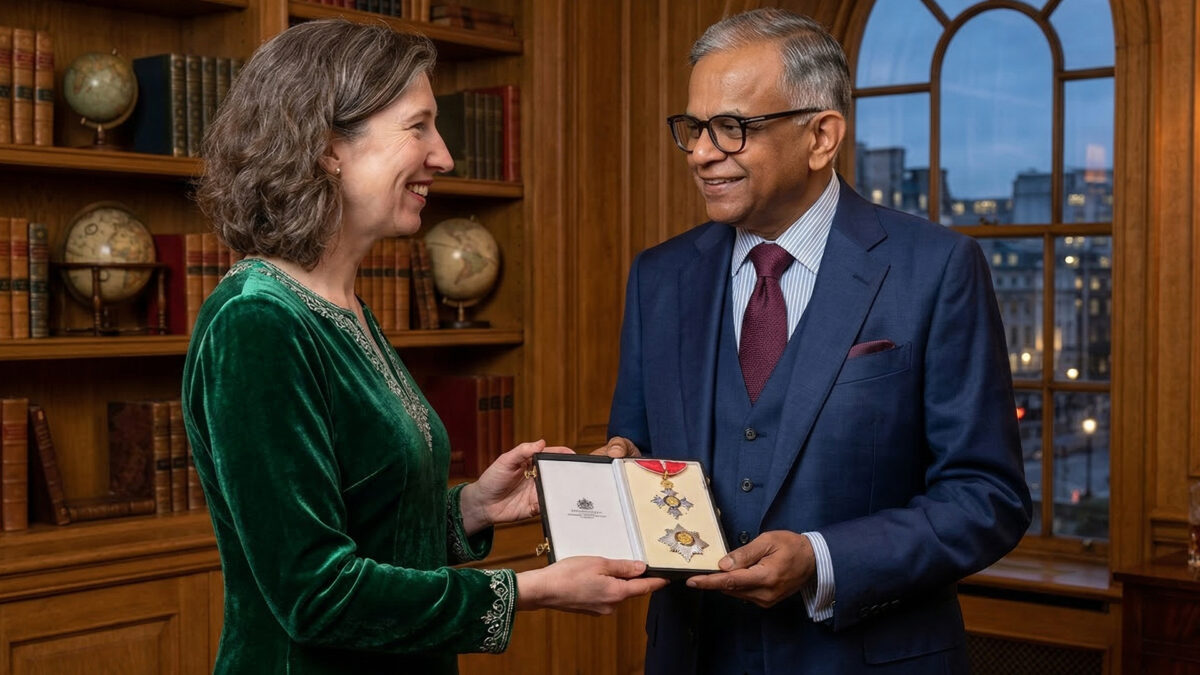
The United Kingdom has awarded an honorary knighthood to Natarajan Chandrasekaran, Chairman of the Tata Group, in recognition of his contributions to strengthening business relations between India and the UK. The honour reflects his leadership in expanding the group’s presence and investments in the British economy.

Chandrasekaran received the distinction under the Order of the British Empire (Civil Division), one of the UK’s most prestigious honours for individuals who have made notable contributions to public life, business, and international cooperation. The award has been conferred with the approval of King Charles III.

Under Chandrasekaran’s leadership since 2017, the Tata Group has strengthened its footprint in the UK across sectors such as automotive, steel, information technology, and hospitality. The group owns major British brands, including Jaguar Land Rover and Tetley, and is among the largest employers in the country’s industrial sector.

The recognition also highlights the Tata Group’s long-standing commitment to the UK market, where it employs tens of thousands of people and continues to invest in manufacturing, technology, and research. These efforts have played a key role in deepening economic and commercial ties between the two countries.

Reacting to the honour, Chandrasekaran expressed gratitude and said he was humbled by the recognition. He emphasised the Tata Group’s enduring relationship with the UK and its continued focus on building partnerships across business and academia. The group has collaborated with leading institutions such as University of Oxford and London School of Economics, reflecting its broader engagement beyond industry.

An honorary knighthood is awarded to foreign nationals and does not grant the title “Sir,” but it remains a significant global recognition of leadership and influence.

Also Read: India appoints Vikram Doraiswami as envoy to China

Categories
Corporate

Trent Q3 profit rises to ₹217 cr, revenue up 15%

Trent Ltd, the Tata Group retailer behind Westside, Zudio, and other brands, reported higher profit and revenue for the third quarter of the 2025‑26 financial year, though analysts cautioned that growth at existing stores could remain under pressure.

For the quarter ending December 31, 2025, Trent’s consolidated revenue rose about 15% to ₹5,345 crore, up from ₹4,657 crore a year ago. Net profit increased nearly 3% to ₹513 crore, compared with ₹497 crore in the same period last year. On a standalone basis, profit grew 36% to ₹640 crore, while revenue rose about 16%, reflecting stronger performance in the company’s core operations.

The company continued expanding its store network, adding 17 Westside and 48 Zudio outlets during the quarter, including its first Zudio store in the UAE. By December 2025, Trent operated over 1,100 stores across 274 cities, with Westside accounting for 278 stores and Zudio for 854, covering more than 15 million square feet of retail space.

Management said gross margins remained stable across both chains, and customer spending improved following economic measures such as tax cuts. Some one-time costs related to labour code changes slightly reduced overall profit.

Investor response was mixed. Trent’s shares rose modestly after the results, but brokerages highlighted that same-store sales,  sales at existing outlets,  may face pressure, creating uncertainty about future growth. While some analysts pointed to operational efficiencies and margin gains as positives, others urged caution due to slower growth compared with earlier quarters.

Also Read: Novo Nordisk sheds $50 bn as 2026 sales weak outlook

Categories
1 Minute-Read

Tata Group charts 2026 path with innovation and impact

Tata Group chairman N Chandrasekaran has shared the group’s vision for 2026, focusing on execution with purpose and innovation that makes a real difference.

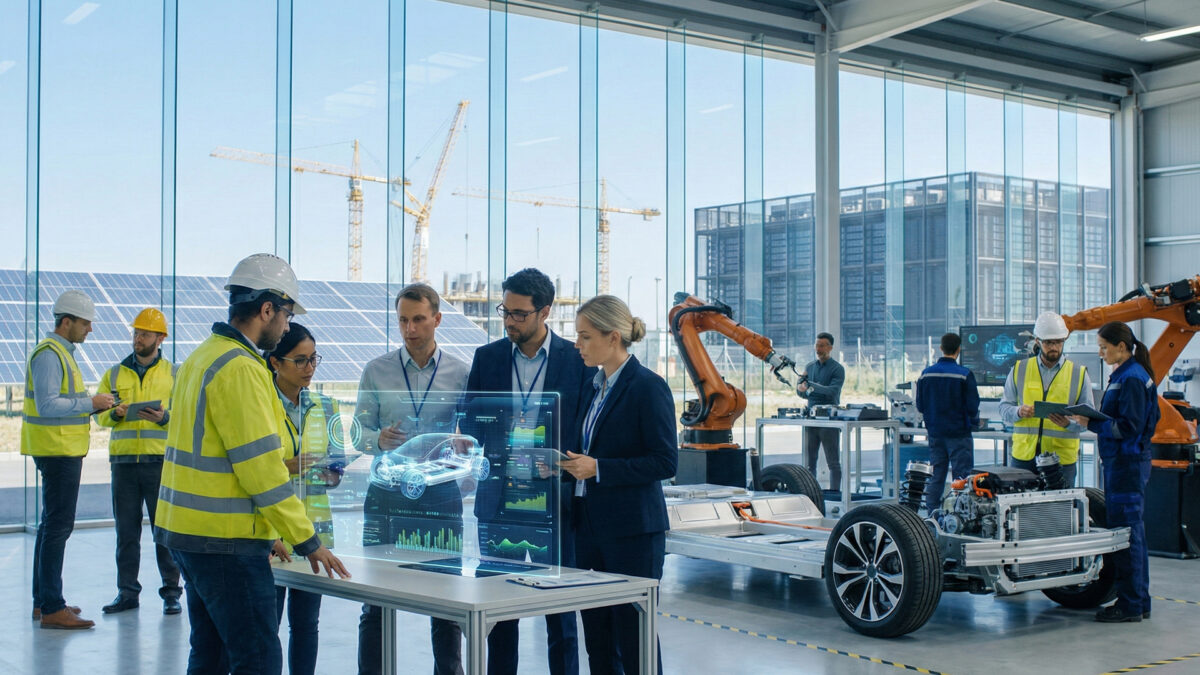
The group plans to advance artificial intelligence, expand future-ready manufacturing, and nurture talent for tomorrow. Sustainability is at the heart of their strategy, with green steel and electric mobility leading the way.

Chandrasekaran also highlighted resilience against cyber, operational, and geopolitical challenges, while exploring global opportunities that strengthen India’s position as a technology and manufacturing hub. The approach blends ambition with responsibility, aiming for growth that matters.

Categories
Corporate

Reliance tops India’s wealth creation in 2025

Reliance Industries Ltd (RIL) emerged as India’s largest wealth creator in 2025, leading corporate value gains amid a strong year for equities driven by banking, financial services and automobile stocks. The Mukesh Ambani-led conglomerate delivered the highest addition to investor wealth, reinforcing its dominant position in India’s corporate landscape.

RIL’s shares rose close to 30 per cent during the year, adding about ₹4.6 lakh crore to investor wealth. This pushed the combined market capitalisation of the Reliance Group to around ₹23.44 lakh crore, making it the single biggest contributor to wealth creation among Indian companies. Analysts attributed the strong performance to steady earnings growth, improving margins and positive expectations around the group’s digital, retail and new energy businesses.

The broader wealth creation story in 2025 was shaped by strong performances in autos, banks and financial services. Companies such as Bharti Airtel, Bajaj Finance, State Bank of India (SBI), Maruti Suzuki and HDFC Bank each added more than ₹1.5 lakh crore to their market value. These stocks benefited from healthy demand, stable asset quality, improving profitability and sustained investor confidence in India’s economic growth.

Overall, the top seven business groups — Reliance, Bharti, HDFC, Bajaj, Adani, ICICI and Tata — together added nearly ₹10 lakh crore in market capitalisation during the year. Their combined value now stands at about ₹122 lakh crore, accounting for nearly 60 per cent of the total market capitalisation of the Nifty 50 index. Reliance alone contributed almost half of this wealth creation, followed by the Bharti Group.

In contrast, the Tata Group emerged as an outlier in 2025, lagging behind its peers. Its flagship company, Tata Consultancy Services (TCS), saw its market capitalisation fall by nearly ₹3 lakh crore. Investor concerns over slower revenue growth, margin pressures and delayed benefits from emerging technologies such as artificial intelligence and cloud services weighed on the stock. Several other Tata companies, including Tata Elxsi, Trent, Voltas and Tata Technologies, also faced sharp corrections.

Market experts expect wealth creation trends to remain selective, with investors continuing to favour companies and sectors that demonstrate strong earnings visibility, balance sheet strength and long-term growth potential. Reliance, banks and auto majors are seen as well positioned to benefit from these themes in the coming years.

Also Read:  BP close to $10 bn sale of Castrol stake