Categories
Leaders

Vedanta Names Misra CEO, Q1 profit surges 72%

Vedanta Ltd has appointed Arun Misra as its chief executive officer for a one-year term, effective August 1, 2026, as the mining major reported a sharp 71.8% rise in consolidated net profit for the June quarter.

The leadership change comes at a strong moment for the company. Vedanta reported consolidated net profit of Rs 5,473 crore for the first quarter of FY27, compared with Rs 3,185 crore in the same period a year earlier. The company attributed the improvement mainly to higher sales, stronger global metal prices and favourable currency movements.

Misra, who currently heads Hindustan Zinc, will move to the top job at Vedanta from August 1. The company’s board approved his reappointment as executive director and additionally designated him as CEO for one year, subject to shareholder approval. He will step down from his current role at Hindustan Zinc to take charge of the wider Vedanta group.

The appointment is significant because Hindustan Zinc has been one of Vedanta’s strongest-performing businesses. The company delivered record first-quarter numbers, with net profit rising 145% year-on-year to Rs 5,469 crore, supported by higher production, lower costs and strong zinc and silver prices.

Misra’s move therefore represents an internal leadership transition at a time when the group is benefiting from a favourable metals cycle. Higher prices for zinc, copper and silver have provided a major boost to Vedanta’s revenue and profitability.

Vedanta’s revenue from operations rose 53.6% year-on-year to Rs 24,205 crore in Q1 FY27, compared with Rs 15,754 crore in the year-ago quarter. Expenses also increased, rising to Rs 17,558 crore from Rs 13,203 crore. Despite the higher costs, the increase in metal prices helped the company expand its margins significantly.

Profit after tax from continuing operations jumped 152% year-on-year to Rs 5,294 crore, while EBITDA nearly doubled to Rs 8,469 crore, an increase of 98%. The numbers underline the strength of Vedanta’s operating performance across its key businesses.

The improvement was broad-based. According to the company’s results, the zinc and lead business benefited from stronger prices, while the copper segment also recorded significant growth. Silver revenue more than doubled, helped by a sharp rise in silver prices. The broader strength in base metals has been a major advantage for the diversified natural resources company.

Global metal prices have risen sharply during the period. Spot zinc prices were up around 31% year-on-year, while copper prices gained about 40%. Silver prices more than doubled, according to data cited in reports. Supply disruptions, steady demand and geopolitical concerns have supported prices, creating a favourable environment for metal producers such as Vedanta.

The company, however, also faced higher input costs. Raw material expenses increased by 37%, while overall expenses rose 33%. The sharp rise in selling prices nevertheless helped Vedanta absorb much of the cost pressure and protect profitability.

Vedanta’s balance sheet also showed improvement during the quarter. Net debt stood at Rs 8,299 crore as of June 30, down Rs 2,223 crore from the previous quarter. The company said the reduction was mainly driven by cash generated from operations.

The quarter also highlighted the impact of Vedanta’s ongoing demerger strategy. The group has been separating businesses into independently listed entities, with the aim of unlocking value for shareholders and allowing individual businesses to operate with greater focus.

Vedanta’s board has now also approved the draft scheme to demerge its real estate business into Vedanta Property Platforms Ltd. The proposed restructuring is part of the group’s broader effort to simplify its corporate structure and unlock value from individual businesses.

The company said the combined market capitalisation of the entities created through its demerger process has increased by more than Rs 71,000 crore during the first quarter. The restructuring remains a major focus for investors tracking Vedanta shares and the group’s longer-term strategy.

Investors also reacted positively to the earnings. Vedanta shares closed about 1.1% higher after the results, reflecting optimism around the company’s improved operating performance and the continuing strength of the commodities cycle.

For Vedanta, the next phase will be about sustaining the momentum while managing commodity-price volatility, costs and the execution of its restructuring plans. Misra takes over with experience running one of the group’s most profitable businesses, at a time when stronger metal prices have significantly improved the company’s financial performance.

The leadership transition and strong Vedanta Q1 results therefore arrive together, giving the new CEO both a strong earnings base and a demanding mandate: maintain operational efficiency, manage the group’s diverse businesses and continue the demerger-led value creation strategy.
Categories
Leaders

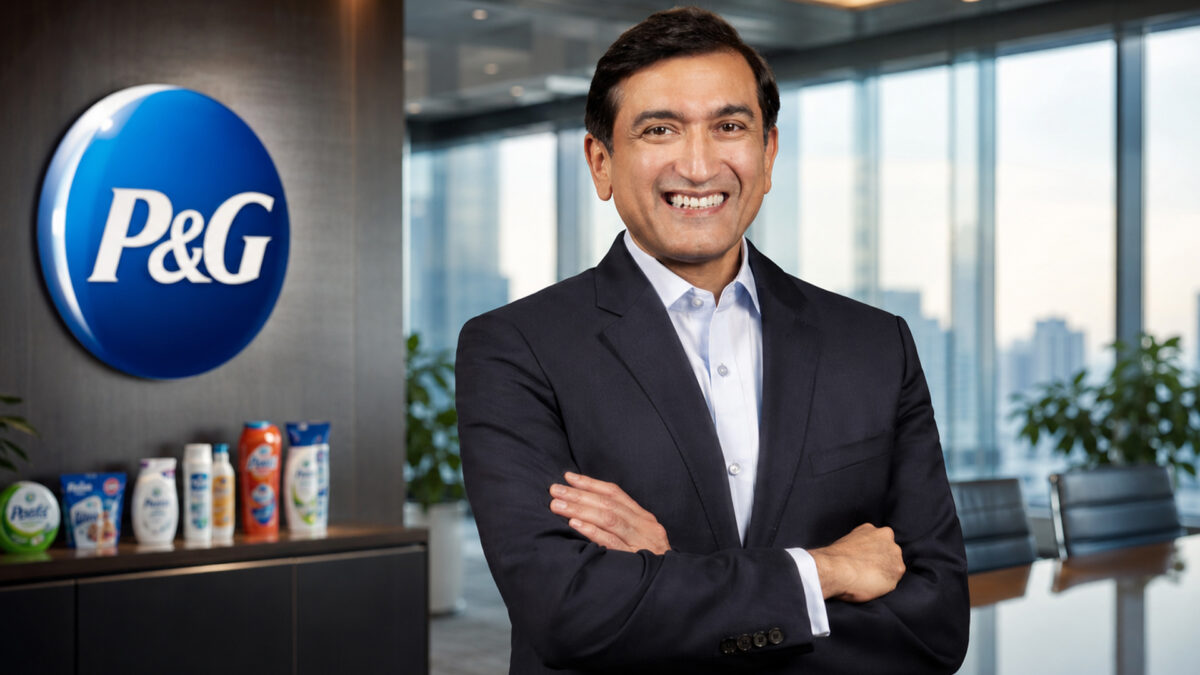
P&G appoints CEO Shailesh Jejurikar as board chairman

Procter & Gamble (P&G) has appointed Shailesh Jejurikar as Chairman of its Board of Directors, adding another major responsibility to the Indian-origin executive’s leadership role at one of the world’s biggest consumer goods companies. The appointment will take effect from August 1, 2026, with Jejurikar continuing as the company’s President and Chief Executive Officer.

The move marks an important step in P&G’s planned leadership transition. Jejurikar became P&G’s President and CEO on January 1, 2026, succeeding Jon Moeller. He will now take over the chairmanship as Moeller prepares to leave the company after a 38-year career. Moeller will retire from P&G’s Board on July 31 and from the company on August 14.

The transition brings the company’s top executive and board leadership together under Jejurikar at a time when P&G continues to navigate changing consumer behaviour, global competition, supply chain pressures and evolving market conditions.

Jejurikar has spent more than three decades at P&G, giving him a deep understanding of the company and its businesses. He joined the organisation in 1989, shortly after completing his MBA from the Indian Institute of Management Lucknow. He also holds a bachelor’s degree in Economics from Mumbai University. Born in Mumbai, Jejurikar has built an international career spanning North America, Europe, Asia, Africa and Latin America.

His career at P&G has involved several important businesses and leadership positions. He worked across Fabric Care, Home Care, Health Care and Beauty, gradually taking on larger responsibilities across markets and functions. Before becoming CEO, he served as Chief Operating Officer, where he was responsible for P&G’s Enterprise Markets, including Latin America, India, the Middle East, Africa, Southeast Asia and Eastern Europe.

As COO, Jejurikar was also responsible for or closely involved with several major corporate functions, including information technology, global business services, sales, market operations, purchasing, manufacturing, distribution and new business. This experience has given him exposure not only to consumer brands but also to the operational systems that support a global company.

His earlier leadership roles included serving as CEO of Global Fabric and Home Care from 2019 to 2021, President of the Global Fabric Care & Home Care Sector from 2018 to 2019 and President of Global Fabric Care from 2015 to 2018. During these years, he helped strengthen P&G’s Fabric Care and Home Care businesses across several major international markets.

Jejurikar has also been involved in P&G’s sustainability efforts. He served as Executive Sponsor for Global Sustainability between 2016 and 2021, with a focus on integrating sustainability into the company’s everyday business operations and creating long-term value for consumers and shareholders.

With his appointment as Chairman, Jejurikar will bring together his operational experience, consumer understanding and strategic leadership at both the executive and board levels. P&G said his career has given him experience in regional and global brand development, commercial strategy, business management and risk management across diverse markets.

The company currently operates in around 70 countries and has a portfolio of widely recognised consumer brands, including Tide, Ariel, Pampers, Gillette, Head & Shoulders, Pantene, Olay, Oral-B, Vicks and Whisper. P&G says its products reach around five billion people in more than 180 countries every year.

For Jejurikar, the new role also carries the responsibility of guiding the company’s Board during the next phase of its growth. His long association with P&G means the leadership change is less about a sudden shift and more about extending an already familiar hand at the top.

Commenting on Moeller’s departure, Jejurikar acknowledged his predecessor’s long contribution to P&G and credited his strategic vision with helping shape the company. Moeller held several senior positions during his 38 years at P&G, including Chief Financial Officer, Chief Operating Officer, Chief Executive Officer and Executive Chairman.

The appointment therefore closes one chapter of P&G’s leadership story while giving Jejurikar a wider mandate. As President, CEO and now Chairman, he will be at the centre of the company’s strategy, governance and execution.

For Indian business observers, the appointment is also significant because of Jejurikar’s Mumbai roots and his rise through a global organisation over more than three decades. His journey from joining P&G in 1989 to becoming its President and CEO and now Chairman highlights the depth of leadership opportunities within multinational consumer goods companies.

The immediate focus for Jejurikar will be to maintain P&G’s momentum while responding to rapidly changing consumer needs, technological shifts, global economic pressures and intense competition. With extensive experience across markets and business functions, he enters the chairmanship with a detailed understanding of both the company’s strengths and the challenges ahead.

Categories
Leaders

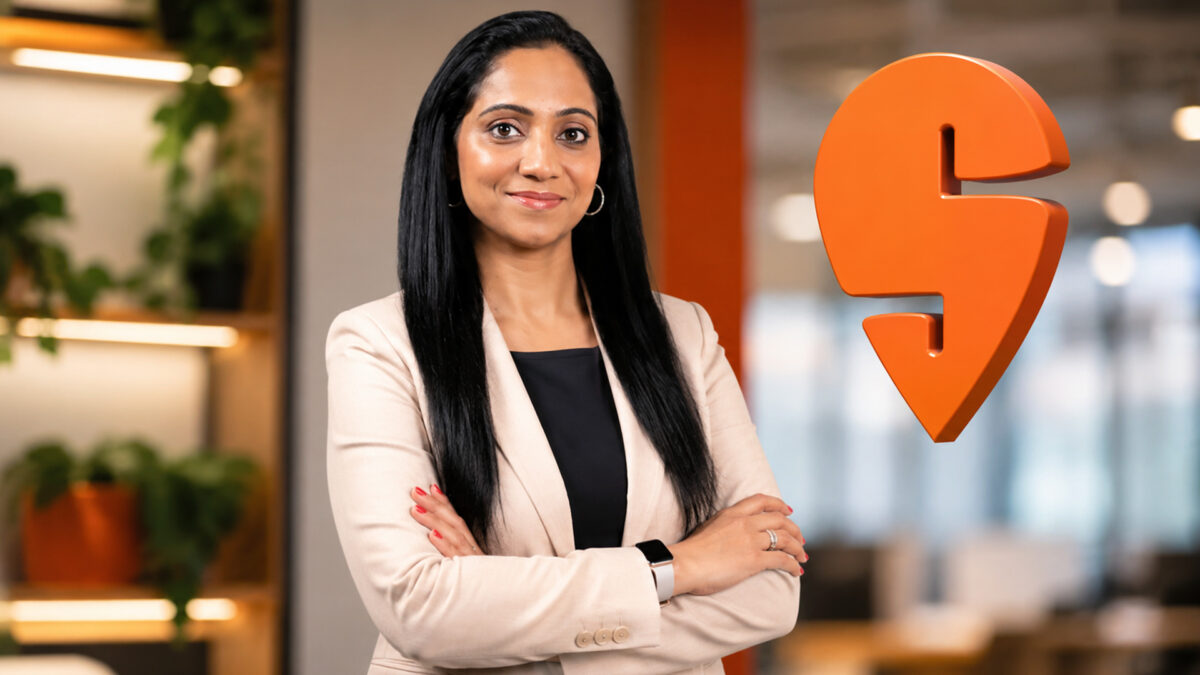
Nandita Sinha takes charge of Swiggy Instamart growth

Swiggy has appointed former Myntra chief executive Nandita Sinha as the new CEO of Instamart, signalling a fresh leadership chapter for its fast-growing quick commerce business. She will assume the role on August 3, taking over from Amitesh Kumar Jha, who is stepping down after leading the grocery delivery platform through a period of rapid expansion.

The leadership change comes as India’s quick commerce sector witnesses fierce competition, with companies racing to strengthen delivery networks, improve customer experience and move closer to profitability. Swiggy believes Sinha’s extensive experience in e-commerce and consumer businesses will help Instamart accelerate its next phase of growth.

Sinha joins Instamart after a successful stint as CEO of Myntra, where she played a key role in expanding the fashion platform’s customer base, strengthening brand partnerships and driving business growth. Before leading Myntra, she held several senior leadership positions within the Flipkart Group and earlier worked with consumer goods companies Hindustan Unilever and Britannia Industries.

Her experience spans retail, digital commerce, technology and brand building, making her one of the most seasoned business leaders in India’s consumer internet ecosystem. Industry experts believe that background will be valuable as Instamart navigates an increasingly crowded quick commerce market.

Announcing the appointment, Swiggy said Sinha’s proven ability to scale businesses, build strong teams and deliver customer-focused growth makes her the right leader to guide Instamart through its next phase.

Sinha succeeds Amitesh Kumar Jha, who joined Swiggy from Flipkart and was instrumental in transforming Instamart into one of India’s leading quick commerce platforms. During his tenure, the business significantly expanded its footprint, strengthened supply chains and improved operational efficiency while focusing on sustainable growth.

In his farewell message, Jha reflected on Instamart’s journey, saying the company had evolved from pursuing rapid expansion to building a business with stronger financial discipline. He noted that the platform had established a solid foundation for long-term profitability while continuing to scale its operations across the country.

Swiggy thanked Jha for his contribution in building the quick commerce business and said it remains committed to expanding Instamart’s reach under Sinha’s leadership.

The appointment comes at a critical time for the quick commerce industry. What began as a niche convenience service has rapidly evolved into one of India’s fastest-growing segments in e-commerce. Consumers increasingly expect groceries, fresh produce, household essentials and other everyday items to be delivered within minutes, prompting companies to invest heavily in technology, logistics and neighbourhood fulfilment centres.

Instamart currently competes with Blinkit, Zepto, Amazon and Flipkart Minutes in a market where speed, convenience and customer loyalty have become key differentiators. As competition intensifies, companies are also placing greater emphasis on profitability after years of aggressive expansion.

Analysts say Swiggy’s decision to bring in a leader with deep experience in digital retail reflects a shift towards building a stronger, more sustainable business. Beyond expanding market share, the focus is increasingly on improving customer retention, operational excellence and efficient execution.

The leadership transition also comes ahead of Swiggy’s upcoming financial results, making it an important development for investors monitoring the company’s quick commerce strategy. Instamart has emerged as one of Swiggy’s biggest growth drivers and is expected to play an even larger role in the company’s long-term plans.

Market reaction to the announcement has been positive, with investors viewing Sinha’s appointment as a strategic move that strengthens Swiggy’s leadership bench. Her experience in managing large consumer businesses and scaling technology-led operations is expected to support Instamart’s ambitions in a highly competitive market.

Sinha is widely recognised for her collaborative leadership style and customer-first approach. Over the years, she has emphasised the importance of accountability, innovation and building empowered teams—qualities that Swiggy believes will help Instamart continue evolving in a fast-changing business environment.

Her appointment also reflects a broader trend in India’s startup ecosystem, where experienced leaders from established technology companies are increasingly being chosen to lead high-growth businesses. As competition becomes more intense, companies are placing greater value on proven execution and operational expertise.

For Swiggy, the leadership change is more than just a routine executive appointment. It represents a strategic step aimed at strengthening Instamart’s position in India’s booming quick commerce market. With Nandita Sinha at the helm, the company hopes to deepen customer engagement, expand its presence across cities and drive profitable growth as demand for rapid grocery and essentials delivery continues to rise.

Categories
Leaders

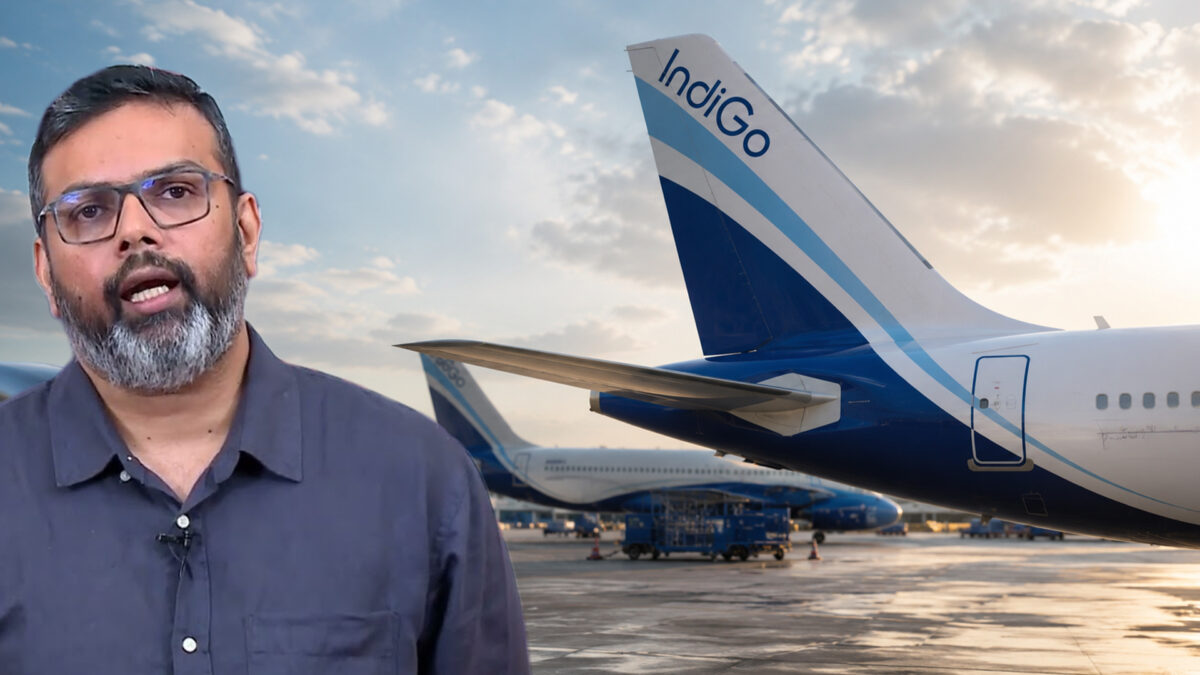
IndiGo promotes Kiran Thadimarri as CFO

India’s largest airline, IndiGo, has appointed Kiran Thadimarri as its new Chief Financial Officer (CFO), promoting its Deputy CFO to one of the company’s most important leadership roles. The appointment marks a planned leadership transition, with outgoing CFO Gaurav Negi taking on a new role as Advisor to the Managing Director to ensure a smooth handover and support the airline’s long-term strategy.

The appointment takes effect from July 28 and was approved by the Board of InterGlobe Aviation Ltd, IndiGo’s parent company. The airline said the move reflects its commitment to leadership continuity as it continues to expand operations and strengthen its financial position in an increasingly competitive aviation market.

For IndiGo, the transition comes at a crucial time. The airline is continuing to add new aircraft, expand domestic and international routes, and invest in future growth while managing rising operational costs. Strong financial leadership is expected to play a key role as the company balances expansion with profitability.

Kiran Thadimarri is no stranger to the organisation. Having served as Deputy CFO, he has been closely involved in the airline’s financial planning, treasury operations, capital management and strategic decision-making. His elevation is seen as a natural progression that ensures continuity without disrupting ongoing business plans.

A qualified chartered accountant, Thadimarri brings more than 24 years of experience in finance and corporate leadership. Before joining IndiGo, he held senior finance positions across several leading organisations, including InterGlobe Enterprises, Udaan, Genworks Health, and General Electric, where he spent over a decade in various finance roles. His experience spans financial planning, fundraising, treasury management, mergers and acquisitions, business strategy and corporate governance.

Industry observers believe his broad experience will be valuable as IndiGo enters its next phase of growth. The airline has ambitious fleet expansion plans and continues to strengthen its international footprint, making financial discipline and efficient capital allocation increasingly important.

Outgoing CFO Gaurav Negi, who has led IndiGo’s finance function since 2022, will now serve as Advisor to the Managing Director. During his tenure, the airline navigated the post-pandemic recovery, strengthened its balance sheet and supported major aircraft acquisition programmes that will shape the airline’s future capacity.

Rather than exiting the company, Negi will continue to support the leadership team in an advisory capacity. His continued presence is expected to provide stability during the transition and help preserve institutional knowledge as the airline executes its long-term business strategy.

The leadership reshuffle follows a challenging financial quarter for IndiGo. Although the airline maintained strong passenger traffic and healthy revenue growth, higher aviation turbine fuel prices and increased operating costs impacted profitability. Like many global airlines, IndiGo has been working to manage cost pressures while maintaining its aggressive expansion plans.

Despite these short-term challenges, the airline remains the undisputed leader in India’s domestic aviation market and continues to record strong passenger demand. It has also been expanding its international network, introducing new destinations and increasing frequencies on existing routes to capture growing demand for overseas travel.

Analysts say the appointment of an experienced insider reflects the company’s preference for promoting leaders who understand its business and culture. Since Thadimarri has already been closely involved in IndiGo’s financial operations, investors and stakeholders are expected to view the transition as seamless.

Financial leadership has become increasingly important for airlines worldwide. Beyond managing day-to-day finances, a CFO today plays a central role in funding aircraft purchases, managing debt, controlling costs, navigating currency fluctuations and ensuring long-term financial sustainability. These responsibilities become even more critical as airlines invest billions in fleet expansion and digital transformation.

For IndiGo, maintaining financial strength is essential as competition intensifies in the Indian aviation sector. Rising passenger demand presents significant opportunities, but airlines must also deal with volatile fuel prices, supply chain disruptions affecting aircraft deliveries and changing market dynamics.

The appointment of Kiran Thadimarri signals IndiGo’s confidence in internal talent and its emphasis on succession planning. By promoting a leader already familiar with the company’s operations, the airline aims to maintain momentum while bringing fresh perspectives to its finance function.

As IndiGo continues its growth journey, Thadimarri will be responsible for steering the airline’s financial strategy, supporting investment decisions and maintaining investor confidence. With Gaurav Negi remaining closely associated with the company in an advisory role, the leadership transition is expected to be smooth and well coordinated.

The latest appointment underlines IndiGo‘s focus on building a strong leadership team capable of supporting its long-term ambitions. As India’s aviation market continues to grow rapidly, the airline is positioning itself to remain financially resilient while expanding its network, modernising its fleet and strengthening its position as the country’s leading carrier.

Categories
Leaders

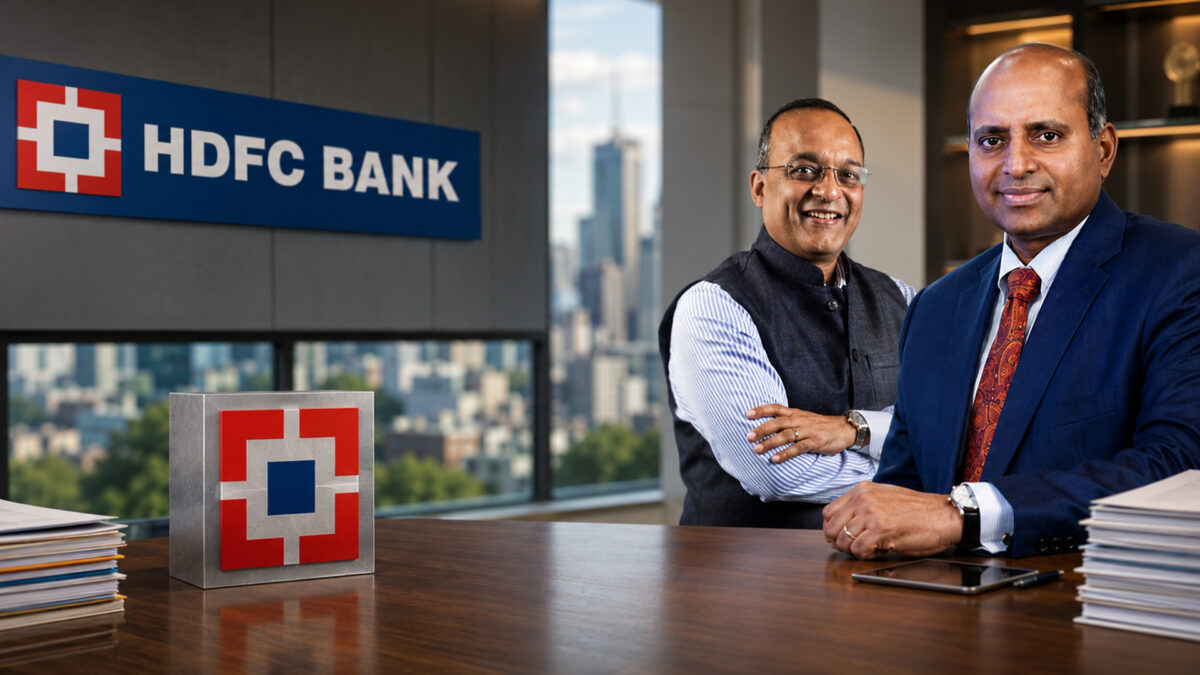
HDFC Bank penalises CEO, CFO over MSRDC probe

HDFC Bank has imposed a penalty of ₹1 lakh each on its Managing Director and Chief Executive Officer Sashidhar Jagdishan, Chief Financial Officer Srinivasan Vaidyanathan and Group Head–Retail Assets Arvind Vohra after an internal disciplinary inquiry into the Maharashtra State Road Development Corporation (MSRDC) deposit matter found instances of “business overreach”. The action follows an extensive review by a Special Disciplinary Committee constituted by the bank’s board to examine concerns surrounding deposit mobilisation and related business practices.

The country’s largest private sector lender said its board accepted the committee’s findings, which concluded that while the executives had exceeded acceptable business boundaries in pursuit of business objectives, there was no evidence of fraud, corruption, personal gain, mala fide intent or unethical enrichment. Along with the financial penalty, the bank has also issued formal warning letters to all three executives.

The disciplinary action marks one of the rare occasions when HDFC Bank has publicly announced penalties against its senior leadership. Although the monetary fine is relatively small, the board’s decision highlights the bank’s emphasis on accountability, governance and compliance, irrespective of an executive’s position within the organisation.

The controversy relates to transactions involving deposits from the Maharashtra State Road Development Corporation, a state government undertaking responsible for developing road infrastructure across Maharashtra. The matter dates back to deposit arrangements executed in 2017 and 2021, which later came under scrutiny over questions relating to pricing, business practices and internal approvals.

As concerns grew, HDFC Bank constituted an independent Special Disciplinary Committee to investigate the matter in detail. The committee reviewed documents, examined internal procedures and assessed whether any executives had violated the bank’s governance standards or regulatory obligations.

After completing its investigation, the committee concluded that the executives had displayed “business overreach” while pursuing commercial objectives. However, it found no indication that they had acted dishonestly or derived any personal financial benefit from the transactions.

The bank said the board carefully examined the committee’s report before accepting its recommendations. It agreed that while the actions reflected errors in judgement and crossed internal business boundaries, they did not amount to fraud, corruption or intentional misconduct.

HDFC Bank emphasised that the disciplinary action was intended to reinforce its governance framework rather than suggest criminal wrongdoing. The board also decided that warning letters would accompany the fines, underscoring the expectation that senior executives adhere to the highest standards of professional conduct.

The lender has informed investors that it will share the findings of the inquiry with the Reserve Bank of India (RBI), demonstrating its commitment to transparency and regulatory compliance. The bank also said it has strengthened its internal controls and approval processes to minimise the possibility of similar situations arising in the future.

The MSRDC deposit matter has attracted widespread attention over recent months after allegations emerged regarding payments linked to deposit mobilisation. Reports had suggested that nearly ₹45 crore connected with the transactions was accounted for as marketing expenditure, prompting questions from regulators and investors about the bank’s internal controls and governance practices.

While the issue generated considerable public discussion, HDFC Bank maintained throughout the process that it would rely on an independent investigation before drawing any conclusions. The bank reiterated that the committee’s findings did not establish any evidence of dishonest conduct by the executives involved.

The issue also came into sharper focus following governance-related developments at the bank earlier this year, including the resignation of former Chairman Atanu Chakraborty. Although separate legal reviews reportedly found no evidence of governance failures or unethical conduct, the MSRDC matter remained under close scrutiny from shareholders, analysts and regulators.

For investors, the board’s conclusions provide greater clarity on the nature of the case. By describing the conduct as business overreach rather than fraud or corruption, the bank has attempted to draw a clear distinction between lapses in judgement and deliberate wrongdoing.

The development is also significant because it comes while the banking sector is facing increased regulatory attention on corporate governance, executive accountability and risk management. In recent years, regulators have encouraged banks to strengthen oversight mechanisms, improve transparency and ensure that senior management remains accountable for business decisions.

Market experts believe HDFC Bank’s decision to publicly disclose the disciplinary action reflects a broader shift towards stronger governance standards in India’s financial sector. They note that although the fines are symbolic, the action sends a clear message that even the bank’s highest-ranking executives are subject to internal review and disciplinary processes.

Analysts are also closely watching the matter because it coincides with the pending approval from the Reserve Bank of India for CEO Sashidhar Jagdishan’s reappointment. While HDFC Bank has not linked the two issues, the MSRDC investigation has added to investor interest in the bank’s leadership and governance practices.

Despite the controversy, HDFC Bank remains one of India’s strongest banking institutions with a reputation for prudent risk management and stable financial performance. The bank has reiterated that the disciplinary proceedings have now concluded and that corrective measures have already been implemented to strengthen governance, internal approvals and oversight.

The lender said it remains committed to protecting the interests of customers, shareholders and regulators while maintaining the highest standards of ethical banking. It added that lessons from the internal inquiry would be incorporated into future governance and compliance processes.

The HDFC Bank MSRDC case has emerged as one of the most closely watched corporate governance developments in India’s banking sector this year. While the board found no evidence of fraud or personal enrichment, the disciplinary action reinforces the growing importance of banking compliance, board accountability, risk management, ethical leadership and corporate governance in preserving trust in India’s financial system. As regulatory scrutiny of financial institutions continues to intensify, the case serves as a reminder that strong governance depends not only on preventing misconduct but also on addressing lapses in judgement before they escalate into larger concerns.

Categories
Leaders

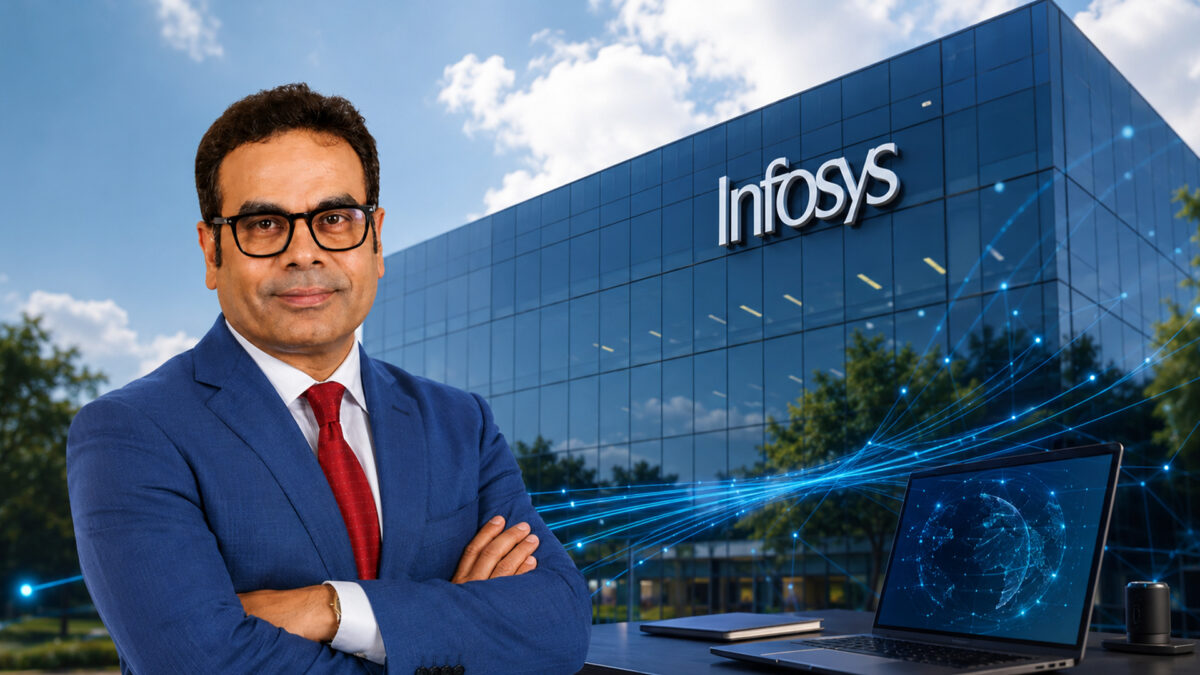
Infosys names Ashiss Kumar Dash CEO-Designate

Infosys has announced the appointment of Ashiss Kumar Dash as its Chief Executive Officer-designate, marking a significant leadership transition at India’s second-largest IT services company. The decision was approved by the company’s board as Infosys prepares for its next phase of growth, with a strong focus on artificial intelligence (AI), digital transformation and global technology services.

Dash, a long-serving Infosys executive with more than three decades of experience, will take over as CEO after the completion of the current leadership transition. The company said the appointment reflects its commitment to maintaining leadership continuity while positioning itself for the rapidly evolving technology landscape.

According to Infosys, Dash has played a key role in shaping several of the company’s strategic initiatives over the years. He has held multiple leadership positions across consulting, digital services, client engagement and business transformation, helping strengthen Infosys’ relationships with global customers across industries.

The board said Dash’s extensive understanding of the business, combined with his experience in managing large-scale digital transformation projects, made him the ideal choice to lead the company into its next chapter. His appointment comes at a time when enterprises worldwide are increasing investments in artificial intelligence, cloud computing, automation and data-driven technologies.

Infosys Chairman Nandan Nilekani said the board was confident that Dash’s leadership would help the company build on its strong foundation while accelerating innovation and long-term value creation. He described Dash as a leader who understands both the evolving needs of clients and the opportunities emerging from advances in AI and digital technologies.

Reacting to his appointment, Dash said he was honoured by the board’s decision and looked forward to leading Infosys during a transformative period for the global technology industry. He said the company would continue focusing on delivering value to clients, investing in talent, strengthening innovation and helping businesses adopt emerging technologies responsibly.

Artificial intelligence is expected to remain a key priority under the new leadership. Over the past two years, Infosys has significantly expanded its AI capabilities through platforms, enterprise solutions and strategic partnerships. The company has also invested heavily in generative AI, automation tools and workforce upskilling to meet growing client demand.

Industry analysts believe Dash’s appointment signals continuity rather than a major strategic shift. They expect Infosys to continue strengthening its position in digital transformation, cloud services, cybersecurity and AI-powered enterprise solutions while maintaining its focus on operational efficiency and long-term growth.

The leadership announcement comes at a time when India’s information technology sector is navigating a changing business environment. Although global economic uncertainty has slowed discretionary technology spending in some markets, demand for AI-led transformation and automation projects continues to remain strong.

Infosys has been among the companies actively helping enterprises integrate AI into their operations, enabling businesses to improve productivity, customer experience and decision-making. The company has also announced several AI-related initiatives over the past year, positioning itself as a strategic technology partner for organisations undergoing digital transformation.

Employees and investors are expected to closely watch the leadership transition over the coming months. Market experts say a planned succession provides stability and allows clients, employees and shareholders to adapt smoothly to the change in management.

Dash’s appointment also highlights Infosys’ long-standing tradition of promoting experienced internal leaders to top executive roles. Analysts believe leaders who have grown within the organisation often possess a deeper understanding of its culture, clients and long-term strategic priorities.

As competition intensifies among global IT services companies, Infosys is expected to continue investing in innovation, talent development and advanced technologies to strengthen its market position. AI, cloud computing, engineering services and digital consulting are likely to remain key growth areas under Dash’s leadership.

With Ashiss Kumar Dash set to take charge as CEO-designate, Infosys is aiming to ensure a seamless leadership transition while preparing for the next phase of technology-led growth. The appointment reinforces the company’s focus on innovation, customer-centricity and AI-driven transformation as it navigates an increasingly competitive global IT landscape.

Also Read: India eases FDI rules for e-commerce exports

Categories
Leaders

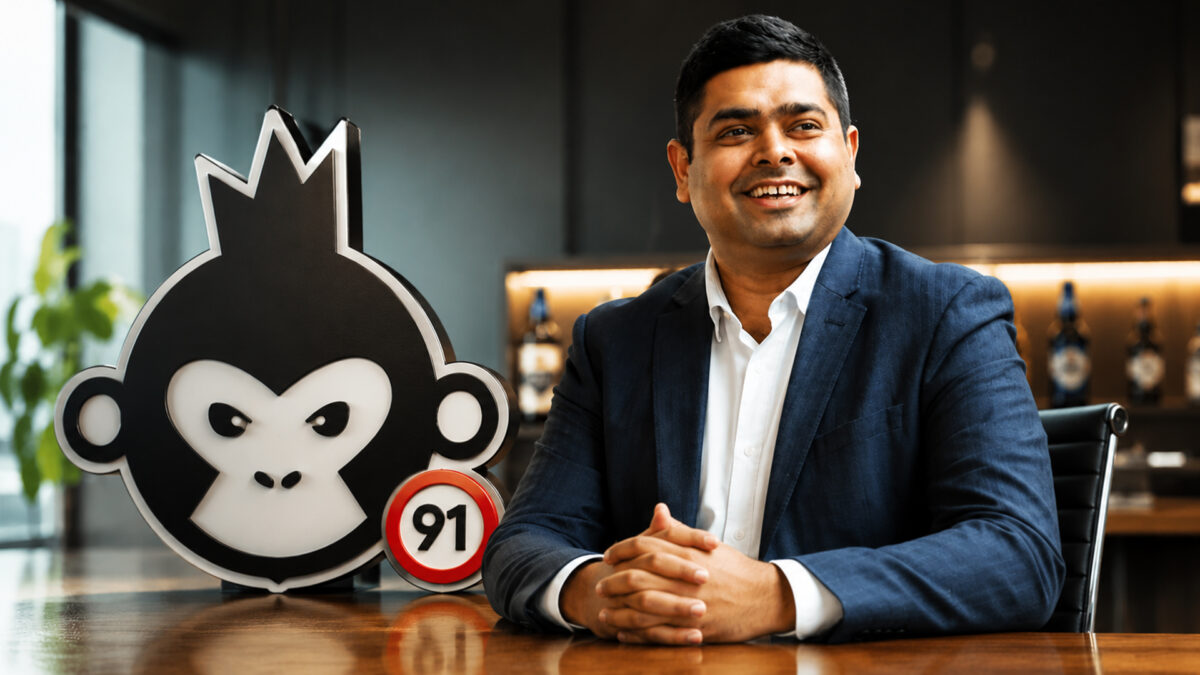
Bira 91 founder Ankur Jain steps down

After building one of India’s most recognised craft beer brands from scratch, Bira 91 founder Ankur Jain has stepped away from the company he launched more than a decade ago. Jain has resigned from the board and all executive roles at parent company B9 Beverages, following a settlement with lenders and investors aimed at reviving the financially troubled business.

The move marks the end of an important chapter for Bira 91, a brand that changed India’s premium beer market with its youthful image, distinctive flavours and strong appeal among urban consumers. But years of financial stress, mounting debt and funding challenges eventually forced the company into a major restructuring.

As part of the settlement, Jain and his family have agreed to surrender their 17.8% stake in the company, effectively giving up control of the business. In return, lenders will release the personal guarantees provided by Jain for the company’s loans, while both sides have agreed to withdraw all legal claims, bringing months of disputes to a close.

In a heartfelt message shared after his resignation, Jain described the decision as one of the toughest moments of his entrepreneurial journey. He thanked employees, investors, distributors, customers and business partners who believed in the Bira 91 story from the beginning.

He acknowledged that the company had gone through an extremely difficult period over the past two years and apologised to employees who faced uncertainty and delayed salaries. Saying the situation weighed heavily on him, Jain admitted that he wished the outcome had been different but hoped the settlement would give the company a fresh start.

According to Jain, the agreement was reached after months of negotiations involving nearly 30 stakeholders, each with different priorities. Despite the complexity of the discussions, he said everyone ultimately shared a common objective—to save the company and protect its future.

The settlement now clears the path for a comprehensive financial restructuring. Existing investors and lenders are expected to inject fresh capital into the business, allowing B9 Beverages to restart operations, clear pending dues and rebuild its supply chain.

The company has reportedly been grappling with debt of around ₹1,000 crore, forcing it to suspend production and delay payments to employees, vendors and suppliers. The inability to raise fresh funding over the past year further worsened the financial situation, making restructuring unavoidable.

People familiar with the development said production is expected to resume gradually over the next few months as the new management works to stabilise operations. The immediate priorities include restarting breweries, restoring product availability in the market and rebuilding confidence among distributors and retail partners.

Founded in 2015, Bira 91 quickly emerged as one of India’s fastest-growing beer brands, offering premium craft beers that appealed to young consumers looking for alternatives to traditional lagers. Its vibrant branding, quirky marketing campaigns and expanding portfolio helped the company gain a loyal customer base not only in India but also in several international markets.

The startup attracted investments from leading global firms, including Peak XV Partners and Kirin Holdings, and was often seen as one of India’s biggest consumer startup success stories. However, rising operating costs, tighter funding conditions and slowing growth created significant financial pressure in recent years.

Industry experts believe the settlement could offer Bira 91 the stability it needs to recover. With ownership disputes resolved and legal battles behind it, the company can now focus on rebuilding its business instead of dealing with financial uncertainty.

For employees, suppliers and distributors, the restructuring also brings renewed hope. Many had endured months of uncertainty as operations slowed and payments were delayed. Fresh funding could help restore confidence across the company’s business ecosystem.

Although Jain is stepping away from leadership, his association with the brand remains deeply personal. From introducing a new craft beer culture in India to building Bira 91 into a household name, his entrepreneurial journey has left a lasting impact on the country’s consumer beverage industry.

The next chapter for Bira 91 will now be written under new leadership. With fresh investment, financial restructuring and a renewed focus on growth, the company will be looking to regain its place in India’s competitive beer market while winning back the confidence of employees, investors and consumers alike.

Also Read: AMD invests $5 bn in Anthropic AI partnership

Categories
Leaders

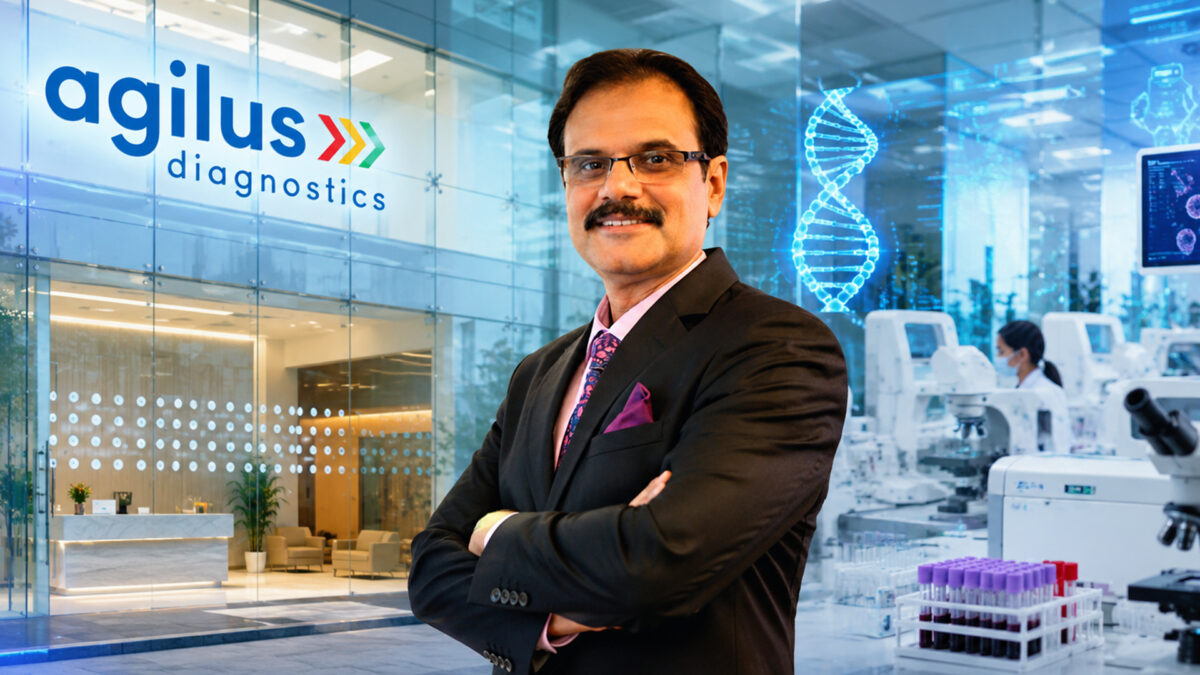
Agilus appoints Vijender Singh as MD & CEO

Agilus Diagnostics has appointed healthcare industry veteran Vijender Singh as its new Managing Director and Chief Executive Officer (MD & CEO), ushering in a new phase of leadership for one of India’s leading diagnostics companies. The appointment comes as the company aims to strengthen its market presence, improve operational efficiency and expand access to quality diagnostic services across the country.

Singh succeeds Dr Anand K, who has stepped down after leading the company for nearly six years. During his tenure, Dr Anand played an important role in expanding Agilus Diagnostics’ footprint and strengthening its position in India’s rapidly growing diagnostics market.

Announcing the appointment, Agilus Diagnostics said Singh brings over three decades of leadership experience across healthcare, diagnostics, consumer healthcare and fast-moving consumer goods (FMCG). His expertise in business transformation, operational excellence and strategic growth is expected to support the company’s next phase of expansion.

Before joining Agilus, Singh served as Chairman and Managing Director of Diagnum Healthcare. He has also held senior leadership roles as Group CEO of Metropolis Healthcare and CEO of Healthians, giving him extensive experience in managing large diagnostic networks.

Earlier in his career, Singh spent nearly ten years with Dr. Lal PathLabs, where he contributed to the company’s expansion and played a key role in its successful public listing. He has also worked with organisations including Jashvik Capital, Ranbaxy Consumer Healthcare, Bausch & Lomb and Blow Plast, building expertise across healthcare and consumer businesses.

Welcoming Singh to the organisation, Dr Ashutosh Raghuvanshi, Managing Director and CEO of Fortis Healthcare and Chairman of Agilus Diagnostics, said his proven leadership in scaling healthcare businesses and driving operational excellence makes him the right choice to lead the company. He added that Agilus will continue focusing on innovation, customer experience and high-quality diagnostic services.

Expressing his enthusiasm, Singh said he was honoured to take over the leadership of Agilus Diagnostics at a time when the diagnostics industry is evolving rapidly. He described the company as a trusted healthcare brand with a strong foundation built on scientific excellence and customer confidence.

He said his immediate priority would be to work closely with employees, healthcare partners and stakeholders to strengthen the company’s capabilities, improve service quality and deliver greater value to patients. Singh also emphasised the importance of innovation and technology in making diagnostic services more accessible and efficient.

Agilus Diagnostics is a subsidiary of Fortis Healthcare and operates one of the country’s largest diagnostic networks. The company has more than 410 laboratories, over 3,700 customer touchpoints and serves patients across more than 1,000 cities. Its services include routine pathology, specialised laboratory testing and advanced diagnostic solutions for hospitals, doctors, corporates and individual patients.

The leadership transition comes at a time when India’s diagnostics sector is witnessing strong growth, driven by rising health awareness, increasing demand for preventive health check-ups, digital healthcare adoption and early disease detection. Companies are also investing in advanced laboratory technologies and expanding their networks to meet growing demand for accurate and timely diagnosis.

Industry observers believe experienced leadership will be crucial as diagnostic companies compete on service quality, technology and patient experience. With his extensive background in building and managing healthcare businesses, Singh is expected to guide Agilus through its next phase of growth while strengthening its focus on operational excellence and innovation.

The appointment takes effect immediately. Agilus Diagnostics said it will continue building on its strengths in quality, reliability and scientific expertise while working to expand its reach and improve access to diagnostic services for patients across India.

Also Read: Bajaj Auto Q1 profit soars 46%, stock gains 5%

Categories
Leaders

HDFC Bank pauses CEO reappointment recommendations

HDFC Bank has postponed its recommendation to reappoint Managing Director and Chief Executive Officer (CEO) Sashidhar Jagdishan, with the bank’s board initiating a fresh review before sending its proposal to the Reserve Bank of India (RBI). The move comes amid continued scrutiny of the bank’s governance practices, although there is no indication so far of any wrongdoing by the CEO.

Jagdishan’s current term is scheduled to end in October 2026, and under RBI guidelines, private sector banks are required to seek regulatory approval well before a CEO’s tenure expires. While the process for his reappointment had already begun, the board has decided to delay its recommendation until an additional review by independent directors is completed.

According to reports, the board’s decision follows concerns raised earlier this year over allegations that the bank had offered preferential interest rates on certain high-value deposits. These reports prompted the independent directors to undertake another round of assessment before making a final recommendation on the CEO’s continuation.

The review is focused on governance processes rather than the bank’s day-to-day operations. People familiar with the matter have indicated that the ongoing exercise has not uncovered any evidence of misconduct or regulatory violations involving Jagdishan. Instead, the board is carrying out a detailed evaluation to ensure that all governance-related questions have been addressed before approaching the RBI.

The latest development comes just months after the unexpected resignation of former HDFC Bank Chairman Atanu Chakraborty. His departure earlier this year had sparked speculation over internal governance issues and led to increased attention on the bank’s leadership structure.

Following Chakraborty’s resignation, the bank appointed two independent law firms to examine the concerns that had surfaced. Those legal reviews reportedly concluded that there were no material governance lapses and found no evidence to support allegations of misconduct by the bank’s management. The findings had initially cleared the way for the board to proceed with Jagdishan’s reappointment process.

However, the independent directors have now opted for one more review before finalising their recommendation. The decision reflects the board’s intention to strengthen transparency and reinforce investor confidence, particularly at a time when corporate governance standards are under close regulatory and shareholder scrutiny.

HDFC Bank has maintained that the reappointment process is progressing in accordance with regulatory requirements. During the lender’s recent quarterly earnings interaction, senior management confirmed that the matter was under consideration by the Group Nomination and Remuneration Committee and the board of directors. The bank said it would make an announcement once the process is completed.

Corporate governance experts say such reviews are common for large financial institutions, especially when leadership appointments attract public attention. Independent directors have a responsibility to conduct due diligence before recommending the appointment or reappointment of senior executives, ensuring that all relevant issues have been thoroughly examined.

The delay has nevertheless drawn attention because HDFC Bank is India’s largest private sector lender by market capitalisation and plays a significant role in the country’s financial system. Any uncertainty surrounding its top leadership is closely monitored by investors, analysts and regulators.

Market participants believe the board’s cautious approach is intended to demonstrate strong governance rather than signal concerns about the bank’s operational performance. HDFC Bank continues to report stable business growth across deposits, advances and digital banking services, and the review is not expected to affect customer operations.

The bank has also taken steps to strengthen its governance framework in recent months. The RBI recently approved the appointment of Rajiv Kumar as the bank’s part-time chairman, providing stability to the board following Chakraborty’s exit.

For customers, the ongoing review is unlikely to have any immediate impact. Banking services, digital payment platforms, lending operations and customer transactions continue as usual. The issue is limited to the internal process of evaluating the CEO’s reappointment before seeking approval from the RBI.

The central bank has the final authority to approve the appointment or extension of CEOs at private sector banks. Once the HDFC Bank board completes its review, it will decide whether to recommend Jagdishan for another term, after which the proposal will be submitted to the RBI for consideration.

Industry observers expect the board to conclude the review in the coming weeks. If the recommendation is approved by the RBI, Jagdishan is likely to continue leading the bank through its next phase of growth, including the continued integration of HDFC Ltd with HDFC Bank and the expansion of its retail and digital banking businesses.

The outcome of the review is expected to be watched closely across the banking sector. Beyond deciding the future of one of India’s most prominent banking leaders, the process is also seen as a test of the importance that listed financial institutions place on corporate governance, board independence, regulatory compliance and shareholder confidence.

Also Read: Sobha Limited profit jumps to ₹51 cr

Categories
Leaders

Airbus sees robust demand for new aircraft

Global aerospace giant Airbus remains optimistic about the future of the aviation industry, with the company’s Chief Executive Officer saying demand for new aircraft continues to stay strong despite mounting challenges facing airlines worldwide. While airlines are grappling with rising costs, supply chain disruptions and geopolitical uncertainties, passenger demand for air travel is keeping the long-term outlook for the sector positive.

Speaking about the state of the aviation industry, Airbus CEO Guillaume Faury said airlines are operating in an environment shaped by changing economic conditions, higher fuel prices and ongoing global uncertainty. However, these challenges have not weakened the need for modern, fuel-efficient aircraft, which continue to attract strong interest from carriers across the world.

Faury noted that global air travel has recovered steadily over the past few years, encouraging airlines to expand their fleets and invest in next-generation aircraft. Rising passenger traffic, particularly in fast-growing markets across Asia and the Middle East, has strengthened confidence in long-term fleet expansion plans despite short-term economic pressures.

According to Airbus, airlines are increasingly focusing on replacing older aircraft with more fuel-efficient models that help reduce operating costs and lower carbon emissions. This trend has become even more important as aviation companies work towards meeting sustainability targets while coping with fluctuating fuel prices.

The Airbus chief acknowledged that the airline industry continues to face several operational hurdles. Aircraft manufacturers and suppliers are still dealing with supply chain bottlenecks, delays in the delivery of critical components and shortages of skilled workers. These challenges have slowed aircraft production across the aerospace sector and extended delivery timelines for customers.

Despite these obstacles, Faury said Airbus remains confident about fulfilling its long-term production plans. The company continues to work closely with suppliers to strengthen manufacturing capacity and improve the availability of components required for aircraft assembly.

One of the biggest challenges facing airlines today is the sharp rise in crude oil prices, which directly affects aviation fuel costs. Higher fuel expenses increase operating costs for carriers and often force airlines to review ticket prices, capacity plans and profitability targets. Even so, Airbus believes the industry’s long-term growth story remains intact as demand for air travel continues to outpace temporary market disruptions.

The company also pointed to the increasing importance of fleet modernisation. Many airlines are replacing ageing aircraft with new-generation jets that consume less fuel, produce fewer emissions and require lower maintenance costs. Such investments, Airbus believes, will help airlines remain competitive while meeting stricter environmental regulations.

Faury highlighted that emerging markets continue to drive global aviation growth. Countries with expanding middle-class populations and rising disposable incomes are witnessing higher demand for domestic and international travel. This trend is expected to create sustained demand for commercial aircraft over the next two decades.

The Airbus CEO also emphasised that aviation remains a critical part of the global economy, supporting tourism, trade and business connectivity. As international travel continues to recover, airlines are expected to maintain their fleet expansion plans despite economic uncertainties and geopolitical risks.

While airlines face short-term challenges, the long-term fundamentals remain strong. Growing passenger demand, increasing tourism and the need for more fuel-efficient aircraft are expected to support aircraft orders for manufacturers like Airbus and Boeing in the years ahead.

At the same time, analysts caution that supply chain issues remain one of the biggest risks for the aerospace sector. Delays in engine deliveries, component shortages and production constraints could continue to affect aircraft deliveries even as customer demand stays robust.

Airbus has repeatedly stressed that collaboration with suppliers will be essential to overcoming these challenges. The company is investing in expanding production capacity while working to ensure timely deliveries to airline customers across different regions.

While airlines navigate rising costs and operational pressures, Airbus remains confident that the aviation sector’s long-term growth prospects are intact. With global travel continuing to recover and airlines investing in more efficient aircraft, the company sees strong demand supporting the industry’s future despite today’s uncertainties.

Looking ahead, Airbus expects the global aviation industry to remain resilient despite economic headwinds. The company believes that increasing passenger traffic, fleet renewal programmes and the transition towards more sustainable aviation will continue to drive demand for commercial aircraft.

Also Read: No forced service charge, Centre tells restaurants