Categories
Corporate

Maruti Suzuki crosses one lakh exports to Japan milestone

Maruti Suzuki has crossed a major milestone in Japan, with exports of its Made-in-India Jimny 5-door, Fronx and e Vitara surpassing one lakh units. The achievement is significant because Japan is not only one of the world’s most competitive car markets but also the home market of Suzuki.

The milestone underlines the growing acceptance of Indian-made cars in Japan and strengthens India’s position as an important manufacturing base for Suzuki’s global operations. Japan was Maruti Suzuki’s second-largest export market by volume in the financial year 2025-26 and has retained that position during April-August of 2026-27.

The export journey to Japan began with the Fronx in August 2024. The five-door Jimny followed in December 2024, while Maruti Suzuki’s first battery electric vehicle, the e Vitara, joined the Japan-bound portfolio in September 2025. The Jimny 5-door and e Vitara are manufactured exclusively in India.

The growing demand for these models has given India a bigger role in Suzuki’s international supply chain. Cars produced at Maruti Suzuki’s Indian plants are now reaching customers in one of the world’s most demanding automobile markets, where buyers have traditionally had access to a highly developed domestic car industry.

The achievement is also notable because Suzuki’s home market is Japan. Despite this, Suzuki emerged as Japan’s top vehicle importer in FY2025-26, with Maruti Suzuki-manufactured vehicles accounting for nearly all of Suzuki’s vehicle imports into the country during the year.

The three models have each found a different place in the Japanese market.

The Fronx, a compact SUV, was the first of the three to enter Japan. Its export programme has grown quickly since shipments began in 2024. The model’s success has also helped strengthen India’s reputation as a base for producing vehicles for international markets.

The Jimny 5-door, sold in Japan as the Jimny Nomade, generated particularly strong interest. The model received more than 50,000 bookings within four days of its launch in Japan, reflecting the popularity of the compact off-road SUV in Suzuki’s home market.

The e Vitara has added another dimension to the export story. As Maruti Suzuki’s first battery electric vehicle, its inclusion in the Japan export portfolio shows that India’s manufacturing role is expanding beyond conventional petrol-powered vehicles.

The e Vitara is manufactured exclusively in India, making the country an important production hub for Suzuki’s global electric vehicle plans. Exports to Japan began in September 2025, even before the model went on sale in India.

Maruti Suzuki currently exports 17 models to nearly 120 countries and has remained India’s leading passenger vehicle exporter since FY2021-22.

Maruti Suzuki exported more than 1.8 lakh vehicles between April and August of FY2026-27, according to the company. It accounted for more than half of India’s passenger vehicle exports during the period.

The company’s expanding export business is helping change the perception of India’s automobile industry. India has traditionally been seen as a large domestic market, but manufacturers are increasingly using the country to build vehicles for customers across the world.

The Japan numbers offer a particularly strong indication of this shift. Japanese consumers are known for their high expectations around quality, reliability, safety and technology. Winning customers there gives Made-in-India automobiles an important international endorsement.

Maruti Suzuki Managing Director and CEO Hisashi Takeuchi said the one-lakh milestone reflects India’s manufacturing capabilities and the changing India-Japan automobile relationship. He described the achievement as evidence that vehicles manufactured in India are gaining acceptance among Japanese customers.

The success also fits into a broader expansion of India’s role in Suzuki’s global manufacturing network. The company has increasingly used its Indian operations not only to meet domestic demand but also to supply vehicles to markets around the world.

The Fronx, for example, has recorded rapid growth in its global export programme. Its exports crossed one lakh units within 25 months and reached two lakh units in August 2026, according to industry reports.

The Jimny has also become a major export model for Maruti Suzuki. The five-door version is manufactured in India and shipped to more than 100 countries, with Japan among its key destinations.

The latest milestone therefore goes beyond one lakh vehicles. It highlights how India’s automobile manufacturing and export sector is becoming more closely connected to global markets.

It also shows how Suzuki’s long-standing presence in India has evolved. What began as a partnership focused largely on serving Indian car buyers has grown into a manufacturing network supplying vehicles to some of the world’s most competitive markets.

The growing popularity of the Fronx, Jimny 5-door and e Vitara in Japan suggests that Made-in-India cars are no longer limited to emerging markets.


 

Categories
1 Minute-Read

India, Japan unite for UNICORN naval project

India and Japan have launched their first joint defence technology project by agreeing to co-develop the UNICORN (Unified Complex Radio Antenna) system for Indian Navy warships.

The advanced antenna combines multiple communication and surveillance systems into a single integrated mast, helping ships become harder to detect on enemy radar while improving operational efficiency.

The project will be jointly developed with Japanese technology and manufactured in India, marking a major step in defence cooperation between the two countries. Announced during the India-Japan summit in New Delhi, the agreement reflects growing strategic trust and supports a shared vision for a secure, stable and rules-based Indo-Pacific.

The partnership also signals closer collaboration in advanced defence technologies and maritime security.

Categories
Corporate

SoftBank emerges as Japan’s most valuable company

SoftBank Group has overtaken Toyota Motor Corp. to become Japan’s most valuable listed company, driven by strong investor optimism surrounding artificial intelligence and the company’s growing role in the global AI ecosystem.

The milestone comes after a sharp rally in SoftBank shares, which have surged on expectations that the company will be a major beneficiary of the AI boom. Investors have increasingly focused on SoftBank’s extensive investments in artificial intelligence, semiconductor technology and data infrastructure, helping push its market capitalisation above that of Toyota, long regarded as Japan’s corporate heavyweight.

At the centre of investor enthusiasm is SoftBank founder and CEO Masayoshi Son’s renewed focus on AI. Son has repeatedly described artificial intelligence as the most significant technological shift of the century and has positioned SoftBank to capitalise on the trend through investments in chip design, AI infrastructure and next-generation computing technologies.

One of the key drivers behind the company’s rising valuation is its stake in British chip designer Arm Holdings. Since Arm’s successful public listing, its market value has climbed significantly as demand for AI-related semiconductor technology has accelerated worldwide. Arm’s processor designs are widely used across smartphones, data centres and emerging AI applications.

SoftBank has also announced ambitious plans to expand its presence in AI infrastructure. The group is investing in data centres, advanced computing facilities and partnerships aimed at supporting the growing demand for artificial intelligence services. Investors view these initiatives as positioning the company at the heart of the AI supply chain.

The development marks a significant turnaround for SoftBank, which faced challenges in recent years due to losses at its Vision Fund investment unit and declining valuations among several technology startups. The resurgence of AI-related investments has helped restore market confidence in the conglomerate’s long-term strategy.

Toyota remains one of the world’s largest automakers and continues to command strong investor support, but market attention has increasingly shifted toward companies linked to artificial intelligence and advanced technology.

Also Read: HCLTech-Xerox contract end may impact 200 jobs

Categories
Leaders

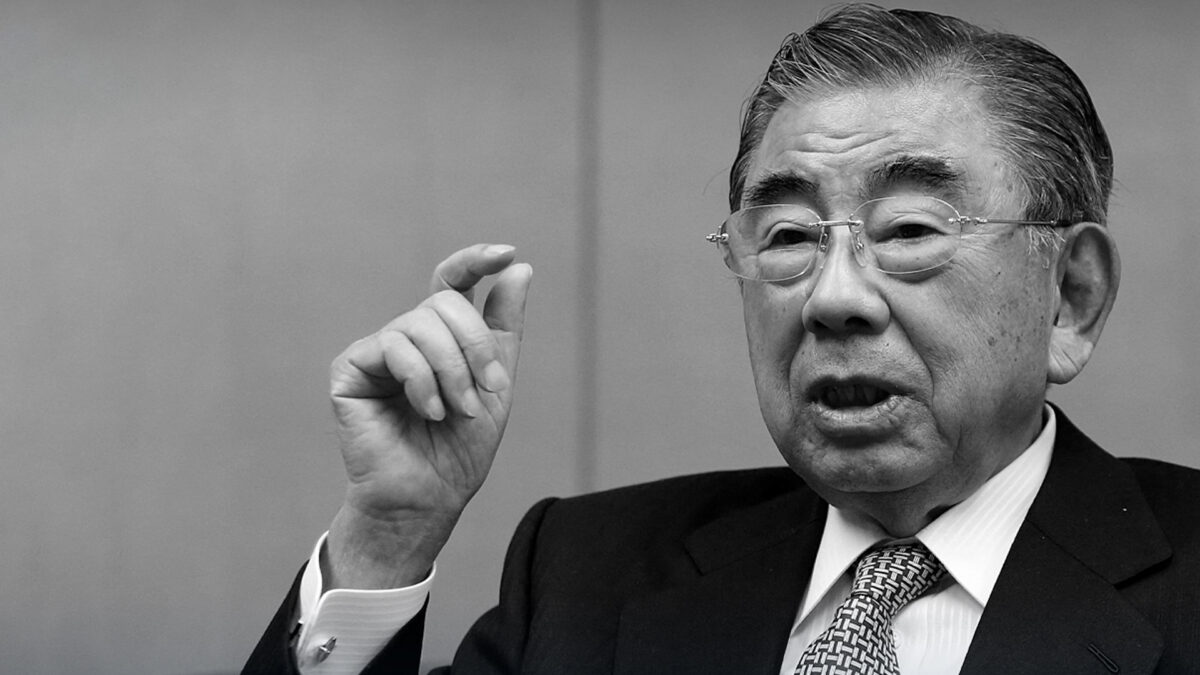
Japan retail leader Toshifumi Suzuki passed away at 93

Toshifumi Suzuki, one of Japan’s most influential business leaders and a key figure behind the growth of convenience stores in the country, has died at the age of 93.

Suzuki was widely recognised for changing the way people shopped in Japan. Through his leadership at Seven & i Holdings, he played an important role in expanding and modernising convenience stores, turning them into an essential part of everyday life for millions of people.

At a time when convenience stores were still developing, Suzuki focused on understanding customer needs and changing shopping habits. Instead of treating stores only as places for basic purchases, he worked on improving product choices, store efficiency and customer service. His ideas helped convenience stores become places where people could quickly access food, daily essentials and other services.

He also introduced business strategies that focused on keeping shelves stocked with products customers wanted most. This approach helped stores respond faster to demand and improve the shopping experience.

Under his leadership, Seven & i expanded significantly and became one of the most recognised retail groups in Japan and internationally. Suzuki’s work also influenced modern retail practices beyond Japan, with many of his ideas becoming part of wider business strategies in the industry.

Business leaders and industry observers have remembered him as a visionary who helped transform a growing retail sector into an important part of daily life. His contributions changed consumer behaviour and left a lasting mark on the retail industry.

Suzuki’s influence extended beyond business growth. He played a role in shaping how convenience stores evolved into community spaces that serve people throughout the day.

Also Read: Quad calls for safe Indo-Pacific maritime trade

Categories
Beyond

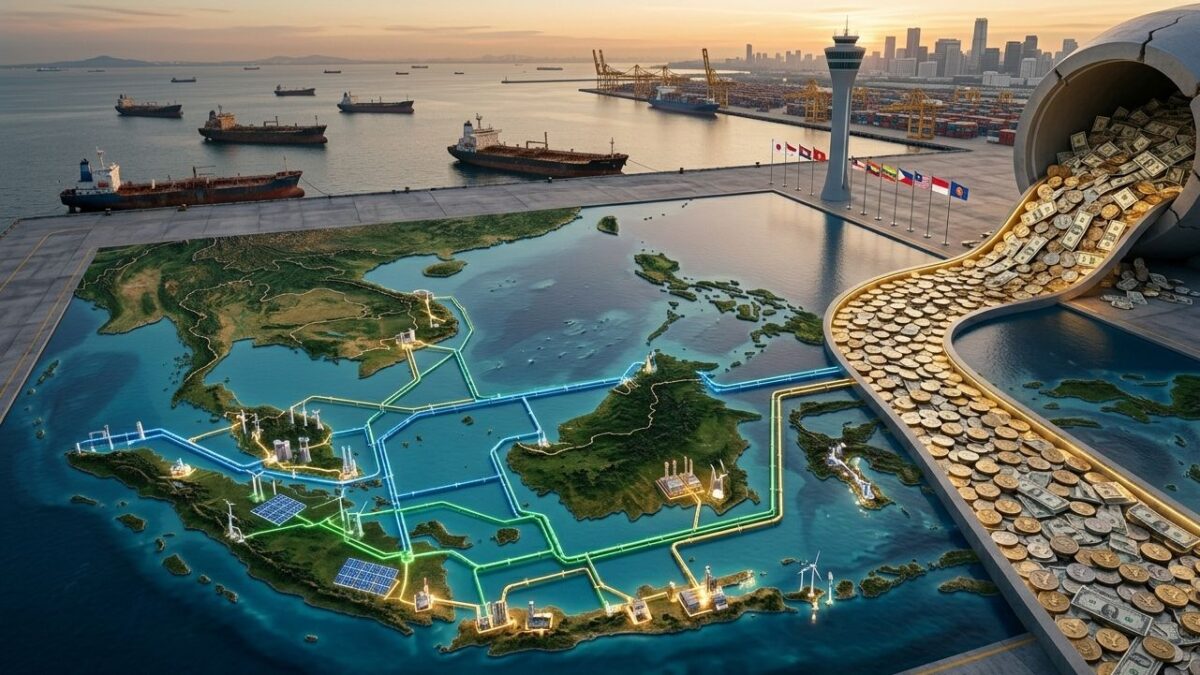
Japan announces $10 bn Asia oil aid

Japan has announced a $10 billion financial support package to help Asian countries deal with rising energy costs and growing concerns over oil supply disruptions.

The aid is expected to assist countries across Asia, especially in Southeast Asia, in securing stable access to crude oil, fuel supplies, and other energy needs. The move comes as many economies in the region face higher import costs due to elevated global crude prices and ongoing geopolitical tensions affecting supply chains.

Japanese officials said the package is designed to strengthen regional energy security and reduce the economic impact of volatile oil markets. Many Asian nations depend heavily on imported fuel, making them vulnerable to sudden price spikes and disruptions in shipping routes.

Global oil markets have remained uncertain in recent months, with prices staying firm amid tensions in the Middle East and concerns over major trade routes. Rising fuel prices have increased pressure on inflation, transport expenses, and government spending across importing countries.

Japan, itself a major energy importer, has long played an important role in promoting economic stability in Asia through financing and development partnerships. Analysts believe the new package could help neighbouring nations build emergency reserves, secure long-term supply deals, and manage short-term price shocks.

Experts said Southeast Asian countries are likely to benefit the most, as many remain highly exposed to swings in global oil prices while domestic demand for fuel continues to grow. The financial support may also help ease pressure on local currencies and national budgets.

Also Read: Gucci-owner to launch AI smart glasses with Google

Categories
Beyond

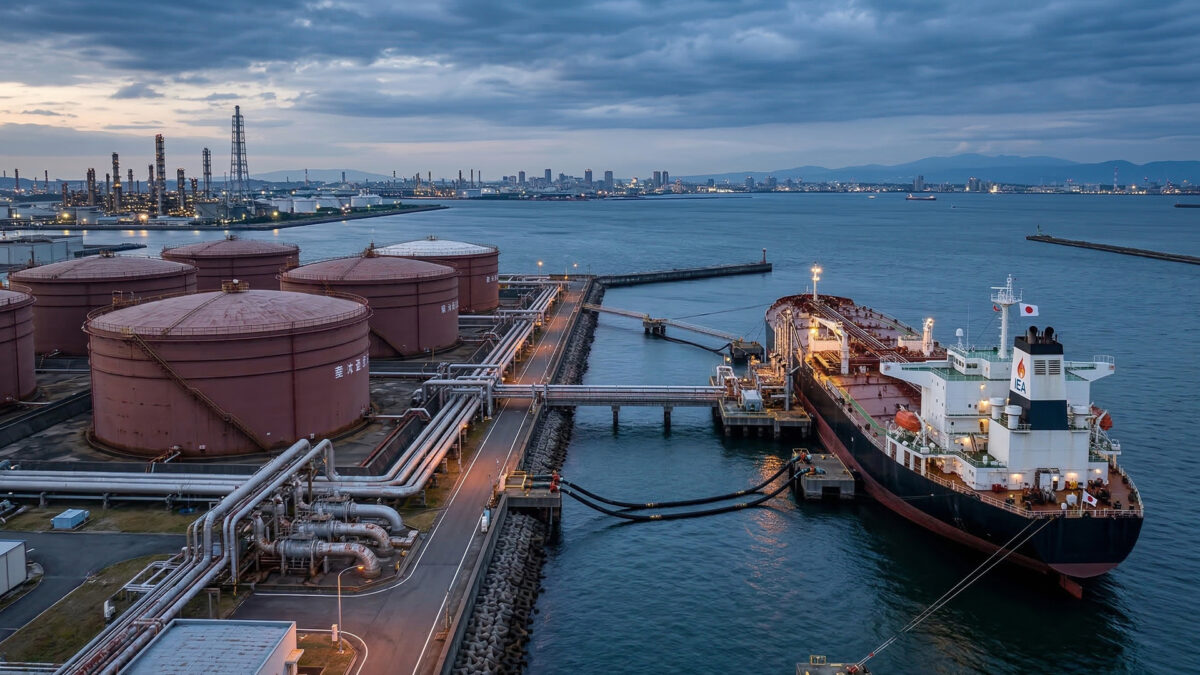
Japan releases emergency oil reserves

Japan has started releasing oil from its emergency reserves as rising tensions in the Middle East threaten global energy supplies. The decision comes amid fears that the ongoing war involving Iran could disrupt crude shipments and push fuel prices higher worldwide.

The Japanese government allowed oil refiners and trading companies to use part of their stockpiles after reducing the mandatory reserve requirement for private companies. The requirement was lowered from 70 days to 55 days, freeing up significant volumes of oil for immediate use.

Officials said the measure is intended to stabilise domestic fuel supplies and prevent shortages if imports are affected by the conflict. Japan relies heavily on imported oil, most of which comes from the Middle East.

The government is expected to release reserves in stages. Initially, part of the oil held by private companies will be made available to the market. Government-controlled reserves may also be released later if the supply situation worsens.

The move comes as concerns grow over disruptions to shipping routes in the region, particularly through the Strait of Hormuz. The narrow waterway is one of the world’s most important oil transit routes, with about one-fifth of global oil supply passing through it.

Any interruption to shipping in the strait could have serious consequences for global energy markets. Recent tensions and military activity in the region have already increased uncertainty about the safety of tanker movements.

Oil prices have surged amid the crisis, with markets reacting to fears of reduced supply. Several countries are closely monitoring the situation and considering measures to protect their energy security.

Energy experts say releasing strategic reserves can help reduce short-term supply pressure and calm markets. However, they warn that the step alone may not solve the problem if the conflict continues and transport routes remain unstable.

Japan maintains large emergency oil reserves specifically for situations such as natural disasters, supply disruptions or geopolitical crises. The current release is aimed at ensuring that industries, transport services and households continue to have stable access to fuel.

Also Read: Global oil prices jump over 2%

Categories
Beyond

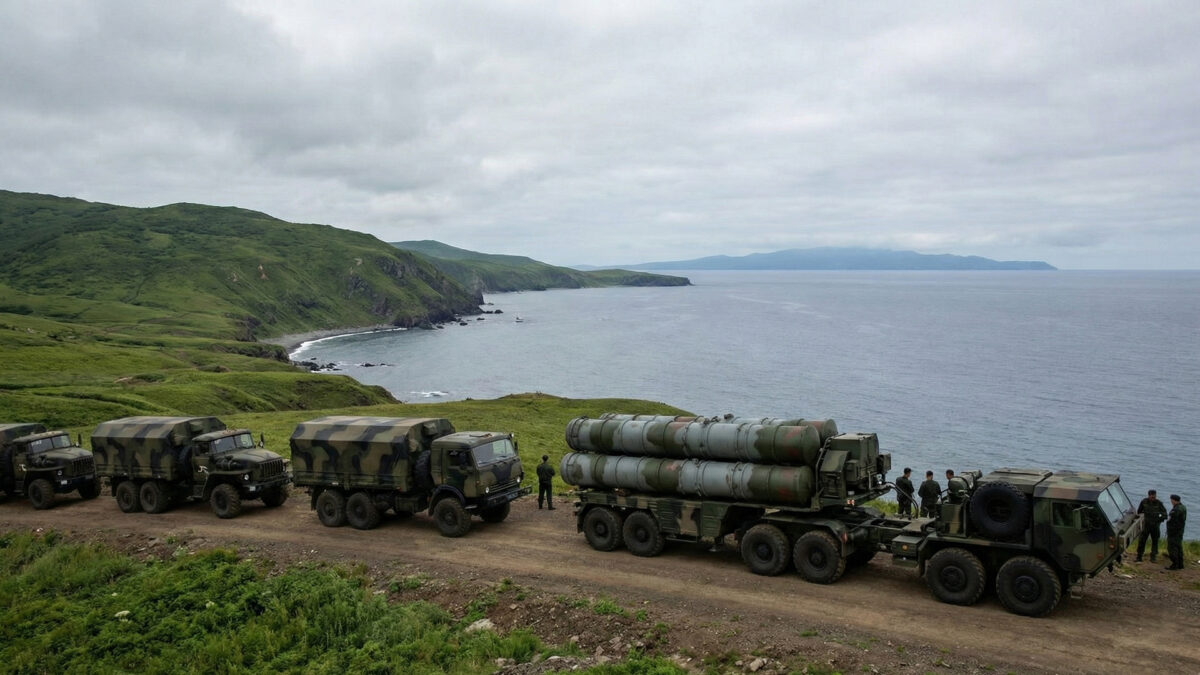
Japan plans missile deployment near Taiwan

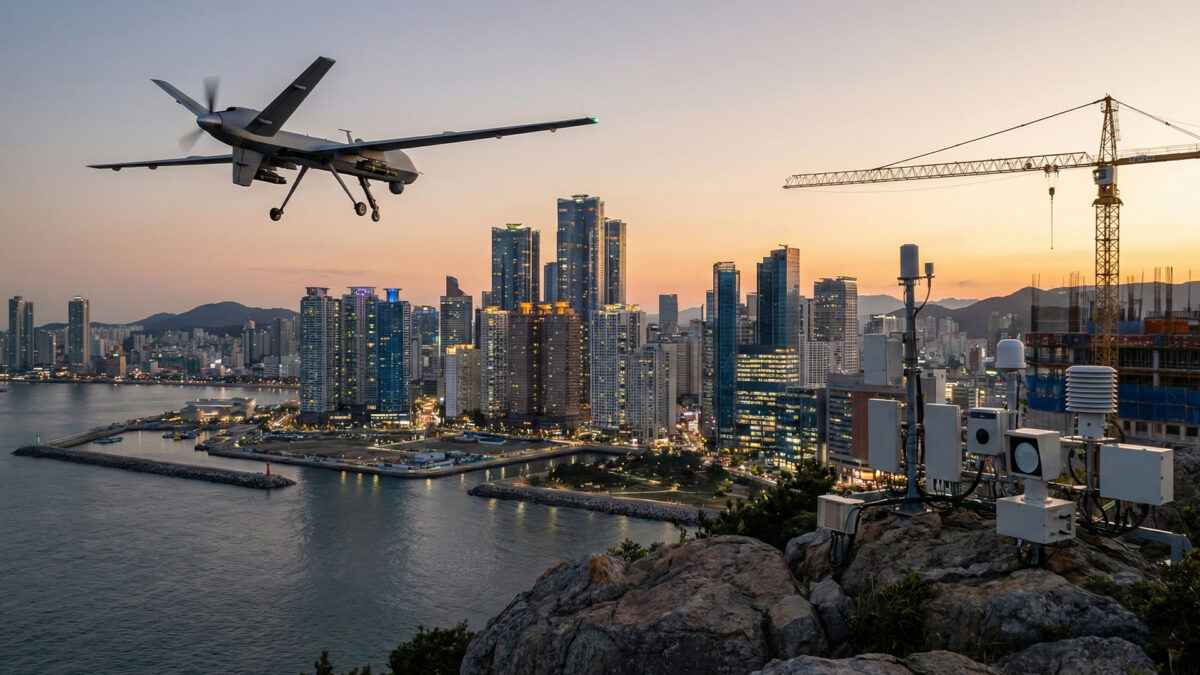
Japan has announced plans to deploy surface-to-air missiles on its westernmost island, Yonaguni, a small but strategically important location just over 100 km from Taiwan. The deployment is expected to be completed by 2031 and is part of Tokyo’s broader effort to strengthen its defence in the face of growing regional tensions.

Japanese officials say the move is purely defensive and meant to protect the country’s remote islands, which lie close to potential conflict zones. The government has been increasing its military presence in the southwest in recent years, citing concerns over China’s expanding military activity and the possibility of a crisis involving Taiwan.

Yonaguni, which has a population of around 1,700, has already seen the arrival of troops, radar systems and other military facilities. The planned missile unit will add another layer of protection, allowing Japan to respond more quickly to aerial threats in the area.

Defence Minister Gen Nakatani said strengthening the island’s security is essential because of its location and the changing security environment around Japan. Officials believe that better defences will act as a deterrent and reduce the risk of conflict.

China has repeatedly criticised Japan’s military build-up in the region, saying it increases tensions. Beijing claims Taiwan as its territory and has not ruled out the use of force to take control of it, while Taiwan rejects those claims.

However, the announcement has also drawn mixed reactions from Yonaguni residents.

Also Read: Dr Reddy’s eyes March launch of low-cost Ozempic copy

Categories
Beyond

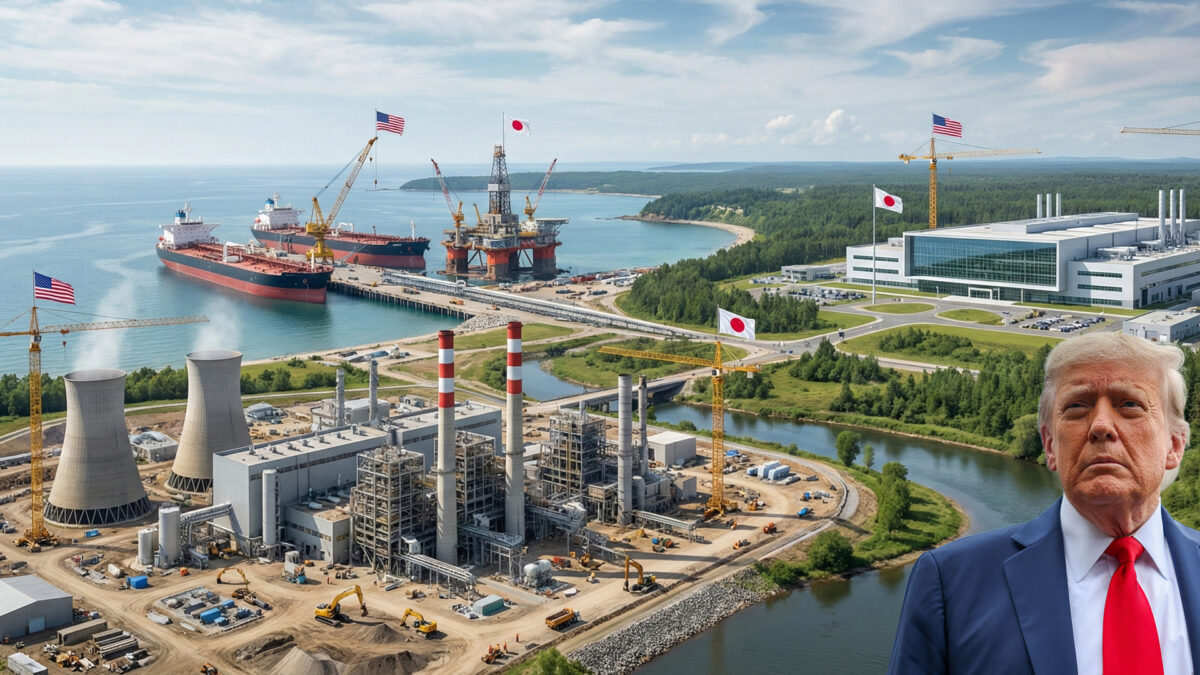
Trump’s first Japanese investments under $550 bn trade pact

US President Donald Trump has unveiled the first set of Japanese investments in the United States under the recently signed bilateral trade pact, marking the operational rollout of Tokyo’s massive $550-billion financial commitment to the American economy.

The opening tranche, estimated at about $36 billion, is centred on energy, critical minerals and high-technology manufacturing—sectors that both countries consider crucial for economic security and resilient supply chains. The projects are expected to generate employment, strengthen industrial capacity and reduce dependence on imports in strategically important areas.

The largest investment is a $33-billion natural-gas-based power project in Ohio. The plant, to be developed by SB Energy, a unit backed by SoftBank Group, is designed to produce around 9.2 gigawatts of electricity. It is expected to support the fast-growing power demand from data centres and artificial-intelligence infrastructure in the United States.

Another key project is a $2.1-billion deep-water oil export terminal off the coast of Texas, which will expand the country’s energy export capability. In addition, a $600-million synthetic industrial diamond manufacturing facility will be set up in Georgia. The unit will produce critical materials used in semiconductors and advanced electronics, helping to cut reliance on overseas supplies.

Under the broader agreement, Washington has agreed to reduce tariffs on Japanese imports, while Japan will fund industrial and infrastructure projects through a combination of equity investments, loans and financial guarantees. The initiative is also aimed at giving Japanese companies greater access to the US market while reinforcing the strategic alliance between the two nations.

Japanese Prime Minister Sanae Takaichi said the investments would deepen economic cooperation and enhance long-term security for both countries. More projects are expected to be announced in phases as the two sides move to implement the full investment framework.

Also Read: Sarvam Kaze, India’s multilingual answer to Meta ray-ban

Categories
Beyond

Japan approves $785 bn budget, pledges fiscal discipline

Japan’s cabinet, under Prime Minister Sanae Takaichi, has approved a record ¥122.3 trillion (approximately US$785 billion) budget for the fiscal year beginning April 2026, the largest in the country’s history. The decision reflects the government’s strategy to stimulate economic growth while maintaining fiscal responsibility amid ongoing domestic and global economic pressures.

The budget includes planned government bond issuance of ¥29.6 trillion, keeping it below the ¥30 trillion threshold and marking a debt dependence ratio of 24.2%, the lowest since 1998. This careful management of new debt aims to reassure markets while allowing room for strategic spending.

Tax revenues are projected to climb 7.6% to a record ¥83.7 trillion, driven by a robust economy and higher income and corporate taxes. Despite this, debt servicing costs, covering interest payments and redemption, are expected to rise 10.8% to ¥31.3 trillion, reflecting higher long-term interest rates, currently around 3.0%, the highest in nearly three decades.

Key allocations include social welfare programs to support an aging population and defense expenditures responding to regional security concerns. The budget also integrates measures to ease the impact of inflation and support households, complementing Japan’s broader economic strategy.

Officials stressed that the government is shifting from rigid annual balance targets to multi-year fiscal planning, providing flexibility while maintaining long-term consolidation goals. This approach is designed to strengthen investor confidence and stabilize markets amid rising yields and a weakening yen.

Analysts note that Japan’s debt remains among the highest in the developed world, exceeding twice its GDP, making careful fiscal planning critical. By combining historic spending with disciplined debt issuance, the government aims to balance economic support with fiscal sustainability, while signaling commitment to both growth and market stability.

The cabinet’s approval comes amid broader economic adjustments, including the Bank of Japan’s gradual exit from ultra-loose monetary policy and recent stimulus packages aimed at cushioning households from rising costs. This record budget underscores Japan’s dual focus on strategic investment and fiscal prudence, setting the tone for economic policy in 2026.

Also Read: North Korea reveals first nuclear submarine

Categories
Beyond

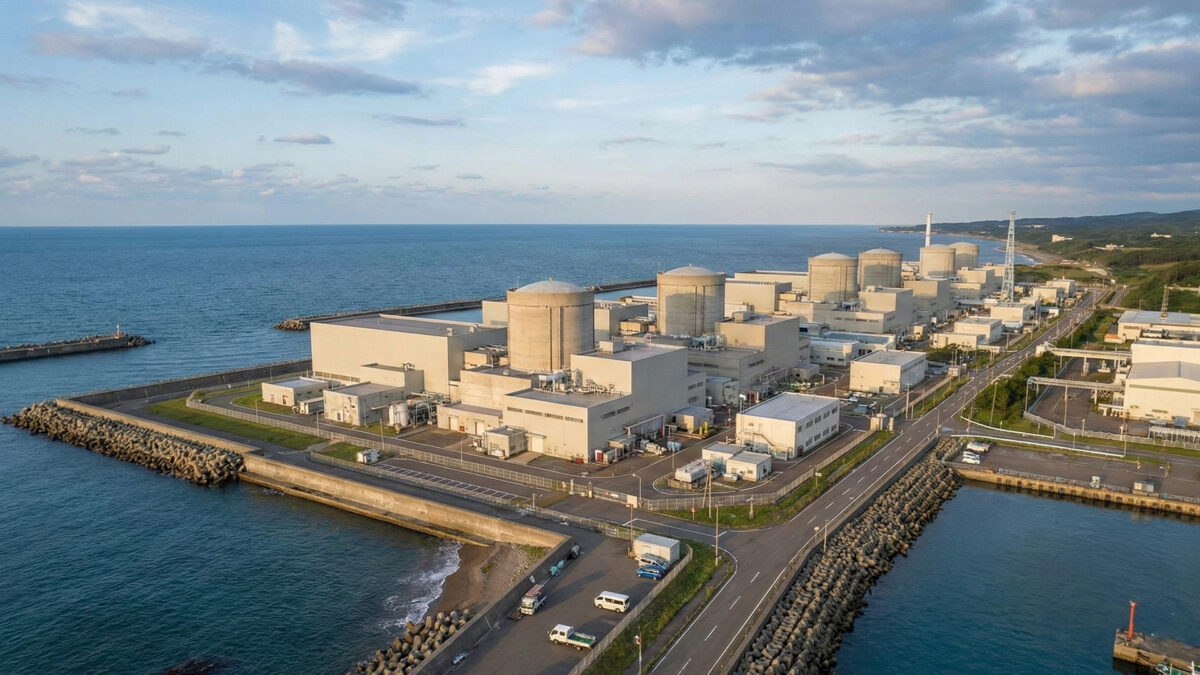
Japan restarts world’s largest nuclear plant

Japan has officially taken a major step toward restarting the Kashiwazaki-Kariwa nuclear power plant, the world’s largest in terms of electricity-generating capacity. The plant, located in Niigata Prefecture about 220 km northwest of Tokyo, has been idle since the 2011 Fukushima disaster, which led to the suspension of nearly all nuclear reactors in Japan.

On 22 December 2025, the Niigata Prefectural Assembly approved Governor Hideyo Hanazumi’s decision to allow the plant’s restart, effectively clearing the final local requirement needed for operations to resume. The decision enables Tokyo Electric Power Company (TEPCO), the plant’s operator, to move forward with safety inspections, operational checks, and preparation for restarting the reactors.

The facility has a total generating capacity of nearly 8,000 megawatts, making it a crucial source of electricity for Japan. TEPCO expects to bring at least one reactor online by early 2026, pending final regulatory and safety approvals. Restarting the plant could help the country reduce its reliance on imported fossil fuels and stabilize electricity costs, a pressing concern given Japan’s energy demands and global energy price volatility.

The restart comes amid Japan’s broader energy strategy, which aims to increase nuclear power’s share of electricity production to enhance energy security and meet climate goals. Since 2011, Japan has gradually restarted 14 of its 33 operable reactors under stringent safety protocols, but Kashiwazaki-Kariwa is the first major TEPCO plant to return to service.

Public opinion remains divided. Some residents and safety advocates continue to express concerns about nuclear risks, recalling the Fukushima accident’s devastating effects. Others, however, support the restart due to the potential economic and energy benefits, highlighting the importance of a reliable domestic power supply for households and industries.

In summary, the restart of Kashiwazaki-Kariwa represents both a milestone in Japan’s post-Fukushima nuclear journey and a critical step in its efforts to secure stable, sustainable energy. With local backing and careful planning, the plant is poised to play a central role in meeting the country’s future electricity needs while balancing public safety concerns.

Also Read: KSH International IPO lists 4% below issue price