Categories
Technology

COMPUTEX 2026 shows Taiwan’s growing AI leadership

COMPUTEX 2026 opened in Taipei on June 2, bringing together leading technology companies, chipmakers and industry experts as artificial intelligence (AI) continues to drive demand for advanced computing infrastructure worldwide. The event, themed “AI Together,” is the largest edition of the technology exhibition to date, featuring around 1,500 exhibitors and thousands of visitors from across the globe.

Taiwan has emerged as a central player in the global AI ecosystem due to its strength in semiconductor manufacturing, AI servers and critical technology supply chains. Industry leaders attending the event highlighted the island’s growing importance in supporting the next phase of AI development.

NVIDIA Chief Executive Jensen Huang, one of the keynote speakers at the event, described AI infrastructure as the next major wave of global investment. He said companies worldwide are rapidly building AI-focused data centres and computing systems to support growing demand for generative AI and advanced machine learning applications.

Major technology companies including NVIDIA, AMD, Intel, Qualcomm, Arm, Marvell and NXP are participating in the exhibition. Several firms used the platform to unveil new AI chips, processors, networking technologies and data-centre solutions designed to power future AI workloads.

Organisers said the exhibition focuses on three major themes: AI and Computing, Robotics and Mobility, and Next-Generation Technologies. Industry experts expect AI infrastructure, high-performance computing and intelligent devices to dominate discussions throughout the event.

Taiwan’s government has also highlighted the country’s strategic role in the global AI race. Officials noted that Taiwan’s semiconductor industry and manufacturing ecosystem have become essential for producing the advanced hardware required by AI applications.
Also Read: Rupee falls 28 paise to 95.64 against US dollar

Categories
Beyond

Taiwan surpasses India in Global Stock Market race

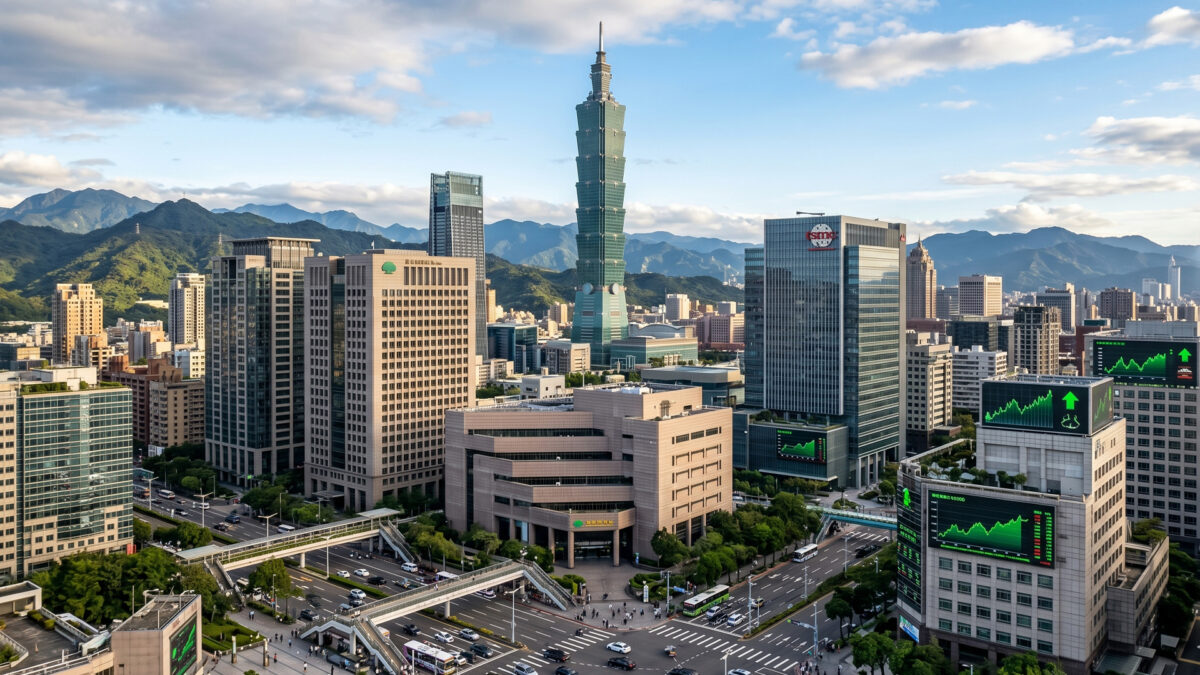
The global rush toward artificial intelligence has reshaped stock market rankings, with Taiwan moving ahead of India to become the world’s fifth-largest stock market.

Taiwan’s rise has been driven mainly by strong gains in technology and semiconductor stocks, especially Taiwan Semiconductor Manufacturing Company. The company, one of the world’s largest chip manufacturers, has seen its market value rise sharply as demand for AI-related technology continues to increase globally.

The growing use of AI in sectors ranging from cloud computing to data centres and consumer technology has increased the need for advanced chips. This surge in demand has brought strong investor interest into Taiwan’s technology-heavy market, helping its overall market capitalisation climb.

India, which had earlier moved ahead in global rankings, continues to benefit from strong domestic investments, infrastructure growth and retail participation. However, Taiwan gained an advantage from its concentration of technology companies at a time when AI-linked stocks are attracting significant global investments.

This development reflects how a single high-growth sector can significantly influence overall market value. Technology and semiconductor companies have become key drivers of global market movements, especially as investors continue to bet on the future growth of AI.

The experts say that these market rankings can change frequently depending on sector performance and global investor sentiment. While Taiwan has taken the lead for now, India’s broader economic growth and diversified market base continue to remain important strengths.

Also Read: Telangana secures ₹13,600 cr refinance for Metro debt

Categories
Beyond

Japan plans missile deployment near Taiwan

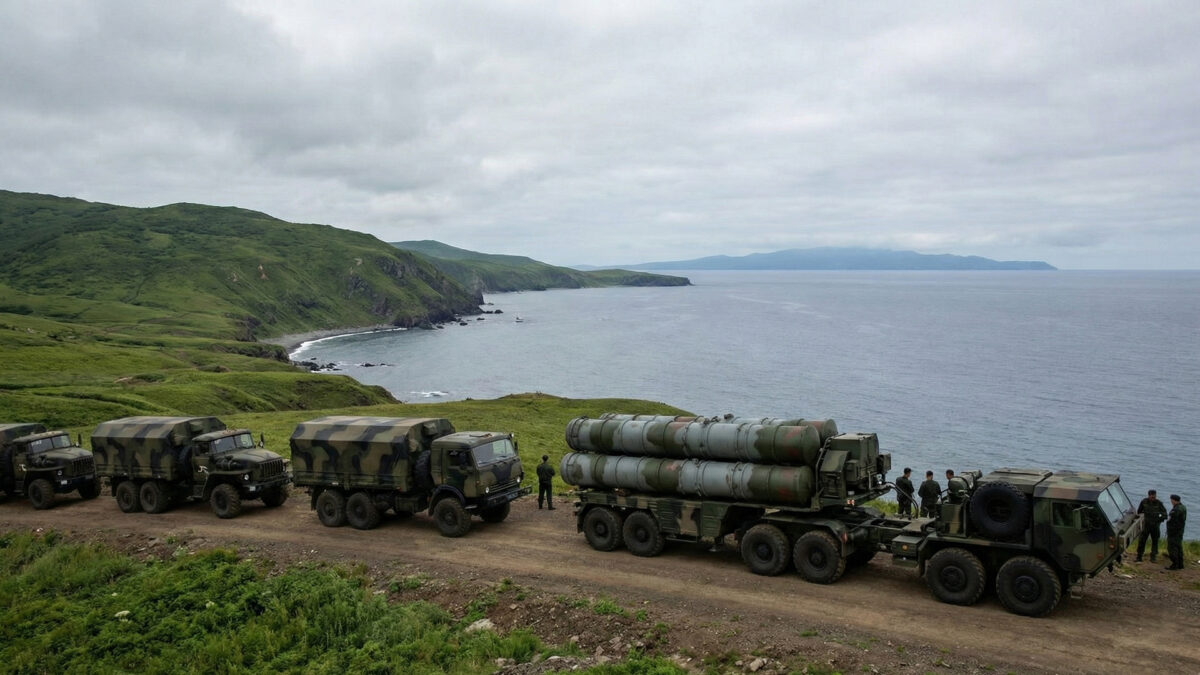
Japan has announced plans to deploy surface-to-air missiles on its westernmost island, Yonaguni, a small but strategically important location just over 100 km from Taiwan. The deployment is expected to be completed by 2031 and is part of Tokyo’s broader effort to strengthen its defence in the face of growing regional tensions.

Japanese officials say the move is purely defensive and meant to protect the country’s remote islands, which lie close to potential conflict zones. The government has been increasing its military presence in the southwest in recent years, citing concerns over China’s expanding military activity and the possibility of a crisis involving Taiwan.

Yonaguni, which has a population of around 1,700, has already seen the arrival of troops, radar systems and other military facilities. The planned missile unit will add another layer of protection, allowing Japan to respond more quickly to aerial threats in the area.

Defence Minister Gen Nakatani said strengthening the island’s security is essential because of its location and the changing security environment around Japan. Officials believe that better defences will act as a deterrent and reduce the risk of conflict.

China has repeatedly criticised Japan’s military build-up in the region, saying it increases tensions. Beijing claims Taiwan as its territory and has not ruled out the use of force to take control of it, while Taiwan rejects those claims.

However, the announcement has also drawn mixed reactions from Yonaguni residents.

Also Read: Dr Reddy’s eyes March launch of low-cost Ozempic copy

Categories
Beyond

US-Taiwan strike $250 billion trade deal

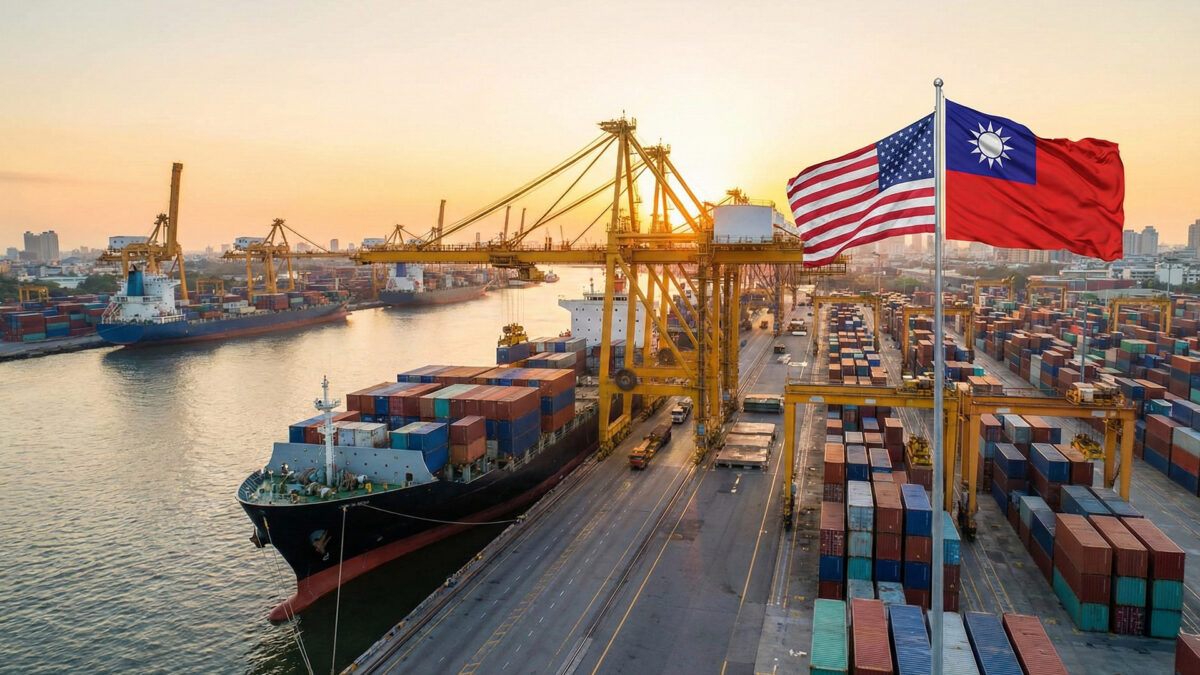
The United States and Taiwan have reached a landmark trade agreement worth $250 billion, aiming to strengthen economic ties and boost high-tech investment. The deal reduces tariffs on Taiwanese goods entering the US and secures substantial commitments from Taiwanese companies to invest in American industries, especially semiconductors, artificial intelligence, and energy.

Under the agreement, the US tariff on most Taiwanese imports will drop from 20% to 15%, bringing Taiwan’s trade treatment closer to that of other major Asia-Pacific partners, including Japan and South Korea. Certain goods, such as generic medicines and aircraft parts, will be fully exempt from tariffs. These measures are designed to encourage the expansion of Taiwanese production in the US while making imports more affordable for American consumers.

A major focus of the pact is strengthening domestic semiconductor manufacturing. The US Commerce Department described the deal as a strategic move to “reshore” advanced chip production and create high-tech industrial zones in the country. Taiwanese firms investing in US production facilities will benefit from favorable tariff treatment and support for establishing cutting-edge technology hubs.

The agreement is particularly significant for Taiwan Semiconductor Manufacturing Company (TSMC), which plans to expand its US operations, including new facilities in Arizona. This expansion aligns with Taiwan’s broader commitment to invest in American industries, supporting jobs and innovation in critical technology sectors.

While the pact has been welcomed in Taipei and Washington, China has criticized the agreement, reiterating its opposition to moves that it sees as undermining the “one-China” principle. Beijing has called on the US to adhere to its stance on Taiwan.

The deal still needs approval from Taiwan’s legislature and comes amid legal discussions in the US regarding presidential authority over tariffs. Analysts say that, once implemented, the agreement could reshape the global semiconductor supply chain, strengthen U.S.-Taiwan economic relations, and attract billions in investment, benefiting both countries’ technology and energy sectors.

Also Read: Grasim appoints Sachin Sahay as Birla Opus CEO