Categories
Leaders

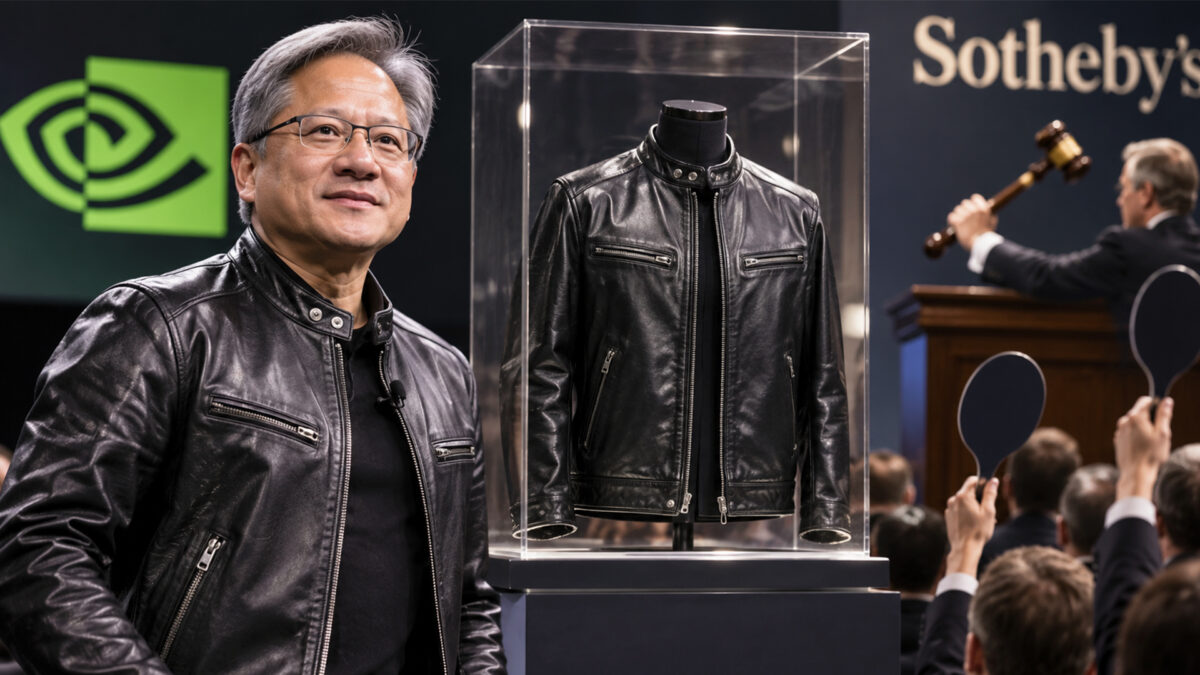
Jensen Huang’s iconic jacket auctioned for $1 mn

A black leather jacket worn by Nvidia CEO Jensen Huang has become one of the most valuable pieces of technology memorabilia ever sold after fetching an impressive $960,000 (around ₹8.2 crore) at a Sotheby’s auction in New York. The jacket, which had an estimated value of just $40,000 to $60,000, attracted intense bidding before selling for nearly 16 times its expected price.

The record-breaking sale has once again highlighted Huang’s growing influence in the technology world, where he is now regarded as one of the defining figures of the artificial intelligence revolution. What started as his personal style statement has evolved into a globally recognised symbol of Nvidia’s rise as the world’s leading AI chipmaker.

The jacket sold at auction is a Tom Ford leather jacket that Huang wore during a visit to Foxconn’s facility in Taipei in 2023. It also carries his autograph, making it even more desirable for collectors. The event itself was significant, coming at a time when Nvidia was rapidly expanding its partnerships to meet the soaring global demand for artificial intelligence infrastructure.

According to Sotheby’s, the auction drew 65 bids from 45 collectors, reflecting the growing demand for items associated with influential technology leaders. Auction officials said they expected strong interest, but the final price far exceeded all expectations.

The proceeds from the sale will benefit the Edge Institute, a non-profit organisation that supports innovation through fellowships, grants and educational programmes for emerging technology talent. This charitable aspect added greater significance to the auction, with the sale contributing to future research and innovation.

For years, Jensen Huang has rarely appeared in public without a black leather jacket. Whether unveiling Nvidia’s latest AI chips, speaking at global technology conferences or delivering keynote presentations, the jacket has become an unmistakable part of his identity.

His signature style has often been compared with Steve Jobs’ black turtleneck and Mark Zuckerberg’s grey T-shirt, both of which became closely associated with their public image. However, Huang’s leather jacket has gained even greater prominence in recent years as Nvidia emerged at the centre of the global artificial intelligence boom.

Under Huang’s leadership, Nvidia has transformed from a graphics chip manufacturer into one of the world’s most valuable technology companies. Its advanced AI processors now power everything from generative AI models and cloud computing platforms to autonomous vehicles and scientific research. As demand for AI computing continues to rise, Huang has become one of the most recognisable executives in the technology industry.

His keynote presentations regularly attract thousands of attendees, while videos of his product launches are watched by millions around the world. The leather jacket has become so closely linked to his image that many technology enthusiasts instantly associate it with Nvidia’s AI announcements.

The jacket also gained additional attention after Meta CEO Mark Zuckerberg jokingly remarked during a public conversation that one of Huang’s worn leather jackets would probably become a valuable collector’s item. That light-hearted comment has now proved surprisingly accurate following the nearly $1 million auction sale.

Sotheby’s described the jacket as more than just a fashion item. According to the auction house, it represents an important piece of technology history because it is associated with one of the leaders driving today’s AI revolution. As artificial intelligence continues transforming industries worldwide, memorabilia connected to its key pioneers is becoming increasingly valuable.

The sale also reflects a broader shift in the collectibles market. Traditional memorabilia such as sports jerseys, movie costumes and rare watches continue to attract buyers, but technology-related collectibles are now emerging as a fast-growing category. Items linked to influential innovators and landmark moments in computing are increasingly being viewed as cultural artefacts rather than ordinary personal belongings.

For Nvidia, the auction comes at a time when the company continues to dominate the global AI hardware market. Its chips remain in high demand from major technology companies building advanced artificial intelligence systems, while Huang himself has become one of Silicon Valley’s most influential voices.

Although the leather jacket is unlikely to affect Nvidia’s business, the auction reflects the extraordinary cultural status Huang has achieved. Few technology executives have seen personal belongings command such remarkable prices, placing him among a select group of business leaders whose memorabilia has become highly sought after.

From being a simple wardrobe choice to becoming a symbol of the AI era, Jensen Huang’s black leather jacket has taken on a life of its own. Its record-breaking sale not only celebrates the Nvidia CEO’s remarkable journey but also captures a moment in history when artificial intelligence has become one of the world’s most transformative technologies.

Also Read: Samsung launches Music Studio series
Categories
Leaders

Microsoft CEO questions Anthropic rules

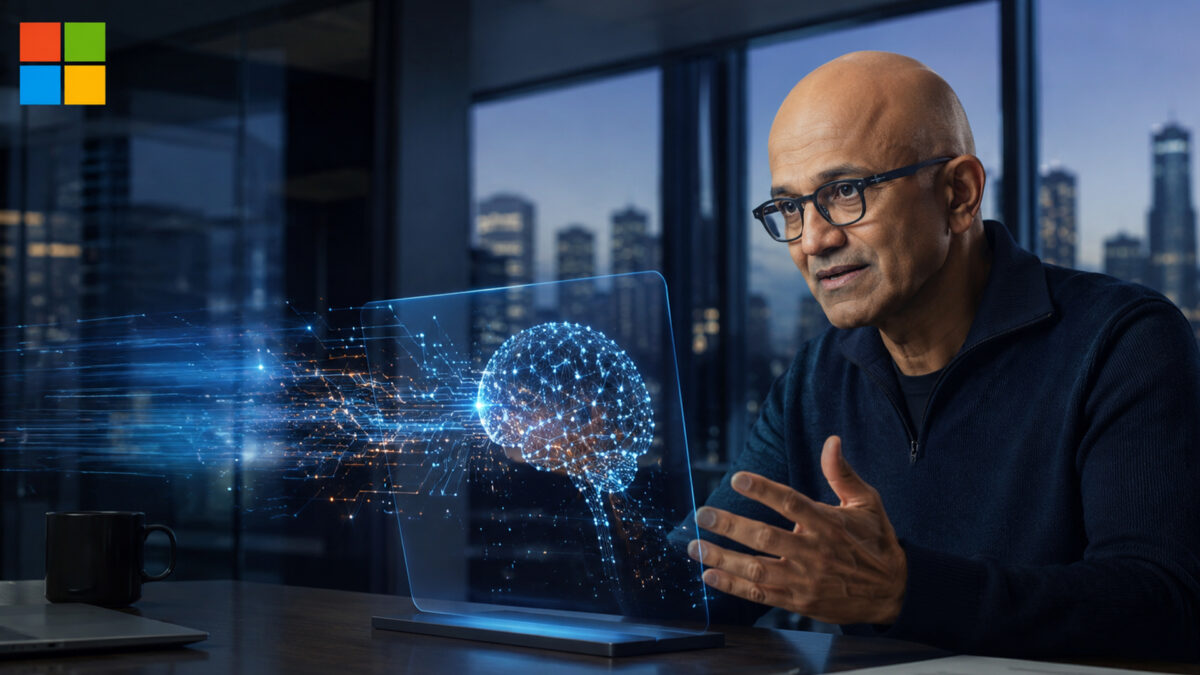
Microsoft Chief Executive Officer Satya Nadella has questioned Anthropic’s decision to restrict certain storytelling requests on its AI chatbot Claude, arguing that the company’s approach to creative writing “doesn’t make sense.” His comments have reignited debate over how artificial intelligence companies should balance safety with creativity as generative AI becomes increasingly popular among users.

Speaking during a recent discussion, Nadella referred to Anthropic’s policy that limits Claude from generating stories featuring copyrighted or well-known fictional characters in some situations. The Microsoft chief said such restrictions could unnecessarily limit creativity and reduce the usefulness of AI assistants for everyday users. According to Nadella, storytelling has always involved building upon existing ideas, myths and fictional universes, making broad restrictions difficult to justify.

The remarks come after Anthropic introduced what it calls its “Claude Fable” policy, which places tighter controls on requests involving copyrighted fictional characters and certain creative writing prompts. The company says the policy is intended to reduce legal risks, prevent intellectual property misuse and encourage the creation of original content rather than derivative works.

However, Nadella believes the approach could discourage users from exploring creative ideas with AI. He argued that asking an AI model to write a story involving familiar fictional characters is often harmless and comparable to the way people have long created fan fiction, parody and educational material. Imposing broad limitations, he suggested, risks making AI systems less helpful without significantly improving safety.

The discussion reflects a wider debate taking place across the artificial intelligence industry. As generative AI tools become more capable of producing text, images, music and videos, developers are under growing pressure to prevent copyright infringement while still allowing users to engage in legitimate creative activities. Companies are increasingly required to strike a balance between protecting intellectual property and enabling innovation.

Anthropic has defended its position by saying that the restrictions are designed to promote responsible AI development. The company argues that encouraging users to generate original stories rather than relying heavily on existing fictional characters supports creators and reduces the possibility of copyright disputes. Claude’s safety policies have generally been stricter than those of many competing AI chatbots, reflecting Anthropic’s emphasis on cautious AI deployment.

Nadella’s comments also highlight the different philosophies emerging among leading AI companies. Microsoft, a major investor in OpenAI, has consistently supported the development of AI systems that remain useful across a broad range of personal, educational and professional tasks while incorporating safety measures where necessary. Rather than imposing blanket restrictions, many AI developers prefer context-based safeguards that evaluate how a request is being used before deciding whether to respond.

Industry experts note that the issue extends beyond fan fiction. Teachers often use fictional characters to explain complex concepts, students employ them in creative writing exercises, and developers use familiar examples while testing AI systems. Critics of strict content restrictions argue that blocking such prompts may reduce educational and creative value without effectively addressing copyright concerns.

At the same time, copyright remains one of the biggest unresolved challenges facing the generative AI industry. Publishers, authors, film studios and content creators around the world have raised concerns about AI models trained on copyrighted material and the possibility that AI-generated content could compete with original works. Several technology companies are already facing lawsuits related to copyright and AI-generated outputs, prompting firms to introduce additional safeguards.

The exchange between Nadella and Anthropic comes at a time when competition in the artificial intelligence sector is intensifying. Companies including Microsoft-backed OpenAI, Google, Anthropic, Meta and xAI are rapidly introducing new AI models and features while trying to address growing concerns over copyright, misinformation, privacy and safety. Their differing approaches are increasingly shaping how millions of users interact with AI-powered assistants.

As generative AI continues to evolve, questions surrounding copyright, creativity and responsible AI development are expected to remain at the centre of industry discussions. Nadella’s criticism of Anthropic’s storytelling restrictions has added another dimension to that conversation, highlighting the challenge of protecting intellectual property without limiting the creative potential that has made AI chatbots so widely adopted.

Also Read: Musk’s xAI sues user over CSAM

Categories
Leaders

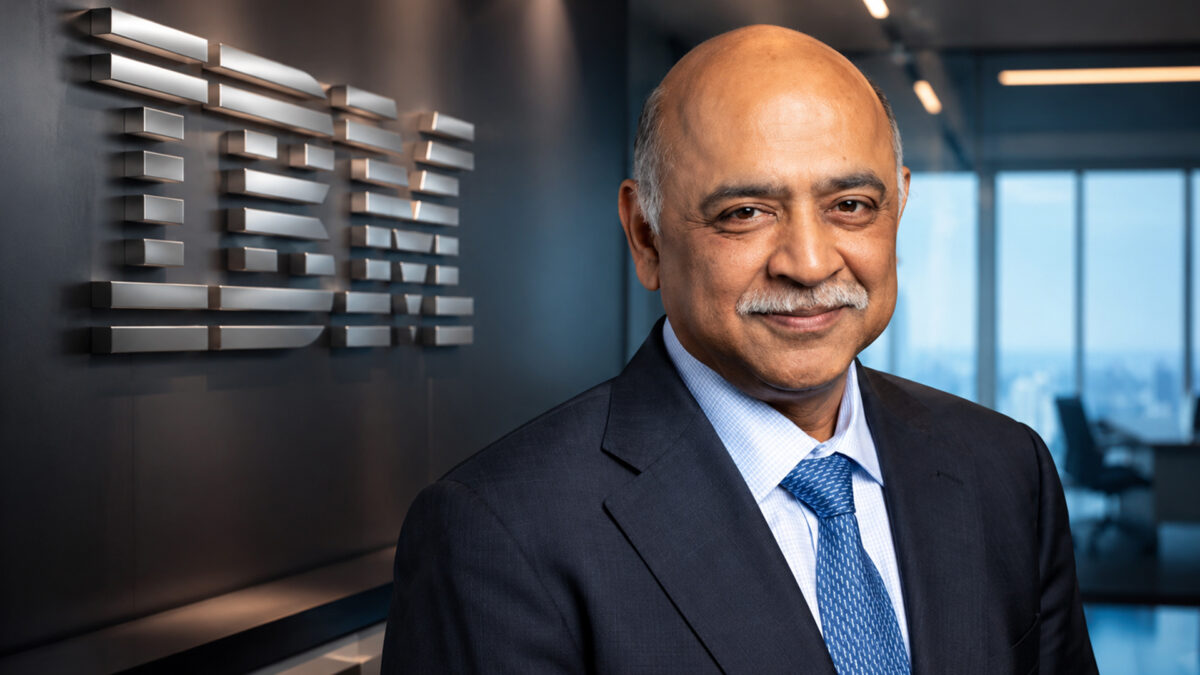
IBM CEO faces toughest test yet

IBM CEO Arvind Krishna is facing the toughest challenge of his leadership after the company’s shares plunged nearly 25% in a single trading session, wiping out around $70 billion in market value. The sharp decline followed weaker-than-expected preliminary second-quarter results, triggering concerns about IBM’s ability to keep pace with the rapidly evolving artificial intelligence (AI) market.

The company expects second-quarter revenue of $17.2 billion, missing analysts’ forecasts. Its earnings also fell short of market expectations, disappointing investors who had anticipated stronger growth.

Krishna admitted that IBM had a difficult quarter, saying several large customer deals were delayed and failed to close on schedule. He also acknowledged that many businesses are shifting their technology spending towards AI infrastructure, including servers and data centres, instead of software and IT services, where IBM earns a significant share of its revenue.

The disappointing update led to IBM’s worst-ever single-day stock decline, raising fresh questions about how traditional technology companies are adapting to the AI boom. While the stock recovered some losses later, investor confidence took a major hit.

The sell-off also affected several enterprise software companies, as markets worried that corporate technology budgets are increasingly moving away from software and towards AI hardware investments.

Krishna, who has led IBM since 2020 and helped reposition the company around hybrid cloud and AI, now faces mounting pressure to restore growth and reassure investors. IBM still has strong technological capabilities and a loyal enterprise customer base, but it must move faster to capitalise on the AI opportunity.

Also Read: Cabinet clears ₹1.9 lakh cr semiconductor push

Categories
Leaders

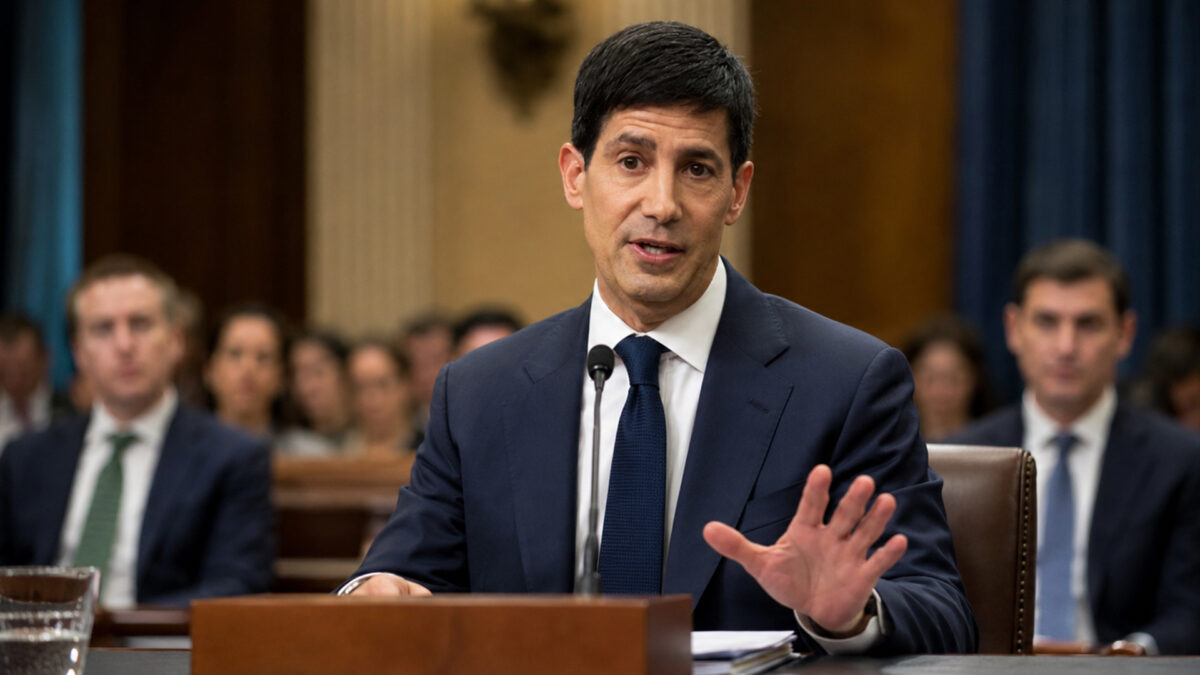
Fed Chief Warsh reaffirms strong fight against inflation

US Federal Reserve Chair Kevin Warsh has assured lawmakers that the central bank remains firmly committed to bringing inflation under control, saying it has “no tolerance” for persistently high price growth.

Testifying before Congress, Warsh said keeping inflation low and stable remains the Federal Reserve’s top priority because rising prices reduce household purchasing power and create uncertainty for businesses. He stressed that the central bank will continue to make policy decisions based on incoming economic data rather than short-term market expectations.

Warsh acknowledged that inflation has eased significantly from its recent highs but said the Fed cannot become complacent. He noted that while progress has been encouraging, policymakers need greater confidence that inflation is moving sustainably towards the central bank’s long-term target before considering major policy changes.

The Fed chief also highlighted the resilience of the US economy, pointing to a strong labour market and steady consumer spending. However, he cautioned that global uncertainties and trade-related developments continue to pose risks to the economic outlook.

During the hearing, lawmakers questioned Warsh on interest rates, employment and the broader direction of monetary policy. He reiterated that the Federal Reserve’s decisions will remain independent and guided by its dual mandate of maintaining price stability and supporting maximum employment.

Warsh also addressed concerns about financial markets, saying the central bank is closely monitoring economic conditions while ensuring that monetary policy supports long-term stability rather than reacting to short-term fluctuations.

For households and businesses, the message was straightforward: while inflation has moderated, the Federal Reserve believes the fight is not yet over. Warsh stressed that restoring lasting price stability remains essential for sustainable economic growth, stronger consumer confidence and a healthy financial system.

Also Read: IBM misses revenue estimates on weak client spending

Categories
Leaders

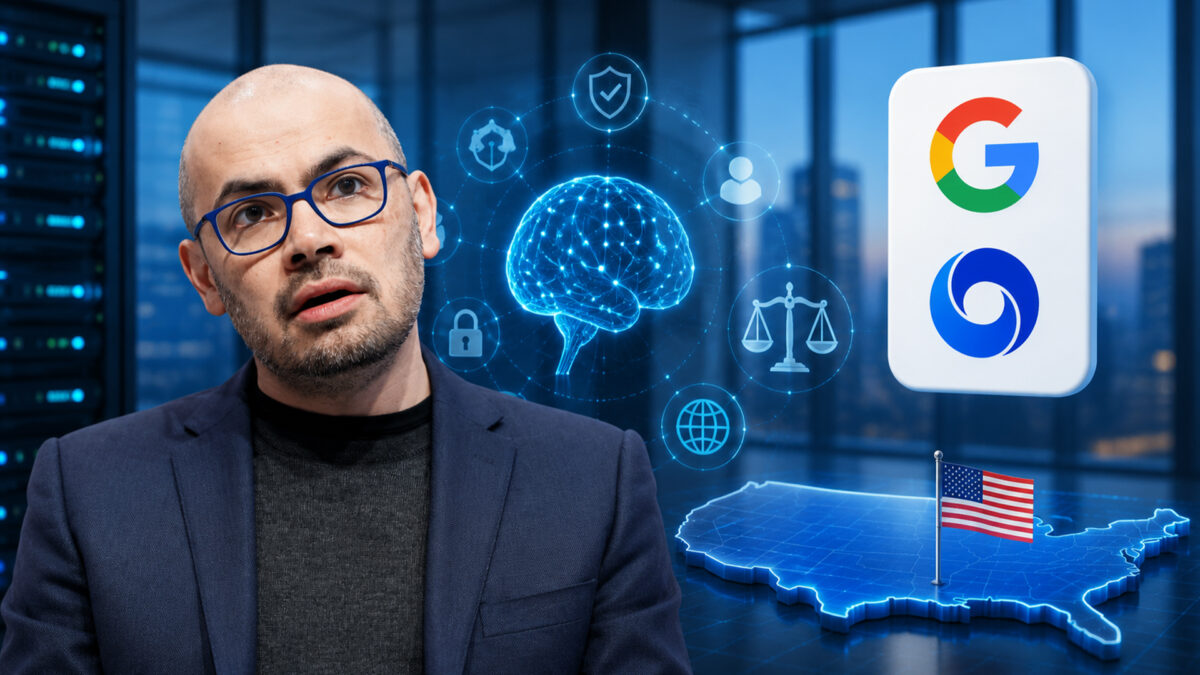
DeepMind chief urges global standards for Frontier AI

Google DeepMind CEO Demis Hassabis has called for the creation of a US-led international body to develop common standards for frontier artificial intelligence, saying global cooperation is essential as AI systems become increasingly powerful.

Speaking at a technology event in Washington, Hassabis said advanced AI is progressing at an extraordinary pace and requires coordinated oversight to ensure it is developed safely and responsibly. He argued that countries should work together instead of creating fragmented regulations that could slow innovation or leave safety gaps.

According to Hassabis, the proposed organisation could play a role similar to international scientific bodies by bringing together governments, researchers and technology companies to establish shared guidelines for developing cutting-edge AI models. He believes common standards would help manage risks while allowing innovation to continue.

His comments come as governments around the world are racing to introduce AI regulations amid rapid advances in generative AI. While many countries have announced national policies, experts have increasingly called for greater international coordination because AI technologies can easily cross borders.

Hassabis also stressed that frontier AI systems have enormous potential to improve healthcare, scientific research, education and productivity. However, he warned that the same technologies could create serious risks if developed without proper safeguards, transparency and accountability.

The DeepMind chief said the United States is well placed to lead such an initiative because of its strong research ecosystem and the presence of many of the world’s leading AI companies. At the same time, he emphasised that any standards body should involve broad international participation to ensure global acceptance.

His remarks reflect growing debate within the technology industry over how best to govern increasingly capable AI models. Companies, policymakers and researchers continue to discuss issues such as safety testing, responsible deployment, transparency and security as AI adoption accelerates.

Also Read: Pankaj Pawar takes charge as Jio Platforms CEO

Categories
Leaders

Pankaj Pawar takes charge as Jio Platforms CEO

Jio Platforms has appointed Pankaj Pawar as its new Chief Executive Officer (CEO), marking a key leadership change as the Reliance Industries digital arm moves closer to its planned initial public offering (IPO).

Pawar, who is already the Managing Director of Reliance Jio Infocomm, will take over the top role at Jio Platforms. He replaces Kiran Thomas, who stepped down from the CEO position as the company prepares for its next phase of growth.

The appointment comes at an important time for Jio Platforms, which is expected to launch one of India’s biggest IPOs. The company is reportedly aiming to raise around $4 billion through the public offering, which could unlock significant value for Reliance’s telecom and digital businesses.

Pawar is a long-time Reliance executive and has played a key role in managing Jio’s telecom operations. His appointment brings the leadership of Jio Platforms and Reliance Jio Infocomm closer together, as the company focuses on expanding its digital ecosystem.

Over the years, Jio Platforms has grown beyond telecom services, building a wide range of digital offerings across entertainment, cloud services, artificial intelligence, financial technology and consumer platforms. The upcoming IPO is expected to give investors an opportunity to participate in one of India’s largest digital businesses.

The leadership transition also signals Jio Platforms’ focus on strengthening its corporate structure before entering public markets. Investors will closely watch the company’s IPO plans, valuation expectations and future growth strategy as it prepares for the listing.

With Pawar now at the helm, Jio Platforms enters a crucial period where it must balance rapid expansion, technology investments and shareholder expectations. The company’s market debut could become a major milestone for India’s technology and telecom sectors.

Also Read: DeepSeek eyes fresh funding after $7 bn

Categories
Leaders

Satya Nadella warns of AI information paradox

Microsoft CEO Satya Nadella has cautioned businesses about what he calls the “reverse information paradox”, warning that the rapid rise of artificial intelligence could leave organisations overwhelmed with data while making it harder to access meaningful knowledge.

Speaking about the changing role of AI in the workplace, Nadella said companies today generate enormous volumes of information through emails, documents, meetings, chats and digital tools. However, instead of making employees better informed, this flood of data can make it more difficult to find the right information when it is needed.

According to Nadella, AI has the potential to solve this problem, but only if organisations rethink how they manage and organise their knowledge. He stressed that businesses should focus on creating structured, high-quality information that AI systems can easily understand and retrieve, rather than simply accumulating more data.

The Microsoft chief said many companies risk investing heavily in AI without first addressing the quality and accessibility of their internal information. Poorly organised data, he noted, can limit the effectiveness of AI tools and reduce productivity instead of improving it.

Nadella encouraged organisations to redesign workflows so that AI can help employees quickly discover relevant insights, automate routine tasks and support better decision-making. He said businesses that successfully integrate AI with well-managed knowledge systems are likely to gain a significant competitive advantage.

His remarks come as companies across the world accelerate investments in generative AI, using the technology to improve customer service, software development, data analysis and workplace productivity. While AI adoption is growing rapidly, experts say many organisations still struggle with fragmented and unstructured information spread across multiple platforms.

Nadella’s warning highlights that the success of AI depends not only on advanced technology but also on the quality of the information it uses. Businesses that fail to organise their data effectively may find that more information does not always translate into better decisions.

Also Read: Government releases digital threat report

Categories
Leaders

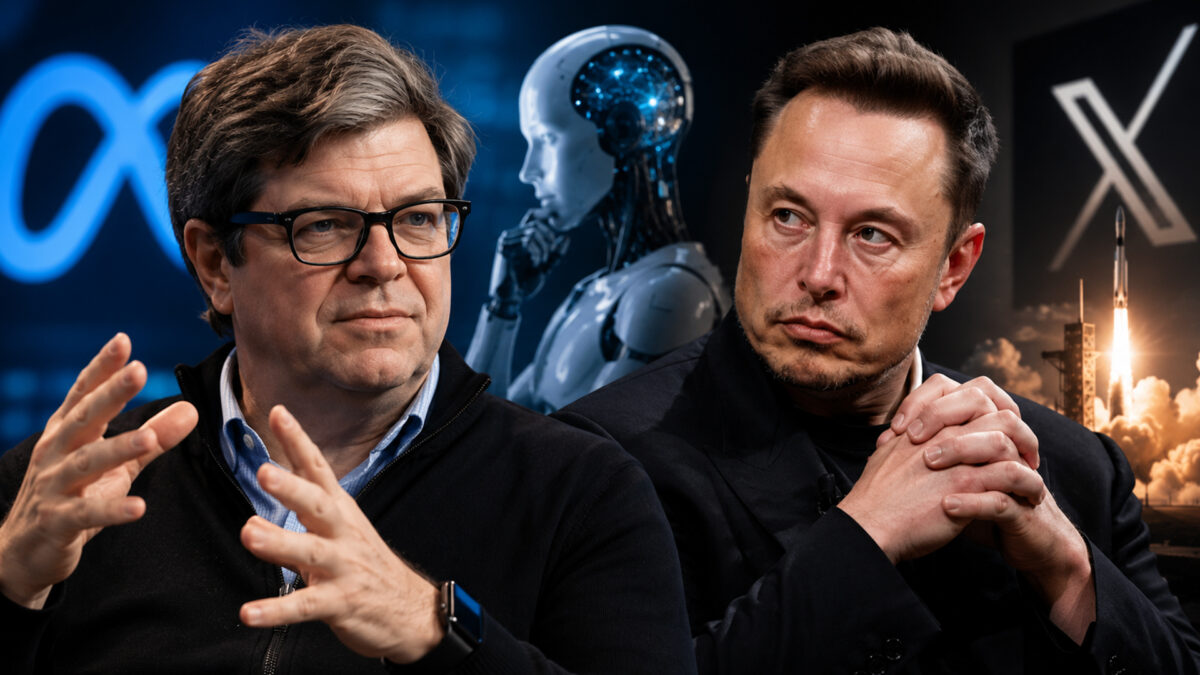
Musk unfollows Meta AI chief, sparks online buzz

A simple social media action by Elon Musk has triggered widespread discussion online after the billionaire unfollowed Meta’s Chief AI Officer Alexandr Wang on X. The move quickly caught the attention of users, many of whom linked it to the growing competition between leading artificial intelligence companies.

The speculation gained momentum after a screenshot showing Musk no longer following Wang began circulating on social media. Wang, who recently joined Meta to lead its artificial intelligence efforts, responded with a light-hearted comment: “Can’t we be friends?” His playful reply quickly went viral, with many users appreciating the humour amid increasing rivalry in the AI industry.

The exchange comes at a time when competition among major technology companies is intensifying. Meta has been aggressively investing in artificial intelligence, recruiting top researchers and expanding its AI capabilities to compete with rivals including OpenAI, xAI and Google.

Wang’s appointment at Meta has attracted significant attention across the technology industry. Before joining the company, he co-founded Scale AI and became one of the youngest self-made billionaires. Reports have also described him as one of Meta’s highest-paid executives, reflecting the company’s determination to strengthen its AI leadership.

Musk, who leads xAI while also owning X, has frequently criticised Meta’s AI strategy and openly discussed the competitive race to develop advanced artificial intelligence systems. Although he has not publicly explained why he unfollowed Wang, the move has fuelled speculation about growing tensions between the industry’s biggest players.

Social media users were quick to react, with many treating the incident as another chapter in the increasingly public rivalry among technology leaders. Others pointed out that following and unfollowing accounts on social media often carries symbolic significance, especially when it involves prominent figures in the AI sector.

Neither Musk nor Meta has issued an official statement on the matter beyond Wang’s brief response. However, the episode once again highlights how even small online actions by influential technology leaders can dominate conversations and spark debate across the digital world.

Also Read: Sunil Bharti Mittal bets on AI, cloud for future growth

Categories
Leaders

Sunil Bharti Mittal bets on AI, cloud for future growth

Bharti Airtel is looking beyond traditional telecom services, with Chairman Sunil Bharti Mittal identifying artificial intelligence (AI), cloud computing, data centres and financial services as the company’s key growth drivers for the future. He said India’s digital economy is entering a new phase, creating fresh opportunities for telecom companies to expand beyond connectivity.

Speaking about Airtel’s long-term strategy, Mittal said the rapid adoption of AI and the rollout of 5G networks will significantly increase demand for digital infrastructure. He believes telecom operators will play a central role in supporting businesses and consumers as data usage continues to grow.

Airtel plans to strengthen its presence in data centres and cloud services to cater to the rising digital needs of enterprises. With more companies shifting their operations online and embracing AI-powered technologies, the demand for secure data storage and cloud-based solutions is expected to increase substantially in the coming years.

Mittal also highlighted financial services as another important area of expansion. He said digital payments, banking and other financial products are becoming increasingly integrated into the telecom ecosystem, creating new revenue opportunities while improving customer engagement.

According to Mittal, India’s digital transformation is still at an early stage, with significant room for growth in areas such as enterprise connectivity, cybersecurity, cloud computing and AI-enabled services. He stressed that investments in digital infrastructure will be critical to supporting the country’s economic growth and technological ambitions.

The Airtel chairman said 5G is more than just faster internet speeds. It will enable emerging technologies, including AI, the Internet of Things (IoT) and smart manufacturing, helping businesses improve productivity and efficiency across industries.

Also Read: Mercedes-Benz clarifies E20 fuel compatibility

Categories
Leaders

Xbox Chief Asha Sharma to lead US jobs taskforce

Microsoft executive and Xbox CEO Asha Sharma has been appointed to lead a new US Jobs Task Force, a move aimed at helping workers prepare for the changing demands of an economy increasingly shaped by artificial intelligence and emerging technologies.

The announcement comes shortly after Microsoft laid off around 3,200 employees, including staff across several business divisions. While the timing has drawn attention, the company says the new task force is focused on the long-term challenge of equipping workers with skills needed for future jobs rather than responding directly to the recent layoffs.

The task force will bring together leaders from business, education and public policy to identify ways of improving workforce training, expanding digital skills and helping more people adapt to rapidly changing workplaces. Artificial intelligence, automation and other advanced technologies are expected to reshape millions of jobs over the coming years, increasing the need for continuous learning and reskilling.

Sharma, who has held leadership roles across Microsoft’s AI and consumer businesses before taking charge of Xbox, is expected to guide discussions on how technology companies can work with governments and educational institutions to create better employment opportunities.

Industry experts say the appointment reflects a growing recognition that AI will transform the nature of work rather than simply replace jobs. Many companies are now investing in programmes that help employees develop new technical and digital skills to remain competitive in the evolving job market.

The announcement has sparked discussion because it follows Microsoft’s latest round of workforce reductions. While some observers see a contrast between layoffs and the launch of a jobs initiative, others believe the move highlights the need to prepare workers for the next generation of careers shaped by AI and digital transformation.

Microsoft has said it remains committed to investing in artificial intelligence while supporting workforce development through partnerships and training initiatives. The company believes collaboration between businesses, governments and educators will be essential to help workers navigate technological change.

Also Read: Anthropic brings Reflect dashboard for Claude users