Categories
Leaders

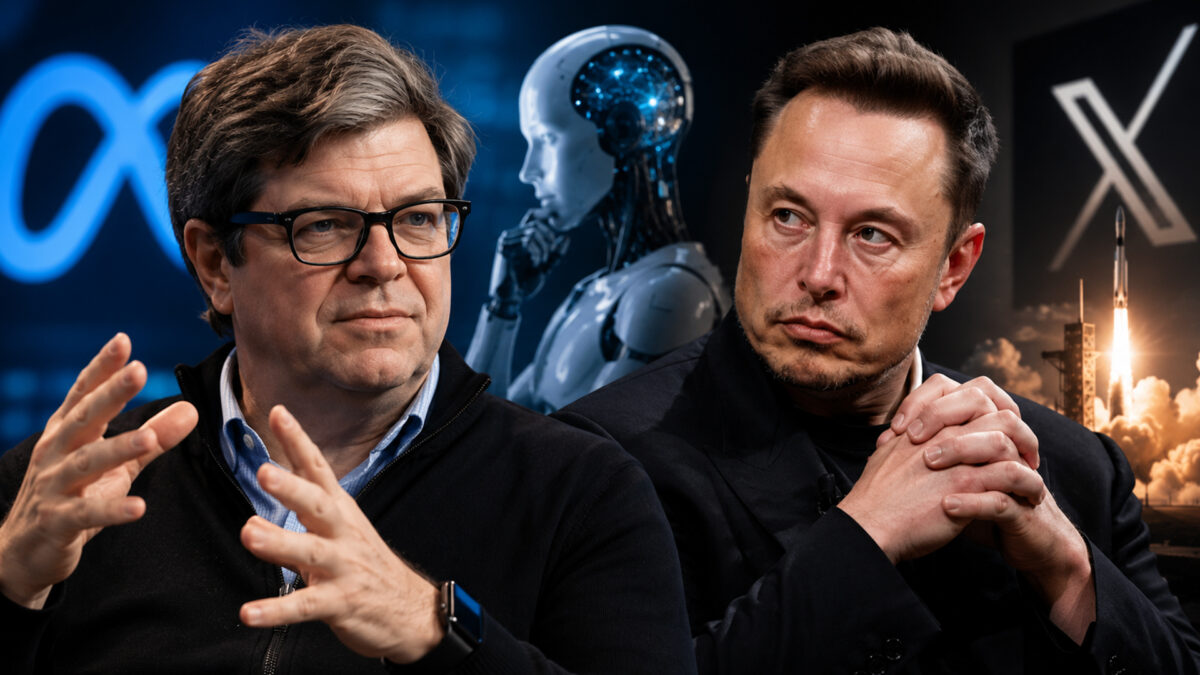
Musk unfollows Meta AI chief, sparks online buzz

A simple social media action by Elon Musk has triggered widespread discussion online after the billionaire unfollowed Meta’s Chief AI Officer Alexandr Wang on X. The move quickly caught the attention of users, many of whom linked it to the growing competition between leading artificial intelligence companies.

The speculation gained momentum after a screenshot showing Musk no longer following Wang began circulating on social media. Wang, who recently joined Meta to lead its artificial intelligence efforts, responded with a light-hearted comment: “Can’t we be friends?” His playful reply quickly went viral, with many users appreciating the humour amid increasing rivalry in the AI industry.

The exchange comes at a time when competition among major technology companies is intensifying. Meta has been aggressively investing in artificial intelligence, recruiting top researchers and expanding its AI capabilities to compete with rivals including OpenAI, xAI and Google.

Wang’s appointment at Meta has attracted significant attention across the technology industry. Before joining the company, he co-founded Scale AI and became one of the youngest self-made billionaires. Reports have also described him as one of Meta’s highest-paid executives, reflecting the company’s determination to strengthen its AI leadership.

Musk, who leads xAI while also owning X, has frequently criticised Meta’s AI strategy and openly discussed the competitive race to develop advanced artificial intelligence systems. Although he has not publicly explained why he unfollowed Wang, the move has fuelled speculation about growing tensions between the industry’s biggest players.

Social media users were quick to react, with many treating the incident as another chapter in the increasingly public rivalry among technology leaders. Others pointed out that following and unfollowing accounts on social media often carries symbolic significance, especially when it involves prominent figures in the AI sector.

Neither Musk nor Meta has issued an official statement on the matter beyond Wang’s brief response. However, the episode once again highlights how even small online actions by influential technology leaders can dominate conversations and spark debate across the digital world.

Also Read: Sunil Bharti Mittal bets on AI, cloud for future growth

Categories
Leaders

Zuckerberg–Wang rift surfaces at Meta

Meta Platforms’ ambitious artificial intelligence push is facing internal strain, with reports of growing differences between CEO Mark Zuckerberg and the company’s top AI executive, Alexandr Wang. The friction comes barely months after Meta made one of its biggest bets in the sector, investing over $14 billion to acquire a 49 percent stake in Scale AI and bringing its founder Wang on board as Meta’s Chief AI Officer.

According to reports, the disagreement centres on leadership style, decision-making control, and the long-term direction of Meta’s AI investments. Wang is said to be unhappy with Zuckerberg’s close involvement in day-to-day AI decisions, viewing it as excessive micromanagement that limits autonomy and slows innovation. Zuckerberg, however, is known for taking direct charge of strategic priorities, especially in areas he sees as existential to Meta’s future.

At the heart of the dispute is a difference in vision. Wang and parts of the AI research team reportedly want Meta to focus on building cutting-edge “foundation models” that can compete directly with leading AI developers such as OpenAI and Google. This approach prioritises long-term breakthroughs over immediate commercial returns. In contrast, several long-serving Meta executives prefer a faster rollout of AI tools across products like Facebook, Instagram, and WhatsApp to strengthen advertising and user engagement.

These contrasting priorities have reportedly created an “us versus them” atmosphere inside Meta’s AI division. Some senior leaders are said to question whether Wang, despite his technical credentials, has sufficient experience managing AI initiatives at Meta’s massive scale, where investments are estimated to run into hundreds of billions of dollars over the coming years.

In response to the internal tensions, Zuckerberg has moved to tighten oversight of Meta’s AI operations. A recent organisational reshuffle placed key AI infrastructure and compute resources under direct reporting lines closer to the CEO. While not officially framed as a response to the disagreement, the change effectively reduces Wang’s independent control over critical parts of the AI stack.

The developments come at a crucial time for Meta, which has positioned AI as central to its future growth after years of heavy spending on the metaverse. Industry observers say the situation highlights a broader challenge faced by big tech companies: balancing visionary founders, high-value external hires, and the pressure to deliver both innovation and near-term business results in an intensely competitive AI race.

Also Read: RBI approves Japan’s SMBC India Bank subsidiary