Meta has made a significant leadership hire as it steps up its push into enterprise artificial intelligence, appointing MongoDB President and CEO Chirantan “CJ” Desai as its Chief Enterprise Platform Officer.
Desai has stepped down from MongoDB with immediate effect to join Meta, where he will report directly to CEO Mark Zuckerberg. His new mandate is to build and lead Meta Enterprise Platform, a newly created business aimed at bringing the company’s AI models, agents and developer tools to businesses.
The move puts an experienced enterprise technology executive at the centre of Meta’s effort to turn its growing AI capabilities into products that companies can use to build applications, automate work and serve customers.
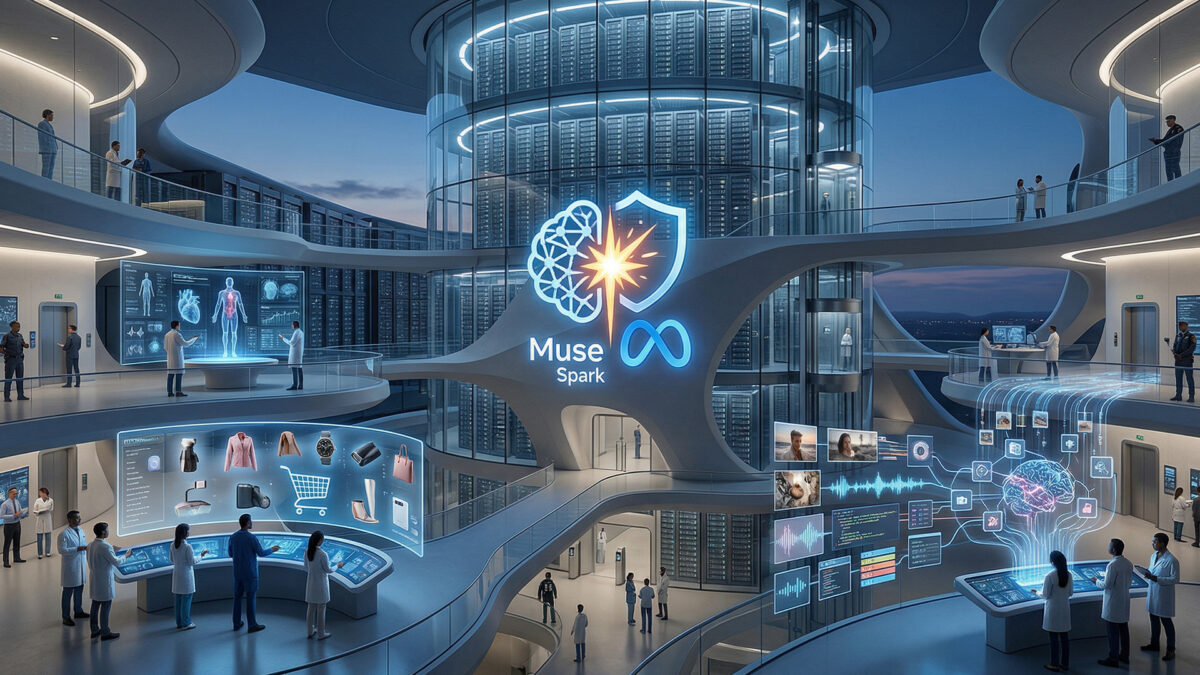
Zuckerberg described Meta Enterprise Platform as the “next major pillar” of the company’s business. The platform will initially bring together technologies including the Muse AI agent, Meta Business Agent, Muse API and Muse Code for businesses and developers.
Desai’s appointment comes less than a year after he became MongoDB’s CEO. He took over the database software company’s top job from Dev Ittycheria in November 2025, making his move to Meta a relatively early change in his tenure.
MongoDB moved quickly to manage the leadership transition. Its board appointed Ittycheria as interim President and CEO, effective immediately, while beginning a search for a permanent successor. The company has also retained an executive search firm to support the process.
The company said its business outlook remains unchanged and reaffirmed the guidance it issued on September 1. MongoDB is also holding its Investor Day on September 29, where its leadership team is expected to discuss its longer-term strategy, market opportunities and product development.
The leadership change triggered an immediate reaction in MongoDB shares. The stock fell sharply after Desai’s departure was announced, with Reuters reporting an 18% decline in morning trading.
The market reaction reflects the importance investors place on leadership continuity, particularly at technology companies competing in rapidly changing AI and cloud markets.
Desai brings a long enterprise-software career to Meta. Before joining MongoDB, he was President of Product and Engineering at Cloudflare. Earlier, he spent nearly eight years at ServiceNow, eventually becoming President and Chief Operating Officer. His career has also included leadership roles at Oracle, Symantec and EMC.
His background covers several areas that are central to Meta’s new enterprise strategy, including software platforms, infrastructure, AI, security, product development and business applications.
That experience is particularly relevant to Meta’s latest ambition. The company has historically generated the bulk of its revenue from advertising across Facebook, Instagram and its other platforms. Its enterprise AI push represents an effort to take its technology directly to corporate customers and developers.
Meta says its enterprise platform will use the company’s existing strengths in AI models, agents, infrastructure and its relationships with businesses. The company already works with millions of advertisers and hundreds of millions of businesses across its platforms.
Desai said AI will reshape how organisations innovate, grow, serve customers and run their operations. He said Meta’s goal is to turn its AI technology into products and services that companies can deploy within their own businesses, with security and privacy built into its enterprise products.
The appointment also comes as enterprise AI becomes an increasingly important market for technology companies. Businesses are looking beyond chatbots towards AI agents, coding assistants, automated workflows and tools that can be integrated into existing software systems.
Meta has already been moving in that direction. Its Meta Business Agent is designed to help businesses interact with customers through platforms including WhatsApp, Messenger and Instagram, while its Muse tools are aimed at expanding the role of AI agents and developers.
Desai’s arrival gives Meta an executive with experience selling and scaling enterprise technology at several major software companies. His challenge now is to turn that experience into a new business for a company whose core strength has traditionally been consumer technology and digital advertising.
At MongoDB, meanwhile, Ittycheria returns to a company he led for 11 years, from 2014 to 2025. During his tenure, MongoDB grew from roughly $35 million in annual revenue to more than $2.3 billion, according to the company.
The board has described the business as strong and said Ittycheria’s familiarity with MongoDB, its employees and customers will help ensure continuity while the search for a permanent CEO continues.
The leadership changes at both companies highlight how quickly the AI boom is reshaping the technology industry. For Meta, Desai’s appointment signals that enterprise AI is becoming a central part of its next phase. For MongoDB, the immediate priority is maintaining momentum while it searches for its next permanent leader.