Categories
Beyond

Kevin Warsh faces rate-policy divide

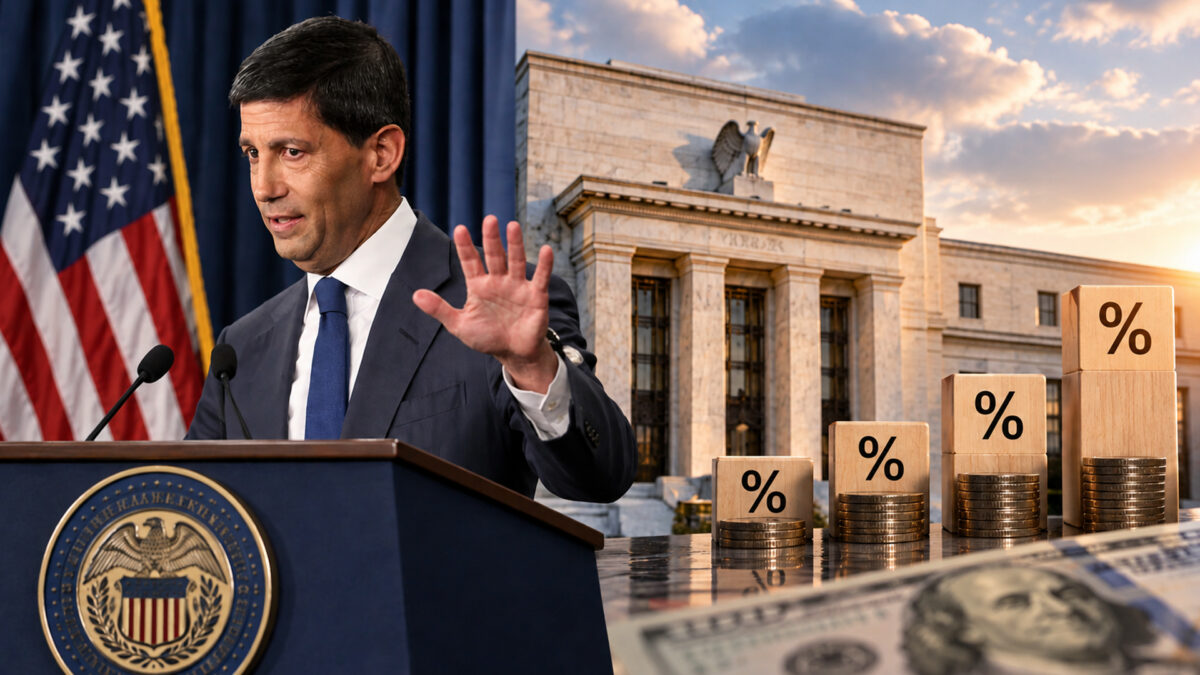
Kevin Warsh is facing an early and unusually difficult test as chairman of the US Federal Reserve, after a sharp split emerged within the central bank over interest rates and the best way to control inflation.

The Federal Open Market Committee (FOMC) kept the federal funds rate unchanged at 3.5% to 3.75% at its July 28-29 meeting. But the decision was far from unanimous. Three officials voted for a 25-basis-point rate increase, leaving the final vote at 9-3. It was the first time since 1993 that three Fed policymakers dissented in favour of a rate hike.

The disagreement puts Warsh, who took over as Fed chair earlier this year, in a challenging position. His immediate task is not simply to decide where interest rates should go, but also to keep policymakers working together while maintaining confidence in the US central bank.

Warsh has repeatedly stressed the importance of price stability and has adopted a more data-driven approach to monetary policy. After the latest meeting, he indicated that the Fed would remain focused on bringing inflation back towards its 2% target. The central bank has kept rates unchanged throughout 2026 so far, as policymakers weigh persistent inflation against the health of the labour market and wider economic risks.

The three dissenters wanted rates to rise immediately, reflecting concern that inflation remains too high. The majority, however, preferred to wait for more evidence before tightening monetary policy.

That difference matters because the US economy is presenting the Fed with competing signals. Economic activity remains relatively solid, while productivity and capital investment have been strong. At the same time, inflation remains above the Federal Reserve’s 2% goal. The central bank has also been monitoring the impact of energy prices, geopolitical tensions and other supply-side pressures.

For households and businesses, the Fed’s decision has wider implications. Higher interest rates can make borrowing more expensive for consumers and companies, while keeping rates higher for longer can weigh on investment and spending. A premature rate cut, on the other hand, could risk allowing inflation to remain stubbornly high.

Financial markets are therefore watching Warsh’s every signal. Investors are trying to determine whether the July decision represents a temporary pause or the beginning of a longer period of tight monetary policy.

The bond market has already reflected some of that uncertainty. Treasury yields have moved higher this year, while investors have been reassessing expectations for the path of US interest rates. The Fed’s own July monetary policy report noted that market expectations had shifted towards higher rates, with investors at the time pricing the federal funds rate at around 4% by the end of 2026.

Warsh’s communication style is also attracting attention. Rather than offering strong forward guidance about future rate moves, he has indicated that the Fed should allow incoming economic data and financial conditions to shape decisions. That approach gives policymakers more flexibility, but it can also leave investors with fewer clear signals about what comes next.

The challenge is particularly important because the Federal Reserve’s credibility depends not only on its decisions but also on its ability to present a coherent policy message. A visibly divided FOMC can make markets more uncertain and complicate the transmission of monetary policy.

The disagreement does not necessarily mean the Fed is in crisis. Policymakers have always held different views about inflation, employment and interest rates. But the size and direction of the July split make it an important moment for Warsh’s leadership.

The chairman will also have to balance competing pressures from outside the Fed. President Donald Trump has previously pushed for lower interest rates, while Warsh has sought to emphasise the central bank’s responsibility for price stability. Maintaining the Fed’s policy independence will therefore remain an important part of his job.

The July meeting also showed how difficult the current economic environment has become. Policymakers must assess inflation without ignoring employment, economic growth, financial markets and geopolitical developments. The Middle East conflict, in particular, has added uncertainty around energy prices and inflation.

The Fed’s internal split could also shape expectations for the dollar, US Treasury yields and global markets. Any signal that policymakers are leaning towards higher rates could strengthen the dollar and push borrowing costs higher worldwide, while a shift towards rate cuts could have the opposite effect. For investors, the focus will now remain on upcoming inflation and jobs data, as well as how Warsh manages differing views within the FOMC.

Categories
Leaders

Fed Chief Warsh reaffirms strong fight against inflation

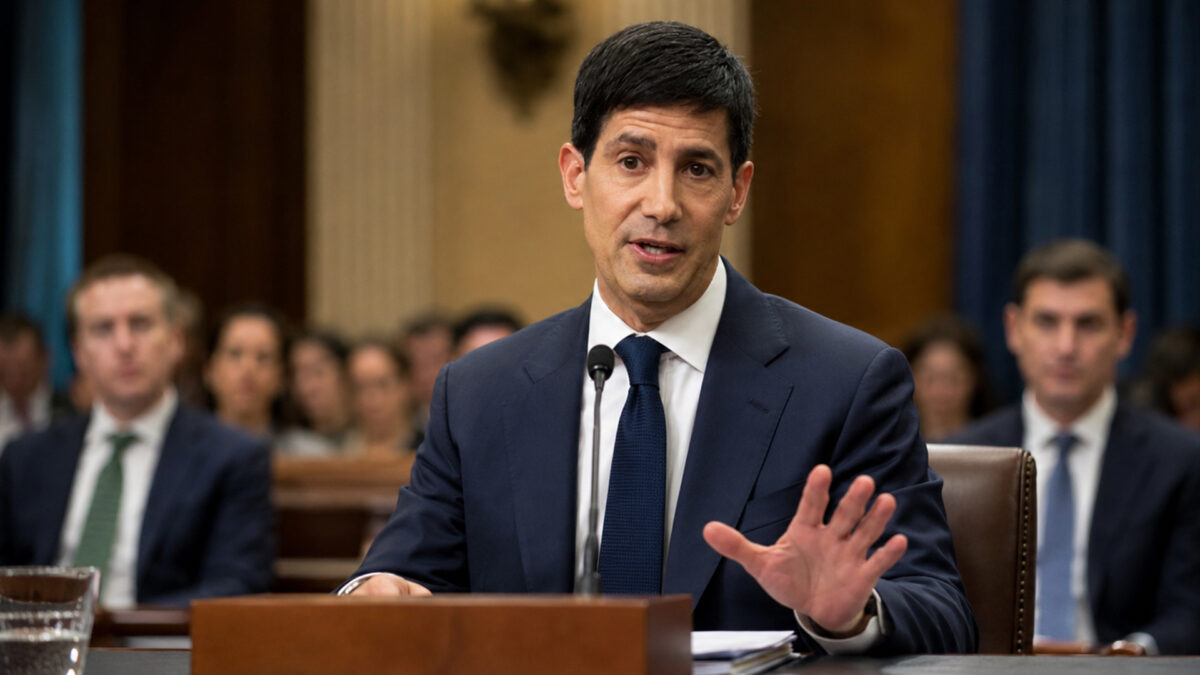
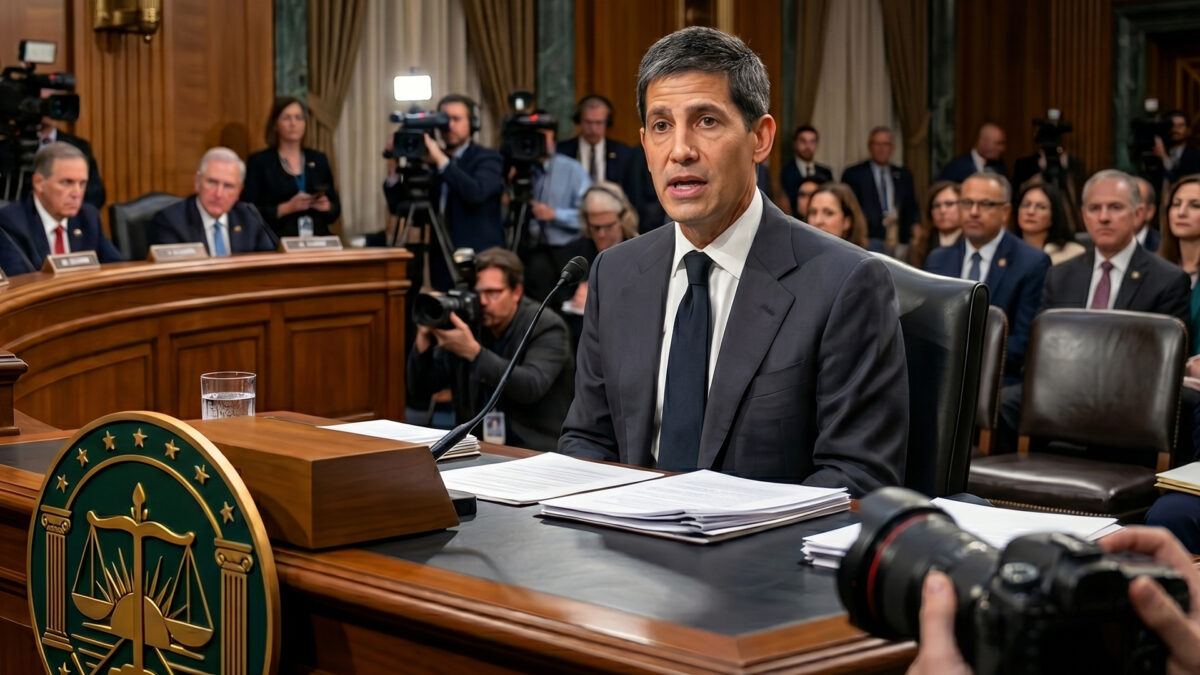
US Federal Reserve Chair Kevin Warsh has assured lawmakers that the central bank remains firmly committed to bringing inflation under control, saying it has “no tolerance” for persistently high price growth.

Testifying before Congress, Warsh said keeping inflation low and stable remains the Federal Reserve’s top priority because rising prices reduce household purchasing power and create uncertainty for businesses. He stressed that the central bank will continue to make policy decisions based on incoming economic data rather than short-term market expectations.

Warsh acknowledged that inflation has eased significantly from its recent highs but said the Fed cannot become complacent. He noted that while progress has been encouraging, policymakers need greater confidence that inflation is moving sustainably towards the central bank’s long-term target before considering major policy changes.

The Fed chief also highlighted the resilience of the US economy, pointing to a strong labour market and steady consumer spending. However, he cautioned that global uncertainties and trade-related developments continue to pose risks to the economic outlook.

During the hearing, lawmakers questioned Warsh on interest rates, employment and the broader direction of monetary policy. He reiterated that the Federal Reserve’s decisions will remain independent and guided by its dual mandate of maintaining price stability and supporting maximum employment.

Warsh also addressed concerns about financial markets, saying the central bank is closely monitoring economic conditions while ensuring that monetary policy supports long-term stability rather than reacting to short-term fluctuations.

For households and businesses, the message was straightforward: while inflation has moderated, the Federal Reserve believes the fight is not yet over. Warsh stressed that restoring lasting price stability remains essential for sustainable economic growth, stronger consumer confidence and a healthy financial system.

Also Read: IBM misses revenue estimates on weak client spending

Categories
Beyond

Fed chief Warsh names members for reform panels

Federal Reserve Chair Kevin Warsh has named members of five new task forces that will review the US central bank’s policies and operations, bringing together experts from business, technology, finance and academia to help shape its future direction.

The advisory panels have been formed to examine important areas including monetary policy communication, the Federal Reserve’s balance sheet, economic data, productivity and employment, and the central bank’s inflation framework. Their recommendations are expected to help the Fed adapt to changing economic conditions and technological advancements.

The task forces include several well-known names from across industries. Venture capitalist Marc Andreessen, Walmart CEO Doug McMillon, former Reserve Bank of India Governor Raghuram Rajan, economist Greg Mankiw, Nobel laureate Thomas Sargent, economist Raj Chetty, former Bank of England Governor Mervyn King, and former Brazilian central bank chief Arminio Fraga are among those selected.

According to the Federal Reserve, the panels will provide independent advice and fresh perspectives on issues that are becoming increasingly important for policymakers. One group will focus on improving how the central bank communicates its decisions, while others will study the impact of artificial intelligence, labour productivity, inflation trends and the use of economic data in policymaking.

Warsh said the initiative reflects the need for the Federal Reserve to evolve alongside a rapidly changing global economy. He noted that insights from leaders across different sectors would help strengthen the institution’s ability to respond to future economic challenges.

The task forces will act in an advisory role, with any policy changes continuing to require approval through the Federal Reserve’s established decision-making process.

Also Read: Delhi HC upholds Vedanta’s ₹950 cr arbitration award

Categories
Leaders

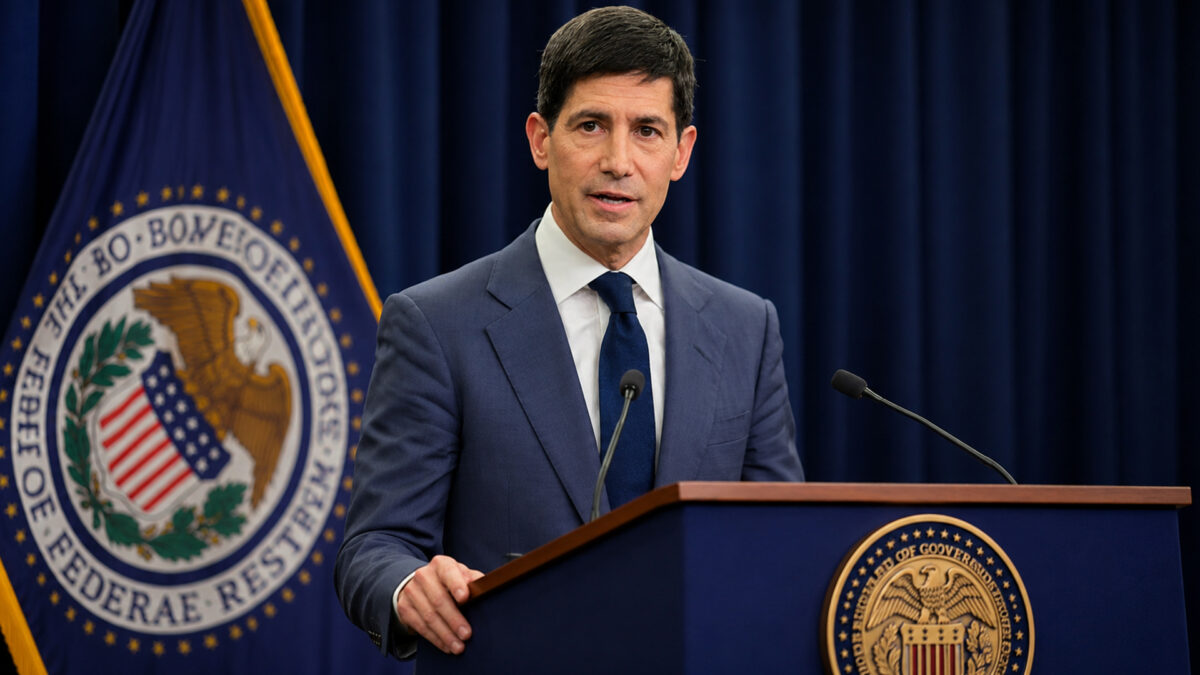
New Fed chief Kevin Warsh signals policy shift

All eyes are on the US Federal Reserve as its new Chair, Kevin Warsh, prepares to chart the central bank’s course at a time of persistent inflation concerns and uncertainty over future interest rate moves.

Warsh’s first policy meeting and press conference as Fed chief are being closely watched by investors, economists and policymakers looking for clues on how he plans to steer the world’s most influential central bank. Markets are particularly interested in whether he will signal a shift in interest-rate policy after years of aggressive efforts to curb inflation.

The former Federal Reserve governor has indicated support for a broad review of the institution’s policy framework and operations. Analysts say his leadership could bring changes in how the Fed communicates its decisions, manages inflation risks and balances economic growth with price stability.

Inflation in the United States has eased from its post-pandemic highs but remains a key concern for policymakers. While some economists believe the Fed may have room to lower interest rates in the coming months, others caution that inflationary pressures could persist, requiring a more cautious approach.

Warsh has argued that restoring confidence in the Fed’s inflation-fighting credibility should remain a priority. He has also spoken about the need for greater accountability and transparency within the central bank, positions that have attracted attention from both supporters and critics.

For ordinary Americans, the Fed’s decisions have a direct impact on everyday life. Interest-rate changes influence borrowing costs for mortgages, car loans and credit cards, while also affecting savings returns, business investment and employment prospects.

Investors are expected to scrutinise Warsh’s remarks for indications on the timing of future rate cuts and his broader economic outlook. Financial markets have remained sensitive to any signals that could influence expectations for growth, inflation and monetary policy.

Also Read: TCS faces $70 mn change in DXC case

Categories
Leaders

Kevin Warsh becomes US Federal Reserve Chair

Kevin Warsh has been sworn in as the new Chair of the Federal Reserve System, taking over leadership of the US central bank at a time of heightened economic uncertainty and shifting monetary policy expectations.

His appointment marks a significant transition in US economic leadership. Warsh, who previously served as a governor of the Federal Reserve, returns with prior experience in managing financial stability issues and guiding monetary responses during periods of economic stress.

As chair, he will oversee the Federal Reserve’s core responsibilities, including setting benchmark interest rates, managing inflation, and ensuring stability in the banking system. His leadership comes as policymakers continue to balance inflation control with concerns over economic growth and employment.

In his first remarks after being sworn in, Warsh emphasized the importance of maintaining price stability as a priority while still supporting long-term economic expansion. He is widely expected to adopt a more cautious stance on interest rate cuts, with a stronger focus on controlling inflation before easing monetary conditions.

Financial markets are closely watching his appointment, as changes in Fed leadership often influence investor expectations around borrowing costs, currency movements, and equity market trends.

Also Read: Airbnb expands beyond home stays with new travel services

Categories
Beyond

Kevin Warsh confirmed to US Federal Reserve Board

The US Senate has confirmed economist Kevin Warsh to the Federal Reserve Board, bringing him one step closer to leading the country’s central bank at a crucial time for the American economy.

Warsh, a former Federal Reserve governor, was approved after a closely watched Senate vote that reflected sharp political divisions in Washington. His confirmation comes as the US continues to deal with inflation concerns, high interest rates and uncertainty caused by global conflicts and rising energy prices.

With his return to the Federal Reserve, attention is now turning to whether he could soon replace current Fed Chair Jerome Powell, whose term is nearing its end.

Warsh is no stranger to the institution. He previously served on the Federal Reserve Board during the 2008 global financial crisis and was involved in some of the key decisions taken during that period. Over the years, he has also worked in finance, law and economic policy.

Supporters describe him as experienced and capable of handling difficult economic conditions. However, his nomination has also sparked debate, especially among Democrats who questioned whether the Federal Reserve would remain politically independent under his leadership.

During his confirmation hearing, Warsh said the central bank must continue to make decisions independently and focus on controlling inflation and supporting economic stability.

The Federal Reserve plays a major role in shaping the US economy by deciding interest rates and managing inflation. Any change in its leadership is closely watched by investors, businesses and governments around the world because Fed decisions often influence global financial markets.

The confirmation also comes during a sensitive period for the global economy, with concerns over slowing growth, geopolitical tensions and volatility in oil prices affecting markets worldwide.

Also Read: Samsung enters India’s refurbished phone market

Categories
1 Minute-Read

Trump’s Fed Chair nominee Warsh promises independence

Kevin Warsh, US President Donald Trump’s nominee for Federal Reserve chair, told senators he would protect the central bank’s independence if confirmed.

During his Senate hearing, Warsh rejected criticism that he would follow Trump’s political agenda. He said interest-rate decisions would be based on economic data and long-term stability.

Warsh also criticised the Fed’s past handling of inflation, saying it must rebuild credibility. His nomination is being closely watched as the Federal Reserve plays a major role in controlling inflation, borrowing costs and guiding the US economy.

Categories
Leaders

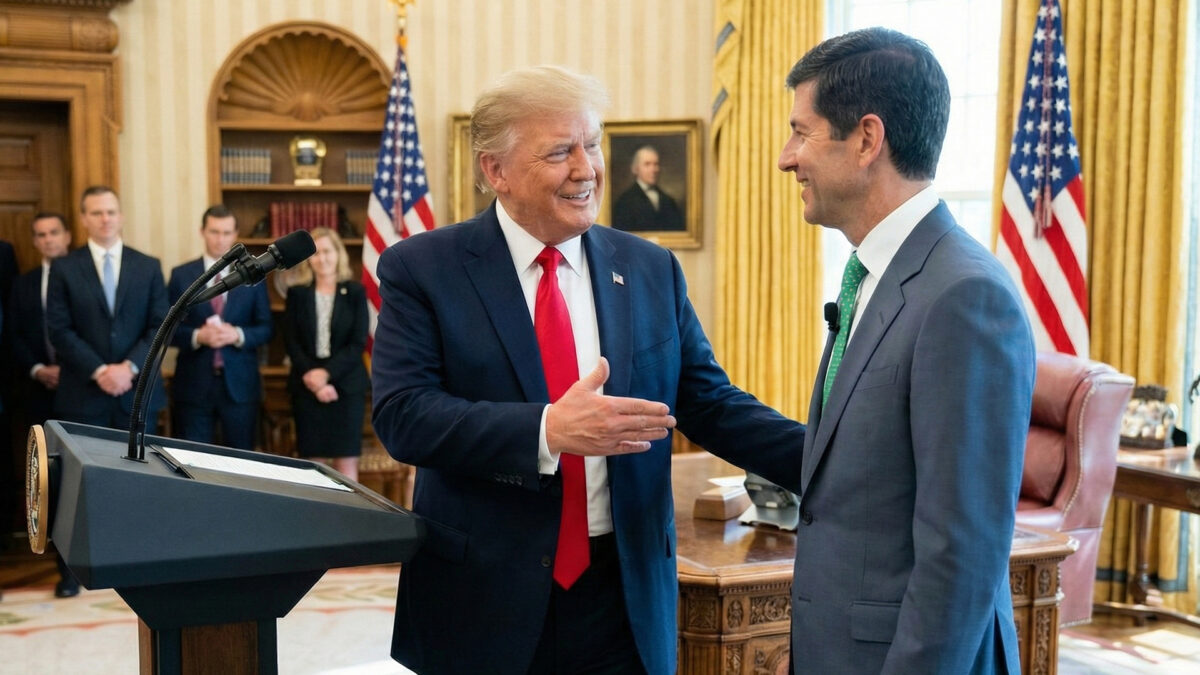
Trump to nominate Kevin Warsh as Federal chair

US President Donald Trump is expected to name Kevin Warsh as the next chair of the Federal Reserve, a move that could shape the future direction of America’s central bank. While the White House has not yet made a formal announcement, reports suggest the decision is imminent.

Kevin Warsh is not a new face in Washington or on Wall Street. He served as a Federal Reserve governor in the past and has long been seen as a serious contender for the top job. Known for his deep understanding of financial markets and monetary policy, Warsh has been close to the centre of economic decision-making during periods of crisis and recovery.

Trump has repeatedly expressed dissatisfaction with the current Fed chair, Jerome Powell, mainly over interest rate policy. The president has argued that rates should be cut faster to support economic growth. Powell’s term is set to end later this year, opening the door for new leadership at the central bank.

If confirmed, Warsh would step into the role at a sensitive time for the US economy. Inflation concerns have eased compared to previous years, but questions remain over growth, borrowing costs and global uncertainty. Investors and economists are closely watching how the next Fed chair might balance inflation control with the need to support jobs and expansion.

Financial markets reacted cautiously to reports of Warsh’s likely nomination. The US dollar strengthened slightly and bond yields moved higher, reflecting expectations that Warsh may take a more traditional and disciplined approach to monetary policy compared to some other potential candidates.

Supporters believe Warsh’s experience could bring stability and predictability to the Federal Reserve. They see him as someone who understands both government policymaking and market realities, which could help restore confidence during uncertain times.

However, the expected nomination has also revived concerns about political pressure on the central bank. Critics worry that Trump’s open criticism of the Fed could threaten its independence, a principle seen as crucial for maintaining long-term economic stability.

Warsh will need approval from the US Senate before taking charge. His confirmation hearings are likely to be closely followed, as lawmakers question him on interest rates, inflation, and the Fed’s independence.

Also Read: Tata Motors Q3 profit ₹705 cr, down 48%