Categories
Leaders

Mehli Mistry challenges removal from Tata Trusts

A governance dispute has surfaced within Tata Trusts after former trustee Mehli Mistry challenged his removal from the organisation, alleging that the decision was unlawful and violated established procedures.

Mistry, a veteran chartered accountant and younger brother of late industrialist Pallonji Mistry, has questioned the circumstances surrounding his ouster from the influential philanthropic body that holds a significant stake in the Tata Group. In a detailed communication, he reportedly argued that his removal was carried out without following due process and lacked adequate justification.

The controversy has drawn attention because of Tata Trusts’ crucial role in overseeing charitable activities and its influence over the Tata Group, one of India’s largest business conglomerates. Mistry had been associated with the trusts for several years and was regarded as an experienced voice on governance and financial matters.

In his objections, Mistry raised concerns about governance practices and potential conflicts of interest within the trust structure. He reportedly questioned whether certain decisions were being taken in accordance with the principles of transparency, accountability and fiduciary responsibility expected from a public charitable institution.

According to reports, Mistry contended that the removal process did not comply with the trust deed and relevant governance norms. He also sought greater clarity regarding the reasons cited for his exit and the procedures followed by the trust leadership.

Tata Trusts, however, has maintained that its decisions are taken in accordance with applicable rules and governance frameworks. The organisation has not publicly accepted Mistry’s allegations and is understood to be standing by the decision taken by its board.

The dispute comes at a time when Tata Trusts is undergoing changes in leadership and governance following the appointment of Noel Tata as chairman. Observers note that the matter could attract wider attention because of the trust’s importance within the Tata ecosystem and its role in guiding long-term philanthropic and strategic initiatives.

Corporate governance experts say the episode highlights the growing scrutiny of governance standards at large charitable institutions and business-linked trusts.

Also Read: Gold rises to ₹1,53,170, silver falls to ₹2,59,900

Categories
Leaders

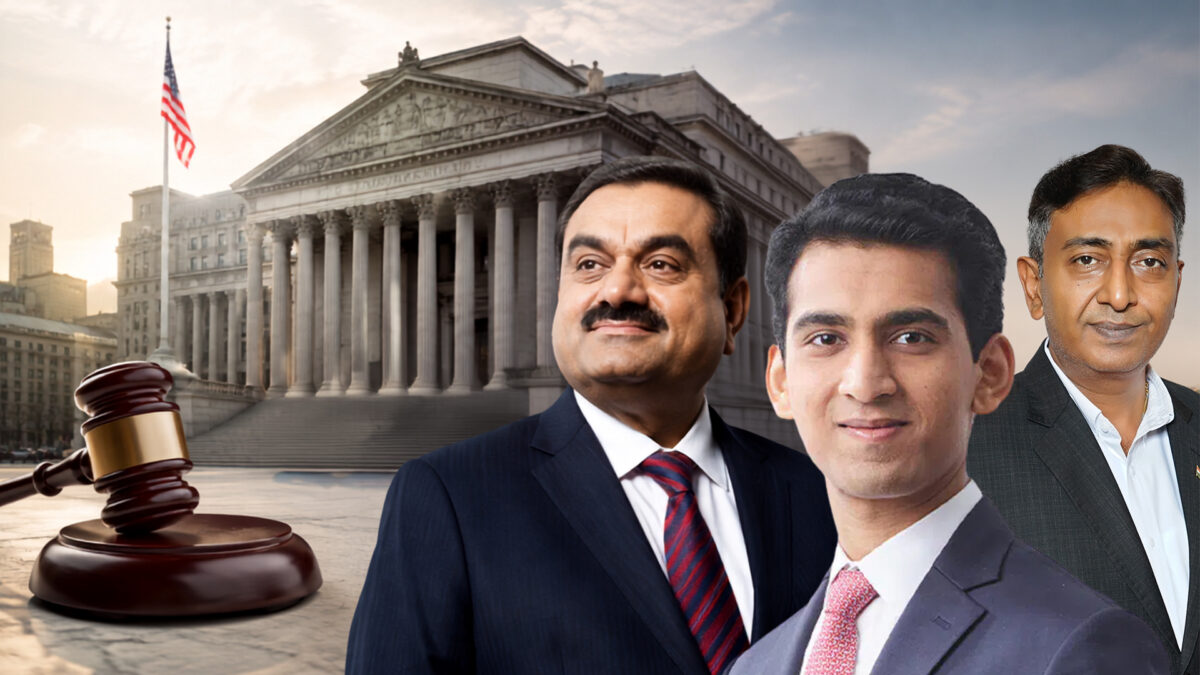
Gautam Adani reclaims title of Asia’s richest person

Billionaire industrialist Gautam Adani has once again become Asia’s richest person after a sharp rise in the market value of Adani Group companies boosted his personal wealth.

According to the latest Forbes Real-Time Billionaires rankings, Adani’s net worth has climbed to approximately $89.2 billion, allowing him to move ahead of Mukesh Ambani and Masayoshi Son in the race for the top spot in Asia. The surge comes after strong gains across several listed Adani Group firms in recent weeks.

The rally has been driven by investor confidence in key group companies, including ports, energy, power and infrastructure businesses. Shares of several Adani firms have recorded notable gains, increasing the combined market value of the conglomerate and significantly adding to the chairman’s fortune.

For much of the past few years, the title of Asia’s richest person has shifted between Adani and Ambani, reflecting movements in the stock prices of their respective business empires. More recently, SoftBank founder Masayoshi Son had briefly moved ahead of both Indian billionaires, aided by gains linked to the global artificial intelligence boom. However, market fluctuations have once again altered the rankings.

Adani’s return to the top marks another milestone in the recovery of the Adani Group, which has faced periods of volatility and regulatory scrutiny in recent years. Despite these challenges, the group has continued to expand its presence across infrastructure, renewable energy, logistics and other sectors.

Also Read: Crude oil climbs 4%, extending weekly gains

Categories
Leaders

AI speeds up drug development says AstraZeneca CEO

AstraZeneca is increasingly turning to artificial intelligence (AI) to improve how new medicines are discovered and developed, with the company saying the technology is helping scientists make better decisions and improve the odds of success.

Speaking at a recent industry event, AstraZeneca Chief Executive Officer Pascal Soriot said AI is changing the way pharmaceutical research is carried out. By processing huge volumes of data quickly, AI helps researchers spot promising drug candidates earlier and avoid spending time and money on projects that are unlikely to work.

Developing a new medicine is often a long and costly journey. It can take more than a decade and billions of dollars to bring a drug to market, and many candidates fail during clinical trials. Soriot said AI can help tackle these challenges by guiding researchers towards better choices from the start.

He stressed that AI is not replacing scientists. Instead, it acts as a powerful assistant, helping researchers analyse information faster and make more informed decisions. The goal is to combine human expertise with advanced technology to improve productivity across the company’s research programmes.

The pharmaceutical industry has been embracing AI at a rapid pace. Companies are using the technology to identify disease patterns, design new molecules, analyse clinical trial results and uncover potential treatments more efficiently than before.

AstraZeneca is among the major drugmakers investing heavily in AI-powered research tools. The company sees the technology as an important part of its strategy to speed up innovation and deliver better treatments to patients around the world.

Also Read: India plans to bring E85 fuel to cut oil imports

Categories
Leaders

Airbnb chief Brian Chesky set to start an AI startup

Airbnb Chief Executive Officer Brian Chesky is reportedly planning to launch a new artificial intelligence company, marking his most significant move into the rapidly growing AI sector. Despite the new venture, Chesky is expected to continue leading Airbnb and will remain actively involved in the company’s operations.

According to reports, the proposed AI venture is still in its early stages and is focused on developing advanced artificial intelligence models. The company may place particular emphasis on improving user interaction, product design and the overall experience people have while using AI-powered tools. Sources familiar with the plans said details of the project are still being finalized and could change as development progresses.

The new venture is reportedly being established as an independent AI lab, with Chesky backing the initiative while continuing in his role as Airbnb’s CEO. Reports indicate that he is not expected to serve as chief executive of the new company, although he will play a key role in its creation and direction.

Chesky has been a vocal supporter of AI’s potential. Under his leadership, Airbnb has expanded its use of artificial intelligence across several areas of its business, including software development and customer support. The company has previously disclosed that AI is playing an increasingly important role in improving productivity and enhancing user experiences.

The plan comes at a time when competition in artificial intelligence is intensifying, with major technology firms and startups investing heavily in new AI models and applications. Industry observers view Chesky’s decision as a sign that technology leaders are increasingly looking to shape the next phase of AI development rather than simply adopting existing tools.

Also Read: Kuku files confidential IPO papers to raise ₹3,500 cr

Categories
Leaders

Sam Altman opposes AI approval rules

As the United States debates new rules for artificial intelligence, OpenAI CEO Sam Altman has voiced opposition to proposals that would require government approval before the release of new AI models. He argues that such measures could slow innovation and weaken the country’s position in the global race for AI leadership.

Speaking ahead of discussions on AI regulation, Altman said developers should be allowed to release and improve AI models without having to secure prior approval from government agencies. He warned that a strict approval-based system could slow technological progress and make it harder for US companies to compete globally.

The debate comes as policymakers consider new rules to address concerns about the risks posed by advanced AI systems. Governments around the world are exploring ways to regulate the technology amid fears related to misinformation, cybersecurity, privacy and potential misuse.

Altman acknowledged the need for responsible AI development and appropriate safeguards but argued that mandatory approval requirements could create significant barriers for innovation. He said the AI industry is evolving rapidly and that overly restrictive regulations may prevent companies from responding quickly to technological advances.

The OpenAI chief is expected to advocate for a regulatory approach that focuses on safety standards, transparency and accountability rather than requiring official clearance before every major AI release. Supporters of this approach argue that it would allow innovation to continue while still addressing public concerns about the technology.

The discussion reflects a broader debate within the technology sector. Some experts believe governments need stronger oversight of powerful AI systems, while others warn that excessive regulation could stifle research and limit economic growth.

The United States is currently competing with countries such as China to establish leadership in artificial intelligence, making AI policy a key strategic issue. Industry leaders have repeatedly called for regulations that balance innovation with safety.

Also Read: Meta rolls out AI agents for businesses

Categories
Leaders

Wipro CEO Srinivas Pallia earns nearly ₹50 cr in FY26

Wipro Chief Executive Officer Srinivas Pallia earned nearly ₹50 crore in FY26, placing him among the highest-paid leaders in India’s IT industry.

According to Wipro’s annual report, Pallia received total compensation of around ₹49.5 crore during the financial year. His package included salary, performance-linked bonuses, allowances and stock-based incentives.

The CEO’s earnings were significantly higher than those of Wipro Chairman Rishad Premji, who received about ₹7 crore in FY26. Premji’s remuneration was nearly 50% lower than the previous year, making Pallia’s compensation almost seven times larger.

Pallia took charge as Wipro’s CEO in April 2024 following the exit of Thierry Delaporte. Since then, he has focused on improving efficiency, strengthening customer relationships and steering the company through a challenging global technology market.

The latest disclosures have renewed attention on executive compensation across India’s IT sector. Many technology firms increasingly tie leadership pay to business performance, shareholder value and long-term growth objectives.

The gap highlights how executive pay is structured at major technology companies, where a large portion of compensation is often linked to performance targets and long-term stock awards.

Compensation levels also vary widely across the industry depending on company size, financial performance and the structure of stock incentive programmes. Recent reports show that top executives at leading Indian IT firms continue to receive sizeable pay packages despite a challenging business environment.

The figures come at a time when the IT sector is navigating mixed market conditions. While demand for artificial intelligence, cloud services and digital transformation remains strong, companies continue to face cautious spending by clients and broader economic uncertainty.

Also Read: India’s tyre exports cross record ₹27,300 cr

Categories
Leaders

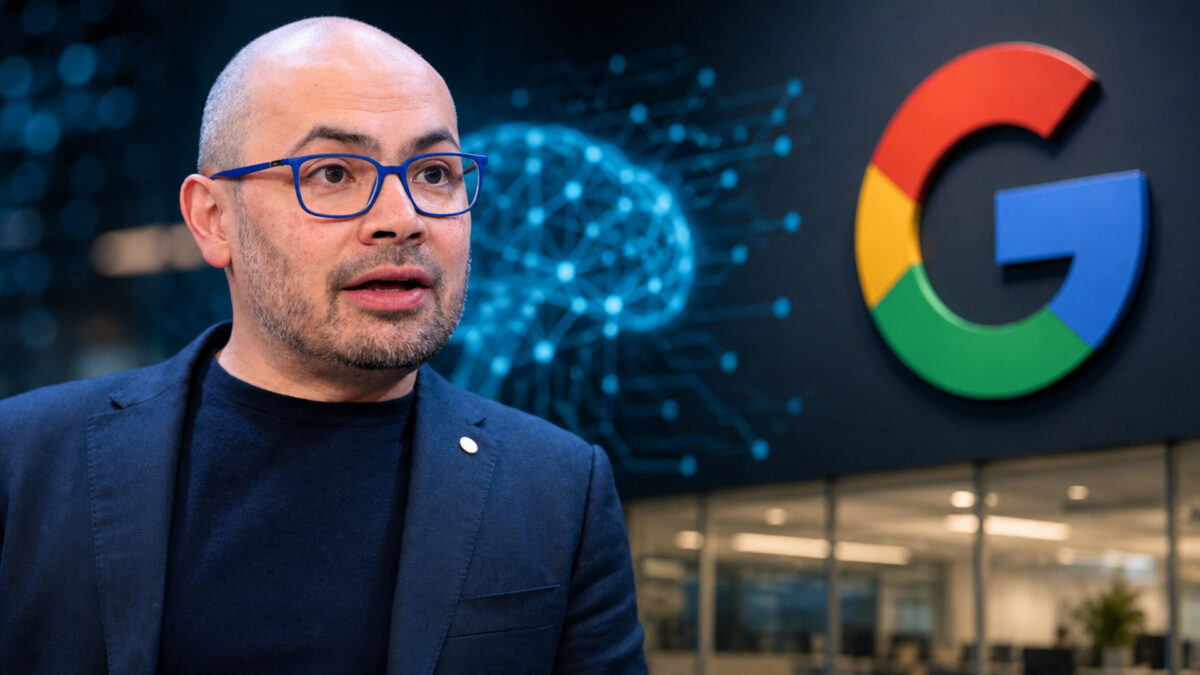
Google DeepMind CEO questions AI-led layoffs

Google DeepMind CEO Demis Hassabis has criticised the growing trend of technology companies using artificial intelligence as a reason for workforce reductions, arguing that AI should be used to increase innovation and productivity rather than eliminate jobs.

In a recent interview, Hassabis said several companies appear to have “got AI backwards” by treating productivity gains as an opportunity to reduce headcount. He argued that if AI tools enable engineers to become three or four times more productive, companies should focus on creating more products, conducting more research and pursuing ambitious projects instead of laying off employees.

His remarks come at a time when several major technology firms, including Meta, Amazon and other companies, have announced layoffs while increasing investments in artificial intelligence. Many of these firms have cited efficiency improvements from AI as one of the factors behind workforce restructuring.

Hassabis strongly disagreed with that approach, describing it as a “lack of imagination” and a failure to understand the long-term impact of AI. He suggested that some companies may be overstating the threat of AI-driven job displacement for reasons unrelated to the technology itself, including business or fundraising considerations.

The DeepMind chief also extended an informal invitation to engineers affected by recent layoffs. He said he has “a million ideas” spanning areas such as drug discovery, scientific research and game development, and would welcome talented engineers to work on such projects. According to Hassabis, AI should free up human talent to tackle bigger challenges rather than make skilled workers redundant.

His comments have added to a broader debate within the technology industry about the future of employment in the age of artificial intelligence.

Hassabis maintained that productivity gains from AI should be viewed as a chance to expand ambitions rather than shrink workforces. As AI tools become increasingly capable, he believes companies that invest in innovation and new ideas will be better positioned to benefit from the technology’s long-term potential.

Also Read: Coinbase launches direct INR trading services in India

Categories
Leaders

Infosys CEO gets 2.5% pay hike

Salil Parekh, Chief Executive Officer of Infosys, received a total compensation of ₹82.6 crore in FY26, marking a 2.5 per cent increase compared to the previous financial year.

According to the company’s latest disclosures, the rise in Parekh’s pay package was largely due to stock-based incentives, which continued to make up the biggest portion of his overall earnings. His compensation included salary, retiral benefits, variable performance pay and gains from restricted stock units granted under the company’s long-term incentive plans.

The increase comes at a time when Infosys, one of India’s largest IT services firms, is navigating a challenging global business environment marked by cautious client spending and slower demand in key markets. Despite these pressures, the company maintained its focus on digital services, artificial intelligence and large transformation deals.

Parekh has led Infosys since 2018 and has overseen several strategic initiatives, including expansion in digital services, cloud technologies and AI-led business solutions. Under his leadership, the company has strengthened its presence in global markets while continuing investments in technology and workforce development.

Company filings showed that stock incentives accounted for a significant share of Parekh’s total earnings, reflecting the growing trend among major technology firms to link executive compensation with long-term company performance and shareholder value.

The compensation disclosure has also drawn attention because executive pay remains a closely watched topic across the corporate sector, particularly as companies balance business performance, employee costs and investor expectations.

Infosys stated that the CEO’s remuneration was determined in line with company policies and approved compensation structures. The company regularly discloses executive pay details as part of its annual governance and regulatory requirements.

Also Read: Blue Origin’s New Glenn rocket explodes during ground test

Categories
Leaders

Warner Bros. CEO earns $165 mn in 2025

David Zaslav, CEO of Warner Bros. Discovery, has become the highest-paid media executive in the world in 2025 after receiving a compensation package worth nearly $165 million.

Zaslav leads Warner Bros. Discovery, one of the world’s biggest entertainment companies. The company owns major brands including HBO, CNN, Warner Bros., Discovery Channel, and the Max streaming platform.

Reports said most of Zaslav’s pay came from stock awards and performance-linked incentives. His package also included salary and bonuses. A large share of the amount reportedly came from special stock options connected to company restructuring plans.

The huge pay package has drawn attention because the media industry is currently facing financial challenges. Many companies are dealing with falling television revenues, strong competition in streaming, layoffs, and cost-cutting measures.

Warner Bros. Discovery itself has gone through major restructuring since the 2022 merger between WarnerMedia and Discovery. The company has reduced spending, cancelled some projects, and cut jobs as part of efforts to manage debt and improve profits.

Despite criticism, supporters say Zaslav has helped the company manage a difficult transition in the fast-changing entertainment business. Under his leadership, Warner Bros. Discovery has focused heavily on growing its streaming business and expanding global entertainment operations.

Zaslav joined Discovery in 2007 after working for nearly 20 years at NBCUniversal. He became head of Warner Bros. Discovery after the merger that combined Discovery and WarnerMedia into a single company.

Even with the criticism, Zaslav remains one of the most influential figures in the global entertainment industry and continues to play a key role in shaping the future of streaming and media worldwide.

Also Read: Anthropic hits $965 bn valuation, overtakes OpenAI

Categories
Leaders

Micron CEO Sanjay Mehrotra enters billionaire club

Micron Technology CEO Sanjay Mehrotra has joined the billionaire ranks as a surge in demand for AI infrastructure drives a powerful rally in memory chip stocks.

The jump comes as Micron’s valuation has soared amid a global shortage and rising prices for high-performance memory used in AI systems. Investors have poured into semiconductor companies that supply critical components for data centers powering artificial intelligence tools.

Mehrotra, who has led Micron since 2017, now has an estimated net worth of about $1.2 billion, according to recent estimates. His wealth increase closely tracks the company’s sharp stock performance over the past year.

Micron has become one of the key beneficiaries of the AI boom, especially due to its production of DRAM and high-bandwidth memory chips, which are essential for training and running advanced AI models. These chips are now in heavy demand from major cloud computing firms expanding their AI capacity.

The company’s position in the market has strengthened as supply struggles to keep up with demand, helping push up prices and margins across the industry. This shift has turned memory chips from a traditionally cyclical business into a central part of the AI supply chain.

Mehrotra, an industry veteran and co-founder of flash storage company SanDisk, has been credited with steering Micron through this transition. Under his leadership, the company has increasingly aligned its strategy with long-term AI and data center growth.

The broader semiconductor sector has also seen a re-rating, with investors viewing memory manufacturers as critical infrastructure players in the AI era rather than commodity suppliers.

Also Read: Samsung workers approve historic pay deal