Categories
Leaders

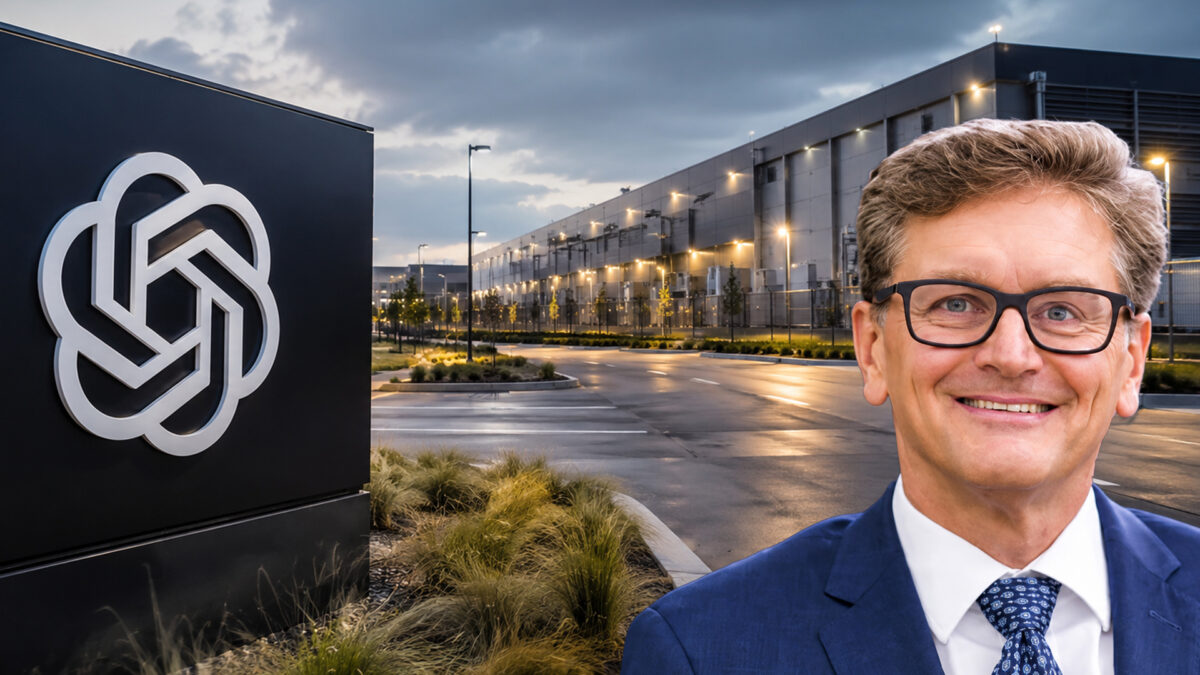
OpenAI data centre chief Chris Malone exits company

Chris Malone, OpenAI’s head of data centres, has left the company after roughly 17 months, becoming the latest senior executive to depart the ChatGPT maker as it undergoes major changes to its business and infrastructure strategy. OpenAI confirmed Malone’s exit this week but did not give a specific reason for his departure.

Malone joined OpenAI in March 2025 after spending more than a decade at Google and nearly five years at Meta, where he worked on data centre infrastructure. His experience made him a key hire for OpenAI as the company began pursuing one of the technology industry’s most ambitious plans to expand its computing capacity.

His departure comes at a particularly important moment for OpenAI. The company needs enormous amounts of computing power to train and operate increasingly sophisticated artificial intelligence models, while demand for ChatGPT and other AI products continues to grow.

OpenAI has been investing heavily in AI infrastructure, including through the Stargate project. The initiative was designed to build large-scale data centres and computing infrastructure in the United States, with OpenAI working with partners including Oracle and SoftBank. Malone was initially brought in to help oversee this broader infrastructure push.

The company, however, has been changing how it approaches data centre expansion. Instead of relying only on building new facilities, OpenAI is increasingly looking at leasing entire data centres to secure computing capacity. The shift could give the company more flexibility as it tries to expand quickly without taking on all the costs and risks associated with constructing and owning every facility itself.

OpenAI has also reorganised its infrastructure leadership. The company said earlier this year that it changed the structure of its infrastructure organisation to keep up with the scale and speed of its work. It said a strong and experienced data centre team remains in place with clear leadership.

That reassurance is important because data centres have moved from being a largely behind-the-scenes part of the technology industry to becoming central to the AI race. Powerful AI models require thousands of specialised chips running continuously in large facilities. Those facilities consume huge amounts of electricity and, depending on their cooling systems, significant quantities of water.

That demand has sparked growing opposition in parts of the United States. Communities and politicians are questioning whether the economic benefits promised by AI data centres justify their impact on local power supplies, water resources and the environment.

The backlash is becoming a bigger political issue as the US approaches the 2026 midterm elections. Data centre proposals are facing resistance in several states, with concerns ranging from higher electricity demand to water use and the effect of large industrial projects on local communities. Recent polling has also indicated widespread opposition to data centre construction near residential areas.

The timing creates an unusual challenge for OpenAI. The company cannot easily slow its infrastructure expansion because its competitors are pursuing the same goal. At the same time, spending hundreds of billions of dollars on computing capacity creates pressure to make sure those investments generate enough revenue.

OpenAI’s infrastructure ambitions have become especially large. Recent reports indicate that the company now expects its computing-related spending through 2030 to reach roughly $750 billion, higher than earlier estimates. The figure underlines how expensive the race to build next-generation AI systems has become.

One major project is taking shape in Ohio, where OpenAI and its partners are developing what is expected to be one of the world’s largest AI data centres. The project illustrates both sides of the current debate: supporters see major investment and job creation, while local residents and environmental groups have raised questions about energy use, pollution and the wider impact on the surrounding community.

Malone’s exit also adds to a noticeable wave of leadership changes at OpenAI.

Longtime chief operating officer Brad Lightcap announced earlier this month that he would leave the company to pursue a new project. Revenue chief Denise Dresser also announced her departure after less than a year. Fidji Simo, who previously served as OpenAI’s product and business chief, stepped down in July. Other senior executives, including former product chief Kevin Weil, have also left this year.

The departures are attracting attention because OpenAI is preparing for a possible initial public offering in 2027. A company preparing for a major stock market listing typically faces greater scrutiny over its leadership, finances and long-term strategy.

OpenAI President Greg Brockman has argued that executive departures at a fast-growing company are not necessarily unusual. The company has also continued hiring and reshaping its leadership structure as it moves from an AI research organisation into a much larger technology business.

For Malone, the next step remains unclear. He has not publicly explained why he left OpenAI, and the company has not suggested that his departure will slow its infrastructure plans.

The bigger question is whether OpenAI can execute its enormous computing strategy while keeping costs under control and dealing with growing public resistance to AI data centres.

The company is effectively trying to solve two problems at once: build enough infrastructure to stay ahead in the global AI competition and convince communities that the enormous facilities required to power that technology are worth the cost.

Malone’s departure is therefore more than another executive change. It comes at a moment when OpenAI’s physical infrastructure has become just as important to its future as its AI models. How successfully the company manages that expansion could have a major bearing on its ambitions, finances and potential IPO in the years ahead.
 

Categories
Leaders

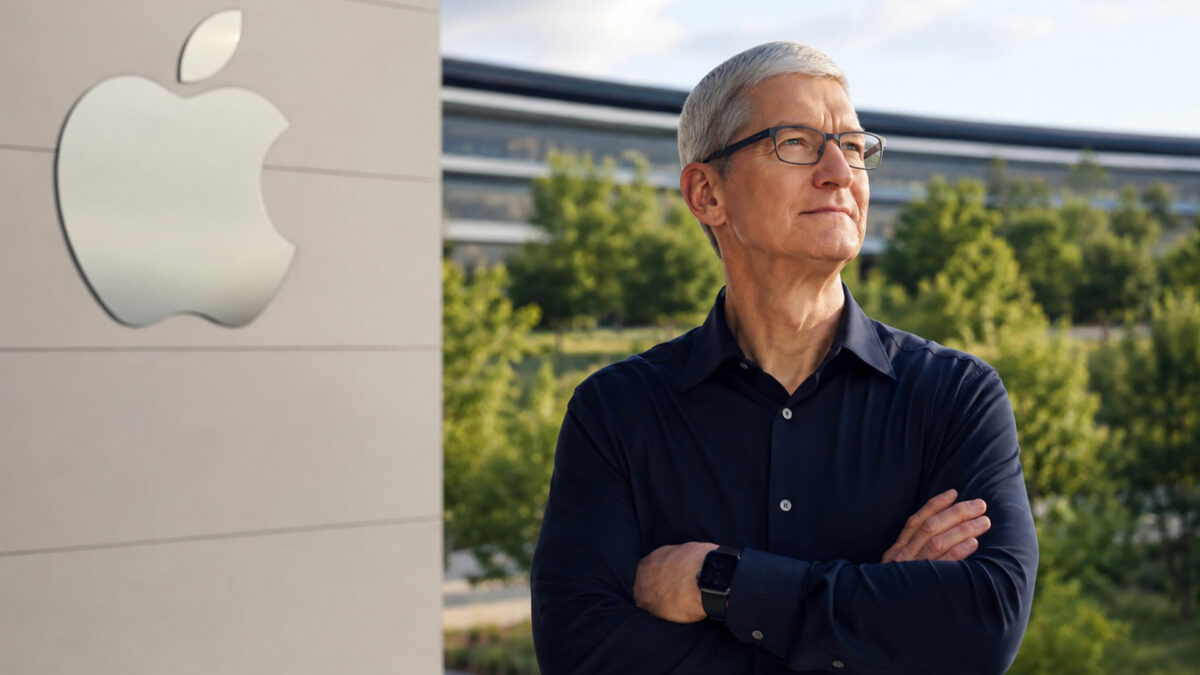
Tim Cook’s 15-year Apple era nears its end

Apple has begun saying goodbye to Tim Cook as he prepares to step down as the company’s chief executive after 15 years. The company reportedly hosted a farewell gathering at Apple Park in Cupertino on August 23, bringing together around 200 employees and several senior figures from Cook’s time at the helm.

The celebration came just a day before Cook completed 15 years as Apple CEO. He took charge on August 24, 2011, succeeding Steve Jobs, and will officially hand over the CEO role to John Ternus on September 1, 2026. Cook, however, will not be leaving Apple. He will become executive chairman of the company’s board.

The farewell event offered a more personal glimpse of a leader who has generally kept his private life away from the spotlight. The gathering was held partly at Caffe Macs, Apple Park’s cafeteria, while the outdoor courtyard hosted a performance by American pop-rock band OneRepublic. Cook also addressed employees and thanked colleagues for their support during his long tenure.

Among those who reportedly paid tribute to Cook were Laurene Powell Jobs, widow of Apple co-founder Steve Jobs, former Apple chief operating officer Jeff Williams, Apple Services chief Eddy Cue and John Ternus, who currently leads Apple’s hardware engineering division. Cook also acknowledged his partner, Mike, during the event, offering an unusually personal moment in front of his colleagues.

For Apple, the farewell marks the closing of one of the longest and most consequential CEO tenures in the company’s history. Cook joined Apple in 1998 and initially focused on worldwide operations and the supply chain. His expertise in operations helped prepare him for the top job, particularly as Apple expanded its global manufacturing and distribution network.

When Cook became CEO, Apple was already one of the world’s most valuable technology companies. But the business grew dramatically during his leadership. According to Apple, its market capitalisation increased from about $350 billion in 2011 to around $4 trillion, while annual revenue rose from $108 billion in fiscal 2011 to more than $416 billion in fiscal 2025.

Cook’s Apple also moved beyond its traditional dependence on the iPhone, Mac and iPad. The company introduced products including the Apple Watch, AirPods and Apple Vision Pro, while expanding services such as Apple Music, Apple TV, Apple Pay and iCloud. The Services business grew into a more than $100-billion annual business during his tenure.

Another major part of Cook’s legacy has been Apple’s move towards controlling more of its core technology. The company transitioned to its own Apple-designed silicon, improving performance and power efficiency across Mac and other products. Cook also placed greater emphasis on privacy, security, accessibility and environmental initiatives. Apple says its carbon footprint has fallen by more than 60% from 2015 levels under his leadership.

The leadership change was formally announced by Apple in April after what the company described as a long-term succession planning process. Cook will continue working with Apple as executive chairman, including on selected matters such as engagement with policymakers around the world. The arrangement means his departure from the CEO position is not a complete break from the company.

Taking over will be John Ternus, a longtime Apple executive who joined the company in 2001. He became vice-president of Hardware Engineering in 2013 and joined Apple’s executive team as senior vice-president of Hardware Engineering in 2021. During his career, Ternus has worked on products across the iPhone, iPad, Mac, Apple Watch and AirPods lines.

Ternus will also join Apple’s board when he becomes CEO. His first major public test will arrive quickly, with Apple’s September product event expected to be one of the most closely watched moments of the company’s calendar.

The transition is therefore unlikely to look like a sudden change in direction. Apple has stressed continuity, and Ternus has spent much of his career inside the company. Cook is expected to remain available to guide the new leadership while taking a less prominent day-to-day style.

Categories
Leaders

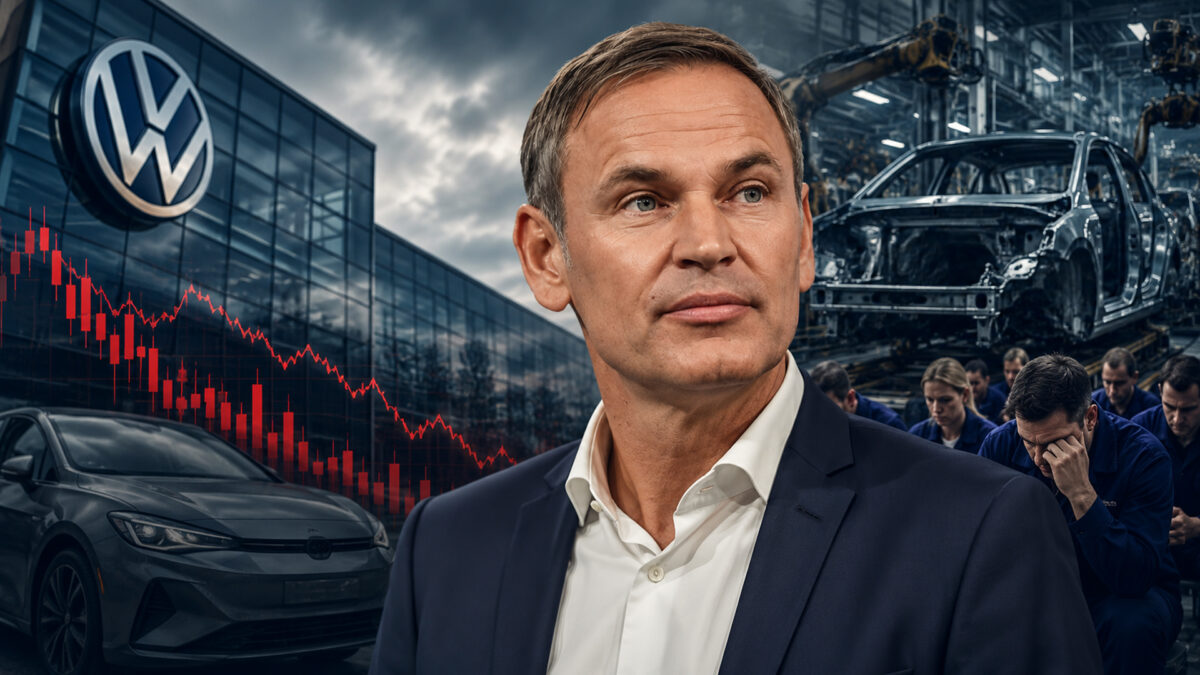
Volkswagen Chief warns crisis is more than critical

Volkswagen is facing a major turning point, with Chief Executive Officer Oliver Blume warning that the German automaker’s situation is “more than critical” as it struggles with rising costs, weak profitability, excess production capacity and intensifying competition from Chinese carmakers.

Blume’s warning comes as Volkswagen prepares for a fresh round of discussions with employees over cost-cutting measures, possible job reductions and the future of several German factories. The company is already undergoing one of the biggest restructuring programmes in its history, but management believes the measures taken so far are not enough to restore the group’s competitiveness.

The Volkswagen Group is under pressure from several directions at once. Its business in China, one of its most important markets, has weakened sharply, while Chinese manufacturers are increasingly entering European markets with competitively priced electric and hybrid vehicles. At the same time, US tariffs have made it more expensive for Volkswagen to sell vehicles in America.

Blume said Volkswagen’s operating return of around 3.8 per cent was respectable given the difficult market environment, but still too low to generate the money needed for new technologies, products and production facilities.

China has become one of Volkswagen’s biggest challenges. The Chinese auto market has contracted by more than 20 per cent since the beginning of the year, according to Blume, while hundreds of new models have entered the market.

Chinese automakers are also expanding rapidly outside their home market. Volkswagen says Chinese manufacturers are gaining market share in Europe, where they can compete aggressively on price, particularly in electric vehicles and plug-in hybrids. The pressure is forcing European manufacturers to rethink their costs, production strategies and product portfolios.

For Volkswagen, the problem is not simply falling sales. The company has a large manufacturing network and significant fixed costs, making it difficult to adjust quickly when demand changes. Blume has warned that Volkswagen is producing around 500,000 vehicles more than the European market can absorb, highlighting the scale of its excess capacity.

The company’s German factories are at the centre of the restructuring debate. Blume is scheduled to meet employees at several locations, including the Volkswagen headquarters in Wolfsburg and plants in Zwickau and Emden, to explain the company’s plans.

Volkswagen has not announced that any specific plant will be closed. However, Blume has said the company currently cannot see how facilities in Emden, Hannover, Zwickau and Neckarsulm could remain profitable into the 2030s under present conditions.

Factory closures would be a major step for Volkswagen and its workforce. Blume has described closures as the “last and most expensive solution”, with the company also considering alternative industrial uses for some sites.

The issue has already created tension with powerful German labour representatives. Unions have criticised management’s savings plans and are expected to resist measures that could result in further job losses or changes to production locations.

Volkswagen has already agreed to significant employment reductions in Germany. The group has ordered cuts involving around 50,000 jobs, with agreements already reached with approximately 37,000 employees, according to Blume.

However, recent reports indicate that the company is considering further measures as part of its broader restructuring. Reuters reported that the potential scale of additional action could involve up to another 50,000 positions, although this figure should not be treated as a confirmed final job-cut target.
Volkswagen is also looking at reducing its model range and production capacity to better match demand. The aim is to lower overheads and free up funds for electric vehicles, software and other technologies that will shape the next phase of the automotive industry.

Volkswagen is also facing a tougher business environment in the United States. The company says US tariffs alone are costing the group approximately €5 billion a year. Vehicle tariffs have risen sharply compared with two years ago, increasing the cost of European-built vehicles entering the US market.

That adds another layer of pressure at a time when Volkswagen is already trying to improve margins. The company has been forced to balance investment in electric vehicles and new technology with the need to reduce costs across its traditional manufacturing operations.

Despite the challenges, Volkswagen says its transformation is beginning to produce results in some areas. The company reported strong demand for its newer electric models in Europe, with its European order bank for fully electric vehicles increasing by more than 50 per cent in the first half of 2026. Its new electric urban car family also received more than 70,000 orders in its first few weeks.

Volkswagen expects a difficult period ahead, but management maintains that the company has the financial strength and products needed to recover if it can improve its cost structure.

For employees, investors and the wider German auto industry, however, the next few weeks could be crucial. Volkswagen is expected to use upcoming staff meetings to explain the scale of the restructuring and seek support for further savings.

Volkswagen cannot rely on its traditional strengths alone. Rising Chinese competition, changing consumer demand, US tariffs and high European production costs are forcing one of the world’s biggest automakers to make difficult decisions.

The company now faces the challenge of cutting costs without weakening its ability to invest in the electric and digital technologies needed to compete in the future.

Categories
Leaders

Vishal Garg ousted years after Zoom layoffs

Vishal Garg, the Indian-American founder of mortgage technology company Better Home & Finance, has been removed as chief executive nearly five years after he became widely known for dismissing about 900 employees during a short Zoom call.

Garg was ousted by Better’s board on August 3 and replaced by investor Daniel Lewis. The leadership change has now turned into a wider battle over control of the company, with Garg challenging the board’s decision and seeking to return as CEO.

The episode has created an unusual reversal for Garg. In December 2021, he became the face of one of the most widely criticised mass layoffs of the pandemic era after informing around 900 employees that they were losing their jobs during a video call shortly before Christmas. The manner in which the layoffs were announced triggered widespread criticism of his leadership style and corporate culture.

Five years later, Garg himself is at the centre of a leadership crisis at the company he founded.

Better said its board had unanimously voted to terminate Garg, with Garg being the only director to oppose the decision. According to the termination notice cited in reports, directors had concerns about his judgment, temperament and credibility. The company also pointed to financial and governance problems during his tenure.

One issue cited by the company was the delay in filing quarterly financial statements. Better has also faced significant financial pressure, with its share price falling sharply from the levels associated with its earlier growth period. The company has reported substantial losses, adding to pressure on its leadership and strategy.

Better’s troubles are a sharp contrast to its position during the pandemic-era housing boom. The digital mortgage lender benefited from strong demand for refinancing and home loans when interest rates were low. At one point, the company was valued at around $7 billion, turning Garg into one of the more prominent figures in the fintech and mortgage technology sector.

The environment changed dramatically as US interest rates rose and mortgage refinancing activity weakened. Better subsequently struggled to maintain the growth levels that had supported its earlier valuation. The company also went public through a merger with a special purpose acquisition company, or SPAC, but its market value later fell substantially.

Garg, however, has rejected the idea that his removal was simply the result of poor business performance. He has accused Lewis, the executive who replaced him, of misleading him about his intentions.

According to reports, Garg said Lewis initially approached him with suggestions on reducing costs and improving profitability. Lewis subsequently joined Better’s board on July 27. Within about a week, the board removed Garg and appointed Lewis as his replacement. Garg has described the sequence of events as a betrayal and said he believed Lewis had gained his confidence before moving against him.

Lewis has previously praised Garg and Better’s strategy publicly, adding another layer to the dispute. Garg is now attempting to rally shareholders and challenge the current board structure.

The former CEO has proposed an extraordinary comeback. He has indicated that he is prepared to return as CEO for an annual salary of just $1 until the company becomes profitable, as part of his effort to regain control.

Garg has also sought changes to Better’s board. His group has been pushing to remove several directors and restore earlier corporate governance arrangements. Recent filings show that entities associated with Garg control about 13.7% of Better’s voting stock, although his campaign has sought support from other shareholders.

Better has pushed back against Garg’s campaign, describing his efforts to regain control as a challenge to the company and disputing his claims about shareholder support. The company has argued that Garg does not have sufficient backing to carry out what it characterises as an attempt to reshape the board.

The boardroom dispute is unfolding against a difficult financial backdrop. Better’s business has been hit by the broader slowdown in mortgage activity, while the company has attempted to reduce costs and improve its operations. The leadership change reflects the pressure facing fintech companies that expanded rapidly during the low-interest-rate period and later struggled as market conditions changed.

Garg’s controversial management history has also remained part of the discussion surrounding Better. The 2021 Zoom layoffs became a defining moment in his public image. The company later acknowledged that negative publicity surrounding workforce reductions and Garg’s leadership style had affected employee morale, management stability and the company’s reputation.

Garg took a temporary break from the company after the 2021 backlash and later returned. At the time, Better’s board said he had reflected on his management style and undergone executive coaching.

The company subsequently went through additional rounds of layoffs as the mortgage market weakened. These workforce reductions added to the perception that Better was struggling to adjust to a tougher business environment.

The latest development has therefore brought Garg’s journey at Better full circle. The founder who once made headlines for announcing mass layoffs over a Zoom call is now fighting a board decision that has removed him from the company he built.


Categories
Leaders

OpenAI Revenue Chief Dresser exits after 8 months

OpenAI is facing another high-profile leadership change, with Chief Revenue Officer Denise Dresser leaving the artificial intelligence company after just eight months in the role. Her exit comes at a crucial stage for OpenAI, as the ChatGPT maker expands its enterprise business, reorganises its leadership team and prepares for a potential initial public offering (IPO).

OpenAI said Dresser is stepping down to pursue other opportunities. She will remain involved during the transition and work with the business team to ensure continuity for customers. Dali Rajic, who previously served as president and chief operating officer of cybersecurity company Wiz, will take over as chief revenue officer.

Dresser joined OpenAI in December 2025 after more than a decade at Salesforce. Her relatively short tenure makes the departure notable, particularly because the chief revenue officer is responsible for driving one of the company’s most important priorities: turning the growing demand for generative AI into sustained commercial revenue.

The change also comes only days after another major executive departure. Brad Lightcap, OpenAI’s longtime chief operating officer and a key figure in the company’s business operations, announced his departure earlier this week. The succession of exits has put OpenAI’s leadership structure under renewed scrutiny as the company moves into a more commercially focused phase.

Dali Rajic takes over revenue role

Rajic arrives with experience in scaling enterprise technology businesses. Before joining OpenAI, he was president and COO of Wiz, the cybersecurity company that Google acquired for $32 billion this year.

OpenAI said Rajic will lead its global revenue organisation at a time when businesses are increasingly adopting AI tools across workplaces. The company expects him to help build a more repeatable sales and distribution system as AI becomes part of everyday business operations.

OpenAI President and co-founder Greg Brockman said Dresser had helped develop the revenue organisation during an important period for the company. He said Rajic would now focus on turning those lessons into a more scalable business operation.

The appointment reflects the growing importance of enterprise AI for OpenAI. While ChatGPT remains the company’s best-known product, OpenAI is increasingly competing for corporate customers that want AI systems for coding, customer service, research, productivity and other workplace functions.

That market is becoming more competitive. Anthropic has expanded rapidly in enterprise AI, putting additional pressure on OpenAI to convert its technological lead into long-term commercial relationships.

More than one executive exit

Dresser’s departure is not an isolated change at OpenAI. The company has seen a series of senior executives leave or shift responsibilities in recent months.

Lightcap, who had been one of CEO Sam Altman‘s closest senior executives, is leaving after years at OpenAI. His departure follows changes involving other senior leaders, including Fidji Simo, the former CEO of OpenAI’s applications business, as well as executives overseeing product, marketing and other functions.

The turnover has created a significant leadership reshuffle at OpenAI, reflecting the kind of executive and leadership changes shaping major companies as they respond to rapid growth and changing business priorities. The company is simultaneously trying to increase revenue, develop increasingly powerful AI models and manage growing scrutiny around AI safety.

OpenAI has presented the changes as part of a broader organisational refresh rather than evidence of a crisis. Recent reporting suggests that co-founder Greg Brockman is taking a more active role in operations, particularly around customers and enterprise growth.

The timing, however, has attracted attention because OpenAI is preparing for a possible public listing.

IPO preparations add pressure

OpenAI has reportedly been moving closer to an IPO after years of operating as a private AI company. The company confidentially filed a draft registration statement with US regulators in June, according to reports, although the timing of any public offering remains uncertain.

An IPO would mark a major transformation for OpenAI. The company has grown from a research-focused organisation into one of the world’s most valuable AI businesses, with ChatGPT becoming a widely used consumer and enterprise product.

That growth has also brought much higher financial expectations. Recent reports have put OpenAI’s annualised revenue run rate above $40 billion, roughly double the level reported at the end of 2025. The company has been expanding revenue through ChatGPT subscriptions, enterprise services, coding products and other AI offerings.

For investors, that makes the stability of OpenAI’s leadership particularly important. A chief revenue officer leaving after eight months, followed closely by the departure of another senior executive, inevitably raises questions about the company’s organisational direction even if the changes are part of a planned restructuring.

Commercial growth takes centre stage

OpenAI’s latest leadership changes also show how quickly the AI industry is evolving. As the technology moves from experimentation into mainstream business use, companies such as OpenAI need executives who can build large-scale sales organisations and convert AI adoption into predictable revenue.

Rajic’s background at Wiz could be particularly relevant as OpenAI expands its enterprise operations. Cybersecurity companies typically work with large organisations and complex sales cycles, giving Rajic experience in selling technology to corporate customers.

OpenAI is also expanding partnerships and strengthening its go-to-market organisation. The company said it has formed a strategic partnership with Chad Peets and RPT Partners to support the development of its sales organisation.


Categories
Leaders

Gland Pharma appoints Deepak Sapra as CEO

Gland Pharma has appointed Deepak Sapra, a senior executive at Dr Reddy’s Laboratories, as its new Chief Executive Officer, marking a significant leadership change at the Hyderabad-based pharmaceutical company. Sapra will take charge as CEO on November 16, 2026, subject to his acceptance of the offer, the company said in a stock exchange filing.

The appointment comes at an important stage for Gland Pharma, which is looking to build on improving financial performance while expanding its presence in complex injectables, contract development and manufacturing services, or CDMO, and international markets. The company’s board approved Sapra’s appointment following the recommendation of its Nomination and Remuneration Committee.

Sapra brings nearly three decades of pharmaceutical industry experience to the role. Digital Health News reported that he has 27 years of executive experience, including more than 23 years in the pharmaceutical sector. His career has covered active pharmaceutical ingredients, generic medicines, CDMO operations, business development, licensing, portfolio management and international expansion.

At Dr Reddy’s, Sapra currently serves as Chief Executive Officer of the API and Services business. He has been responsible for an integrated portfolio covering APIs, generic pharmaceuticals, CDMO services and strategic collaborations. His experience spans major pharmaceutical markets including the US, Europe, Japan, Latin America, Africa and the Asia-Pacific region.

One of the most relevant parts of Sapra’s background for Gland Pharma is his experience in contract manufacturing. Earlier in his career, he headed Dr Reddy’s Custom Pharmaceutical Services business, where he led global CDMO operations serving innovator pharmaceutical companies in the US, Europe and Japan. He has also handled global generics business development and portfolio management.

That experience could be particularly useful as Gland Pharma seeks to expand its CDMO business. Earlier this month, the company announced a strategic manufacturing and supply agreement with a global pharmaceutical company covering technology transfer, production and supply of sterile injectable products for worldwide markets. Gland Pharma expects the agreement to generate annual revenue of about $90 million to $100 million once fully operational.

The appointment also follows a period of strong financial performance for Gland Pharma. The company reported a 47% year-on-year increase in consolidated profit in the first quarter of FY27, while revenue rose 20%. Its strong results had already lifted investor interest in the stock, with Gland Pharma shares gaining more than 12% after the earnings announcement.

Gland Pharma’s official investor data also shows that the company has reported Q1 FY27 results and earnings-related disclosures as part of its current financial year. The stronger quarterly performance gives Sapra a relatively favourable starting point, although maintaining that momentum will be one of his immediate challenges.

The company operates primarily in the pharmaceutical manufacturing space, with a strong focus on injectable products. Its business includes the development, manufacture, sale and distribution of pharmaceuticals. Gland Pharma has also built an international footprint through subsidiaries and operations serving markets outside India.

Sapra’s appointment is also notable as Gland Pharma joins a broader wave of leadership changes across Indian companies. Shyamakant Giri had joined the company as CEO in January 2025, after Srinivas Sadu was redesignated as Executive Chairman. Gland Pharma’s corporate disclosures subsequently recorded Giri’s resignation as CEO in March 2026.

The company’s leadership structure currently includes Executive Chairman Srinivas Sadu, along with an experienced board that includes independent directors such as Naina Lal Kidwai and William Robert Keller.

For Sapra, the new role will involve balancing Gland Pharma’s established injectable business with opportunities in higher-value pharmaceutical manufacturing. The global CDMO market, complex injectables and specialised pharmaceutical products offer opportunities for Indian manufacturers with regulatory capabilities and established international customer relationships.

His background in APIs and services could also help Gland Pharma strengthen the connection between product development, manufacturing and global commercial opportunities. His experience in mergers and acquisitions, licensing and portfolio strategy may further support the company as it evaluates new partnerships and expansion opportunities.

The focus for investors is likely to remain on whether the leadership change translates into sustained revenue growth, stronger margins and greater visibility for Gland Pharma’s international business. The company has already demonstrated improving earnings, while its recent CDMO agreement points to an effort to secure larger and more integrated global contracts.

Sapra will therefore take over at a time when the company has both momentum and clear opportunities ahead. His experience at Dr Reddy’s gives him familiarity with global pharmaceutical markets, regulatory requirements and complex manufacturing operations. The challenge will be to convert that experience into faster growth while maintaining operational discipline and quality standards.

With his appointment scheduled for November 16, the transition will take place over the coming months. Until then, investors and the pharmaceutical industry will be watching how Gland Pharma prepares for the change and whether Sapra’s arrival signals a broader push into high-value injectables, CDMO services and global expansion.

Categories
Leaders

Trump sued over paid access to Truth Social posts

US President Donald Trump is facing a federal lawsuit over a new service that allows paying customers to receive early access to his posts on Truth Social, raising fresh questions about press freedom, government transparency and the use of presidential communications for commercial gain.

Two media organisations, The Intercept Media and the Freedom of the Press Foundation, filed the lawsuit in federal court in Manhattan on Wednesday. They are seeking to stop Trump and his media company, Trump Media & Technology Group (TMTG), from providing selected customers with advance access to posts that can contain information about US government policy and other matters of public interest.

The dispute centres on a new service called Truth API. The service allows subscribers, including financial and trading firms, to receive Trump‘s posts before they become widely available through other channels. Pricing can reach as much as $100,000 a month, depending on the level of access.

The plaintiffs argue that the arrangement creates an unfair system in which companies with enough money can obtain information from the US president before journalists, ordinary citizens and other members of the public.

The lawsuit describes the practice as unconstitutional and seeks an order preventing Trump, TMTG and other defendants from using Truth Social to provide exclusive early access to official presidential communications.

An investor receiving a presidential announcement even a few seconds or minutes before the wider market could potentially gain an advantage, particularly when the information concerns tariffs, companies, sanctions or other economic decisions.

The controversy began after Trump Media announced plans to commercialise high-speed access to posts from Trump and other accounts on Truth Social. The company has marketed the service to professional users that want faster access to information that could influence markets.

According to reports, the service can provide an advance feed of posts from as many as 10 accounts, with the highest subscription level costing up to $100,000 per month.

The lawsuit argues that Trump’s position as US president makes the arrangement fundamentally different from an ordinary social-media subscription service. The plaintiffs say government-related information should not effectively be placed behind a commercial paywall.

They also object to Truth Social’s role in distributing official announcements. The lawsuit challenges arrangements under which Trump Media can have an exclusive period for certain posts before the information is distributed more broadly.

The media groups argue that this could undermine the principle that the public and the press should have equal and timely access to presidential communications.

The legal challenge invokes constitutional protections, including the First Amendment, which protects freedom of speech and the press, and the Fifth Amendment, which includes protections against the government imposing certain arbitrary conditions.

The case also adds to a broader debate surrounding Trump’s relationship with the media and his use of social media as a direct communication channel.

Trump has long preferred social media to communicate with supporters and make major political announcements. His posts can quickly be picked up by television networks, newspapers and news agencies, often turning a single message into a major news event within minutes.

Truth Social became particularly important to Trump’s political communication strategy after he was banned from several mainstream social-media platforms following the January 6, 2021, attack on the US Capitol. He later returned to some platforms, but continued using Truth Social as his principal direct-to-public channel.

The new paid-access model takes that influence into a different area by attempting to turn the speed of access itself into a commercial product.

Critics say this creates an uncomfortable overlap between presidential communication and private commercial interests. They argue that allowing companies to pay for earlier access could create the appearance that wealthy customers are being given preferential treatment.

Trump Media, however, has defended the service and indicated that the company views the rapid distribution of data as part of its technology and business strategy. Supporters of the model have argued that early-access data services are common in financial markets and technology.

The lawsuit therefore raises questions that extend beyond Truth Social. It could force a court to consider whether a president can commercially control the timing and distribution of communications made in an official capacity.

For now, the lawsuit seeks to halt the paid early-access arrangement while the legal arguments are considered. The case is likely to draw close attention from the media industry, financial markets and technology companies.

Categories
Leaders

Godrej Consumer names Aasif Malbari new MD, CEO

Godrej Consumer Products has appointed Aasif Malbari as its new Managing Director and Chief Executive Officer, replacing Sudhir Sitapati in a leadership change that comes at a crucial stage for the fast-moving consumer goods company.

Malbari takes charge from August 12, 2026, for a five-year term extending until August 11, 2031. He has also joined the company’s board as an additional executive director. The appointment brings an experienced insider to the top position at a time when Godrej Consumer Products is focused on strengthening growth, improving execution and expanding its presence across domestic and international markets.

Malbari has been associated with Godrej Consumer Products in a senior leadership capacity and was serving as Global Chief Financial Officer and President for Godrej Africa and GCPL International. His elevation means the company will have a CEO with detailed knowledge of its financial performance, international operations and business strategy.

Before joining Godrej Consumer Products, Malbari built a career spanning more than three decades across major companies and industries. His experience includes senior roles at Hindustan Unilever and Tata Motors. His background in finance, operations and international business is expected to be useful as the company works through a competitive FMCG environment.

As part of the leadership transition, Malbari has stepped down from his position as Global CFO. Vishal Kedia has been appointed interim Chief Financial Officer to oversee the company’s finance function during the transition.

The change follows the resignation of Sitapati, who had led Godrej Consumer Products since 2021. His exit has attracted considerable attention because he had been reappointed for another five-year term earlier this year, which was expected to continue until 2031.

Sitapati’s tenure coincided with several important changes in the company’s strategy and operations. Under his leadership, Godrej Consumer Products worked to streamline its portfolio, strengthen core categories and expand its international operations. The company also pursued its longer-term Vision 2040 strategy, with an emphasis on building sustainable growth across its markets.

The leadership change comes as the Indian FMCG sector faces a mixed operating environment. Consumer demand has been uneven across categories, while companies continue to deal with changing consumption patterns, intense competition and fluctuations in input costs. E-commerce and quick-commerce channels have also become increasingly important in determining how FMCG companies reach consumers.

For Godrej Consumer Products, execution will be a major priority under the new CEO. The company has been investing in digital channels and seeking stronger growth from its portfolio of personal care, home care and insecticide products. Malbari will be expected to maintain the company’s growth momentum while improving operational efficiency and protecting profitability.

The market reaction to Sitapati’s departure has highlighted investor concerns about the abrupt nature of the transition. Shares of Godrej Consumer Products came under heavy selling pressure following the announcement, reflecting uncertainty over the company’s strategic direction and future execution.

The immediate challenge for Malbari will therefore be to reassure investors while ensuring that the company’s ongoing business plans remain on track. His experience within the organisation could help provide continuity and reduce disruption during the transition.

The company is also considering changes to its leadership structure, reflecting how CEO appointments and executive leadership transitions can shape the management of large businesses. Godrej Consumer Products is considering the possibility of having separate CEOs for its India and international businesses, which could allow greater management attention to the different growth opportunities and operating challenges in its domestic and overseas markets.

Malbari’s appointment also puts his financial expertise at the centre of the company’s next phase. As a former CFO, he is expected to have a strong focus on profitability, capital allocation and cost management. At the same time, the new CEO will need to maintain investment in brands, distribution and innovation to compete in an increasingly fragmented consumer market.

Godrej Consumer Products enters the leadership transition with an established portfolio and a wide international footprint. Its brands operate across categories including household insecticides, hair care, personal wash and home care.

For the company, the priority now is to convert that scale into consistent growth. Malbari will need to balance short-term market expectations with longer-term investments while maintaining the strategic direction established over recent years.

His first few quarters as CEO are likely to be closely watched by investors, particularly for signs of improvement in execution, margins and volume growth. The leadership transition marks a new chapter for Godrej Consumer Products, with Malbari taking responsibility for steering the FMCG major through its next phase of expansion.

Categories
Leaders

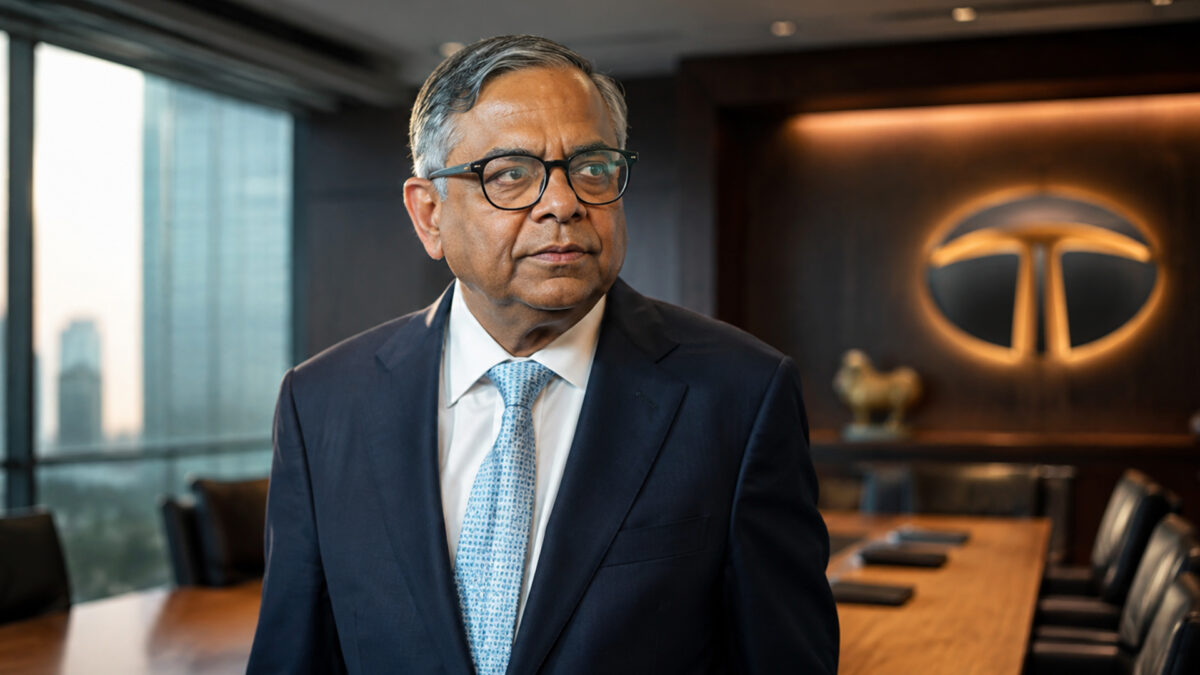
N Chandrasekaran quits as Tata Sons chairman

N Chandrasekaran has resigned as chairman of Tata Sons, bringing a significant leadership transition to the Tata Group after nearly a decade at the helm of its holding company. Chandrasekaran, however, will continue in the position until the end of his current term on February 20, 2027, according to people familiar with the development and his statement.

The decision comes just days before the Tata Sons annual general meeting scheduled for August 18. The meeting had been expected to consider the reappointment of Chandrasekaran as a director, a key requirement for him to continue as chairman. His decision not to seek another term effectively removes that uncertainty and sets the stage for a leadership succession process at one of India’s most influential business groups.

In his communication to the Tata Sons board, Chandrasekaran said he would not offer himself for reappointment after his existing tenure ends. He also asked the board to begin the process of identifying his successor. The announcement marks the beginning of a transition rather than an immediate departure, allowing him to remain involved in the group’s affairs for several months.

The development follows weeks of uncertainty around Chandrasekaran’s position and the Tata Sons board. Earlier reports had said he was considering stepping down ahead of the August 18 AGM amid questions surrounding his reappointment and tensions within the Tata Trusts structure. Those reports had raised the possibility of an unexpected change at the top of the Tata Group.

Chandrasekaran’s exit is important because Tata Sons sits at the centre of the group’s sprawling business interests, with significant holdings and influence across information technology, automobiles, steel, power, consumer products, hotels, aviation and financial services. The chairman also plays a central role in determining the group’s long-term investment priorities and capital allocation.

His tenure has been marked by an aggressive expansion strategy. Under Chandrasekaran, the Tata Group pushed deeper into aviation following the acquisition and consolidation of Air India, while also increasing investments in semiconductors, electronics manufacturing, batteries, artificial intelligence and other emerging businesses.

The group has simultaneously worked to strengthen its position in traditional businesses while building new growth platforms. Tata Electronics has emerged as a major focus of the group’s semiconductor and electronics ambitions, while Tata Digital has been developed as a consumer technology platform. The group’s investments in battery manufacturing and defence-related capabilities have also formed part of its longer-term strategy.

Air India has been one of the most visible projects during Chandrasekaran’s tenure. The Tata Group has been attempting to rebuild the airline following its return to private ownership, with investments in aircraft, technology, operations and customer experience. Chandrasekaran recently described the transformation of Air India as a five-to-10-year effort, highlighting the scale of the challenge facing the group.

The leadership change comes even as Tata Sons remains financially strong. The company’s annual report for FY26 showed revenue rising 9.1% to Rs 42,367 crore, while profit after tax increased 21.8% to Rs 31,961 crore. The improvement was supported by investment gains and earnings from its portfolio of businesses.

At the broader Tata Group level, the business has continued to expand despite challenges in several large investments. The group reported aggregate FY26 revenue of about Rs 16.24 lakh crore, while profit after tax rose sharply during the year.

The financial performance, however, has existed alongside pressure in some of the group’s newer businesses. Air India recorded substantial losses, while Tata Digital, Tata Electronics and battery-related ventures have also required significant investment. Chandrasekaran has defended these businesses as long-term strategic bets rather than investments expected to generate immediate returns.

Markets reacted quickly to the news. Shares of several Tata Group companies came under pressure after the resignation announcement, with Tata Consultancy Services among the most closely watched stocks. TCS shares were reported to be down more than 3% during Wednesday’s trading session, while other Tata companies also declined. The market reaction reflected investor uncertainty surrounding the group’s future leadership and succession process.

Chandrasekaran joined the Tata Group nearly four decades ago and rose through its ranks before becoming chief executive of Tata Consultancy Services in 2009. He became chairman of Tata Sons in 2017, succeeding Ratan Tata in the role. His tenure has therefore covered a major period of transformation for the conglomerate, including the expansion of its global technology, automotive and aviation interests.

The immediate focus will now shift to succession planning, putting Tata Sons among the major Indian businesses undergoing senior leadership and succession changes. The board will have to identify a leader capable of managing both the group’s established businesses and its ambitious new investments. The next chairman will inherit a conglomerate with a strong financial base, but also major projects requiring sustained capital, execution and strategic patience.

For the Tata Group, the transition is therefore more than a change at the top. It will determine how the conglomerate balances its traditional businesses with its newer bets in technology, aviation, semiconductors, batteries and digital services. With Chandrasekaran remaining until February 2027, the group has several months to prepare for a carefully managed leadership handover.

Categories
Leaders

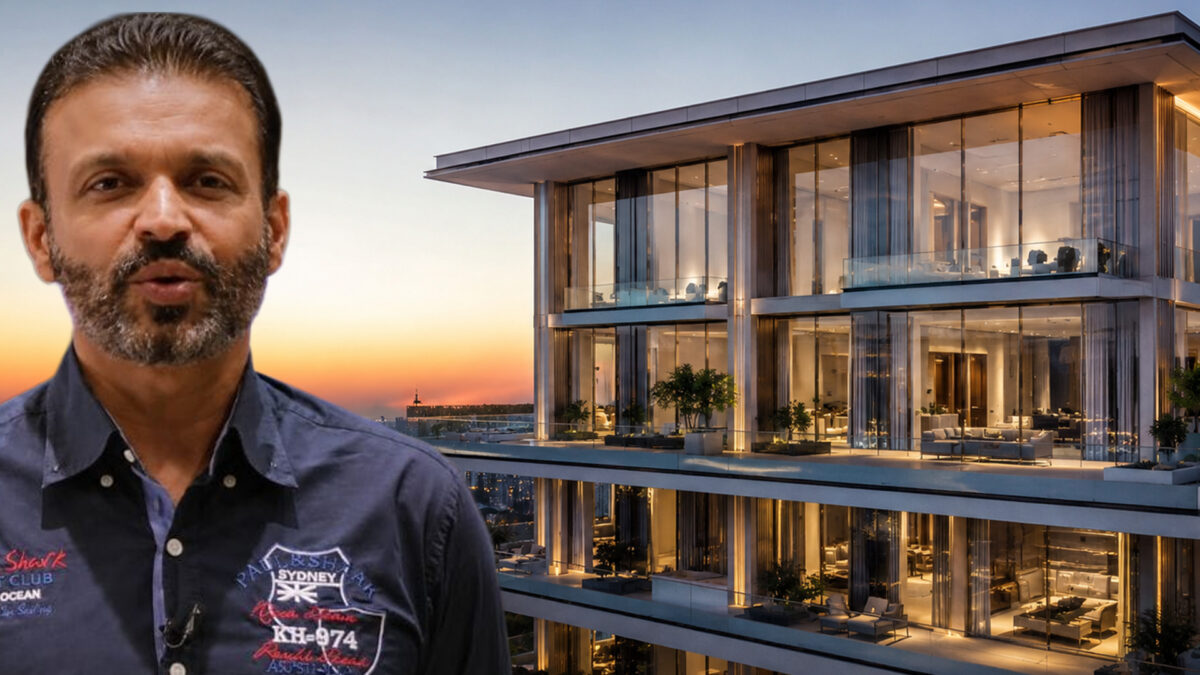
Manav Sardana buys Rs 271 cr DLF penthouse

Entrepreneur Manav Sardana has bought a penthouse at DLF’s The Dahlias in Gurugram for ₹271 crore, making it one of the most expensive residential property deals reported in India and setting a new benchmark for the luxury project.

The transaction involves a penthouse spread across about 17,200 square feet of super area, with a carpet area of nearly 10,500 square feet. The deal translates to roughly ₹1.58 lakh per square foot on a super-area basis and about ₹2.6 lakh per square foot based on carpet area.

The purchase was registered in Gurugram and has brought fresh attention to the rapid growth of the city’s ultra-luxury housing market.

Sardana is associated with the automotive components industry and comes from a business family with a long history in manufacturing. His father, SB Sardana, co-founded Imperial Auto Industries with Jagjit Singh in 1969.

Imperial Auto developed into a major manufacturer of automotive components, supplying products to vehicle manufacturers and other customers. The company later attracted investment from global private equity firm Warburg Pincus.

Sardana’s business background is significant because his wealth comes from an established manufacturing enterprise rather than the technology or consumer sectors that have produced many of India’s newer wealthy entrepreneurs.

His latest purchase puts him among the growing number of high-net-worth individuals investing heavily in premium residential real estate.

The property is part of The Dahlias, DLF’s super-luxury residential development in DLF Phase 5, one of Gurugram’s most sought-after neighbourhoods. The project was launched in 2024 and is spread across about 17 acres.

The development comprises around 420 apartments and penthouses across multiple towers. It was planned as a more exclusive offering than DLF’s earlier luxury project, The Camellias, which is located nearby.

The Dahlias has attracted several prominent buyers since its launch, with individual apartments commanding prices running into tens of crores. Sardana’s ₹271-crore transaction, however, stands out because of both the size of the residence and the value of the purchase.

The property is significantly larger than a conventional luxury apartment. Its carpet area of around 10,500 square feet provides extensive internal living space, while the larger super-area figure includes additional areas considered under the project’s property calculation.

The transaction comes at a time when Gurugram’s luxury real estate market is experiencing strong demand. The city has developed into a major corporate and commercial centre, with multinational companies, financial firms and technology businesses maintaining large operations across its business districts.

DLF’s premium developments have played a major role in this transformation. The Camellias established a high-end residential market in the area, with several properties changing hands for exceptionally high values.

The Dahlias has taken that positioning further by offering large-format residences with high-end facilities and limited inventory.

Sardana’s purchase illustrates how the top end of India’s housing market is operating differently from the broader residential sector. While most homebuyers remain sensitive to mortgage rates, affordability and property prices, ultra-luxury buyers are often more focused on location, privacy, space, amenities and exclusivity.

Transactions of this scale provide an important indicator of demand among India’s wealthiest households for real estae developers. A single sale worth hundreds of crores can also significantly influence perceptions of a project and its surrounding market.

The deal highlights the widening gap between mainstream housing and the ultra-luxury segment. Properties in this category are increasingly being treated not only as homes but also as long-term assets and symbols of wealth.

Gurugram is also emerging as a stronger competitor to Mumbai in the luxury housing market. Mumbai remains the country’s dominant market for high-value residential transactions, particularly in areas such as South Mumbai and central luxury neighbourhoods.

However, the availability of larger plots and newer developments has allowed Gurugram to offer expansive homes that can be difficult to find in Mumbai.

The transaction could further strengthen the project’s profile among India’s high-net-worth buyers. Luxury developers increasingly rely on a limited pool of affluent customers, making visibility and exclusivity important parts of the sales strategy.

The ₹271-crore penthouse at The Dahlias therefore represents more than an unusually expensive home purchase. It is another sign that Gurugram is becoming an important destination for India’s ultra-wealthy and that the country’s luxury housing market continues to set new price benchmarks at its highest end.