Categories
Beyond

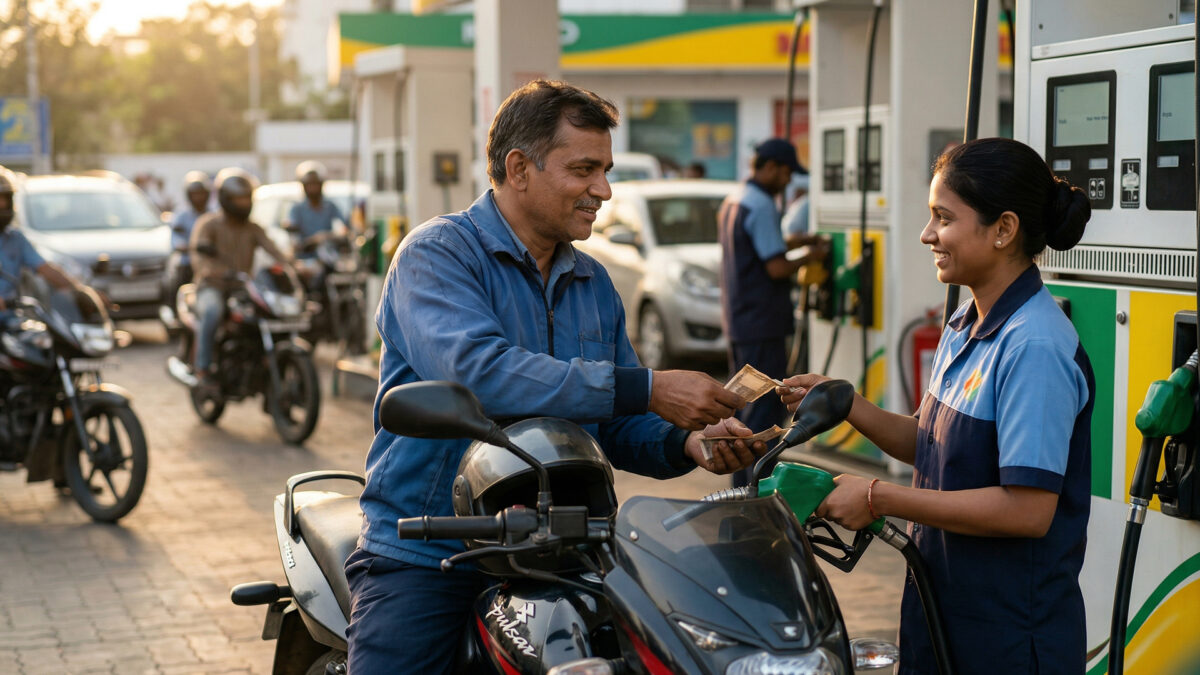
Petrol duty reduced to ₹3, diesel to zero

The central government on March 27, 2026, announced a major cut in excise duty on petrol and diesel to reduce the impact of rising global oil prices. The duty on petrol has been reduced from ₹13 to ₹3 per litre, while diesel duty has been cut from ₹10 to zero, effectively lowering taxes by ₹10 per litre on both fuels.

This move comes as crude oil prices have surged due to ongoing tensions in the Middle East. Supply concerns, especially around key oil routes, have pushed prices above $100 per barrel. As India depends heavily on oil imports, this has increased pressure on fuel prices and the overall economy.

The government said the decision was taken to protect consumers from a sharp rise in petrol and diesel prices. By reducing taxes, it aims to absorb part of the global price increase instead of passing the entire burden onto the public.

However, the benefit may not be immediately visible at petrol pumps. Oil marketing companies like Indian Oil, BPCL, and HPCL are currently facing losses because they have not fully raised fuel prices in line with global crude rates. Industry experts believe these companies may use the tax relief to recover losses before lowering retail prices.

Crude oil prices have seen a steep rise in recent weeks, jumping from about $70 per barrel to over $100. This sudden increase has made fuel costlier to produce and sell, creating challenges for both companies and the government.

To manage the situation, the government has also introduced export duties on petroleum products. This step is meant to ensure enough fuel supply within the country and to control price fluctuations.


Also Read: Gold hits ₹1,44,540, Silver rises to ₹2,49,900

Categories
Beyond

Gold hits ₹1,44,540, Silver rises to ₹2,49,900

After a turbulent week, gold and silver prices in India bounced back on Friday,  as investors turned to the safe-haven appeal of precious metals. Gold futures on the MCX surged to ₹1,44,540 per kilogram, up about ₹1,500 per 10 grams, while silver jumped to ₹2,49,900 per kilogram, rising nearly ₹5,140.

Earlier in the week, both metals had faced heavy selling pressure. Gold had dropped more than ₹4,300 per 10 grams, and silver had tumbled nearly ₹13,700 per kilogram, driven by a strong U.S. dollar and global uncertainties. Friday’s rebound offered a welcome relief for traders and retail buyers.

The recovery was supported by a softer US dollar, which makes dollar-denominated commodities like gold and silver more attractive for Indian buyers. Optimism around easing tensions between the US and Iran further lifted investor sentiment. Analysts, however, warn that prices remain volatile and can change quickly with global developments.

Retail gold rates across major cities reflected the rebound, with both 24-carat and 22-carat gold showing gains. Silver, which had been especially volatile, also recovered sharply, attracting renewed attention from jewelers and investors.

Despite Friday’s rally, March has been a tough month for precious metals. Gold prices fell roughly 15% and silver dropped around 26% during the month, highlighting the sensitivity of bullion to factors like currency fluctuations, oil prices, and geopolitical tensions.

Also Read: Sensex falls over 1,050 points drops below 23,000

Categories
Beyond

India sets 47% cut, 60% clean power by 2035

India has announced a more ambitious set of climate targets for 2035, reinforcing its commitment to tackle climate change while sustaining economic growth. The updated goals, approved by the Union Cabinet, form part of India’s revised Nationally Determined Contributions (NDCs) under the Paris Agreement framework.

A key highlight of the new plan is the target to reduce emissions intensity by 47% from 2005 levels by 2035. Emissions intensity measures the amount of greenhouse gases produced per unit of GDP, and lowering it reflects a shift toward cleaner and more efficient economic activity.

India has also raised its clean energy ambition significantly. The country now aims to achieve 60% of its installed electricity capacity from non-fossil fuel sources by 2035. This is an increase from the earlier 50% target set for 2030, which India has already met ahead of time. The move signals rapid progress in renewable energy sectors such as solar and wind power.

Another important component of the updated targets is the expansion of carbon sinks. India plans to increase its forest and tree cover to absorb between 3.5 and 4 billion tonnes of carbon dioxide equivalent by 2035. This highlights the role of forests and ecosystems in offsetting emissions and supporting climate resilience.

The government stated that these revised targets are designed to balance environmental responsibility with development needs. India, as a developing country, continues to emphasize the importance of equitable climate action, noting that developed nations must take the lead in reducing global emissions.

India has already made notable progress in recent years, achieving a significant reduction in emissions intensity and expanding its renewable energy capacity. However, challenges remain, including rising energy demand and dependence on coal.

Also Read: CCPA bans extra charges in restaurant bills


Categories
Beyond

CCPA bans extra charges in restaurant bills

The Central Consumer Protection Authority (CCPA) has prohibited hotels and restaurants from adding extra charges such as LPG fees, gas surcharges, or fuel-related costs to customer bills, calling the practice unfair and misleading.

The authority clarified that customers should only be charged the price displayed on the menu along with applicable taxes. Any additional amount imposed under separate headings, such as fuel recovery or gas charges, will be treated as a violation of consumer protection rules.

The directive follows a rise in complaints from consumers who found unexpected charges added to their bills while dining out. Many establishments were reportedly including fees labeled as “LPG charges” or “fuel surcharge,” increasing the final payable amount without prior transparency.

According to the CCPA, operational expenses like cooking gas, electricity, and other overheads are part of a business’s cost structure. These must already be factored into menu pricing and cannot be passed on to customers as separate line items. The regulator stressed that such practices distort pricing and mislead consumers.

The authority also observed that some restaurants were using alternative names for these charges in an attempt to bypass existing norms, including guidelines around service charges. It made it clear that simply renaming such fees does not make them permissible under the law.

Warning of strict enforcement, the CCPA said it will monitor compliance closely and take action against establishments that continue to impose such charges. Penalties may be applied under provisions of consumer protection law for engaging in unfair trade practices.

Consumers have been encouraged to remain vigilant and check their bills carefully. If any unauthorized charges are found, they can request removal of the fee. In cases where businesses refuse to comply, customers can file complaints through official consumer grievance platforms.

Also Read: Salesforce freezes senior executives’ pay, boosts bonuses

Categories
Beyond

Iran keeps Strait of Hormuz open for India

Iran has announced that the strategically important Strait of Hormuz will remain open for India and four other countries, even as tensions in the Middle East continue to disrupt global oil supplies.

Iranian Foreign Minister Abbas Araghchi said that India, along with China, Russia, Iraq and Pakistan, has been classified as a “friendly nation.” Ships from these countries will be allowed to pass through the Strait without restrictions. However, Iran has limited access for nations it considers hostile, including the United States and its allies.

The Strait of Hormuz is one of the world’s most critical oil routes, carrying nearly 20% of global crude oil shipments. Any disruption in this narrow waterway can have a direct impact on global energy prices and supply chains.

India’s inclusion in the list is seen as a positive development, as the country relies heavily on oil imports that pass through this route. Ensuring safe passage for Indian vessels will help maintain stable fuel supplies and reduce pressure on domestic markets.

Reports indicate that Indian ships are continuing operations without disruption. At least two LPG carriers have already passed through the Strait safely and are heading towards India, suggesting that the situation remains stable for now.

The move comes at a time when global oil markets are under stress due to ongoing geopolitical tensions in the region. Several countries and international bodies have called for keeping the Strait open to avoid further escalation in the energy crisis.

Also Read: Gold rises ₹1,46,680, silver up ₹2,50,100

Categories
Beyond

Gold rises ₹1,46,680, silver up ₹2,50,100

Gold prices in India recorded a slight increase in early trade, reflecting a stable trend in the bullion market. The price of 24-carat gold rose by ₹10 to reach ₹1,46,680 per 10 grams, while 22-carat gold also saw a similar uptick, maintaining consistency across retail markets.

The movement in gold prices remained modest across major cities, including Delhi, Mumbai, Chennai, and Kolkata. While the overall trend was uniform, minor differences in rates were observed due to local taxes, transportation costs, and variations in demand. Despite the small increase, gold continues to trade near elevated levels, supported by steady buying interest.

Silver prices followed a similar trajectory, registering a gain of ₹100 to trade at ₹2,50,100 per kilogram. The metal showed consistent pricing across most metropolitan markets, though Chennai reported relatively higher rates, a trend often linked to stronger regional demand and supply dynamics.

Market experts note that the limited rise in prices indicates a phase of consolidation in the bullion segment. After experiencing fluctuations in recent weeks, both gold and silver appear to be stabilising, with investors continuing to view them as reliable assets during uncertain economic conditions.

Globally, precious metals are being supported by cautious investor sentiment. Ongoing geopolitical tensions and concerns over economic growth have kept demand for safe-haven assets intact. International gold prices are holding firm, which is contributing to the steady domestic pricing trend.

Categories
Beyond

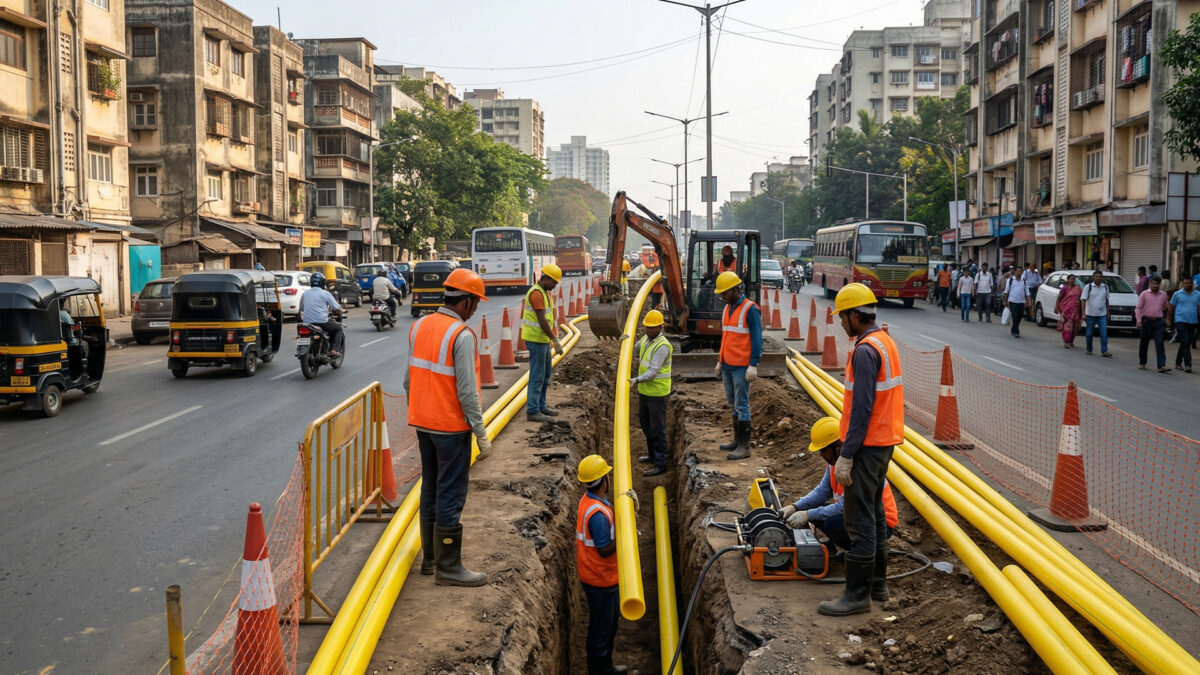
Households should switch to piped natural gas supply

The Ministry of Petroleum and Natural Gas has issued a clear directive: households in areas where piped natural gas (PNG) is available must transition from LPG cylinders within three months, or risk losing their LPG supply.

The move aims to optimize LPG distribution, freeing cylinders for regions without pipelines, while offering households a safer, hassle-free cooking option. PNG delivers gas directly to kitchens, removing the need for repeated refills and making cooking more convenient.

Exceptions are possible if a household cannot physically receive a pipeline connection, in which case authorities can issue a no-objection certificate (NOC) to continue LPG supply. The government is also speeding up pipeline approvals, easing land access, and expanding infrastructure to ensure the transition is smooth.

Officials emphasize that there is no shortage of LPG, petrol, or diesel, but the policy reflects a broader strategy to strengthen India’s energy security, particularly amid global supply disruptions linked to tensions in the Middle East.

Residents in pipeline-connected areas are urged to apply for PNG connections promptly or provide proof of technical infeasibility to avoid disruption. This step marks a significant push toward modernizing India’s gas network and building a more resilient, efficient energy system for the future.

Also Read: Oil prices drop on Iran negotiation talks

Categories
Beyond

Oil prices drop on Iran negotiation talks

Global oil prices declined after Donald Trump signalled possible progress in negotiation talks with Iran, raising hopes of easing tensions in West Asia.

Trump indicated that discussions were moving in a positive direction, leading markets to expect a potential reduction in risks to oil supply. The remarks triggered a drop in crude prices, which had recently surged due to fears of prolonged conflict in the region.

Key benchmarks such as Brent crude and US West Texas Intermediate fell following the comments. Prices had earlier climbed sharply amid concerns that tensions could disrupt shipments through critical routes like the Strait of Hormuz, a major artery for global oil transport.

The decline was further supported by indications that immediate military escalation may be avoided. Reports suggested that potential strikes on Iranian energy infrastructure were delayed, easing fears of sudden supply shocks. Oil markets, which are highly sensitive to geopolitical developments, responded quickly to these signals.

However, uncertainty continues to cloud the outlook. Iranian officials have denied that formal negotiations are underway, raising questions about the likelihood of a quick resolution. This has kept volatility high, with traders remaining cautious.

Recent trends highlight how rapidly oil prices can shift based on political developments. After reaching elevated levels due to supply concerns, prices have now retreated on hopes of diplomatic progress.

The fall in oil prices has also supported global financial markets, as lower energy costs help ease inflationary pressures and support economic growth.

Also Read: Rupee falls 20 paise to 93.76, nears 94

Categories
Beyond

Rupee falls 20 paise to 93.76 against US dollar

The Indian rupee continued its decline on Wednesday, falling by around 18–20 paise in early trade to hover near the 93.94–93.96 level against the US dollar. The drop brings the currency closer to the key 94 mark, extending its recent downward trend.

The rupee had already hit a record low in the previous session, reflecting sustained weakness amid global economic uncertainties. Market participants remain cautious as external pressures continue to weigh heavily on emerging market currencies.

A major factor behind the rupee’s fall is the strengthening of the US dollar. Investors are increasingly moving towards safer assets, boosting demand for the dollar and weakening currencies like the rupee.

Rising crude oil prices have added to the pressure. As India relies heavily on oil imports, higher prices increase demand for dollars, widening the trade deficit and dragging the rupee lower.

Global uncertainties, including geopolitical tensions and volatile financial markets, have further dampened investor sentiment. This has led to capital outflows from emerging markets, adding to the currency’s weakness.

The Reserve Bank of India has been monitoring the situation and is expected to step in when necessary to manage volatility. However, analysts believe that while such interventions may offer short-term relief, they may not fully counter the impact of global factors.

Also Read: Gold dips to ₹1.42 lakh, silver climbs to ₹2.35 lakh

Categories
Beyond

Gold dips to ₹1.42 lakh, silver climbs to ₹2.35 lakh

Gold prices slipped slightly while silver recorded modest gains on March 25, reflecting a mixed trend in the bullion market amid fluctuating global signals and domestic trading patterns.

On the Multi Commodity Exchange (MCX), gold futures fell by ₹10 to around ₹1,42,900 per 10 grams during early trade. The marginal decline indicates continued pressure on gold prices after recent fluctuations. In contrast, silver prices rose by ₹100 to trade near ₹2,35,100 per kilogram, supported by fresh buying and improved market sentiment.

The divergence between the two key precious metals highlights ongoing volatility in the commodities market. Gold has remained under pressure largely due to a firm US dollar and elevated bond yields, which tend to reduce the attractiveness of non-interest-bearing assets such as bullion.

However, silver showed relative strength, benefiting from its dual demand as both a precious and industrial metal. Market participants noted that short-covering and steady industrial demand contributed to the uptick in silver prices.

During the session, both metals also witnessed intraday swings. Gold saw limited recovery at higher levels, while silver extended gains briefly before stabilising. These movements underline the uncertainty currently influencing commodity markets.

Global factors continue to play a key role in determining price direction. Developments in international markets, including currency movements, interest rate expectations, and geopolitical conditions, have kept traders cautious. Any signals of easing global tensions or changes in monetary policy outlook are quickly reflected in bullion prices.

Across major Indian cities, gold and silver rates showed minor variations depending on local demand, taxes, and logistics. The overall trend, however, remained aligned with MCX movements.

Also Read: Sensex surges over 1,400 points, Nifty reclaims 23,300 levels