Categories
Corporate

Highness Microelectronics IPO subscribed over 8x on Day 2

The SME IPO of Highness Microelectronics saw strong traction on its second day, with overall subscription exceeding eight times. Retail investors showed the highest interest, bidding aggressively, while non-institutional investors also contributed significantly to demand.

Institutional participation remained relatively subdued. The ₹21.67 crore issue, priced between ₹114 and ₹120 per share, will close on March 27. Market signals remain positive, with a grey market premium suggesting potential listing gains.

Proceeds from the issue will be used for capital expenditure, working capital requirements, and partial debt repayment. The company is set to list on the BSE SME platform.

Categories
Corporate

Salesforce freezes senior executives’ pay, boosts bonuses

Salesforce has decided not to increase salaries for its senior-most employees this year, choosing instead to reward them through bonuses and stock-based incentives. The move applies to director-level staff and above, according to an internal memo shared with employees.

Under the new approach, only employees at the senior manager level and below will be eligible for salary hikes during the current performance cycle. For higher-ranking employees, base pay will remain unchanged, marking a shift in how the company structures compensation at the top.

Rather than focusing on fixed salary increases, Salesforce is putting more weight on variable pay. The company has increased its bonus pool and stock grants, aiming to reward strong performance while maintaining tighter control over fixed costs.

Senior employees who perform well are expected to benefit from this shift. Many director-level staff will receive larger stock awards this year, with a significant portion of top performers likely to see increases in their equity grants. This means their overall compensation could still grow, even without a rise in base salary.

Bonuses are also being enhanced. Most eligible senior employees are expected to receive at least their target bonus, while top performers could earn payouts well above that level. The company says this model better aligns rewards with individual and company performance over time.

The decision comes as many technology companies rethink how they pay their workforce. Instead of steadily increasing fixed salaries, firms are increasingly tying compensation to performance metrics and long-term business outcomes. This approach helps companies stay flexible during uncertain economic conditions while still rewarding key talent.

Also Read: OpenAI hires former JioStar CEO for Asia-Pacific

Categories
Corporate

Infosys to buy Optimum Healthcare IT for $465 mn

Infosys is making a big move to expand its footprint in the US healthcare sector, announcing that it will acquire Optimum Healthcare IT for up to $465 million.

The deal is part of Infosys’ strategy to grow in high-demand areas like healthcare technology, where hospitals and providers are increasingly turning to digital solutions to improve services. Optimum Healthcare IT specialises in helping healthcare organisations upgrade their systems, manage data, and adopt modern technologies like cloud computing.

By bringing Optimum into its fold, Infosys aims to combine its own strengths in artificial intelligence and digital platforms with Optimum’s deep understanding of the healthcare industry. The goal is to offer more complete, end-to-end solutions, helping hospitals run more efficiently while also improving patient care.

Company leaders believe the acquisition will also open doors to new clients in the US, one of the world’s largest healthcare markets. It gives Infosys access to established relationships with healthcare providers, which could lead to more long-term projects and partnerships.

Alongside this, Infosys is also acquiring another US-based firm, Stratus, in a separate deal. Together, the two acquisitions are valued at around $560 million, showing the company’s strong push to build expertise in specialised sectors rather than just general IT services.

The deals are expected to close by early next financial year, subject to approvals. Once completed, Infosys plans to integrate both companies into its operations to scale up its healthcare and insurance offerings.

Also Read: Iran keeps Strait of Hormuz open for India

Categories
Beyond

Iran keeps Strait of Hormuz open for India

Iran has announced that the strategically important Strait of Hormuz will remain open for India and four other countries, even as tensions in the Middle East continue to disrupt global oil supplies.

Iranian Foreign Minister Abbas Araghchi said that India, along with China, Russia, Iraq and Pakistan, has been classified as a “friendly nation.” Ships from these countries will be allowed to pass through the Strait without restrictions. However, Iran has limited access for nations it considers hostile, including the United States and its allies.

The Strait of Hormuz is one of the world’s most critical oil routes, carrying nearly 20% of global crude oil shipments. Any disruption in this narrow waterway can have a direct impact on global energy prices and supply chains.

India’s inclusion in the list is seen as a positive development, as the country relies heavily on oil imports that pass through this route. Ensuring safe passage for Indian vessels will help maintain stable fuel supplies and reduce pressure on domestic markets.

Reports indicate that Indian ships are continuing operations without disruption. At least two LPG carriers have already passed through the Strait safely and are heading towards India, suggesting that the situation remains stable for now.

The move comes at a time when global oil markets are under stress due to ongoing geopolitical tensions in the region. Several countries and international bodies have called for keeping the Strait open to avoid further escalation in the energy crisis.

Also Read: Gold rises ₹1,46,680, silver up ₹2,50,100

Categories
Beyond

Gold rises ₹1,46,680, silver up ₹2,50,100

Gold prices in India recorded a slight increase in early trade, reflecting a stable trend in the bullion market. The price of 24-carat gold rose by ₹10 to reach ₹1,46,680 per 10 grams, while 22-carat gold also saw a similar uptick, maintaining consistency across retail markets.

The movement in gold prices remained modest across major cities, including Delhi, Mumbai, Chennai, and Kolkata. While the overall trend was uniform, minor differences in rates were observed due to local taxes, transportation costs, and variations in demand. Despite the small increase, gold continues to trade near elevated levels, supported by steady buying interest.

Silver prices followed a similar trajectory, registering a gain of ₹100 to trade at ₹2,50,100 per kilogram. The metal showed consistent pricing across most metropolitan markets, though Chennai reported relatively higher rates, a trend often linked to stronger regional demand and supply dynamics.

Market experts note that the limited rise in prices indicates a phase of consolidation in the bullion segment. After experiencing fluctuations in recent weeks, both gold and silver appear to be stabilising, with investors continuing to view them as reliable assets during uncertain economic conditions.

Globally, precious metals are being supported by cautious investor sentiment. Ongoing geopolitical tensions and concerns over economic growth have kept demand for safe-haven assets intact. International gold prices are holding firm, which is contributing to the steady domestic pricing trend.

Categories
Beyond

Households should switch to piped natural gas supply

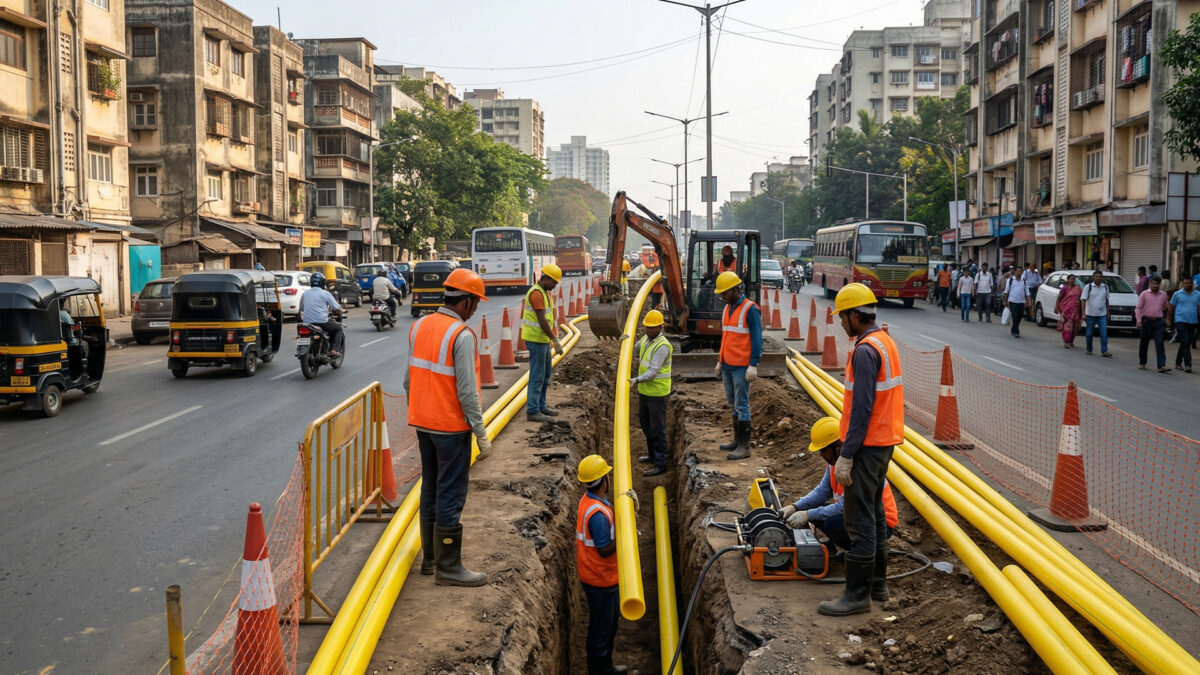
The Ministry of Petroleum and Natural Gas has issued a clear directive: households in areas where piped natural gas (PNG) is available must transition from LPG cylinders within three months, or risk losing their LPG supply.

The move aims to optimize LPG distribution, freeing cylinders for regions without pipelines, while offering households a safer, hassle-free cooking option. PNG delivers gas directly to kitchens, removing the need for repeated refills and making cooking more convenient.

Exceptions are possible if a household cannot physically receive a pipeline connection, in which case authorities can issue a no-objection certificate (NOC) to continue LPG supply. The government is also speeding up pipeline approvals, easing land access, and expanding infrastructure to ensure the transition is smooth.

Officials emphasize that there is no shortage of LPG, petrol, or diesel, but the policy reflects a broader strategy to strengthen India’s energy security, particularly amid global supply disruptions linked to tensions in the Middle East.

Residents in pipeline-connected areas are urged to apply for PNG connections promptly or provide proof of technical infeasibility to avoid disruption. This step marks a significant push toward modernizing India’s gas network and building a more resilient, efficient energy system for the future.

Also Read: Oil prices drop on Iran negotiation talks

Categories
Corporate

S&P raises India’s FY27 growth forecast to 7.1%

Global ratings agency S&P Global has revised India’s economic growth forecast for fiscal year 2026–27 to 7.1%, up from its earlier estimates. The revision reflects strong domestic consumption, resilient exports, and a gradual recovery in private investment, signaling that the Indian economy remains on a solid growth trajectory despite global uncertainties.

S&P highlighted robust household spending as a key driver of growth. Rising incomes and healthy demand across sectors have helped sustain private consumption. At the same time, exports are recovering steadily, providing an important boost to the economy amid a challenging global trade environment. Private investment is also showing signs of revival, contributing further to the positive outlook.

Inflation is expected to remain moderate at around 4.3% in FY27, rising slightly from historically low levels. This reflects both domestic demand pressures and potential impacts from global trends, particularly energy prices.

However, the agency also warned of potential risks. Geopolitical tensions in the Middle East, especially conflicts involving the United States and Iran, could lead to spikes in crude oil prices. Higher energy costs may widen India’s trade deficit, push up inflation, and increase pressure on the government’s fiscal balance, posing challenges for households and businesses.

S&P’s revised forecast stands in contrast to some other analysts who have highlighted slower growth or downside risks. Still, the overall picture points to India’s resilience, with a strong domestic market and competitive export sectors helping the economy navigate global headwinds.

Sustaining this growth will depend on a few key factors: stable energy prices, manageable inflation, and a supportive monetary policy stance from the Reserve Bank of India. Any major spike in crude oil prices or renewed geopolitical instability could temper growth and increase economic pressures.

Also Read: Temasek-backed Manipal health files for ₹8,000 cr IPO

Categories
1 Minute-Read

Airlines cancel flights due to Middle East conflict

Escalating conflict in the Middle East has forced airlines worldwide to cancel or suspend flights to destinations including Dubai, Riyadh, Doha, Tel Aviv, and Beirut. Carriers such as Air France-KLM, Lufthansa, Cathay Pacific, Singapore Airlines, and Indian airlines have scaled back services or rerouted aircraft, citing safety and airspace restrictions.

Thousands of passengers face disruptions, prompting airlines to advise checking flight status before travel. Airspace closures linked to the Iran‑related conflict have complicated international travel and repatriation, with further cancellations possible as geopolitical tensions persist.

Categories
Corporate

Temasek-backed Manipal health files for ₹8,000 cr IPO

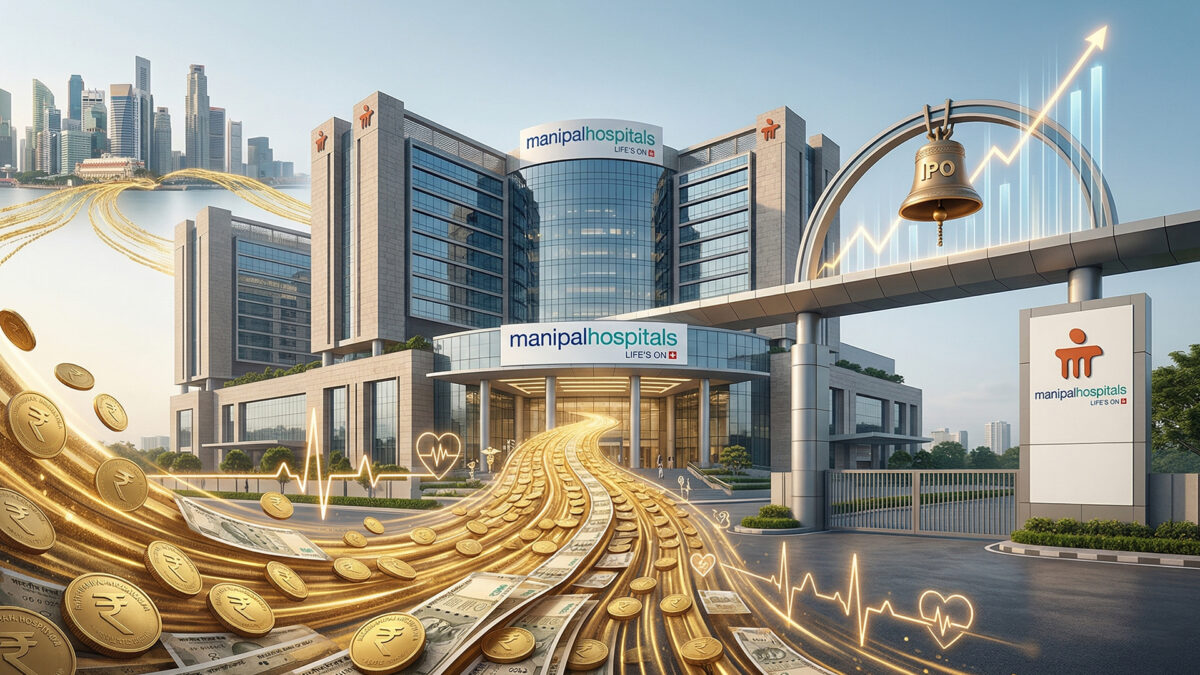
Manipal Health Enterprises Ltd, the Bengaluru-based hospital chain backed by Singapore’s Temasek and other investors, is taking a big step toward going public. The company has filed its Draft Red Herring Prospectus (DRHP) with the Securities and Exchange Board of India (SEBI) to launch an IPO worth ₹8,000 crore.

The funds raised through the IPO will primarily be used to reduce debt at its major subsidiary, Manipal Hospitals Pvt Ltd, and to acquire a minority stake in its step-down unit, Sahyadri Hospitals Pvt Ltd. Remaining funds will support general corporate purposes, giving the company more flexibility to grow its operations.

Alongside the fresh issue, promoters and existing investors — including Imperius Healthcare Investments, TPG SG Magazine, and Novo Holdings Invest Asia, plan to sell about 43.2 million existing shares through an offer-for-sale. A pre-IPO placement of up to ₹1,600 crore may also take place, which could slightly reduce the fresh issue size.

The IPO will be listed on both the National Stock Exchange (NSE) and the Bombay Stock Exchange (BSE). Shares will be allocated with 50% for institutional investors, 35% for retail investors, and 15% for non-institutional buyers. Leading investment banks, including Kotak Mahindra Capital, Axis Capital, and Goldman Sachs, will manage the process, with KFin Technologies acting as the registrar.

Manipal Health operates a network of multi-specialty hospitals across India. As of late 2025, it had 38 hospitals with over 10,700 beds, expanding on a pro-forma basis to 48 hospitals and more than 12,300 beds across 14 states and Union Territories. The company aims to strengthen its balance sheet and support further expansion to meet growing healthcare demand.

By going public, Manipal Health hopes to attract more investors while accelerating its growth in India’s fast-growing healthcare sector, which is seeing rising demand for quality and accessible medical services.

Also Read: Meta brings in Dreamer team to build smarter AI agents

Categories
Corporate

Sensex jumps over 1,200 points, Nifty hits 23,300

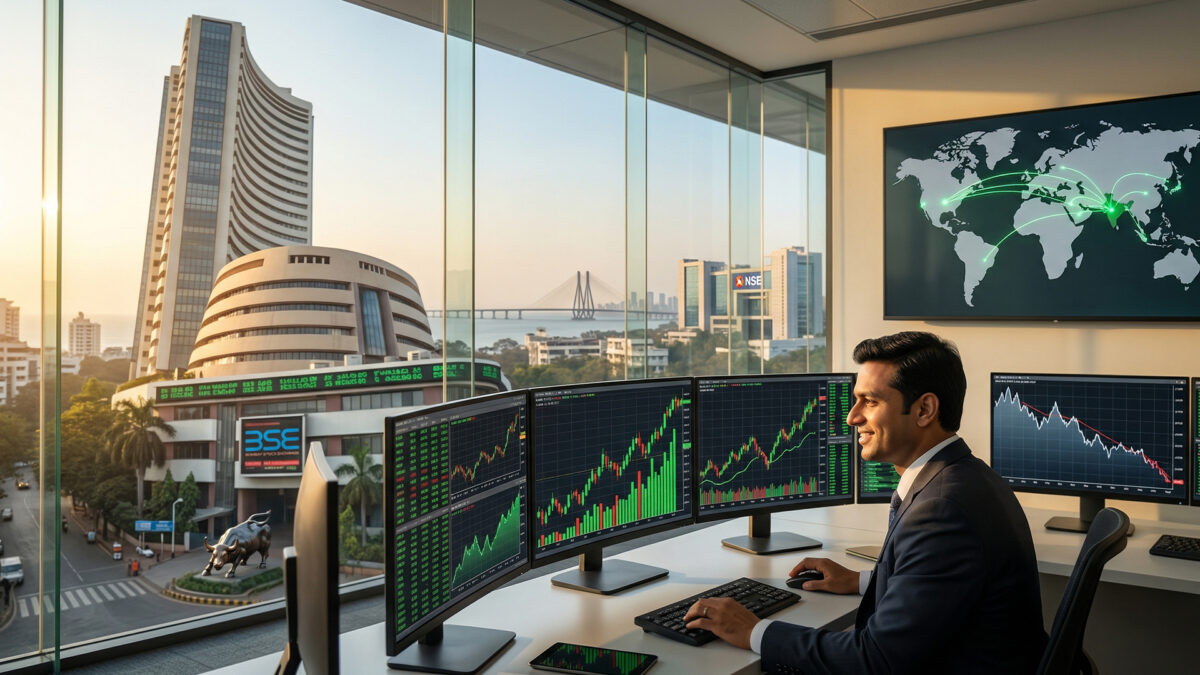
Indian markets staged a sharp rebound on Wednesday, with the BSE Sensex climbing over 1,200 points and the Nifty50 settling above 23,300. Optimism around a potential US-Iran ceasefire and falling crude oil prices boosted investor confidence after days of volatility.

Banking and financial stocks drove much of the rally, with firms like HDFC Bank, ICICI Bank, and Kotak Mahindra Bank posting strong gains. Auto and infrastructure shares also outperformed, as investors looked for sectors likely to benefit from improved sentiment and easing energy costs.

Oil prices slipping below $100 per barrel eased fears of inflationary pressures, helping the market rally. Combined with renewed hopes of diplomatic progress in the Middle East, traders returned to equities, snapping up large-cap and mid-cap shares that had been beaten down in earlier sessions.

In contrast, some metal and energy stocks like Hindalco, Reliance, and ONGC underperformed amid lingering worries over global commodity prices and regional supply concerns. Despite the gains, market analysts caution that volatility may persist if geopolitical tensions flare up again or crude prices rise sharply.

Also Read: Claude AI can now use computers like humans