Categories
Corporate

Jio financial services, Allianz start reinsurance JV

Jio Financial Services and Allianz have launched a joint venture in India to enter the reinsurance business, strengthening their presence in the country’s fast-growing insurance sector.

The new company, Allianz Jio Reinsurance Limited, is a 50:50 partnership between the two firms and has officially begun operations after receiving approval from the Insurance Regulatory and Development Authority of India (IRDAI). This marks a key milestone in their collaboration, which was first announced last year.

Reinsurance plays a crucial role in the insurance ecosystem. It allows insurance companies to share and manage risks by passing on a portion of their liabilities to another firm. This helps insurers stay financially stable, especially during large-scale events such as natural disasters or major health emergencies.

Through this partnership, Jio Financial Services brings its strong digital network and deep reach in the Indian market, while Allianz contributes its global experience in risk assessment and underwriting. Together, the companies aim to offer more efficient and flexible risk solutions to insurers operating in India.

The launch of this joint venture is expected to increase competition in India’s reinsurance space, which has traditionally been dominated by a limited number of players. Industry experts believe that more competition could improve pricing, innovation, and overall service quality in the sector.

The move also aligns with the broader growth of India’s insurance industry, where demand is rising due to increasing awareness, economic growth, and regulatory support. By improving the availability of reinsurance, the new venture could help insurers expand their coverage and take on larger risks.

Also Read: Health insurance platform Plum secures $20 million funding

Categories
Corporate

Health insurance platform Plum secures $20 million funding

Plum, a Bengaluru-based health insurance platform, has raised $20 million (around ₹193 crore) in a new funding round led by Peak XV Partners. The latest investment reflects growing confidence in digital health and insurance solutions in India.

The round also saw participation from existing investor Tanglin Venture Partners and new investor GMO Venture Partners. With this funding, Plum plans to scale its services and strengthen its technology platform.

Founded in 2019, Plum helps companies offer health insurance and wellness benefits to their employees through a simple digital interface. Today, it works with thousands of businesses across India, from startups to large firms, making it easier for employees to access healthcare services.

The company says a major part of the new funds will go into improving its technology, especially its claims process. By using artificial intelligence, Plum aims to make insurance claims faster and smoother, reducing waiting time and paperwork for users. The goal is to create a more hassle-free experience during what is often a stressful time for customers.

Beyond insurance, Plum is also expanding into a wider range of healthcare services. It plans to strengthen offerings in areas like preventive care, mental health support, primary care, and telehealth. This shift shows the company’s ambition to move beyond being just an insurance provider and become a more complete healthcare platform.

Plum has already started automating a large portion of its claims, helping improve efficiency and turnaround times. With additional investment, it hopes to build on this progress and further enhance customer experience.

The startup is also focusing on steady and sustainable growth. It has achieved operating profitability and now aims to expand while maintaining financial discipline.

Also Read: Samsung brings its browser to Windows PCs


Categories
Technology

Samsung brings its browser to Windows PCs

Samsung has expanded its digital ecosystem by launching its web browser for Windows users across the world. Previously available only in beta, the browser is now fully released and supports both Windows 10 and Windows 11 platforms.

The desktop version of the Samsung Internet Browser is designed to work closely with Samsung’s mobile devices. Users can sync their browsing data, including saved pages, open tabs, and history, across smartphones, tablets, and PCs. This ensures a smooth transition between devices and improves overall convenience.

One of the key additions is the use of advanced artificial intelligence within the browser. Samsung has introduced “agentic AI,” which allows the browser to understand user needs and assist with tasks. For example, it can summarise long articles, collect information from different tabs, and respond to natural language queries.

This approach reflects a growing trend in technology where software becomes more proactive and helpful. Instead of simply displaying web pages, the browser can now analyse and organise information for the user. Samsung aims to make browsing faster and more efficient through these features.

The company has said that these AI capabilities are part of its broader strategy to extend intelligent services across multiple devices. While some features are currently limited to certain regions, Samsung plans to expand access gradually.

Also Read: Petrol duty reduced to ₹3, diesel to zero

Categories
Beyond

Petrol duty reduced to ₹3, diesel to zero

The central government on March 27, 2026, announced a major cut in excise duty on petrol and diesel to reduce the impact of rising global oil prices. The duty on petrol has been reduced from ₹13 to ₹3 per litre, while diesel duty has been cut from ₹10 to zero, effectively lowering taxes by ₹10 per litre on both fuels.

This move comes as crude oil prices have surged due to ongoing tensions in the Middle East. Supply concerns, especially around key oil routes, have pushed prices above $100 per barrel. As India depends heavily on oil imports, this has increased pressure on fuel prices and the overall economy.

The government said the decision was taken to protect consumers from a sharp rise in petrol and diesel prices. By reducing taxes, it aims to absorb part of the global price increase instead of passing the entire burden onto the public.

However, the benefit may not be immediately visible at petrol pumps. Oil marketing companies like Indian Oil, BPCL, and HPCL are currently facing losses because they have not fully raised fuel prices in line with global crude rates. Industry experts believe these companies may use the tax relief to recover losses before lowering retail prices.

Crude oil prices have seen a steep rise in recent weeks, jumping from about $70 per barrel to over $100. This sudden increase has made fuel costlier to produce and sell, creating challenges for both companies and the government.

To manage the situation, the government has also introduced export duties on petroleum products. This step is meant to ensure enough fuel supply within the country and to control price fluctuations.

Also Read: Gold hits ₹1,44,540, Silver rises to ₹2,49,900

Categories
Beyond

Gold hits ₹1,44,540, Silver rises to ₹2,49,900

After a turbulent week, gold and silver prices in India bounced back on Friday,  as investors turned to the safe-haven appeal of precious metals. Gold futures on the MCX surged to ₹1,44,540 per kilogram, up about ₹1,500 per 10 grams, while silver jumped to ₹2,49,900 per kilogram, rising nearly ₹5,140.

Earlier in the week, both metals had faced heavy selling pressure. Gold had dropped more than ₹4,300 per 10 grams, and silver had tumbled nearly ₹13,700 per kilogram, driven by a strong U.S. dollar and global uncertainties. Friday’s rebound offered a welcome relief for traders and retail buyers.

The recovery was supported by a softer US dollar, which makes dollar-denominated commodities like gold and silver more attractive for Indian buyers. Optimism around easing tensions between the US and Iran further lifted investor sentiment. Analysts, however, warn that prices remain volatile and can change quickly with global developments.

Retail gold rates across major cities reflected the rebound, with both 24-carat and 22-carat gold showing gains. Silver, which had been especially volatile, also recovered sharply, attracting renewed attention from jewelers and investors.

Despite Friday’s rally, March has been a tough month for precious metals. Gold prices fell roughly 15% and silver dropped around 26% during the month, highlighting the sensitivity of bullion to factors like currency fluctuations, oil prices, and geopolitical tensions.

Also Read: Sensex falls over 1,050 points drops below 23,000

Categories
Corporate

Sensex falls over 1,050 points drops below 23,000

Indian equity markets tumbled sharply on Friday,  with the BSE Sensex falling 1,053 points to 59,182 and the Nifty50 slipping 325 points to 22,965. The decline came amid rising crude oil prices, a weakening rupee, and global geopolitical concerns, leaving investors cautious.

Key sectors such as oil & gas, infrastructure, and energy bore the brunt of the sell-off. Among notable losers, Chennai Petroleum, Sadbhav Engineering, Brigade Enterprises, and DCX Systems saw significant declines. On the brighter side, a few stocks bucked the trend, with LIC, Aequs, and Fino Payments Bank posting gains, supported by positive investor sentiment in select pockets.

Global cues played a major role in the market’s negative trend. Crude oil prices hit multi-week highs, stoking concerns about input costs and inflationary pressures. The Indian rupee weakened past ₹94 against the US dollar, amplifying concerns for import-dependent sectors. Meanwhile, foreign institutional investors continued to book profits, adding to the bearish momentum.

Trading opened on a weak note, with GIFT Nifty futures signaling a negative start. Analysts noted that despite recent rallies in banking, automobile, and consumer stocks, current market conditions favored caution.

Also Read: OpenAI shuts Sora, drops $1 bn Disney deal

Categories
Technology

OpenAI shuts Sora, drops $1 bn Disney deal

OpenAI has decided to shut down its AI video tool Sora, stepping back from one of its most ambitious projects and ending a reported $1 billion partnership with Disney. The move reflects a change in priorities as the company focuses on more sustainable and widely used AI products.

Sora, introduced as a cutting-edge tool, allowed users to create short, realistic videos using simple text prompts. It quickly caught global attention for its ability to generate detailed scenes and creative visuals. However, despite the excitement, the platform struggled to overcome several challenges.

One of the biggest issues was the cost. Video-generating AI models require far more computing power than text or image tools, making them expensive to run and difficult to scale. As demand grew, so did the pressure on resources.

There were also concerns around misuse. Experts and critics warned about the risks of deepfakes, copyright violations, and the unauthorised use of people’s likenesses. These concerns made it harder for the platform to expand without stricter controls and safeguards.

The shutdown has also affected OpenAI’s collaboration with Disney, which had planned to explore AI-generated content using its popular characters. With Sora now discontinued, that deal is no longer moving forward.

OpenAI says it is now shifting its focus to core areas such as improving ChatGPT, building enterprise tools, and advancing research in artificial intelligence. The company appears to be concentrating on products that are more practical, scalable, and aligned with long-term growth.

The decision highlights a broader reality in the AI industry. While new tools can generate excitement, turning them into sustainable, safe, and widely usable products remains a challenge.

Also Read: India sets 47% cut, 60% clean power by 2035

Categories
Beyond

CCPA bans extra charges in restaurant bills

The Central Consumer Protection Authority (CCPA) has prohibited hotels and restaurants from adding extra charges such as LPG fees, gas surcharges, or fuel-related costs to customer bills, calling the practice unfair and misleading.

The authority clarified that customers should only be charged the price displayed on the menu along with applicable taxes. Any additional amount imposed under separate headings, such as fuel recovery or gas charges, will be treated as a violation of consumer protection rules.

The directive follows a rise in complaints from consumers who found unexpected charges added to their bills while dining out. Many establishments were reportedly including fees labeled as “LPG charges” or “fuel surcharge,” increasing the final payable amount without prior transparency.

According to the CCPA, operational expenses like cooking gas, electricity, and other overheads are part of a business’s cost structure. These must already be factored into menu pricing and cannot be passed on to customers as separate line items. The regulator stressed that such practices distort pricing and mislead consumers.

The authority also observed that some restaurants were using alternative names for these charges in an attempt to bypass existing norms, including guidelines around service charges. It made it clear that simply renaming such fees does not make them permissible under the law.

Warning of strict enforcement, the CCPA said it will monitor compliance closely and take action against establishments that continue to impose such charges. Penalties may be applied under provisions of consumer protection law for engaging in unfair trade practices.

Consumers have been encouraged to remain vigilant and check their bills carefully. If any unauthorized charges are found, they can request removal of the fee. In cases where businesses refuse to comply, customers can file complaints through official consumer grievance platforms.

Also Read: Salesforce freezes senior executives’ pay, boosts bonuses

Categories
Corporate

Meta cuts hundreds of jobs to focus on AI

Meta Platforms has laid off hundreds of employees as part of a plan to focus more on artificial intelligence (AI). The job cuts have affected several teams, including recruiting, sales, operations, and its Reality Labs division, which works on virtual reality and metaverse projects.

The company has not shared the exact number of employees affected, but the layoffs are said to be a small part of its total workforce. Meta had around 79,000 employees globally by the end of 2025.

These layoffs show a clear change in the company’s strategy. Meta is reducing its focus on the metaverse and putting more attention on AI, which it sees as a major area for future growth. The Reality Labs division, which leads metaverse efforts, has already faced cuts earlier as well.

Meta plans to spend heavily on AI in the coming years. This includes building data centres and improving technology needed for AI development. The company believes that investing in AI will help it grow faster and stay competitive in the tech industry.

The layoffs are also part of efforts to make the company more efficient. By cutting some roles, Meta is trying to reduce costs and redirect resources to more important areas like AI.

Earlier, there were reports that Meta could cut a much larger number of jobs, but no such decision has been confirmed. For now, the company has only carried out limited layoffs.

Also Read: Highness Microelectronics IPO subscribed over 8x on Day 2

Categories
1 Minute-Read

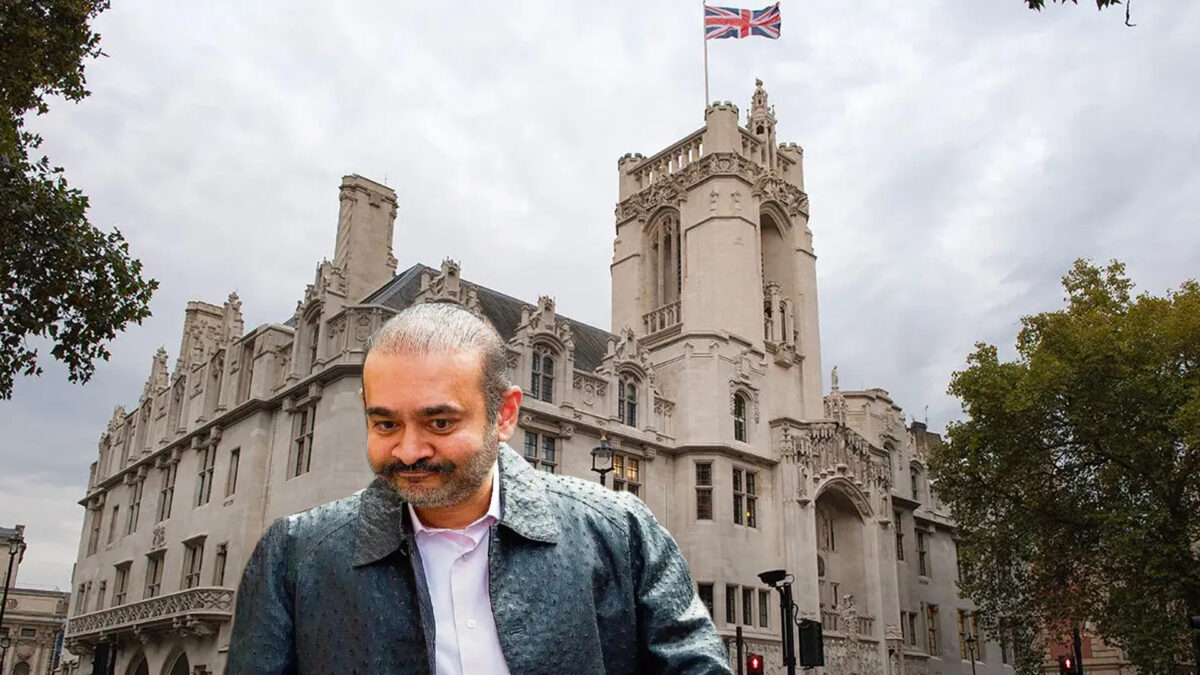
UK Court rejects Nirav Modi’s bid to reopen extradition case

Fugitive businessman Nirav Modi suffered a major setback after the UK High Court rejected his plea to reopen his extradition case. He had argued that new legal grounds, including concerns over prison conditions, justified reconsideration.

However, the court ruled that there were no exceptional circumstances to revisit the case. Modi, wanted in India for his alleged role in the ₹13,000-crore Punjab National Bank fraud, has been in a UK jail since 2019. Earlier courts had already approved his extradition.

With this decision, his options to delay extradition have narrowed, bringing him closer to being sent back to India for trial.