
Categories
Technology

Windows users to see Copilot added automatically soon

Microsoft is preparing to automatically roll out its Microsoft 365 Copilot app to eligible Windows devices, signalling a major step in the company’s efforts to bring artificial intelligence into everyday workplace operations.

The deployment, expected to begin over the next few weeks, will target business customers using Microsoft 365 applications on Windows systems. Users may find the Copilot app installed on their devices without manually downloading it, as Microsoft plans to make the rollout automatic by default. However, IT administrators will have the option to block or disable the installation if their organisations choose not to participate.

The move reflects Microsoft’s growing confidence in AI-powered productivity tools. The Microsoft 365 Copilot app acts as a central hub for AI features integrated across popular workplace applications, including Word, Excel, PowerPoint, Outlook and Teams. Through these tools, users can generate content, analyse data, summarise information and automate routine tasks.

For many businesses, the rollout could provide easier access to AI capabilities without requiring employees to install additional software. Microsoft believes this approach will encourage wider adoption of its AI ecosystem and help organisations improve efficiency in day-to-day operations.

At the same time, the decision has sparked discussion among IT professionals and enterprise customers. Some administrators have questioned the practice of automatically deploying software, arguing that organisations should have greater control over what appears on employee devices. Others have raised concerns about governance, security policies and the management of AI tools in regulated industries.

Microsoft has stressed that the rollout only installs the application and does not automatically activate premium Copilot services. Users and organisations will still need the required licences and subscriptions to access advanced AI features.

The development comes as competition among technology giants intensifies in the race to integrate artificial intelligence into mainstream software products. Companies are increasingly positioning AI assistants as essential workplace tools rather than optional add-ons.

Also Read: Tata Motors secures 3,400 EVs orders nationwide

Categories
Technology

Samsung brings its browser to Windows PCs

Samsung has expanded its digital ecosystem by launching its web browser for Windows users across the world. Previously available only in beta, the browser is now fully released and supports both Windows 10 and Windows 11 platforms.

The desktop version of the Samsung Internet Browser is designed to work closely with Samsung’s mobile devices. Users can sync their browsing data, including saved pages, open tabs, and history, across smartphones, tablets, and PCs. This ensures a smooth transition between devices and improves overall convenience.

One of the key additions is the use of advanced artificial intelligence within the browser. Samsung has introduced “agentic AI,” which allows the browser to understand user needs and assist with tasks. For example, it can summarise long articles, collect information from different tabs, and respond to natural language queries.

This approach reflects a growing trend in technology where software becomes more proactive and helpful. Instead of simply displaying web pages, the browser can now analyse and organise information for the user. Samsung aims to make browsing faster and more efficient through these features.

The company has said that these AI capabilities are part of its broader strategy to extend intelligent services across multiple devices. While some features are currently limited to certain regions, Samsung plans to expand access gradually.

Also Read: Petrol duty reduced to ₹3, diesel to zero

Categories
Technology

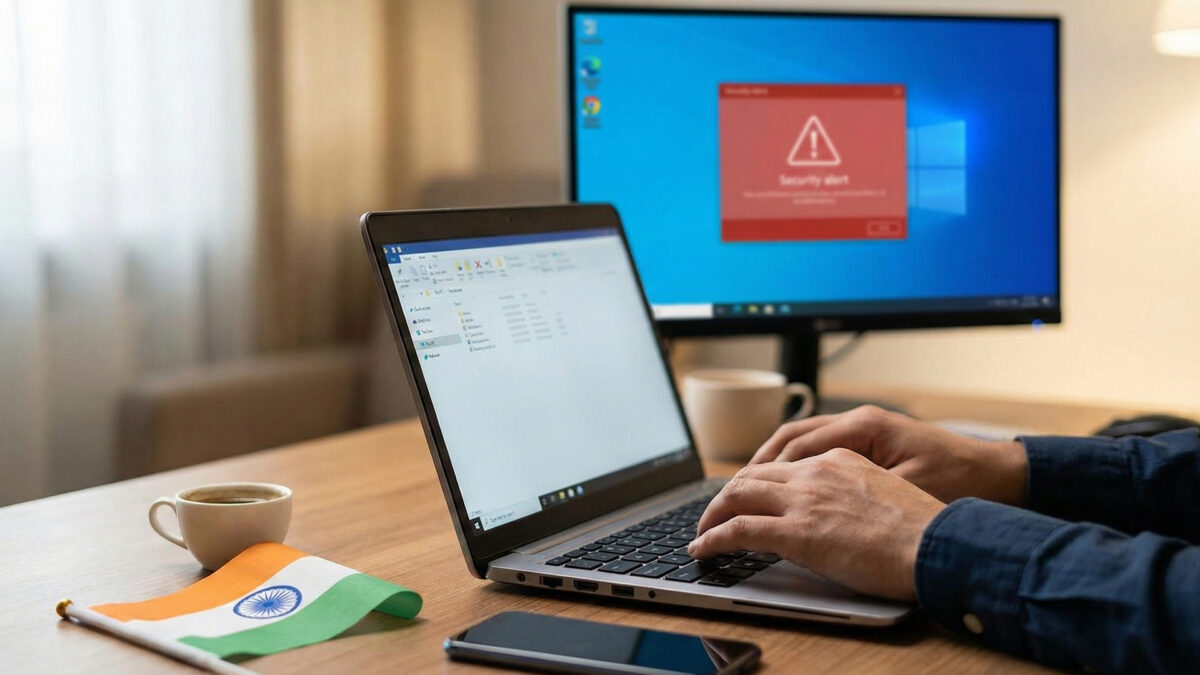
Windows 10 & 11 users alerted to security flaw

The Indian government has raised an alert for Windows 10 and 11 users following the discovery of a security vulnerability that could compromise sensitive system information. CERT‑In, the national cybersecurity agency, has flagged the issue as a potential risk even for devices with standard security settings.

The flaw is located in the Desktop Window Manager (DWM), the component responsible for managing the Windows graphical interface. CERT‑In has identified that improper memory handling in this module may allow a local attacker with minimal access to retrieve sensitive system information. While the vulnerability does not directly allow remote hacking, it could be exploited in combination with other techniques to escalate attacks.

Affected systems include multiple Windows 10 versions (1607, 1809, 21H2, 22H2) and Windows 11 editions (23H2, 24H2, 25H2), along with several Windows Server versions from 2012 through 2025. CERT‑In has rated the risk medium, highlighting that exposure of memory data could bypass security protections like Address Space Layout Randomisation (ASLR).

The advisory emphasizes that users should install the latest Microsoft security updates immediately via Windows Update. Enterprises and individual users are urged to maintain proper system hygiene, avoid untrusted software, and use accounts with limited privileges where possible.

Although no major exploit of this vulnerability has been reported yet, CERT‑In stresses that prompt patching is critical to protect data and maintain system security. Ignoring the update could leave systems vulnerable to future attacks, especially in enterprise environments where sensitive data is processed daily.

Also Read: Gold at ₹1.43 lakh , Silver rises ₹2.95 lakh